







Search Results for: Indian White Tea
Vahdam Himalayan White Tea and Indian Black Tea Review: A Full Analysis of the Flavor Differences Between Assam and Darjeeling
Indian tea brand Vahdam has been gaining steady popularity in specialty tea circles in recent years, with its Himalayan white tea and its Assam and Darjeeling black teas each having their own following. This article starts from the profit logic and chaotic standards of the white tea market, sorting through the flavor profiles of specific tea samples such as British teahouse White Peony, deer antler tea, Mangalam Estate Assam, and Rwanda Rukeri, and compares the taste differences between Assam and Darjeeling. It returns at the end to buying advice: rather than getting lost among more than 300 kinds of tea, it is better to stick with a reliable seller. Front Street Coffee has always advised that in choosing tea, choose the person first—only a good tea merchant can sell good white tea. [more…]
The Crown of Fuding White Tea vs. Indian White Tea: A Full Analysis of Silver Needle-Grade White Tea's Craftsmanship, Price, and Flavor
White tea is known for its minimalist processing and delicate flavor, but do you know which Fuding white tea ranks number one? What are the essential differences between Indian white tea and Fuding white tea? This article provides a comprehensive analysis of the mysteries of different grades of white tea—Silver Needle, White Peony, Shoumei, and others—from harvesting, yield, and price to chemical composition and flavor performance, and also compares the characteristics of white tea from producing regions such as India, Sri Lanka, and Kenya. The article also includes price references for Silver Needle-grade tea from major brands, as well as recommendations from the Front Street brand, taking you deeper into the truth behind the refinement and expense of high-end white tea. [more…]
Does Darjeeling tea belong to black tea or green tea? Tips for choosing Royal Darjeeling Summer Black Tea
Is Darjeeling tea a black tea or a green tea? This is a question many tea lovers often have. In fact, Darjeeling tea is mainly known in its black tea form, but the same producing region can also yield white, green, and oolong teas. Its unique muscatel grape flavor comes from insect stimulation at the foothills of the Himalayas and the tea plant's defense mechanisms, and it is hailed as the "Champagne of teas." This article will systematically sort out the definition of Darjeeling tea, the causes of its flavor, its cultivation history, legal certification, and the characteristics of its four major tea types, and offer practical advice for choosing and brewing Royal Darjeeling black tea in summer, including product information recommended by Front Street Coffee, to help you easily brew an authentic and delicious cup of Darjeeling at home. [more…]
How to Distinguish Authentic Assam from Darjeeling Black Tea? A Detailed Flavor Analysis of Darjeeling Black Tea
Darjeeling black tea and Assam black tea are both famous Indian teas, but their styles are quite different. Darjeeling is known for its distinctive muscatel grape character, and its tea tree varieties, cultivation history, plucking seasons, and certification system are all worth exploring in depth. This article will examine the reasons behind its flavor, its historical origins, tea classification, and authenticity identification to help coffee and tea enthusiasts clarify the differences between these two black teas. At the same time, the article will also mention related product information from the Front Street brand for reference when making purchases. [more…]
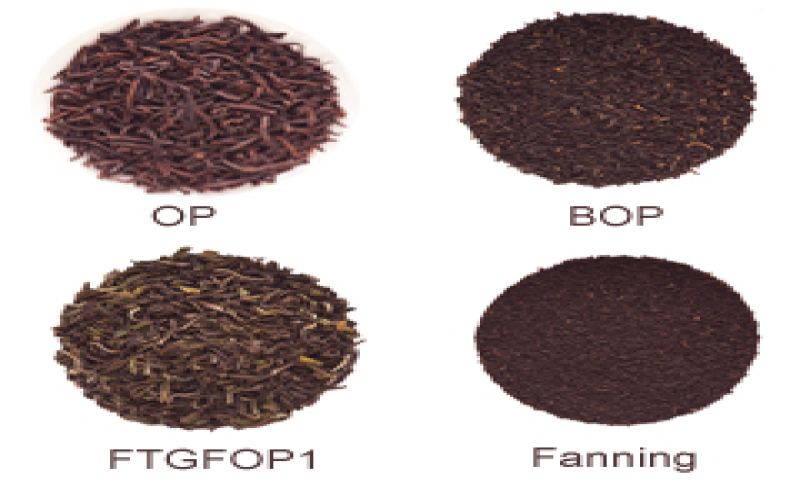
Loose Leaf OP Black Tea vs. Tea Bag Broken Leaf Tea: An Analysis of Grade Hierarchy and Flavor Differences
After tea leaves are processed, they are graded based on physical characteristics such as size and color, but grading does not directly equate to brewing quality. Indian black tea has the most rigorous grading system, in which Orange Pekoe (OP) is a basic term derived from the Chinese word for "white down" and has nothing to do with orange flavor. Black tea is divided into four categories: whole leaf, broken leaf, fannings, and dust. Whole-leaf grades range from OP to SFTGFOP1, with quality improving grade by grade; the broken-leaf grade BOP retains more whole-leaf quality and is often used for blending; finer tea powder is mostly used for tea bags and ready-to-drink beverages. Although loose-leaf tea and tea bags come from the same source, there are significant differences between orthodox processing and CTC processing, with the former having a more complex flavor. Front Street Coffee has always advocated choosing loose-leaf tea in order to enjoy the visual appeal and pure taste of whole tea leaves. [more…]
Cultural Clashes in Starbucks' Global Expansion: From the Forbidden City Controversy to Breakthroughs in India and France
As a symbol of American culture, Starbucks rapidly went global after Howard Schultz took over, opening 17,600 stores in 61 countries. However, when Starbucks entered countries with deep cultural traditions such as China, India, and France, it frequently encountered cultural resistance and controversy. From being forced to withdraw from its Forbidden City store, to the long wait in the Indian market, to the French people's steadfast defense of traditional cafés, Starbucks, while exporting American coffee culture, has also had to face the stubborn resistance of local cultures. This article will walk you through Starbucks' path of cultural conflict and integration around the world, and explore the balance between business expansion and cultural respect. [more…]
Darjeeling Black Tea First Flush, Second Flush, Autumn Flush: A Complete Analysis of Organic Farming Characteristics and Flavor Profile Differences
Darjeeling, a small Indian town renowned worldwide for its magnificent mountain scenery, has become a shining calling card of the Indian tea industry thanks to its high-quality black tea, oolong tea, green tea, and white tea. Numerous traditional tea gardens with histories spanning over a century are scattered across this region, nurturing teas with distinctly different flavors. Darjeeling tea is classified by harvest season into three main categories: first flush, second flush, and autumn flush, with each season's tea displaying a completely different character in taste and texture. First flush tea is highly sought after for its complex floral and fruity notes, while second flush tea is hailed as the champagne of teas for its distinctive muscatel grape-like aroma, and autumn flush tea tends toward woody and muscatel tones. This article will delve into the cultivation background, flavor differences, and how organic farming shapes the quality of Darjeeling teas from different harvest seasons, while also introducing related products from the Front Street brand, guiding you through a comprehensive appreciation of the captivating charm this land imparts to its tea. [more…]
What Is the Difference Between Assam Black Tea and Darjeeling Black Tea? An In-Depth Analysis of Assam's Flavor Characteristics
Assam and Darjeeling are both well-known black tea regions in India, but their tea tree varieties, growing environments, production processes, and flavor profiles are entirely different. Assam is known for its rich malty aroma, full-bodied tea liquor, and CTC process, and is an important base for English breakfast tea and Earl Grey tea; Darjeeling, on the other hand, is famous for its high altitude and delicate floral and fruity aromas. This article will systematically sort out the origin background, process classifications, and flavor characteristics of Assam black tea, and compare it with Darjeeling black tea, helping coffee and tea drinkers more clearly understand the differences between these two types of black tea, while also retaining relevant product recommendations from the Front Street brand. [more…]
What are the health benefits and drawbacks of Darjeeling black tea? What exactly is this tea known as the champagne of teas?
Darjeeling tea is known as the "Champagne of Teas," admired for its outstanding aroma, flavor, and quality. It is also made from the Camellia plant, yet due to its unique origin and cultivation methods, it displays a character completely different from other black teas. Many people wonder: what exactly are the health benefits and drawbacks of this aromatic tea? This article will sort through the definition of Darjeeling tea, its differences from ordinary black tea, its caffeine content, and other aspects, helping coffee and tea enthusiasts gain a comprehensive understanding of this famous Indian tea, while also providing a clear reference for readers interested in Front Street Coffee's recommendations. [more…]
A Detailed Explanation of Black Tea Grading: How to Distinguish First, Second, and Third Grades and a Comparison of Chinese and Foreign Standards
As a fully fermented tea, black tea does not have a globally unified grading system; instead, it varies by origin and standard. This article begins with the grading methods for Chinese black tea, explains how leaf size and granularity affect the grade, and compares the differences between domestic and international standards. It also explains the commercial nature of labels such as "Special Grade" and "Premium," as well as professional terms like "tea tips" and "golden needle tips." The article also mentions well-known varieties such as Keemun black tea and Congou black tea, as well as the origins of Indian and Sri Lankan black tea. By understanding this knowledge, coffee enthusiasts can also view the relationship between tea quality and grade more rationally. [more…]
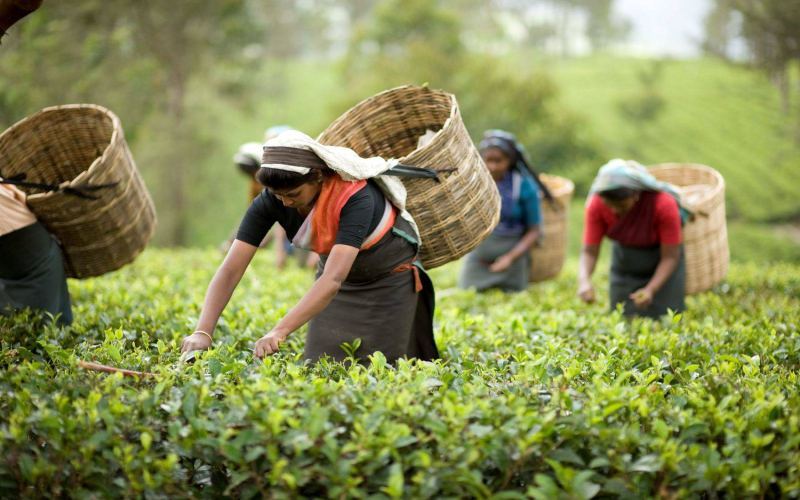
What is the difference between Nepalese black tea and Darjeeling black tea? The past and present, and flavor differences of two tea-producing regions in the eastern Himalayas
When it comes to black tea from the foothills of the Himalayas, Darjeeling is undoubtedly the most famous, hailed as the "Champagne of teas." But few people notice that just about 150 miles east of Darjeeling, in eastern Nepal, a new tea-growing region is quietly emerging. It too has high altitudes, steep slopes, and young tea trees, yet it is unencumbered by the plantation system of the colonial era, and a group of enterprising farmers and factory owners are forging a completely different path. What exactly is the difference between Nepali tea and Darjeeling tea? And what is so distinctive about its taste? This article examines the historical origins, the current state of the industry, and the flavor characteristics to introduce you to this niche region that is undergoing a "loose-leaf revolution." [more…]
Is Assam black tea originally from India? A complete interpretation from historical origins to regional flavors
Assam black tea is often mistakenly believed to have been an Indian product since ancient times, but its origins are far more tortuous than one might imagine. Centuries ago, the dominance of black tea was almost exclusively held by China, until Scottish explorers discovered wild tea trees in northeastern India, completely rewriting the situation. Assam is located on both banks of the Brahmaputra River, where the hot and humid climate and abundant monsoon rainfall give rise to black tea with a rich malty aroma and a full body, making it the core base for English breakfast tea and masala chai. Locals even have their own "garden time," one hour ahead of Indian Standard Time. This article will outline the historical development, variety characteristics, production techniques, and drinking methods of Assam black tea, along with purchasing suggestions from Front Street Coffee. [more…]
Which Darjeeling black tea estate is most worth buying? Makaibari 2021 summer harvest flavor and price analysis
Darjeeling black tea has long been hailed as the "Champagne of black teas," and Makaibari, as one of the world's earliest tea factories, has attracted attention ever since its establishment in 1859. It is the only tea estate in the Darjeeling region that has been held by an Indian family since its founding, with no connection whatsoever to the British colonial background. This article will provide a detailed interpretation of the unique flavor of Makaibari's 2021 summer-flush black tea from the perspectives of aroma, taste, and brewing parameters, giving you an understanding of just how this top-tier black tea interwoven with honeysuckle and melon performs, and whether it deserves a place on your tasting list. [more…]
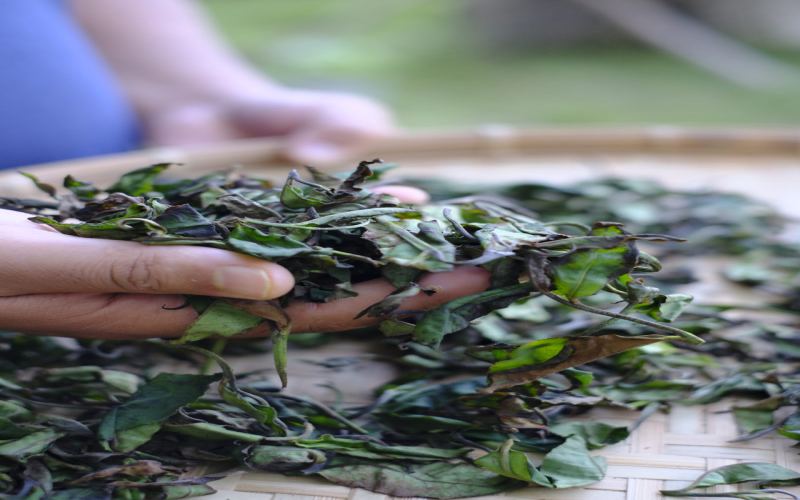
Oolong Tea Innovation in India's Assam Tea Region: From Poetic Inspiration and Firewood Craftsmanship to Natural Scenting with Native Flowers
Assam is world-famous for its black tea, but this region also produces stunning oolong teas. This article will introduce you to how Assamese tea artisans tell the story of tea through poetry, and explore two distinctive oolongs—Meraki and Petrichor. Meraki emphasizes the tea master's vigilant care throughout withering, oxidation, and wood-fire roasting, while Petrichor employs a natural scenting process, using Assam's native xewali flowers to impart a unique aroma to the oolong. We will also cover the cultural significance of the xewali flower, as well as the flavor profiles and purchasing advice for these two teas. If your understanding of Indian tea is still stuck on black tea, this article will refresh your perspective. [more…]

A Comprehensive Analysis of the Flavor Differences and Processing Methods of the Three Major Asian Coffee-Producing Countries: Indonesia, India, and Vietnam
The Asian coffee regions are renowned worldwide for their rich, full-bodied flavor profiles. Indonesia, India, and Vietnam, as the three core producing countries, each cultivate distinctly different coffee styles. Indonesia's wet-hulling method and unique terroir create the intense, herbal character of Mandheling; India, with its monsooned Malabar process, wrote a legend of the Age of Discovery; Vietnam developed a unique street culture with its drip coffee and condensed milk. Front Street Coffee takes you through the variety origins, processing methods, and flavor characteristics of these three countries one by one, with complete brewing parameter references included. [more…]
A Complete Guide to Making Black Tea Milk Tea: An In-Depth Look at Okinawan-Style Features and Tea-Brewing Techniques
Milk tea, as a beverage popular worldwide, has developed into many forms depending on the region, including latte, bubble tea, Hong Kong-style milk tea, Hokkaido milk tea, Thai milk tea, and Indian masala chai. Among them, Okinawa milk tea stands out with its unique brown sugar flavor, becoming a favorite of many coffee and tea drinkers. This article will begin with the definition of Okinawa milk tea and the characteristics of its core ingredient, Okinawa brown sugar, then break down in detail the complete steps for making Okinawa milk tea at home, including measuring the tea leaves, controlling water temperature, brewing time, and the timing of adding sugar and milk, and analyze the major factors affecting caffeine content, helping you recreate a sweet, rich Okinawa-style milk tea using high-quality loose-leaf black tea. [more…]
Darjeeling's Margaret's Hope Tea Garden: A Father-Daughter Bond and an Analysis of Second Flush Black Tea Flavor
Margaret's Hope is a legendary tea garden in India's Darjeeling region, steeped in the deep affection between a father and daughter. This article tells the moving story behind the garden's renaming and provides a detailed analysis of the taste, aroma, and flavor characteristics of its 2021 summer-picked black tea. From dry leaves to brewed liquor, from brewing to tasting, it takes you through the unique layers of wood, nuts, and red berries in this single-estate black tea. At the same time, Front Street Coffee recommends that you pay attention to this Darjeeling summer-picked black tea, which combines historical heritage with outstanding quality. [more…]
Exploring Asia's Three Major Coffee-Producing Countries: Bean Flavors and Human Stories from Indonesia, India, and Vietnam
The Asian coffee-producing regions occupy a unique position in the global coffee landscape, known for their rich, full-bodied flavor profiles. Front Street Coffee has always been dedicated to tasting coffee beans from around the world, comparing different varieties, origins, and processing methods, and building a visual flavor database to help coffee enthusiasts gain a deeper understanding of the coffee world. This article focuses on Asia's three major coffee-producing countries—Indonesia, India, and Vietnam—outlining their respective coffee development histories, growing environments, variety characteristics, processing techniques, and signature flavors. From Indonesia's Mandheling, Java, and Sulawesi, to India's Monsooned Malabar and Robusta Kaapi Royale, and then to Vietnam's distinctive drip coffee with condensed milk, egg coffee, and yogurt coffee, we present one by one the diverse facets and cultural richness of Asian coffee. [more…]
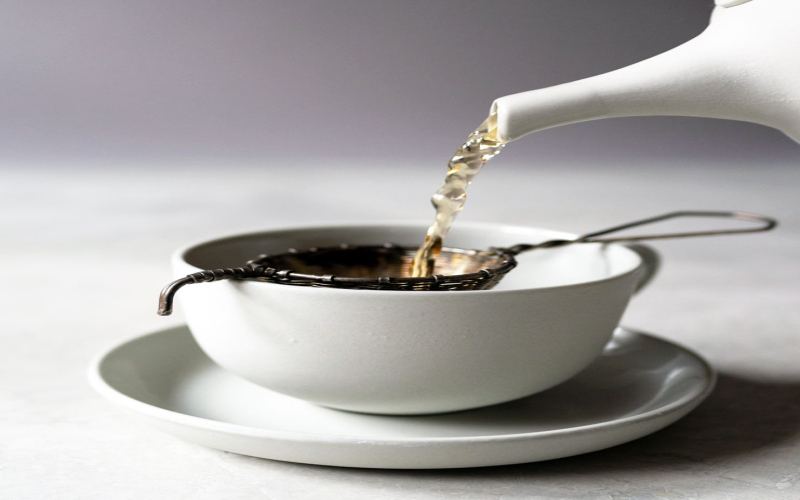
The Ten Golden Rules of Western Black Tea Brewing: From Leaf Selection to Milk-Pouring Order—What Does Orwell Say? A Full Analysis of Black Tea Astringency and Milk Addition
When brewing a cup of black tea, which type of tea leaves should you actually use? Should the teapot be preheated? Should the milk go in first or the tea? These questions may seem trivial, yet they have puzzled Western tea drinkers for decades. George Orwell once proposed his famous eleven golden rules for brewing tea, offering his own answers one by one, from the origin of the tea leaves to the brewing method. This article will use these ten rules as a thread, combined with the differences between Eastern and Western tea-drinking habits, to re-examine every detail of brewing black tea—including common questions such as whether black tea is better the more astringent it is and whether milk can be added—while weaving in different voices from Chinese tea enthusiasts. Whether you are a loyal fan of Earl Grey or a daily drinker of English Breakfast tea, you will find brewing ideas worth considering. [more…]
Ceylon Flavored Black Tea Flavor Analysis: Earl Grey, Jasmine, and Masala, Plus a Discussion on Whether Flavorings Are Added and the Causes of Astringency
Ceylon flavored black tea is made by infusing black tea, green tea, or oolong tea with the natural flavors of flowers, herbs, and fruits, preserving the inherent depth of Ceylon tea while adding subtle fruity or herbal notes. Common varieties on the market, such as Earl Grey, jasmine tea, and masala chai, each have their own origins, while innovative flavored teas like raspberry, lemon, ginger, strawberry, mint, vanilla, and cinnamon are continually emerging. Many tea enthusiasts wonder whether flavored black teas rely solely on artificial flavorings, and why Ceylon black tea tastes astringent. This article will address these questions by outlining the types, processing methods, and flavor characteristics of Ceylon flavored black tea, and also introduce related product information from Front Street Coffee. [more…]