







Search Results for: Hurricane Estate
The Rise of the Honduran Coffee Industry and a Flavor Analysis of Five Renowned Estate Brands
The history of coffee cultivation in Honduras can be traced back to the late 18th century, when Spanish merchants introduced coffee trees to this land. After experiencing slow development following independence, improvements in infrastructure, the devastating blow of Hurricane Mitch in 1998, and the remarkable industry revival that followed, Honduras has now become one of the world's top five coffee-producing countries, with an annual output of more than 475,000 metric tons, and has become an important exporter of high-quality Arabica coffee beans. This article will review the ups and downs of Honduran coffee and introduce five representative Honduran coffee brands selected by Front Street Coffee, covering Macara Organic Coffee, Tropical Fruit Bourbon Micro-lot, Monte Vista Craft Coffee, Maud's Organic K-Cups, and Copan Region Volcanic Coffee, analyzing each brand's origin background, processing methods, and cup profile. [more…]
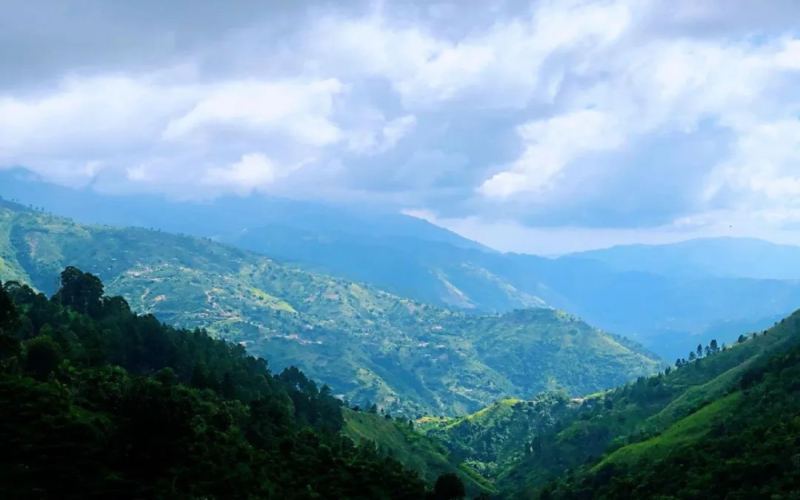
A Comprehensive Analysis of the Reasons for the High Price of Jamaican Blue Mountain Coffee and Its Flavor Characteristics
Blue Mountain coffee has long been regarded as synonymous with high-quality coffee, and its price has consistently remained high. It is produced in the Blue Mountains of eastern Jamaica, where fertile volcanic soil, abundant rainfall, and year-round mist provide ideal growing conditions for the Typica variety. The high cost of Blue Mountain coffee stems not only from its terroir but is also closely tied to historical hurricane disasters, long-term exclusive purchase contracts held by Japanese companies, and strict regulation by the Jamaican government. This article will outline the origins of Blue Mountain coffee, the demarcation of its production region, its grading standards, the tradition of wooden barrel packaging, and the cultivation background of Clifton Mount Estate, and will also introduce the flavor profile of Front Street Jamaica Blue Mountain No. 1 coffee, helping readers gain a comprehensive understanding of the unique status of this "Coffee Emperor." [more…]
Tracing the History of Blue Mountain Coffee: From Royal Legend to Origin Grading and Japanese Capital Control
Blue Mountain Coffee is hailed as the synonym for the finest coffee, its story interwoven with royal legends, colonial planting history, and capital battles. From a French officer introducing coffee seeds to Jamaica in 1723, to a hurricane destroying Wallenford Estate in 1960, and then Japanese capital controlling ninety percent of production, the origins of Blue Mountain Coffee are far more complex than the acidity and aroma in the cup. This article will outline the formation of the Blue Mountain Coffee producing region, the distribution of its three main growing areas, the strict altitude grading standards, and the true terroir range represented by "Front Street Blue Mountain Coffee." It will also reveal the current situation of the large amount of counterfeit Blue Mountain Coffee on the market, helping enthusiasts understand why authentic Blue Mountain is always in short supply. [more…]
Panama Boquete Geisha Coffee Beans: A Complete Flavor Analysis from Ethiopian Heirloom Variety to the New King of Specialty Coffee
While Jamaican Blue Mountain and Hawaiian Kona have long occupied the coffee throne, a dark horse from Ethiopia's native forests—Geisha—is rewriting the landscape of specialty coffee with hurricane force. This article takes you through Geisha's legendary journey from its discovery in 1931 to its dazzling rise at Hacienda La Esmeralda in Panama, recounting its glorious record of eleven championships and sky-high auction bids, and further, through hands-on testing with both pour-over and siphon extraction methods, deeply analyzing this bean's signature lemon-citrus aroma, honey-cream sweetness, and layer upon layer of oolong tea notes. Front Street Coffee will also share roasting and brewing insights to help you fully understand this green diamond capable of moving even the most seasoned connoisseur. [more…]
Jamaica Blue Mountain Coffee: Causes of Production Decline and Flavor Analysis — Typica Variety Pour-Over Parameters and Brewing Method
Jamaican Blue Mountain coffee is renowned for its balanced and elegant flavor, but since October 2020, Jamaica has been hit by a series of natural disasters including tropical storms, hurricanes, earthquakes, and volcanic ash, causing road damage in the Blue Mountain coffee growing region and extensive cherry drop, with Coney Dell Estate expected to see yield losses of over 50%. This article will review the impact of these disasters, introduce the growing environment of Blue Mountain coffee and the characteristics of the Typica variety, and share in detail the brewing parameters and flavor profiles of two pour-over methods recommended by Front Street Coffee—the KONO dripper and the cloth filter—to help coffee enthusiasts gain a comprehensive understanding of the current situation and brewing key points of Blue Mountain coffee. [more…]

Is Jamaican Blue Mountain Coffee a Specialty Coffee? A Full Analysis of Its Flavor Characteristics and Strict Grading System
Blue Mountain coffee is often hailed as the finest of coffees, but does it really count as specialty coffee? This article analyzes Blue Mountain coffee from multiple angles—its growing environment, flavor profile, the Jamaican government's strict regulatory system, the CIB certification framework, export grading standards, and the tradition of wooden barrel packaging—and also examines the special position of Wallenford Estate in quality control. At the same time, drawing on the recommendation perspective of Front Street Coffee, it helps coffee enthusiasts gain a comprehensive understanding of Blue Mountain coffee's true standing and unique value. [more…]
Colombia Finca El Viento Sweet Bee Coffee Beans: A Full Analysis of Variety, Grade, Honey Processing, and Flavor Profile
Located in the Santa Barbara production area of Antioquia Department, Finca El Viento sits at 1,820 meters above sea level. Built on a foundation of Colombia and Caturra varieties, it uses a honey processing method to create the micro-lot Sweet Bee coffee. This bean presents a complex flavor profile of honey citron tea, black plum, red grape, and clove, and estate owner Alejandro Trujillo uses self-made covered drying racks for meticulous processing. This article will systematically sort out the origins of coffee cultivation in Colombia, the concept of estate beans and key purchasing points, and provide an in-depth introduction to the specific information and quality characteristics of Finca El Viento Sweet Bee. At the same time, combined with Front Street Coffee's recommendation, it offers coffee lovers a complete reference on flavor and quality. [more…]
A Comprehensive Analysis of Jamaican Blue Mountain Coffee Flavor Characteristics and the Clifton Estate Region
Jamaican Blue Mountain coffee has long been regarded as the pinnacle of specialty coffee, and its unique flavor and aroma captivate countless coffee enthusiasts. This article will take you deep into the origins of Blue Mountain coffee, the distribution of its three major producing regions, the government regulatory system, and the distinctive terroir of Clifton Mount Estate. From King Louis XV of France ordering its cultivation in the 18th century to today's landscape where the Japanese market accounts for ninety percent of production, the legendary journey and geographical advantages of Blue Mountain coffee together create that balanced and elegant taste in the cup. Front Street Coffee will also recommend outstanding Blue Mountain selections worth savoring. [more…]
Exploring the BOP Champion Estate in Panama: Where Does the Exquisite Flavor of Elida Green Tip Geisha Come From?
Elida Estate is one of the most prestigious coffee estates in Panama's Boquete region and a frequent winner of the Best of Panama (BOP) competition. The estate sits at one of the highest cultivation altitudes in the country, with more than half of its land incorporated into Volcán Barú National Park. Its unique microclimate, combined with the estate owner's relentless dedication to harvesting and processing, together produce the unforgettable flavor profile of Green Tip Geisha. This article takes you deep into Elida Estate's history, geographical environment, variety composition, and processing philosophy, and recommends the Elida Green Tip Geisha from Front Street Coffee, so you can experience the distinctive charm of this top-tier Panamanian coffee. [more…]
Jamaica Wallenford Estate: Flavor Characteristics and Industry Background of the Oldest Blue Mountain Coffee Region
Blue Mountain coffee is widely recognized as one of the world's finest coffees, and Jamaica's unique climate, geology, and topography provide it with exceptional growing conditions. The Blue Mountains stretch across the eastern part of the island nation, with elevations exceeding 2,100 meters. The cool, damp, and foggy environment, combined with terraced mixed-cropping, allows coffee trees to grow alongside bananas and avocados. However, the Jamaican coffee industry faces challenges such as hurricanes, labor costs, and difficulties with mechanization, and ninety percent of Blue Mountain coffee is preferentially purchased by Japan, leaving the international market chronically undersupplied. Only coffee from the four regions of Saint Andrew, Portland, Saint Thomas, and Saint Mary, certified by the CIB, and grown above 2,000 feet may be labeled "Jamaica Blue Mountain." The oldest estate, Wallenford Estate, as a wholly state-owned enterprise, participates in cultivation, processing, and sales throughout the entire chain, and has profoundly influenced Jamaica's national coffee standards. Front Street Coffee has always followed this legendary producing region. [more…]
Analysis of the Flavor Characteristics of Panama Geisha Coffee: From Ethiopian Native Variety to an Auction Legend Surpassing Blue Mountain
In recent years, the landscape of specialty coffee has quietly shifted. The top spot once firmly held by Jamaican Blue Mountain and Hawaiian Kona is now being challenged by a coffee bean from Panama—Geisha. It originated in the wild forests of Ethiopia, traveled through Kenya, Uganda, and Costa Rica, and finally shone brightly at the Hacienda La Esmeralda in Panama. Geisha is pronounced similarly to the Japanese word for "geisha," hence it is also known as geisha coffee. Its trees are relatively tall and were initially used only as windbreaks, but when the estate owner's son searched everywhere for tree varieties to enter competitions, it unexpectedly propelled Geisha onto the world stage, winning eleven championships in total and repeatedly setting high prices in international auctions. Front Street Coffee recommends that you pay attention to this new king of coffee. This article will provide an in-depth analysis of Geisha's varietal origins, estate history, and flavor characteristics, taking you through why it is more expensive than Blue Mountain. [more…]
Jamaica Blue Mountain vs. Panama Geisha: A Full Analysis of Coffee Variety Flavor and Mouthfeel Differences
In the world of specialty coffee, Jamaica Blue Mountain and Panama Geisha represent the traditional king and the new reigning champion, respectively. Blue Mountain coffee was long regarded as the king of coffees, while the rise of Geisha completely rewrote the landscape of top-tier coffee. Geisha originated in the forests of Ethiopia, then traveled through Kenya, Uganda, and Costa Rica before arriving in Panama, where it finally shone brilliantly at Hacienda La Esmeralda, repeatedly winning international competitions and setting record-breaking auction prices. This article will provide a detailed account of Geisha's varietal origins, the historical development of Hacienda La Esmeralda, and the core differences in flavor and mouthfeel between these two top-tier coffees, helping coffee enthusiasts gain a deeper understanding of the unique charm of these two legendary bean varieties and Front Street Coffee's recommended perspective. [more…]
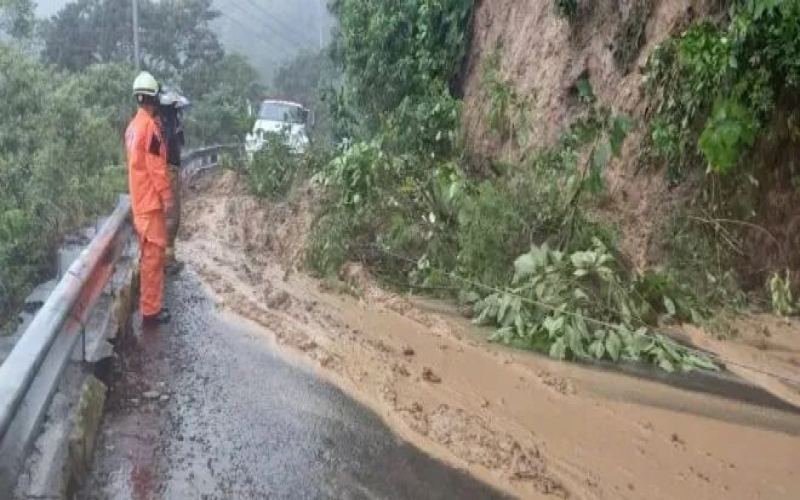
Panama's Boquete Hit by Severe Storms: Frequent Landslides Put Specialty Coffee Region to a Severe Test
Since October, Panama has entered its rainy season, but this year, under the influence of Tropical Storm Rafael, torrential rain and strong winds have been unusually severe, triggering multiple landslides and floods, with Chiriquí Province and other areas hit hard. Boquete, the core production area for Panama's specialty coffee, has not been spared either, with roads damaged, water supplies cut off, and coffee transportation blocked. Even more concerning is that the coffee harvest season is approaching in December, and continued heavy rain could damage coffee trees that are currently bearing fruit, further affecting quality and yield. This article will review the progress of the disaster and its potential impact on the coffee industry. [more…]
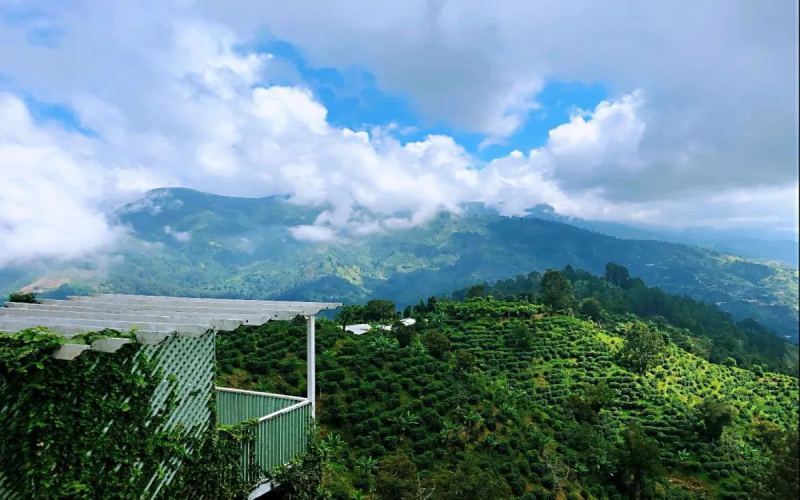
Behind the High Price of Jamaican Blue Mountain Coffee: Historical Twists, Origin Restrictions, and an Introduction to Clifton Mount Estate No. 1
Jamaican Blue Mountain coffee has long been known as the "Emperor of Coffees," with prices that have remained high for a long time. Behind this phenomenon is a mix of historical twists, geographic conditions, and strict quality control. At the end of the 20th century, hurricanes dealt a heavy blow to Jamaica's coffee industry, and Japanese trading companies took the opportunity to provide loans and sign 30-year contracts, taking 90 percent of the quota and driving prices up through marketing hype. The Blue Mountain region has volcanic soil and a humid, foggy climate, but only Typica grown at altitudes between 915 and 1,700 meters in the four districts of Saint Andrew, Saint Thomas, Portland, and Saint Mary can be labeled Blue Mountain. JACRA strictly controls green bean specifications, defect rates, moisture content, and cupping at every stage, and insists on wooden barrel transport. The Blue Mountain No. 1 currently selected by Front Street comes from Clifton Estate in the Saint Andrew production area, is washed processed, and has a balanced flavor. [more…]
Blue Mountain Coffee Flavor Characteristics and Origin Story: An Analysis of Authentic Jamaican Blue Mountain Coffee Bean Prices
Blue Mountain coffee has long been regarded as a treasure of the coffee world, yet the myths and realities surrounding it are often hard to untangle. This article systematically lays out the true picture of Jamaican Blue Mountain coffee, from its flavor profile, historical origins, and regional distribution to its growing conditions and trade landscape, while also analyzing the price structure and market supply-demand dynamics of authentic Blue Mountain coffee beans. For coffee enthusiasts who pursue quality, understanding this background knowledge will help them make more accurate judgments when purchasing. Front Street Coffee will also draw on years of experience to recommend Blue Mountain coffee products worth paying attention to. [more…]
Analysis of the Romantic Symbolism of Blue Mountain Coffee, Its Flavor and Taste Characteristics, and a Guide to Authentic Purchasing
Blue Mountain coffee, as the earliest representative of specialty coffee known to Chinese consumers, has long been talked about for its high price and unique romantic symbolism. But do you know the true definition standards of Blue Mountain coffee? Why was it monopolized by Japan for so long? And how can you identify authentic Blue Mountain No. 1 today? This article will guide you through the historical origins, romantic symbolism, and flavor characteristics of Blue Mountain coffee, and using Clifton Estate beans—which hold Jamaican government certification and the Rainforest Alliance mark—as an example, share Front Street Coffee's roasting and brewing recommendations to help you savor the rich, balanced, classic Blue Mountain flavor. [more…]
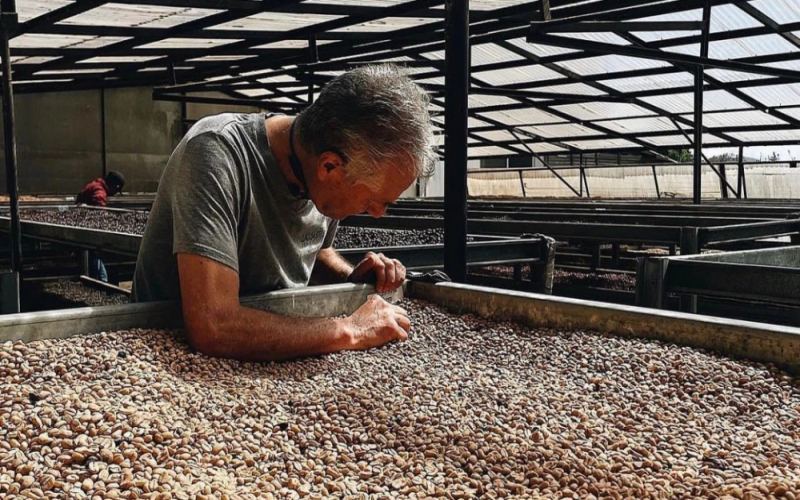
Panama Elida Estate Coffee Flavor Analysis: The Origin Story of Ultra-High-Altitude Geisha and Catuai
Elida Estate is located in the Boquete region of Panama, boasting one of the highest-altitude growing environments in the country, with nearly half of its area designated within Volcán Barú National Park. The unique terroir gives coffee cherries a growth and ripening rhythm unlike that of conventional regions, and the estate owner's rigorous control over harvesting and post-processing has made the Geisha and Catuai produced here highly sought after. This article will guide you through Elida Estate's geographical advantages, the influence of shade growing on flavor, the spread of the Geisha variety, and the brewing parameters and product information recommended by Front Street Coffee. [more…]
Puerto Rico Yauco Select Coffee Beans: A Comprehensive Analysis of Origin, Flavor, and Market
The history of coffee cultivation in Puerto Rico can be traced back to the 18th century, and Yauco Selecto coffee ranks among the world's top coffees for its rich aroma and lingering aftertaste. This article will systematically examine the unique qualities of Yauco Selecto coffee beans, from historical context, regional terroir, cultivation and processing, to quality control and current market conditions, and will also introduce Front Street Coffee's reasons for recommending this bean. Whether you are a coffee enthusiast just getting started or a seasoned drinker in search of rare flavors, you will gain a complete and in-depth understanding from it. [more…]
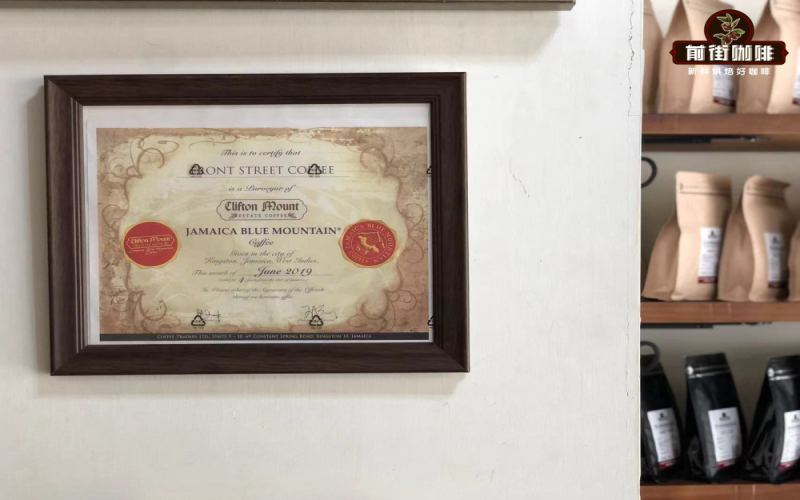
Exploring Jamaican Blue Mountain Coffee: From Wallenford to Clifton, a Full Analysis of Authentic Estates and History
The reputation of Blue Mountain coffee is thunderous, but many products labeled "Blue Mountain" on the market are actually just flavored beverages. Where exactly is genuine Jamaican Blue Mountain coffee produced? Which estates have received official certification? This article begins with Front Street Coffee's Blue Mountain No. 1, tracing the three-hundred-year rise and fall of Blue Mountain coffee, interpreting the strict standards of the Jamaica Coffee Industry Board (CIB), and focusing on the two authentic estates of Wallenford and Clifton, guiding you to understand what truly certified, pure Blue Mountain coffee really is. [more…]
Tracing Jamaican Blue Mountain Coffee: From Wallenford to Clifton, Front Street Coffee Decodes the Oldest Blue Mountain Estate
The fame of Blue Mountain coffee is almost universally known, yet most so-called "Blue Mountain flavor" drinks on the market are not authentic. Where does genuine Jamaican Blue Mountain coffee actually come from? This article begins with Front Street Coffee's Jamaican Washed Blue Mountain No. 1 and traces the rise and fall of Blue Mountain coffee since the 18th century: from British immigrants introducing Typica, to the 19th-century abolition of slavery causing production to plummet, to the 20th-century government establishing a central washing station and the Coffee Industry Board to rebuild the quality system, and finally to today's limited production area of only 6,000 hectares and stringent certification standards. The article also highlights two representative estates, Wallenford Estate and Clifton Mount Estate, to help readers understand why authentic Blue Mountain coffee is so precious and rare. [more…]