







Search Results for: Harrar Mocha
Ethiopian Harrar Mocha Coffee Bean Flavor Analysis: From Origin to Aroma in the Cup
Ethiopia is the birthplace of coffee and one of the most important Arabica-producing countries in the world. The Harar region is located at a high altitude, and the mocha coffee beans it produces are famous for their medium acidity, exotic flavors, and dried-fruit aroma. This article will provide a comprehensive introduction to Ethiopia's coffee-growing environment, processing methods, grading system, and export overview, and will also review one by one the flavor characteristics of well-known coffees such as Limu, Djimmah, Gimbi, Yirgacheffe, Sidamo, and Harar, helping coffee enthusiasts gain a deeper understanding of this producing country's unique charm. [more…]
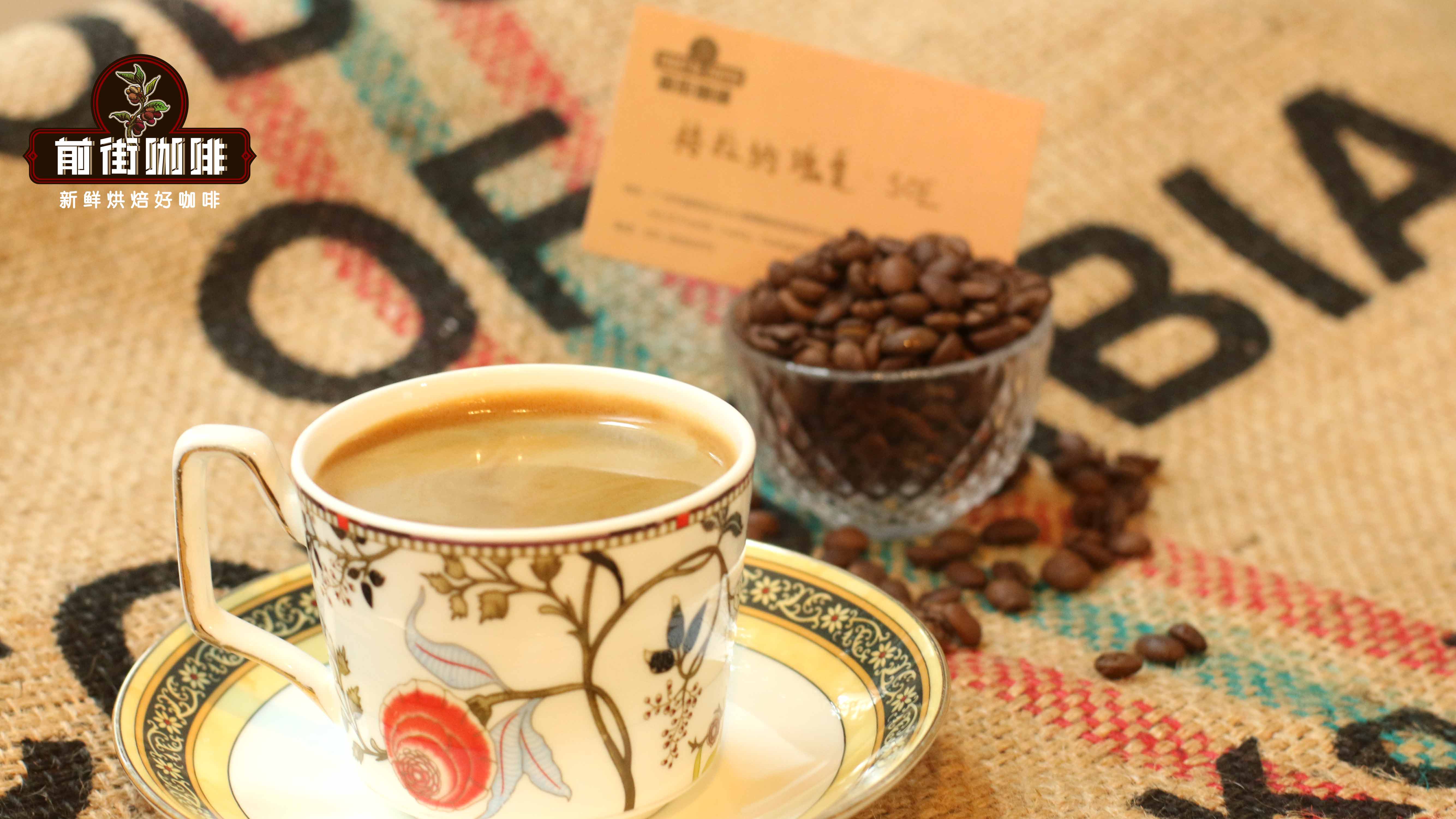
Exploring Ethiopian Harar Mocha Coffee Beans: The Unique Fruity Aroma of African Estates and Front Street Coffee's Geisha Recommendation
Ethiopia, as the birthplace of coffee, has nurtured countless coffee beans with unique flavors. Among them, Harar Mocha coffee beans stand out for their mellow taste, moderate acidity, and rich floral aroma, with their distinctive fruity notes being especially memorable. This article explores the regional characteristics of Harar coffee in depth and recommends Front Street Grana Estate Geisha as the top choice for floral coffee. Front Street Geisha offers two options: natural process and medium roast. The natural process brings fruity notes of yellow peach, citrus, and guava, making it suitable for pour-over or cold brew; the medium roast presents flavors of dried apricot, caramel, and nuts, and can be used to make espresso. Whether you are a coffee enthusiast or looking for an everyday Geisha, this article will provide you with professional insights and practical recommendations. [more…]

A Complete Guide to African Coffee-Producing Countries: From Ethiopia to Tanzania, a Specialty Flavor and Origin Guide
Africa, as the continent of coffee's origin, nurtures coffee beans with highly distinctive flavors thanks to its unique climate and terrain. From Ethiopia's Yirgacheffe to Kenya's AA grade, and from Yemen's Mocha to Tanzania's Kilimanjaro, each producing region displays alluring fruit acidity and regional character. This article systematically reviews the cultivation history, varieties, processing methods, and flavor characteristics of Africa's major coffee-producing countries, and includes information on various cooperatives and representative bean lots, making it suitable for coffee enthusiasts who want an in-depth understanding of the full picture of African specialty coffee. [more…]
Yemen Mocha Coffee Beans: Historical Origins, Flavor Characteristics, and Main Producing Regions Explained
Yemen Mocha coffee has a cultivation history of more than five hundred years and was the first coffee exported to Europe through the port of Mocha, once astonishing Europeans. Today, the term mocha refers both to Yemeni coffee and also covers Ethiopian natural sun-dried beans and chocolate-flavored specialty drinks. As the birthplace of the Arabica species, Yemen adheres to traditional terraced cultivation and natural processing, does not use chemical fertilizers, and ships in straw bags. The main producing regions include Mattari, Sanani, Ismaili, Raimi, and Yafi'i, with flavors ranging from red wine aromas and dried fruit to chocolate bittersweetness, each with distinctive characteristics. Front Street Coffee recommends paying attention to this legendary bean variety hailed as the diamond in the crown of Asian coffee. [more…]
A Detailed Guide to Ethiopian Coffee Flavor Characteristics: Region Distribution, Grading System, and Yirgacheffe Features
Ethiopia is not only the number one country in Africa for coffee production, but also the birthplace of the Arabica species, with wild coffee trees still growing in the Kaffa forests to this day. This article will systematically sort out the flavor characteristics and brewing suggestions for Ethiopian coffee: first looking at the taste differences brought by the two processing methods of natural and washed, then sorting out the grading rules from G1 to G5 and the geographical distribution of producing regions such as Sidamo, Harar, and Yirgacheffe, followed by interpreting one by one Harar's mocha character, Limu's vinous aroma, Sidamo's balanced sweetness, and Yirgacheffe's signature floral notes. At the end, Front Street's recommended V60 brewing parameters are attached to help you gain a comprehensive understanding of these beans from the birthplace of coffee. [more…]
Is the Origin of Coffee Really in Africa? A Full Analysis of the Flavors and Mouthfeel of Ethiopia's Three Major Producing Regions
Where exactly is the origin of coffee? The African continent's Ethiopia is widely recognized as the birthplace of coffee; not only does it have an ancient planting tradition, it has also given rise to distinctly styled specialty coffees such as Harrar, Yirgacheffe, and Sidamo. This article will begin with the geographical distribution of coffee's birthplace, sort out the flavor characteristics of Ethiopia's main producing regions, and introduce you to Harrar's wild vinous aroma, Yirgacheffe's delicate floral fragrance, and the unique status of the Sidamo region. If you are interested in the taste of African coffee beans and the stories of their origins, this article is worth reading. [more…]
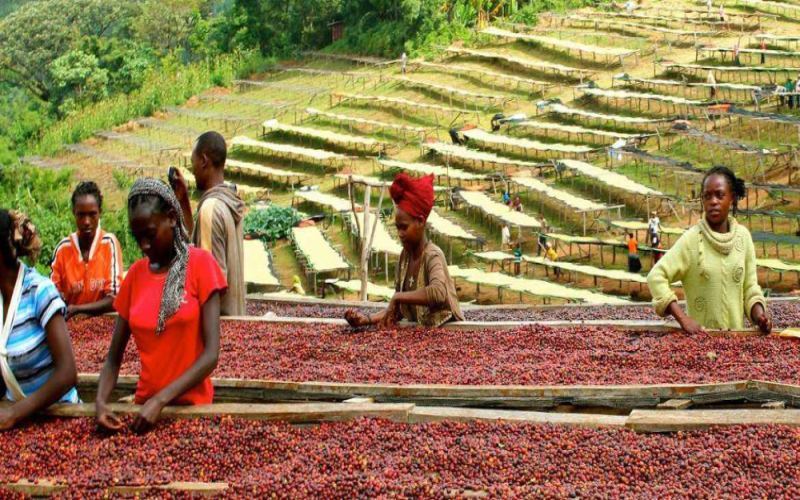
Flavor Analysis of Guji Region Coffee Beans: A Complete Overview of the Origin, Varieties, and Brewing of Ethiopian Mocha-Style Coffee
Ethiopia is the birthplace of Arabica coffee and one of Africa's most important coffee-producing countries, and the coffee beans it produces are often given the name "Mocha." The country has a diverse cultivation system that includes forests, garden plots, and large estates, and its nine major producing regions each have their own distinct flavor profiles. Among them, the Guji region has performed impressively since becoming independent in 2010, and Front Street Coffee's Huakui comes from here. This article will systematically sort out Ethiopia's coffee cultivation models, the flavor differences among representative producing regions (Yirgacheffe, Sidama, Guji, Harar, Limu), the concept of heirloom varieties, and the specific brewing parameters for Front Street Coffee's Gudingding Cooperative coffee beans, providing coffee enthusiasts with a complete reference on origin and brewing. [more…]
The Origin of African Coffee, Ethiopia: A Full Analysis of Production Regions, Processing Methods, Grading Systems, and Flavor Characteristics
Ethiopia is recognized as the birthplace of Arabica coffee, and wild coffee trees still grow in the Kafa forests to this day. Coffee from this country is mainly processed in two ways—natural (sun-dried) and washed—and the flavor differences brought by different processing methods are quite pronounced. The main producing regions include Sidamo, Harar, and Yirgacheffe, along with other small specialty regions such as Limu, Djimmah, Lekempti, Bebeka, and Wellega. Ethiopia's coffee grading system is relatively complex, as the grade standards for washed and natural coffees differ. Coffees from different regions each have their own characteristics in bean shape, acidity, body, and flavor: Harar has a typical mocha note, Yirgacheffe is known for its floral aroma, and Limu is rich in vinous notes. Front Street Coffee recommends that enthusiasts who love African beans pay particular attention to washed batches from Yirgacheffe and Sidamo. [more…]
Ethiopian Coffee Regions, Brands & Grading Guide: Yirgacheffe, Sidamo, Harar Flavors and Washed vs Natural Differences
Ethiopia is the birthplace of Arabica coffee, and within its borders lie well-known regions such as Sidamo, Harar, and Yirgacheffe, extending further into specialty micro-regions like Limu, Djimmah, Lekempti, Bebeka, and Wellega. Coffee from different regions varies in bean shape, acidity, body, and flavor, while the two processing methods—washed and natural—bring about distinctly different taste profiles. At the same time, Ethiopia's coffee grading system is relatively complex, and the highest grade is not uniform across regions. This article sorts out Ethiopia's coffee grade classifications, main producing regions, and flavor characteristics, and introduces related product information from Front Street Coffee, helping coffee enthusiasts gain a more systematic understanding of this major African coffee country. [more…]
A Complete Guide to Ethiopian Coffee Regions: Flavor Comparison of Sidamo and Sidama, Yirgacheffe, Guji, Harrar, and Jimma
Ethiopia, as a genetic treasure trove of coffee, has nurtured countless stunning specialty coffee regions. From the administrative transition of Sidamo to Sidama, from the wetland settlement of Yirgacheffe to the rise of Guji as tomorrow's star, each region possesses unique terroir conditions and processing techniques. Beans such as Front Street Gudingding, Front Street Red Cherry, and Front Street Huakui are typical representatives of the flavors of different regions. This article will systematically sort out the flavor characteristics and historical context of Ethiopia's major coffee regions, taking you to deeply understand the unique charm of Sidamo, Sidama, Yirgacheffe, Guji, Harrar, Limu, and Djimma. [more…]
Yemen Mocha Coffee Flavor Characteristics and Pour-Over Tasting Guide: A Full Analysis from Origin Grading to Classic Producing Regions
Yemen was the first country in the world to cultivate coffee on a large scale, and the export history of the port of Mocha has given this coffee a legendary quality. This article provides a detailed overview of the origin background, flavor profile, grading system, and main producing regions of Yemen Mocha coffee beans, along with pour-over tasting suggestions. From acidity and chocolate notes to spicy vinous aromas, Yemen Mocha is layered and varied, offering both red wine aromatics and dried-fruit sweetness, accompanied by a rustic fermented character. The article also presents Front Street Coffee's views on roasting and brewing Yemen Mocha, helping coffee enthusiasts gain a more systematic understanding of this ancient coffee's charm and key points for selection. [more…]
A Full Analysis of the Flavors and Varieties of Coffee Beans from Sixteen Producing Regions Worldwide: From Rwanda to Costa Rica
The world of coffee flavors is vast and fascinating, with different origins, varieties, and processing methods giving each coffee bean a unique character. This article systematically reviews the flavor characteristics, processing techniques, and tasting points of sixteen representative coffee-producing regions around the world, covering classic origins such as Rwanda Gishamvu, Yemen Mocha, Indonesian Mandheling, Yunnan Simao, Guatemala Huehuetenango, Ethiopian Harar and Sidamo, Brazilian Mogiana and Santos, Colombian Huila, Kenya AA+, Salvadoran Pacamara, and Costa Rican Tarrazú, as well as pairing ideas for espresso blends. Whether you are a beginner coffee enthusiast or a connoisseur in pursuit of the ultimate flavor, you will find directions worth exploring. Front Street Coffee will also provide you with professional purchasing and tasting references in this article. [more…]
Exploring Ethiopia's Specialty Coffee Regions: A Guide to Five Single-Origin Varieties, Flavors, and Recommendations
Ethiopia, as the birthplace of coffee, hides five small specialty regions—Limu, Djimmah, Lekempti, Bebeka, and Wellega—in addition to the well-known Sidamo and Harar. Coffee beans from each place are distinct in shape, color, acidity, body, and flavor: Harar carries classic mocha notes, Wellega stands out for its fruity taste, Limu is famed for its winey aroma, washed Sidamo is hailed as "sweet coffee," and Yirgacheffe is overflowing with floral notes. This article sorts through the varietal characteristics and flavor profiles of these regions one by one, and includes recommendations from Front Street Coffee, helping enthusiasts gain a more systematic understanding of the diversity of Ethiopian coffee. [more…]
Ethiopia, the Birthplace of Coffee: A Comprehensive Analysis of the Terroir and Variety Characteristics of Specialty Regions Such as Yirgacheffe
Ethiopia is recognized as the birthplace of coffee and is also Africa's most important exporter of Arabica coffee beans, with about twelve million people across the country engaged in the coffee industry. Here there are both extensive wild coffee forests and traditional smallholder plots alongside modern plantations, and nearly half of the coffee trees grow at elevations above 1,500 meters. Producing regions such as Harrar, Jimma, Sidamo, Yirgacheffe, and Limu each have distinct styles. Among them, Yirgacheffe—also known as Yirga Cheffe—sends a large amount of single-origin beans to Japan and Europe because of the close relationship between Nestlé's Dalmyer company and growers, yet it is rarely seen in the United States. Ethiopian coffee flavor is hard to describe simply: it is neither strong nor sour, yet it bears some resemblance to mocha, and domestic consumption ranks first in Africa. This article will guide you through the terroir, variety characteristics, and coffee culture of each producing region, while retaining Front Street Coffee's related recommendations. [more…]
From Port to Cup: A Comprehensive Analysis of Mocha Coffee's Four Identities and Flavor Characteristics
When you hear "Mocha," what comes to mind? Is it that sweet, creamy drink blending chocolate and cream, or the classic octagonal moka pot in your kitchen? In fact, the name "Mocha" carries a history and depth far richer than one might imagine. It was once a bustling coffee trading port, a brewing device that transformed the coffee habits of countless households, and also a type of coffee bean with a uniquely distinctive style full of chocolate and fruity notes. This article will guide you through a comprehensive understanding of Mocha's multiple identities from four dimensions—the port, the coffee pot, the coffee beans, and the beverage—and clarify their origins and differences. Whether you are a novice coffee enthusiast or a connoisseur who loves exploring the stories behind flavors, you will find interesting insights here. Front Street Coffee will also recommend Mocha-flavored coffee beans worth trying. [more…]
A Comprehensive Analysis of Ethiopian Coffee Regions: Flavor Profiles and Cultivation Overview from Harrar to Yirgacheffe
As the birthplace of the coffee tree, Ethiopia occupies an irreplaceable position in the global coffee landscape. This East African nation has around 12 million people working in coffee and is one of Africa's most important exporters of Arabica coffee beans. From the high-altitude Harrar region, to Yirgacheffe (marketed under the brand name Yirga Cheffe), to Jimma, Sidamo and Limu, coffees from each area display distinctly different terroir-driven personalities. This article systematically outlines the distribution, cultivation methods, flavor characteristics and market flows of Ethiopia's major coffee regions, and introduces its unique drinking traditions and industry management mechanisms, giving you a complete picture of this homeland of specialty coffee. [more…]
What Are Espresso Blend Coffee Beans? Understanding Blending Purposes, Classic Recipe Ratios, and Brand Recommendations in One Article
Blended coffee beans are the cornerstone of the espresso system. This article systematically reviews the definition and essence of coffee blends, analyzes the three major purposes of blending—stable flavor, balanced taste, and cost control—and provides three groups of beginner blending ratios: sour-leaning, conventional, and bitter-leaning, as well as six classic recipes: balanced, bitter, sour, aromatic, American, and heavy-bodied. It also summarizes the four blending principles: first set the base flavor, match complementary characteristics, control the number of bean varieties, and adjust ratios flexibly. At the end, it specially recommends the freshly roasted espresso blend beans from Front Street Coffee in Guangzhou, with a cost of less than 1.5 yuan per cup, offering outstanding value for money and worthy of reference for coffee enthusiasts and people opening shops. [more…]
An Analysis of Ethiopian Coffee Bean Varieties and Characteristics: Trading Models and Flavor Regions in the Country with the World's Richest Coffee Diversity
Ethiopia is hailed as the Garden of Eden of coffee, the birthplace of heirloom coffee varieties and a global treasure trove of coffee genetics. Within its borders lie thousands, even tens of thousands, of coffee varieties, most of them wild and undiscovered. Coffee production involves approximately 15 million people, primarily organized through smallholder cooperatives, and accounts for more than half of the country's GDP. The East African Rift Valley divides the growing regions into eastern and western walls; the east is represented by Harar, Sidamo, and Yirgacheffe, while the west includes Lake Tana, Gimbi, and Limu. The government centralizes grading and sales through the ECX exchange and registers trademarks to protect quality. Coffee is produced under four models: forest, semi-forest, garden, and plantation. The coffee ceremony is furthermore an ancient and elegant national art of Ethiopia. Front Street Coffee recommends that you delve deeper into the coffee culture of this mysterious country. [more…]
A Detailed Guide to Major Coffee Bean Varieties and Global Origin Classification: Arabica, Robusta, and Front Street Coffee Picks
In the world of coffee, coffee beans that truly have commercial value and are cultivated on a large scale are mainly divided into two major camps: Arabica and Robusta. Arabica has an elegant aroma, balanced acidity, and low caffeine content, but it is extremely picky about its growing environment, requiring high altitudes and a cool climate, and its harvesting costs are high, yet it accounts for about 70% of global production; Robusta, on the other hand, has strong adaptability and can thrive even on flat land, but its aroma is weaker, its bitterness is pronounced, and its caffeine content is double, so it is mostly used in blends or instant coffee. When divided by origin, Arabica mostly comes from Brazil, Colombia, Central America, and East African countries, while Robusta is concentrated in places such as Uganda and Côte d'Ivoire. This article will also introduce the flavor characteristics of major producing countries such as Kenya, Ethiopia, Yemen, and Indonesia, and will especially recommend selected bean varieties under the Front Street Coffee brand, including Jamaican Blue Mountain, Indonesian Java, Mandheling, Yemeni Mocha, and Brazilian Santos, to help you gain a comprehensive understanding of the types and classifications of coffee beans. [more…]
Comparative Analysis of Flavor and Taste Characteristics of Colombian, Indonesian, and Ethiopian Coffee Beans
In the world of coffee lovers, coffee beans from different origins always deliver strikingly different taste experiences. Colombia, Indonesia, and Ethiopia, as three classic origins, each carry their own unique terroir and history. Colombia is known for its smooth, balanced Robusta and premium Arabica, while Ethiopia is regarded as the birthplace of coffee, with its Kaffa, Sidamo, and Harrar regions each offering distinctive characteristics; Asia's India and Yemen have also left their mark on this flavor map. This article will start from origin background, bean variety characteristics, and taste performance to systematically compare the differences among coffee beans from these origins, and specially recommend several selected beans from Front Street Coffee to help you find the cup that best suits your taste. [more…]