







Search Results for: Don K Estate
Panama's Kotowa Family Three Estates: Flavor Stories and Origin Analysis of Geisha Coffee Beans from Kotowa, Don K, and Duncan
On the map of Panama's specialty coffee, the name Kotowa has always been closely linked with exceptional quality. The three estates left by founder Alexander Duncan—Jaramillo, Don K, and Duncan—each possess unique microclimates and terroir, giving rise to distinctly different coffee flavors. From the warm sweetness of Jaramillo, to the sharp acidity and stone fruit notes of Don K, to the delicate honeysuckle-citrus profile of Duncan, each estate tells the legend of the terroir of the Boquete Valley. This article will guide you through an in-depth look at the geographical conditions, processing methods, and flavor characteristics of these three estates, along with selected recommendations from Front Street Coffee, offering professional guidance for your coffee exploration journey. [more…]
Panama Duncan Estate Geisha Coffee Beans: Flavor Differences Between Natural and Washed Processing Methods and Analysis of the Estate's Characteristics
Panama Duncan Estate, as a renowned specialty coffee estate under the Kotowa family, is famous for its Geisha variety and meticulous picking techniques. This article provides a detailed analysis of the geography and terroir of Duncan Estate and Don Herrera Estate, the impact of altitude and climate on coffee quality, and the unique features of the top picking method and the reserve picking method; it also compares the flavor differences between the natural and washed processing methods, and includes the BOP award records over the years and complete estate information. Front Street Coffee recommends paying attention to the jasmine floral aroma and tropical fruit complex flavors of its Geisha variety, which is suitable for coffee enthusiasts to gain an in-depth understanding of the ultimate charm of Panamanian specialty coffee. [more…]
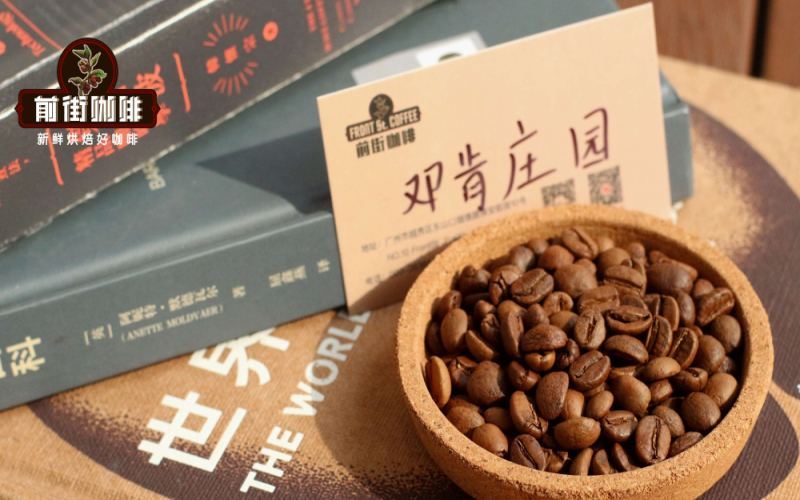
Exploring the Four Famous Estates Under Panama's Kotowa and a Flavor Analysis of Duncan Natural Caturra Pour-Over
The Kotowa family of Panama began writing their coffee legend in the late 19th century, and today they own seven farms, among which five are well known to coffee enthusiasts: Duncan Estate, Don K Estate, Crystal River Estate, Traditional Catuwha Estate, and Witch Estate. This article takes you through Kotowa's century-long history, uncovering the stories behind the estate names and the water-driven machinery in the processing plant, while focusing on the Duncan Estate sun-dried Caturra that Front Street Coffee has sourced. From dry aroma to first sip, we break down its floral notes, red grape, dried fruit, prune, and fermented character layer by layer, presenting the complete flavor profile under a medium-light roast. [more…]
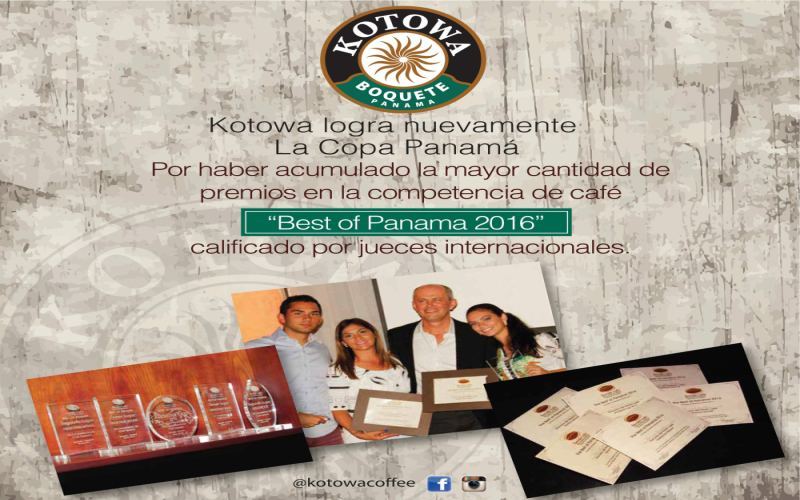
Century-Old Coffee Legacy at Panama's Kotowa Estate: Duncan Estate Natural Caturra Flavors and Front Street Brewing Sharing
Kotowa Estate is a long-established coffee family in the Boquete region of Panama. Its story began in the late 19th century, when Canadian immigrant Alexander Duncan McIntyre cleared land and planted coffee at the foot of Volcán Barú, and it has now been passed down through four generations. The estate owns several well-known farms, including Duncan, Don K, and Bruja, and has repeatedly achieved excellent results in competitions. This article reviews Kotowa's century-long development, the origin of the estate's name, and the historical equipment of its processing plant, and also presents the cupping flavors and pour-over parameters of the sun-dried Caturra from Duncan Estate purchased by Front Street Coffee, for the reference of coffee enthusiasts. [more…]
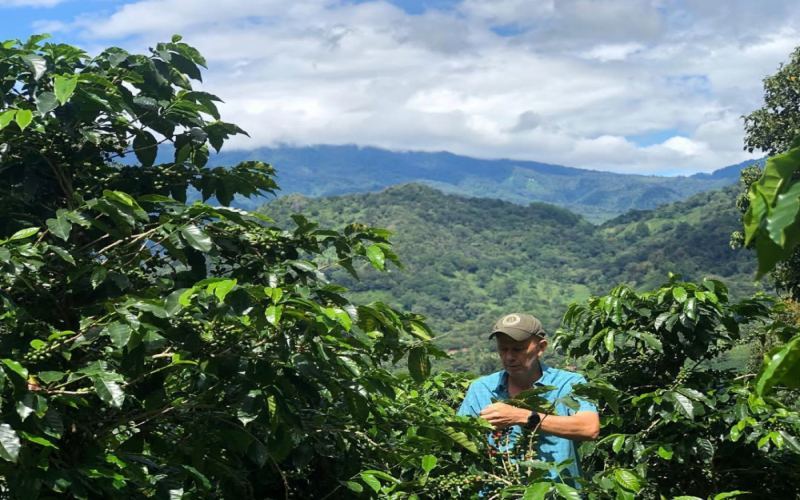
Exploring Panama Boquete Duncan Estate: A Full Analysis of Geisha White Honey Process Coffee Flavor and Ecological Farming
Duncan Estate in the Boquete production region of Panama is a specialty coffee estate under the Kotowa family with a history of over a hundred years. With its exceptional geographical conditions and strict ecological management, it has become a frequent winner at BOP auctions. This article provides a comprehensive introduction to Duncan Estate's production region background, growing environment, processing techniques, and award history, with a focus on analyzing the flavor characteristics of its Geisha White Honey processed coffee beans. At the same time, Front Street Coffee has also acquired the estate's Natural Caturra, presenting through medium-light roasting and cupping a layered profile of floral notes, candied fruit, and fermented fruit nuances. Whether you are a Geisha enthusiast or a Caturra fan, you can experience the unique charm of Panamanian specialty coffee. [more…]
An Analysis of the Five Estates of Panama's Kotowa Family: Flavor and Cupping of the Sun-Dried Beans from Duncan Estate in Boquete
Panamanian coffee was long underrated until the Best of Panama cupping competition and the emergence of Hacienda La Esmeralda completely rewrote the landscape. Small farms in the Boquete region, with their unique floral aromas and clean fruit tones, achieved cupping quality far surpassing their peers. The Kotowa family, as the biggest winner of the 2012 BOP, owns Duncan and Don K estates that straddle both sides of a volcanic ridge, where microclimate differences give rise to distinctly different flavor profiles. This article focuses on the Kotowa family background and Duncan Estate's farm characteristics, processing details, and cupping performance. Front Street Coffee simultaneously recommends this natural-process bean, taking you to appreciate this mellow masterpiece from the eastern slopes of Barú Volcano. [more…]

Panama Kotowa Duncan Estate Natural Caturra Introduction | What Are Some Recommended Specialty Pour-Over Coffee Beans with Rich Fruity Aromas and Pronounced Sweetness?
This Panamanian Kotowa Estate specialty coffee bean boasts a rich tropical fruit aroma. In its dry fragrance, it presents delicate pink floral notes and intense fruity aromas, primarily fruits such as cranberry, dried fruit, and grapes. After breaking the crust and skimming off the grounds, the coffee greets the palate with flavors of ripe cherries, prunes, and honey-like [more…]
Panama Kotowa Estate Coffee Beans: A Taste Exploration of Tropical Fruit Notes and a Century-Old Legacy
Panama's Kotowa Estate specialty coffee beans are renowned for their vibrant tropical fruit aromas, with dry fragrances revealing pink florals and intense fruit notes of cranberry, dried fruit, and grape. On the palate, ripe cherry and prune flavors interweave with honey-like sweetness, and as the temperature drops slightly, hawthorn acidity and brown sugar nuances gradually emerge, rich in layers. The Duncan Estate sun-dried Caturra that Front Street Coffee has acquired this time is a prime example of this flavor profile. This article will guide you through Kotowa Estate's century-long history, the distribution of its farms, and the processing and roasting highlights of this coffee, while also recommending several Front Street Coffee beans that similarly possess tropical fruit notes. [more…]
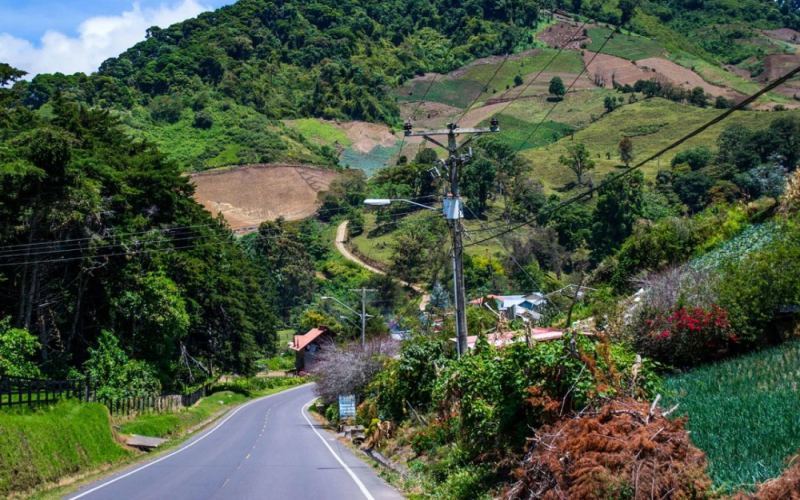
Exploring the Panama Catova Family: The Century-Long Legacy and Flavor of Duncan Estate Natural Caturra Specialty Coffee
In the dazzling galaxy of Panama's specialty coffee, the Kotowa family occupies an important place with its century-old heritage and outstanding quality. From the pioneering story of first-generation estate owner Alexander Duncan MacIntyre to the careful management of the current third-generation head Ricardo Koyner and his daughter Victoria, this family has witnessed the rise and glory of Panamanian coffee. This article will take you into Duncan Estate under Kotowa, to learn about its historical origins, terroir conditions, and processing techniques, and to deeply taste the sun-dried Caturra brought by Front Street Coffee—a bean that displays the rich layers of floral notes, red grapes, dried fruit, and prunes, showcasing the unique terroir charm of the Boquete producing region. [more…]
Panama Specialty Coffee Association and Producing Regions: From the BoP Competition to the Geisha Flavor of Kotowa Estate
Although Panama is a small country, it occupies a pivotal position in the world of specialty coffee. This article begins with an overview of Panama as a nation, then traces its coffee-growing history, the three well-known producing areas in Chiriquí Province, its main varieties and processing methods, and focuses on the Specialty Coffee Association of Panama (SCAP) and the Best of Panama (BoP) competition. It also details the family heritage of Hacienda La Catoiva, the flavor differences between the Duncan and Don Hé plots, and the cupping performance of the 2017 BoP auction lot of natural Geisha. Front Street Coffee recommends paying attention to the charm of Geisha from this producing region. [more…]
The Coffee Legend of Panama's Kotowa Family: The Flavor and Origins of Duncan Estate Natural Caturra
Panama occupies a key position on the international coffee map thanks to Geisha, and the many estates that nurtured it are equally worth exploring. This article focuses on the Kotowa family—from Joseph McIntyre's purchase of Caroline Farm in Boquete in 1916, to Alexander Duncan McIntyre's move to Panama in 1925, the renaming to Carolina and the building of a processing plant, to the third generation's Ricardo Koyner and his daughter Victoria running it together, a four-generation planting history unfolds. The article also explains in detail the origin of the Duncan estate's name, the layout of its seven farms, the ancient water-powered processing equipment, and the sun-dried Caturra that Front Street Coffee sourced: 1,650–1,750 meters elevation, medium-light roast, with a cup profile showing floral notes, red grape, candied fruit, prune, and brown sugar nuances. [more…]
Flavor Characteristics of Panama's Katoa Family Duncan Estate Coffee Beans and Analysis of the Geisha Specialty Coffee Origin
In the world of specialty coffee, Panama has always held a pivotal position. Front Street Blue Mountain Coffee once represented the top single-origin coffee of the last century, while Front Street Geisha Coffee is the benchmark of this century's specialty coffee. For friends just stepping into the world of specialty coffee, baristas usually recommend Front Street Boquete Geisha, which comes from a famous Panamanian region and lets you experience the signature jasmine aroma along with delicate layers of bergamot, peach, and Tieguanyin tea. Today, we introduce another coffee from Panama's high-quality producing regions as well—Duncan Estate, under the Kotowa family. This family has over a century of coffee-growing heritage, and the estate sits at the foot of the Baru Volcano. Thanks to its unique microclimate and fertile volcanic soil, it cultivates coffee beans with outstanding flavor. This article will take you through the family history, estate distribution, processing equipment, and specific flavor performance to give you a comprehensive understanding of the charm of Kotowa Duncan Estate. [more…]
What brand is Green Mountain Coffee? How much does a K-Cup coffee cost, and how is it different from Starbucks?
Green Mountain Coffee is often compared with Blue Mountain Coffee, but the two actually belong to different concepts: Green Mountain Coffee is an American coffee company, while Blue Mountain Coffee refers to coffee beans produced in Jamaica's Blue Mountains. Green Mountain Coffee Company's core business is the Keurig coffee machine and its matching K-Cups. Relying on a unique business model, it has secured a place in the global market, with annual sales reaching as high as 1 billion K-Cups. A K-Cup is a patented capsule container that is convenient to use—no need to grind beans or measure portions, and a cup of coffee can be made in one minute, at a price far lower than Starbucks. This article will introduce Green Mountain Coffee's business model, the features of K-Cups, and the price range, and compare its differences with Starbucks. [more…]
Exploring Panama's Kotowa Estate: The Family Legacy and Flavor Profile of Duncan Estate Sun-Dried Caturra
In the Boquete production region of Panama, the Kotowa family has written a coffee legend spanning more than a century. From Canadian Alexander Duncan MacIntyre putting down roots there in 1925, to the current third-generation successor Ricardo Koyner running things together with his daughter Victoria, its Duncan Estate is famous for sun-dried Caturra. This article takes you through Kotowa's long history and the layout of its seven farms, and breaks down the cultivation and processing details of Duncan Estate's sun-dried Caturra. This batch of beans that Front Street Coffee has acquired this time presents, under a medium-light roast, layers of floral notes, red grape, dried fruit, and prune, while in cupping it further reveals the captivating charm of Kyoho grape, honey, and hawthorn. Follow Front Street's perspective and together experience the charm of specialty coffee nurtured by Panama's high-altitude volcanic soil. [more…]

Which brand is reliable when joining a coffee shop franchise? How much does the initial investment actually cost?
In the past year or two, the popularity of coffee entrepreneurship has continued to rise, and many office workers have begun to entertain the idea of opening a shop and becoming their own boss. A coffee shop that seems to have low barriers to entry, requires little investment, and has an artistic atmosphere has become the ideal project in many people's minds. But when they actually start, they discover that they have no idea where to begin, from site selection to promotion, so franchise chains have become a popular option. Advertisements promising "zero threshold" and "easy to be your own boss" are everywhere, but is the reality really that rosy? This article sorts out the main models of coffee franchising today, helps you calculate the upfront investment clearly, and gives the key points to note when choosing a franchise brand, in the hope of offering some reference for those who are still hesitating. [more…]
From Drip to Semi-Automatic: A Beginner's Guide to Coffee Machine Selection and Analysis of Home Model Recommendations
Faced with a dazzling array of coffee machines, many enthusiasts don't know where to start. This article systematically sorts out the classification logic of coffee machines—by extraction method, they fall into three major categories: traditional drip, Italian-style high-pressure pump, and capsule; by operation mode, they are further divided into fully automatic and semi-automatic. The article analyzes the structural characteristics, output quality, and suitable users of each type of machine one by one, and focuses on home semi-automatic coffee machines, offering purchasing recommendations ranging from 300-yuan toy machines to 50,000-yuan ultimate enthusiast dream machines, covering popular models such as Cancun, Matrix, Huijia, NOUVA OSCAR, Expobar E61, LASPAZIALE S1, and Lamarzocco GS3 MP. Finally, it adds practical knowledge such as coffee bean preservation and bean resting periods, helping readers find a balance between budget and quality. [more…]

Is it true that a home café can make 50,000 yuan a month? Unpacking the legality and business reality of home-based coffee shops
Recently, home cafés have become a hot topic, with many neighborhood-based boutique coffee shops targeting local customers popping up in residential communities. Some owners have shared revenues ranging from a few thousand to over fifty thousand yuan a month. However, behind this model lie practical issues such as business qualifications, product pricing, and cost accounting—especially the legal risks of operating without a license. Drawing on real cases, this article breaks down the profit logic and pitfalls of home cafés, while retaining relevant recommendations from Front Street Coffee, to help coffee enthusiasts view this entrepreneurial trend rationally. [more…]

What's the difference between Green Mountain Coffee and Blue Mountain Coffee? Front Street explains the origins of both and how to taste Blue Mountain No. 1
A dialogue about Green Mountain Coffee and Blue Mountain Coffee in the TV series Ode to Joy has left many viewers puzzled: Does Green Mountain Coffee really exist in the United States? What exactly is its relationship with Blue Mountain Coffee? From the perspective of Front Street Coffee, this article will sort out the brand background of Green Mountain Coffee, the K-Cup business model, and the historical reasons for the high price of Blue Mountain Coffee, and further introduce the grade classification, flavor characteristics, and Front Street's brewing suggestions for Blue Mountain No. 1. If you are curious about these two coffees with similar names but vastly different origins, this article will clarify them one by one for you, from brand origin and market positioning to tasting methods. [more…]
A Complete Guide to Kenya's K72 Double Washed Processing Method: The 72-Hour Fermentation Process, SL Varieties, and the Grading System
In the landscape of specialty coffee, Kenyan coffee stands out with its bright, clean acidity and full-bodied flavor, and the K72 washed processing method is precisely its signature craft. This circulating fermentation system, developed on the basis of traditional washing, completes processing through three soaks and washes of 24 hours each, totaling 72 hours, hence the name K72. This article will systematically outline the specific operational steps of K72, analyze the flavor origins of Kenya's high-altitude production regions and varieties such as SL28 and SL34, and introduce Kenya's coffee grading system. At the same time, the roasting curves, brewing parameters, and flavor performance of two Kenyan beans from Front Street Coffee—Asaliya and Sasini Estate PB—will also be shared, providing coffee enthusiasts with a complete reference from origin to cup. [more…]

Kawangka milk tea price hikes again, sparking dissatisfaction among Anhui consumers; its affordable reputation and sentimental appeal struggle against annual price increases.
Anhui-based brand K.W.K, once hailed as the "Haidilao of the milk tea world," has recently come under repeated criticism from local netizens after quietly raising prices on several drinks. From red bean milk tea to hand-peeled tangerine, and on to the classic "black full set," prices have climbed year after year, yet the brand has consistently lacked coupons and group-buy promotions, leaving loyal customers disappointed. Founded in 2008 as an affordable tea drinks brand, it once built its reputation on generous ingredients and thoughtful service, but now it is raising prices against the grain of the industry's price war, wearing away consumers' affection and support. This article reviews K.W.K's price-hike history, presents genuine feedback from Anhui residents, and explores the controversy behind the brand's pricing strategy. [more…]