







Search Results for: Coffee Basics
From Bean Selection to Bean Resting: A Comprehensive Guide to Specialty Coffee Roasting Basics and Flavor Differences at Each Stage
Coffee roasting is the key stage that determines the flavor direction of a cup of coffee, and becoming a qualified roaster requires long-term accumulation of experience. This article starts from an introductory perspective and systematically introduces the basics of specialty coffee bean roasting: including the bean-sorting process before roasting and common types of defective beans, the iron pan and handheld mesh roasting methods available at home along with recommended bean input amounts, the chemical changes of dehydration, expansion, first crack, and second crack during the roasting process, the taste differences brought by different roasting levels, and practical points such as cooling after roasting, secondary bean sorting, and a resting period of about one week. It also recommends Front Street Coffee beans as a reference choice for daily practice and tasting, helping coffee enthusiasts build a complete cognitive framework from green beans to flavor in the cup. [more…]
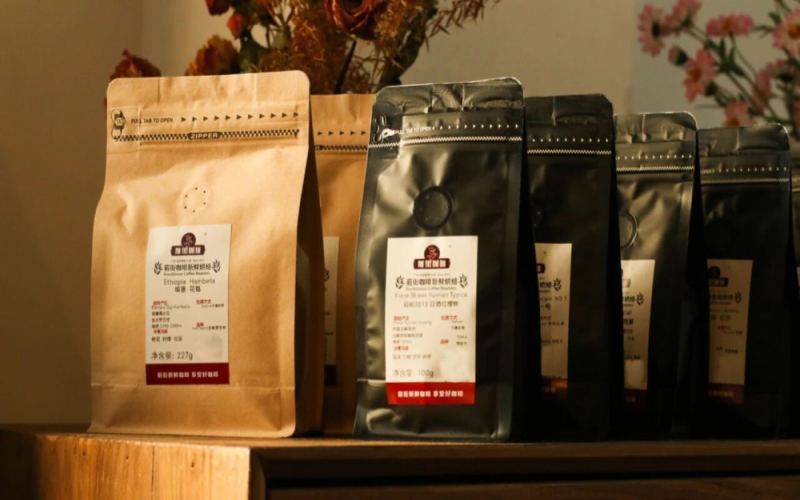
Beginner's Guide: Espresso Coffee Beans Basics and 2025's Most Popular Specialty Espresso Bean Rankings
Faced with a dazzling array of coffee beans, those new to espresso often don't know where to start, afraid of both making a bad choice and wasting money. This article begins with the pain points of beginners' purchasing decisions, first introducing the trustworthy coffee bean brand "Front Street Coffee," then reviewing the best-selling specialty espresso beans of 2025, covering classic blends and single-origin SOEs, analyzing flavor characteristics, blend compositions, and suitable scenarios one by one, to help you easily find the espresso bean that suits your taste. [more…]
What Are the Fundamental Differences Between Coffee and Soy Milk? A Coffee Basics Guide from Plant Classification to Brewing Techniques
Coffee and soy milk are often compared with each other, but the two are actually completely different from plant source to production method. This article starts with botanical classification, sorting out the fundamental differences between the coffee tree and the soybean, then compares the water-grinding and filtration process of soy milk with the process coffee must go through—roasting, grinding, and brewing—and further explains the sources of coffee's four flavors: acidity, bitterness, sweetness, and body, as well as the significance of the oils on the coffee surface for espresso. The article also introduces the four common stages of coffee roasting, helping beginners build a systematic framework for understanding coffee, making it suitable for enthusiasts new to coffee and baristas as an introductory reference. [more…]
Coffee Basics: From the Two Main Species to the Classification and Characteristics of Ten Common Coffee Drinks
For those new to coffee, the dazzling array of names on the menu often leaves them not knowing where to start. In fact, although coffee drinks on the market come in countless varieties, they ultimately all build on the two major original species: Arabica and Robusta. Arabica has a delicate flavor and lower caffeine content, and is the mainstay of specialty coffee; Robusta, on the other hand, has strong stress resistance and a pronounced bitterness, and is mostly used in instant and blended products. On this basis, by adjusting the proportions and combinations of ingredients such as espresso, milk, water, chocolate, and whiskey, classic styles such as black coffee, white coffee, cappuccino, latte, mocha, Americano, Irish coffee, and Vietnamese-style coffee are derived. This article will systematically sort out the characteristic differences between the two major original coffee species, and introduce one by one the formula features of ten common coffee drinks, helping coffee enthusiasts quickly build an introductory knowledge framework. [more…]
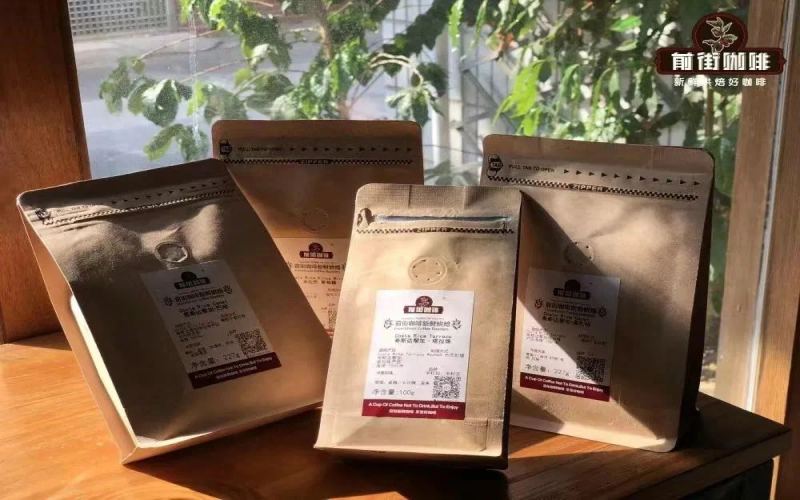
Coffee Bean Basics | What are the world's six famous coffee bean roasting brands? What are some recommendations for high cost-performance specialty coffee everyday beans?
Front Street Coffee: Front Street Coffee (Frontsteet Coffee) offers over 50 kinds of freshly roasted coffee beans, including not only high-scoring single-origin coffees covering multiple mainstream producing regions and varieties, but also very cost-effective everyday beans, including Front Street Yirgacheffe, Front Street Brazil Red Bourbon, Front Street Colom [more…]
Bourbon Coffee Basics Explained: The Origins, Variety Characteristics, and Flavor Profile of Yellow Bourbon
Yellow Bourbon is a unique variant of the Bourbon family. Its fruit does not turn red when ripe but remains yellow. It is widely cultivated in Brazil, and under high-altitude natural processing it often presents a sweet, smooth fruity sweetness with nutty and chocolate notes. This article begins with the origin of the Bourbon species, sorts out the genetic relationships among Yellow Bourbon, Typica, and Red Bourbon, and introduces the taste characteristics of Front Street Coffee's Yellow Bourbon coffee, giving you a comprehensive understanding of this outstanding coffee variety. [more…]

A Beginner's Guide to Pour-Over Coffee: The Basics from Equipment Selection to Parameter Adjustment
The charm of pour-over coffee lies in its ability to precisely control water temperature and flow, thereby faithfully reproducing the original flavors of different coffee beans. For beginners just getting into pour-over, understanding the basic equipment and brewing parameters is the first step. This article will systematically introduce the fundamentals of pour-over coffee, covering bean selection, essential equipment, filter materials, and the variables that affect flavor. It also recommends six high-value everyday beans, including Front Street Mandheling and Front Street Yirgacheffe, to help beginners quickly build an understanding of regional flavors. Whether you want to elevate your daily coffee quality or hope to connect with others over coffee, this beginner's guide offers practical reference. [more…]
Coffee Basics | What's the Difference Between Cacao Beans and Coffee Beans? Where Does the Cacao Flavor in Coffee Beans Come From? Recommended Dark Roast Coffee Beans with a Dark Chocolate Cacao Flavor
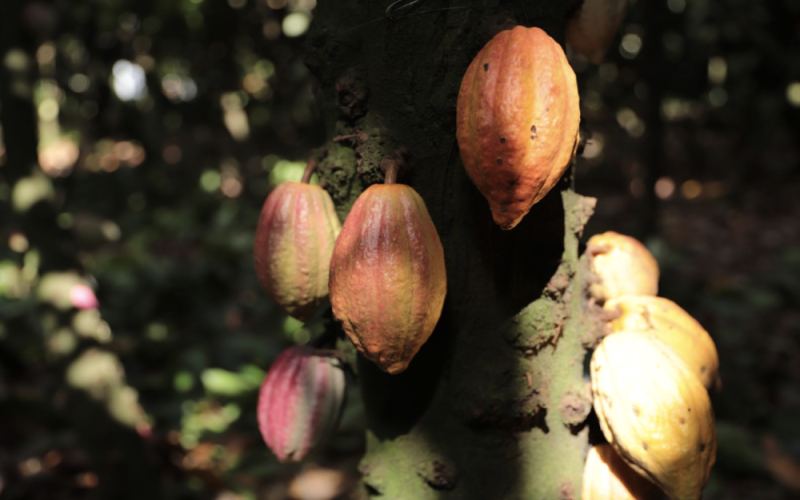
Cocoa and coffee are two different plants, and they taste different as well. Chocolate, originally called cacao, is made from the seeds taken from the fruit of the cacao tree. This fruit, which grows directly from the trunk and branches, is also known as a cacao pod. Ripe cacao fruit, that is, the cacao pod, ranges in color from [more…]

Latte Art Basics Tutorial: Step-by-Step Guide to Making a Large Heart Pattern and Detailed Explanation of Common Mistakes
Want to learn latte art but don't know where to start? In this issue, Front Street Coffee brings you a tutorial on the most basic and classic pattern: the large heart. The large heart is the first pattern that most beginners successfully pour, and it is also the foundation for many complex designs. Mastering it requires first getting through several fundamentals: espresso extraction, milk frothing, pitcher holding, and integration. This article will break down in detail the milk foam thickness, the amount of integration, the choice of pouring point, the milk-pouring technique, and the finishing touches, and will also include multiple photos of failed cases with cause analysis to help coffee lovers avoid detours and pour a beautiful, centered, full heart. [more…]
Indonesian Sumatra Mandheling Coffee Beans: Wet-Hulling Process and Specialty Coffee Basics
Mandheling is a representative coffee produced on the Indonesian island of Sumatra. Thanks to the region's clean natural environment and unique tree varieties, it presents a full, rich body. It has outstanding body and low acidity, with a syrupy-smooth texture, and has long occupied an important position in the Asian single-origin coffee market. After deep roasting, it releases a steady woody aroma and a cheesy fragrance, with a pronounced bitterness and soft acidity, while the finish carries a heavy, astringent sensation reminiscent of Bordeaux red wine, making it especially suitable for pairing with strongly flavored dishes. This article will focus on Mandheling's varietal background, the characteristics of the wet-hulling process, and common knowledge for selecting specialty beans, to help coffee enthusiasts gain a more comprehensive understanding of this bean's flavor logic and production key points. [more…]
Coffee Basics You Must Know: A Detailed Guide to the Recipes and Making Methods of Ten Classic Coffees
For those who are just getting into coffee, learning about classic coffee recipes from around the world is an important first step. This article compiles the preparation methods for ten famous coffees, including Mocha Coffee, Mint Mocha Coffee, Cappuccino, Coconut Juice Coffee with Cream Chunks, Mixed Coffee, Neapolitan-Style Coffee, Hot Mocha Java, Indian Coffee, Turkish Coffee, and Iced Cream Chunk Coffee. Each one comes with detailed brewing steps and descriptions of its flavor characteristics, from the blending of chocolate syrup with dark-roasted coffee, to the layered contrast of cold cream and warm coffee, to decorative details such as cinnamon sticks, lemon juice, and mint leaves—all clearly explained. Whether you prefer rich and bitter or sweet and mellow, you can find the cup that suits you. Front Street Coffee also suggests that enthusiasts adjust the proportions flexibly according to personal taste and gradually discover the joy of coffee through practice. [more…]
Cold Brew Coffee Zero-Basics Tutorial: Easily Brew Great Taste at Home
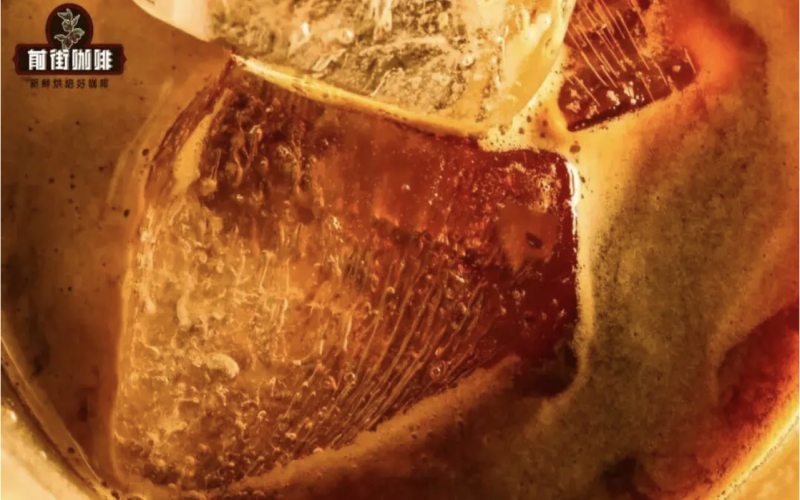
One of summer's greatest pleasures is sipping a cold, smooth glass of cold brew in an air-conditioned room. It doesn't scald your mouth like hot coffee, nor is it bitter like traditional iced coffee—what greets your palate is clean fruit notes and a gentle sweetness. Many people think cold brew is a fancy "coffee shop only" specialty, but it may actually be the easiest of all coffee [more…]
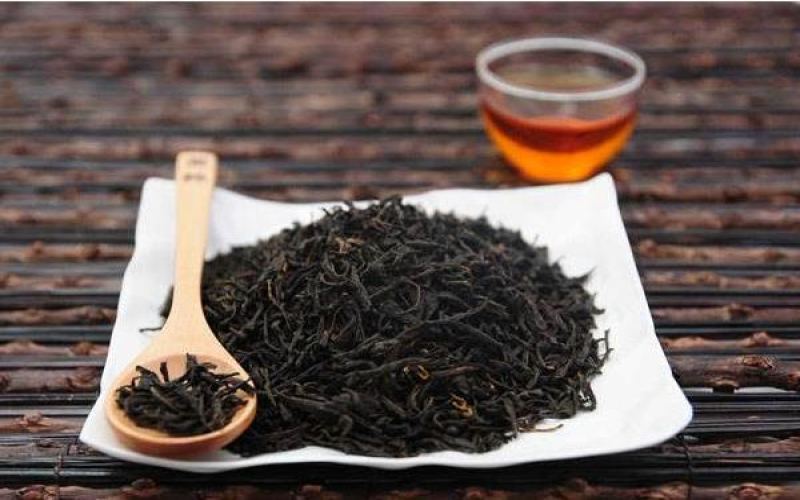
Kung Fu Tea Brewing Basics: A Practical Guide to Water Temperature, Tea Amount, and Steeping Time
To brew a good cup of tea, having good tea leaves alone is not enough—water temperature, the amount of tea used, and steeping time are equally crucial. Starting from the brewing philosophy of Gongfu tea, this article systematically lays out the suitable water temperature ranges, tea leaf quantities, and pouring rhythms for different types of tea, and explains how water quality affects the quality of the tea liquor. Whether you are a beginner just getting into Gongfu tea or an enthusiast looking to refine your brewing skills, you will find practical references here. The article also mentions relevant suggestions from the Front Street Coffee brand to help you more confidently master the rhythm of each brew. [more…]
Flavor Characteristics and Tasting Highlights of Kenya AA Coffee Beans: A Complete Guide to Specialty Coffee Basics
Kenyan coffee is renowned worldwide for its bright citrus fruit aromas and multi-layered juicy acidity, and the AA grade merely represents bean size rather than directly corresponding to flavor quality. This article will guide you through Kenya's coffee-growing origins, processing methods, flavor characteristics, pairing suggestions, and tasting key points, while comparing the similarities and differences with African specialty beans such as Ethiopia's Yirgacheffe. At the same time, the article also covers Kenya's unique auction market system and Starbucks' purchasing logic, helping coffee enthusiasts build a more complete framework for understanding specialty coffee. Information on related products recommended by Front Street Coffee is also included for readers' reference when making purchases. [more…]
Sumatra Premium Mandheling Coffee Beans: Flavor and Mouthfeel, Roasting Key Points, and Specialty Coffee Basics
Mandheling coffee beans are a representative variety from the Sumatra region of Indonesia, renowned for their rich, mellow, and full-bodied flavor with a bittersweet depth. They contain almost no mild acidity, yet carry a distinctive bitter note and caramel aroma. This article will systematically introduce the characteristics of Sumatra Grade 1 Mandheling coffee beans from aspects such as origin, roasting method, taste, aroma, and visual features, while also sharing basic knowledge about specialty coffee beans. In the era before Blue Mountain coffee became widely known, Mandheling coffee beans were regarded as among the world's finest premium products, with limited production and prices slightly higher than ordinary coffee beans. Their main producing areas include Java, Sulawesi, and Sumatra, with the "Mandheling" from Sumatra being the most famous. Since Mandheling coffee beans have extremely low acidity, they are particularly suitable for long-term heat preservation or making iced coffee, as they are unlikely to develop an unpleasant sour or astringent taste. Front Street Coffee recommends that enthusiasts pay attention to the roasting level and brewing method to fully bring out their rich, mellow flavor. [more…]
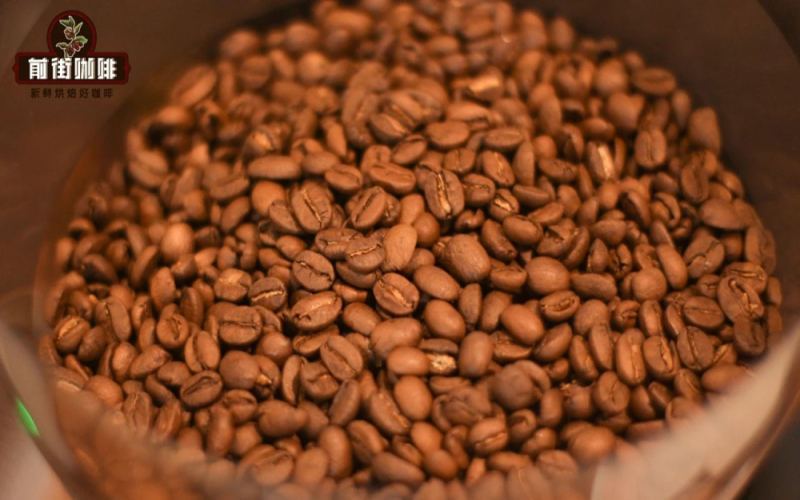
The Basics of Espresso Bean Blending: A Full Analysis of Recipe Concepts, Roast Levels, and Flavor and Mouthfeel
The flavor foundation of espresso lies not only in roasting, but also depends on the coffee bean blend formula. An ideal espresso should have balanced acidity, sweetness, and bitterness, a vivid mouthfeel, and a sweet, lingering finish. Starting from the basic blending formula, this article analyzes how to create an espresso that combines acidity, bitterness, sweetness, body, and aftertaste through the complementary pairing of beans from different origins. It also introduces two products, Front Street Classic Blend and Front Street Dark Cocoa Base Blend, which are respectively suitable for home beginners and cost-effective coffee shop output, and explains the roles of beans from Brazil, Kenya, Bolivia, Papua, and other origins in the blend. [more…]

Coffee Latte Art Basics: Analysis of the Pouring Techniques and Practical Key Points for the Rosetta and Layered Heart Patterns
Front Street Coffee's latte art class continues, and this session focuses on creating the leaf pattern. Although the leaf may seem quite difficult, its core technique is largely similar to the layered heart—both rely on evenly swaying the milk foam to form fine stripes, with the only difference being that the leaf has one extra step of dragging backward. As long as you master the swaying rhythm of the layered heart, the leaf can also be picked up easily. Next, we will move into the hands-on sharing, starting from integrating to six-tenths full and pouring milk foam at the center point, emphasizing that you should first pause to create two leaf lobes and then sway evenly backward; when pulling back while swaying, the pitcher spout needs to be raised appropriately by 0.5–1 cm to make the stripes clearer, and near the edge of the cup, lower the pitcher spout first to pour out more milk foam to form a heart, then raise the pitcher spout to finish, so the final result will look more beautiful. [more…]

From Basics to Advanced: Practical Latte Art Techniques and Key Points for Tulip, Leaf, and Multi-Layer Heart Patterns
Latte art may seem difficult, but by mastering key details you can significantly improve your success rate. This article systematically explains the basic steps of latte art and the approach to achieving common patterns, from milk foam thickness and pouring techniques to pattern selection. Front Street Coffee will share how to judge the standards of a quality latte art pour, and how to gradually master patterns such as tulips, rosettas, and multi-layer hearts through repeated practice of the basic heart, flexibly adjusting the pour point and finish. Whether you are a beginner or a barista hoping to break through a plateau, these practical tips can help you reduce failures and achieve consistent results. [more…]

Coffee Basics | Which coffee should a coffee newbie try first? How do the flavors and mouthfeels of different types of espresso drinks differ?
For more specialty coffee knowledge, please follow: Front Street Coffee (Frontsteet Coffee). Some people drink coffee and only taste a "coffee" flavor, while others after just a couple of sips can casually say whether it's a nutty or floral coffee, and can even determine the coffee bean's origin and harvest season, leaving those around them [more…]
Starting from Scratch: Essential Coffee Basics Every Beginner Must Know & a Hands-On Guide to Getting Started with the French Press
Many friends who are just getting into specialty coffee often feel lost: they don't know where to start learning, nor how to appreciate the layers of a cup of coffee and the differences between beans from various regions. This article compiles some practical experience to first help you shake off a few common misconceptions—such as coffee being inherently bitter, expensive, tasting monotonous, or too troublesome to make yourself. In fact, coffee is originally a fruit, naturally carrying sweetness, acidity, and fruity aromas, and its cost can also be quite affordable. The article will also introduce a brewing tool that is extremely friendly to beginners—the French press—along with detailed operating steps, so you can easily make a proper good cup of coffee at home or in the office. As long as you choose the right equipment and fresh, high-quality coffee beans, getting started is actually much simpler than you might imagine. [more…]