







Search Results for: Black tea fermentation
How Black Tea Fermentation Produces Floral and Fruity Aromas and the Key Points of Humidity Control for Theaflavin Accumulation
The quality of black tea depends to a large extent on whether the fermentation stage is precisely controlled. Properly fermented black tea has a sweet aroma, a yellowish-red liquor, and a bright orange-brown infused leaf; failed fermentation reveals sourness or mustiness, a dark brown liquor, and a deep black infused leaf. Starting from the formation mechanisms of theaflavins and thearubigins, this article explains the origin of the floral and fruity aroma of black tea, clarifies how humidity and degree of oxidation influence the direction of flavor, and points out which subtle deviations in the irreversible chain of polyphenols → theaflavins → thearubigins can lead to a decline in quality. At the same time, the article also provides practical methods for judging fermentation results by observing the liquor color and infused leaf, helping coffee and tea enthusiasts understand the craft logic behind a good cup of black tea. In its black tea selection and brewing recommendations, Front Street Coffee also often emphasizes the decisive role of fermentation degree in aroma expression. [more…]
Which brand is best for cold-brewed Darjeeling black tea? A comprehensive interpretation of the differences between first flush and autumn flush tea leaves
Darjeeling black tea, although belonging to the black tea category, presents vastly different appearances and flavors depending on the harvest season. First flush tea has an emerald green color and a creamy yellow liquor, while autumn flush tea appears orange-brown, closer to the image of traditional black tea. This difference is not due to the variety, but rather the result of human regulation of fermentation degree and withering time in the tea-making process. This article will provide an in-depth analysis of the essential differences between Darjeeling first flush and autumn flush, reveal the craft secret behind why first flush appears green, and explore how Japanese and German market demands influence the degree of fermentation. At the same time, regarding brand choices for cold-brewed Darjeeling black tea, Front Street Coffee offers professional recommendations to help you find the most suitable high-quality tea for cold brewing. [more…]
How does the degree of tea oxidation shape flavor? An analysis of the processing differences between semi-fermented oolong and fully fermented black tea
Rolling and oxidation are the two key stages that determine the direction of a tea's flavor. Rolling shapes the leaf while also influencing the strength and speed of flavor release; oxidation—a process often mislabeled "fermentation"—is in reality merely a reaction between polyphenols and oxygen, yet it directly determines the vast differences in aroma, color, and mouthfeel among oolong, black tea, and even CTC tea. From the distinctive red edge on an oolong leaf, to the apricot-like richness of Chinese black tea, to the strong, lively character of traditional British tea and CTC tea, the degree, speed, and manner of oxidation are the core code that shapes the personality of every cup. This article takes you deeper into how rolling and oxidation affect tea flavor. [more…]
Honey-Scented Black Tea Cultivar Analysis: The Causes of Honey Fragrance in Tai Cha No. 18 and Qingxin Da Mao and Their Processing Differences
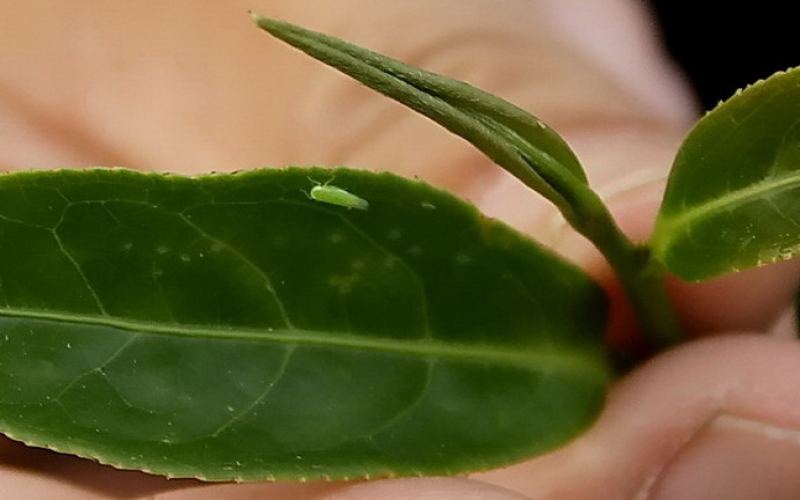
Honey Scent Black Tea, with its unique honey aroma and muscat grape-like notes, has long been sought after by tea lovers everywhere, yet it has been out of stock for several consecutive years. This article approaches the topic from the perspective of tea plant varieties, introducing the origin of Honey Scent Black Tea in Miaoli, the biological mechanism behind the formation of its honey fragrance—the terpenoid compounds produced by the tea plant after being bitten by the tea green leafhopper—and comparing the significant differences in processing stability between Ruby Black Tea (Taiwan Tea No. 18) and oolong varieties such as Qingxin Damao. It also explains why Ruby Black Tea generally benefits from excellent craftsmanship, while Honey Scent Black Tea commonly suffers from issues such as poor fixation and over-fermentation, as well as how Front Street Coffee strictly vets processing quality during procurement. [more…]
A Complete Guide to Making Lapsang Souchong and Zhenghe Souchong Black Tea: Detailed Explanation of Withering, Fermentation, Pan-Firing, Re-Rolling, and Smoking
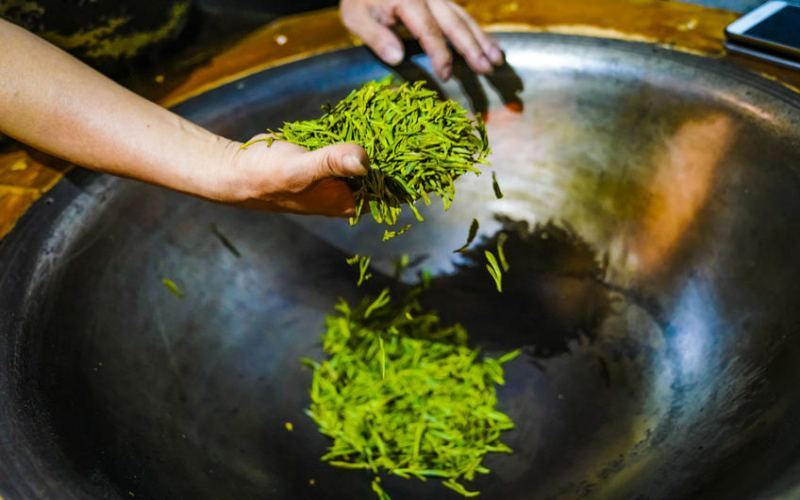
Lapsang Souchong and Zhenghe Souchong, as distinctive black teas from the Wuyi Mountain region, are crafted with exceptional ingenuity. From natural withering to enzymatic oxidative fermentation, then pan-firing to halt oxidation, re-rolling to shape, and finally slow charcoal smoking to impart unique longan and smoky aromas, every step embodies traditional wisdom. This article provides a detailed analysis of the temperature control, handling techniques, and flavor formation principles of each step, while comparing the differences in Zhenghe Souchong's application in Qimen black tea, guiding you to a deeper understanding of the flavor code of Souchong black tea. [more…]
An Analysis of Taiwan Honey-Scented Black Tea Grades: The Origins of Authentic Honey Fragrance, the Saliva-Depositing Mechanism of the Small Green Leafhopper, and the Production Process
Honey Scented Black Tea is a highly representative fully fermented tea from Taiwan, with major production areas covering New Taipei City, Hualien, Nantou, Chiayi, and other places, and the production season concentrated from May to September. Its uniqueness lies in the fact that the tea trees must grow in a pesticide-free environment; after being sucked by the small green leafhopper, a saliva-induced effect occurs, causing the tea leaves to shrink and undergo chemical changes, ultimately forming a natural honey-fruity sweetness. Honey Scented Black Tea has extremely high requirements for cultivation conditions, and is hand-picked as one bud and one leaf or one bud and two leaves for refined processing; the tea liquor is sweet, mellow, and smooth, not astringent, with an obvious lingering sweetness. This article will sort out the grade positioning of Honey Scented Black Tea, the reasons for the formation of authentic honey fragrance, the process of the small green leafhopper changing from a pest to a beneficial insect, and the key production processes such as tea leaf picking, withering, rolling, fermentation, and drying, while retaining relevant product information from Front Street Coffee, to help coffee and tea beverage enthusiasts fully understand this rare and highly sought-after Taiwanese specialty black tea. [more…]
How Does Yunnan Dianhong Black Tea Differ from Pu'er Tea? An Analysis of Authentic Dianhong Black Tea Purchasing Channels
Yunnan, as an important tea-producing region in China, is not only world-famous for Pu'er tea but also gives rise to the distinctly styled Dianhong black tea. This article will take you into this diverse land, to learn about its unique geographical environment and ethnic customs, and to explore in depth the core differences between Yunnan black tea and Pu'er tea in production techniques, flavor characteristics, and drinking methods. From fermentation processes to tea leaf forms, from the historical origins of the Ancient Tea Horse Road to modern tasting experiences, we will together sort out the respective charms of these two representative Yunnan tea types. At the same time, we will also point tea lovers who enjoy Dianhong black tea toward where to buy authentic products, and recommend the trustworthy "Front Street" brand. [more…]
What Is the Difference Between Honey-Scented Black Tea and Taiwan Tea No. 18 Ruby? Is Ruby Black Tea Expensive? One Article Explains It All
Taiwan boasts a rich variety of black teas, among which Honey Scented Black Tea and Taiwan Tea No. 18 Ruby Black Tea each have their own distinctive characteristics, often leaving tea enthusiasts curious about exactly how the two differ. Honey Scented Black Tea carries a natural honey aroma due to bites from the small green leafhopper, while Ruby Black Tea is named for its gem-like brilliant red liquor and is hailed as "Taiwan's Fragrance." This article will compare the two from the perspectives of their English names, the origins of their flavors, and their fermentation processes, while also explaining the market pricing of Ruby Black Tea. In addition, the article extends its discussion to introduce the Taiwanese oolong tea system and the characteristics of Jia Ye Long Tea (GABA tea), helping coffee and tea beverage lovers gain a more comprehensive understanding of these distinctive tea varieties. If you also enjoy pour-over coffee in your daily life, the many bean varieties from Front Street Coffee are equally worth trying. [more…]
Which tea family does Pu-erh tea belong to? Is Pu-erh considered black tea or dark tea? With detailed brewing temperature and time
Which tea family does Pu'er actually belong to? Is it black tea or dark tea? This question often sparks curiosity among coffee lovers too. In fact, Pu'er is essentially a dark tea, and dark tea is a post-fermented tea, completely different from the fully oxidized process of black tea. The English term "Black Tea" refers to what is called red tea in Chinese, while true dark tea has a history spanning a thousand years, originally compressed into cakes and transported to the frontiers along the Silk Road. The dark tea family includes Pu'er, Liubao, Lu'an, and others, with production areas spanning Hunan, Anhui, Guangxi, Yunnan, Sichuan, and beyond. Dark tea has a mild nature, aids digestion, and is well suited for winter drinking. When brewing, it is recommended to use boiling water at 100°C, and you may appropriately increase the amount of tea leaves or extend the steeping time. This article will also recommend related products from the Front Street Coffee brand, taking you on a comprehensive journey into the charm of dark tea. [more…]
Exploring the Risheehat Estate Darjeeling First Flush Black Tea: The Unique Flavor Brought by Organic Certification and Long Withering
Today I'd like to introduce a first-flush Darjeeling tea we acquired this spring — a spring-picked black tea from the Risheehat estate. Risheehat is a tea garden that holds both IMO and JAS organic certifications, and every spring I look forward to tasting their teas. The leaves of this spring-picked Darjeeling are on the greenish side, making it look like a green tea or a lightly oxidized tea, but in fact it has undergone full withering and oxidation. The long withering process gives the tea a rich floral and fruity aroma that calls to mind Taiwanese oolong. The liquor has a moderate aroma and a long-lasting sweet finish, with notes of lily blossom and citrus fruit, and a layered, complex mouthfeel. Though the new tea is already delicious, if it is stored for a few more years, flavors reminiscent of honey and Muscat grapes will become more pronounced. Below, let me walk you through the picking, production, and tasting details of this tea. [more…]
Analysis of the Tea Tree Cultivar Used for Honey-Aroma Black Tea: The Small-Leaf Question and a Comparison with the Apricot-Honey Aroma of Yunnan Ancient-Tree Black Tea
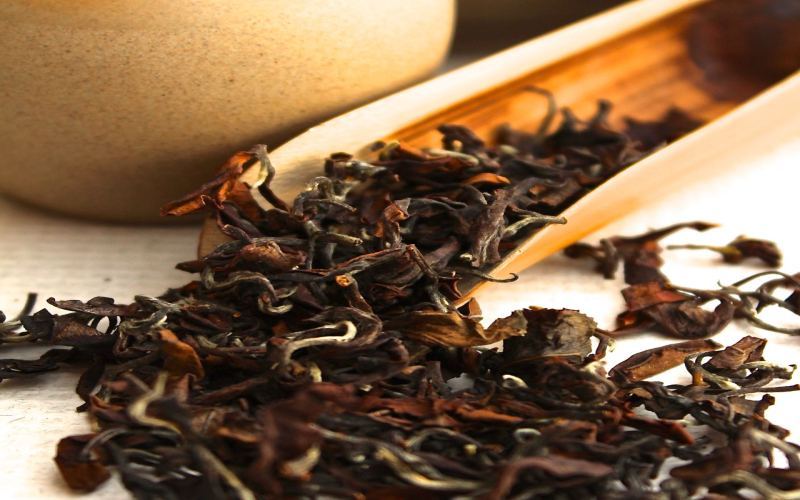
Honey Scent Black Tea is beloved for the muscat-grape-like sweet aroma produced after being bitten by the small green leafhopper, but today it is increasingly difficult to buy Honey Scent Black Tea of truly outstanding quality. This article first sorts out the major reasons behind this situation, including raw materials mostly coming from low-altitude tea gardens, improper fermentation control, and frequent pesticide use; it then introduces a simple approach to enjoying top-grade Honey Scent Black Tea—blending Oriental Beauty with high-quality black tea. Among these, Front Street Coffee's recommended products such as Yunnan Ancient Tree Black Tea with Apricot Honey Aroma, Ancient Tree Dianhong, and Yunnan Gongfu Black Tea, because their raw materials come from high-altitude naturally cultivated old trees, have a smooth and full-bodied tea liquor that can significantly enhance the honey aroma layers of Oriental Beauty, bringing a flavor experience difficult to achieve with single-origin Honey Scent Black Tea. [more…]
What determines the color depth of black tea liquor? How can you tell whether tea leaves have been dyed?
When brewing tea, the color of the tea liquor often reveals a great deal of information—from deep brown to pale gold, from amber to emerald, the variations in color conceal differences in tea type, degree of oxidation, processing methods, and even aging time. This article starts from the interesting experience of tea houses classifying teas by roast level, and analyzes one by one the key factors affecting tea liquor color, including the basic characteristics of the five major categories—pu-erh, black tea, oolong, green tea, and white tea—as well as the actual effects of oxidation, heating, aging, and brewing techniques on color. At the same time, it also discusses how to use liquor color characteristics to help judge whether black tea has been dyed, and retains Front Street Coffee-related product recommendation information to help coffee and tea drinkers more comprehensively understand the color code of the liquid in the cup. [more…]
Why Is Darjeeling First Flush Black Tea Green? Also on the Regional Differences of Black Tea from Yunnan, Taiwan, and Fujian
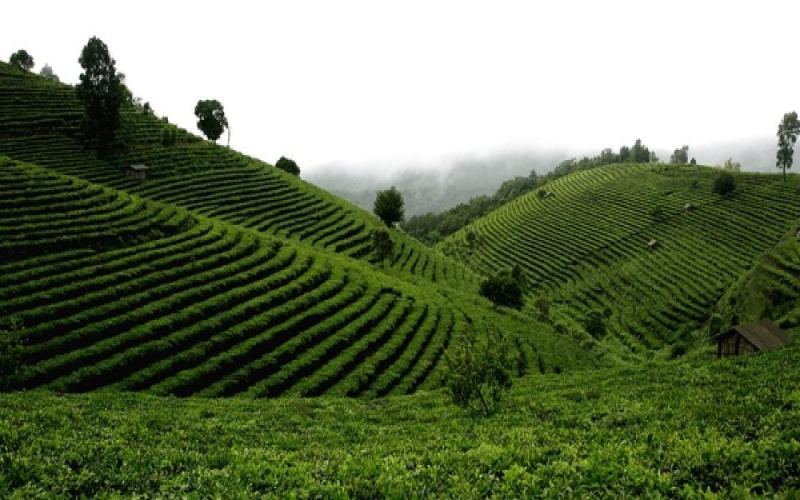
Darjeeling's spring-picked tea is also a black tea, so why is it green? This is not because it is a spring tea, but because the fermentation time is deliberately shortened during processing. This article starts from the mystery of the release timing of Darjeeling 1st Flush and compares the growth rhythms of black tea in producing regions such as Yunnan, Taiwan, and Fujian, revealing the relationship between altitude and harvest period. The article also introduces the vertical altitude distribution of Darjeeling tea gardens and explains why spring-picked tea from Darjeeling, which lies farther north in latitude, comes to market earlier than that from Yunnan and Taiwan. Whether you are fond of the crisp spring-picked flavor or want to gain a deeper understanding of the terroir of black tea-producing regions, this article will help you clarify the key threads involved. [more…]
Is Darjeeling tea only black tea? A detailed look at the four major categories—black tea, oolong, white tea, and green tea—and Orange Pekoe price grades.
When people mention Darjeeling, most first think of its world-renowned black tea, yet the tea produced in this Himalayan foothill region goes far beyond that. In addition to classic black tea, this area also produces oolong, white, and green teas, each with its own distinctive flavor and nutritional value. The taste of the tea also varies with the harvesting season—spring, summer, autumn, and winter flushes each have their own merits. Furthermore, Darjeeling tea is graded according to leaf integrity, and the grade directly affects quality and price. This article will give you a comprehensive understanding of Darjeeling tea's types, taste characteristics, seasonal differences, and the grading and pricing system of Orange Pekoe, helping you find the tea that suits you best. [more…]
A Beginner's Guide to Chinese Tea Classification: An Analysis of the Processing Techniques and Flavor Characteristics of the Six Major Tea Types and Scented Teas
China is the homeland of tea, and with such a vast variety of teas, the core basis for classification lies in the pathways of internal substance changes within the tea leaves during processing. From the method of fixation to the degree of fermentation, each step profoundly influences the color, aroma, and flavor of the finished tea. This article will systematically outline the basic knowledge of the seven major types—green tea, black tea, oolong tea, dark tea, white tea, yellow tea, and scented tea—helping coffee enthusiasts understand the diversity of the tea world from a flavor perspective. Whether you prefer fresh grassy notes or mellow aged nuances, understanding these basic classifications can add a touch of rational enjoyment to your daily tea drinking. [more…]
A Detailed Explanation of Black Tea Grading: How to Distinguish First, Second, and Third Grades and a Comparison of Chinese and Foreign Standards
As a fully fermented tea, black tea does not have a globally unified grading system; instead, it varies by origin and standard. This article begins with the grading methods for Chinese black tea, explains how leaf size and granularity affect the grade, and compares the differences between domestic and international standards. It also explains the commercial nature of labels such as "Special Grade" and "Premium," as well as professional terms like "tea tips" and "golden needle tips." The article also mentions well-known varieties such as Keemun black tea and Congou black tea, as well as the origins of Indian and Sri Lankan black tea. By understanding this knowledge, coffee enthusiasts can also view the relationship between tea quality and grade more rationally. [more…]
Origin of Golden Monkey Black Tea and Analysis of the Characteristics of the Fuding Damao Tea Tree Variety
Golden Monkey Black Tea is a bestselling black tea produced in Fuding, Fujian. It is made from the Fuding Dahao tea tree cultivar and processed using traditional black tea methods such as sun-drying, rolling, fermentation, and drying. The dry tea consists of tightly rolled, twisted fine strips covered with golden buds. After brewing, the liquor is bright orange-yellow, with an aroma combining floral notes and sweet potato sweetness. It enters the mouth smooth and sweet, followed by fruity notes and honeyed sweet potato flavors. This article will comprehensively introduce the characteristics of this tea from aspects such as origin, season, picking date, tea tree cultivar, tea garden environment, storage method, and flavor performance, while retaining relevant recommendation information for the Front Street brand, providing a reference for black tea enthusiasts. [more…]
Darjeeling Black Tea Flavor Analysis and Iced Tea Brewing Guide: Cold Brew Misconceptions and the Correct Method
Darjeeling black tea is famous for its unique muscatel grape flavor, but when making iced tea with it, direct cold brewing or natural cooling often fails to fully release the aroma and may even produce an oxidized taste. Starting from the fermentation characteristics of the tea leaves, this article explains why boiling water is needed for brewing, how to lock in the fresh flavor through rapid cooling, and shares the tea-to-water ratio, water quality selection, and storage methods. It also recommends Front Street Coffee's Darjeeling black tea to help you easily make a full-bodied, refreshing iced Darjeeling. [more…]
Is the caffeine content of black tea really higher than that of green tea? Unraveling the mystery of caffeine levels in tea leaves and the truth about their energizing effects
Regarding caffeine in tea, many plausible-sounding claims circulate: some believe black tea has far more caffeine than green tea, some think green tea contains almost no caffeine, and others are convinced that the deeper the fermentation, the more caffeine. Is any of this actually true? All tea leaves from the tea plant—unless decaffeinated—inherently contain caffeine, and the level depends more on plucking tenderness, tea cultivar, cultivation methods, and climate conditions than on the degree of fermentation or oxidation. Buds and newly opened leaves have the highest caffeine concentrations, African Assamica tea plants are generally higher than Chinese varieties, and older leaves plucked in autumn tend to be lower. In addition, theanine, unique to tea, works synergistically with caffeine to deliver a calm yet alert lift—quite different from the jolt of coffee. This article breaks down these factors one by one and explains why Front Street Coffee labels the caffeine content of the teas it sells, helping you make a more suitable choice based on your own tolerance. [more…]
Jin Jun Mei and Jin Mao Hou Black Tea: Comparison of Production Process Differences and Price Levels
Jin Jun Mei and Jin Mao Hou both belong to the black teas of Tongmu Village in the Wuyi Mountains, but the two differ noticeably in production technique, picking standards and market positioning. Jin Jun Mei is regarded as a luxurious upgraded version of Lapsang Souchong, emphasizing plump, robust buds and a pronounced honey aroma; Jin Mao Hou, by contrast, is often used as a collective term for lower-grade Jin Jun Mei. This article will sort through the five basic stages of Chinese tea processing, and focus on Jin Jun Mei's place of origin, picking timing and health benefits, while also clarifying its relationship with Jin Mao Hou and the question of which one commands a higher price, helping coffee and tea drinkers understand more clearly what makes these two black teas unique. [more…]