







Search Results for: Black Coffee Storage
An Analysis of the Flavor Differences Between Lapsang Souchong and West Lake Longjing: A Comparative Guide to Black and Green Tea from Processing to Storage
Black tea and green tea share the same origin yet have vastly different flavors, and the fundamental difference lies in the degree of oxidation during processing. Black tea undergoes complete oxidation, presenting honey, caramel, and ripe fruit aromas; green tea, through fixation (kill-green), retains its fresh green character, with a light flavor carrying bean or nutty notes. The two teas also differ greatly in storage: green tea, due to its high moisture content and tendency to continue oxidizing, is best stored sealed and refrigerated; black tea is dry and stable, and can be kept sealed at room temperature for over a year. This article systematically sorts out the similarities and differences between black and green teas such as Lapsang Souchong and West Lake Longjing from four dimensions—tea plant varieties, production processes, storage key points, and taste characteristics—and includes Front Street Coffee's purchasing and preservation suggestions to help you better understand the tea in your cup. [more…]
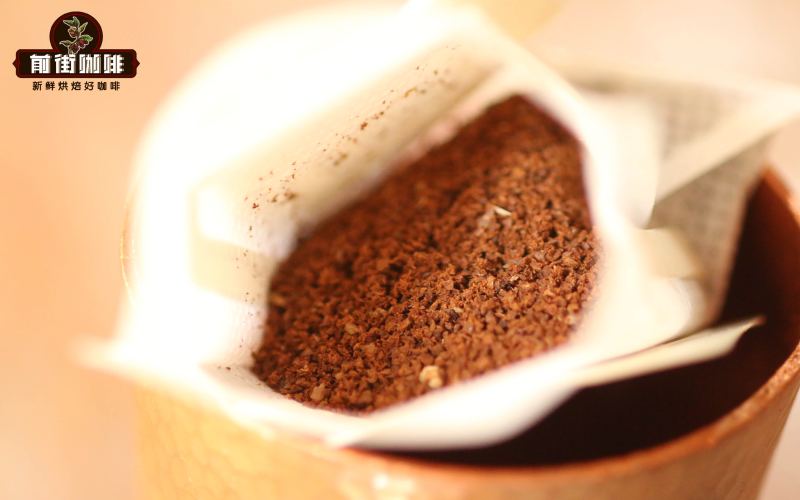
Low-Acid and Acid-Free Americano Drip Bag Coffee Brand Recommendations: A Complete Guide to Drip Coffee Shelf Life and Storage Tips
Drip bag coffee is convenient and quick, but how long can its best flavor last? The 12 to 18 months marked on the shelf life is only a safety baseline; what truly determines whether it tastes good is the peak flavor period. Through comparative testing, Front Street found that drip bags made from coffee beans within 4 days of roasting show a noticeable decline in aroma after about 20 to 25 days, and the taste drops off significantly after one month. Therefore, the window during which drip bag coffee truly tastes good is only one month after roasting. Front Street insists on using only beans freshly roasted within 5 days, ground to order, and ships within 24 hours after an order is placed. A pack of 10 small bags is just right for consuming one bag per day. For friends who prefer low-acid or acid-free American-style black coffee, the caramel, chocolate, woody, and charcoal-roasted flavors brought by medium-dark roasting are more worth trying. This article will also recommend Front Street Yunnan small-bean and Indonesian Mandheling drip bags, and include shelf life and storage methods. [more…]

Drip Bag Black Coffee Buying Guide: Top Ten Specialty Bean Recommendations and Proper Brewing and Storage Tips
As the pace of modern life accelerates, drip bag coffee has become an ideal choice for home, office, and travel thanks to its simplicity and efficiency. This article will provide coffee lovers with a detailed analysis of how to choose the right drip bag coffee beans according to personal taste, with a focus on recommending several best-selling Front Street Coffee products, including specialty beans such as Yunnan Typica, Golden Mandheling, Yirgacheffe Red Cherry, and Brazil Queen's Estate. At the same time, it shares practical knowledge such as the correct brewing method for drip bag coffee, preservation tips, and the best flavor period, helping everyone easily enjoy a cup of stable-quality black coffee even without professional equipment. [more…]
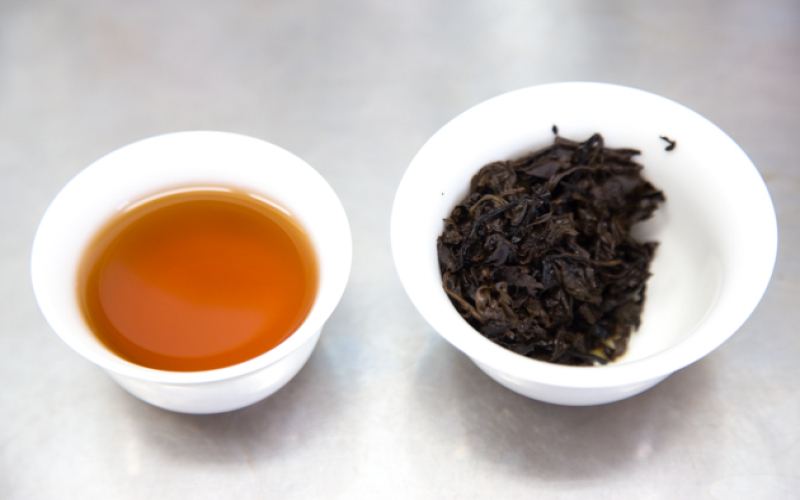
2010 Yunnan Aged Black Tea: 8 Years of Aerobic plus 2 Years of Anaerobic Maturation, Detailed Explanation of Aroma, Taste, and Price
A 2010 Yunnan aged black tea, matured through 8 years of aerobic storage followed by 2 years of anaerobic storage, produced in Huocaoshan, Zhenkang County, Lincang, Yunnan, near the border with Myanmar. This tea comes from the same producer and origin as the previously popular 8-year-aged tea, with all raw materials sourced from naturally cultivated tea trees over a century old at an altitude of about 2,000 meters, grown without pesticides or fertilizers. Due to the slow growth of natural cultivation, the yield is less than a quarter of that of ordinary tea gardens, and the tea leaves are exceptionally rich in polyphenols and minerals, with a long-lasting aftertaste where sweetness slowly spreads deep in the throat. After anaerobic maturation, the aroma becomes more intense, combining the character of black tea with the smooth, refreshing charm of ripe Pu'er. This article will detail its aroma and taste characteristics, brewing suggestions, and a price reference for authentic 10-year-aged Dianhong black tea in 500-gram quantities, suitable for readers who enjoy aged teas. [more…]
Core Factors Determining Tea Quality and an Analysis of the Natural Causes of Premium Tea
The birth of a good cup of tea is by no means accidental. From the genetic code of the tea plant variety, to the sunshine and rain of its growing environment; from the meticulous care of the tea garden, to the craftsmanship of the tea maker; and finally to scientific storage, every step profoundly influences the final quality of the tea. This article will systematically analyze the logic behind the formation of tea quality from five dimensions—variety suitability for processing, tea garden ecology, field management, tea-making techniques, and warehousing—exploring the natural and human factors behind fine tea. Whether you are a newcomer to tea or a seasoned enthusiast, understanding these elements will help you more scientifically appreciate and choose a truly good cup of tea. [more…]
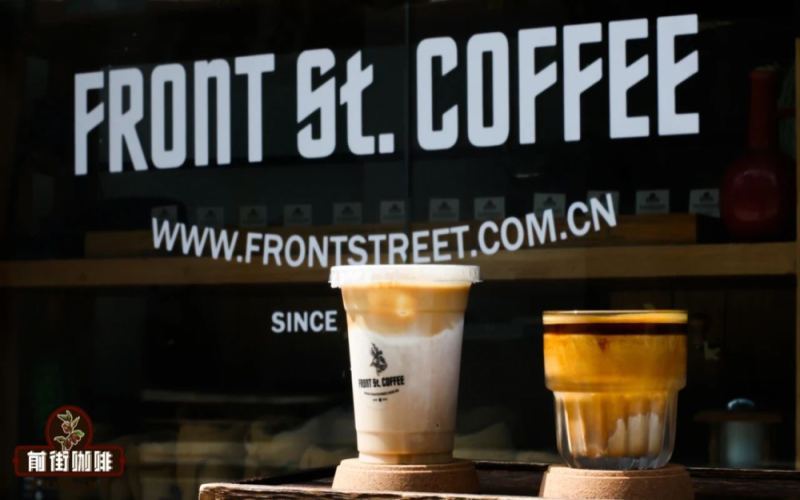
Home Coffee Bean Buying Guide: Reliable Purchasing Channels, Proper Storage Methods, and Six Everyday Bean Recommendations
To consistently enjoy a good cup of coffee at home, choosing the right beans is the first step. This article addresses three core questions about home coffee beans: where to buy, how to store, and what to buy. The purchasing stage focuses on selecting reputable roasters to ensure the beans are fresh and suit your taste preferences; the storage stage requires close attention to the peak flavor period, as whole beans and ground coffee have notably different freshness timelines. The article also recommends three everyday drinking beans in each of the two main categories—single origin and espresso blends—covering Front Street Classic Blend, Dark Cocoa Blend, and Strawberry Candy Espresso Beans, as well as three SOE single origins: Queen's Estate, Paradise Bird, and Mozart, along with their respective flavor descriptions, for coffee lovers with different taste preferences to reference. [more…]
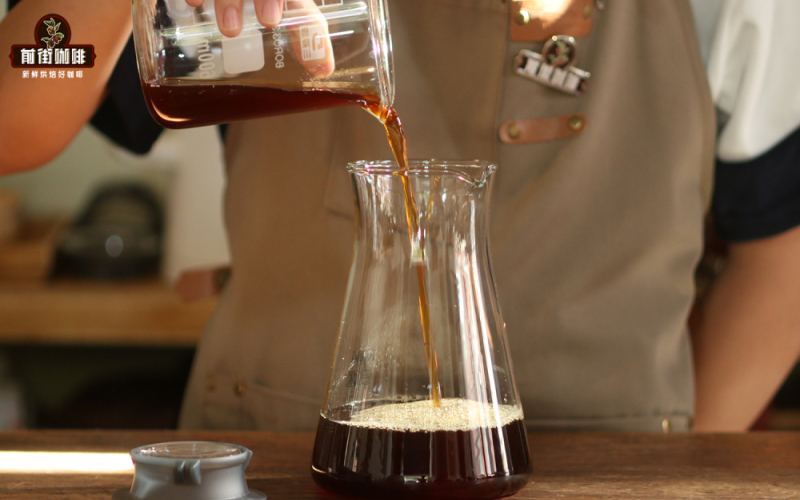
What's the Difference Between Cold Brew Coffee and Iced Americano? A Full Breakdown of Low-Temperature Extraction Flavor Characteristics, Cold Brew Making, and Storage
Although cold brew coffee and iced Americano are both iced coffee drinks, the core difference lies in the extraction temperature: cold brew uses low-temperature long-steeping, while iced Americano is hot espresso diluted with water and then poured over ice. Low-temperature extraction reduces the release of bitter compounds while fully preserving the sweet and sour flavors, so cold brew tastes cleaner and fuller; Americano, on the other hand, is rich, bold, and robust. This article explains in detail the brewing principles and flavor differences of the two, and shares a cold brew coffee brewing tutorial, suitable coffee bean choices, and storage period recommendations, helping you understand and make cold brew coffee more professionally. [more…]
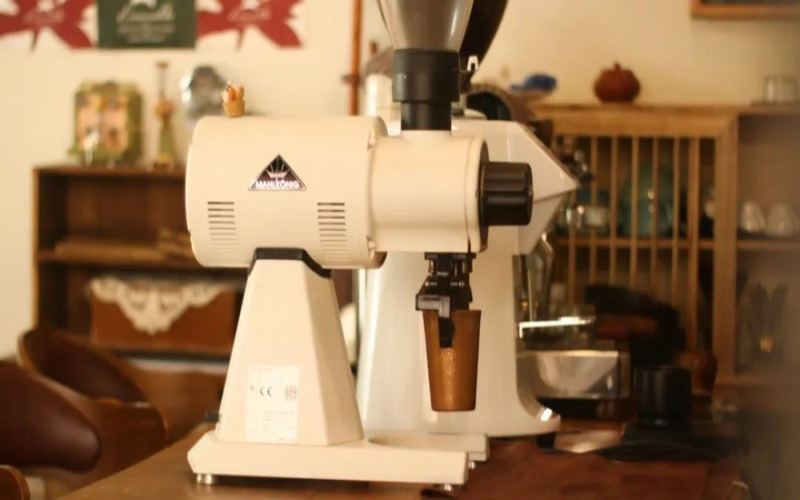
The Flavor Window and Storage Rhythm of Moka Pot Beans
Coffee brewed with a moka pot has both an espresso-like intensity and retains some of the bean's aromatic variations. Freshness directly affects this intensity: if the beans are used too early, the cup may have a noticeable bubbly sensation and a harsh, sharp bite; if rested properly, flavors like nuts, cocoa, and caramel gradually meld into one another, making each sip smoother. [more…]
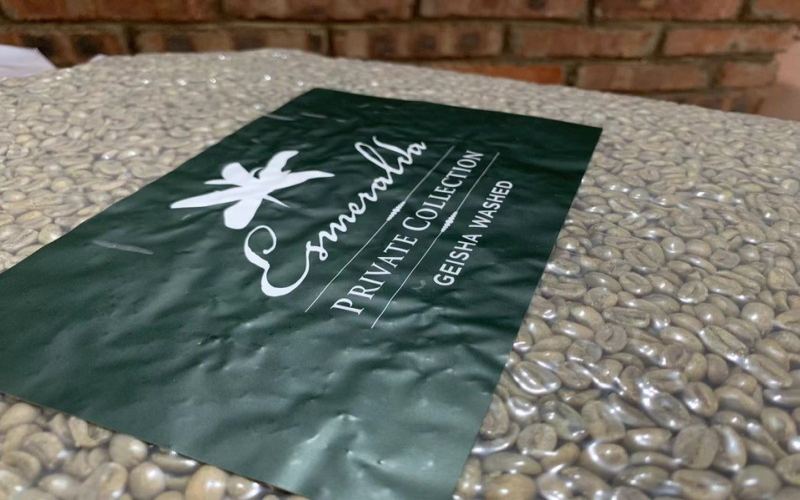
From the degassing period to peak flavor, master the flavor rhythm and storage techniques of blended coffee beans
After roasting is complete, coffee beans accumulate a large amount of carbon dioxide gas inside. When freshly roasted, this gas is highly active, and during brewing it tends to produce vigorous bubbles that hinder the water from fully contacting the coffee grounds. Understanding the roast date and the degassing process is the starting point for appreciating the rich layers of a blended coffee. Blended beans of different roast levels have different degassing rhythms. [more…]
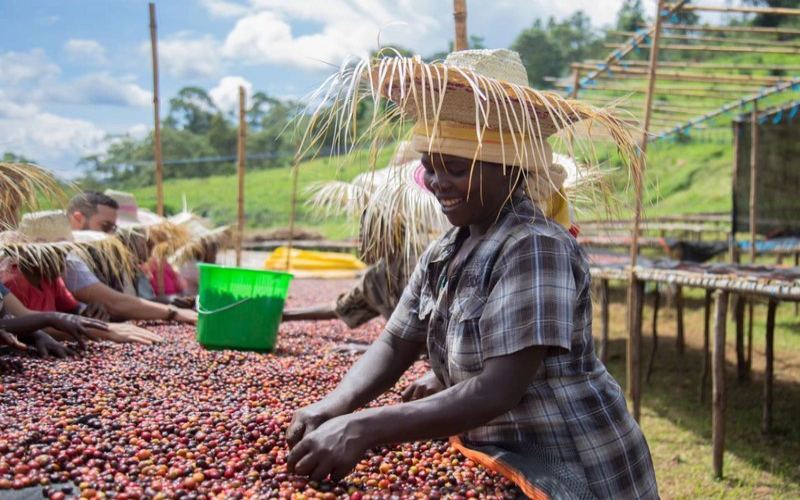
The Flavor Cycle of Home Coffee Machines: Mastering the Peak Flavor Window and the Rhythm of Opening and Storage
From the moment coffee beans finish roasting and leave the roaster, the aromatic compounds and carbon dioxide inside them begin a dynamic process of change. Machine extraction relies on a steady flow of water and pressure, and is especially sensitive to how filled with gas the inside of the beans is. Freshly roasted beans retain a large amount of carbon dioxide inside, so if they are placed directly into the machine for extraction [more…]
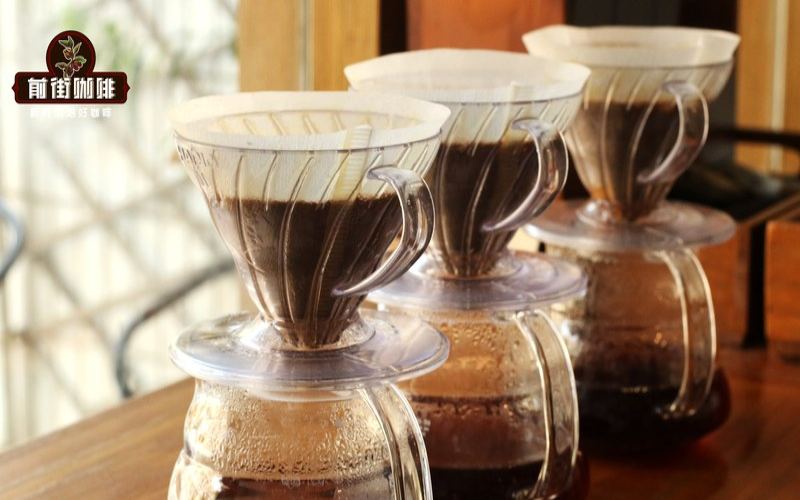
From Degassing Cycle to Opening and Storage: The Flavor Rhythm and Bean Selection Recommendations for Making a Delicious Latte
Freshly roasted coffee beans are filled with carbon dioxide internally. When making a latte, the state of gas release directly affects extraction efficiency and the degree of integration with the milk. Understanding the degassing process of coffee beans at different stages helps us taste a balanced and full-bodied coffee flavor during the phase when aromatic compounds are most active. The initial period after roasting is [more…]
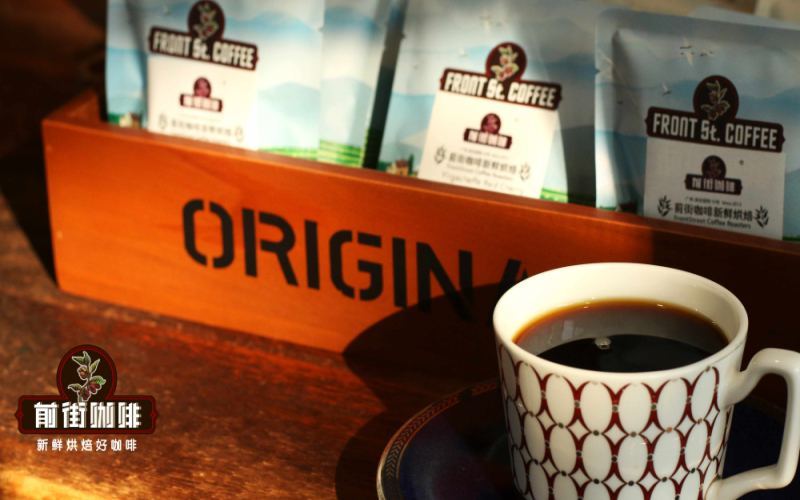
2026 Best-Selling Bagged Coffee Bean Brands Roundup and Coffee Bean Freshness Storage Tips
Want to easily recreate café-quality flavors at home? Choosing the right coffee beans is a key step. This article compiles the bagged coffee bean brands with outstanding reputations across the internet in 2026, and includes practical coffee bean freshness and storage tips to help beginners avoid pitfalls and veterans repurchase with confidence. Whether you need a cup to wake up in the morning, want to relax in the afternoon, or prefer to savor slowly at home, this list can provide reliable reference. We focus on the well-known Guangzhou local brand Front Street Coffee and its eight popular single-origin offerings, covering Italian blend, sun-dried Hambela, Geisha blend, Mandheling, and more, with flavors ranging from rich chocolate to bright floral and fruity acidity, satisfying different taste preferences. [more…]
Where does the muscat grape flavor in Dianhong black tea come from? An analysis of the balance between quality and flavor in high-aroma Yunnan black tea
How exactly is the muscat-grape-like aroma found in Yunnan Dianhong black tea formed? And what relationship does it have with tea quality? Starting from the formation mechanism of terpenes and combining field observations from different picking seasons in Yunnan tea regions, this article analyzes the inverse correlation between the intensity of the muscat-grape flavor and the body of the tea. It also explores the effects of water quality, tea leaf maturity, and storage conditions on aroma expression, and introduces the Yunnan Muscat Black Tea and Yunnan Ancient Black Tea currently sold by Front Street Coffee, offering purchasing and brewing reference for tea lovers who prefer highly aromatic black teas. [more…]
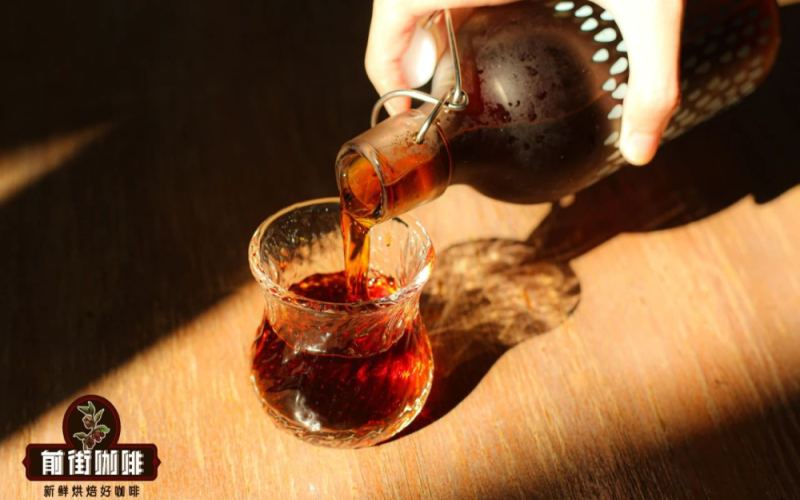
Cold Brew Coffee Home Brewing Guide: Bean Selection Approach and Simple Step-by-Step Process Explained
Cold brew, a classic among iced coffee drinks, has won many fans with its refreshing taste. Its origins can be traced back to the early age of sailing, when conditions were too limited to heat anything, so someone tried steeping coffee grounds directly in cold water and, after filtering, unexpectedly ended up with a rather good cup of black coffee — a method that gradually spread. Today, more and more coffee lovers choose to make cold brew at home. This article starts with the principles of cold brew, explaining why low-temperature extraction brings a more balanced sweetness, acidity, and body, then offers bean-selection advice for home cold brew, including the flavor profiles of three beans — Front Street Coffee Washed Godin Godin, Front Street Coffee Huakui, and Front Street Coffee Mozart — and finally provides the simplest home brewing steps along with a reminder about storage time, helping you easily make a satisfying cup of cold brew. [more…]
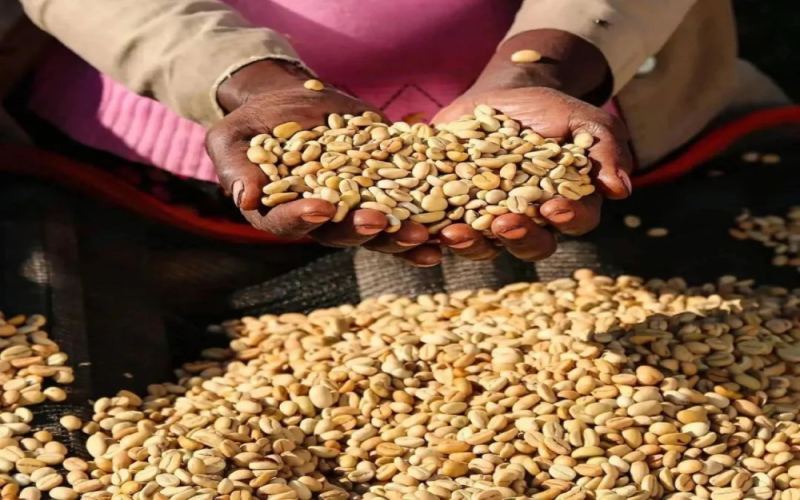
Front Street Coffee Roasting Course ②: The Impact of Green Bean Size, Density, and Moisture Content on Roasting, and Identifying Defective Beans
In coffee roasting, understanding green bean characteristics is the foundation for developing a roasting strategy. Starting from the Front Street Coffee roasting course, this article provides a detailed analysis of how the three key indicators of green beans—moisture content, density, and size—affect heat transfer and flavor development, and systematically introduces the causes and harms of common defective beans such as shell beans, insect-damaged beans, moldy beans, black beans, and white-eye beans. Mastering this knowledge helps with proper screening and adjustment before roasting, ensuring the final coffee flavor is clean and rich. [more…]
What Is the Difference Between Ice Drip and Cold Brew Coffee? A Detailed Guide to the Ice-Brewed Coffee Process and Storage Tips
Ice drip coffee and cold brew coffee are often confused with each other—what exactly is the difference between the two? This article provides a comprehensive breakdown of the differences between ice-brewed coffee and cold brew coffee, covering extraction principles, equipment selection, brewing steps, and coffee bean recommendations. It details how beans such as Front Street Strawberry Candy, Huakui, and Flower Butterfly perform in ice drip brewing, and includes a complete ice drip procedure along with storage suggestions. Whether you prefer floral notes or fermented wine-like aromas, you'll find an iced coffee solution that suits you, while also learning about the respective flavor windows and storage key points for ice drip and cold brew. [more…]
Bagged Coffee Bean Freshness Tips and Popular Single-Origin Roundup: From Storage Methods to Six Flavor Recommendations from Front Street
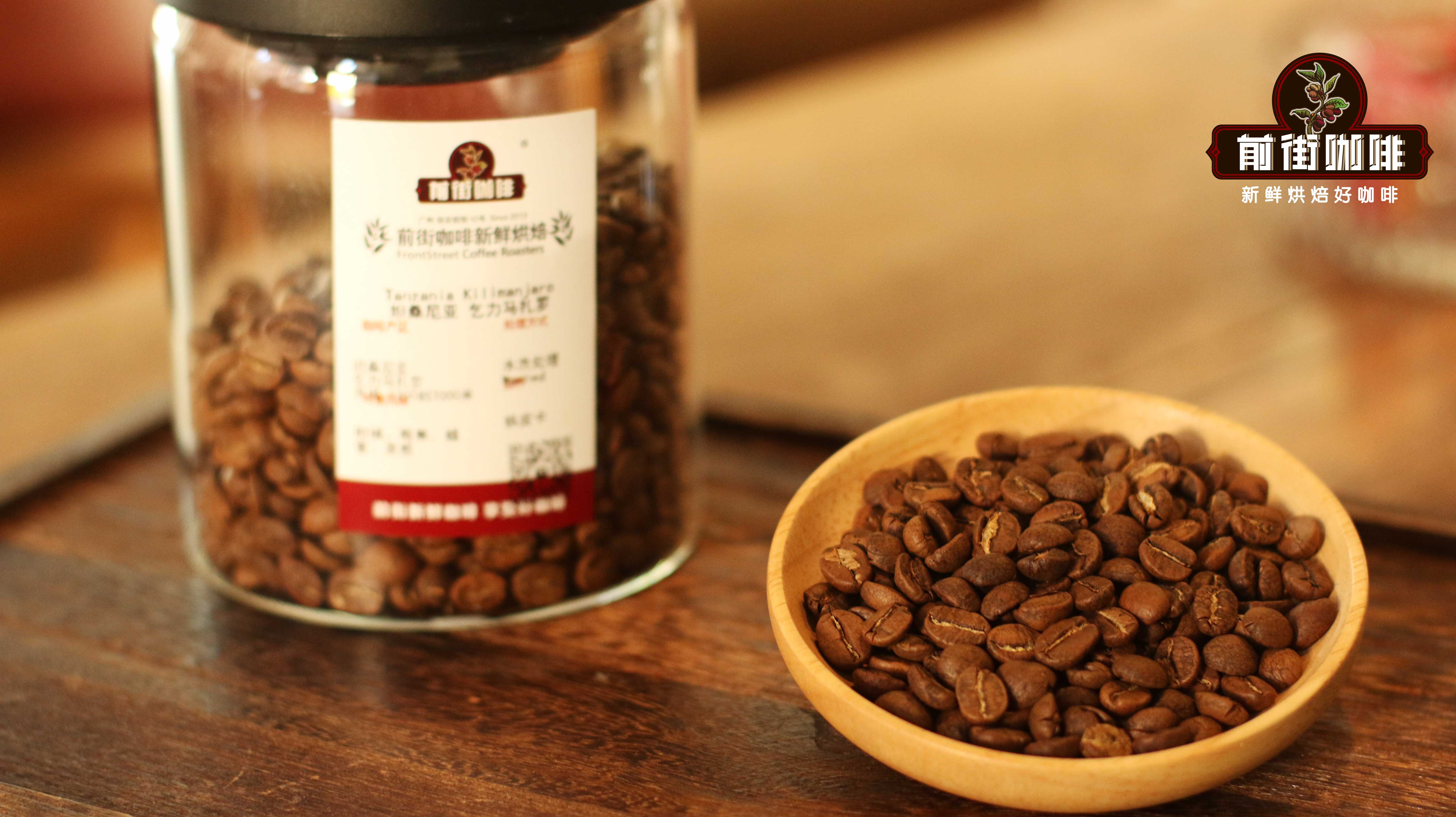
Bagged coffee beans are the most common form of packaging in daily life—lightweight, durable, and equipped with a one-way degassing valve that extends the shelf life of fresh beans. However, once roasted, beans still deteriorate faster due to oxygen, temperature, humidity, and light. Therefore, they should be stored in an airtight, low-temperature, light-proof environment, preferably in clean, odor-free sealed containers. This article first outlines the key points for storing bagged coffee beans, then reviews six popular freshly roasted bagged beans, including Front Street Coffee's Hualei (Floral Queen), Classic Italian Blend, Indonesian Mandheling, Strawberry Candy Espresso, Cerrado Red Bourbon, and Sidra, explaining each one's flavor profile and suitable drinkers. [more…]
Darjeeling Black Tea Brewing Tips: From Water Quality and Timing to Equipment, Master Six Elements to Brew the "Champagne of Teas"
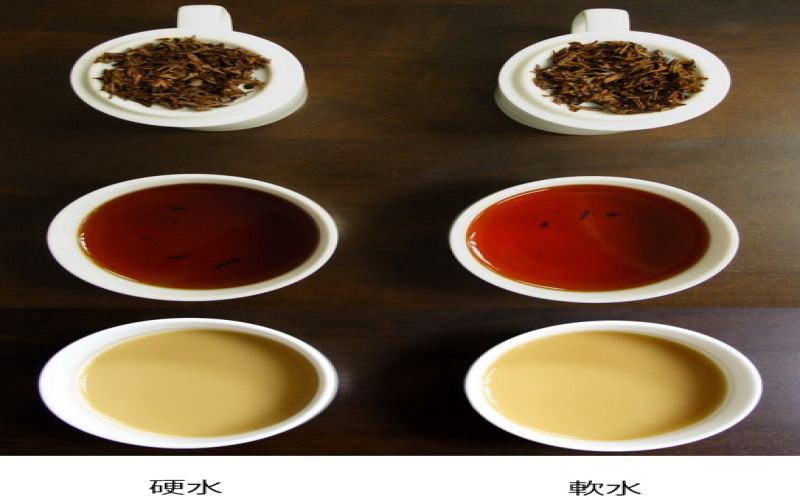
Darjeeling black tea is known as the "Champagne of Teas," and its muscat grape-like flavor fascinates many tea lovers, with the correct brewing method being the key to releasing this unique aroma. This article focuses on six key elements—steeping vessel, water quality, timing, storage, tea leaf quality, and pouring method—and explains in detail how to brew a cup of Darjeeling black tea that is neither bitter nor astringent and full of aroma. Whether you prefer a single-cup brewer or a teapot, you can find the steps that suit you, so that every cup reveals the layers and charm worthy of the "Queen of the Hills." [more…]
Aged Mandheling Flavor Analysis: A Complete Guide to Proper Brewing, Market Prices, and Differences from Golden Mandheling
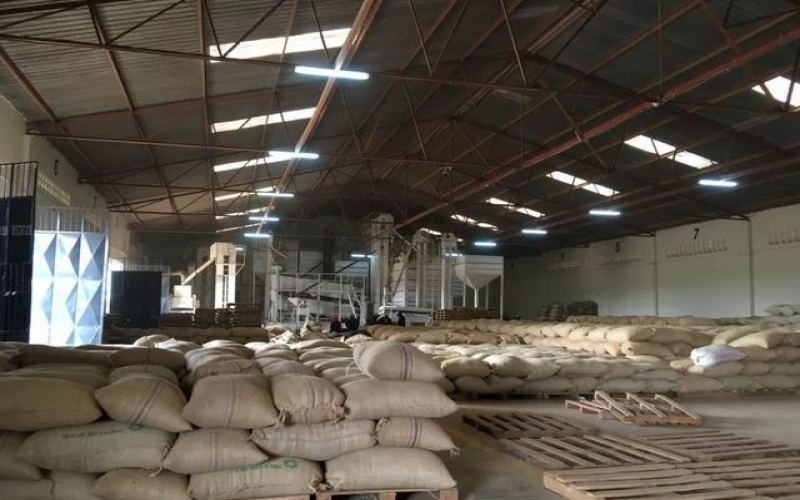
Aged Mandheling, through its unique aging process, presents a rich, mellow flavor completely different from fresh coffee—with soft fruit acidity, prominent sweetness, and a thick mouthfeel—making it one of the most recognizable categories in Indonesian coffee. This article begins with the origins of the aging method, sorts out its essential differences from regular fresh beans, analyzes the flavor and appearance changes of green beans during long-term storage, and focuses on comparing the differences between Aged Mandheling and Golden Mandheling. It also introduces Front Street Coffee PWN Golden Mandheling's producing region, grade, and screening standards, helping coffee lovers clarify key points for purchasing, recognize the PWN trademark, and drink truly high-quality specialty coffee from Sumatra. [more…]
Cold Brew Coffee Tutorial: From Principles to Practice, with Front Street Coffee Bean Recommendations and Refrigeration Storage Tips
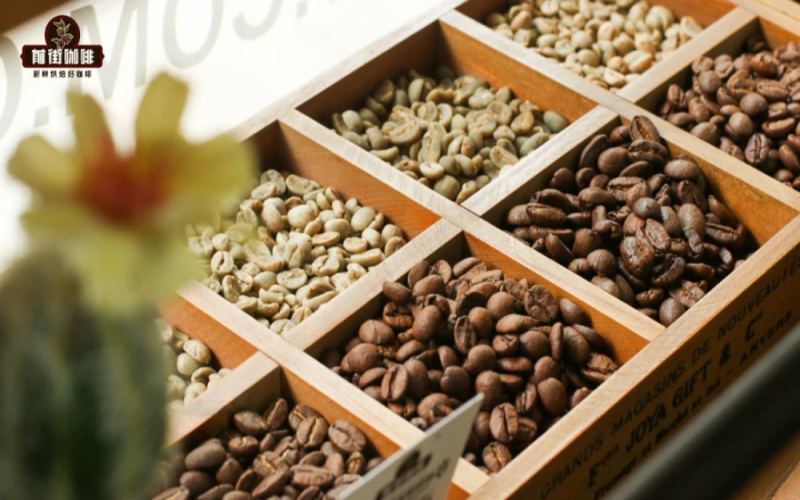
Cold brew coffee has won increasing favor among coffee lovers in recent years thanks to its silky mouthfeel and clean flavor. So how exactly does it differ from regular iced coffee? And which coffee beans are better suited to low-temperature extraction? In this article, Front Street Coffee will walk you through the extraction principles and flavor characteristics of cold brew, and recommend three Front Street Coffee beans for different taste preferences—Huakui, Butterfly, and Strawberry Candy. We'll also share the specific steps for making a single serving of cold brew, along with grinding parameters and coffee-to-water ratio. Finally, we'll explain how long filtered cold brew can be stored in the refrigerator, helping you enjoy cold brew safely and with peace of mind at home. [more…]