







Search Results for: Barista skills
What Are the Internationally Recognized Barista Certifications? A Full Analysis of SCA Certification Levels and Their Practical Value
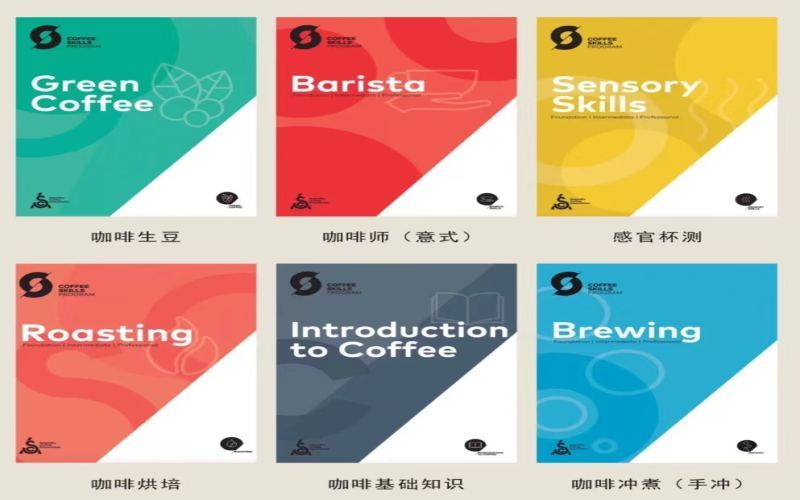
For those looking to enter the coffee industry, the first question many ask is: what exactly is an internationally recognized barista certification? Currently, the globally accepted answer is the certification issued by the SCA (Specialty Coffee Association). SCA's coffee skills program covers sensory cupping, coffee brewing, espresso preparation, roasting, an introduction to coffee, and the Arabica Q-Grader certification, among other tracks. With the exception of Q-Grader, the other categories are divided into three levels: Foundation, Intermediate, and Professional. You can skip Foundation and sign up directly for Intermediate, but you must obtain the Intermediate certificate before you can take the Professional level. China's national barista vocational skills certificate is currently recognized only within the country; internationally, SCA certification remains the standard. Is getting certified actually useful? Are the fees high? Is certification mandatory to work as a barista or open a coffee shop? This article will address these questions one by one to help coffee enthusiasts and industry professionals make a rational judgment. [more…]

Why Is Latte-Making a Key Part of Barista Assessments? A Full Breakdown of Milk Foam Quality and Latte Art Techniques
In the skill assessment of baristas, making a hot latte is often regarded as a key evaluation component. From grinding and extraction to milk frothing and latte art, every step reflects whether a barista's basic skills are solid. A high-quality latte not only requires standardized and smooth operation, but also fine, dense milk foam with moderate thickness and good fluidity, so that it can support delicate latte art patterns. In addition, controlling the milk temperature between 60°C and 65°C can bring out the sweetness of lactose, while the quality of integration directly affects the taste and the cleanliness of the latte art background. Front Street Coffee often shares that by observing the overall performance of a latte, a barista's core abilities can be comprehensively evaluated, which is also an assessment method that other coffee drinks cannot easily replace. [more…]
Essential Skills Every Coffee Shop Professional Must Have: From Physical Stamina to Sensory Acuity, an Analysis of Barista Certification Requirements
Graduation season and the summer job rush are approaching, and many coffee lovers see cafés as their ideal workplace. But what skills are actually needed to work in a coffee shop? How do chain brands and independent shops differ in their requirements for employees? Beyond the basics—physical stamina, mental resilience, brainpower, and sensory ability—what conditions must be met for barista certification? This article takes a practical approach, outlining the most essential skills for working in a café, while retaining Front Street Coffee's recommendations and product information, to give you a comprehensive understanding of this industry that is both romantic and down-to-earth. [more…]

How Much Is a Barista Certification Really Worth? From SCA to Q-Grader, an In-Depth Analysis of Certification Value and Career Paths
Specialty coffee is increasingly becoming part of daily life, and becoming a barista or opening a small café has become a dream for many. In an era when everyone can do pour-over, getting certified seems to have become the preferred path to stand out. But is a barista certificate really worth it? Behind the high training fees, can the course content truly improve oneself? This article examines the actual usefulness of certification, the necessity of certification before applying for jobs or starting a business, the internationally authoritative certification systems (SCA, Q-Grader), and the reform of domestic vocational qualifications, sorting through the value and applicable scenarios of barista certificates one by one. Whether you are a newcomer just entering the industry or an aspiring owner preparing to open a shop, you can find rational reference here. At the end of the article, Front Street Coffee's contact information is also included for further discussion. [more…]

Analyzing Career Development Paths for Baristas: Possibilities from Brewing Skills to Deep Industry Involvement
In recent years, more and more young people, driven by their love for coffee, want to change careers and become baristas—but what does this profession really look like? Is being a barista truly a dead end? Are there real possibilities for high income in the industry? This article will take an in-depth look at multiple dimensions of the barista profession, from brewing skills to industry division of labor, from the current salary situation to room for growth, helping coffee enthusiasts clarify the boundary between passion and career and find a development path that suits them. [more…]

To fulfill a customer's wish for a Christmas tree latte art, a Manner barista actually picked up a thermometer and painstakingly practiced a new skill.
Halloween has just passed, and the Christmas season has arrived right on its heels. Christmas topics are trending on social media, and a Christmas tree latte art craze has swept through the coffee community. Because the design is simple to learn and visually striking, many netizens have been flocking to Manner stores to ask baristas for custom versions. However, not every barista is skilled at this design, so some have quietly picked up thermometers and practiced hard in their spare time. This article will walk you through the origins and development of this Christmas latte art trend, and the efforts baristas make to fulfill their customers' wishes. [more…]
Want to become a professional barista? First, understand the skills and commitment this career requires.
Many people envy baristas for being able to taste all kinds of coffee, operate expensive equipment, and even experiment with different drinks, but this profession is far from as easy as it looks on the surface. To become a qualified barista, you not only need solid coffee knowledge, but also have to go through systematic training and become familiar with every aspect of store operations. From tasting extensively to ensure consistent quality, to handling multiple tasks at once and coordinating seamlessly with the team, to the physical wear and tear caused by standing for long hours and repetitive movements, as well as the tedious cleaning work, each one is a required lesson. If you are also thinking of entering the industry, you might first take a look at this realistic portrayal to understand the dedication and persistence behind the glamour. [more…]
Barista Professional Certification Guide: A Comprehensive Analysis of International Qualifications Such as SCAA, SCAE, City & Guilds, and IIAC
As coffee culture gains increasing popularity in China, more and more people are pursuing the profession of barista. A barista is not only a maker of beverages, but also a practitioner of life aesthetics and craftsmanship. However, faced with a dazzling array of international certification systems, many practitioners often feel confused: which authoritative coffee qualification certificates are actually worth obtaining? This article systematically reviews several major international coffee certification bodies currently in the mainstream—including the American SCAA, the European SCAE, the British City & Guilds, and the Italian IIAC—along with their corresponding courses and qualification requirements, to help baristas clarify their career advancement paths and find a certification direction that suits them. [more…]
How Do You Get SCA Barista Certification? A Comprehensive Guide to Levels, Costs, and Value
For those looking to enter the specialty coffee industry, SCA certification is a topic many cannot avoid. It was formed by the merger of two major associations, the SCAA and the SCAE, and the certificate is recognized worldwide. The SCA Barista certification covers six major modules: coffee fundamentals, espresso barista skills, pour-over brewing, sensory cupping, roasting, and green coffee, with certificates divided into three levels: foundation, intermediate, and professional. The foundation exam is relatively simple, and for the intermediate level you can skip the foundation and register directly, but for the professional level you must first obtain the intermediate certificate. Does earning the certification mean a higher salary? Is the course really worth taking? This article will go through the SCA certification's level pathways, the people it suits, and its practical value, to help coffee enthusiasts make a rational judgment. [more…]

An Analysis of the Current State of the Barista Profession: A Complete Guide to Barista Salaries and Career Growth Paths in Shanghai
Baristas often appear somewhat cool and mysterious in the public eye, attracting many young people to enter the profession. However, behind this glamorous impression, what are the real career requirements and income situations? This article breaks down the barista's growth path from three dimensions—attitude, knowledge, and skill—and focuses on Shanghai, a highly competitive market, to outline the salary ranges and advancement opportunities for coffee novices. The article also mentions product information from the Front Street brand, providing reference for readers interested in entering the industry. [more…]
When a barista sees more than half a cup of coffee left, should they really doubt their own barista skills?
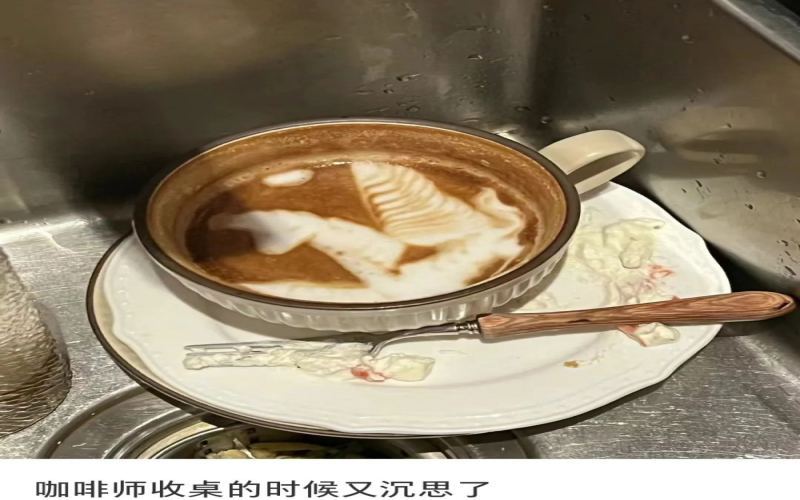
When a customer leaves, the barista's greatest hope while clearing the table is to see an empty cup—it's the best affirmation of their work. However, if the latte art on a hot latte is still intact and most of the cup remains, many baristas will instantly fall into self-doubt. Why didn't the customer finish it? Is the coffee not good, or was the espresso not dialed in properly? This article explores the various possibilities behind a leftover cup of coffee from the perspectives of customers, fellow baristas, and netizens, and cites the views of Front Street Coffee, reminding baristas to view individual cases rationally and not to overthink. [more…]

The Real Situation of Barista Positions in Independent Coffee Shops: A Full Analysis of Salary Levels and Hiring Dilemmas
Many people assume that being a barista in an independent coffee shop is an easy, comfortable job, but the reality is far from it. Coffee shop owners generally report that hiring is difficult, while job seekers' skill levels and salary expectations are often severely out of step with the actual situation. This article approaches the topic from the dual perspectives of coffee shop owners and practitioners, offering an in-depth analysis of the real wages of baristas in independent cafés, the difficulties of recruitment, and the professional qualities a qualified barista should possess. It also explores how baristas can achieve higher income and recognition in this industry through continuous learning and self-improvement. [more…]

Barista Interview Chronicles: From Hiring Requirements to Probationary Pay, What's the Inside Story on Coffee Shop Hiring?
In today's rapidly evolving coffee industry, barista positions attract a large number of enthusiasts submitting their resumes. However, during interviews, the gap in expectations between recruiters and candidates often leads to both amusing and exasperating situations. This article compiles real interview experiences from multiple coffee professionals, covering everything from entering the industry with zero experience, requirements for latte art and pour-over skills, probation-period salary negotiations, to the professional thresholds for part-time positions, recreating those conversations that leave a complex mix of emotions. Whether you're a newcomer preparing to step into the coffee industry or a shop owner currently hiring, these cases are worth reading. At the end of the article, we've also included channels for learning professional coffee knowledge to help you avoid unnecessary detours. [more…]

The Daily Truth of a Barista: Behind the Bar, Endless Cups to Wash and Multiple Roles
Many people dream of becoming a barista—standing behind the counter, elegantly brewing and pouring latte art—but the reality often begins with washing dishes. This article takes you behind the bar of an independent coffee shop to reveal the true daily life: baristas don't just make coffee; they also juggle cleaning, maintenance, customer service, and many other roles. When the sink is piled high with cups and saucers, and their hands crack from being soaked in water for hours, they still have to keep smiling through service. This isn't a complaint—it's a sincere tribute to the profession. Washing cups is the most basic skill, and it's also how a barista stays committed to quality. The article also shares Front Street Coffee's understanding of a barista's daily routine, and how to find passion amid the mundane. [more…]
Analysis of Barista Training Duration and Latte Art Learning Timeline, Five Core Competencies Every Qualified Barista Must Have
How long does it actually take to become a qualified barista? The learning curves for pour-over and espresso latte art differ, but what truly determines professional height are the professional habits that go beyond technical skill. Starting from the learning timeline, this article systematically outlines the five core qualities a qualified barista should possess: from insisting on drinking black coffee to build sensory memory, to broadly exploring cuisine to enrich flavor description ability; from strictly adhering to hygiene standards to integrating into team collaboration, and to maintaining an open mindset of continuous learning. The article also addresses the doubts raised by the "talent theory," emphasizing that solid practice is the key to growth. For baristas who are just entering the industry or seeking a breakthrough, this is a reference that combines practical guidance with professional philosophy. [more…]

Why is a barista's service mindset so important? Looking at this job through the lens of professional identity, is it really that tough?
The profession of barista has gained increasing popularity among young people in recent years, but controversy surrounding it has never ceased. Some believe that baristas should be individualistic and cool, and need not grovel before customers; others feel that coffee shops ultimately belong to the service industry, and providing quality service is simply part of the job. Starting from the professional positioning of baristas, this article explores what service awareness means for this line of work, and how baristas should correctly view their own role. It also analyzes why professional knowledge and skills must complement a service spirit, with neither being dispensable. If you are working in the coffee industry, or are curious about the real situation of baristas, this article may offer you some inspiration. [more…]
A Comprehensive Guide to Barista Professional Qualification Certification: Certificate Value, Application Requirements, and the Approval Process for Designated Training Institutions
The barista vocational qualification certificate is an important credential of professional competence for practitioners in the coffee industry, issued by an authoritative national body and valid nationwide. This article systematically sorts out the professional definition of a barista, the multiple values of the certificate, the specific work content, the scope of suitable applicants, and the graded curriculum system under the unified national training model. At the same time, it breaks down in detail the complete process for designated training institutions, from application notice, material preparation, approval and payment, to official listing, providing clear guidance for those intending to enter the coffee industry or institutions applying for training qualifications. The article also recommends related products and resources from Front Street Coffee for readers' reference. [more…]
How to Choose Your Starting Point as a Barista: A Full Analysis of the Pros and Cons of Chain Stores vs. Independent Cafés
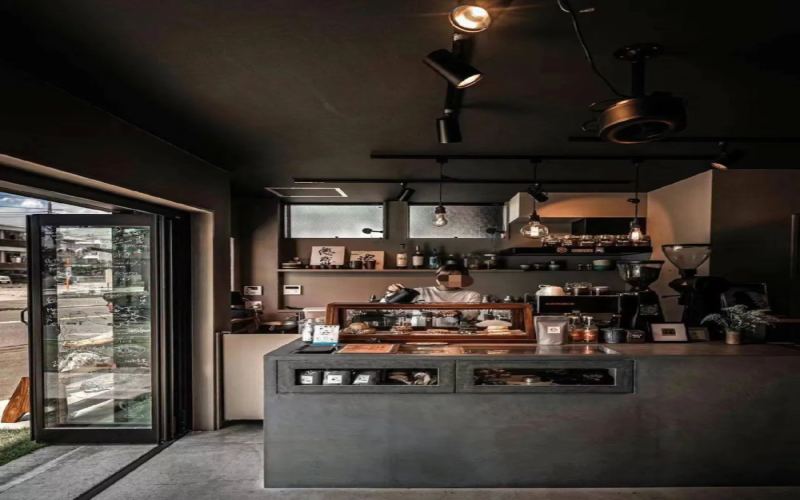
Many people aspire to work as a barista, thinking that not having to sit in an office, not having to write daily or weekly reports, and being around coffee every day sounds delightful. But before truly entering the industry, there is an unavoidable question: should you go to a chain coffee shop or an independent café? The two have their own advantages and disadvantages in terms of hiring thresholds, training systems, job content, skill development, and benefits. Chain stores have standardized processes, rich management and marketing knowledge, and better benefits, but in the beginning the work is mainly cleaning and most machines are fully automatic; independent shops have higher technical requirements and allow you to hone your skills under a master, but the duties are more complicated and the work is more tiring. Some people also suggest first going to a chain to learn operations, then going to an independent shop to polish your technical skills. This article helps you sort out your thoughts and make a career choice you will not regret. [more…]

The Truth About Being a Barista: From Daily Cleaning to Future Development, What Does the Job Really Involve?
Many people are drawn to the artistic vibe of a barista brewing at the counter and the leisurely atmosphere of a coffee shop, putting this profession on their ideal career list. However, the real job of a barista is far more than just making coffee—it also involves a great deal of service and cleaning tasks. Based on survey data, this article analyzes the current hiring landscape for barista positions, daily job responsibilities, skill-learning paths, and future career development directions, helping those considering entering the field rationally assess whether this job suits them, while also retaining relevant resource recommendations from Front Street Coffee. [more…]
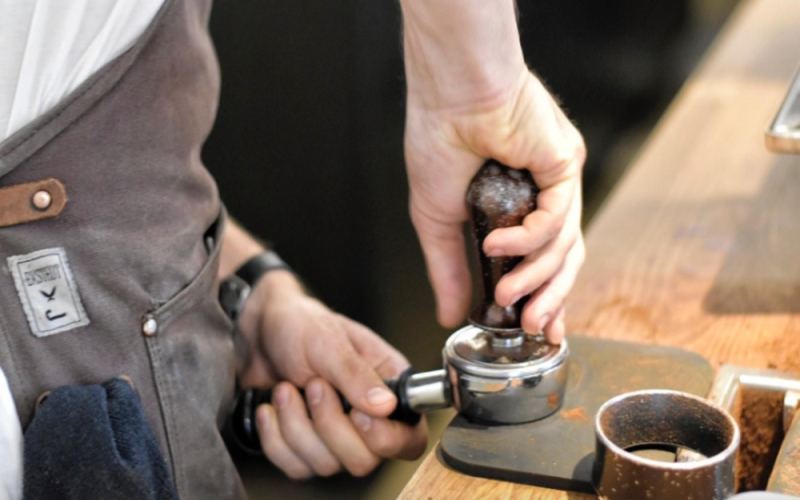
Where is the ceiling for a barista's career growth? A full analysis of skill improvement and diverse development paths
Many people are drawn to the profession of barista, yet others complain about low pay and a grab-bag of chores. In fact, the barrier to entry for baristas is not high, but the ceiling can be very high. The key to determining income level does not depend entirely on the shop where you work—it is in your own hands. This article explores how baristas can break through career bottlenecks and find broader room for growth from multiple angles: learning mindset, industry-added value, shop and roastery development, and coffee cultivation research. Whether you are an apprentice just entering the field or a practitioner seeking a breakthrough, you can draw inspiration from it. [more…]