








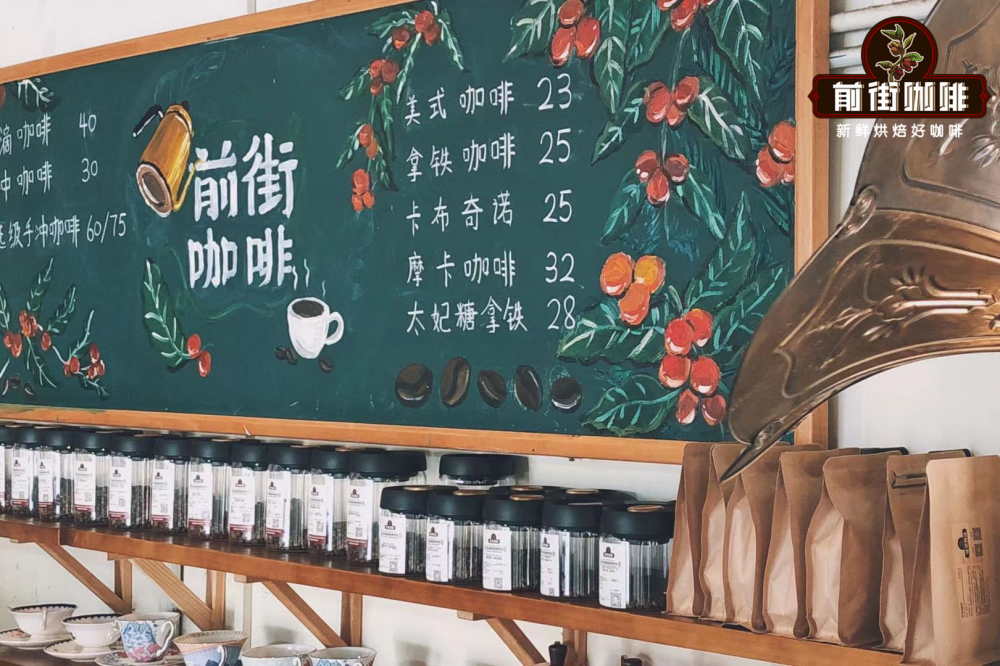
Latte, Cappuccino,Flat WhiteThese three are almost staple milk coffee categories in coffee shops. This article will help everyone clearly distinguish the differences between these three milk coffees.
Since everyone has more or less encountered these three milk coffees, here is a brief introduction to their origins. Modern lattes and cappuccinos both originate from Italy and are the most common and popular milk coffees in Italian coffee. Latte is the transliteration of the Italian word "latte," which means "milk." Latte coffee is thus milk coffee, and Italian latte is a beverage combining espresso and milk.
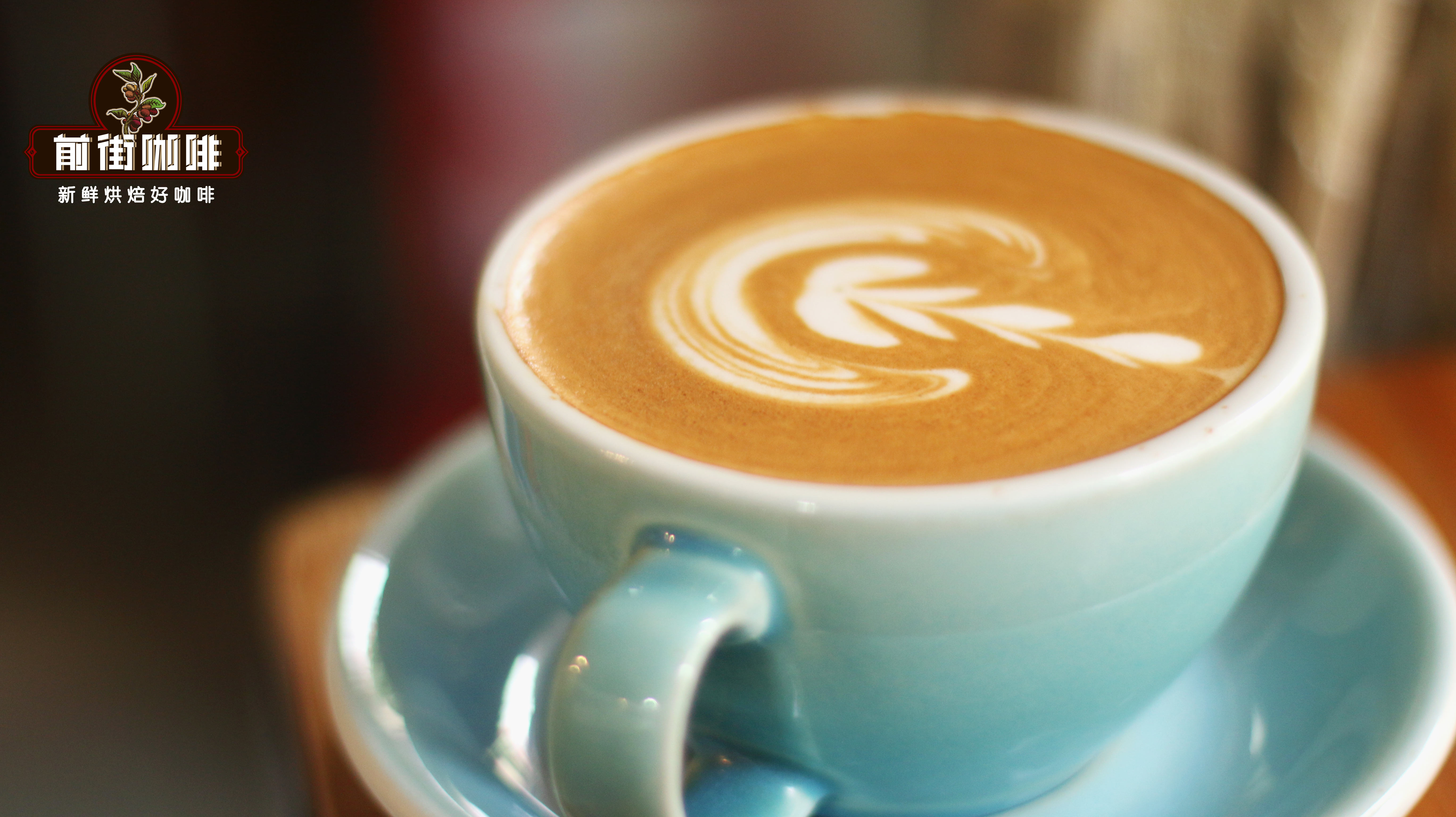
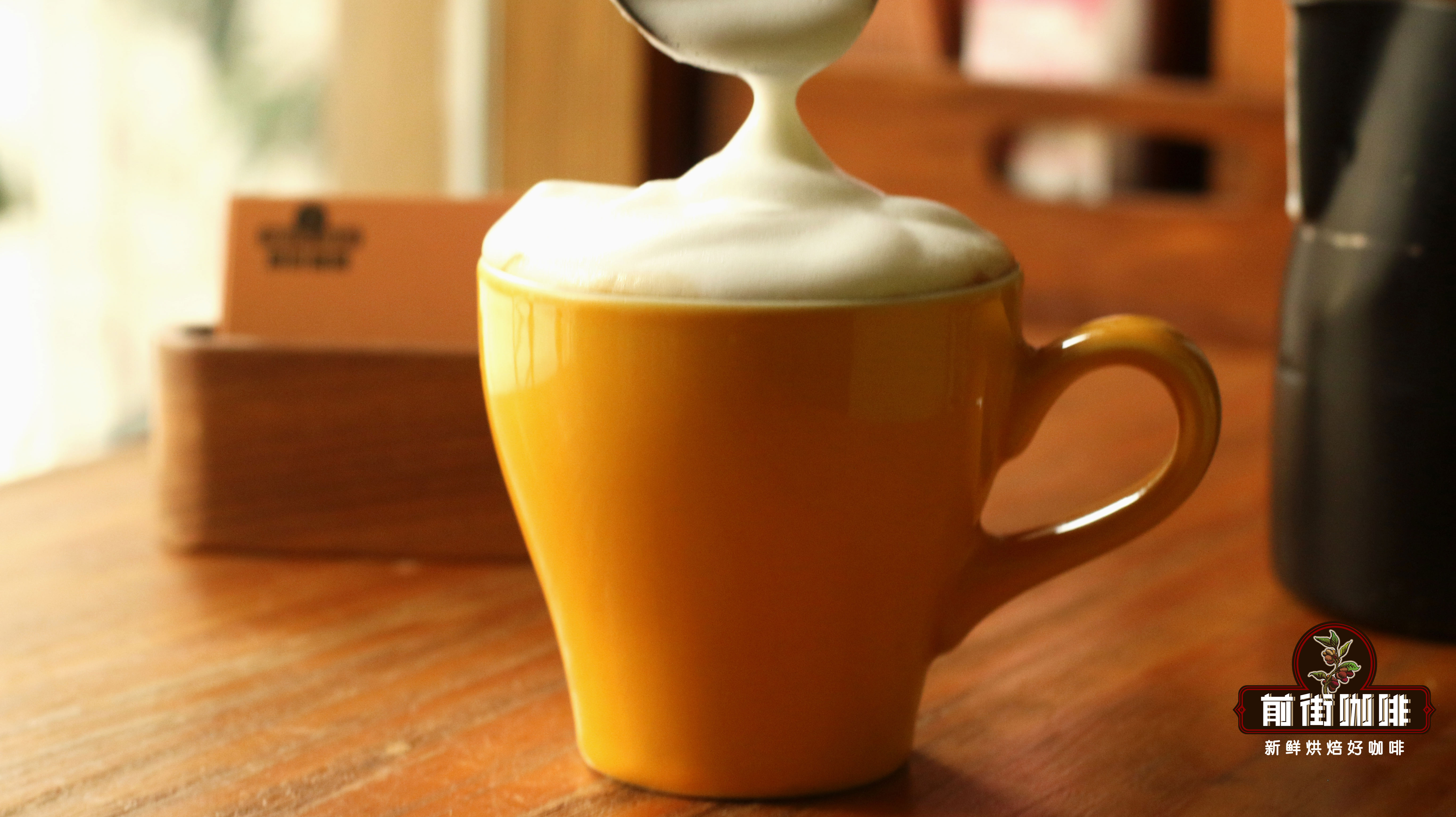
As for cappuccino, it is taken from the transliteration of "Cappuccino." "Capuchin" refers to the small white hood on the robe of the Franciscan order. Cappuccino got its name because the white milk foam on the surface of the coffee looks very much like the friar's hood.
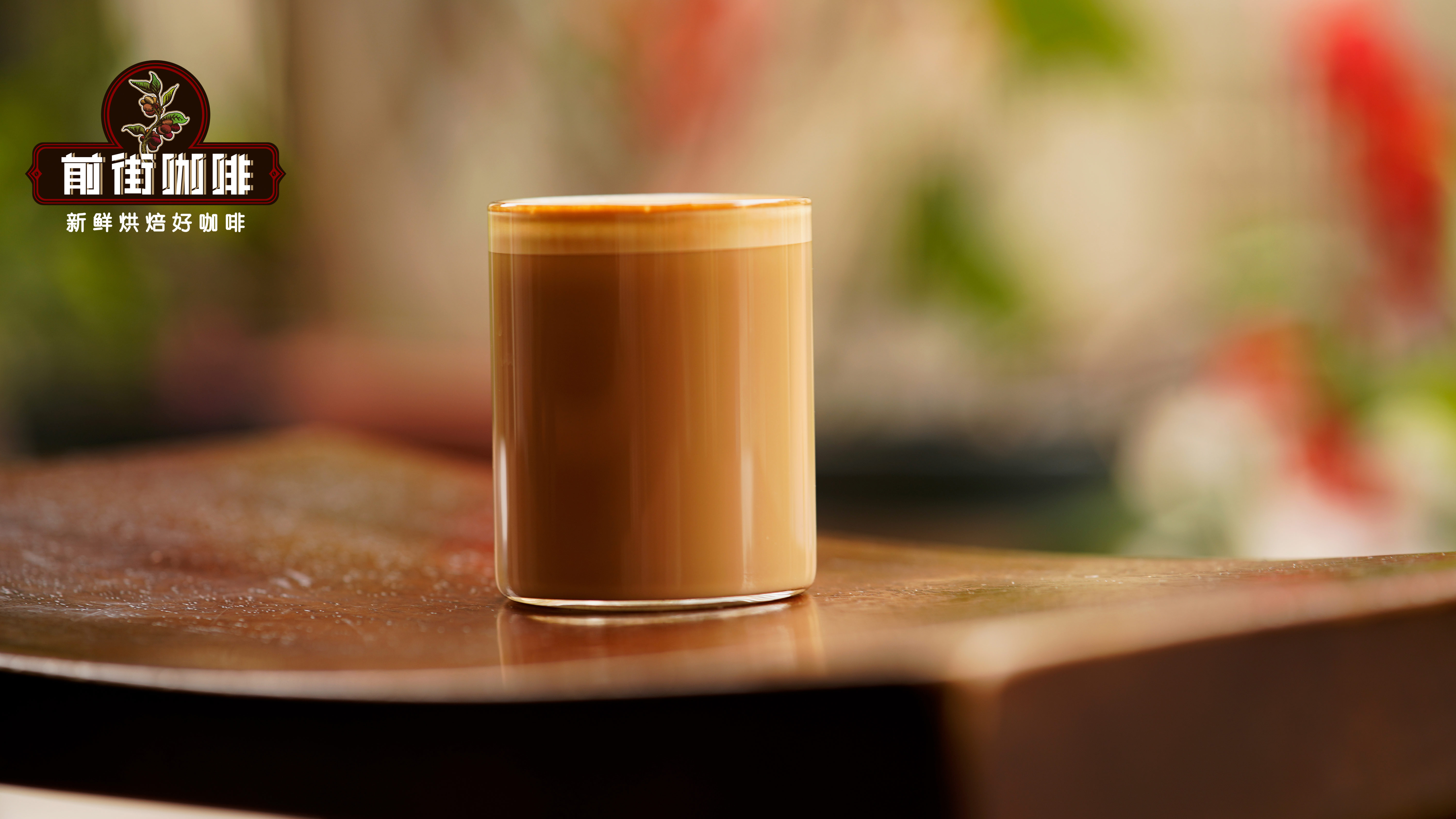
Flat Whitecoffee, its original name "Flat White" is more widely known, of course,Fu Rui Bai, Ao Rui Bai, Flat White coffee, Little White coffee—these are all translated names for "Flat White." Flat White coffee originated in Oceania (whether Australia or New Zealand is disputed). Flat White coffee can be seen as the Australian version of latte.
To help everyone learn to distinguish latte, cappuccino, and flat white, Front Street Coffee (FrontStreet Coffee) plans to start from their respective birth stories and compare them in terms of ingredient composition, cup size, milk foam thickness, flavor, and mouthfeel.
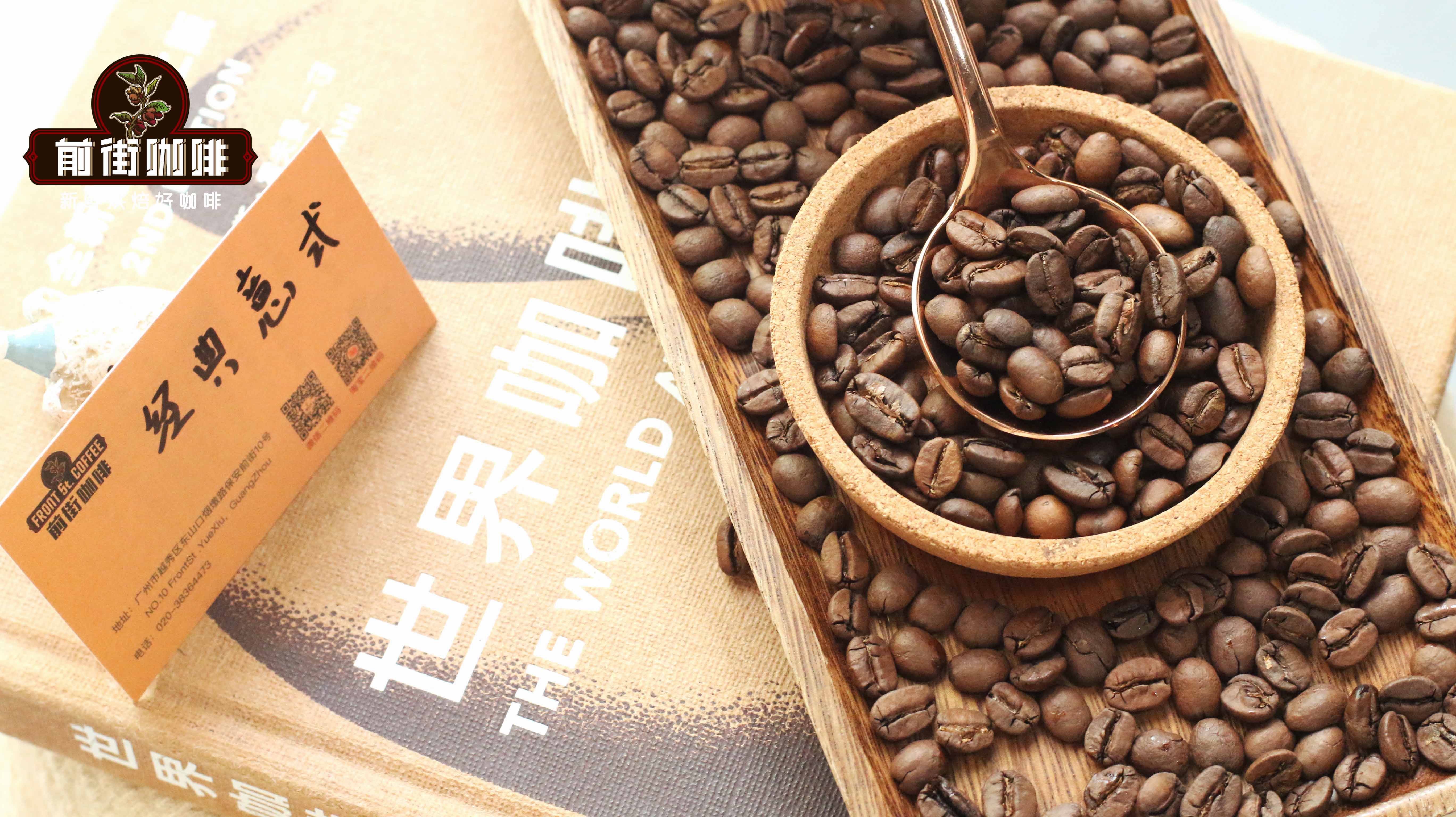
Before distinguishing them, let's first talk about the coffee beans used to make them. There are currently many types of products on the market, but if you want latte, flat white, and cappuccino to all present a rich taste, Front Street Classic Italian Blend coffee is recommended. This is a blend composed of beans from three origins: Brazil, Indonesia, and Vietnam. It uses a deep roast, which maximizes the coffee's aromatic richness and also allows everyone to easily extract abundant and dense crema. Whether making an Americano diluted with water or a latte paired with milk, it is very suitable. Online, it can be purchased at the Front Street Taobao store or the Front Street Tmall flagship store.
The Birth of the Old-School Cappuccino
In fact, it is now difficult to verify who exactly invented the beverage cappuccino, but by consulting materials, one can find that the word "Cappuccino" comes from "Kapuziner," which in German means "monk" and also refers to an old-style coffee. According to legend, this beverage originated in 18th-century Viennese coffee houses. At that time, coffee was drunk together with the grounds and water. To make it easier to drink, a Polish man named Kulczycki used a cloth bag to filter out the coffee grounds, then put it in a glass and added honey, spices, and cream. This not only made the coffee taste better but also gave it a special reddish-brown color, visually very similar to the color of the robes worn by the Order of Capuchin Friars Minor ( Order of Capuchin Friars Minor), so the Viennese called it "Kapuziner."
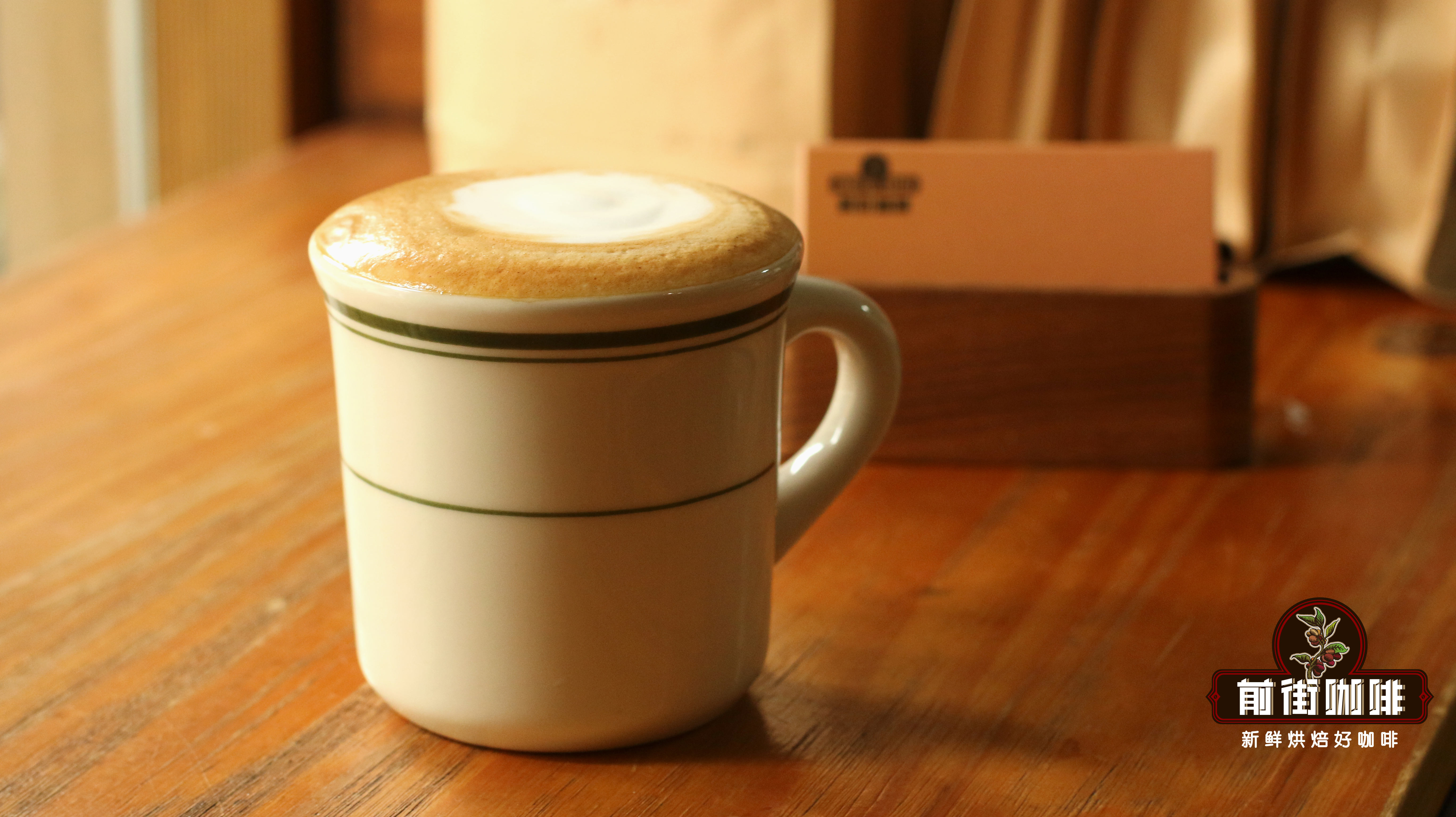
As it spread to Italy, and with the development of pressurized espresso machine technology, Italians began to use espresso instead, replacing cream with milk whipped into dense foam, and then using a spoon to shape the milk foam on the surface of the coffee into a pointed hat shape. Gradually, it also got its own Italian name, which is what we know as Cappuccino. As for its "predecessor" Kapuziner, people are more accustomed to calling it Viennese Coffee ( Viennese Coffee ).
Where Does Flat White Coffee Come From?
Regarding the invention of flat white, Australians and New Zealanders each hold their own views, insisting that this beverage comes from their country, and the recipes used by baristas in the two countries to produce flat white coffee are also different. Although we really cannot verify which country flat white comes from, what can be certain is that this beverage originated from everyone's pursuit of higher-quality coffee.
Before the 1970s, coffee shops in Australia brewed black coffee using French presses, manual pour-over, and other methods. By the early 1970s, Italians brought espresso machines to Australia, officially starting a new wave of coffee trends. Compared with traditional latte and cappuccino, Australians pursued a milk beverage with thinner milk foam and a stronger coffee flavor. As a result, milk coffee began to be continuously "improved" in Australia, New Zealand, and other regions. When the milk foam on the milk coffee became flatter and flatter, until it became a thin layer completely level with the rim of the cup, it was named Flat White. Flat means "level," and White refers to the white coffee with added milk.
Starting in the 1980s, Australians put Flat White on fixed menus, and soon it spread to coffee shops in Europe and America and other countries. Flat White became a popular hot product in China after Starbucks introduced it in 2015 and named it "Fu Rui Bai" as one of its signature drinks, which also meant that this milk coffee had become mainstream.
In terms of preparation, what are the differences among the three coffees?
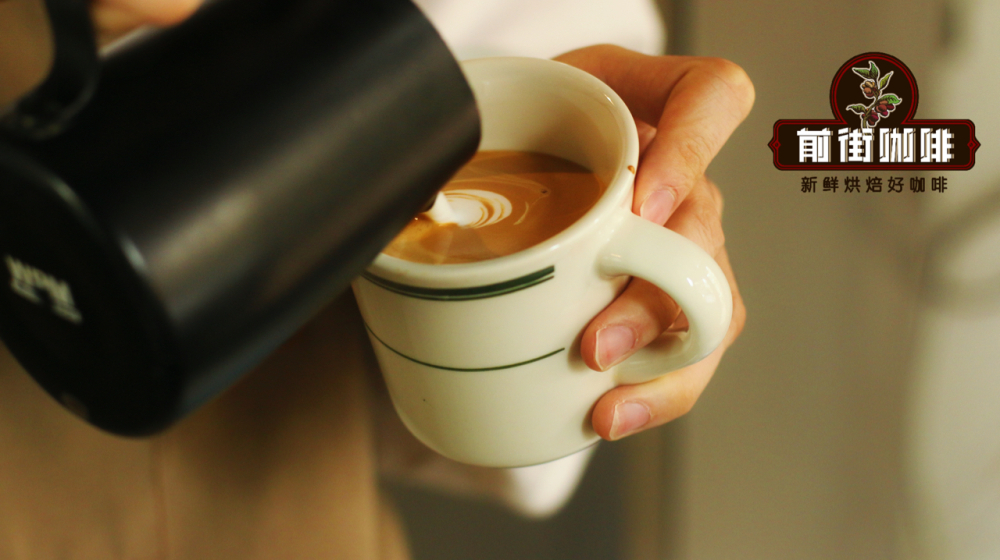
First is cup size. According to Front Street's production standards, latte uses a 300ml wide-mouth ceramic cup, cappuccino uses a 180ml narrow-mouth ceramic cup,The Preparation of Flat White Coffeewhile flat white uses a 210ml glass cup. Next is distinguishing the components of these three coffees. Latte is made with 2 shots of espresso (40g) plus 260ml of steamed milk and milk foam. Cappuccino is made with 1 shot of espresso (20g) plus 160ml of steamed milk and milk foam. Flat white is made with 2 shots of ristretto (30g) plus 180ml of steamed milk and milk foam. Among these, ristretto is the front and middle part of espresso, with a richer and more intense flavor.
Milk foam thickness has always been an important feature for everyone to distinguish latte,cappuccino, and flat whiteAmong these three, cappuccino has the thickest milk foam (about 1-1.5cm), and its most obvious feature is "11 points full," meaning the milk foam of the cappuccino rises above the cup in a protruding hamburger shape. Flat white has the thinnest milk foam (about 0.3cm). Because the milk foam of flat white is thin, the liquid surface is basically level with the cup, hence the name "flat white coffee." The milk foam thickness of latte is between the two (0.5cm). The milk foam thickness of latte is very suitable for latte art, and one reason for choosing a wide cup mouth is to better create latte art patterns.
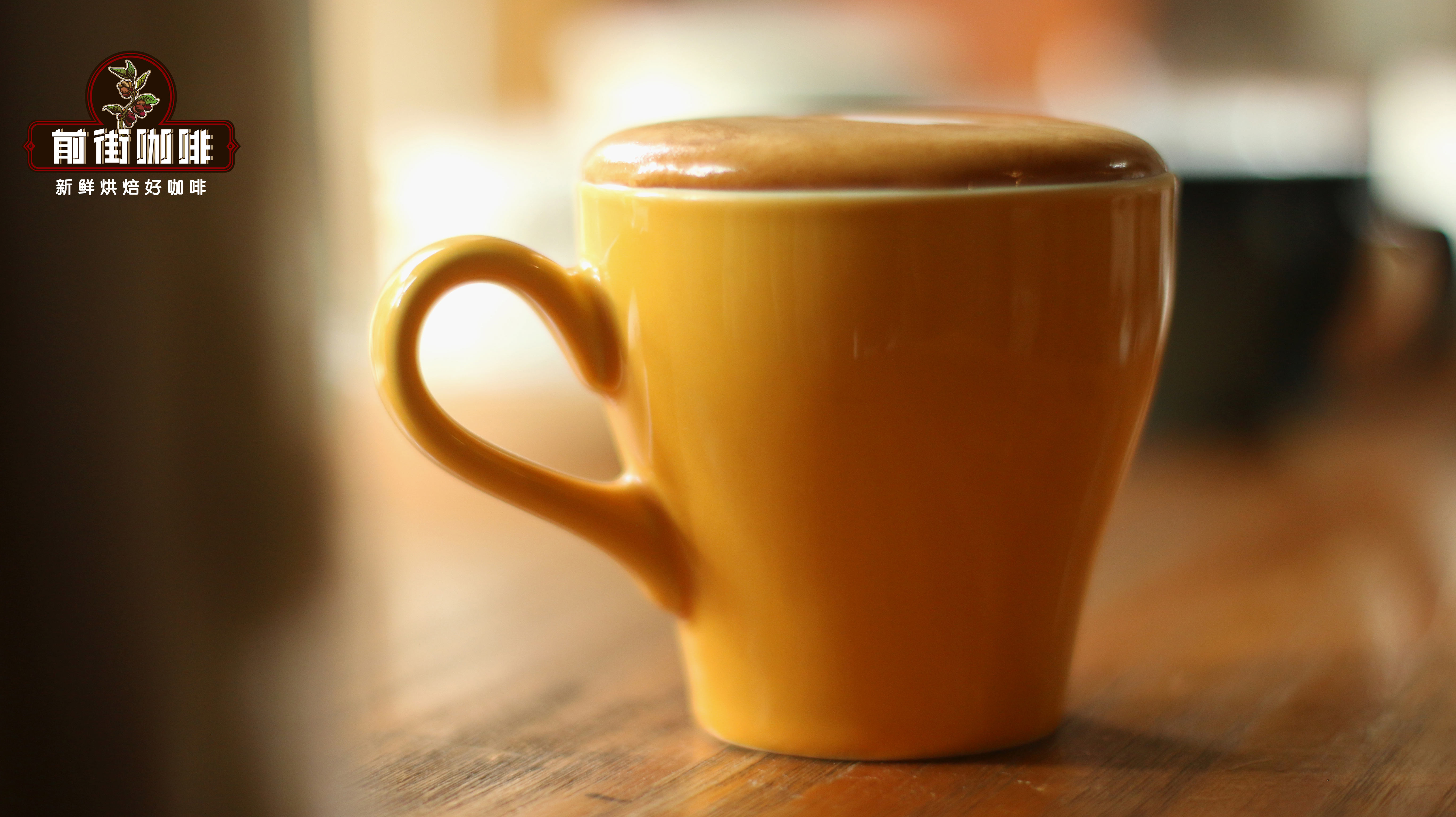
In terms of taste and mouthfeel, because latte has the most milk, its milky flavor is relatively prominent, while flat white, because it uses ristretto plus less milk, highlights the rich aroma of coffee. Cappuccino is in between the two. In terms of mouthfeel, cappuccino has the fullest mouthfeel, owing to its fine and rich milk foam, combined with the integration of coffee crema, making it especially smooth and full. Next is flat white, and last is latte.
Can all of these coffees be made iced?
Usually when we order a latte, we tell the barista whether to make it iced or hot, but traditional cappuccino and flat white coffee are only served hot. This is mainly because during their invention and popularity, baristas did not "incidentally invent" iced coffee methods for them, and they are also served hot by default. Second, because baristas hope that when you drink it, every sip can perfectly combine the milk foam with the milk coffee underneath. Only when the milk foam is very dense, relatively thin, and at a temperature suitable for drinking can you simultaneously taste the milk foam and the fragrant coffee liquid in every sip, and quickly finish it before the milk foam separates. After adding ice cubes, the cooled milk coffee will be somewhat diluted and cannot achieve the above effect.
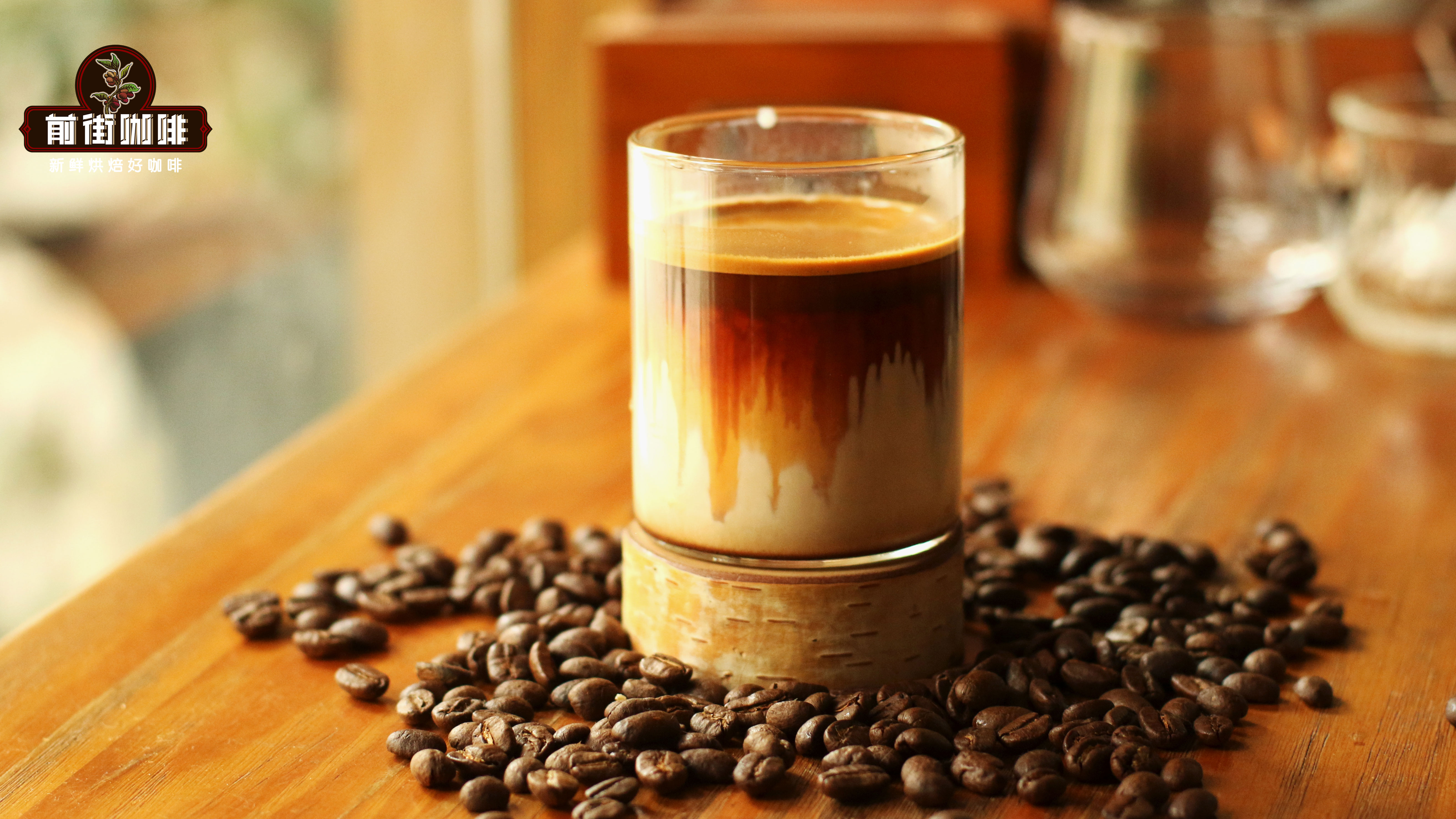
If you really want a rich iced milk coffee, Front Street Coffee (FrontStreet Coffee) suggests everyone try Dirty coffee, which has been quite popular in recent years. That is, drip freshly extracted espresso liquid onto the top layer of cooled fresh milk or purified milk, presenting a "dirty" visual effect, with a very unique alternating hot-and-cold mouthfeel.
Professional coffee knowledge exchange. For more coffee bean information, please follow Coffee Workshop (WeChat public account cafe_style).
For more specialty coffee beans, please add the private WeChat of Front Street Coffee (FrontStreet Coffee), WeChat ID: qjcoffeex.
The above content is compiled by CoffeeHunters, a coffee news website.


