







Search Results for: topping craftsmanship
Front Street Kenya Nyeri Kamoini Washed Coffee: Plum and Grape Flavors with Specialty Processing Craftsmanship
This Kenya Nyeri Kamoini washed coffee from Front Street Coffee is a standout among specialty Kenyan beans. It gives off a bright citrus aroma, with lemon and lime interwoven with notes of tomato, cranberry, black tea, and white grape, plus a champagne-like effervescence on the palate. Such a refined flavor stems from the Red Cherry Project's dedication to quality and the Kamoini washing station's meticulous control over picking, washing, fermentation, and drying. This article will walk you through the Kamoini washing station's geographical advantages, green bean characteristics, and variety background, and taste this limited-edition coffee's plum, raisin, and sweet finish. [more…]
Is Tieguanyin a Type of Oolong Tea? The Origin of Its Name, Differences Between Anxi and Taiwan Craftsmanship, and the Correct Brewing Method
Tieguanyin is one of China's ten famous teas, commonly found in cafes across the Taiwan Strait and overseas, but the production styles of Anxi and Taiwan differ significantly. This article starts with Tieguanyin's classification as an oolong tea, outlining the complete process of Anxi Tieguanyin from picking, withering, shaking green, rolling, to roasting, tells the legend of Guanyin's dream behind the name "Tieguanyin," and compares the different flavors of Anxi's light-fermented floral type and Taiwan's heavily roasted strong-aroma type. At the end, correct gongfu brewing suggestions are included to help coffee enthusiasts and tea lovers understand the patience and charm of this tea, while also retaining relevant recommendations from the Front Street brand. [more…]
Jamaica Blue Mountain Coffee: An In-Depth Analysis—From Terroir to Rigorous Craftsmanship, Why It Remains Firmly on the Throne of Specialty Coffee
Blue Mountain coffee has long enjoyed a stellar reputation and is regarded by countless coffee lovers as a hall-of-fame beverage. Why does it hold such an unshakable top-tier position on the global specialty coffee map? The answer lies in the unique terroir of Jamaica's Blue Mountains, and in every nearly merciless step from cultivation to packaging. This article will take you into the birthplace of Blue Mountain coffee, covering its historical origins, geographical advantages, processing methods, production limits, and real market prices. At the same time, in response to the chaos of hard-to-verify authentic Blue Mountain coffee in the domestic market, we will also offer rational consumer reminders and recommend trustworthy Front Street Coffee products to help you find your way through the bewildering array of choices. [more…]
The Crown of Fuding White Tea vs. Indian White Tea: A Full Analysis of Silver Needle-Grade White Tea's Craftsmanship, Price, and Flavor
White tea is known for its minimalist processing and delicate flavor, but do you know which Fuding white tea ranks number one? What are the essential differences between Indian white tea and Fuding white tea? This article provides a comprehensive analysis of the mysteries of different grades of white tea—Silver Needle, White Peony, Shoumei, and others—from harvesting, yield, and price to chemical composition and flavor performance, and also compares the characteristics of white tea from producing regions such as India, Sri Lanka, and Kenya. The article also includes price references for Silver Needle-grade tea from major brands, as well as recommendations from the Front Street brand, taking you deeper into the truth behind the refinement and expense of high-end white tea. [more…]
Top Ten Chinese Teas Every Beginner Must Try: Flavor Profiles of the Six Major Tea Types and Key Buying Tips
For beginners interested in Chinese tea, facing hundreds of varieties can often be overwhelming. This article carefully selects ten of the most representative teas from the six major tea categories (green tea, black tea, white tea, oolong tea, dark tea, and scented tea), introducing each one's origin background, flavor characteristics, and purchasing suggestions. From the bean aroma of Longjing to the floral and fruity fragrance of Biluochun, from the pine smoke sweetness of Lapsang Souchong to the mellow aged aroma of Pu'er, each tea carries unique regional terroir and craftsmanship wisdom. Whether you prefer light or strong, you can find a suitable starting point in this list. Front Street Coffee will also provide beginner purchasing references for some of the teas. [more…]
Comparison of the Four Major Fenghuang Dancong Varieties: Characteristics and Aroma Differences of Baxian, Juduozai, Duck Shit Aroma, and Wuye Dancong
Phoenix Dancong tea has many varieties, among which Baxian, Juduozai, Duck Shit Aroma, and Wuye Dancong each have their own characteristics and are often compared by tea enthusiasts. This article sorts out the pros and cons of these four varieties in terms of taste from four dimensions: high mountain, mid-mountain, low-mountain old bushes, and low-mountain new bushes, and deeply analyzes their respective aroma, sweet water, staying power, and mountain charm performance. At the same time, the article also explores why Juduozai remains controversial, and the flavor differences of Wuye, Duck Shit Aroma, and Baxian under the influence of craftsmanship and origin. Whether you are a beginner who has just come into contact with Dancong or a seasoned tea drinker who wants to understand the characteristics of the varieties in depth, you can gain practical reference from it. [more…]
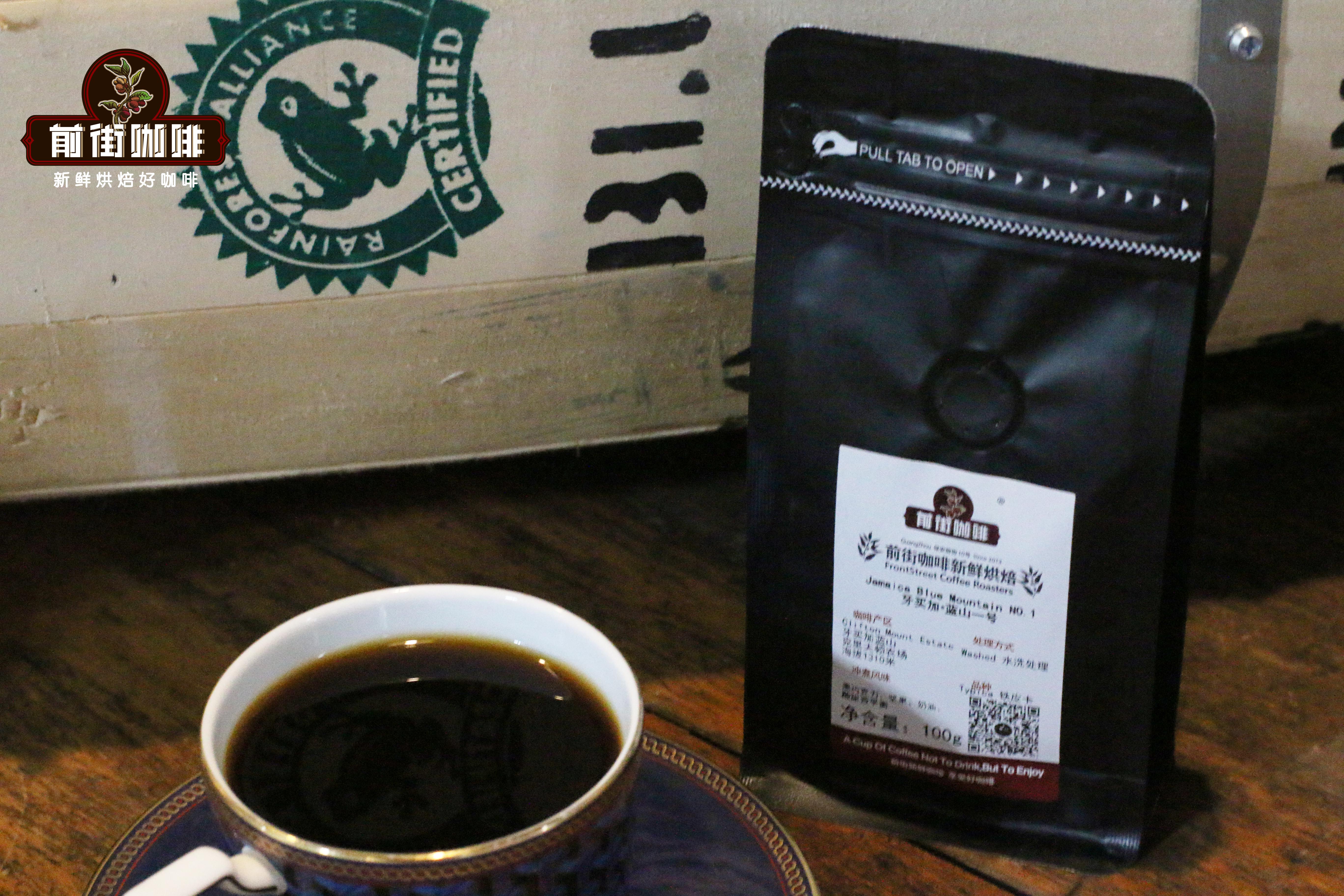
A Complete Analysis of Jamaica Blue Mountain's Four Major Estates: The Flavor and Craftsmanship of Clifton Estate Blue Mountain No. 1 Coffee Beans
Jamaican Blue Mountain coffee is globally recognized as a representative of specialty coffee, but beans that truly earn the name "Blue Mountain" are extremely rare, with annual exports of only about 900 tons. This is largely due to the strict control by the Jamaican Coffee Industry Board (CIB) over production regions, varieties, and grades. This article focuses on Jamaica's four major Blue Mountain estates, with particular attention to Clifton Estate, the oldest and the only one to obtain Rainforest Alliance certification, analyzing the cultivation, processing, and grading standards of its Blue Mountain No. 1 coffee beans. At the same time, Front Street Coffee will share its roasting approach and pour-over parameters for these beans, letting you experience the classic Blue Mountain flavors of chocolate, nuts, and creamy sweetness. [more…]
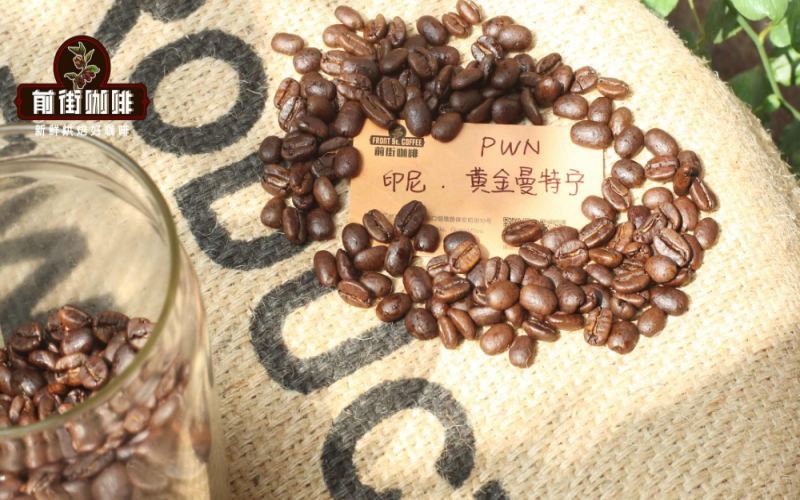
An In-Depth Analysis of Aged Mandheling: Wet-Hulling, Aged Bean Craftsmanship, and a Flannel Brewing Guide
Aged Mandheling is one of the most distinctive Indonesian coffees. It not only carries the unique wet-hulling tradition of Sumatra, but also undergoes a mellow transformation bestowed by time. This article will provide a complete overview of this coffee's story, from its growing region background, the origins and steps of the wet-hulled process, the storage logic of aged beans, the changes in green beans, and key roasting points, to the practical pour-over operation using a flannel filter cloth. Front Street Indonesian Aged Mandheling serves as an example throughout the article, helping coffee enthusiasts understand why Aged Mandheling is less wild and more composed, and how to present its best flavors through proper extraction methods. [more…]

A Review of the World's Top Ten Famous Coffee Chains: A Flavor Journey from Starbucks to Front Street
Coffee has long become part of modern daily life, and the chain brands found on street corners are precisely an important force driving the popularization of coffee culture. This article reviews ten representative coffee brands from the United States, Japan, Germany, Italy, the United Kingdom, Canada, Singapore, and China, covering Starbucks, Doutor, Tchibo, Ditsch, Second Cup, illy, Costa, McCafe, The Coffee Bean & Tea Leaf, as well as Guangzhou's local Front Street Coffee. Each brand has its own unique historical background and business philosophy, from affordable positioning to specialty roasting, from fast-food speed to slow craftsmanship, together forming a diverse picture of the global coffee market. Whether you seek convenience or care about flavor, you can find names worth knowing in this list. [more…]
A Complete Guide to Coffee Brewing Techniques: Flavor Differences and Key Operating Tips for Cold Drip, Pour-Over, and Syphon
The allure of coffee lies not only in the flavors in the cup, but also in the craftsmanship and artistry embedded in the brewing process. From the lively variations of pour-over, to the rich fullness of siphon, to the refreshing mellow depth of cold drip, each extraction method interprets a different facet of coffee. This article takes you into several coffee shops in Beijing, offering an in-depth analysis of four brewing methods—pour-over, siphon, cold drip, and semi-automatic espresso machines—covering equipment selection, coffee bean recommendations, water temperature control, coffee-to-water ratios, stirring techniques, and other practical details. It also specifically presents the flavor expressions of Front Street Coffee's Yirgacheffe, Costa Rica, Mandheling, and other bean varieties under different brewing methods, helping you find the cup that suits you best. [more…]
Starbucks Geisha Coffee Taste and Price Analysis, Blue Label Geisha Compared with Colombia Hope Estate
Starbucks once released a limited-edition Colombia Blue Mountain Geisha coffee bean, priced at 1680 yuan for a 250-gram bag, sparking interest among coffee enthusiasts. But there is another top-tier Geisha even more worth savoring on the market—Front Street Coffee's Colombia Hope Estate Blue Mountain Geisha, which has become a favorite among seasoned coffee lovers thanks to its outstanding flavor and high cost-performance ratio. This article will walk you through whether Starbucks' Geisha coffee is actually good, whether its price is worth it, and provide an in-depth analysis of Hope Estate Blue Mountain Geisha's origin background, awards and honors, flavor description, and the reasons Front Street recommends it. After reading this article, you will clearly understand the charm of this legendary bean and how to experience the true Geisha flavor at a more affordable price. [more…]
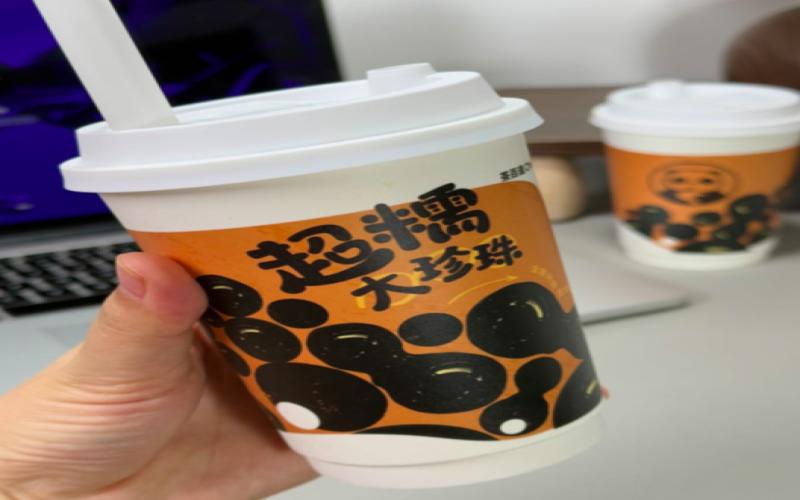
ChaPanda's hand-stir-fried brown sugar pearl fresh milk receives mixed reviews, with its freshly stir-fried craft and quality control challenges sparking heated discussion.
Tea Baidao recently launched a new product, "Hand-Stir-Fried Brown Sugar Pearl Fresh Milk," and footage of store employees tossing and stir-frying pearls in the back kitchen sparked attention on social media. This new item, which involves stir-frying brown sugar syrup and pearls on site, has been regarded by some milk tea fans as the "top-tier among pearls," attracting many people to place orders and try it as soon as possible. However, the first wave of consumer reviews showed clear polarization: some were won over by the soft, chewy, caramelized texture, while others bluntly said the pearls tasted as if they had been soaked for too long, with some even detecting a disinfectant-like taste. The controversy centers on the quality of the semi-finished pearls, unstable quality control caused by differences in operations across stores, and whether the on-site stir-frying format can truly improve the experience. This article compiles feedback from multiple sources, explores the craftsmanship and quality control challenges behind this cup of freshly stir-fried pearl milk tea, and includes related recommendations from Front Street Coffee. [more…]
Coffee Legend on a Volcanic Island: A Full Analysis of the Hawaii Kona Region's Terroir, Typica Variety, and Brewing
Hawaiian Kona coffee is a name that cannot be overlooked on the global specialty coffee map. Although it is not grown at a particularly high elevation, thanks to its volcanic rock soil, gentle sea breezes and meticulous manual craftsmanship, Kona still produces world-class quality coffee beans. Front Street Coffee Hawaiian Kona Coffee is medium-roasted, revealing the sweet aromas of cashew, milk peanut, mulberry and tropical fruit, with a warm, clear body and bright, elegant acidity. This article will comprehensively sort through the origins of Kona coffee, the distribution of producing regions on Maui and the Big Island, the characteristics of the Typica variety, the washed processing method and the grading standards, and will also include Front Street Coffee's cupping data and five brewing methods—Hario V60, siphon, AeroPress, French press and KONO—to take you deeper into this coffee bean hailed as "the most beautiful-looking coffee bean in the world." [more…]
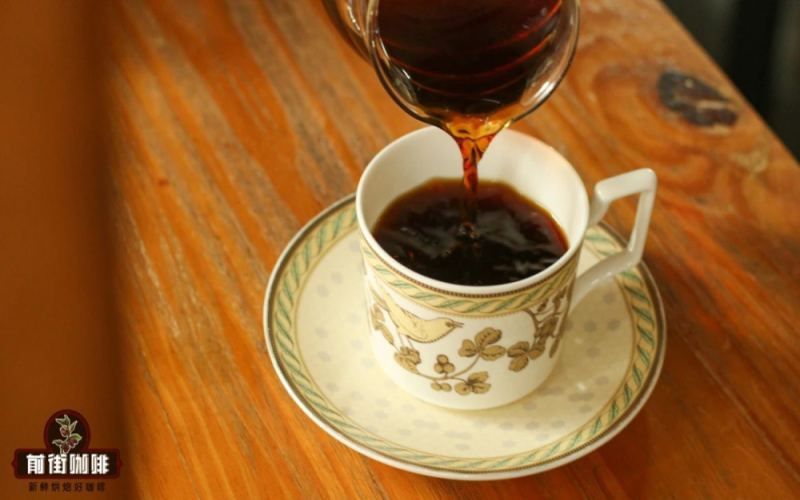
A Review of the World's Top Ten Specialty Coffee Producing Countries: Flavor Characteristics of Pour-Over Single-Origin Beans and Analysis of Representative Regions
The coffee world has its own rankings. This article surveys the world's top ten coffee-producing countries, from Ethiopia to Hawaii, introducing one by one the flavor characteristics, annual output, and representative coffees of each region. Ethiopia's native varieties with floral and fruity notes, Kenya's bold acidity and blackcurrant tones, Colombia's diverse styles and dedicated smallholders, Panama's Geisha legend… each region has something unique worth exploring for coffee lovers. The article also compiles the corresponding Front Street Coffee products for each region, making it easy for pour-over enthusiasts to follow the guide and find the cup they love. [more…]
Why Does Blue Mountain Coffee Insist on Washed Processing? The All-Washed Craft and Flavor Secrets of Front Street Coffee's R.S.W Estate
The reason Blue Mountain coffee enjoys a global reputation is inseparable from its consistently applied processing method. From the very beginning of cultivating Blue Mountain coffee, Jamaicans have insisted on the fully washed process, refusing to use other methods to process the coffee cherries, which gives Blue Mountain coffee its refined and smooth sensory characteristics. As the main consumer market for Blue Mountain coffee, Japan values not its illustrious reputation, but rather its low bitterness, rich aroma, and low acidity, which happen to align with Japanese people's sensory preferences for coffee. Front Street Jamaica Blue Mountain R.S.W No.1 comes from one of the estates at the highest altitude in the Blue Mountain legally designated growing region, and its refined washed processing and sun-drying techniques achieve a rich and full coffee flavor. This article will provide an in-depth analysis of the washed processing flow for Blue Mountain coffee, and how R.S.W Estate uses traditional craftsmanship to create top-quality Blue Mountain coffee with consistent quality. [more…]
Darjeeling vs. Assam Black Tea: A Comparative Analysis of Origin Flavors, Brewing Methods, and Buying Tips
India, as a major global tea producer, yields many types of tea with diverse styles. Among its many producing regions, Darjeeling and Assam are undoubtedly two shining stars. Although these two regions are geographically close, differences in altitude, climate, and craftsmanship give rise to distinctly different styles of black tea. This article will carefully sort out the core differences between Darjeeling black tea and Assam black tea from the perspectives of geographical location, flavor characteristics, liquor color, leaf appearance, and picking season, helping coffee and tea enthusiasts more clearly understand the personalities of these two high-quality black teas and find the one better suited to them when purchasing and brewing in daily life. [more…]
A Comprehensive Interpretation of the Origin Grading System and Flavor Characteristics of Jamaican Blue Mountain Coffee Beans
Blue Mountain Coffee is widely recognized as one of the world's top coffees, a status inseparable from its exceptional natural conditions and the Jamaican government's almost stringent industry regulation. The Blue Mountain range lies in eastern Jamaica, where the azure waters of the Caribbean Sea reflect off the peaks, giving the region its name. Its highest peak rises 2,256 meters above sea level, with a cool, foggy climate, abundant rainfall, and fertile volcanic soil providing an ideal growing environment for coffee. In the mid-20th century, due to inconsistent export quality, Canada once refused to accept Blue Mountain Coffee, prompting Jamaica to establish the Coffee Industry Board (CIB) in 1948, building a strict quality standard and certification system. Blue Mountain Coffee is classified by screen size into No.1 through No.3 and Peaberry grades. The government has also designated specific cultivation areas and processing plants, with dedicated supervision from harvesting, fermentation, and drying to barrel packaging. This article will systematically outline the classification, grade standards, and unique craftsmanship of Blue Mountain Coffee, offering you a comprehensive understanding of this legendary coffee. [more…]
A Full Analysis of Jamaican Blue Mountain No. 1 Flavor and Mouthfeel, with a Guide to Authentic Blue Mountain Coffee Bean Purchasing Channels and Brewing Parameters
Jamaican Blue Mountain coffee occupies an almost legendary position in the global specialty coffee landscape, and its high price and scarce production leave many enthusiasts both longing and confused. Starting from official trade data, this article will sort out the global export pattern of Jamaican Blue Mountain coffee over the past five years and the current state of China's imports, reveal Japan's long-standing dominance in consumption strength, and take a deep dive into the terroir conditions of the Blue Mountain producing region and the rigorous craftsmanship of the Mavis Bank processing plant. At the same time, we will also answer a common question: just how authentic is the overwhelming amount of "Blue Mountain coffee" on the domestic market? Finally, we attach the Blue Mountain brewing recipe recommended by Front Street Coffee to help you understand this Caribbean treasure from a more professional perspective. [more…]
Coffee Encyclopedia: A Complete Analysis of Global Coffee Bean Species Classification, Major Producing Regions, and the Flavor Characteristics of Classic Bean Varieties
The world of coffee beans is far richer than we might imagine. From the three botanical original species—Arabica, Robusta, and Liberica—to dozens of origins across Latin America, Africa, the Middle East, and Asia-Pacific, and on to classic single-origin beans such as Blue Mountain, Mandheling, and Mocha, every bean carries the imprint of its terroir and craftsmanship. This article systematically sorts through the original species classification of coffee beans, the world's major producing regions, and representative bean varieties, and explains in detail the taste characteristics and roasting suggestions of famous coffee beans. Whether you are a beginner enthusiast or a seasoned player, this guide can help you understand the cup of coffee in your hands more clearly. If you want to put it into practice, you can follow Front Street Coffee's related product recommendations. [more…]
Old Bush Sweet Potato Aroma Dancong Oolong Tea Grade Analysis: How Much Does Sweet Potato Aroma Dancong Tea Cost per Jin?
The oolong tea system of Dancong is vast and complex. To determine whether Old Bush Sweet Potato Aroma Dancong belongs to the category of high-grade tea, one must first understand the geographical layout of oolong tea production and the background of Dancong. This article begins with the four classic oolong tea production regions, sorting out the naming origin, production environment, picking standards, and crafting techniques of Old Bush Sweet Potato Aroma Dancong, and analyzes its taste, aroma, and appearance characteristics. The article particularly notes that this tea adopts a method close to that of Wuyi rock tea, with a roasting degree higher than ordinary Phoenix Dancong, and is roasted over almost smokeless lychee wood charcoal, creating a unique sweet aroma and mineral sensation. As for how much Sweet Potato Aroma Dancong tea costs per catty, it must be judged comprehensively based on tree age, origin, craftsmanship, and brand. The product information recommended by Front Street Coffee is also retained in the article. [more…]