







Search Results for: sweetness changes

Why does coffee taste more acidic after it cools? Causes of pour-over flavor changes and solutions for coffee that's too sour
Many coffee enthusiasts notice that certain coffees seem to become more sour after they cool down. But this is not a universal trait of all coffee—most coffees simply lose some aroma as they cool, without their flavor framework shifting dramatically, and some even reveal greater sweetness as the temperature drops. So why does the sourness of certain coffees rise noticeably after the temperature falls? Behind this lies both the way human perception changes with temperature and the flavor composition of the coffee itself. From the perspective of Front Street, this article sorts out how temperature affects the perception of sourness, sweetness, and bitterness, explains the principle behind the intensified sourness of light-roasted coffee after cooling, and offers directions for adjustment when coffee is too sour. [more…]

Origin Selection for Cold Brew: Flavor Changes Under Low-Temperature Extraction
The charm of cold brew lies in how low-temperature slow extraction reshapes flavor—the same beans can taste completely different when hot-brewed versus cold-brewed. Understanding how beans from different origins change under low-temperature extraction gives you a deeper basis for choosing beans for cold brew. Light-roasted beans from African origins show the most noticeable changes in cold brew. Beans with bright acidity when hot-brewed, in cold brew [more…]
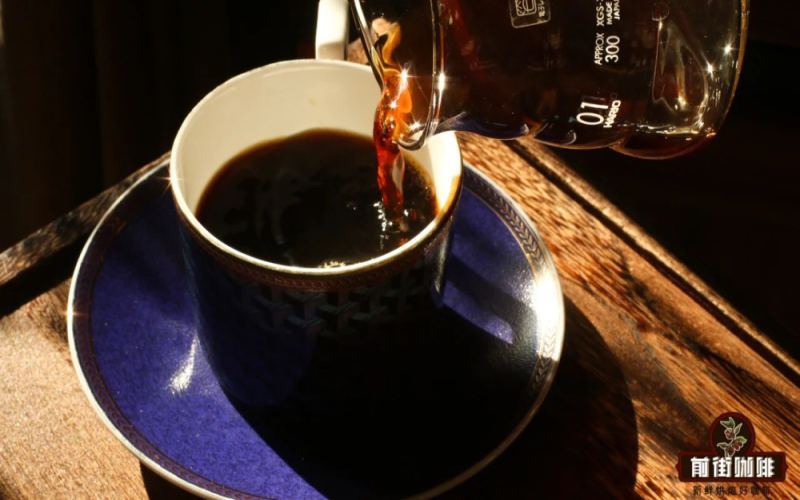
How Temperature Shapes Coffee Flavor: Sensory Changes and Tasting Techniques from Hot to Cool
After a cup of hot coffee sits for a while, its flavor and aroma often undergo noticeable changes, even revealing sweetness, fruity notes, or floral notes that were hard to detect right after brewing. This change is not an illusion, but the result of specific chemical reactions and physical volatilization triggered by temperature fluctuations. Coffee contains over a thousand aroma compounds, of which about forty are the more commonly occurring prominent aromas, and they are released and perceived differently at different temperatures. Front Street Coffee believes that understanding the effect of temperature on coffee not only helps you find the most suitable drinking window for each bean, but also allows you to more accurately identify the balance between acidity, sweetness, bitterness, and aroma. This article will systematically sort out the flavor evolution patterns from 82°C to below room temperature, and provide actionable tasting suggestions. [more…]
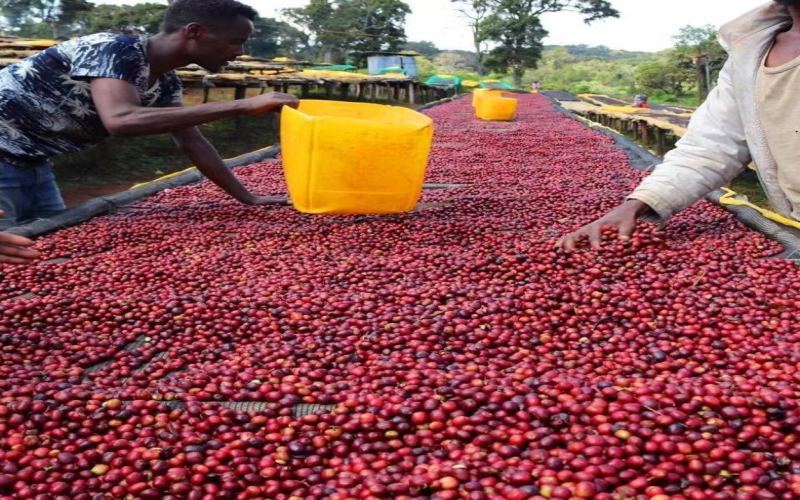
Coffee Beans Worth Trying for Hand Grinder Enthusiasts: How Different Roast Levels Change the Cup
The roast level changes the flavor focus and extraction rhythm of coffee beans. Light roasts usually retain more floral and fruity aromas and bright acidity, medium roasts tend to present sweetness and balance, while dark roasts lean toward nutty, cocoa, and full-bodied flavors. None is inherently better than another; the key is whether it matches your brewing method. Pour-over flavor is mainly determined by origin, variety, [more…]

Coffee Machine Brewing Coffee Bean Recommendations: How Different Roast Levels Change the Cup
The roast level changes the flavor focus and extraction rhythm of coffee beans. Light roasts usually retain more floral and fruity notes and bright acidity, medium roasts tend to present sweetness and balance, while dark roasts lean toward nutty, cocoa, and full-bodied flavors. None of them is superior or inferior to the others; the key is whether they match your own way of drinking. Espresso extraction focuses on dose, grind [more…]

Luckin Coffee's Coconut Ice Americano Returns to Bad Reviews: Ingredient Change Sparks Taste Controversy
Luckin Coffee's signature product, the Coconut Ice Americano, officially returned on May 6 after a comeback teaser was released on Youth Day. However, to the surprise of many long-awaiting fans, the reviews for the new version of the drink were almost overwhelmingly negative. Quite a few regular customers reported that this cup, once their "white moonlight," had changed its taste—the fresh fragrance and sweetness of coconut water had vanished, replaced by a sticky mouthfeel and a strange sweetness, even described as "cold Banlangen granules." After netizens dug deeper, they found that Luckin had swapped the originally used Fino coconut water for a blended juice containing concentrated apple juice, which is believed to be the main reason for the change in taste. Less than 12 hours after the return, complaints were already all over social platforms, and calls to bring back the original recipe grew louder and louder. [more…]

How to Choose Several Medium-Roast Coffee Beans Suitable for Pour-Over: How Different Roast Levels Change the Cup
The roast level changes a coffee bean's flavor focus and extraction rhythm. Light roasts usually retain more floral and fruity notes and bright acidity, medium roasts tend to show sweetness and balance, while dark roasts lean toward nutty, cocoa, and full-bodied flavors. None is superior to another; the key is whether it matches how you brew and drink it. Pour-over flavor is mainly determined by origin, varie [more…]

Single-Origin and Blend Pour-Over Coffee Bean Recommendations: How Different Roast Levels Change the Cup
The roast level changes the flavor focus and extraction rhythm of coffee beans. Light roasts typically retain more floral and fruity notes and bright acidity, medium roasts tend to present sweetness and balance, while dark roasts lean toward nutty, cocoa, and full-bodied flavors. None is superior to the others; the key is whether they match your brewing method. For espresso extraction, the focus is on dose, grind [more…]
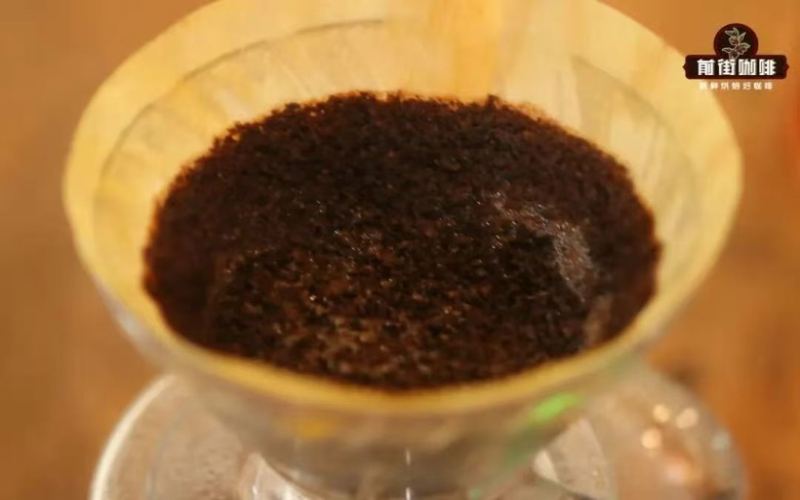
How to choose a few light-roast coffee beans suitable for pour-over: the changes in cup profile brought by different roast levels
The roast level changes the flavor focus and extraction rhythm of coffee beans. Light roasts usually retain more floral and fruity notes and bright acidity, medium roasts tend to present sweetness and balance, while dark roasts lean toward nutty, cocoa, and full-bodied flavors. There is no hierarchy among them; the key is whether they match your brewing method. Pour-over flavor is mainly determined by origin, va [more…]
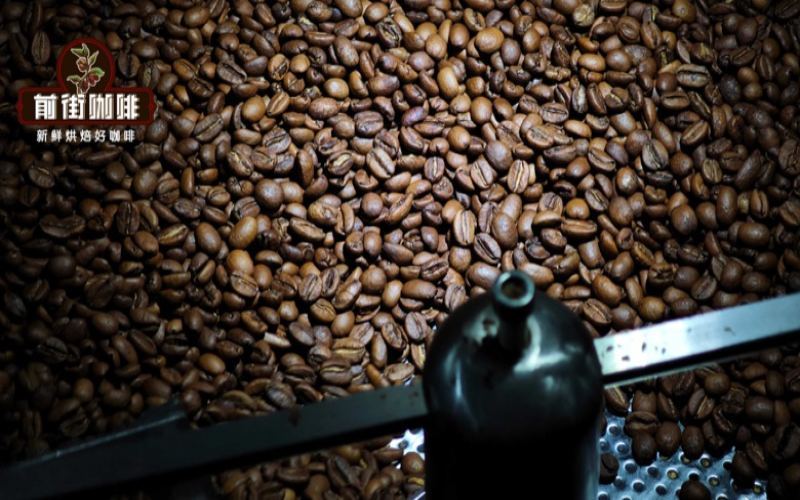
Yirgacheffe SOE Coffee Bean Recommendation: How Different Roast Levels Change the Cup Profile
The roast level changes a coffee bean's flavor focus and extraction rhythm. Light roasts usually retain more floral and fruity notes and bright acidity, medium roasts tend to show sweetness and balance, and dark roasts lean toward nuts, cocoa, and a full body. None of them is superior to the others; the key is whether they match the way you drink your coffee. Espresso extraction focuses on dose, grind [more…]
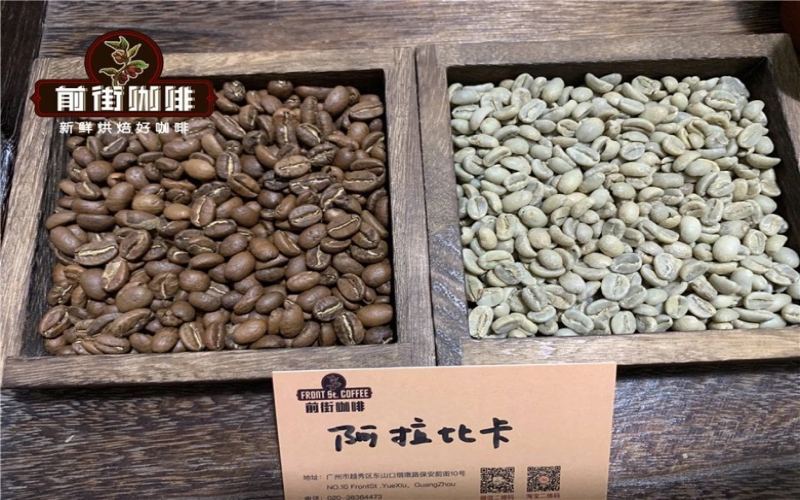
Coffee beans worth buying again: a review exploring how different roast levels change the cup
The roast level changes the flavor focus and extraction rhythm of coffee beans. Light roasts usually retain more floral and fruity notes and bright acidity, medium roasts tend to present sweetness and balance, while dark roasts lean toward nutty, cocoa, and full-bodied flavors. There is no hierarchy among them; the key is whether they match your brewing method. Pour-over flavor is mainly determined by origin, va [more…]
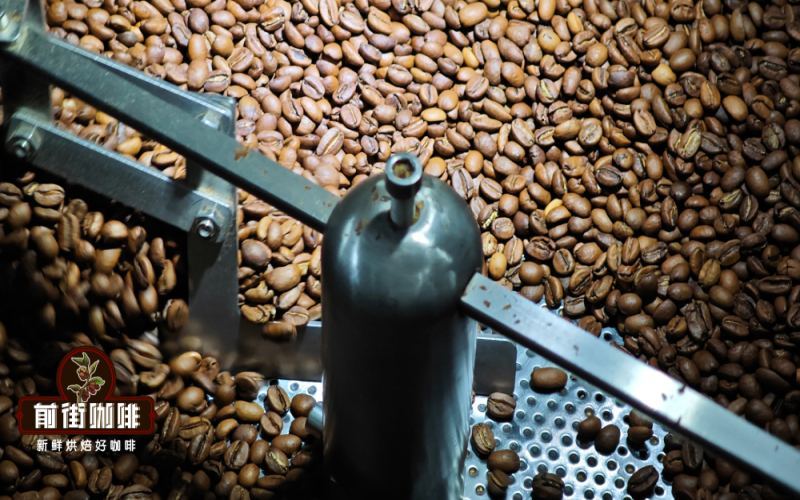
How Big Is the Difference Between Dark Roast and Medium Roast Coffee? A Detailed Look at the Chemical Changes in Roasting and Medium-Dark Roast Coffee Recommendations
Why can green coffee beans emit such captivating flavors after high-temperature roasting? The key lies in a series of chemical changes that occur during the roasting process. This article will provide an in-depth analysis of the impact of the Maillard reaction and caramelization reaction on coffee flavor, explain the practical differences between dark roasts and medium roasts, and introduce several Front Street Coffee beans with different roast levels along with their brewing parameters, helping coffee enthusiasts gain a more comprehensive understanding of the relationship between roast level and flavor. [more…]
How to Choose Several Dark Roast Coffee Beans Suitable for Pour-Over: Cup Profile Changes Brought by Different Roast Levels
The roast level changes a coffee bean's flavor focus and extraction rhythm. Light roasts usually retain more floral and fruity aromas and bright acidity, medium roasts tend to present sweetness and balance, while dark roasts lean toward nutty, cocoa, and full-bodied flavors. None is superior to another; the key is whether it matches how you drink it. Dark roasting shifts the flavor toward cocoa, [more…]

Pour-Over Coffee | For coffee that has cooled down, is it better to reheat it or add ice? Why does coffee's taste change so much from hot to cold?
We all know that brewed coffee will naturally cool down over time, but beyond that, its flavor also undergoes irreversible changes during this process. For example, the originally rich and fragrant aroma has clearly dissipated, dark-roasted coffee becomes less smooth, medium-light roasted coffee highlights its sour and astringent notes even more, and may even develop an unpleasant [more…]
How to Choose Coffee Beans Suitable for Pour-Over: How Different Roast Levels Change the Cup Profile
The roast level changes the flavor focus and extraction rhythm of coffee beans. Light roasts generally retain more floral and fruity aromas and bright acidity, medium roasts tend to present sweetness and balance, while dark roasts lean toward nutty, cocoa, and full-bodied flavors. There is no hierarchy among them; the key is whether they match your brewing method. Pour-over flavor is mainly determined by origin, va [more…]
SOE Espresso Bean Recommendations: How Different Roast Levels Change the Cup Experience
The roast level changes the flavor focus and extraction rhythm of coffee beans. Light roasts usually retain more floral and fruity notes and bright acidity, medium roasts tend to show sweetness and balance, while dark roasts lean toward nutty, cocoa, and full-bodied flavors. None is superior to the others; the key is whether they match your own way of drinking. Espresso extraction focuses on dose, grin [more…]
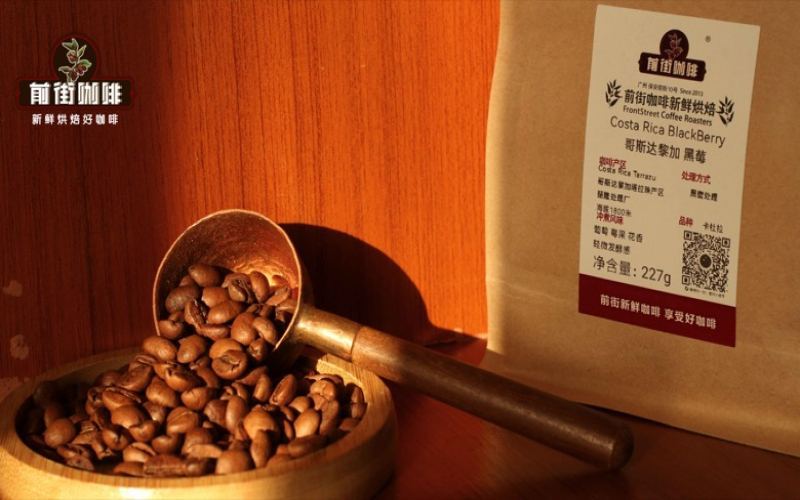
Light Roast Floral Coffee Bean Recommendations: How Different Roast Levels Change the Cup Experience
The roast level shifts a coffee bean's flavor focus and extraction rhythm. Light roasts generally preserve more floral and fruity notes and bright acidity, medium roasts tend to show sweetness and balance, and dark roasts lean toward nutty, cocoa, and full-bodied flavors. There is no ranking among them—what matters is whether they match how you brew and drink. Pour-over flavor is mainly determined by origin, va [more…]

How Temperature Affects Pour-Over Coffee Flavor, Optimal Drinking Window, and the Patterns of Taste Change
When tasting pour-over coffee, you often hear the saying "you should drink it from hot to cold." This is not without reason—as the coffee liquid gradually cools, our taste buds' perception of acidity, sweetness, and bitterness quietly changes as well. So how exactly does temperature affect the presentation of flavor? What temperature range is best for drinking? This article starts from the scientific perspective of taste perception, combines Front Street Coffee's brewing and tasting experience, analyzes the flavor change patterns of pour-over coffee at different temperature stages, and offers recommendations on the best drinking temperature and timing to help you more fully capture a cup of coffee's layers and details. [more…]
Pour-Over Coffee Bean Rankings: How Different Roast Levels Change the Cup
The roast level changes the flavor focus and extraction rhythm of coffee beans. Light roasts usually retain more floral and fruity aromas and bright acidity, medium roasts tend to present sweetness and balance, while dark roasts lean toward nutty, cocoa, and full-bodied flavors. There is no ranking of better or worse among them; the key is whether they match how you drink your coffee. Pour-over flavor is mainly determined by origin and [more…]
Coffee bean recommendations for espresso extraction: how different roast levels change the cup profile
The roast level shifts the flavor focus and extraction rhythm of coffee beans. Light roasts tend to retain more floral and fruity notes and bright acidity, medium roasts often show sweetness and balance, while dark roasts lean toward nutty, cocoa, and full-bodied flavors. There is no hierarchy among them; the key is whether they match your brewing method. Espresso extraction centers on dose, grind [more…]