







Search Results for: or rather
Can SOE be made with pour-over? Choosing beans by roast level makes it clearer
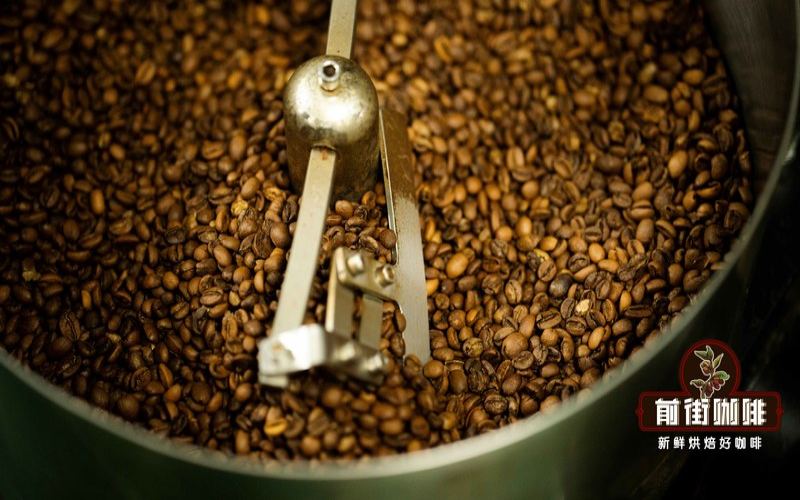
SOE is not a particular kind of coffee bean, but rather a term for single-origin or single-batch coffee used for espresso extraction. It describes the source of the beans and the way they are served, and does not mean an espresso machine is required. As long as the beans are consistent in quality and the roast level is suitable, SOE can absolutely be brewed by pour-over with a dripper instead, and you can taste even more than you would from an espresso [more…]
Common pour-over coffee beans: choosing based on body and cleanliness
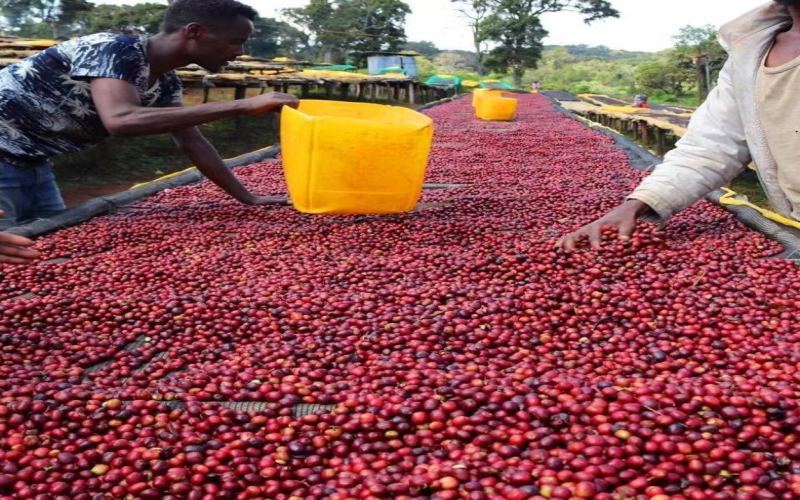
When you first start buying beans, rather than chasing breadth of flavor, it's better to first dig deep into a single bean: choose one with a clear flavor profile and high brewing compatibility, lock in the dose, grind, and water temperature, then observe the details of the entry, sweetness, and finish—this is how a flavor reference is established. Pour-over flavor comes from origin, variety, processing method, and roast level. [more…]
Roast depth decides body, here's how to choose among three types of coffee beans
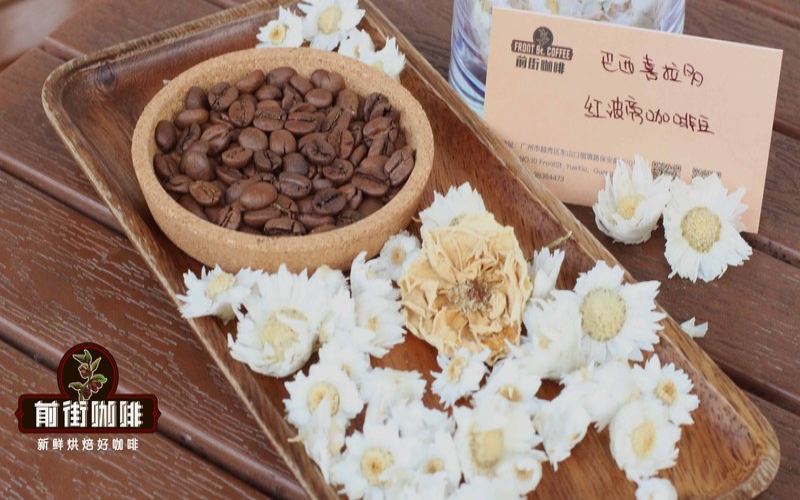
Coffee with rich crema usually feels more coating on the palate, and its aroma tends to linger a bit longer in the mouth. However, shiny coffee bean surfaces do not necessarily mean the brewed crema will be abundant. Roast level, bean freshness, blend composition, and extraction method all affect the crema in the cup. To find a suitable [more…]
For automatic coffee machines, choose bean roast level like this
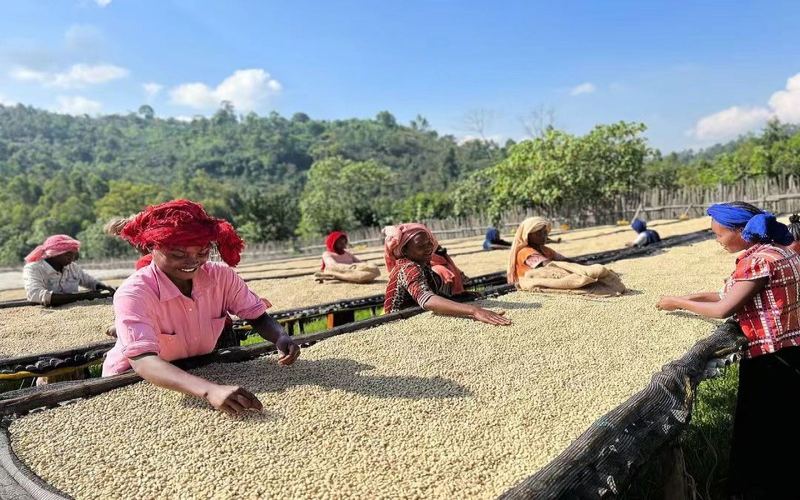
Fully automatic coffee machines usually focus on one-touch espresso, Americano, and milk coffee. The roast level of the coffee beans directly affects the flow rate, aroma expression, and mouthfeel. Rather than fixating only on origin or flavor descriptors, it's better to first look at the light, medium, medium-dark, and dark roast labels on the packaging, then combine that with the drinks you have every day to choose the one that's easier to dial in. [more…]
Dark roast coffee beans: how the roast level changes the taste
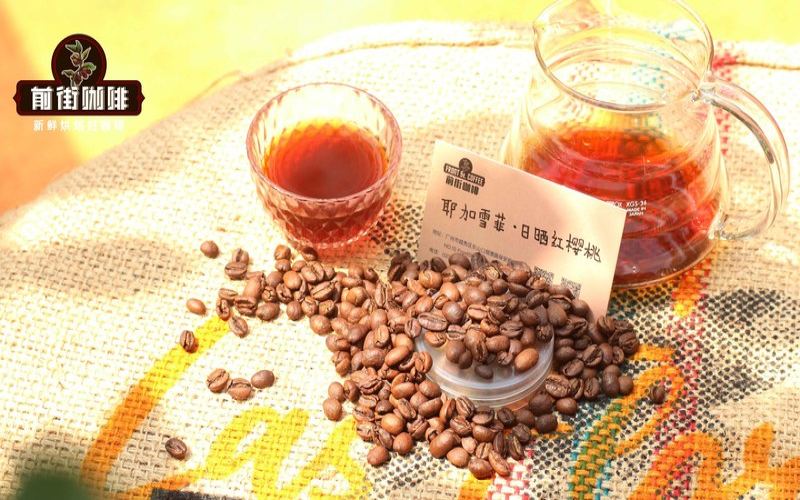
Dark-roasted coffee beans are not limited to just one flavor. As beans move from medium-dark to dark roast, their original fruity acidity gradually recedes, while caramel, cocoa, nutty, and roasted aromas become more prominent, and the cup feels fuller on the palate. When choosing, rather than fixating solely on the words "dark roast," it's better to further confirm whether it sits at the darker end of medium-dark or at a very dark level. Medium-dark leaning [more…]
Blended beans from roast date to opening: hitting the right flavor window
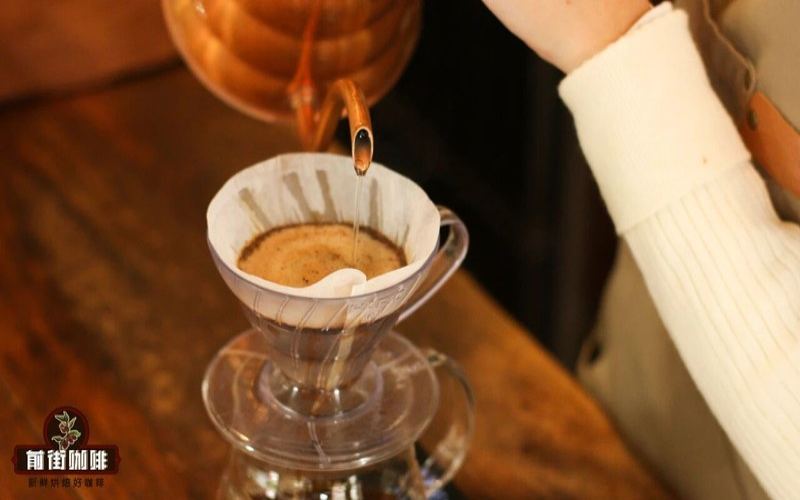
After coffee beans leave the roaster, their aroma does not immediately reach its ideal state. The beans still contain a fair amount of carbon dioxide, so during brewing they degas vigorously, the water flow easily bypasses the coffee bed, and although the cup may have a powerful aroma, its sweetness and complexity have not yet unfolded. When choosing a blend, rather than simply assuming "the fresher the better," it is better to consider the roast date and the expected opening [more…]
Yirgacheffe High-Value Picks: Balancing Budget and Drinking Frequency
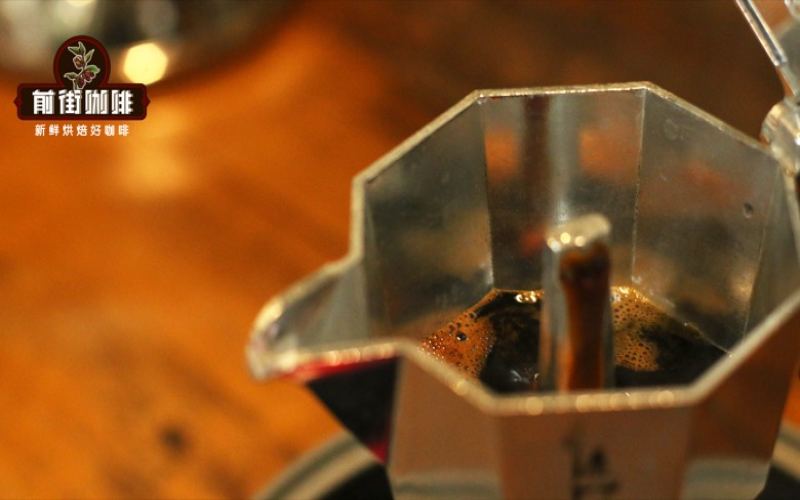
For everyday-priced Yirgacheffe coffee beans, simply memorizing a few names isn't enough. When buying beans for daily use, you need to consider how fast you'll drink them, how much to buy at once, and whether you'll mainly make black coffee or milk coffee at home. What's truly worth referencing is the sweet-to-sour ratio once it hits your palate, the body's thickness or thinness, and the lingering aftertaste once it cools—then, combined with your brewing habits, choose [more…]
Choosing pour-over beans in the light-roast style: from floral and fruity to tea-like
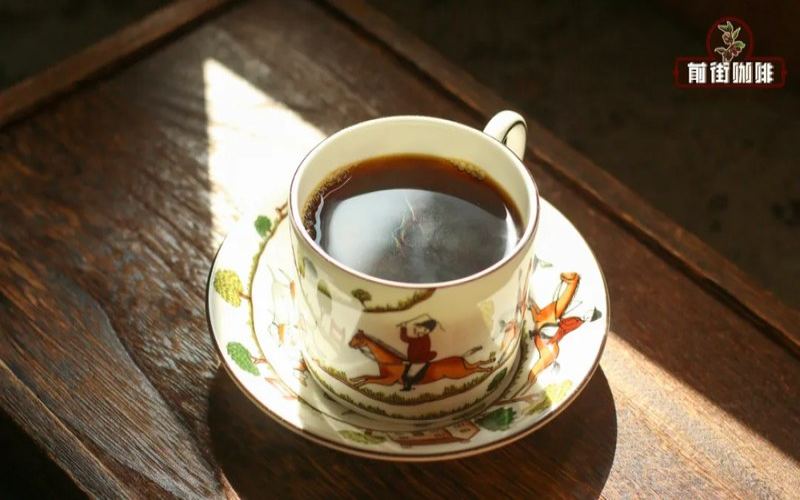
A cup of light-roast pour-over is often appealing for its bright aroma, lively acidity, and the fruity, floral, or tea-like finish it leaves on the palate. It doesn't have to taste sharp; it can also be very sweet and mellow. When choosing, rather than fixating solely on the word "light roast," it's better to look further at the flavor tendencies and your own drinking habits. [more…]
Bialetti Moka Pot Body: How to Arrange the Beans from Roasting to Cup
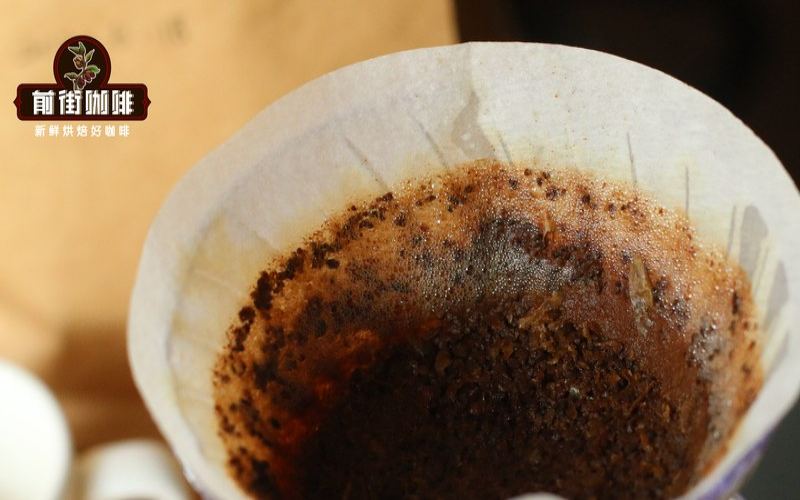
When coffee brewed with a moka pot has a layer of fine bubbles on its surface, it is often called crema. It is not the same as the crema of espresso; rather, it is foam formed together by carbon dioxide, coffee oils, and fine particles that hot water carries out as it passes through the coffee bed. The freshness of the beans directly affects the amount, fineness, and dissipation of this layer of foam. [more…]

When to start drinking Americano coffee beans: understanding the peak aroma and storage rhythm
Coffee beans begin degassing continuously from the moment roasting is complete, and their aroma slowly changes as well. When making an Americano, the espresso is further diluted with water; overly active gas can make extraction uneven, while leaving it too long may leave nothing but flat bitterness. Rather than fixating on "the fresher the better," it is more practical to plan the rhythm of opening the bag, drinking, and finishing it, so that a bag [more…]

Everyday Italian-style go-to beans: light, medium, or dark roast—how to choose for daily use
The roast level of espresso beans directly affects the aroma, acidity, body, and how well the espresso gets along with milk. Light roasts tend to preserve fruity notes and brightness, medium roasts strike a balance between sweetness, richness, and clarity, while dark roasts push the flavor toward cocoa, nuts, and roasted notes. Which one to drink every day can be decided by [more…]
Berry-scented coffee beans, choose your roast level like this
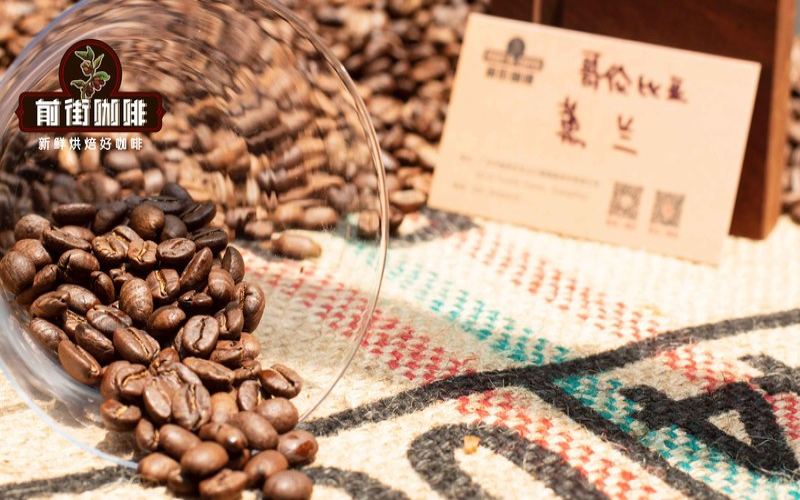
If you want coffee beans with a pronounced berry flavor, start by looking at the roast level, then compare origin and processing method. Light roasts are more likely to retain bright aromas like strawberry, blueberry, and red berry, with a sweetness reminiscent of fresh fruit flesh; medium roasts rein in the acidity and develop notes of fruit jam, smoked plum, or brown sugar; medium-dark roasts let the berry notes blend with cocoa and cara- [more…]
Not Sour, Not Bitter: What Roast Level Determines in Pour-Over Beans
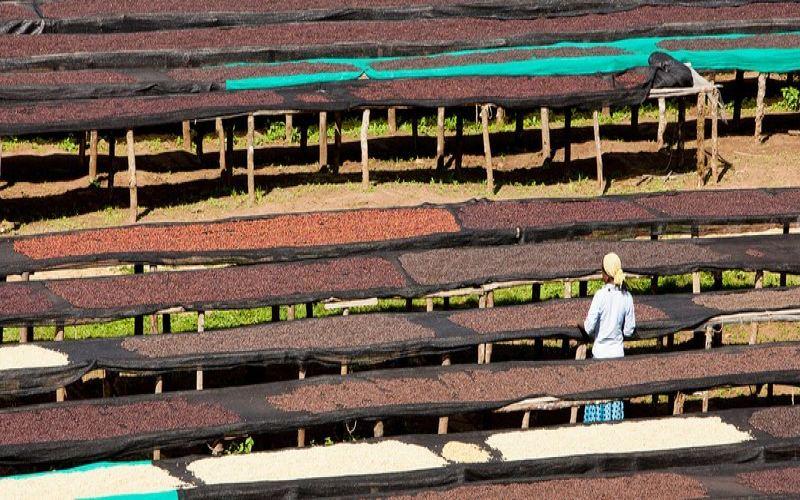
If you want your pour-over coffee to taste mellow, roast level is a very practical entry point to observe. It affects the brightness of acidity, the way bitterness appears, the thickness of sweetness, and the direction of aroma. The so-called "neither sour nor bitter" does not mean weakening all the flavors, but rather finding the position that suits you best among refreshing, sweet, and full-bodied. [more…]
For beginners buying pour-over beans, choose according to roast level.
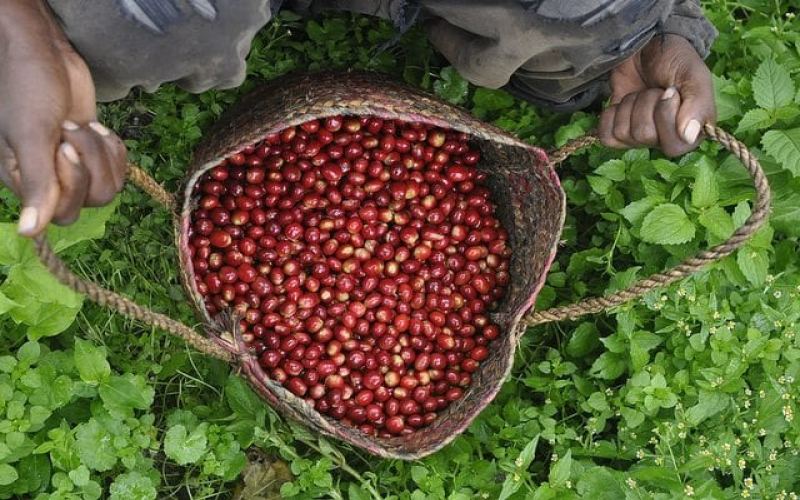
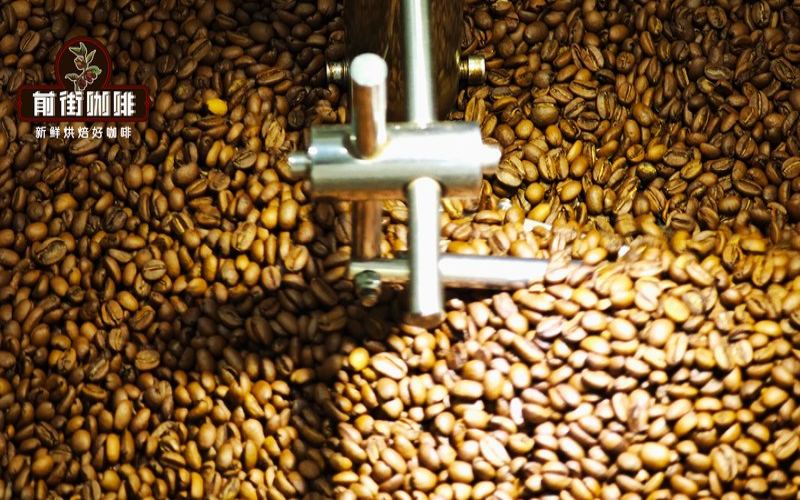
The roast level of pour-over coffee beans determines whether the flavor leans more toward floral and fruity, tea-like notes, or nuts, cocoa, and caramel. For those just starting to brew coffee at home, looking first at light, medium, or dark roast makes it easier to build judgment than fixating solely on origin names. Roast level does not represent a quality grade; rather, it helps you anticipate the flavor profile. [more…]
How to Choose Low-Caffeine Hand-Brew Beans: Flavor and Brewing by Roast Level
If you want to reduce your caffeine intake, you can start with the roast level when choosing beans for pour-over, but you can't directly equate light or dark roast with high or low caffeine. Light-roasted beans usually retain more of the aromas of their origin, while dark-roasted beans lean more toward caramel, cocoa, and roasty notes. What truly affects your intake also includes the bean variety, the number of grams used, the cup size, and the extraction efficiency. For example, [more…]
To avoid sourness with a moka pot, choose your roast level this way
Coffee brewed in a moka pot is quite concentrated, and the roast level of the beans directly affects how it tastes. If you prefer a cup that is round, clearly sweet, and not dominated by acidity, you can narrow your bean choices to the medium to dark roast range, then narrow further based on whether you add milk and whether you like a heavy body. Rather than fixating only on the name of the origin, the roast [more…]
Want a smooth, sweet aftertaste? First, check how far your coffee beans have been roasted.
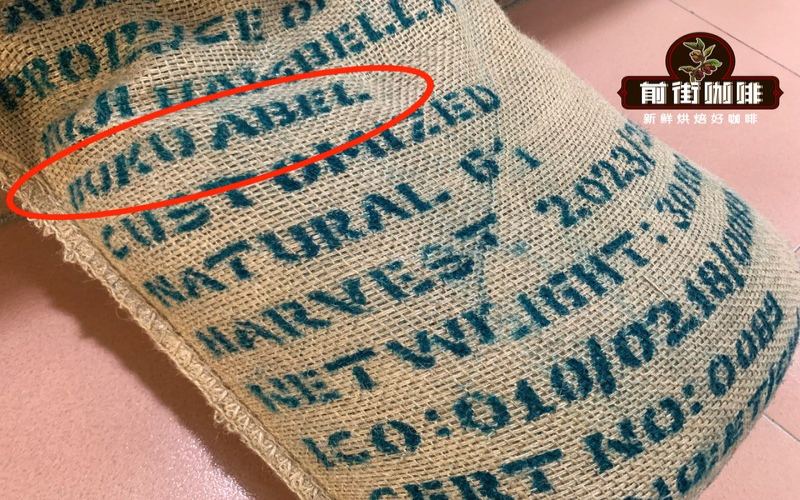
If you want acidity that doesn't overpower, a smooth entry, and a sweet finish, you can start by looking at the roast level when choosing beans. Roasting time changes the acidity, caramelized aromas, and body of coffee, and the same region can show completely different characteristics under light, medium, and dark roasts. For ordinary coffee consumers, start by roast [more…]

Understand roast levels—buy blended beans this way
The roast level of an espresso blend directly affects the aroma, sweetness, body, and finish of the shot. For those just starting to make coffee at home, rather than facing a long list of origins and processing methods, it's better to first look at the roast direction on the packaging: whether the beans are on the lighter side, medium, or darker in color. This judgment can help you anticipate the flavor on the palate. [more…]
Roast level determines the lightness and richness of cold brew.
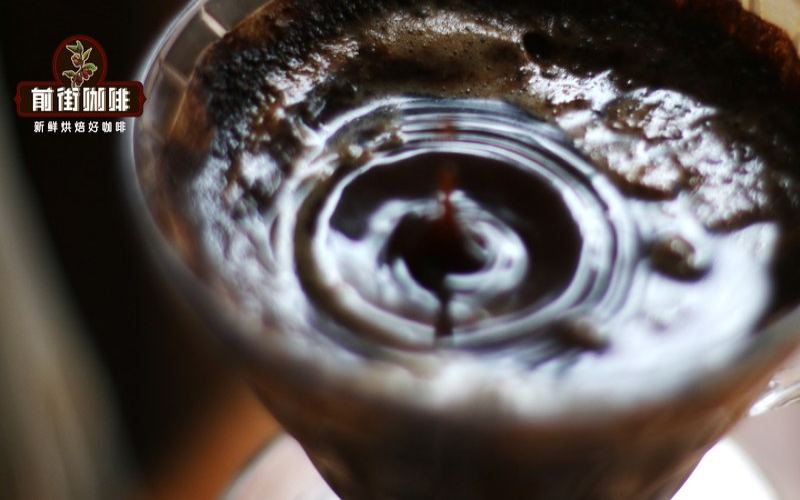
The flavor direction of cold brew coffee is closely related to the roast level of the beans. Light-roasted beans, under low temperature and a slow water flow, tend to present floral notes, fruity acidity, and a bright sweetness; medium-roasted beans have a rounder mouthfeel and are suitable for making smooth, easy-drinking iced coffee; dark-roasted beans bring cocoa, nut, and caramel notes to the forefront, making them suitable for those who prefer a heavy [more…]

When should you open a bag of light or dark roasted SOE? The roast date determines the pace of drinking your beans.
When SOE beans are freshly roasted, they are still continuously releasing carbon dioxide internally, and their aromatics are in a stage of reintegration. At this point, "the fresher, the more aromatic" does not always translate directly into the cup: dark roasts usually enter their smooth-drinking window earlier, while light roasts often need several more days of waiting. Deciding whether to choose dark or light also depends on whether you can consistently maintain stability after the flavors have opened up. [more…]