







How does coffee processing shape sweetness and acidity in the cup?
The sweetness perceived in coffee depends mainly on the carbohydrate and sucrose content inside the green bean, not on the processing method. Sucrose levels are set by variety, fruit maturity and cultivation altitude. Natural processing is often chosen for a sweeter cup, but the green bean itself is not simply sweeter because it was dried in fruit.
Coffee processing still changes the final flavor. Michael Sivetz in 1963 and food chemist Alan Varnam in 1994 both reported that natural beans hold higher levels of fats, sugars and acids than washed beans. Washed processing removes skin and pulp by machine, then ferments the remaining pectin in water, which triggers chemical changes inside the seed. Roasting and extraction further shape how acidity and sweetness reach the cup.
When selecting coffee beans, many enthusiasts often prioritize natural (dry) processing in pursuit of a more pronounced sweetness. But are naturally processed beans really naturally sweeter than washed beans? What exactly is the source of this sweetness? This article will delve into the chemical composition of green beans, sugar metabolism during processing, and fermentation mechanisms to thoroughly analyze how natural and washed processing methods affect coffee flavor, while also exploring how roasting and extraction influence the final sweetness expression, helping readers gain a more comprehensive understanding of the complex relationship between coffee processing methods and flavor.
When many coffee enthusiasts choose beans, if they want a more obvious sweetness, they often tend to choose naturally processed products rather than washed ones. So, are naturally processed coffees really sweeter than washed coffees? And where does this sweetness come from?
Front Street Coffee has pointed out in past articles that the "sweetness" we perceive in coffee mainly depends on the carbohydrate (sugar) content inside the green beans—the more sucrose, the more prominent the sweetness. The sucrose level is influenced by growing conditions such as coffee variety, fruit maturity, and cultivation altitude, and is not determined by the green bean processing method.
In 1963, the famous American coffee chemist Michael Sivetz in his book Coffee Processing Technology, as well as the 1994 research by food chemist Alan Varnam, both showed that the components produced by the natural method differ significantly from those of the washed method, and that naturally processed beans have higher contents of fats, sugars, and acids than washed beans.
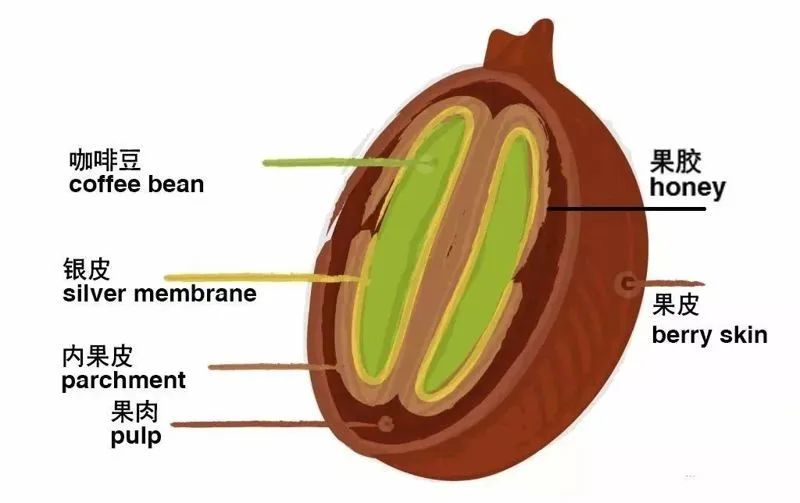
A coffee fruit consists of the skin, pulp, pectin, parchment, silver skin, and seed, and the coffee we drink is precisely the innermost seed.
During washed processing, the skin and pulp must be removed by machine before drying, leaving only the endosperm and a layer of slippery pectin, which is then placed in a water tank, where acidic substances generated by fermentation break down the pectin. Soaking in water, the coffee beans mistakenly believe they are in an environment suitable for growth, thereby initiating the germination mechanism, prompting a series of chemical changes within the beans and consuming monosaccharides (fructose and glucose), leading to a decrease in the sugar content of the green beans, while increasing some amino acids. Amino acids are important precursor substances for the formation of complex aromas in coffee.
In the natural processing method, however, the coffee beans are dried while still wrapped in the pulp. The plant hormones and moisture in the pulp inhibit seed germination, the metabolism of the green beans completely stops, and the sugar content is naturally retained more than in washed coffee.
Compared with washed processing, natural processing has a longer fermentation time, and the reaction between microorganisms and pulp is greater. When the fruit ferments, the volatile compounds produced by microorganisms are more abundant, especially ester compounds. Although most sugars are destroyed during the roasting stage, these compounds are converted into another aromatic substance during the caramelization reaction. It is precisely these aromatic components that give roasted coffee more floral and tropical fruit fermentation aromas, such as ester compounds, making the flavor spectrum of natural coffee broader and making it taste sweeter.
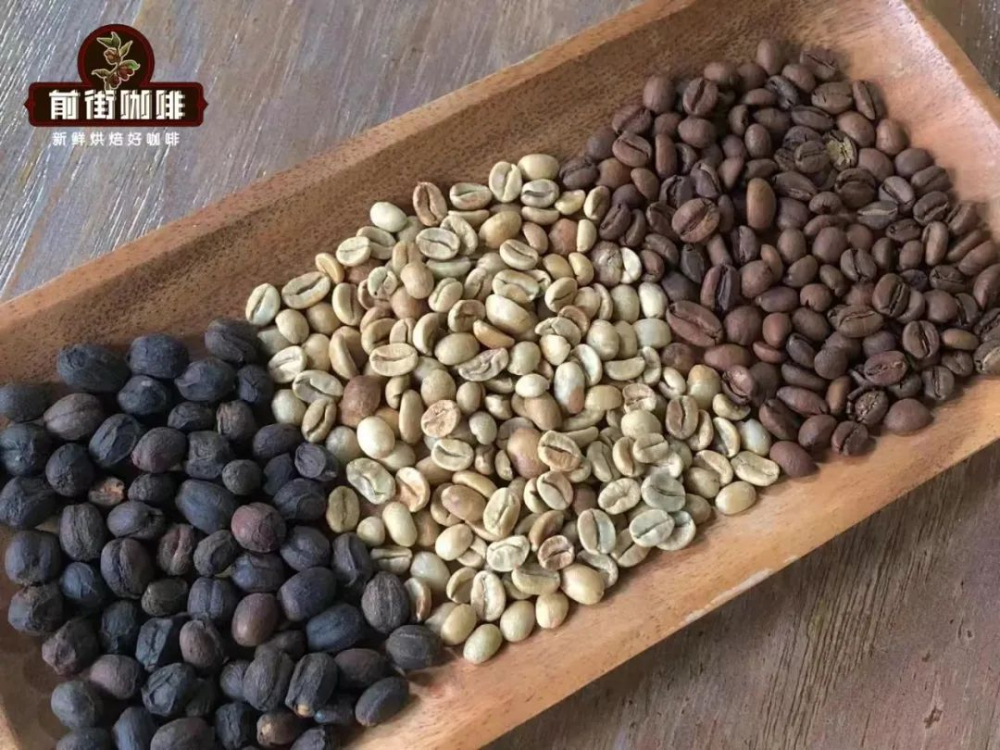
Although the natural method can retain more monosaccharides, this does not mean that naturally processed beans are necessarily sweeter than washed beans. Coffee beans are dehydrated and dried when their sugar content is at its highest. If the fruit over-ferments and produces spoilage acidity, or if the fermentation process is improperly controlled and mold grows, it is easy for undesirable sourness or bitterness to be released after brewing, thereby affecting the final expression of sweetness.
In addition to processing methods, differences in roasting and extraction also affect the level of coffee sweetness.
Roasting sublimates the sugary substances in coffee. Professional roasters know how to reach the optimal sweetness point and control the amount of acidity retained in the coffee, enabling sourness, sweetness, bitterness, and aroma to blend with one another, ultimately determining our overall impression when tasting. Therefore, under the premise of reasonable roasting, washed coffee can also present a stronger sweetness than natural coffee.
Even if the coffee beans have already reached the sweetness point during roasting, differences in the configuration of brewing parameters will also affect the final taste. Sourness neutralizes sweetness, bitterness suppresses sweetness, and coffee that is too sour or too bitter will interfere with the mouth's perception of sweetness.
For professional coffee knowledge exchange and more coffee bean information, please follow Coffee Workshop (WeChat public account: cafe_style).
For more specialty coffee beans, please add the private WeChat of Front Street Coffee (FrontStreet Coffee), WeChat ID: qjcoffeex
The above content is compiled by CoffeeHunters, a coffee news website.


