







Search Results for: moderate consumption
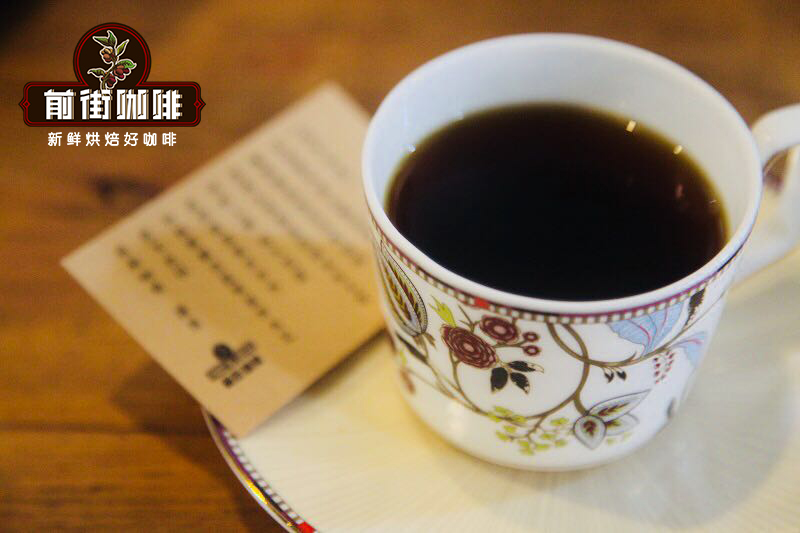
Pros and Cons of Americano | Is Iced Americano Black Coffee? What Are the Effects and Benefits of Black Coffee? Is Americano High in Calories?
Black coffee, also known as "zhai coffee," means black coffee in Cantonese. So zhai coffee refers to pure black coffee with no additives whatsoever, such as the commonly seen espresso, Americano, iced drip, cold brew, and coffee extracted by various brewing devices all belong to zhai coffee, like siphon, French press, moka pot, and so on. Among them, iced Ameri- [more…]
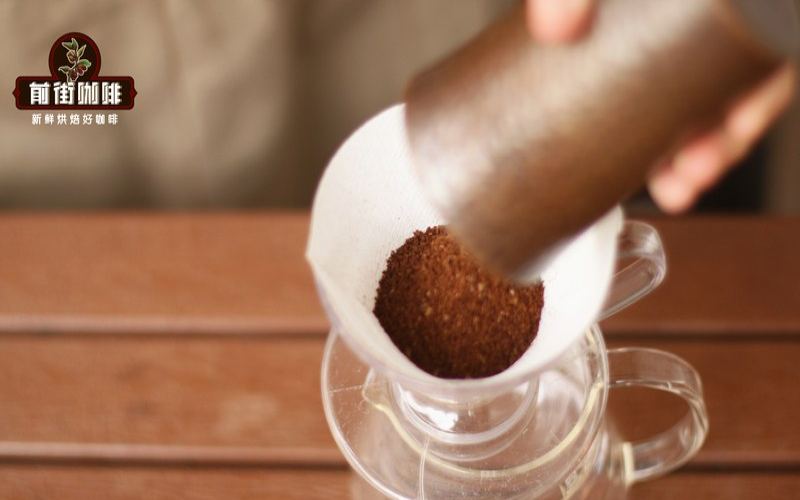
From Degassing to Opening and Consumption: A Flavor-Window Rhythm Guide for Italian-Style Dark and Medium-Dark Roasts
After coffee beans are roasted, they continuously release a large amount of carbon dioxide internally. Due to differences in the degree of heat exposure, dark roasts and medium-dark roasts naturally differ in their internal pore structure and degassing rate. This physiological change directly determines the crema condition during espresso extraction, and also defines the time window during which flavor development reaches a balanced state. [more…]
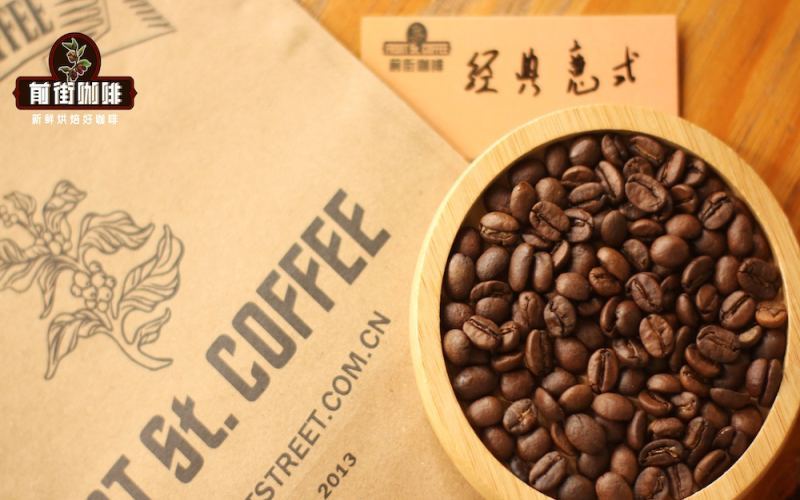
What beans to use for a home coffee corner? 5 practical espresso bean recommendations
Once you have a coffee corner at home, whether it's a semi-automatic espresso machine or a moka pot, the most headache-inducing thing is often not how to use the machine, but what beans to buy. The equipment determines the lower limit, while the beans determine the upper limit. An ordinary machine paired with the right beans can still make delicious coffee; conversely, even the best equipment, when paired with unsuitable beans [more…]
Which beans to use for a home coffee corner? 5 practical espresso bean recommendations
Once you have a coffee corner at home, whether it's an espresso semi-automatic machine or a moka pot, the most headache-inducing thing is often not how to use the machine, but what beans to buy. The equipment determines the lower limit, while the beans determine the upper limit. An ordinary machine paired with the right beans can still make delicious coffee; conversely, even the best equipment, when paired with unsuitable beans, [more…]
Espresso Specialty Coffee Beans Recommendation | Why Are Espresso Coffee Beans Mostly Dark Roasted? Introduction to Espresso Extraction Principles, Brewing Methods, and Coffee-to-Water Ratio
Generally speaking, the beans used for espresso are roasted to a medium or medium-dark level or darker, because espresso is not only used to make black coffee but also used to make lattes, flat whites, mochas, and other specialty coffee drinks. If the roast level is too light, not only will there be little crema, but the coffee's flavor can easily be [more…]
Espresso beans for both home and commercial use—which one suits you better?
"Can this bean work for home use?" "What beans should I use for opening a shop?" When choosing espresso beans, the most common dilemma is the choice between home and commercial use. In fact, there is no strict boundary between the two—many beans work for both, and the only difference lies in your usage scenario and priority needs. Today, let's use a direct comparison approach to look at several classic espresso beans' [more…]
The Flavor Curve in Espresso: The Drinking Rhythm from the Degassing Period to Opening and Storage
Roasted coffee beans accumulate a large amount of carbon dioxide inside, and these gases are slowly released outward over time. For home espresso extraction, the gas state inside the bean directly affects how smoothly water flows through the coffee bed. Freshly roasted beans are often full of internal pressure, and during pressurized extraction they tend to produce a rough and [more…]
How to Drink After Roast Date: A Home Coffee Bean Flavor Clock
The aroma of coffee beans does not decline in a straight line from the moment roasting ends. Fresh out of the roaster, the beans are rich in carbon dioxide; when ground, they smell lively, but during brewing the degassing may be too vigorous, making it hard for water to penetrate the coffee bed evenly. After a few days, as the gas gradually escapes, the floral notes, fruity sweetness, and finish actually unfold more easily. Therefore, roasting [more…]
After the roast date, when do blends and SOEs taste better?
Coffee beans aren't necessarily more fragrant the closer they are to the roaster. Freshly roasted beans continue to release carbon dioxide, making it harder for water to evenly penetrate the coffee bed during brewing, and the aroma may also seem loose and scattered. Whether a blend or an SOE tastes better often depends on whether they've reached their optimal drinking window, and whether a bag of beans can be finished in time after the flavors have opened up. [more…]
To make an Americano bursting with fruity sweetness, start by mastering the tasting window and the rhythm of opening the bag.
To present a clear, full-bodied sweetness in Americano, the release state of aromatic compounds inside the coffee beans plays a key role. Freshly roasted coffee beans accumulate a large amount of carbon dioxide internally, and these gases hinder the even contact between hot water and coffee grounds, easily bringing out rather harsh off-flavors. As the gas releases steadily, [more…]
From coffee origin legends to the full growing and processing journey: a detailed guide to variety classification, brewing recipes, and health benefits
Coffee, derived from the Greek word "Kaweh," means "strength and passion." This article systematically traces the journey of coffee from the shepherd's legend to its global spread, explains in detail the characteristics and origins of the three major species—Arabica, Robusta, and Liberica—surveys classic single-origin coffees such as Blue Mountain, Colombia, and Mocha along with more than thirty flavored coffee recipes, introduces the varietal composition of Yunnan coffee, and provides an in-depth explanation of the entire process of coffee cultivation, primary processing, and roasting techniques, as well as the many health benefits and drinking contraindications of coffee. Whether you are a beginner just starting out or a seasoned enthusiast, you can gain practical knowledge and tasting inspiration from it. [more…]
Why do coffee shops prefer blend beans? Understanding the formula logic in one article
Walk into any serious coffee shop, and what's loaded in the espresso machine is almost always a blend. Why, when there are so many specialty single-origin beans available, do they insist on blends? Today we'll explain the ins and outs of blend beans all at once. What exactly is a blend made of? A blend is simply mixing coffee beans from different origins and with different flavor profiles in certain proportions. [more…]
A Guide to Buying Home Coffee Beans by Roast Level
Even among home-use coffee beans, light, medium, and dark roasts reveal completely different personalities once they're in the cup. Light roasts are better for slowly savoring floral and fruity notes, medium roasts balance sweetness with body, and dark roasts are closer to everyday rich flavors. When choosing, it helps to first consider whether you usually drink black coffee, iced coffee, or milk coffee, and then decide based on the roast level. [more…]
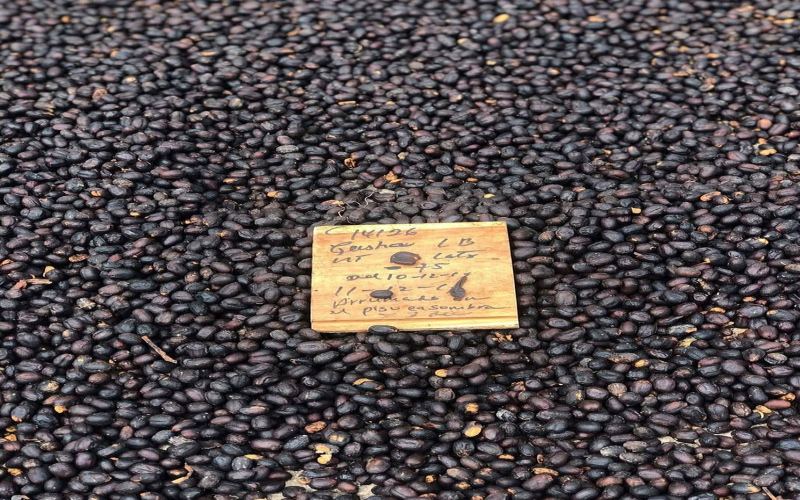
American Black Coffee Beans Recommendations: Balancing Budget and Drinking Frequency
American-style black coffee beans aren't something you can master just by memorizing a few names. When buying beans for everyday use, you need to consider how quickly you'll go through them, how much to buy at once, and whether your household mainly makes black coffee or milk-based coffee. What's truly worth referencing is the balance of acidity and sweetness on the palate, the body's thickness or thinness, and the finish after the coffee cools—then, combined with your brewing habits, your range of choices will gradually [more…]
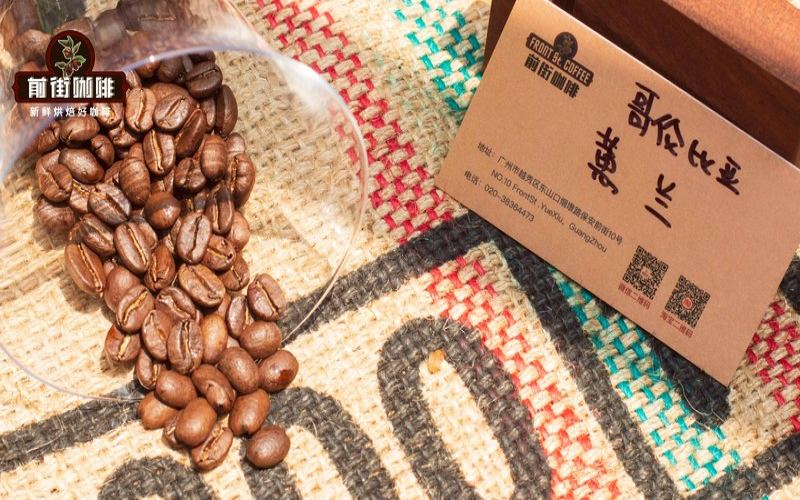
Coffee Bean Review for Long-Term Drinking: Balancing Budget and Drinking Frequency
Evaluating coffee beans suitable for long-term drinking is best approached by gradually building judgment from tasting experience. When buying beans for daily use, you need to consider how quickly you'll drink them, how much to buy at once, and whether you mainly make black coffee or milk coffee at home. The flavor words on the packaging can offer clues, but they cannot replace the actual drinking experience—whether the acidity is gentle, whether the sweetness lingers [more…]
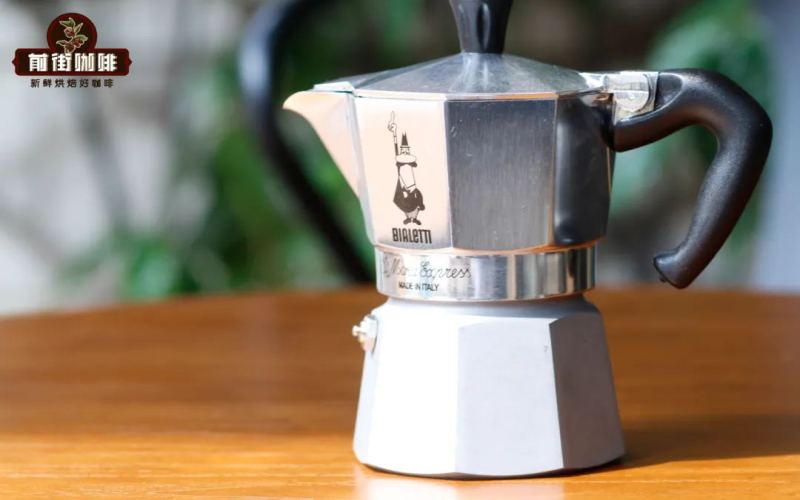
For your first bag of beans with a home semi-automatic espresso machine, how to choose without falling into pitfalls
You've just added a semi-automatic espresso machine at home, and now the most agonizing question is: for your very first bag of beans, what exactly should you buy? Buy something too expensive and you worry about wasting it; buy something too cheap and you worry it'll taste bad; and the endless recommendations online just make your head spin. Actually, the logic behind choosing beans for a home semi-automatic machine isn't complicated at all—just remember three sentences and you're set. First sentence: [more…]
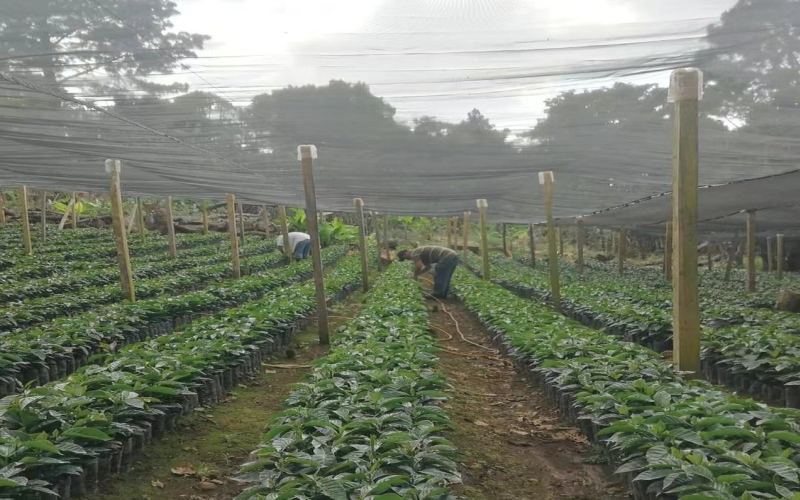
The Flavor Countdown in the Bean Hopper of a Fully Automatic Coffee Machine
From the moment coffee beans finish roasting, their aroma is constantly changing. Right after roasting, they contain more carbon dioxide, then they enter a stage where the aroma opens up and the sweetness becomes clear, before gradually leveling off. Although fully automatic coffee machines are convenient to operate, when the beans go into the hopper still affects the crema, intensity, and aroma in the cup. On the packaging [more…]
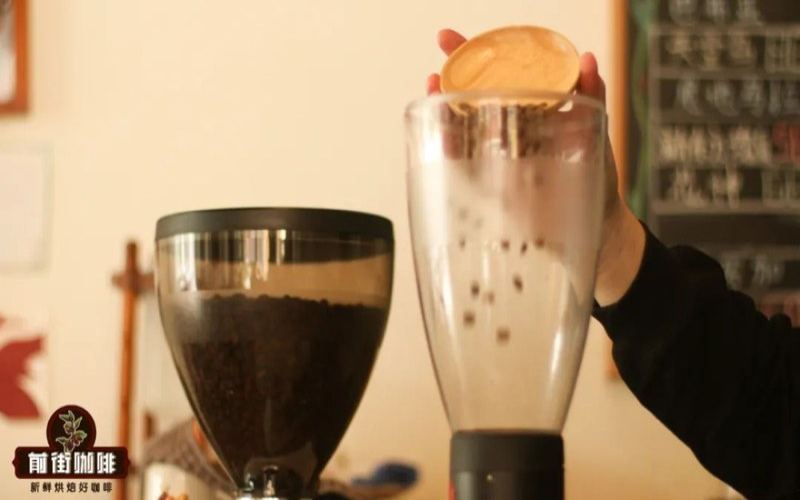
Should you choose a dark roast or medium-dark roast for espresso beans? Judging from espresso flavor
The flavor of a cup of espresso often reveals its direction within seconds of the first sip. Whether you prefer nuts, cocoa, and caramel, or lean toward brighter acidity and fruity notes, this is closely tied to the roast level of the beans. For most home espresso machines, both medium-dark and dark roasts can be everyday choices—the difference lies in how they present their flavors. [more…]
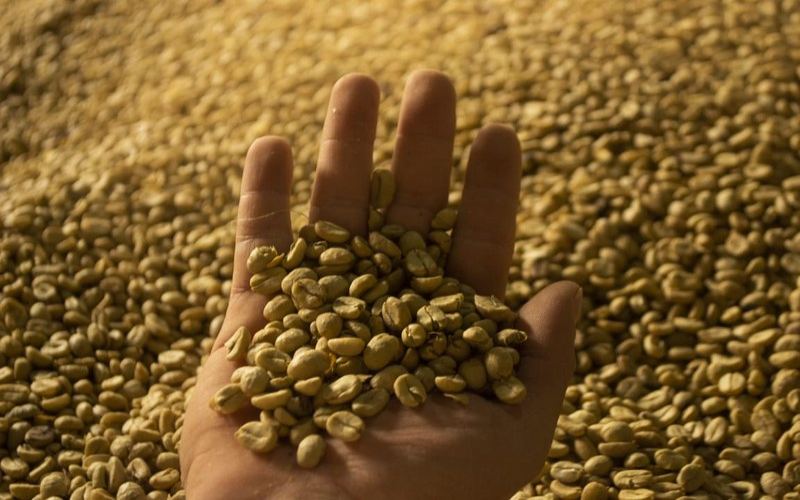
How to Choose Everyday Beans Under 100 Yuan: Find Your Perfect Cup by Roast Level
For everyday beans under a hundred yuan, the point isn't how complex the flavor description is, but whether they go down easily every day. Roast level is a very practical filter to start with—it affects acidity, sweetness, aroma, and mouthfeel, and also determines whether the beans are better suited to pour-over, espresso, or drinking with milk. Start with what you're willing to repeat [more…]
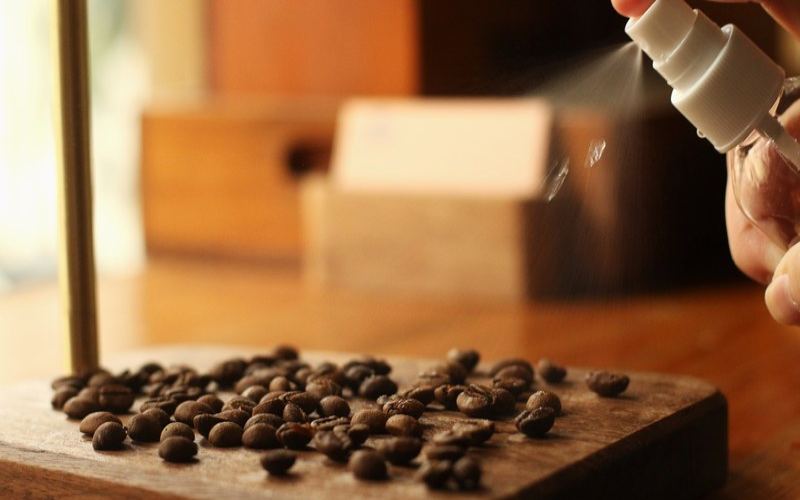
The Flavor Window and Drinking Rhythm of Moka Pot Coffee Beans
Coffee made with a moka pot is quite concentrated, and the state of the beans directly affects how it tastes. Freshly roasted coffee beans usually have lively aromatics, but they aren't necessarily ready for the pot yet; after resting for a while, the gases gradually diminish, and the sweetness, body, and finish become more cohesive. When choosing beans, besides looking at the flavor description, also pay attention to the roast date [more…]