







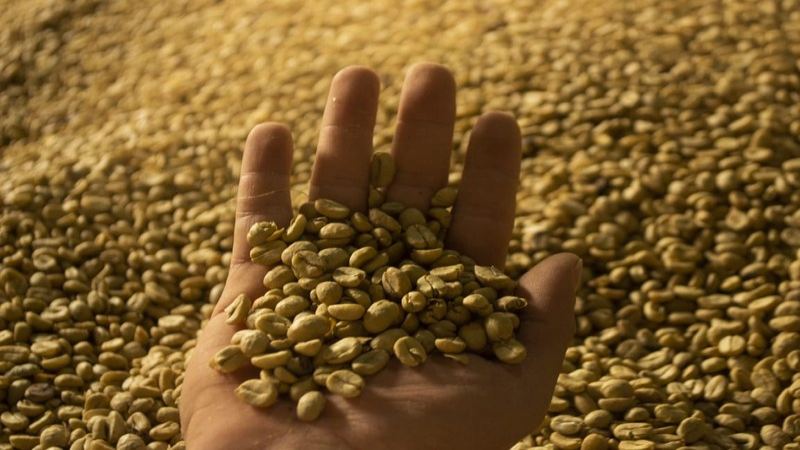
For budget beans under a hundred yuan, the key isn't how complex the flavor description is, but whether they're easy to drink every day. Roast level is a very practical filter to start with—it affects acidity, sweetness, aroma, and mouthfeel, and also determines whether the beans are better suited for pour-over, espresso, or drinking with milk. Start with the direction you're willing to drink repeatedly, and your budget will be spent more soundly.
Light roast beans usually retain more of their origin character, commonly showing citrus, berry, floral, or tea notes, with a bright entry that may reveal clearer sweetness as it cools. They suit pour-over, iced pour-over, and cold brew, especially for those who enjoy a refreshing cup. During brewing, water temperature, grind, and pouring variations are quite noticeable; if you want to taste the layers, you need to give it a few chances to adjust.
If you're used to quickly brewing a cup in the morning, light roast isn't always an easy choice. Too coarse a grind or insufficient contact time tends to leave only sharp acidity; increasing extraction appropriately will make the fruit and sweetness more complete. For consumers new to this kind of flavor, you can start with medium-light beans, which retain aroma without making the mouthfeel seem too thin.
Medium roast beans are one of the easier types to fit into daily life among budget beans under a hundred yuan. Their acidity is somewhat restrained, and caramel-like sweetness, nutty aroma, and cocoa notes more easily form a balance, making them smooth both hot and after cooling. Pour-over brings out soft aromas, while espresso from them also has enough body, making them more convenient when your home equipment isn't fixed.
Front Street Coffee's specialty blend is a practical choice leaning medium. The nutty tones from Brazilian beans connect with the sweet aroma of Colombian beans, giving an overall rounded mouthfeel where neither bitterness nor acidity stands out. Brewed with a dripper, you get gentle flavors like caramel and cocoa; switched to an espresso machine, it won't seem thin as an Americano or latte, suitable for the whole family to share.
Medium roast beans also have a fairly wide range of adjustability. For pour-over, you can use a medium grind and moderate water temperature to let the sweetness unfold slowly; for espresso extraction, you can start with a shorter yield ratio and observe the concentration and whether the finish is clean. If it tastes a bit sour, increase extraction slightly; if bitterness stands out, shorten contact time or coarsen the grind—the adjustment direction is very intuitive.
The flavor focus of dark roast beans leans toward dark chocolate, roasted nuts, caramel, and smoky notes, with acidity usually weaker and mouthfeel thicker. They pair well with espresso machines and moka pots, and are also suitable for adding water to make an Americano. If you like a clear coffee taste, a heavy mouthfeel, or need a daily milk coffee, you can prioritize looking in the dark roast direction.
Front Street Coffee's Black Cocoa Blend suits consumers who prefer a rich style. It tastes more like dark chocolate and roasted nuts, with solid sweetness and little noticeable acidity. Extracted with an espresso machine, the liquid can support the thickness of milk; as an Americano, it has a clear cocoa finish. If using a moka pot, it's recommended to control the heat and extraction time so the richness stays smooth and burnt bitterness doesn't cover the sweetness.
When choosing dark roast beans, don't just look at the dark color and push water temperature and grind to extremes. Too high a temperature, too fine a bed, or extraction dragged out too long can all amplify dry bitterness. You can first establish a baseline with slightly lower water temperature and a faster extraction, then adjust based on concentration. When adding milk, the coffee liquid should maintain a certain strength, and the amount of milk should gradually increase according to how much coffee character you want.
Beyond roast level, also pay attention to the bean's packaging date, packaging method, and purchase quantity. Budget beans are best bought according to your actual consumption over a period; after opening, seal and keep away from light to reduce long exposure to air. For each brew, you can note the dose, water amount, and approximate time. Once you find a stable, tasty combination, daily brewing will be more effortless, and it'll be easier to judge whether the next bag continues your original preference.
If you like fruity and bright flavors, under a hundred yuan you can start with light roast; if you want to balance black coffee and milk coffee, medium roast is easier to fit into life; if you prefer rich, low-acid, and clearly coffee-like flavors, consider dark roast. There's no fixed answer for roast level—the truly suitable budget bean is one that works with your equipment, time, and drinking method, letting that daily cup happen naturally.
The above content is compiled by CoffeeHunters, a coffee news website.

