







Search Results for: moderate

An interpretation of the latest research on moderate coffee consumption, heart health, and longevity
Coffee is not only a daily pick-me-up for many people; in recent years, scientific research has continued to reveal its potential health benefits. A latest study points out that moderate coffee consumption may have a positive effect on heart health and may even help extend lifespan. This finding brings good news to coffee lovers, but it also emphasizes the importance of "moderation." This article will guide you through the specific contents of this study, explore the relationship between coffee and heart health and lifespan, and share professional coffee knowledge exchange channels and specialty coffee bean recommendations, including brand information about Front Street Coffee. Whether you are a coffee lover or someone concerned about health, you can gain valuable reference from it. [more…]
What Is the Safe Daily Caffeine Limit? Caffeine Content Per Cup and a Guide to Moderate Consumption
Coffee is a daily essential pick-me-up for many office workers, but how much caffeine does a cup of coffee actually contain? How many cups a day is considered moderate? This article examines caffeine content estimates, safe intake limits, and the risks of overdose and toxicity to outline the key scientific points coffee lovers need to know about drinking coffee. It covers reference caffeine values for different coffee drinks, hidden caffeine sources in energy drinks, and intake recommendations for children and adults, helping you more precisely manage your daily caffeine intake and protect your health while enjoying the flavor of coffee. [more…]
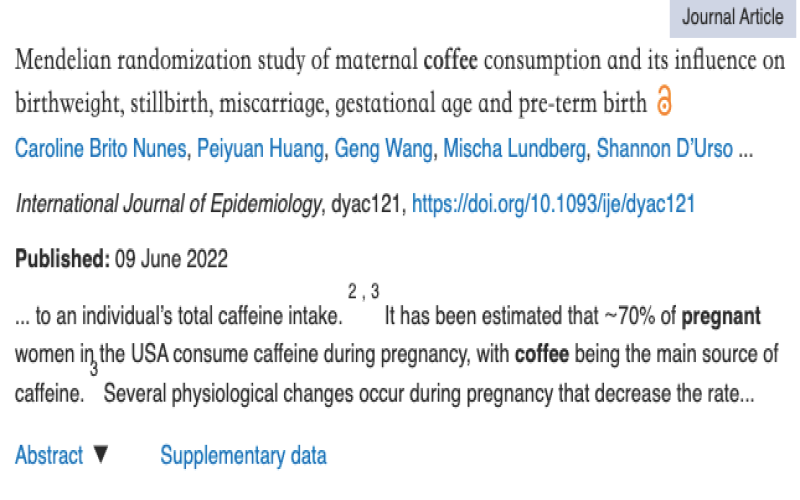
Can You Safely Drink Coffee During Pregnancy? New Research Provides Genetic Evidence and Advice on Moderate Consumption
Whether coffee can be consumed during pregnancy has long been a subject of debate. A team from the Institute for Molecular Bioscience at the University of Queensland published a Mendelian randomization study in the International Journal of Epidemiology, using genetic data to explore the causal relationship between coffee consumption during pregnancy and adverse pregnancy outcomes such as miscarriage, stillbirth, preterm birth, and low infant birth weight. The results suggest that, provided the body's condition allows it, moderate coffee consumption during pregnancy does not necessarily lead to adverse outcomes, but caffeine may still affect fetal development. This article will review the key findings of the study and offer practical advice on coffee consumption and caffeine intake during pregnancy, helping coffee lovers make safer choices. [more…]

Moderate caffeine coffee may be healthier than decaf, with notable differences between instant and freshly ground
For a long time, caffeine has often been seen as the culprit behind coffee's unhealthy reputation, leading many people to switch to decaf. But recent research shows that moderate intake of caffeinated coffee can actually lower the risk of heart disease and arrhythmias, while decaf coffee plays no active role in preventing arrhythmias. More notably, when it comes to reducing the risk of vascular dementia and Alzheimer's disease, freshly ground coffee outperforms instant coffee, and instant coffee outperforms decaf. Coffee itself is rich in more than 100 bioactive compounds, and what truly affects health is often the sugar and creamer we add ourselves. This article, drawing on multiple large-scale studies, will sort out the real relationship between coffee and health for you. [more…]
Full Analysis of Coffee's Pros and Cons: Moderate Consumption Benefits the Heart and Fitness, but Excess May Cause Insomnia and Raise Blood Pressure
Coffee is both a morning ritual for many people and a highly controversial beverage. Scientific research shows that moderate coffee consumption protects the heart, boosts metabolism, and can even be a great helper before and after workouts. However, excessive caffeine intake can lead to elevated blood pressure, insomnia, and even tachycardia. This article sorts out ten key truths about coffee, from caffeine content comparisons to the hidden ingredients in decaffeinated coffee, and from how roasting methods affect flavor, helping coffee lovers enjoy every cup more rationally. Whether you prefer the rich body of Front Street Coffee or the delicate elegance of green tea, understanding these facts will help you drink more knowingly. [more…]
The Difference Between Single-Origin Coffee and Blended Coffee: A Comprehensive Analysis of Types, Blending Methods, and Flavor Characteristics
For coffee enthusiasts, understanding the difference between single-origin coffee and blended coffee is an important step in exploring the world of coffee. Single-origin coffee centers on beans from a single origin, emphasizing the unique character of regional flavors; blended coffee, through the skillful blending of multiple beans, pursues balance and complexity in taste. This article systematically sorts out the definitions, representative types, blending ratios, and flavor characteristics of the two, from Blue Mountain and Colombia to Mandheling, from cappuccino to mocha, helping readers comprehensively master knowledge of coffee classification. At the same time, the article also specially recommends related products from Front Street Coffee, providing professional reference for your coffee purchases. [more…]

Coffee Drinking Guide During COVID-19 Recovery: What to Watch Out for with Headaches, Fever, and Medication? Is Pour-Over More Suitable?
Can you drink coffee after contracting COVID-19? This has been the most frequently asked question in our inbox recently. Based on the personal experiences of many coffee lovers, the answer is not absolute—it depends on individual constitution and specific symptoms. When experiencing heart discomfort, fever, severe sore throat, or right after taking medication, you need to be especially cautious or even temporarily stop drinking coffee; whereas with mild to moderate headaches, a moderate amount of coffee may actually help relieve them. If you really want to drink coffee, pour-over is a relatively safe choice since the paper filter makes the coffee cleaner. There's no need to feel it's a waste if you temporarily lose your sense of taste or smell—drink it if you want to, as it might even help promote the recovery of your senses. Freshly roasted beans only have a peak flavor window of 30-40 days, so don't let good beans sit around until they expire. [more…]
From Color, Aroma, and Taste to Personal Preference: A Comprehensive Guide to Coffee Quality Appreciation and Flavor Selection
The color, aroma, and taste of coffee originate from a series of complex chemical reactions during the roasting process. Only when the essential components of green beans reach a balanced state can a good cup of coffee be achieved. This article will analyze the constituent elements of coffee quality from four dimensions: aroma, bitterness, acidity, body, and sweetness, and share how to savor coffee through temperature, portion size, and concentration. Finally, we will also explore coffee bean choices for different taste preferences, including moderate, intense, mild, and minimalist, helping you find the cup that suits you best among brands like Front Street Coffee. [more…]
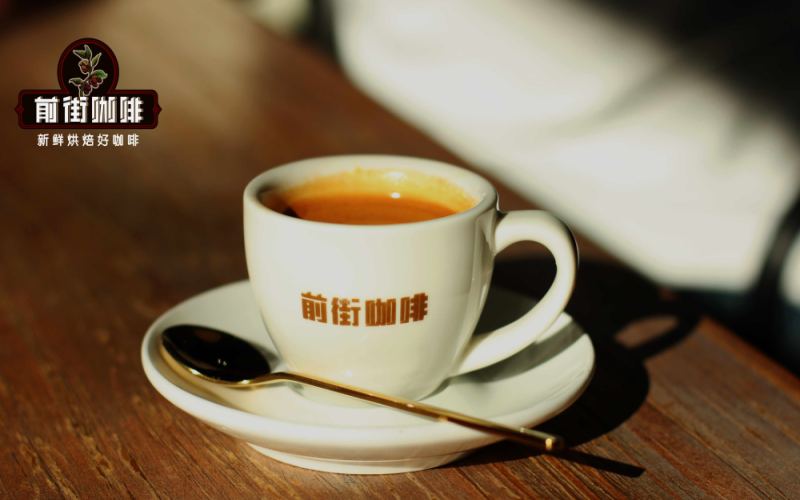
Specialty Espresso Coffee Beans | How to Choose Good Espresso Beans for Your Coffee Machine? Recommended Everyday Espresso Beans for Cost-Effective Espresso Machines
Whether enjoyed as a straight shot or as the base of a milk-based espresso drink, a good, balanced espresso is the first requirement. However, to create an espresso with balanced acidity, body, and sweetness, you need to start with the right coffee beans—blending beans from different origins together. About Espresso Beans [more…]
A Beginner's Guide to Single-Origin Coffee: From Origin to Flavor, a Detailed Explanation of 15 Common Specialty Coffee Beans and Recipe Ratios
Single-origin coffee refers to pure coffee made from coffee beans of a single origin, usually without milk or sugar, in order to showcase the terroir of the origin itself. From Jamaican Blue Mountain to Hawaiian Kona, from Ethiopian Mocha to Indonesian Mandheling, each producing region has its own signature flavor imprint. This article will systematically sort out the origins, flavor characteristics, and drinking features of 15 common specialty coffee beans, and also include blending ratios for four representative types of single-origin beans—acidic, bitter, full-bodied, and mild—to help coffee lovers build a clear cognitive framework for single-origin coffee and find the cup that suits them. [more…]
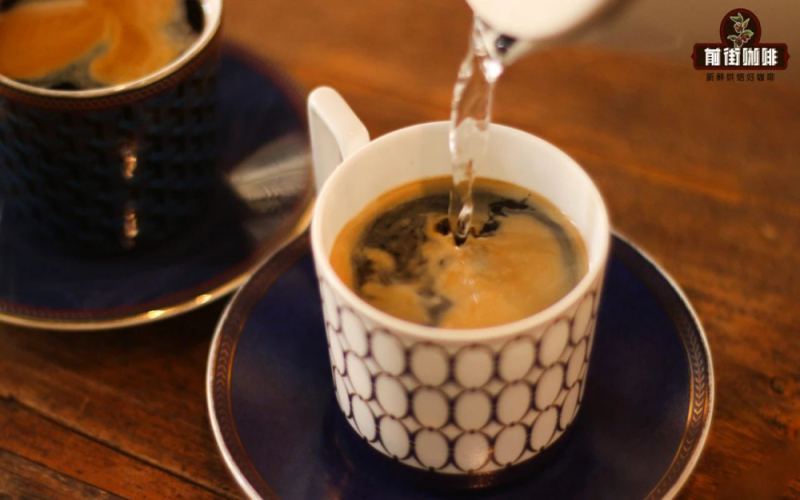
The Benefits of Black Coffee and How to Make It: A Flavor Guide from Americano to Latte
Original coffee is black coffee without sugar or milk, covering a variety of categories such as pour-over, cold brew, and Americano. Among these, Americano is made by diluting espresso with water and places high demands on bean quality and extraction technique. This article explains in detail the differences between Americano and latte, Front Street Coffee's brewing parameters, and how to choose suitable beans based on roast level to balance bitterness and acidity. It also explains the benefits of drinking black coffee in moderation, such as aiding digestion and cutting greasiness, reducing bloating, and boosting metabolism, while reminding readers that adding syrup or non-dairy creamer brings extra calories, and recommending no more than three cups per day. [more…]
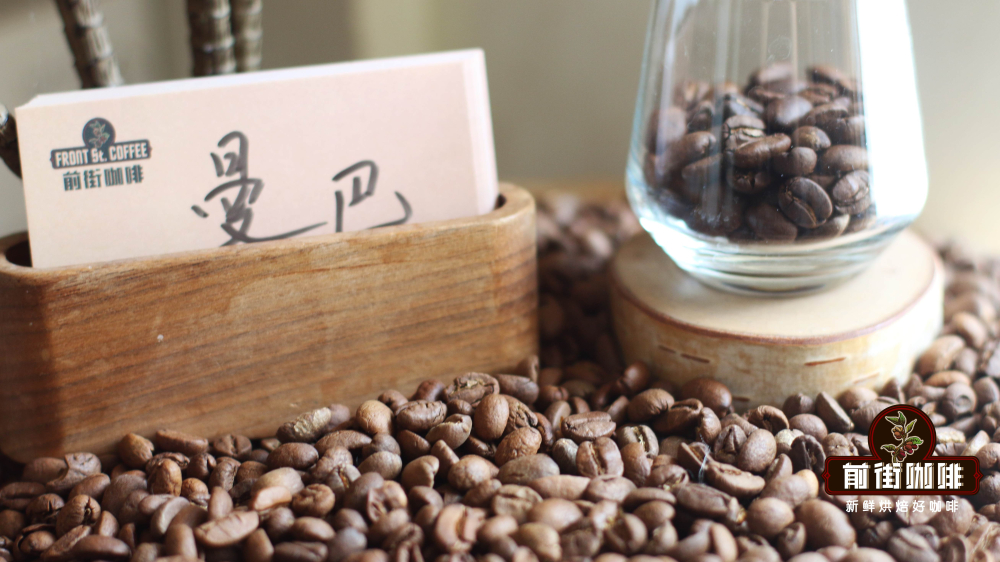
House Blend Coffee Beans Recommendation | Do Arabica Coffee Beans Determine the Flavor of Espresso Blends? How to Blend Espresso Beans and How to Choose Coffee Beans and What Is the Blending Ratio?
Front Street Coffee · The Art of Blending Coffee Beans and Espresso Blend Recipes Sharing. Blending coffee, also known as mixed coffee, is the practice of combining various single-origin coffee beans to fully bring out the strengths of each single-origin bean, blended beans. [more…]
Espresso Blend Coffee Bean Recommendations | What Is a Coffee Blend? Which Coffee-Producing Regions' Beans Are Suitable for Blending? Introduction to Espresso Blend Principles and Coffee Bean Variety Ratios
Front Street Coffee · The Art of Blending Coffee Beans and Sharing an Espresso Blend Recipe Blending coffee, also known as mixed coffee, is the practice of combining various single-origin coffee beans to fully bring out the strengths of each one. Blended beans [more…]
What Is Cantonese-Style Black Coffee? An Analysis of Its Differences from Americano and Pour-Over Black Coffee
In Guangdong, people call pure coffee with no milk and no sugar "zai coffee," which is what we usually call black coffee. This category of coffee covers Americano, pour-over, ice drip, cold brew, and pure coffee liquid obtained through various extraction methods such as the moka pot and French press. Among them, iced Americano, with its refreshing taste and low-calorie characteristics, has become a favorite for summer refreshment and for fitness enthusiasts. Starting from the definition, this article analyzes the similarities and differences between zai coffee, Americano, and pour-over, and shares how Front Street Coffee stores use their own blend beans to present a cup of well-balanced iced Americano, while also discussing the effects and precautions of drinking black coffee in moderation on health. [more…]

Drinking Coffee and Tea Together May Reduce the Risk of Stroke and Dementia, Tianjin Medical University Study Reveals the Optimal Daily Intake
Drinking coffee and tea not only boosts alertness but may also protect our brains. A new study from Tianjin Medical University, published in PLOS Medicine, based on long-term tracking data from more than 360,000 people in the UK Biobank, has for the first time revealed the link between coffee and tea intake and the risk of stroke and dementia. The study found that moderate daily consumption of coffee or tea, or a combination of both, can reduce the probability of stroke and dementia to the lowest level. However, excessive coffee consumption may instead increase the risk of dementia. So how much is best to drink each day? And how do coffee and tea exert their protective effects? This article will explain in detail the key findings of this study. [more…]
Does Iced Americano Count as Black Coffee? A Complete Guide to the Flavor Characteristics and Health Benefits of Black Coffee
In Cantonese, "斋啡" refers to black coffee, which is a pure coffee beverage without any additives. As one of the most popular black coffees, iced Americano has a sweet-and-sour, refreshing taste with a mild bitterness, making it highly favored by office workers and fitness enthusiasts. This article will provide a detailed analysis of the flavor characteristics of iced Americano, its differences from hot Americano, and the benefits of moderate black coffee consumption in aiding digestion, relieving greasiness, reducing bloating, and boosting metabolism. At the same time, Front Street Coffee will also share the extraction ratio and flavor performance of its own Sunflower Warm Sun blend beans, and remind everyone that Americanos with added syrup and non-dairy creamer will bring extra calories. [more…]

Five Cups of Coffee a Day Cause a Fracture in a 30-Year-Old Woman—Can Too Much Caffeine Really Lead to Osteoporosis?
Coffee has become an indispensable daily beverage for many office workers, with some even drinking several cups a day to stay alert. However, a recent news story has drawn widespread attention: a 30-year-old woman in Changsha, Hunan Province, who drank up to 5 cups of coffee a day, was diagnosed with osteoporosis and suffered a collarbone fracture from a minor fall. This raises the question of whether caffeine really causes calcium loss and osteoporosis. This article will review the incident, expert opinions, and online discussions, and, drawing on scientific research, explore the relationship between coffee and bone health to help coffee lovers take a more rational view of their daily drinking habits. [more…]

Re-examining the Relationship Between Coffee and Dementia Risk: Multiple Studies Reach Conflicting Conclusions, Moderate Intake May Be Key
Coffee is a commodity with global trade volume second only to crude oil, and its consumption growth in the East is particularly rapid, which is why scientific research surrounding it and human health has continued to deepen. Interestingly, the conclusions of related studies are not consistent: some have found that drinking coffee can slow cognitive decline, while others suggest that excessive consumption may shrink brain volume and increase dementia risk. This article reviews several representative cohort studies from around 2021, involving findings from Edith Cowan University in Australia, Tianjin Medical University, and the University of South Australia, attempting to clarify the complex associations between coffee intake and Alzheimer's disease and stroke, and to explore the relationship between the number of cups consumed daily and the safe upper limit of caffeine. [more…]
Flavor Analysis of Coffee from the Cusco Region of Peru: Varieties, Processing Methods, and Cupping Characteristics of the Andes
Cusco is located in southeastern Peru, where the coffee-growing belt stretches across the high Andes at elevations of roughly 900 to 2,000 meters. The region is known for its smallholder farmers practicing intensive cultivation, growing mainly varieties such as Caturra, Bourbon, and Typica. Red fruit, black plum, raisins, and rich chocolate make up its signature flavor profile, accompanied by a creamy, full body and moderate acidity. Travelers heading to Machu Picchu often pass through Cusco city, while the rugged mountains still hide secret farms that were not discovered until 1980. This article walks you through Cusco's growing environment, variety composition, harvest rhythm, and cupping performance, along with purchasing advice from Front Street Coffee. [more…]
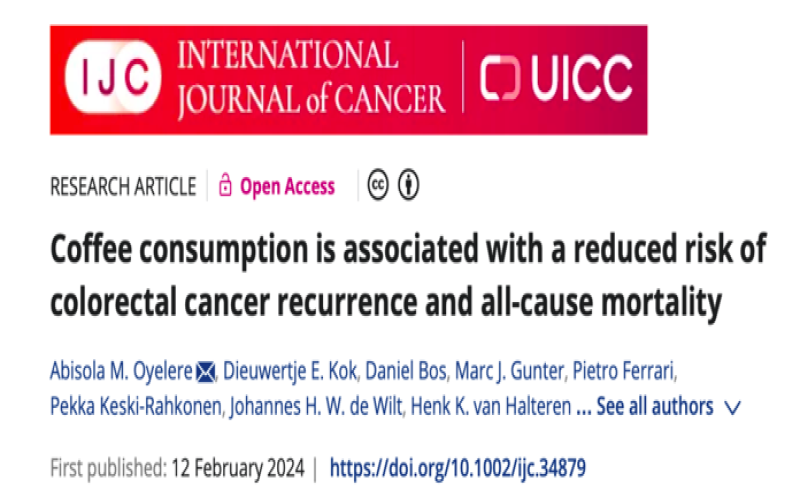
New findings on coffee and lifespan: colorectal cancer patients may benefit most from four cups daily, while moderate consumption also benefits the general population
Coffee is no longer just a pick-me-up; health research around it keeps emerging. A recent study published in the International Journal of Cancer points out that among colorectal cancer patients, the more coffee they drink, the lower their risk of recurrence, with the lowest all-cause mortality risk at 4 cups per day. Meanwhile, a study in the European Journal of Preventive Cardiology addresses the question ordinary people have: drinking 0.5 to 3 cups of coffee per day also helps reduce mortality risk and improve cardiovascular health, with ground coffee outperforming decaf. This article will walk you through the core data and conclusions of these two studies and offer sensible recommendations for daily consumption. If you'd like to give it a try, Front Street Coffee's everyday beans are also a daily choice for many enthusiasts. [more…]