







Search Results for: mellow with no acidity
Analysis of the Differences Between Japanese Charcoal-Roasted Coffee and Regular Coffee: The Bitter Secret of Deep Roasting and Pour-Over Techniques
Charcoal-roasted coffee is a deeply roasted coffee style originally created in Japan, known for its extreme bitterness, absence of acidity, and its toasty, sweet, and mellow character. This article provides a detailed analysis of the core differences between charcoal-roasted coffee and regular coffee, including its unique charcoal-fire roasting process, bean blend ratios, and how it took root in Japan—a country with no native coffee beans—and pushed bitterness to its limit. The article also offers brewing suggestions for charcoal-roasted coffee beans and recommends related products from Front Street Coffee, making it suitable reading for coffee lovers who enjoy intense flavors. [more…]
A Complete Analysis of Arabica Coffee Bean Flavors: From Sour, Bitter, Sweet, and Mellow to the Taste Profiles of Representative Varieties by Region
The world of coffee flavors is rich and diverse, with sourness, bitterness, sweetness, and body each having their representative bean varieties. This article systematically reviews the typical producing regions of Arabica coffee beans across different flavor profiles, and introduces one by one the taste characteristics and brewing suggestions for single-origin coffees such as East Timor, Ethiopia Limu and Harar, Indonesian Mandheling, and Peru. Whether you prefer bright fruity acidity or heavy, rich bitterness, you can find the cup that suits you here. Front Street Coffee will also draw on years of roasting experience to recommend beans worth trying. [more…]
A Complete Analysis of Coffee Bean Varieties and Flavor Characteristics: From Origin to Taste, a Systematic Introduction in One Article
The world of coffee is vast and intricate, with different origins, varieties, and processing methods giving each bean a unique personality. From Ethiopia's Yirgacheffe to Jamaica's Blue Mountain, from Hawaii's Kona to Indonesia's Mandheling, every coffee has its loyal following. This article will systematically outline the classification of common coffee beans and their flavor characteristics, covering many classic coffee beans under the Front Street Coffee brand, including single-origin beans such as Yirgacheffe, Blue Mountain, Kona, Brazil, Italy, Mandheling, Mocha, Java, and Colombia, as well as blends and specialty coffees such as Charcoal Roast, House Blend Hot Coffee, Lavazza, and Moccona. Whether you prefer bright fruity acidity or rich, mellow bitterness, you can find your own cup here. [more…]
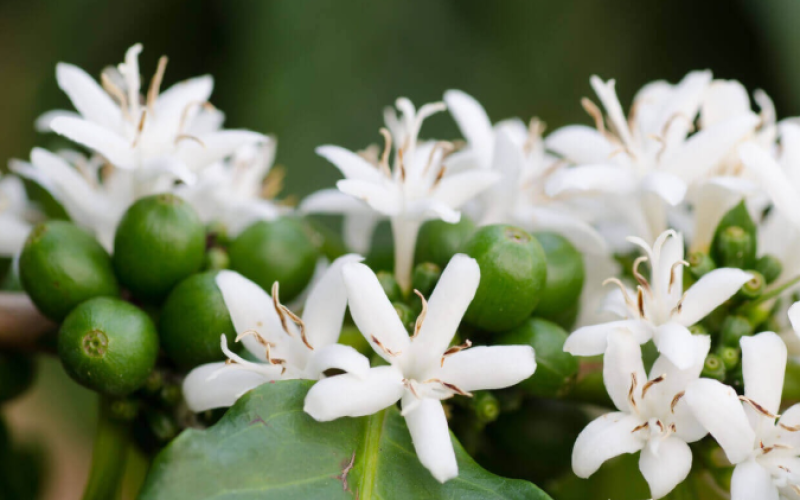
A Buying Guide for Moka Pot Coffee Beans with Gentle Acidity: Balancing Budget and Drinking Frequency
From bean to cup, a coffee still has to go through grinding and extraction. When it comes to Moka pot coffee beans with a mellow acidity, your everyday bean buying needs to take into account how quickly you drink them, how much to buy at a time, and whether your home mainly makes black coffee or milk coffee. First confirm your usual equipment and preferred taste, then compare specific bean options—the actual process will be [more…]
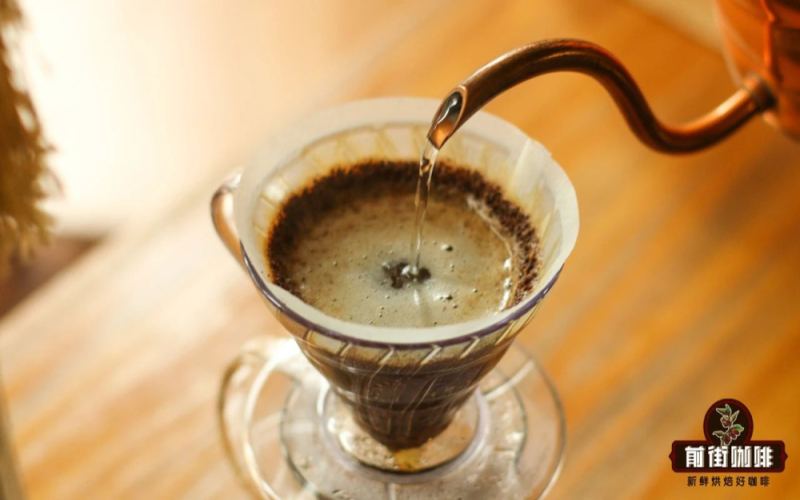
A Practical Guide for Beginners Selecting Coffee Beans: An Analysis of Seven Major Flavor Routes from Fresh Fruity Acidity to Rich and Full-Bodied
Friends who are just getting into specialty coffee often feel overwhelmed by a long list of beans with no idea where to start. Front Street Coffee has put together seven representative coffee beans, with flavors ranging from bright fruity acidity all the way to heavy, mellow bitterness, covering most mainstream taste preferences. Whether you favor floral and fruity notes, nutty and chocolatey tones, or are drawn to rich fermented flavors, you'll find a matching option in this roadmap. Each bean comes with a flavor description, the type of drinker it suits, and brewing suggestions, helping you avoid the cost of trial and error and quickly lock in the cup you'll love. [more…]
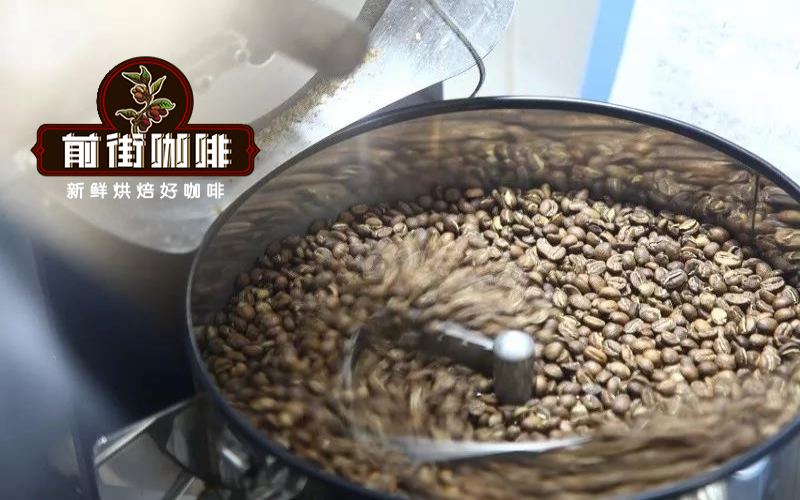
Flavor Analysis of Medium and Medium-Dark Roasted Coffee Beans: How to Choose Beans with Balanced Bitterness and Acidity, Mild and Mellow
The roast level of coffee beans directly determines the flavor profile in the cup. The medium and medium-dark roast ranges often deliver less bitterness and acidity with a mild, balanced body, making them the everyday choice for many coffee lovers. This article systematically breaks down the flavor characteristics and suitable applications of medium roast, medium-dark roast (City roast), medium roast, and dark roast, and recommends a range of representative beans from Front Street Coffee for each roast level, including Colombia Huila, Brazil Cerrado, and Golden Mandheling, to help you pinpoint the cup that suits you in pour-over, siphon, or blended recipes. [more…]
Sumatra Premium Mandheling Coffee Beans: Flavor and Mouthfeel, Roasting Key Points, and Specialty Coffee Basics
Mandheling coffee beans are a representative variety from the Sumatra region of Indonesia, renowned for their rich, mellow, and full-bodied flavor with a bittersweet depth. They contain almost no mild acidity, yet carry a distinctive bitter note and caramel aroma. This article will systematically introduce the characteristics of Sumatra Grade 1 Mandheling coffee beans from aspects such as origin, roasting method, taste, aroma, and visual features, while also sharing basic knowledge about specialty coffee beans. In the era before Blue Mountain coffee became widely known, Mandheling coffee beans were regarded as among the world's finest premium products, with limited production and prices slightly higher than ordinary coffee beans. Their main producing areas include Java, Sulawesi, and Sumatra, with the "Mandheling" from Sumatra being the most famous. Since Mandheling coffee beans have extremely low acidity, they are particularly suitable for long-term heat preservation or making iced coffee, as they are unlikely to develop an unpleasant sour or astringent taste. Front Street Coffee recommends that enthusiasts pay attention to the roasting level and brewing method to fully bring out their rich, mellow flavor. [more…]
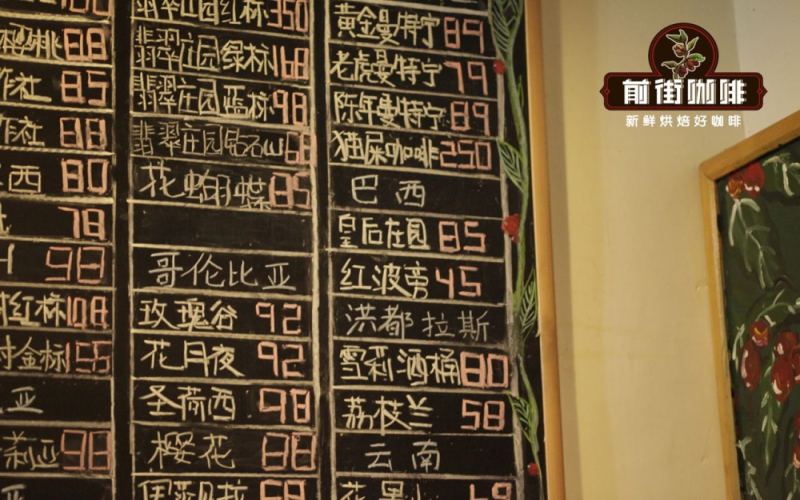
Analysis of Brazil's Main Coffee Varieties: Queen Estate Yellow Bourbon's Low-Acid Sweet Mellowness and Pour-Over Key Points
Brazilian coffee has always been known for its low acidity and mellow sweetness, unlike the bright floral and citrus acidity of African beans. Front Street Coffee often recommends a single-origin bean to friends who prefer bitter-toned coffee—the Brazil Queen's Estate Yellow Bourbon. This bean has a clear mouthfeel and a clean aftertaste. This article will start with the origin and evolution of the Bourbon variety, explain why Yellow Bourbon has won multiple awards at Brazil's COE competition, then move on to the terroir conditions of the Mogiana region and the details of the sun-dried processing at Queen's Estate, and finally share Front Street's complete pour-over recipe covering filter cup selection, grind size, water temperature, and pouring technique, to help you brew this bean's signature nutty, dark chocolate, and caramel sweetness. [more…]

Who is authentic Blue Mountain coffee suitable for? Front Street Blue Mountain No. 1 washed vs. natural brewing comparison and key points for identification
Blue Mountain coffee has long been famous for its clean, balanced, and mellow flavor, but not everyone clearly understands what kind of drinker it actually suits, nor the difference between authentic Blue Mountain and the common "Blue Mountain flavor" found on the market. This article starts with Front Street Jamaica · Blue Mountain No. 1 coffee beans, sorting out the Blue Mountain producing region, Clifton Estate, and grade classifications, comparing the brewing flavor differences between the washed and natural processing methods, and providing a plan for water temperature, grinding, and pouring under the KONO dripper. At the same time, the article will also explain how to identify true Blue Mountain with the help of key points such as CIB-designated exports, barrel-packed green beans, and Rainforest Alliance certification, and further introduce recent changes such as Blue Mountain Geisha, helping coffee lovers gain a more complete understanding of the value of Blue Mountain coffee and how to drink it. [more…]
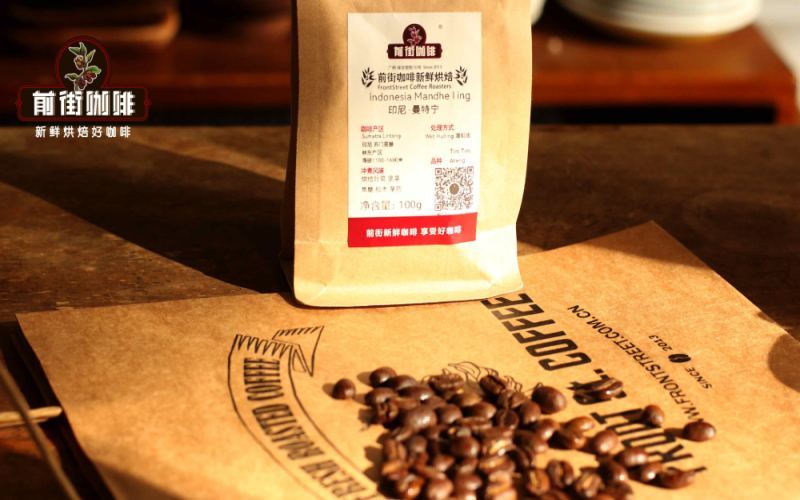
The Origins and Flavor Profile of Mandheling Coffee: From Sumatra to Front Street Coffee PWN Golden Mandheling
Mandheling is a representative of Asian coffee, and with its mellow, smooth, low-acidity flavor, it has become the top choice for coffee lovers who dislike sourness. It originates from the Indonesian island of Sumatra, a land traversed by the Barisan Mountains that nurtures Arabica coffee with notes of herbs and forest agarwood. Front Street Mandheling, as an entry-level bean, lets people experience a bold mouthfeel, while Front Street PWN Golden Mandheling becomes a specialty choice with a cleaner, mellower quality. This article tells the origin story and flavor characteristics of Mandheling, explains PWN's strict standards for Golden Mandheling, and introduces product information and various brewing methods for Front Street PWN Golden Mandheling. [more…]
Global Coffee Cultivation Map Analysis: A Comprehensive Overview of Flavor Characteristics and Representative Bean Varieties from the Four Major Producing Regions
Coffee enthusiasts often ask: where in the world is coffee grown? This article systematically reviews coffee cultivation in major producing regions such as South America, Central America, the West Indies, Africa, Southeast Asia, and Hawaii, covering more than twenty countries and regions including Brazil, Colombia, Mexico, Guatemala, Costa Rica, Cuba, Jamaica, Kenya, Ethiopia, Yemen, and Indonesia. From production scale to flavor characteristics, from grade classification to optimal roast level, it explains in detail the unique qualities of coffee from each place. Whether you are a beginner or a seasoned enthusiast, this producing-region guide can help you more clearly understand the diversity of the coffee world. Front Street Coffee has also compiled representative bean varieties from each producing region for you, making it easy to compare and choose. [more…]
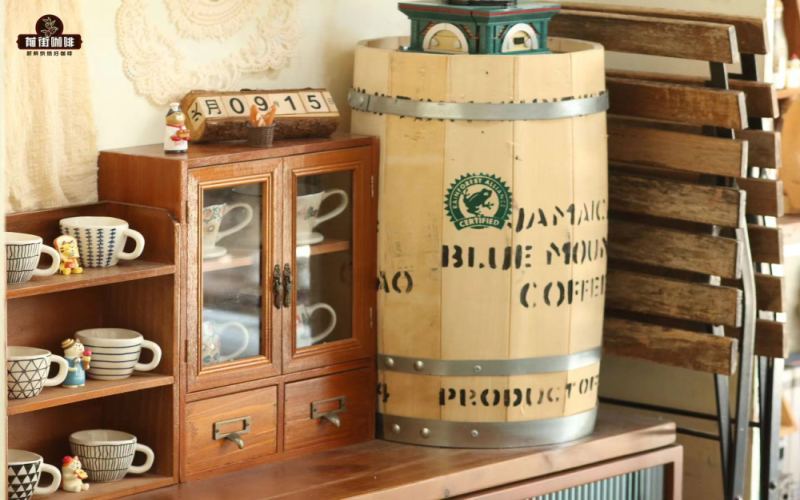
How to choose the roast level for pour-over coffee? How to brew Blue Mountain No. 1 coffee beans for a rich, mellow taste without bitterness
Those just starting to explore pour-over coffee often feel at a loss when faced with the wide variety of coffee beans. Front Street Coffee is often asked: what roast level should you actually choose for pour-over? In fact, the roast level directly determines the direction of acidity, bitterness, and sweetness—light roasts lean toward floral and fruity acidity, medium roasts present soft fruit acidity with caramel sweetness, and dark roasts move toward a mellow bitterness like dark chocolate. Besides flavor differences, the roast level also affects bean density and water absorption, which in turn influences the settings for water temperature and grind size. Based on Front Street Coffee's roasting and cupping experience, this article sorts out brewing strategies for different roast levels and breaks down in detail the extraction method for Jamaica Clifton Mount Estate Blue Mountain No. 1, helping everyone brew a balanced, easy-drinking cup of good coffee that is neither bitter nor astringent. [more…]
Which coffee beans are not sour and have a prominent sweet aftertaste? An analysis of the rich mouthfeel and lasting finish brought by deep roasting
Many people pursue a coffee experience that is not sour, but mellow and with a long-lasting sweet aftertaste, and dark roasting happens to satisfy this need. This article starts with the concept of coffee aftertaste, sorts out the difference between sweet aftertaste and sweetness, explains why light-roasted beans have a shorter aftertaste while dark-roasted beans have a more prominent sweet aftertaste, and recommends four coffee beans with obvious sweet aftertaste: Front Street PWN Golden Mandheling, Front Street Brazil Queen Estate, Front Street PNG Bird of Paradise, and Front Street Jamaica Blue Mountain No. 1, explaining one by one their roast level, flavor performance, and sweet-aftertaste characteristics, to help you find the cup that suits your taste. [more…]

2026 Arabica Coffee Bestseller Roundup | How should beginners choose coffee beans? Which single-origin beans are rich in fruity aroma, and which pour-over beans are mellow with no acidity?
Whether coffee tastes good or not, professional baristas can use a scoring sheet to judge, but for us ordinary consumers, how good coffee tastes depends more on trying it ourselves. Unfortunately, there are so many types of coffee beans on the market that any keyword can pop up thousands of products, so it is easy to get dazzled. If you don't want to spend [more…]
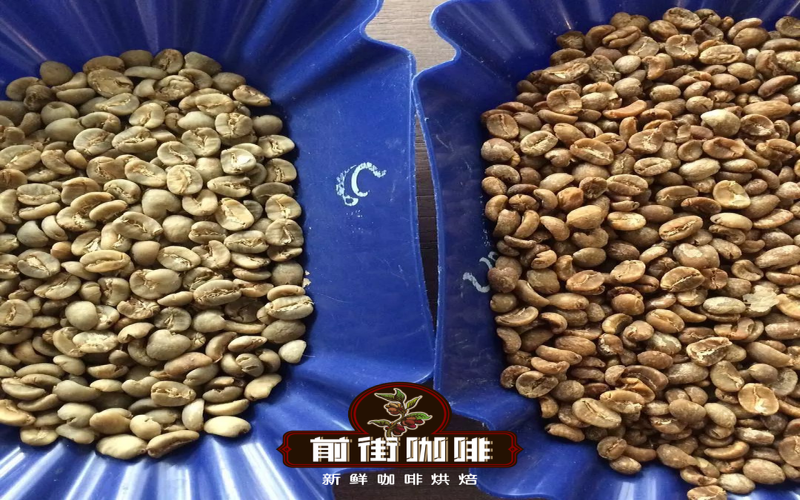
What Exactly Is Aged Coffee? Exploring Green Bean Aging and Flavor Changes Through Sumatra Aged Mandheling
Aged coffee is not simply letting green beans sit until they expire; rather, it is an aging process that demands strict monitoring. This article will introduce you to the processing logic behind aged beans, with a focus on Sumatra Mandheling, the most representative coffee from Asia, covering its origin background, flavor characteristics, and collectible significance. It will also explain the 24-month resting and aging process of Aged Mandheling, as well as Front Street Coffee's roasting and brewing recommendations for this bean—from choosing the KONO dripper to extracting at a low water temperature of 86-88°C—to help you more fully understand why Aged Mandheling is so mellow and captivating. [more…]
The Difference Between Single-Origin Coffee and Blended Coffee: A Comprehensive Analysis of Types, Blending Methods, and Flavor Characteristics
For coffee enthusiasts, understanding the difference between single-origin coffee and blended coffee is an important step in exploring the world of coffee. Single-origin coffee centers on beans from a single origin, emphasizing the unique character of regional flavors; blended coffee, through the skillful blending of multiple beans, pursues balance and complexity in taste. This article systematically sorts out the definitions, representative types, blending ratios, and flavor characteristics of the two, from Blue Mountain and Colombia to Mandheling, from cappuccino to mocha, helping readers comprehensively master knowledge of coffee classification. At the same time, the article also specially recommends related products from Front Street Coffee, providing professional reference for your coffee purchases. [more…]
Flavor characteristics, authenticity identification methods, and pour-over parameters of Jamaican Blue Mountain coffee beans
Blue Mountain coffee is renowned for its balanced profile of sweetness, acidity, and bitterness, with a rich, mellow body, almost no bitterness, and only a slight tang. It is grown in Jamaica's Blue Mountain range at elevations between 910 and 1,700 meters, and the variety is Typica. Thanks to volcanic soil, a humid and foggy climate, and the large day-night temperature difference at high altitude, it develops a clean, subtly fragrant character. To buy authentic Blue Mountain coffee, look for the Jamaican government export certificate and wooden barrel packaging; coffee grown below 910 meters can only be called Jamaica High Mountain coffee or Jamaica Prime coffee. Front Street Coffee recommends brewing it by pour-over, and shares a specific extraction plan using a KONO dripper, 88 to 89 degrees Celsius, and a medium-coarse grind. [more…]

Don't like acidity or bitterness? These four Front Street Coffee pour-over beans are balanced, mellow, and easy to brew
In today's world of increasingly diverse coffee flavors, some people are obsessed with light-roasted beans with bright fruity acidity, while others prefer dark-roasted beans with a rich, sweet aftertaste. But there are still plenty of enthusiasts who just want a cup of coffee that is neither sour nor bitter—balanced and easy to drink. Front Street Coffee has selected four pour-over coffee beans from its extensive bean lineup that suit this kind of preference, covering origins such as Brazil, Costa Rica, and Papua New Guinea. All are medium roasts, brewing-friendly, with flavors dominated by nuts, chocolate, caramel, and cream, balancing sweetness and a sweet aftertaste. Whether you are a beginner just getting into pour-over or a seasoned connoisseur looking for an everyday staple, you can find that cup that is neither sour nor bitter, rich and easy to drink. [more…]
A Complete Analysis of Blue Mountain Coffee's Acidity and Blending: From Grade Classification to Front Street No. 1's Brewing and Milk-Adding Guide
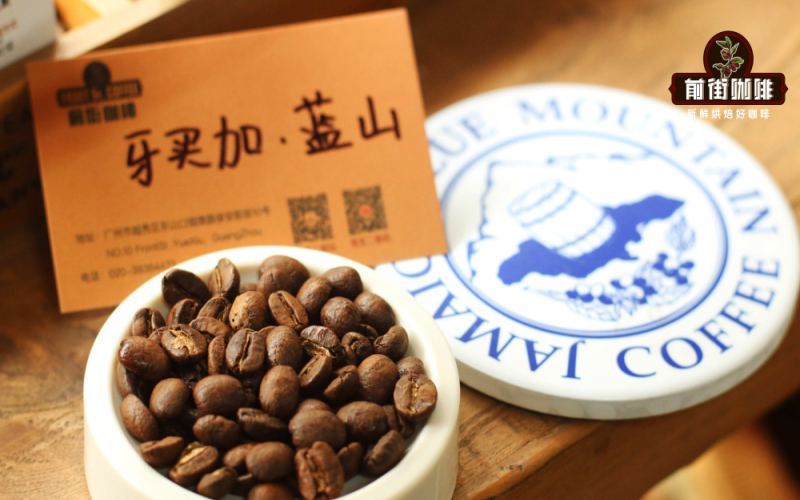
Jamaican Blue Mountain coffee has long been celebrated for its balanced, mellow character, full body, and sweet finish, yet many enthusiasts still have questions about its acidity and how best to drink it. Starting from Blue Mountain's historical origins, the definition of its growing region, and the CIB grading standards, this article explains in detail the specifications, processing flow, and roasting key points of authentic Blue Mountain No. 1, and also brings you the pour-over parameters and extraction techniques for Front Street Coffee's Clifton Estate Blue Mountain No. 1. At the same time, it answers a common question: is Blue Mountain black coffee suitable for adding sugar and milk? Whether you are pursuing an original-taste tasting experience or prefer the mellow mouthfeel of milk-blended coffee, this content can provide clear reference and practical suggestions. [more…]
Front Street Jamaican Blue Mountain No. 1 Coffee: Flavor Interpretation of Typica Variety, Washed Processing, and CIB Roasting Standards
Front Street Jamaica Blue Mountain No. 1 coffee is renowned for its nutty notes reminiscent of dark chocolate, low acidity, and a smooth, mellow, aromatic cup. Behind this unique sensory profile lies a clear logic of variety, processing, and roasting. The core variety of Jamaica Blue Mountain is traditional Typica, which, thanks to the geographical advantages of the island, has escaped the ravages of leaf rust and preserved the authentic Typica dark chocolate flavor; fully washed processing brings a delicate and smooth texture; the Jamaica Coffee Industry Board (CIB) has strict regulations on roasting degree and procedures, ensuring its classic medium-roast style. This article will analyze the causes of its flavor from three dimensions—the variety origin, processing method, and roasting requirements of Front Street Blue Mountain coffee—while retaining relevant product information for the Front Street brand. [more…]