







Search Results for: impression
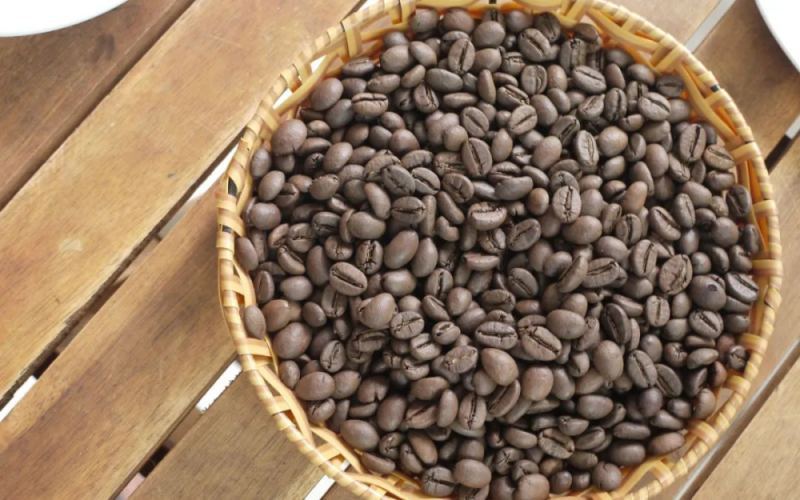
The Specialty Coffee World Reexamines Robusta: Can High-Altitude Cultivation and Anaerobic Processing Rewrite Entrenched Impressions?
For a long time, Robusta coffee beans have been largely neglected in the specialty coffee world, often associated with low altitudes, extensive farming, and bitter flavors. However, over the past two years, this situation has been quietly changing. From a World Barista Championship competitor using high-altitude Vietnamese Robusta blended with Geisha to place fourth, to more and more specialty coffee shops incorporating it into espresso blends or even launching single-origin anaerobic natural products, Robusta is returning to the industry's spotlight with a brand-new image. Climate change poses severe challenges to Arabica cultivation, while Robusta, with its strong environmental adaptability—combined with producers cultivating and processing it to specialty Arabica standards—reveals surprising flavor layers such as barley tea, nuts, caramel, and even fermented fruit notes on a base of high body and low acidity. This article will explore in depth the reasons behind this trend, the details of processing methods, and whether Robusta can truly shed its old label and win renewed recognition from coffee enthusiasts. [more…]
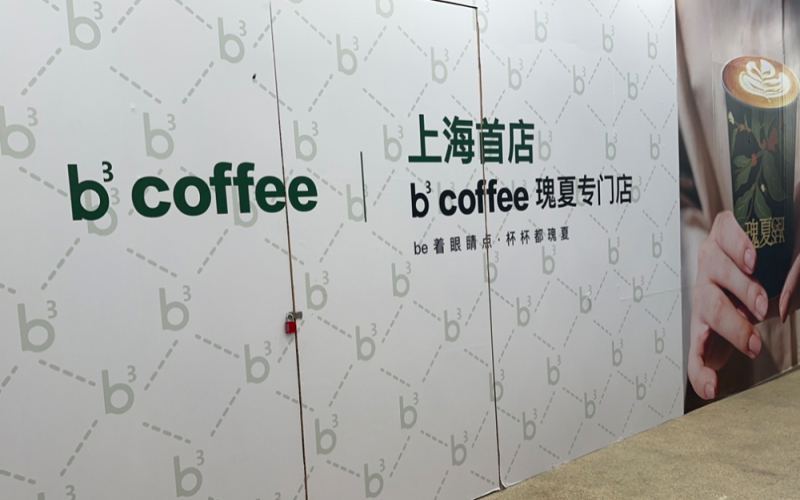
A new Shanghai shop named "b³ Coffee" sparks dialect controversy, mired in negative word-of-mouth before even opening
A yet-to-open Shanghai coffee shop has sparked heated discussion because its name, "b³ Coffee," sounds like "biesan" (a local slang term for a vagrant or good-for-nothing) in the local dialect. Netizens have been poking fun at it, and some say they won't patronize it because of the name. The brand marking itself as "必三咖啡" on a third-party platform has further escalated the controversy. Although the name brings traffic, it also leaves a negative first impression on consumers. This article reviews the whole incident, discusses the importance of businesses adapting to local customs, and includes related recommendations from Front Street Coffee. [more…]
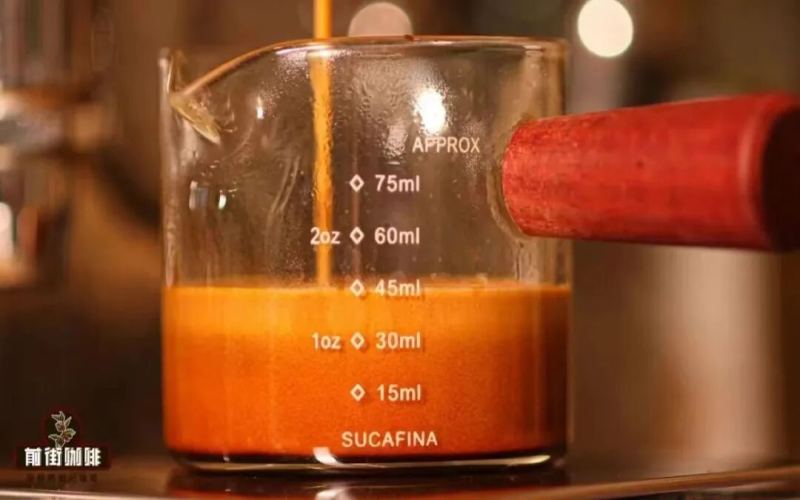
Single-Origin Espresso | Why Are SOE Coffee Beans So Popular? Which Is Better: SOE Coffee Beans or Blend Beans? What Should You Watch Out for When Buying SOE Coffee Beans?
In recent years, many coffee shops have introduced SOE coffee. Even quite a few friends who come to Front Street's store ask as soon as they walk in whether SOE is available here. So Front Street will briefly analyze why SOE has become popular. SOE (single origin espresso) means single-origin espresso. [more…]
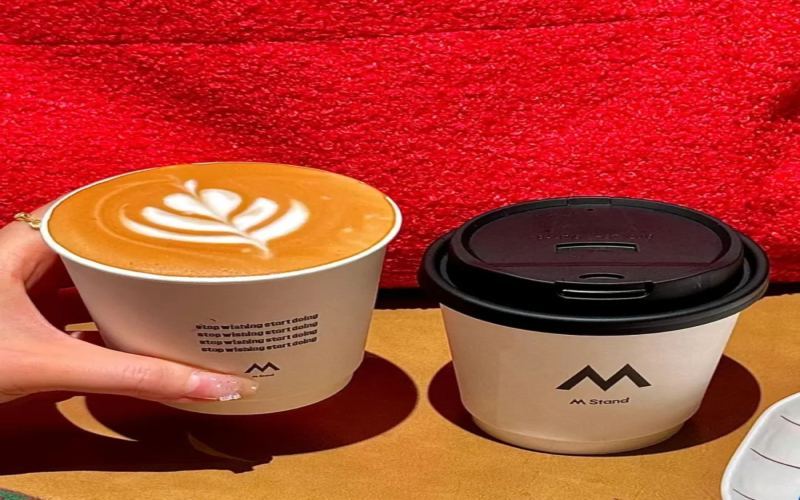
Mstand launches Beetroot Apple Americano and Latte for the New Year, sparking polarized consumer reactions to the fruit-and-veg coffee combo
At the start of 2025, Mstand continued its merchandise marketing strategy, launching a red teddy fleece tote bag to entice consumers to order their first coffee of the New Year, while also introducing two fruit-and-vegetable-concept drinks: Beet Apple Hot Americano and Beet Latte. The company claims the drinks have a balanced sweet-and-sour taste with beet fruit-and-vegetable flavors, but consumer reviews are sharply divided: some find the pairing of the apple's crisp sweetness and beet aroma with mellow coffee impressive, while more people bluntly say it tastes like cough syrup or fruit-flavored essence, with the beet's earthy note difficult to blend with coffee. In addition, loyal users expressed disappointment with the brand's new product development direction, believing its focus has shifted from specialty coffee to merchandise marketing. Front Street Coffee reminds that fruit-and-vegetable coffee innovation needs to balance flavor integration with mass acceptance. [more…]
Gu Ji Ana Sora Dorothy Coffee Beans: Enzymatic Washed Process and Peach Oolong Flavor Analysis
Ethiopia, as the birthplace of coffee, has nurtured many stunning regions and flavors. Among them, the Guji region, after gaining independence from Sidamo in 2010, rose rapidly with champion beans such as Huakui and Huaxu, becoming a focal point in the specialty coffee world. The "Dorothy" recently launched by Front Street Coffee comes from the Anasora Estate in the Guji region, using an enzyme-washed processing method, presenting rich notes of white peach, jasmine, and oolong tea. This article will provide an in-depth analysis of this coffee's regional background, estate story, processing techniques, and brewing parameters, offering a comprehensive understanding of this peach oolong-flavored coffee that overturns the traditional Ethiopian impression. [more…]
A Comprehensive Analysis of the Specialty Coffee Scoring System: COE and SCA Cupping Protocols, Scoring Rules, and Grading Standards
Whether a cup of coffee can be crowned with the name "specialty" is by no means decided by cupping alone. From the origin of the green beans, screening and processing, to roasting and brewing, every stage requires careful control, so that the flavor in the cup ultimately presented can reflect the characteristics and cultural heritage of the producing country. This article will systematically sort out the two major cupping scoring systems, COE and SCA, and break down one by one the points to note for each scoring element, including cleanliness, sweetness, acidity, body, flavor, aftertaste, and balance, as well as explain in detail the defect scoring rules and grading standards. Front Street will also draw on years of quality control experience to help you use evaluation grades as a reliable reference for judging specialty coffee when purchasing coffee. [more…]

From Visuals to Emotions: An In-Depth Interpretation of Coffee Packaging Design Trends and Creative Cases
In today's world, where consumer decisions increasingly rely on visual perception, packaging design has become a key touchpoint for brands to establish a first impression with customers. Excellent coffee packaging must not only possess strategic thinking but also integrate popular aesthetics, allowing the target audience to develop recognition and emotional resonance. This article examines representative coffee packaging cases from multiple dimensions, including character imagery, hand-drawn illustrations, gift coffee, can design, and takeaway paper bags and cups, exploring how different design approaches convey functional features and brand philosophy, and revealing current trends in coffee packaging. [more…]
Tanzania Chagga AAA Ruvuma Region Coffee Flavor Analysis and Front Street Brewing Guide
Tanzania is an important specialty coffee-producing country in East Africa, and its Chagga AAA-grade coffee is known for its plump beans and rich aroma. This article focuses on the Chagga AAA produced in the Ruvuma region, analyzing its performance from emerald-green raw beans to the flavor in the cup. The article reviews the historical changes, grading system, and sales model of Tanzania's coffee industry, and provides a detailed record of Front Street Coffee's three-stage brewing analysis and flavor description of this bean. Whether it is the apple and grape fruitiness with the tartness of hawthorn and plum under a light roast, or the dark chocolate and caramel sweetness after a heavy roast, both point to a common impression—prominent sweetness, mild acidity, and a smooth mouthfeel. It is suitable as a reference for enthusiasts who are just beginning to explore acidic coffee. [more…]
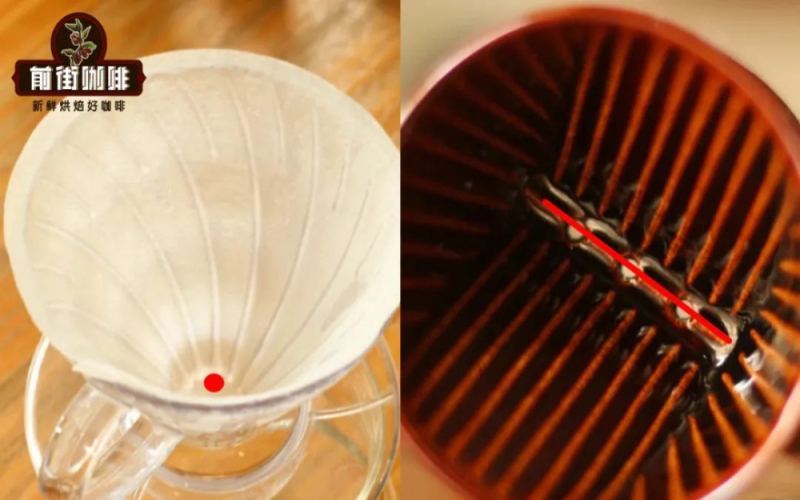
Flavor Characteristics and Key Operational Points of Flat-Bottom Dripper Coffee Brewing: From Structural Principles to Front Street Coffee's Practices with the Sidra Variety
Flat-bottom drippers have gradually drawn attention in the pour-over field in recent years. The extraction performance brought by their flat bottom and special flow-guiding structure differs noticeably from common conical drippers. This article starts with the background of the birth of the Kalita Wave, sorting out the design origins of flat-bottom drippers, the distribution characteristics of their flow-guiding ribs, and their influence on water flow paths, then compares them with the extraction logic of conical drippers such as the V60. After that, using Front Street Coffee's Colombia·Frontera Chiroso as an example, it shares a three-pour brewing recipe suited to flat-bottom drippers, recording the actual brewing time and tasting impressions to help coffee enthusiasts understand the unique aspects of flat-bottom drippers in flavor presentation. [more…]
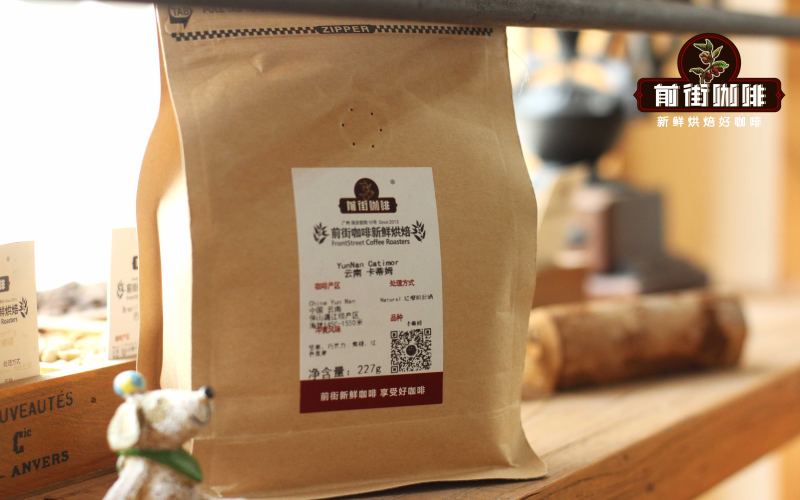
Yunnan Small-Bean Coffee Flavor Analysis: From Catimor to Typica, Regional Characteristics and Brewing Suggestions
Yunnan small-bean coffee has frequently appeared in international competitions and flavor evaluations in recent years, achieving impressive results and accelerating the growth of China's coffee industry. What exactly does Yunnan small-bean coffee refer to? What are its growing regions, main varieties, and flavor characteristics? This article will start with the varietal differences between Arabica and Robusta, outline the natural conditions of core production areas such as Lincang and Baoshan, review the history of Catimor's introduction, and introduce Front Street Coffee's research practice of growing Typica in Yunnan. Finally, it includes recommendations for three Front Street Yunnan coffee beans along with specific brewing parameters to help coffee enthusiasts gain a more complete understanding of the charm of Yunnan coffee. [more…]

Decoding the Flavors of Coffee's Three Major Producing Regions: Representative Beans from Africa, Latin America, and Asia, Plus Front Street Coffee's Curated Recommendations
Global coffee cultivation is concentrated in the Coffee Belt between 15 and 25 degrees north and south latitude, covering more than 50 countries and forming three major producing regions: Africa, Latin America, and Asia. Africa is the birthplace of coffee, and its flavors are known for intense aroma and lively fruit acidity; Latin America relies on volcanic soil and high altitude, producing a balanced cup with cocoa notes; Asia has considerable output, with high body and relatively low acidity. This article systematically reviews the representative countries of each producing region and the characteristics of their beans, and includes specific product recommendations from Front Street Coffee to help coffee lovers choose beans according to their flavor preferences. [more…]
Yirgacheffe SOE | What is SOE coffee? Does SOE refer to single-origin beans? What are the differences in taste characteristics between SOE beans and blended coffee beans?
In recent years, SOE coffee has become especially popular. Basically, newly opened small community coffee shops will be equipped with more than two espresso grinders: one filled with traditional-flavor coffee beans (usually a blend), and the other loaded with SOE coffee beans. SOE is generally seen as an advanced version of traditional (blended) coffee beans, and requires an additional [more…]
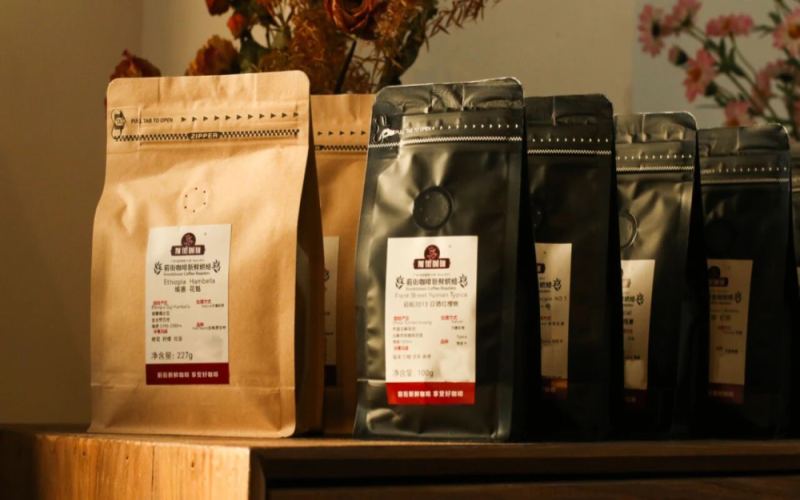
Factors Influencing Coffee Flavor | Why Do Coffee Beans Have Fruity Flavors? Recommended Specialty Pour-Over Coffee Beans with Pronounced Sweetness and Rich Fruity Aromas
Front Street Coffee - Introduction to the Floral and Fruity Aromas of Coffee Beans. The main factors affecting coffee flavor are the following four, and below we will explain from the four aspects of variety, origin, processing method, and roast level how to choose the coffee beans that suit you. Why does coffee have fruity notes? The reason coffee smells (and tastes) "fruity" ultimately comes down [more…]
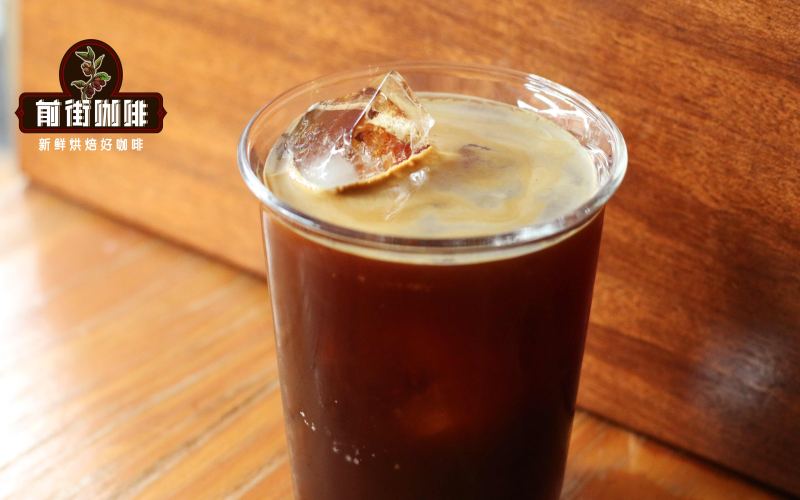
How Is SOE Coffee Different from Single-Origin Beans? An Analysis of Espresso Bean Selection Logic and the Reasons for the Price Premium
When ordering an Americano or latte at a coffee shop, you will often be asked by the staff whether you want to swap in SOE coffee beans for an extra few yuan. What exactly is SOE? How does it relate to single-origin beans and blend beans? This article starts from the definition of SOE, traces its historical roots with blended coffee, explains why SOE is often regarded as the more premium choice, and unpacks the cost logic behind its surcharge. It will also introduce the characteristics of Front Street Coffee's classic espresso blend, helping enthusiasts understand that SOE and blends are not absolutely superior or inferior to each other—the difference lies only in the purpose of use and the pursuit of flavor. [more…]
Yirgacheffe Kochere Estate Coffee Flavor and Grading System Analysis: The Lemon Notes and Origin Story of Washed G2
Yirgacheffe is one of Ethiopia's most iconic coffee regions, impressive for its complex aromas and outstanding flavor. This article starts with its flavor characteristics, describing in detail the dry and wet aroma performance of Front Street Yirgacheffe, and analyzing its unique grading system—which is not based on screen size, but on the proportion of defective beans. It also introduces specific information about Front Street's Kochere Estate washed G2, including roast level, processing method, altitude, and bean size, while tracing the history and business model of coffee cultivation in this region. The article also shares the shop's experience of searching for G1-grade Yirgacheffe, as well as micro-lot G1 Yirgacheffe recommended by professional overseas tasting websites. [more…]
How to Properly Taste Indonesian Mandheling Coffee? A Comprehensive Analysis of Brewing Parameters and Flavor Characteristics
Mandheling is the first impression many people have when they encounter single-origin coffee—full-bodied, slightly bitter, carrying aromas of nuts and chocolate, with low acidity yet not entirely without it. Behind this lies an inseparable connection to Indonesia's unique wet-hulling processing method. This article will start from a tasting of Front Street Mandheling, sorting through Indonesia's coffee history, geographical and climatic conditions, and the flavor origins of Mandheling, while also introducing the correct way to drink it, helping coffee enthusiasts gain a more complete understanding of this classic bean. [more…]

Luckin partners with JoJo's Stone Ocean to launch a collaborative new product, a look back at recent cross-industry collaborations by coffee and tea beverage brands.
Luckin Coffee officially announced on September 23 a collaboration with *JoJo's Bizarre Adventure: Stone Ocean* for October, launching themed events across its nationwide stores. This is not Luckin's first crossover; previous partnerships with Coconut Palm and EDG both sparked heated discussion. Looking across the coffee and tea beverage sector, Manner's collaborations with Helena Rubinstein and LV, Heytea's tie-in with *A Dream of Splendor*, and Nayuki's partnership with *Love Between Fairy and Devil*—brand co-branding has become an important strategy for breaking fixed impressions and achieving customer base complementarity. This article reviews several recent typical cases and includes Front Street Coffee's professional communication channels for coffee enthusiasts to gain deeper insight into industry trends. [more…]
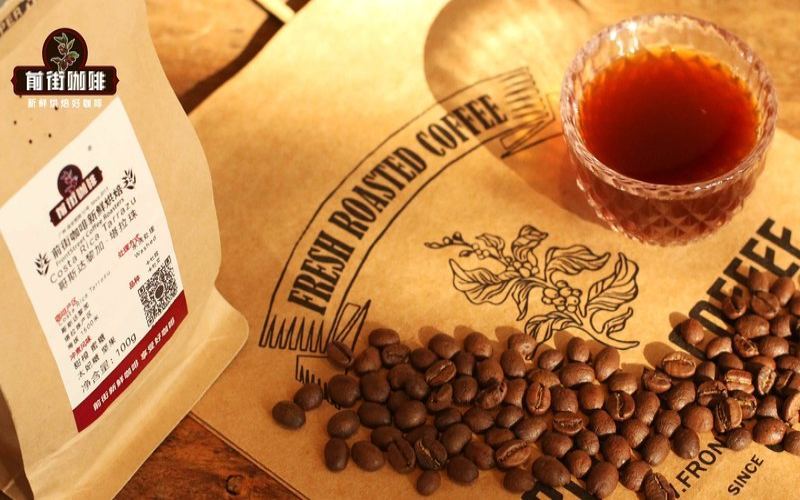
SOE: Dark Roast or Light Roast Beans—Balancing Budget and Drinking Frequency
To understand SOE coffee beans at different roast levels, you need to translate flavor descriptions into sensations you can actually taste. For everyday bean buying, you need to consider how quickly you'll drink them, how much to buy at once, and whether you mainly make black coffee or milk coffee at home. Floral, fruity acidity, nutty, and cocoa notes are not a matter of better or worse, but of different directions—the one that suits you is the right one. [more…]
Dark Roast Coffee Beans: Balancing Budget and Drinking Frequency
Dark roast coffee beans reveal different facets depending on the brewing method. When buying beans for daily use, you need to consider how quickly you'll go through them, how much to buy at a time, and whether your household mainly drinks black coffee or milk coffee. Pour-over easily brings out the aroma, a coffee machine emphasizes intensity, and a moka pot amplifies the rich, full-bodied feel, so when choosing beans you should first decide which method you use most often. [more…]
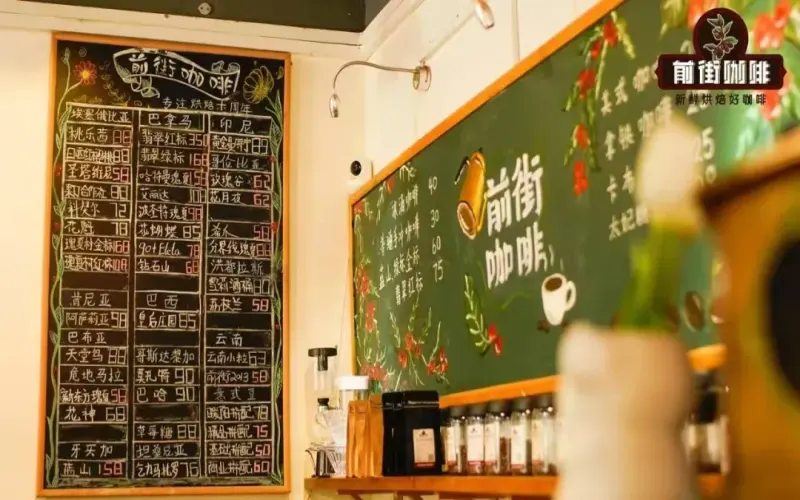
Does a higher number of coffee beans in a blend mean better quality? Analyzing the blending logic and experimental verification of mixed coffee
Many friends who are just getting into coffee have a question: which is actually better, blended coffee or single-origin coffee? Does using more types of beans in a blend make it more impressive? Because some merchants heavily promote blends of four or even more types, many beginners mistakenly believe that the number of bean varieties in a blend is directly tied to its quality. In fact, the core of blended coffee lies in the complementary characteristics and proportional adjustment among the beans, not simply piling up varieties. In this article, Front Street will systematically explain what blended coffee is, what problems it can solve that single-origin beans find hard to achieve, and, through a brewing experiment using more than thirty kinds of coffee beans, intuitively demonstrate why more beans in a blend is not necessarily better, as well as why merchants generally keep blends to 2~5 types at present. [more…]