In recent years, many coffee shops have launched SOE coffee, and even quite a few friends who come to the Front Street store ask as soon as they walk in whether SOE is available here. So Front Street will now take a brief look at why SOE has become popular.
SOE (single origin espresso) means single-origin espresso. Put simply, SOE is espresso made with single-origin beans, and its counterpart is blended coffee beans. That is indeed the explanation of the term. But usually when an unconventional thing emerges, it is often not as simple as its literal meaning. The appearance of this term seems more like a way of drawing a line between itself and the old."Front Street has also previously explained that the definition of SOE only distinguishes Italian-style single-origin from Italian-style blends, and there is no distinction of better or worse. What affects whether coffee flavor is good or bad is the quality of the coffee. Simply put, single-origin and specialty are never necessarily tied together; it is just that in most cases, the coffee presented to the public has both attributes."When the concept of single-origin coffee spread through pour-over-based drip coffee, the flavors became rich and varied. It cannot be denied that the original purpose of proposing single-origin coffee (by origin) was to make coffee more specialty, and on this point, single-origin coffee has indeed performed very well.
"Here we can introduce a concept: single-origin coffee means that separation has already been made at the place of origin, ensuring that high-quality coffee is kept separate, while rejected coffee beans are handled separately. This corresponds to not making subdivisions by small origin and instead mixing them directly as a commodity. Blended coffee mostly refers to roasters artificially re-blending, using single-origin beans from several regions to blend an ideal recipe."
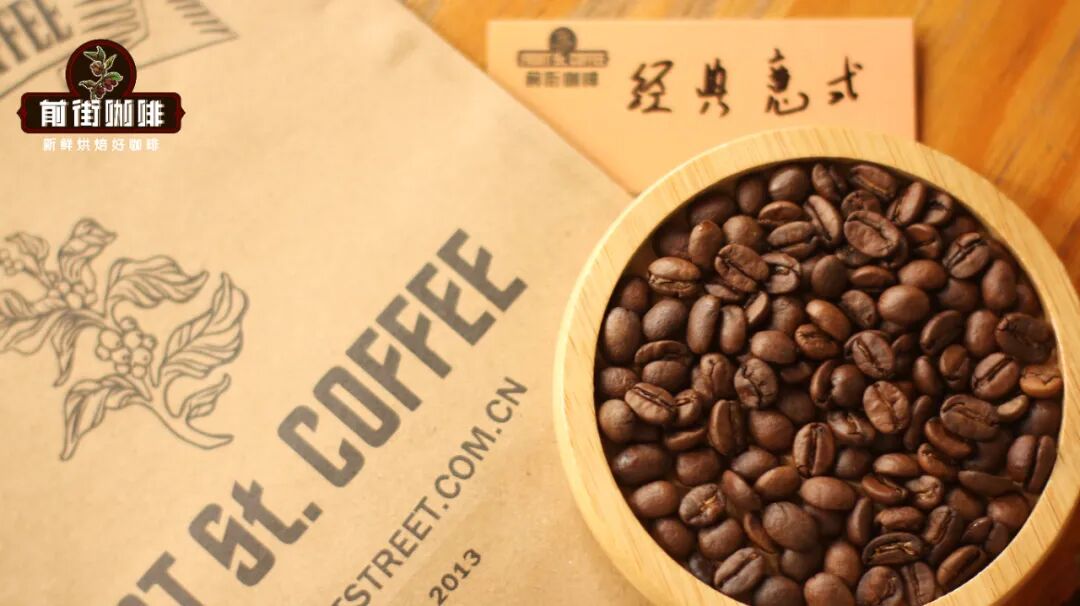
For example, to present thick, viscous crema, Front Street's classic Italian-style blend uses a combination of single-origin Indonesian Mandheling, single-origin Brazilian Cerrado, and Vietnamese washed beans. The extracted espresso carries rich aromas of cocoa, caramel, and chocolate.
According to the relatedsurvey on the main factors for which Chinese coffee consumers drink coffee, the top three arerefreshing oneself, liking the taste of coffee, and enjoying the atmosphere and service of coffee shops, while lifestyle habits account for only 18.9%. In other words, China's coffee consumption habits are not yet part of daily life, and functionality and coffee taste remain the mainstream. The consumer market for Italian-style coffee is still dominant.
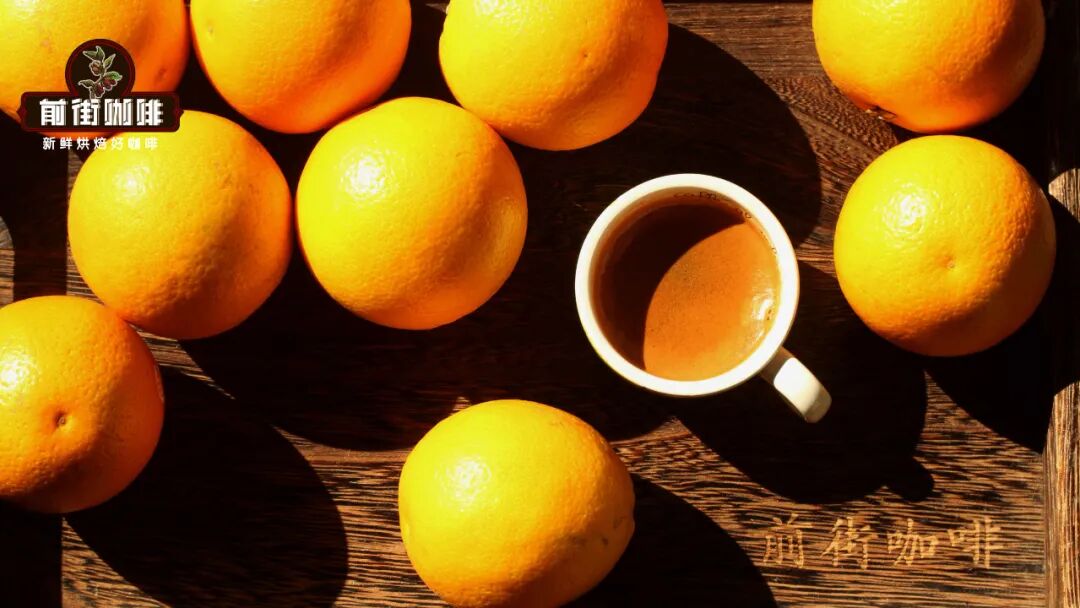
Combined with the situation of Italian-style coffee, traditional Italian-style coffee gives people the impression of being bitter and burnt, with rich crema. There was even a phenomenon in the past where people thought your Italian-style coffee was not authentic if your Italian-style coffee beans did not release oil. But in fact, the reason coffee is bitter and burnt is that Italians like to mix in Robusta to increase body, and the roast level is extremely dark. And the reason blended coffee beans do not perform well is not because they are blended, but because the blender's philosophy is to ensure stable coffee performance and price advantages, thereby sacrificing flavor. Over time, consumers developed a stereotyped impression of Italian-style coffee beans or blended coffee beans.
Flavor-oriented blends have not been absent, but once an impression is formed, it is very difficult to change it through scattered efforts alone. Since the performance of single-origin beans in pour-over is labeled by flavor, and consumers generally accept this idea, then directly transferring it to espresso is more convenient than re-educating the market.Therefore, the most obvious manifestation of promoting SOE is to draw a distinction from the flavor of traditional Italian-style beans.
In some coffee shops in Australia, more than two espresso grinders are equipped. When serving Americano and latte, blended coffee beans are used to produce a classic flavor, while SOE is used to make Flat White, in order to show coffee's alternative flavors. Later it even developed to offering several Italian-style coffee beans for customers to choose from.For businesses, offering better-quality coffee can improve the shop's image and objectively and imperceptibly change consumers' impression of Italian-style coffee. Proposing the concept of SOE makes it easier for consumers to recognize the difference from traditional Italian-style coffee beans and reduces education costs. Especially for small independent coffee shops, a SOE coffee with a special flavorSOE coffeecan make consumers remember the shop.For consumers, coffee is more often identified by taste. They may not deeply understand the meaning of SOE, but when they drink a cup that tastes better than the previous coffee beans and learn that it was made with SOE, that is already enough.
According to the current sales model of "charging extra for replacing ordinary coffee with SOE," from the perspective of price psychology, it also creates the impression that SOE is superior.
Finally, I still have to add a wordy reminder: it is not SOE just because you casually buy a bag of single-origin coffee beans and use them to extract espresso. The coffee beans used for producing SOE have a different roasting curve, adjusted to a roast level suitable for espresso machines. Therefore, single-origin beans used for pour-over are not necessarily suitable for SOE (though some individual beans are compatible with both pour-over and espresso).
What should be noted when buying SOE coffee beans?
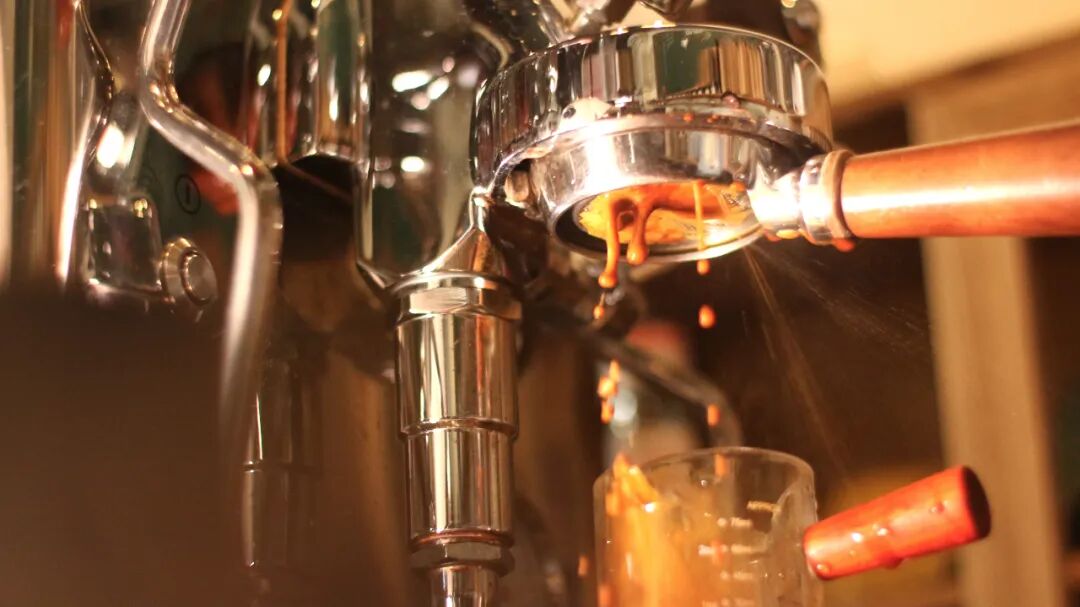
Front Street has found that many people think SOE simply means directly applying single-origin beans to espresso machine extraction, thereby making a single-origin espresso series. It is only after taking home beans with various floral and fruity flavors and trying them with a coffee machine that they discover something is wrong. First comes the scene of splashing and spraying like this, then they are startled by the extremely sour espresso and dare not take a second sip, and then they begin to suspect whether their equipment is too poor or whether they made a mistake somewhere in operation.
In fact, the reason you cannot make the same SOE at home as in the shop is very likely not your equipment or technique, but that the roast level of this coffee bean was never very suitable for making espresso.
Based on Front Street's production experience, choosing a coffee bean suitable for SOE extraction not only makes it easy to produce delicious espresso, but Americano or latte made by adding water or milk will also achieve twice the result with half the effort. On Front Street's bean list, three single-origin coffees have SOE versions: one is Front Street Huakui, which highlights berry aromas; one is Front Street Red Cherry, with the classic Yirgacheffe flavor; and another is Front Street Chaka from Gesha Village.When placing an orderwe only need to check the espresso roast option.
The coffee machine at the Front Street store is the commercial single-group "Lelit Bianca," which can adjust extraction by changing pressure, with a maximum pressure of 11 bar. A household coffee machine only needs to reach 9 bar of pressure to satisfy the functions of extraction and milk frothing, paired with an espresso grinder.Sharing the extraction parameters for SOE coffee
Coffee beans: Front StreetSOE Huakui coffee beans
Coffee powder dose: 20g
Coffee liquid yield: 40g
Powder-to-liquid ratio: 1:2
Extraction time: 26–33 seconds
Grind setting: Galileo 2.0
Front Street uses the capacity of a double filter basket, with a dose of about 18–20 grams. Front Street uses 20 grams of coffee powder when producing.
Usually the ratio of coffee powder to coffee liquid is between 1:1.5 and 1:2.5. Front Street's extraction ratio is 1:2, meaning 20 grams of coffee powder extracts 40 grams of coffee liquid. Time is related to the flow rate of the coffee powder. Generally, a single extraction time is controlled at 20–35 seconds, because within 20 seconds the coffee usually tastes thin, while exceeding 35 seconds easily causes over-extraction and a burnt-bitter taste. Front Street's espresso mostly falls within the range of 28–30 seconds.
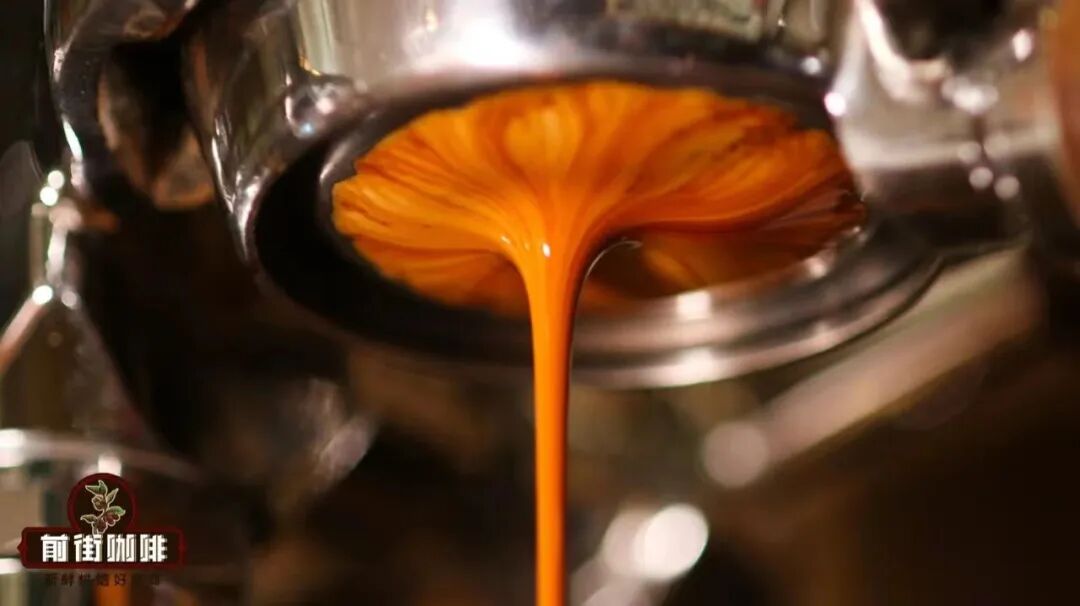
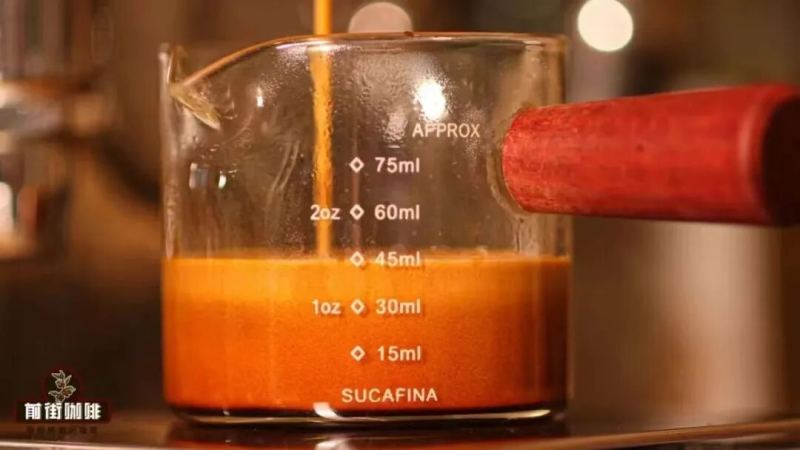
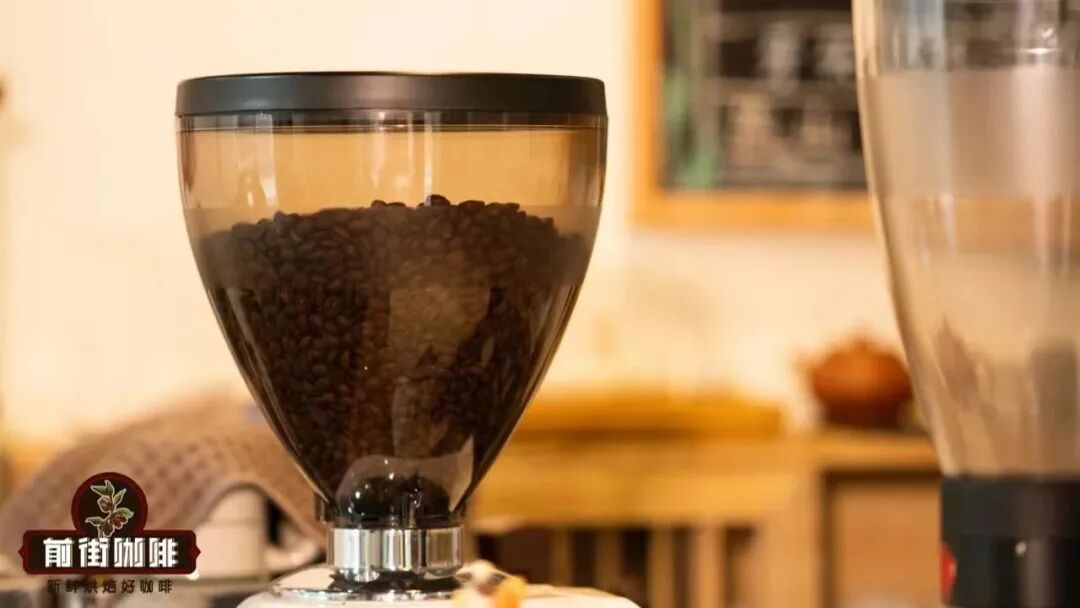
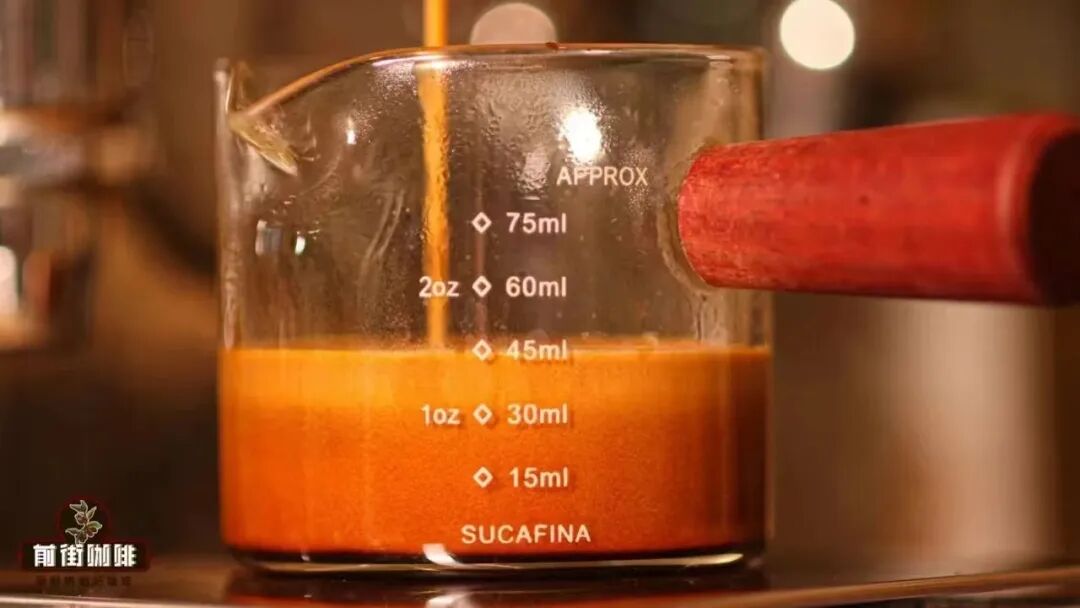
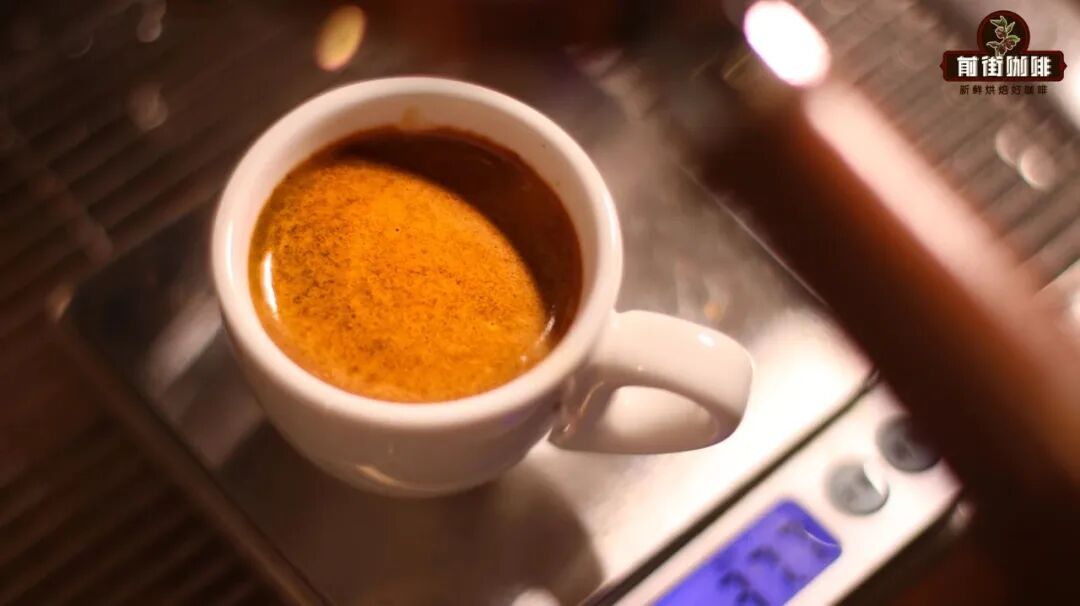
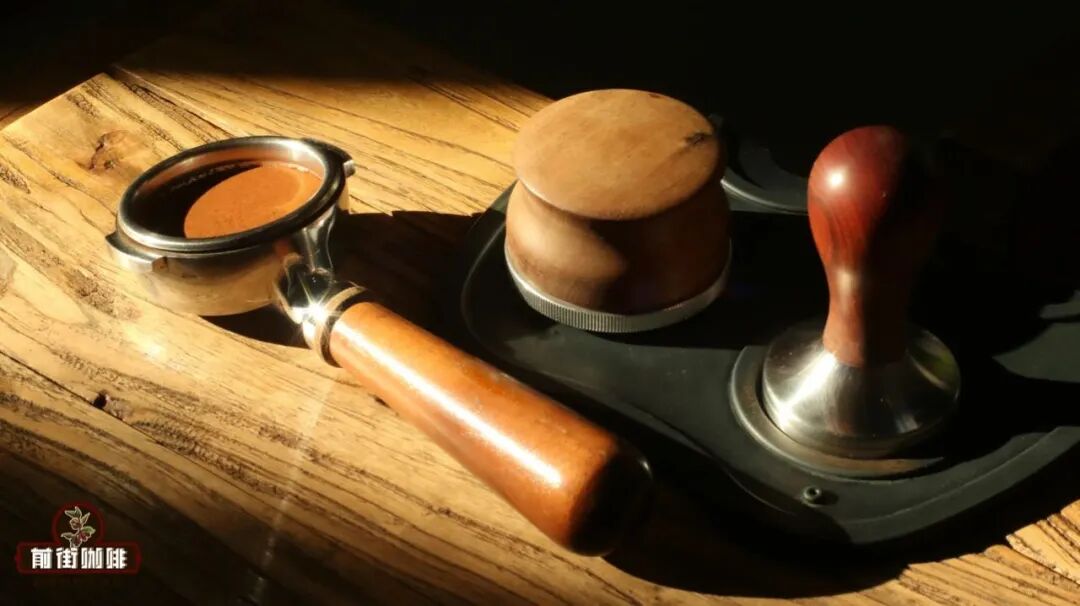
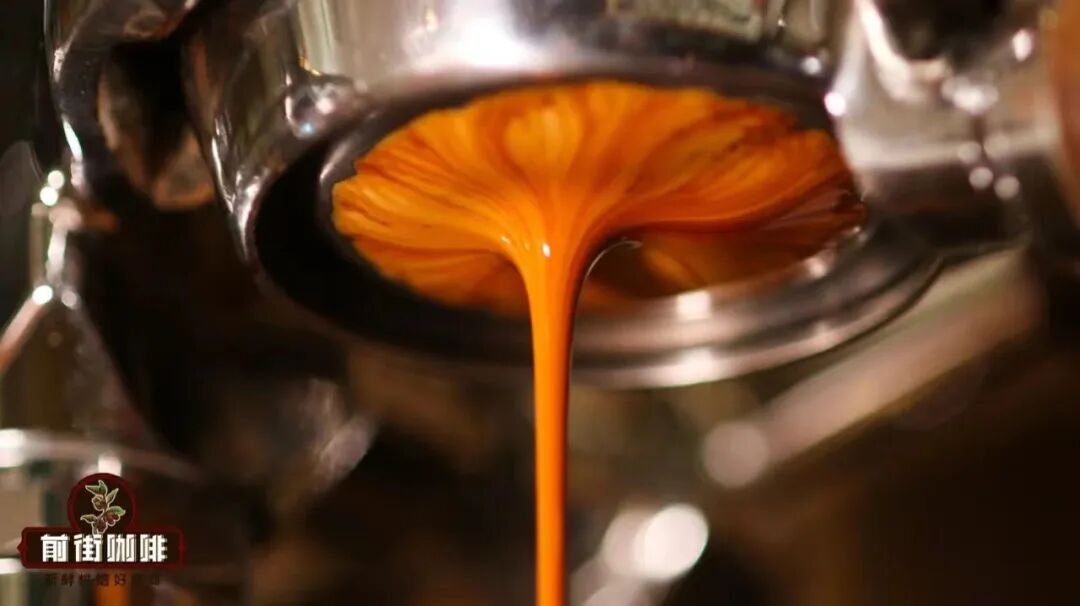
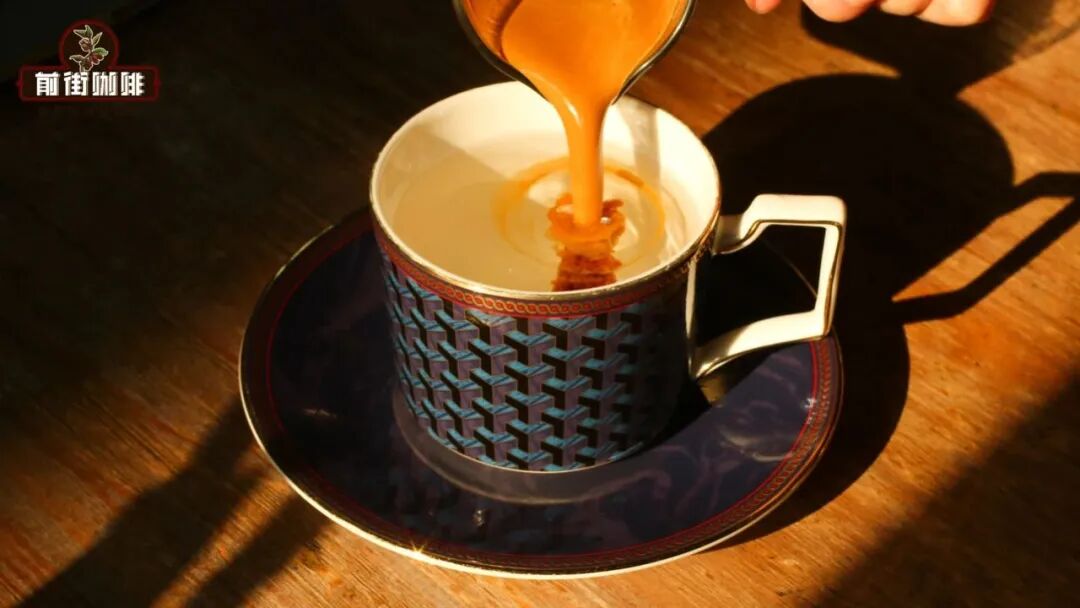
Front Street first wipes the filter basket dry, turns on the grinder, grinds the amount for a double dose of coffee powder, places it on an electronic scale to adjust it up or down until it reaches 20 grams. Then use a tool to distribute the grounds evenly, and tamp the coffee puck firmly to ensure more stable extraction.Then turn on the extraction switch to release water, wetting the brew head while washing away the coffee grounds stuck to it. Gently and slowly lock the portafilter onto the brew head, and begin pulling down the brew lever to extract.When the electronic scale shows that 40 grams of coffee liquid has been extracted, at about 28–33 seconds, the switch can be pulled down to end extraction. Next, prepare a coffee cup with a capacity of more than 200 milliliters, and pour insoeespresso and 160g of 80-degree hot water. A cup of Huakui SOE Americano is then ready.
The above content is compiled by CoffeeHunters, a coffee news website.