







Search Results for: coated
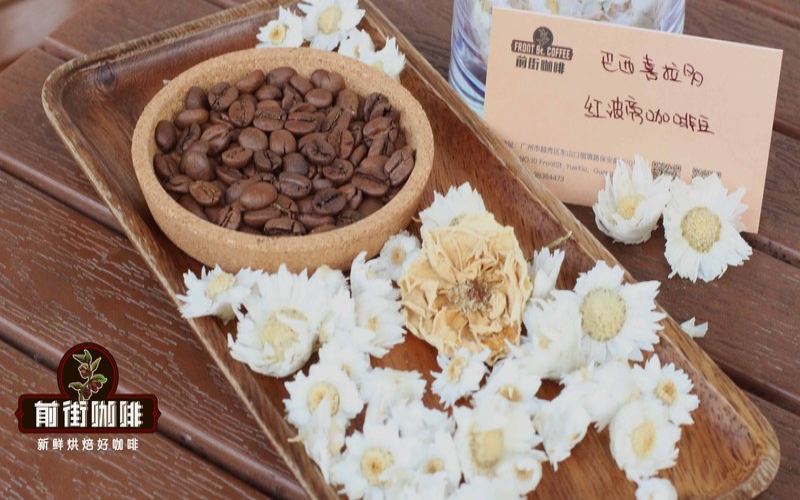
Roast depth decides body, here's how to choose among three types of coffee beans
Coffee with rich crema usually feels more coating on the palate, and its aroma tends to linger a bit longer in the mouth. However, shiny coffee bean surfaces do not necessarily mean the brewed crema will be abundant. Roast level, bean freshness, blend composition, and extraction method all affect the crema in the cup. To find a suitable [more…]
The Flavor Window of Rich Crema: Roasting Degassing Patterns and Daily Storage Rhythm
Freshly roasted coffee beans internally contain a large amount of carbon dioxide. These gases are both an important source of the rich crema layer produced during extraction and, in the early stage, also hinder the even contact between water and flavor compounds. Just-roasted coffee beans need to go through a period of natural degassing, so that the aromatic oils and soluble components inside can gradually [more…]

Espresso Crema | What Is Crema in Espresso? Does Crema Affect the Flavor and Mouthfeel of Espresso?
A deep understanding of the essence of crema will be of great help to baristas in making a delicious espresso. Today, the instructor of the Chongqing Barista Coffee Training Course will give you a detailed analysis of crema to help you understand espresso and improve your coffee-making skills. In searching for a cup that is not bitter and has excellent flavor, a rich [more…]

Starting with BOP award-winning estates, learn to taste a bean with a pedigree
In the world of specialty coffee, Panama's BOP green bean competition carries a lot of weight. Every year when the rankings are announced, coffee lovers set their sights on the beans from the winning estates. These estate beans are prized for the terroir and craftsmanship behind them, and once you've bought them, there's actually a set of steps you can follow to taste and brew them in a way that does justice to what's in the cup. [more…]

How to choose several cost-effective espresso beans for home use: incorporating brewing parameters into bean selection
Before buying beans, go through your daily scenarios: is it black coffee in the morning or a milk coffee with meals, the ritual of pour-over or the efficiency of a machine. These answers determine how to choose the roast level, flavor intensity, and brewing method. Espresso extraction can be understood as a balancing game among dose, grind size, yield, and time. Blend beans [more…]

From Coffee Cherry to Cup: Coffee Cherry Structure Diagram and Full Analysis of Green Bean Processing Workflow
Many people drink coffee every day, yet have never seen what a coffee fruit actually looks like. Coffee cherries resemble cherries, turning red when ripe, and their internal structure determines the final form of the coffee bean. This article uses anatomical diagrams to show in detail the exocarp, pectin layer, endocarp, silver skin, and seed of the coffee fruit, and traces the complete chain from harvesting, washing or drying, roasting, to extraction. It also introduces the distribution characteristics of the global coffee belt, as well as the basic differences among the three major native species: Arabica, Robusta, and Liberica. The article also recommends related products from Front Street Coffee, helping enthusiasts understand more intuitively the transformation of coffee from fruit to cup. [more…]

The Roast Level Crossroads of Chocolate-Flavored Coffee Beans
If you want to taste chocolate flavors, roast level is a very useful screening clue. Light roasts tend to retain more of the bean's bright aromas, and the chocolate note may show up as cocoa powder, milk chocolate, or a sweet aroma with fruity acidity; medium roasts connect caramel, nuts, and cocoa, giving a round mouthfeel; dark roasts come closer to dark chocolate, roasted [more…]
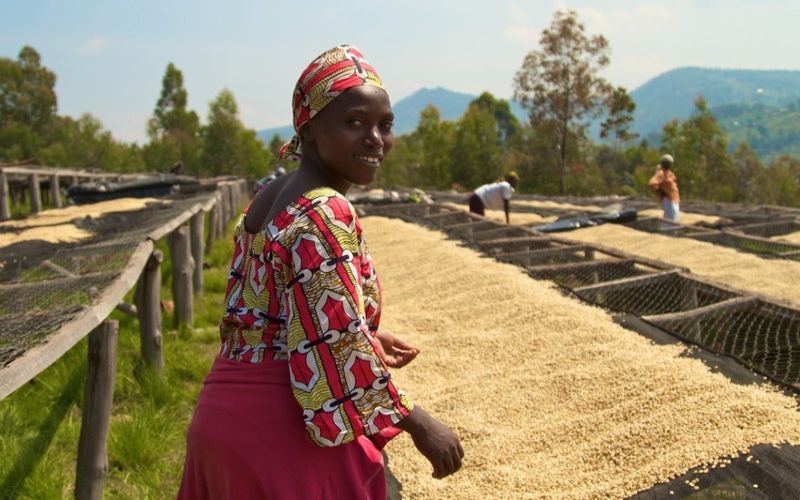
The Flavor Timeline of Medium-Roast Espresso Beans: Degassing and the Flavor Rhythm After Opening the Bag
When medium-roast coffee beans enter an espresso machine, the release of carbon dioxide inside the beans and the maturation level of aromatic compounds directly affect the crema state and sweetness expression of the espresso. Freshly roasted coffee beans contain a lot of gas internally, and when heated during extraction they tend to form irregular bubbles, affecting how evenly hot water penetrates the coffee bed, [more…]
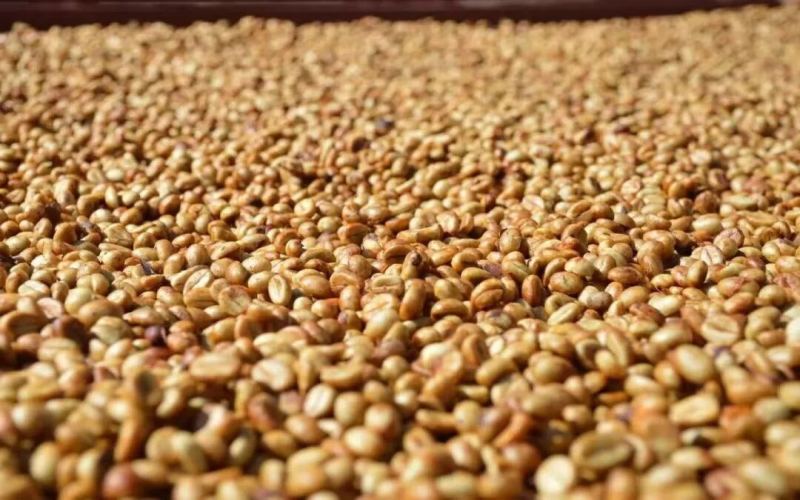
Honey Process|What is honey-processed coffee? How does the honey process work? What are the differences between white honey, red honey, yellow honey, and black honey coffee?
When it comes to honey-processed coffee, Front Street Coffee believes that everyone will immediately think of "sweetness." This is because the vast majority of honey-processed coffees do indeed deliver an outstanding sweetness when drunk, and the word "honey" in honey processing easily leads people to associate it with "sweet as honey," so everyone's association with [more…]

From Medium-Dark to Dark Roast: How to Choose Low-Acid Moka Pot Espresso Beans
Low-acid dark roast coffee beans do not have just one flavor; the roast color, development level, and post-roast resting state all influence how the coffee performs in the cup. If you want to make coffee with soft acidity and a full body using a moka pot or espresso machine, you can first look at the roast level, then decide whether you prefer cocoa, nutty, herbal, or balanced notes. [more…]

Espresso Flavor Window Analysis: Managing the Flavor Rhythm from Degassing Rest to Opening and Sealing
Freshly roasted coffee beans are filled with active carbon dioxide gas internally. During extraction, this gas creates resistance that prevents hot water from fully contacting the coffee grounds. For espresso extraction, excessive gas makes the crema appear coarse and dissipate quickly, while the flavor tends toward dryness. Allowing the roasted beans to [more…]
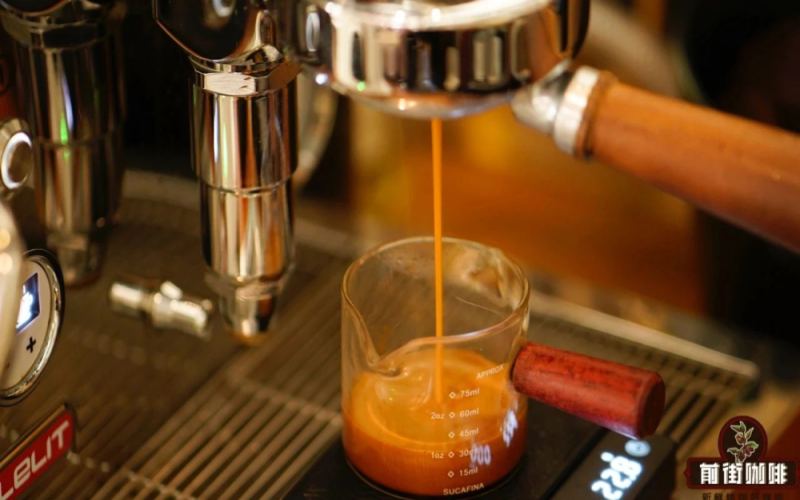
Coffee crema | What is the composition of crema in espresso? What should you do if there is no crema or the crema is clumpy when extracting espresso?
What is espresso? Espresso is a very, very small cup of coffee, about two or three sips and it's gone. Its flavor is extremely intense, and many people find it hard to accept. The small cup size and intense flavor are the reasons espresso has a very small audience in China, but latte made with milk and Americano made with water [more…]

Introduction to Espresso | What is the English definition of Italian espresso? How do you drink Italian espresso coffee?
In the espresso coffee system, there exists a soul core, and that is espresso. Drinks like lattes, Americanos, and cappuccinos are all espresso-based coffee beverages made with espresso as the foundation. Next, Front Street Coffee will introduce you to espresso. What is espresso? [more…]
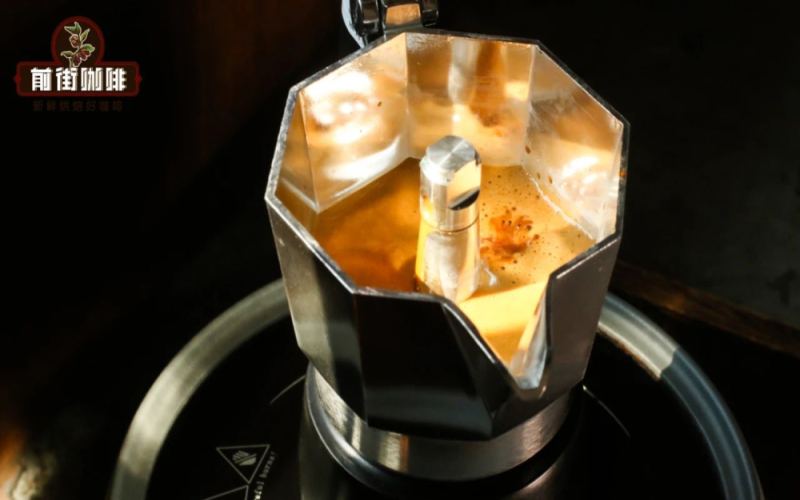
Complete Guide to Moka Pot Cleaning and Maintenance: Practical Methods to Prevent Aluminum Pot Oxidation and Blackening, and Replace Gaskets to Extend Service Life
The moka pot is a staple piece of equipment in many coffee lovers' homes, but if daily cleaning isn't done carefully enough, the aluminum body can easily oxidize and turn black, and the gasket and filter screen are often overlooked. This article explains in detail the key cleaning points for aluminum and stainless steel moka pots, walks through the steps for removing and cleaning the gasket and filter screen, their installation orientation, and replacement intervals, and offers repair solutions using white vinegar or lemon juice soaks for pots that have already oxidized. Mastering these methods not only keeps your coffee's flavor pure, but also effectively extends the moka pot's lifespan, letting it reliably brew every cup of coffee for you for years to come. [more…]
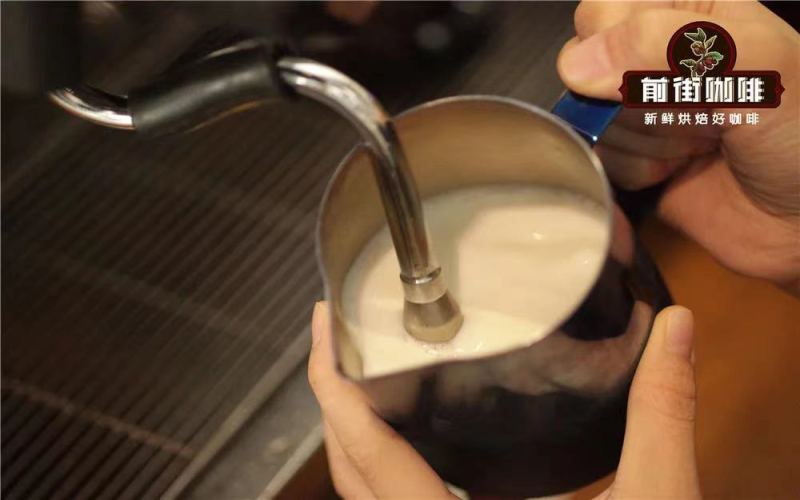
Mocha Recipe | What's the Difference Between Italian Milk Coffee, Mocha, and Latte? How Can Coffee Beginners Make a Starbucks-Style Mocha at Home?
Recently, more and more friends have been visiting Front Street Coffee stores to ask about Mocha coffee. Unfortunately, Mocha coffee has already been removed from Front Street Coffee's menu, so these friends have been turned away one after another. "Since we can't buy it outside, we'll just make it ourselves and take care of our own needs." Most friends, holding onto this idea, went home [more…]

Indonesia's Anak Krakatoa Volcano Erupts Massively, Multiple Airports Forced to Shut Down
Around September 7 local time, the Anak Krakatau volcano in Indonesia (commonly known as the "Child of Krakatau") remained highly active, with ash plumes surging as high as about 50,000 feet (roughly 15,000 meters), reaching the cruising altitude of commercial airliners. [more…]

Mocha Coffee Tutorial Illustrated | What Is Espresso Milk Coffee Mocha? Which Coffee Beans Are Suitable for Making Mocha? How to Make a Delicious Mocha at Home?
For more specialty coffee knowledge, please follow: Front Street Coffee (Frontsteet Coffee) Recently, more friends have been visiting Front Street stores to ask about Mocha coffee. Unfortunately, Mocha coffee has already been removed from Front Street's menu, so these friends have all hit a dead end one after another. "Since [more…]
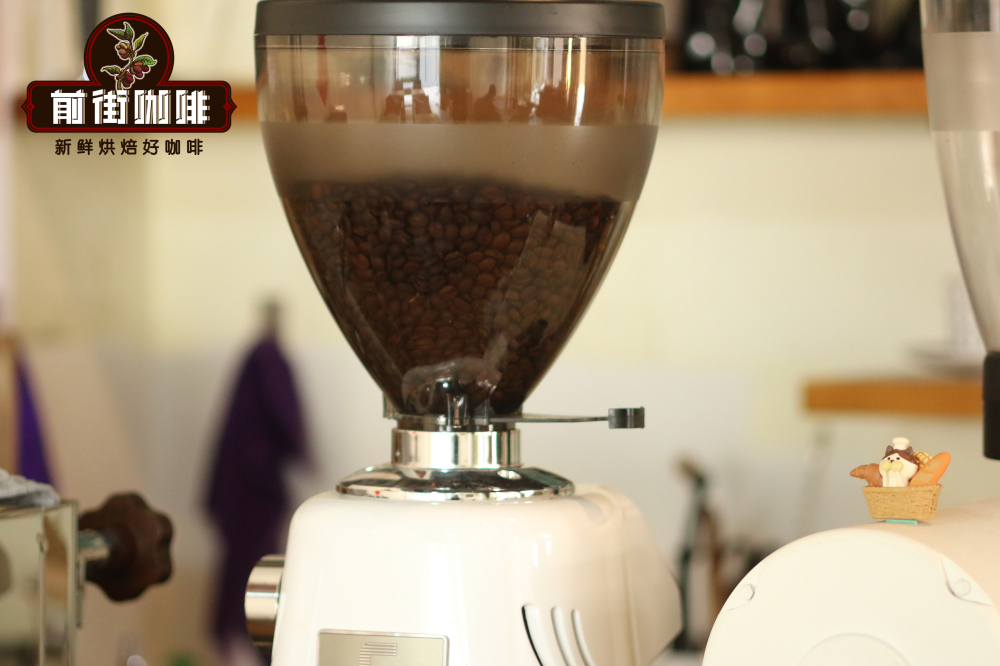
Espresso Brew Ratio | How Much Coffee Grounds for One Espresso Shot? How to Find the Right Grind Size for Espresso Beans?
How much coffee powder does an espresso need - How to drink espresso powder: How much coffee liquid is extracted from 20g of powder? When brewing coffee, we all know that the coarseness of the grind is very important. If you're not careful and the grind isn't right or is uneven, the coffee can easily be under-extracted or over-extracted. Compared with pour-over, cold brew, and other methods, espresso [more…]
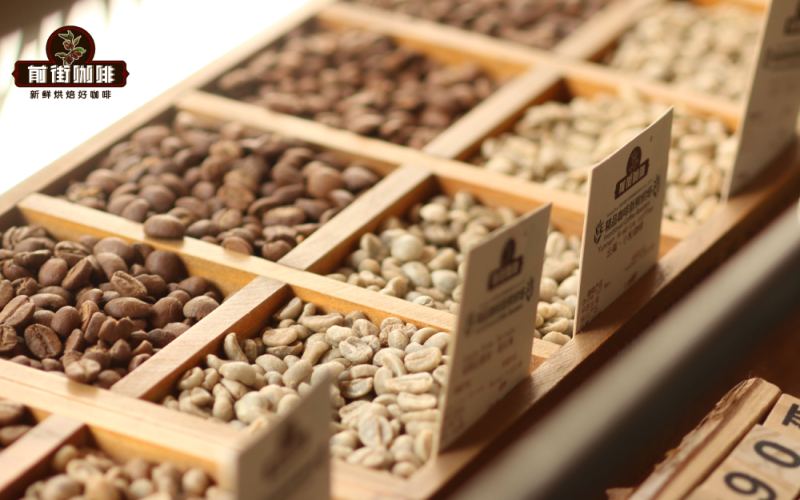
Coffee Processing Methods | Wet-Hulled, Semi-Washed, Honey Process, Pulped Natural — Detailed Steps, Flavor and Mouthfeel Comparison of Coffee Beans
We all know that different processing methods can give coffee a rich and varied flavor profile. For example, Front Street Coffee's bean list alone features dozens of varieties, covering more than ten different processing methods. Today, Front Street will focus specifically on wet-hulled, semi-washed, and pulped natural [more…]
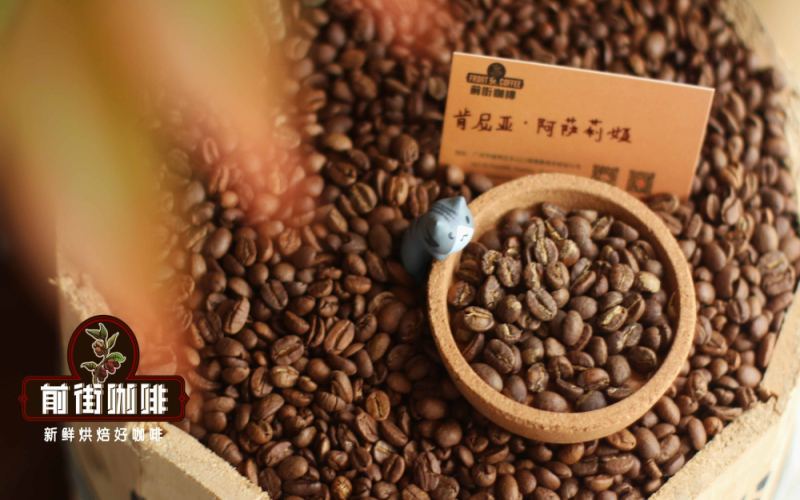
Where Does Kenyan Coffee Flavor Come From? A Full Breakdown of Varieties, K72 Double Washing, and Iced Brewing
Kenyan coffee is renowned worldwide for its bright, uplifting fruit acidity and full, berry-juice-like mouthfeel. The formation of this unique flavor is inseparable from the local high-altitude volcanic soil, the two major varieties SL-28 and SL-34, and the signature K72 double washed processing method. This article will systematically sort out the core characteristics of Kenyan coffee, from terroir and variety origins to processing techniques, roasting, and extraction, and introduce the flavor performance of several representative Kenyan beans available at Front Street Coffee shops. In addition, it will share three iced drink methods suitable for showcasing Kenya's acidity—ice hand pour, ice drip, and cold brew—to help coffee lovers who enjoy fruity acidity brew a refreshing and pleasant cup of Kenyan coffee at home. [more…]