







Search Results for: century
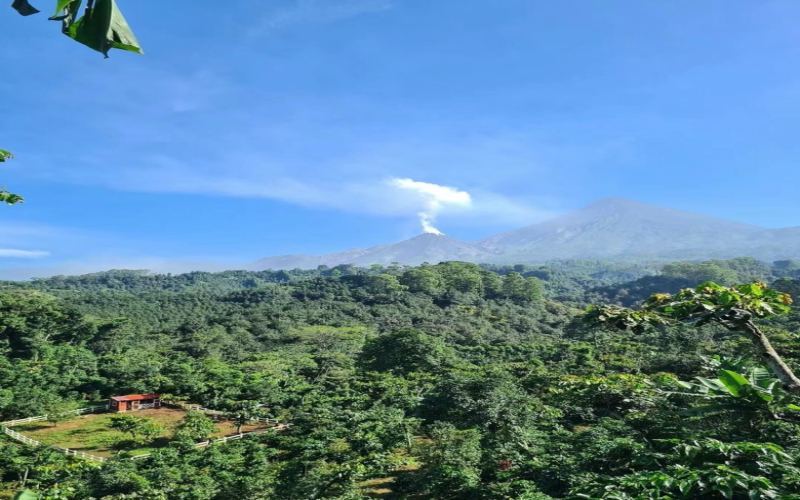
Lerida Estate: A Century-Old Boquete Farm Takes the 2026 Natural Geisha Championship
In the 2026 Best of Panama natural Geisha category, a lot from Finca Lérida took the championship with a score of 95.63, bringing this century-old estate in Boquete back into the spotlight. This edition featured 102 competing lots and 46 judges, [more…]

A Brief History of Latte and the Evolution of Bean Styles: A Century of Flavor Changes in a Milk Coffee
Latte is probably one of the most misunderstood coffees in the world—many people assume it is an everyday drink for Italians, but in fact the authentic milk coffee that Italians drink is the cappuccino on the breakfast table. The latte, with its "large quantity of milk" form, is a product that evolved after coffee emigrated to the United States. In this history of flavor evolution lies [more…]
Coffee and Cafe Culture Fundamentals: A Complete Interpretation from Historical Origins to Social Spaces
Coffee is more than just a beverage, and a café is more than just a place to drink coffee. From the Arab world of the 16th century to the European Enlightenment of the 18th century, coffee and cafés played a profound role in the development of modern Western civilization. Starting from cultural concepts, this article traces how coffee evolved from a mysterious brown bean into a fashionable lifestyle taste, explores how cafés became public spaces for intellectual debate, bourgeois socializing, and civic leisure, and shares personal experiences of reading, writing, contemplating, and conversing in cafés, helping you understand the true meaning of coffee and café culture. [more…]

The Triple Identity of the Word "Mocha": From Yemeni Coffee Beans to Espresso Drinks and Home Moka Pots
The word "Mocha" appears with extremely high frequency in the coffee world, but what exactly does it refer to? Friends new to coffee are often confused by the three things: mocha coffee beans, the mocha coffee drink, and the moka pot. In fact, their origins may span one or two centuries, and there is no direct derivative relationship between them, yet they all happen to share the name "Mocha." To sort out this relationship, the clues trace back to the Port of Mocha in Yemen. This article will break down the true meaning of these three "Mochas" one by one from three angles: historical origins, flavor characteristics, and brewing principles, and will also include Front Street Coffee's practical advice on choosing beans for the moka pot. [more…]
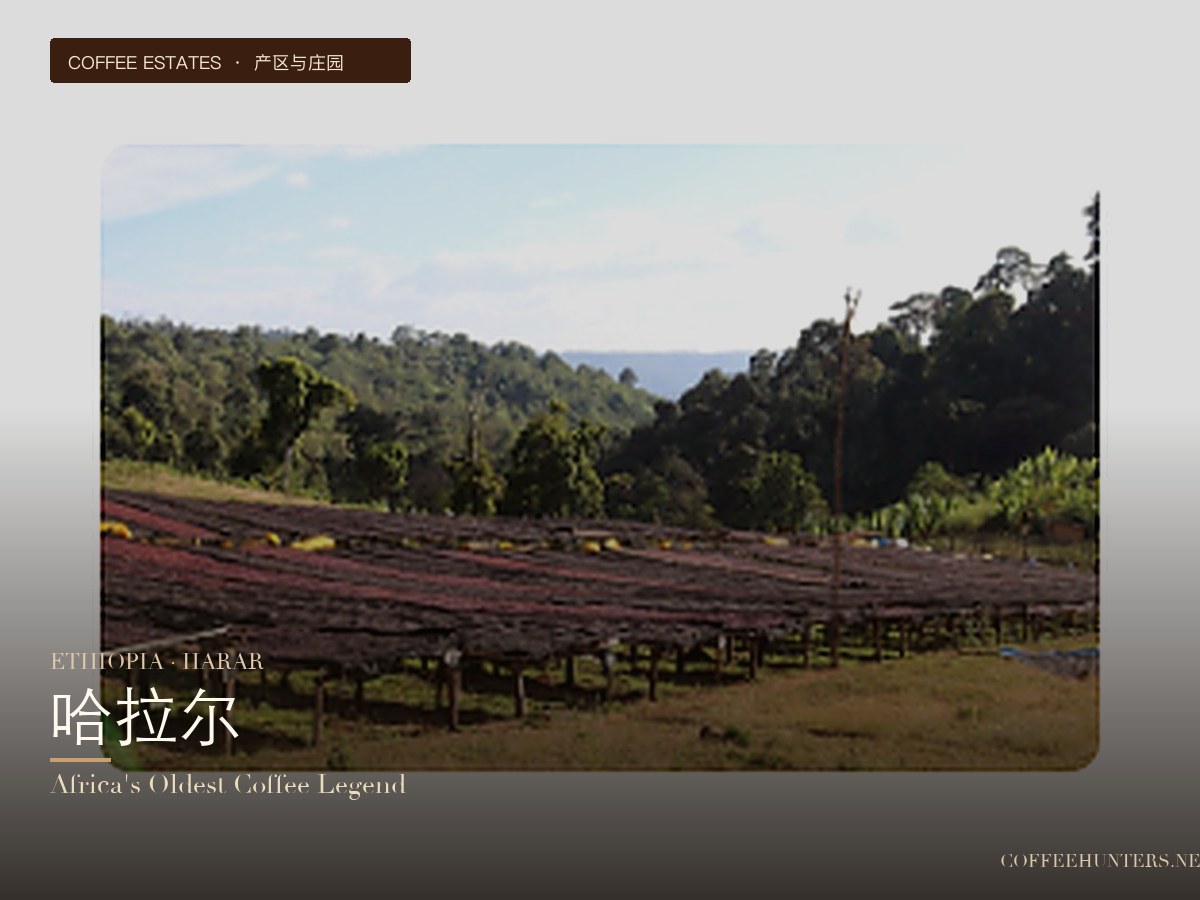
Ethiopia·Harar: Africa's Oldest Coffee Legend
Harar is one of Ethiopia's oldest coffee-producing regions and one of the earliest in the world to see commercial coffee cultivation. This article takes you through Harar's history, its unique processing methods, and how it performs in the cup. [more…]
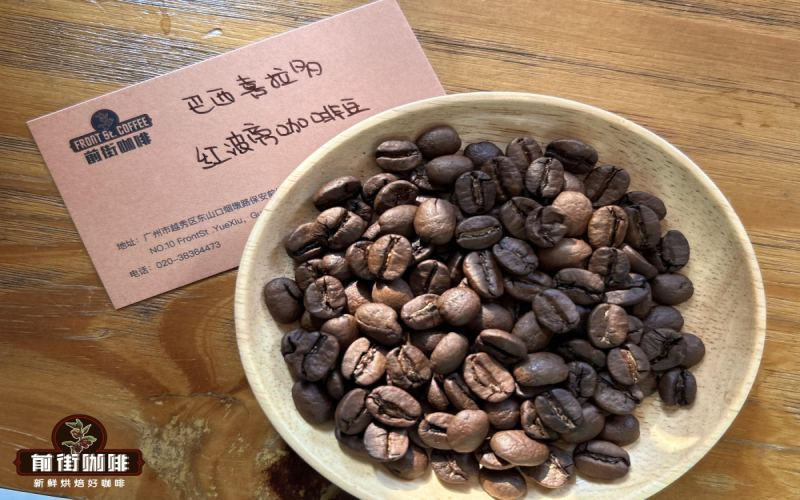
Coffee Basics | What Does Mocha Mean in Coffee? Is Mocha Coffee a Black Coffee Made from Mocha Coffee Beans? Is There Any Connection Between the Moka Pot and Yemeni Mocha?
For more specialty coffee knowledge and sharing, please follow our WeChat official account: Front Street Coffee (FrontStreet Coffee). Many newcomers to coffee feel very confused when they see coffee terms containing "Mocha." Views on Mocha coffee differ between those who start with espresso-based coffee and those who start with single-origin coffee. [more…]

Introduction to the varieties in the Kona coffee producing area in Hawaii, USA.
As we all know, coffee is generally grown in the coffee growing zone, that is, the equatorial zone between the north and south tropic lines. However, the United States is not in this range, and the climate conditions are not very suitable for the gro [more…]
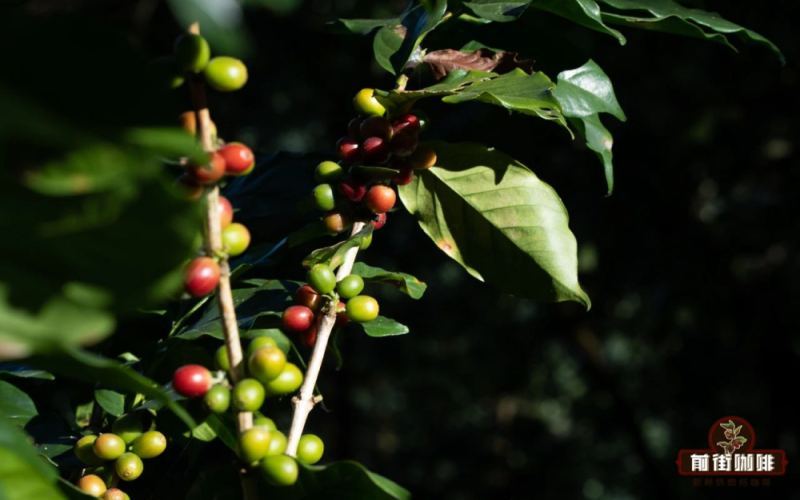
The Century-Long Planting History and Variety Evolution of Yunnan Small-Bean Coffee: Industrial Transformation from Typica to Catimor
Yunnan coffee has traveled a long and winding road of growth, from the first coffee seedling introduced by missionaries a century ago to its current status as a common choice in specialty coffee shops. This article traces the complete story of Yunnan small-bean coffee—its cultivation origins, the evolution of varieties, and the upgrading of the industry—and also explores the distinct characteristics of the two varieties, Typica and Catimor. For coffee lovers who want to understand the flavors of the Yunnan growing region or who are currently choosing a Yunnan single-origin bean, this article offers a comprehensive reference ranging from historical background to practical brewing, and it also includes Front Street Coffee's Yunnan bean brewing recipe and flavor description. [more…]
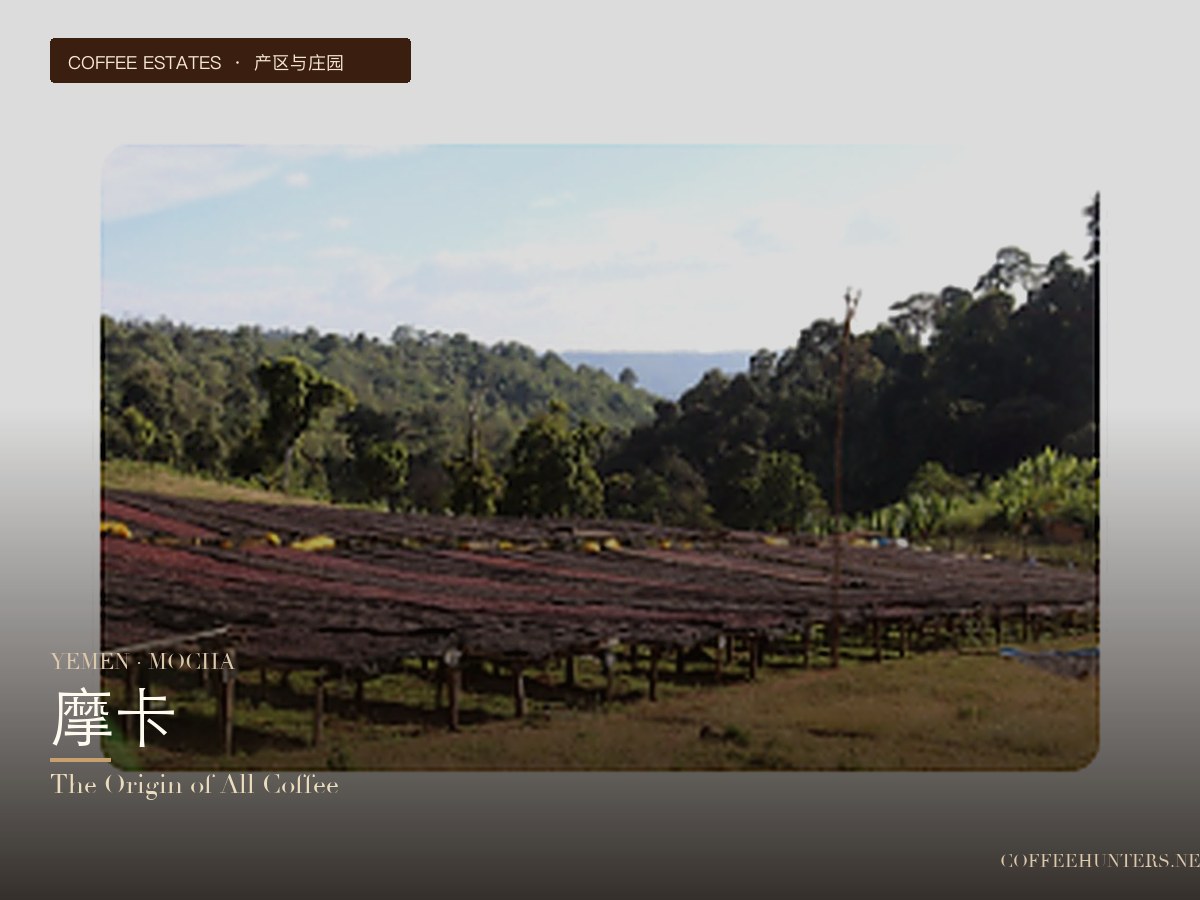
Yemen · Mocha: The Origin of Coffee and Ancient Flavors
Yemen is the birthplace of commercial coffee cultivation, and the port of Mokha was once the starting point of the global coffee trade. This article takes you through the long history of Yemeni coffee, its unique processing methods, and how it performs in the cup. [more…]

Coffee Equipment Brand Recommendation | Bialetti Moka Pot Usage and Principle Introduction: Who Is Moka Pot Brewed Coffee Suitable For?
For more specialty coffee knowledge, please follow our WeChat official account: Front Street Coffee (FrontStreet Coffee). Bialetti is the most famous moka pot brand, and the moka pots it produces still retain the most classic design. If you have visited the Front Street store, you will definitely remember [more…]
A Complete Guide to Arabica Coffee: From Botanical Classification to Variety Characteristics and Origin Distribution
What exactly does a coffee tree look like? What is the essential difference between Arabica and Robusta? Starting from botanical classification, this article systematically sorts out the complete classification system of the genus Coffea and explains in detail the origins, growing conditions, flavor characteristics, and main subspecies of the two major commercial varieties, Arabica and Robusta. You will learn about the anatomical structure of the coffee cherry, the spread paths of classic subspecies such as Typica and Bourbon, and the genetic connections between Yunnan small-bean coffee and Blue Mountain and Kona. Whether you are a beginner enthusiast or a seasoned professional, this basic knowledge about coffee varieties is worth reading. Front Street Coffee will also recommend variety information worth paying attention to in this article. [more…]
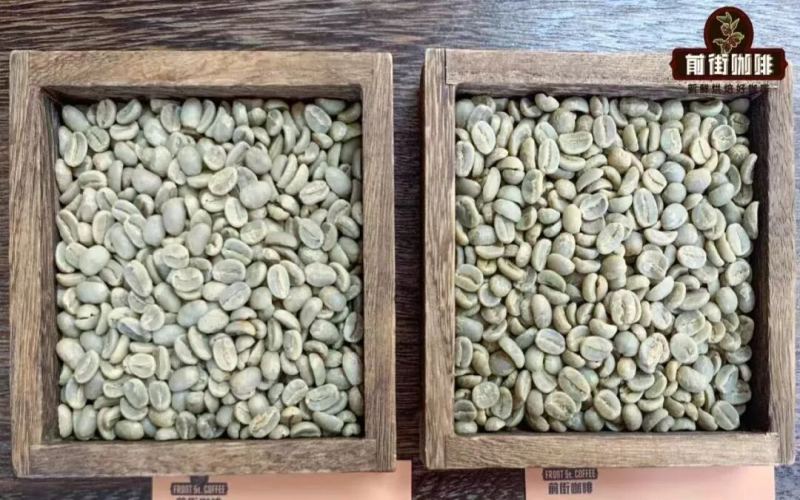
PNG coffee | Why does Papua New Guinea coffee have the name "Little Blue Mountain"? What are the flavor characteristics of the Sigri Estate Bird of Paradise washed Typica?
Because Blue Mountain coffee was overly famous in the last century, many related "borderline" products appeared on the market at that time. For example, Blue Mountain flavor coffee, Blue Mountain blend coffee, and so on—they almost all have nothing to do with Blue Mountain and are purely products that profit off the Blue Mountain name. And yesterday, a customer, while purchasing [more…]
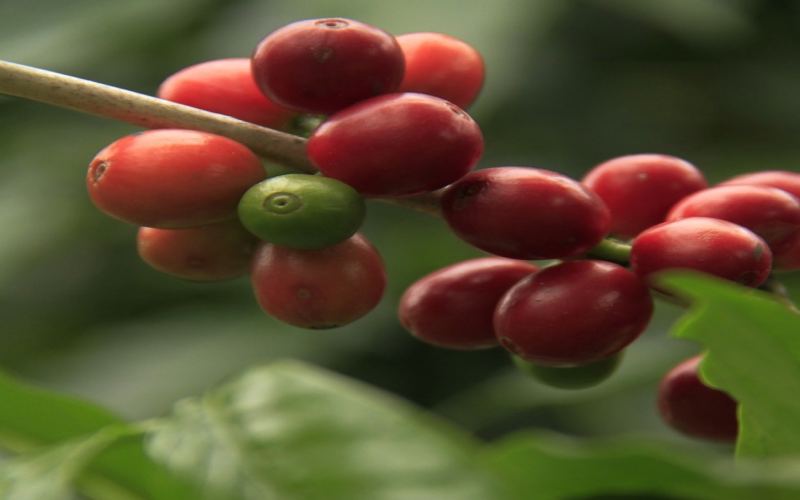
Coffee Leaf Rust: A Disease That Changed the Varietal Landscape
In the history of coffee cultivation, if only one disease were allowed to be recorded, it would have to be leaf rust. This plant plague caused by a fungus once destroyed the entire coffee industry of Ceylon in the nineteenth century, and then over the following hundred-plus years spread to nearly every producing region in the world, profoundly rewriting the varietal landscape and trade patterns of coffee. It [more…]
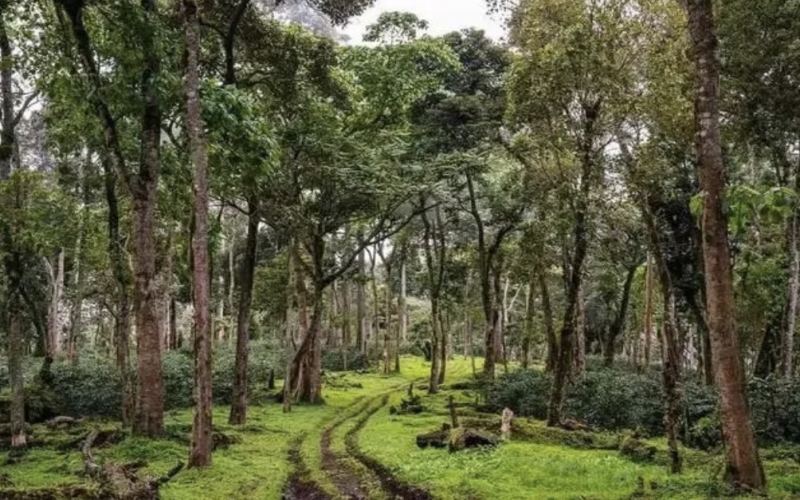
A brief description of the development history of Panama coffee bean cultivation.
Panama coffee is highly renowned in the global coffee market. At the end of the 19th century, when European immigrants settled in Panama, they brought coffee to Panama; the first area where these immigrants grew coffee was the province of Chiriquí. T [more…]
The Origins, Flavor Characteristics, Industry Development Dilemmas, and Prospects of Yemeni Mocha Coffee
Yemen was the first country in the world to cultivate coffee on a large scale, and its Mocha coffee once monopolized the European market for nearly two hundred years, earning it the title of "the diamond in Asia's coffee crown." However, in recent years, Yemen's coffee production has continued to decline, quality standards are lacking, the export structure is monolithic, and the industry faces numerous difficulties in its development. This article will take you back through the historical origins of Mocha coffee, analyze the natural and cultural factors behind its unique flavor, and review the current state and future prospects of Yemen's coffee industry. For coffee lovers, understanding Yemeni Mocha is an indispensable lesson in comprehending the world of coffee. Front Street Coffee will also recommend Yemeni Mocha products worth tasting. [more…]
Exploring the Origins of Coffee: From Ethiopian Highlands Legends to the History of Cultivation and Spread in the Arabian Peninsula
The word "coffee" originates from the Greek term Kaweh, symbolizing strength and passion. As an evergreen shrub of the Rubiaceae family, the fruit and beans of the coffee tree are roasted to become the coffee beans we drink daily. Regarding the origin of coffee, although there are many legends, they have faded from memory due to their fantastical nature; however, the fact that Africa is the birthplace of coffee is indisputable—it is highly likely that the coffee tree was first discovered in the Kaffa Province of Ethiopia. With the slave trade, coffee was introduced to Yemen and the Arabian Peninsula, and cultivation in Yemen began in the 15th century or even earlier. Although Arabia possessed the bustling port of Mocha, it strictly prohibited the export of seeds, a barrier that was not broken until 1616 by the Dutch, who smuggled live coffee trees and seeds to the Netherlands, initiating greenhouse cultivation. Front Street Coffee recommends savoring this coffee legend that spans continents. [more…]
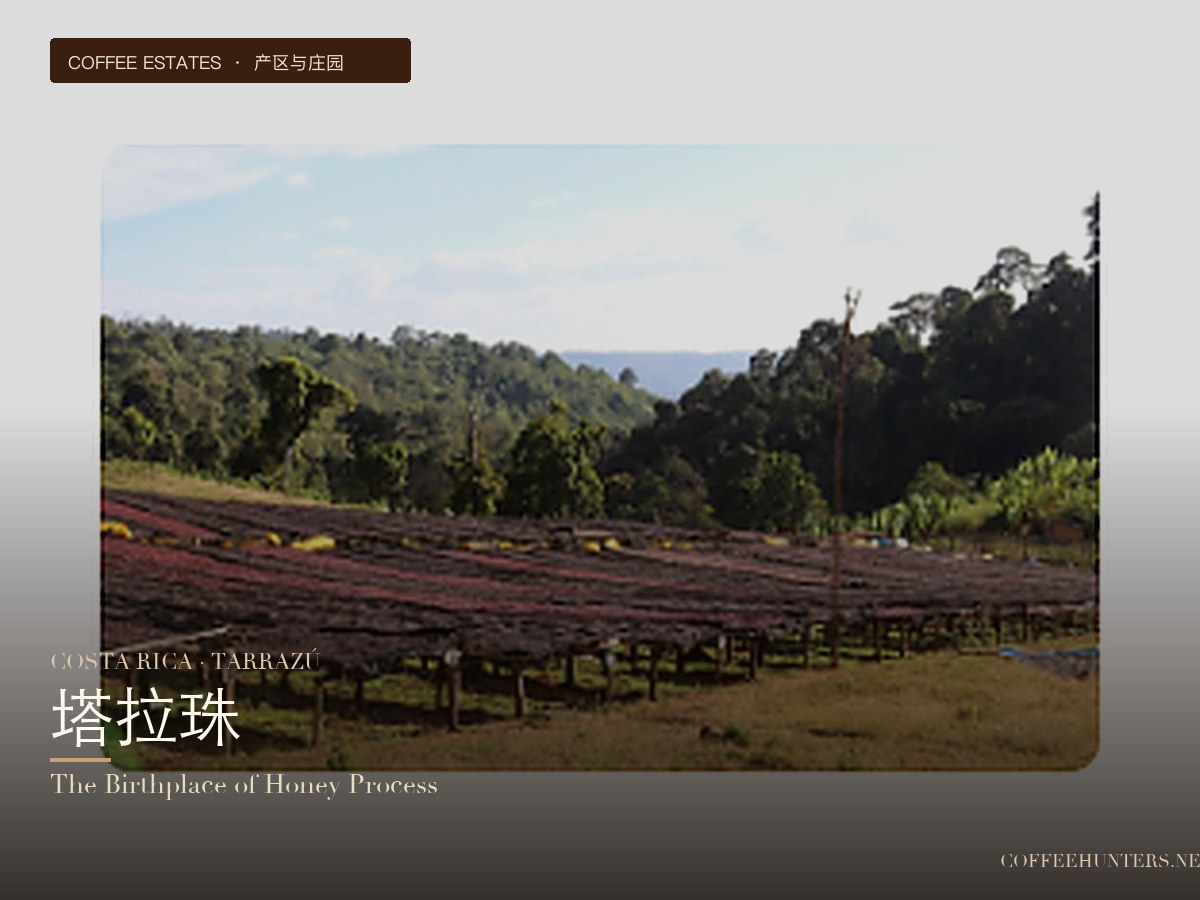
Costa Rica · Tarrazú: The Birthplace of Honey Processing
Tarrazú is Costa Rica's most renowned specialty coffee region and the birthplace of the world's "honey process" method. This article takes you through Tarrazú's geography, the birth of the honey process, and the unique flavors of this region. [more…]

The Historical Origins of Colombian Coffee | What Does FNC Mean in Colombian Coffee? What Are the Flavor Characteristics of Colombian Coffee?
Coffee has become an everyday beverage. While enjoying that morning cup—a liquid complete with sweetness, acidity, and bitterness—coffee drinkers have begun to notice that beans from different regions taste different as well. Brazilian coffee is soft and smooth, Ethiopian coffee has bright acidity, and Indonesian coffee is low in acidity and full-bodied. Front Street Coffee has encountered [more…]
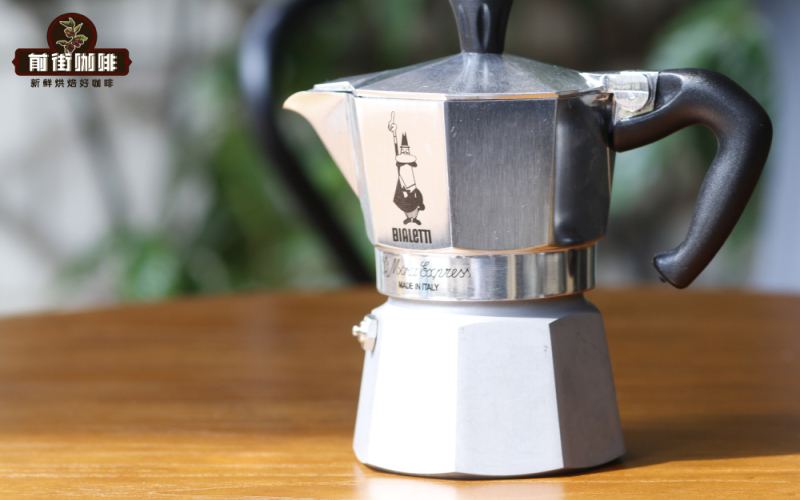
Moka Pot Coffee Brewing Guide: The Origins, Principles, and Operational Details of the Classic Bialetti Octagonal Pot
The moka pot is the go-to device for many coffee lovers to make rich coffee at home, and Bialetti's classic octagonal pot is the most iconic example of them all. This article begins with the story of the Bialetti moka pot's birth, tracing how this classic device went from 1933 to households around the world, and breaks down in detail the moka pot's three-layer structure and pressure-extraction principle. On this basis, Front Street will draw on its own experience to share the specific steps for brewing coffee with a moka pot, including how to choose coffee beans, the key points for controlling grind size, and the crucial details during the heating process, helping you consistently make a cup of rich, smooth moka pot coffee at home. [more…]

Coffee Stories | When did Colombia start growing coffee? What role does the National Federation of Coffee Growers of Colombia (FNC) play in the development of the coffee industry?
Coffee has become a daily beverage. While enjoying that morning cup with its full spectrum of sourness, sweetness, and bitterness, coffee drinkers have begun to notice that coffees from different regions taste different as well. Brazilian coffee is soft and smooth, Ethiopian coffee has bright acidity, and Indonesian coffee is low in acidity and full-bodied. Front Street Coffee has encountered [more…]