







Search Results for: blade
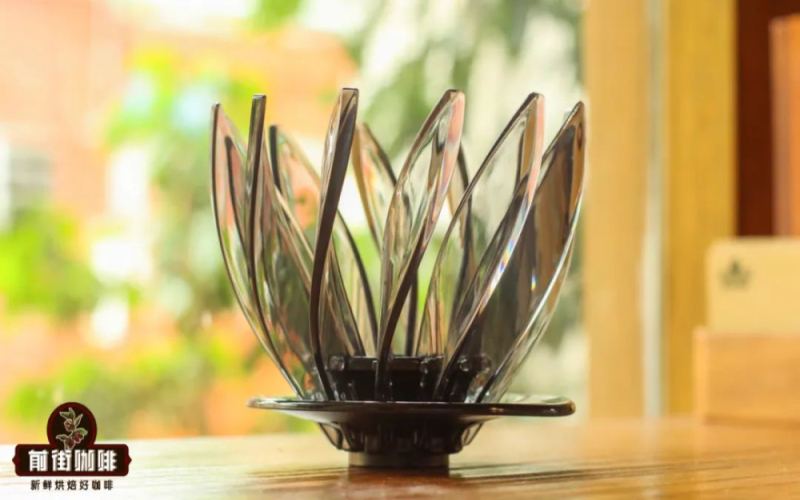
Hario Water Lily Dripper vs V60: The Removable Petals, Flow Rate Performance, and Brewing Tips
The Hario V60 Mugen dripper is composed of a detachable 12-blade and base assembly, completely different from the common one-piece drippers. The resin material is heat-resistant and shatterproof, and the blade colors can be freely mixed and matched. It has no cup wall, and the filter paper is supported entirely by the blades, which serve both as a skeleton and as flow guides. In actual testing, the average flow rate after filling with water is about 8ml/s, faster than Kono but slower than the V60's 10ml/s, placing it in the medium-fast range. However, the longer blades raise the pouring height and increase the impact force, making it prone to over-extraction with doses under 20g; it is better suited to 20g or more with an 02-size filter paper. Front Street Coffee also found that removing the blades unlocks a variety of brewing methods, including single-serving setups. [more…]
Is freshly ground coffee powder really better? Flavor differences between pre-ground and freshly ground coffee and key storage points
In the specialty coffee world, "use only freshly ground coffee" is almost treated as gospel, but does this rule hold true in every situation? This article takes an in-depth look at the differences between pre-ground and freshly ground coffee in terms of flavor, aroma, and extraction performance, analyzes why coffee grounds deteriorate faster once exposed to air, and offers practical storage tips such as sealing, vacuuming, and keeping them away from light. At the same time, we'll also explore an easily overlooked fact: if all you have is a poor-quality blade grinder, pre-ground coffee from the shop may actually come out ahead. The article also cites practical insights from Ken Selby, 2018 U.S. Cup Tasters champion, and Alex Choppin, technical specialist at Baratza, to help you make a smarter choice based on your own equipment. [more…]
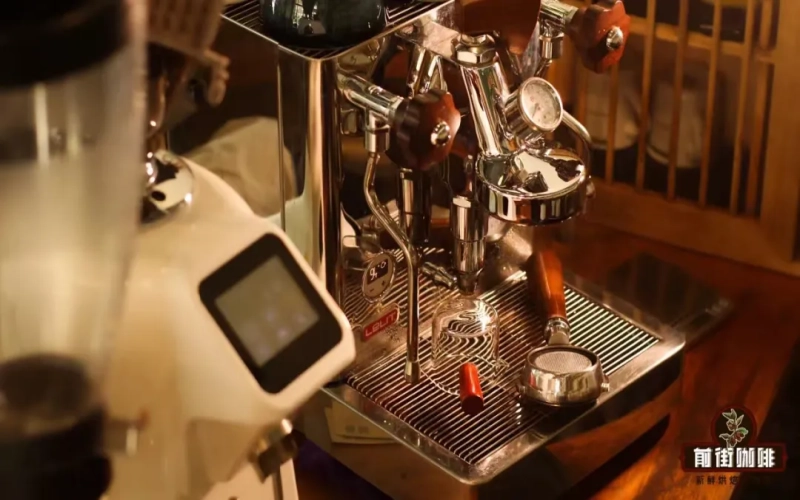
How can you precisely determine the grind setting for espresso? Which blend should you choose for espresso?
Many friends who are just getting into espresso run into the same confusion: even when they follow the parameters provided by the vendor, the coffee they make either has no crema, tastes weak and flat, or is bitter and hard to swallow. In fact, the key to the problem often lies in controlling the grind size and the coffee-to-liquid ratio. This article will start with how to determine grind size, helping you find the right setting for your equipment. It will also recommend several Front Street Coffee espresso blends, covering different styles such as rich, floral and fruity, nutty, commercial, and basic. It will then explain the working principles and adjustment logic of flat burr grinders, and finally explain when recalibration of grind size is needed, as well as the thinking behind a café's daily adjustments to espresso parameters. [more…]

Espresso Grind Size | How to Adjust the Grind Setting for Espresso Beans? Recommended Espresso Blend Roasting Brands for Beginners
Many friends who have just opened a café or bought an espresso machine for home find that when they take the espresso beans they bought and follow the parameters provided by the seller, the espresso they make has no crema, or is very weak, or is very bitter. When this happens, the only thing we can change is the grind of the coffee beans. [more…]

Espresso Grinding | How Fine Should Espresso Blend Coffee Beans Be Ground for Making Espresso? How to Determine the Grind Size for Espresso Grounds?
For more specialty coffee knowledge, please follow: Front Street Coffee (Frontsteet Coffee). Quite a few friends have reported that after buying espresso blend coffee beans and grinding them at home, they were unable to extract any crema during extraction, and the espresso that came out was overall tasteless, with a very watery feel. When this problem occurs, [more…]
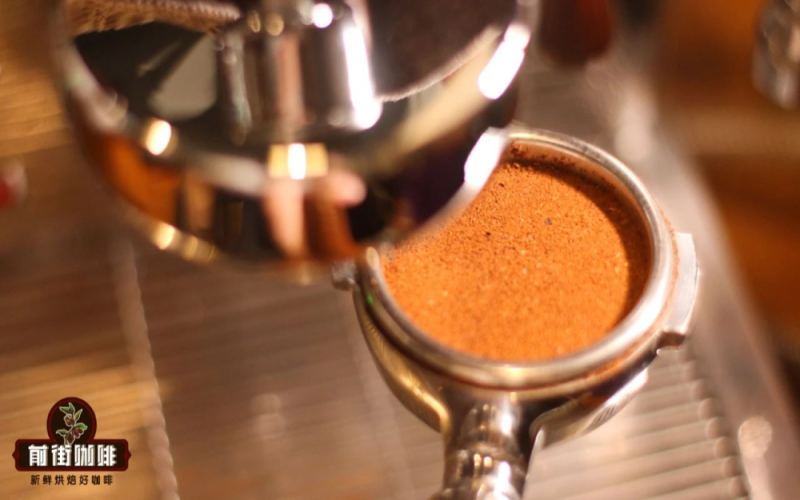
How to Determine the Grind Size for Espresso? A Complete Guide from Bean Selection and Grinder to Brew Ratio and Extraction Time
Many coffee enthusiasts who make espresso at home often run into problems like abnormal flow rate, thin crema, and weak flavor—and the root cause is usually the grind size. This article starts with bean selection and the types of coffee grinders, then systematically lays out the criteria for judging espresso grind coarseness. It explains how flat burr grinders work, along with their pros and cons, and offers a dialing-in method based on a 1:2 coffee-to-water ratio and a 25-to-28-second extraction time. This helps readers judge whether the grind is too coarse or too fine by observing flow rate, crema color, and flavor performance. The article also includes the extraction parameters and flavor description of Front Street Coffee's classic espresso blend for practical reference. [more…]
Specialty Coffee Grinder Buying and Usage Guide: How to Choose Between Manual and Electric, and How Grind Size Affects Flavor
Grinding is the key step that determines coffee flavor, and the choice of grinder directly affects what ends up in the cup. This article begins with the structure and classification of grinders, analyzes the suitable scenarios for manual and electric grinders respectively, and explains the two major points that must be paid attention to when grinding coffee beans: suppressing frictional heat and maintaining particle uniformity. For different brewing devices, the article provides grinding coarseness recommendations ranging from fine powder to medium particles, and also discusses the flavor differences between crushing and grinding. For Espresso enthusiasts, the article emphasizes the importance of fine adjustment functionality, and compares the effects of different burr structures on extraction results. In addition, the article also recommends related products from Front Street Coffee for readers to refer to when purchasing. [more…]
Espresso Ground Coffee Grind Setting Guide: From Grinder Selection to Extraction Parameter Adjustment
Many coffee enthusiasts who make espresso at home often run into problems like fast flow, thin crema, and weak flavor, and the root cause is often an improper grind setting. Starting with selecting fresh coffee beans and choosing the type of grinder, this article explains in detail the working principle, advantages, and disadvantages of flat burr grinders, and provides a method for judging grind size based on the golden ratio and golden time. At the same time, the article also shares Front Street Coffee's espresso extraction parameters and the flavor performance of classic espresso blends, helping readers systematically grasp the ideas and techniques for adjusting grind size. [more…]
A Comparative Test of Six Popular Manual Coffee Grinders: Pros, Cons, and a 2022 Pour-Over Buying Guide
Hand grinders have become the top choice for many coffee enthusiasts getting started, thanks to their portability, affordable price, and the sense of involvement they bring during brewing. But with so many models on the market, how do you choose? This article tests six popular hand grinders—including the Hario Skerton, Mini Mill, Acrylic, and Canister, as well as the OE Lido 2 and Porlex JP-30—analyzing each one in terms of practicality, design, and grinding performance. The article also mentions related recommendations from the Front Street Coffee brand and compares the trade-offs with electric grinders. Whether you're carrying one for travel or upgrading your home setup, you'll be able to find an option that suits you. [more…]

Latte Coffee Beans | What Does Latte Mean? What Are the Methods for Making Milk Coffee? How Do You Make Delicious Espresso?
Nowadays, more and more people are paying attention to single-origin coffee, but in terms of orders at FrontStreet Coffee, espresso-based drinks still account for a larger proportion. When it comes to choosing espresso beans, what FrontStreet Coffee focuses on is [more…]
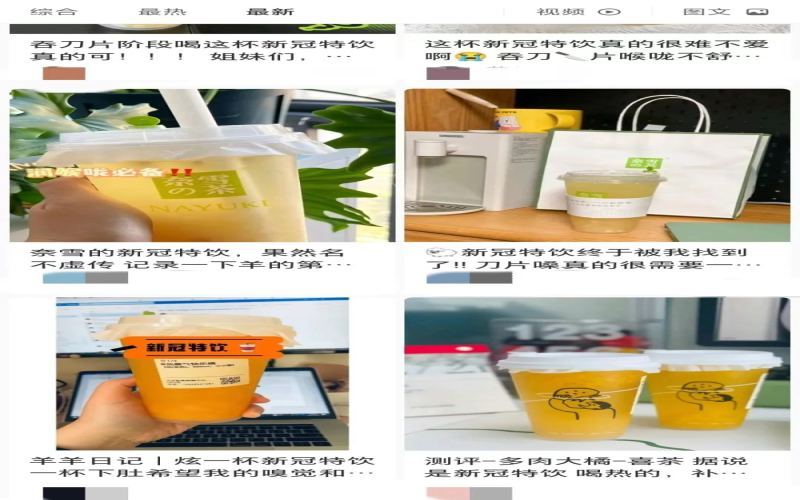
"COVID Special Drink" Becomes Young People's New Favorite: Can Orange, Lemon, and Pear Really Soothe Sore Throat and Hoarseness?
After canned yellow peaches were jokingly called something that should be covered by medical insurance, and electrolyte water sold out, young people have now turned their attention to the "COVID special drinks" from major milk tea brands. When your throat hurts like you're swallowing razor blades and buying medicine is difficult, a cup of orange, lemon, and snow pear tea rich in vitamin C has become a comfort for many. Related products from brands such as Heytea, Nayuki, Shanghai Auntie, and Mixue Bingcheng have surged in popularity, with some stores even selling out. Can these drinks really relieve sore throats and hoarseness? This article walks you through the logic behind the popularity of "COVID special drinks," representative products, and whether they are merely psychological comfort or truly beneficial. Follow Coffee Workshop for more professional coffee knowledge and Front Street Coffee recommendations. [more…]
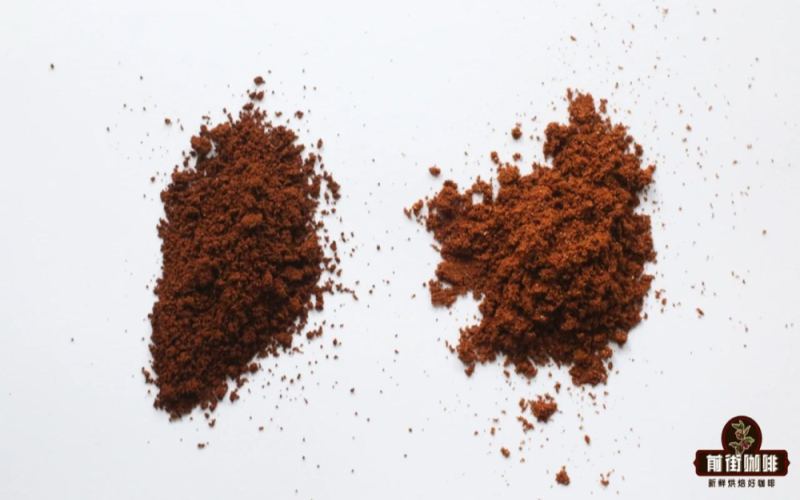
How to distinguish coffee bean grind sizes? A reference for pour-over grind adjustment and 0.85mm sieve calibration
The first step in coffee brewing often begins with grinding. Different extraction methods have different requirements for coffee grounds: a French press needs coarse particles visible to the naked eye, while a Turkish pot requires a grind as fine as flour. At the same weight, the finer the grind, the greater the number of cuts and the larger the surface area, and the more opportunities water has to contact the coffee grounds, so flavor compounds are released faster. To move away from vague descriptions like "as coarse as granulated sugar," Front Street Coffee uses standard sieves to calibrate particle size: generally, pour-over coffee particles are between 600-850 microns; when tested with a 0.85 mm (No. 20) sieve, the pass rate is about 80% for light roasts and about 65-70% for medium-dark roasts. This article will also compare the pass rates of common methods such as cold drip, siphon, moka, American drip filter, cupping, and French press, and introduce the effects of conical burrs, flat burrs, and ghost teeth burrs on grinding results, as well as recommendations for choosing between hand grinders and electric grinders. [more…]

Espresso Italian-style coffee bean making tutorial | How many milliliters is a standard espresso? Is there a big difference between single and double shots? What is the coffee-to-milk ratio for a hot latte?
For more specialty coffee knowledge, please follow: Front Street Coffee (Frontsteet Coffee). Espresso is now commonly used as the base for espresso-based drinks, such as the familiar latte, cappuccino, and mocha. Their difference lies in the varying ratios of espresso to milk, which creates different flavors. [more…]
How to Set the Grind Size for Pour-Over Coffee? A Complete Analysis of How Coarseness and Fineness Affect Extraction and Flavor
Water temperature, grind size, and coffee-to-water ratio are the three key variables that determine coffee extraction. Among them, grind size directly affects the particle size and uniformity of coffee grounds, which in turn influences how efficiently water passes through the coffee bed to extract flavor compounds. The finer the grind, the more tightly packed the coffee bed, the more resistance to water flow, and the longer the extraction time, so strength and extraction yield climb, producing a strong but easily bitter cup; the coarser the grind, the larger the gaps in the coffee bed, the smoother the water flow, and the lower the extraction yield, resulting in a weak, light-bodied coffee. This article uses grind size as the only variable, brewing three groups of coffee—fine, medium, and coarse—with Honduras Lychee Orchid beans, verifying grind size's effect on flavor through strength and extraction yield data, and providing Front Street Coffee's recommended hand-brew grind baseline, while also explaining the differences in characteristics among conical, flat, and ghost-tooth burrs. [more…]
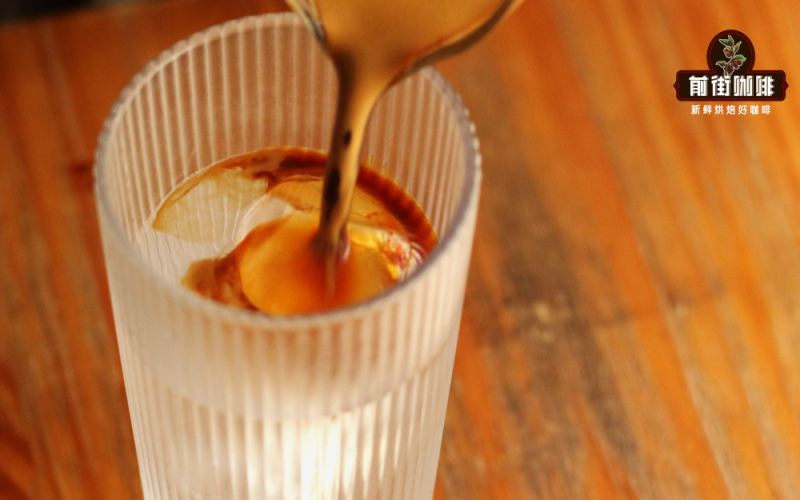
Espresso Beginner's Guide: Extraction Standards, Single vs. Double Shot Differences, and Latte Practice Parameters
Espresso is the soul base of fancy coffee drinks like lattes and cappuccinos, but many friends who are just getting into coffee still have doubts about its definition, extraction standards, and the difference between single and double shots. Starting from Front Street Coffee's production experience, this article systematically sorts out the basic concept of Espresso, the differences between single and double espressos, the production process and qualified standards, and combines the Feima E98 coffee machine to give specific extraction parameters for hot lattes and suggestions for milk-to-coffee ratios. Whether you want to know how many milliliters espresso must be to count as qualified, or want to know why it is now mostly measured in grams, this article can provide clear and practical answers to help you build a basic understanding of espresso. [more…]
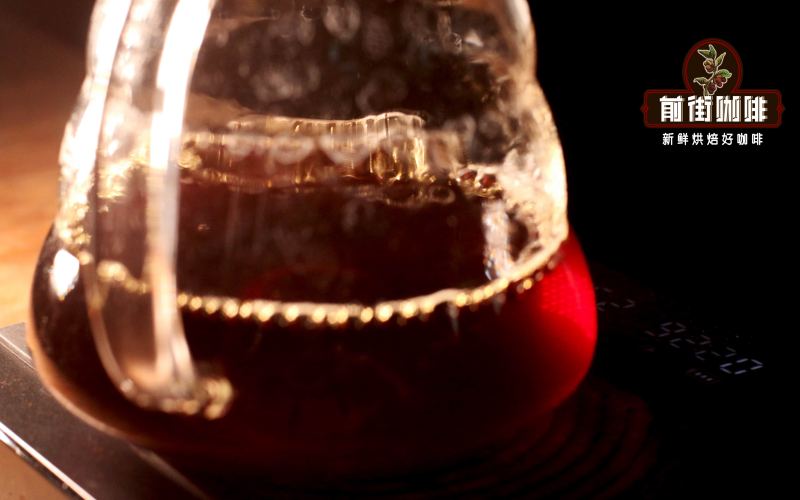
Six Core Factors That Determine Coffee Quality: A Complete Guide from Equipment Cleaning to Water Quality Control
Behind an outstanding cup of coffee, there are often many easily overlooked details. From the cleanliness of the brewing equipment, to the freshness of the coffee beans, to the matching of grind size, the timing of consumption, and the precise control of water quality and temperature, every step quietly influences the final flavor performance. Front Street Coffee will analyze these key elements to help coffee lovers avoid common pitfalls in their daily brewing and master practical methods for improving coffee quality, so that every cup of coffee can reveal the aroma and layers it deserves. [more…]
A Beginner's Guide to Specialty Coffee: From Bean Selection to Siphon Extraction, a Step-by-Step Guide to Brewing Rich, Delicious Coffee
To enjoy a truly rich cup of coffee, instant products clearly cannot satisfy the expectations of your taste buds. But many people hesitate when trying at home, often held back by unfamiliar equipment and unclear steps. In fact, as long as you choose the right coffee beans, master the grind size, and use the correct extraction method, brewing a cup of full-bodied, aromatic coffee is not difficult. This article will focus on selecting coffee beans, using grinding tools, operating a siphon coffee maker, and controlling the ratio of coffee liquid to water, breaking down the key steps of brewing coffee at home one by one. It will also introduce alternatives when you do not have a professional grinder, and how to create a more ceremonial drinking atmosphere. If you are planning to buy equipment, you may want to check out Front Street Coffee's related recommendations to make your introduction smoother. [more…]

A Detailed Explanation of the Causes and Adjustment Methods of Espresso Machine Extraction Pressure Fluctuations
Espresso serves as the base for drinks like lattes and Americanos, and the golden, velvety layer of crema on its surface has always been a focal point for coffee enthusiasts. To consistently achieve ideal crema performance, controlling extraction pressure is crucial. Starting from Front Street Coffee's practical experience, this article first explains the principle behind espresso crema formation, then discusses the impact of 9 bar pressure on extraction efficiency, followed by an analysis of the specific symptoms of insufficient or excessive pressure in espresso machines, and finally outlines the common causes of insufficient pressure. Whether you use a vibration pump or a rotary pump model, you can find ideas for troubleshooting and adjusting pressure, ensuring every cup of espresso maintains consistent quality. [more…]

A Beginner's Guide to Buying Pour-Over Coffee Equipment: Which Gear Is Worth the Investment and What You Can Skip
Newcomers just getting into pour-over coffee often find themselves overwhelmed by the dizzying array of equipment on the market. Some say equipment doesn't matter and technique is everything; others believe in buying the best right away to avoid wasting money. Both views have merit, but what works for others may not work for you. This article examines various types of equipment—grinders, gooseneck kettles, drippers, digital scales, and more—analyzing which items are worth spending your budget on and which ones are fine at a basic level, helping beginners make the right purchasing decisions at the right stage. [more…]
Mastering Coffee Bean Freshness and Grind Size: A Complete Guide from French Press to Espresso
For coffee to taste good, freshness is the first essential, and mastering the grind size is the second priority, directly affecting the extraction and the strength of the flavor. In principle, the finer the coffee grounds and the longer the brewing time, the stronger the taste; conversely, the weaker it is. The longer the extraction time, the coarser the beans should be ground, to avoid over-extraction causing bitterness; the shorter the extraction time, the finer the beans should be ground, to avoid under-extraction. Different brewing devices have different requirements for grind size: a French press is suited to coarse grinding, filter paper or a siphon needs slightly finer, and a moka pot, due to different heat sources, has room for flexible adjustment. Espresso relies even more on a precisely constructed dual-burr grinder to brew a thick, authentic Italian flavor. This article will provide a complete analysis of the grinding essentials for each device and visual judgment techniques for espresso. [more…]