







Search Results for: behavior

Coffee Terminology | What is bypass? Why perform bypass on a prepared coffee beverage? What are the considerations when using bypass?
As in various other industries, there are quite a few professional terms in coffee as well. We can understand so-called professional terms as a condensed expression of complex concepts. They can not only improve the efficiency of our communication, but also increase the precision of communication and reduce the chance of communication barriers arising. However, because most [more…]
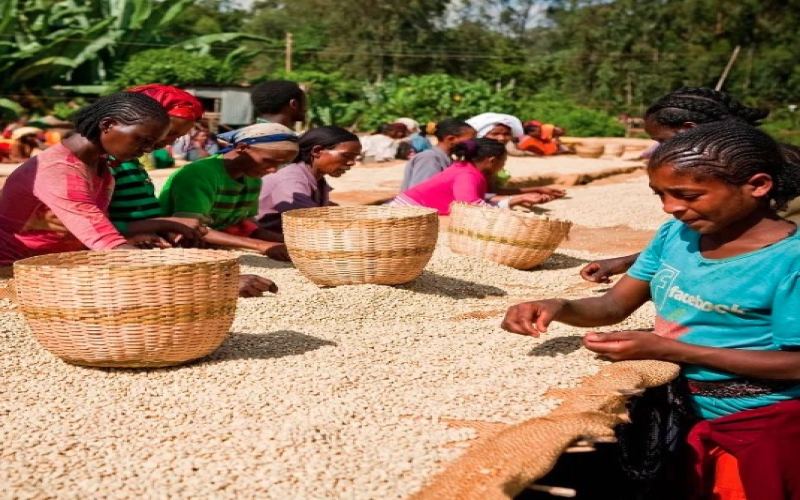
Coffee Grading | What are AA and AB in Kenya? What is the difference between AA TOP and AA?
Previously, we talked about the coffee grading in Ethiopia. Today, let's take a look at what the coffee grading in Kenya is like! After all, when we see Kenyan coffee, we will see things like AA and AB. What exactly do these refer to? What is AA TOP? [more…]
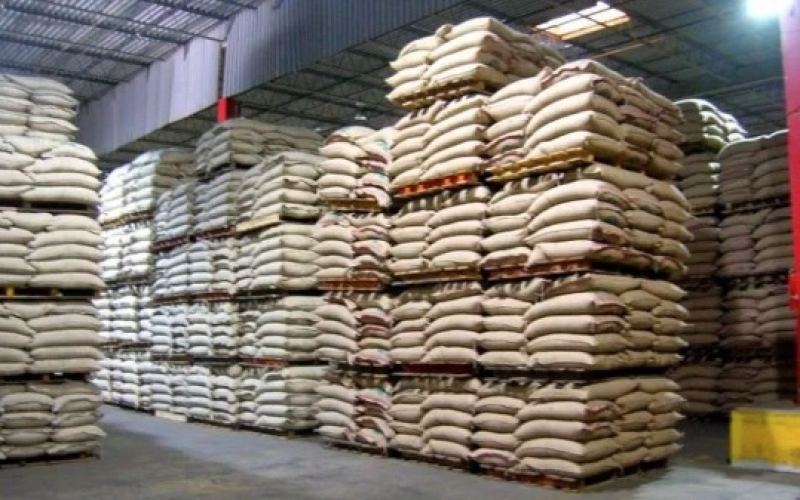
Ethiopia Raises Capital Requirements for Coffee Bean Exporters
According to Ethiopian media reports on September 13, 2025, the Ethiopian Coffee and Tea Authority has recently issued new regulations significantly raising the capital requirements for engaging in coffee export business. Under the latest Coffee Mark [more…]

Medium Roast Is Not Just One: Choosing Roast Levels for Espresso Beans
Even when both are labeled "medium roast," coffee beans put into an espresso machine may present bright fruit notes, or lean more toward caramel, cocoa, and nuts. Roast level is not a simple label, but an important clue that determines the focus of aroma, the expression of sweetness, and the extraction response. To pick beans that suit your taste, you can first look at their position within the medium roast range. [more…]
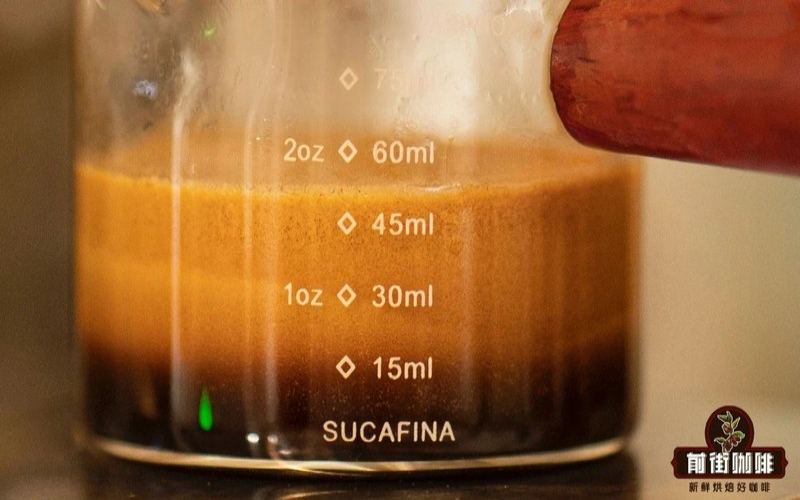
Rich Coffee Bean Recommendations: Make Every Cup Catch the Flavor Window
Full-bodied mouthfeel is not a flavor that is fixed in place the moment coffee beans are freshly roasted. After the beans come out of the roaster, they continue to slowly release carbon dioxide internally, and the aroma, sweetness, and mouthfeel will shift over time. If brewed too early, the cup may have a noticeable gassy sensation; when left to the right stage, flavors such as nuts, cocoa, and caramel are more likely to connect. [more…]
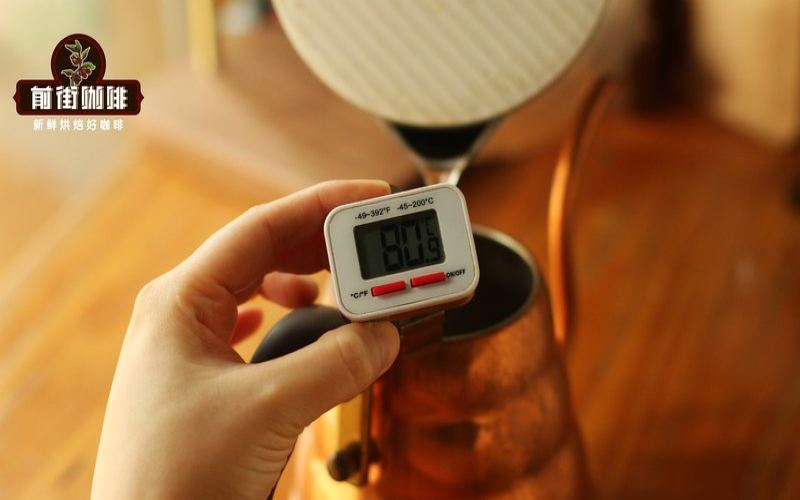
From roast date to opening rhythm, this is how to enjoy coffee beans
After you bring coffee beans home, the flavor doesn't immediately settle into its ideal state. When roasting ends, carbon dioxide still remains inside the beans, and the aromas need time to reorganize. When beginners choose beans, they can first look at the roast date, then plan their drinking pace, so that every cup they brew stays in a stage that's relatively easy to recognize, rather than [more…]
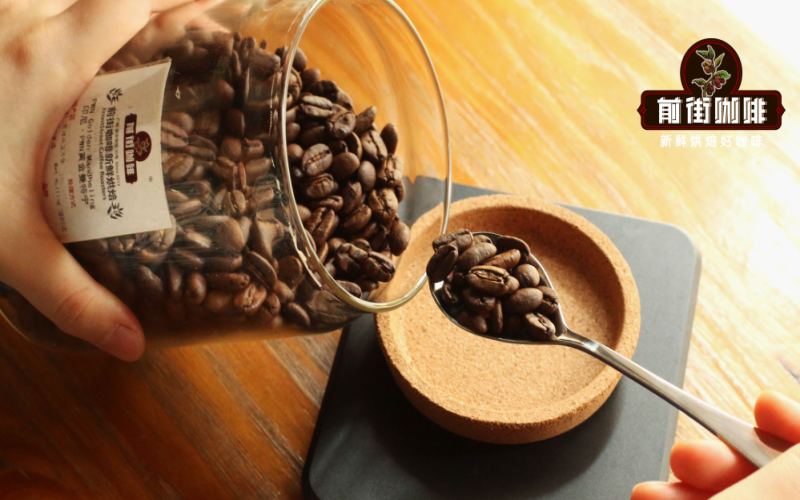
Multi-Serve Pour-Over Coffee Brewing Plan | Does the Amount of Coffee Grounds Affect the Flavor and Mouthfeel of Pour-Over Coffee? How to Adjust Extraction Parameters for Pour-Over Coffee for 4 People?
Front Street Coffee uses a standard dose of 15 grams of coffee per serving, so when sharing brewing methods, 15 grams is always used as the demonstration standard. However, the dose used to brew coffee varies widely. Based on Front Street Coffee's observations, the most common doses are multiples of 6—12 grams, 18 grams, and 24 grams—and these are mostly used to make a single serving of 120 [more…]
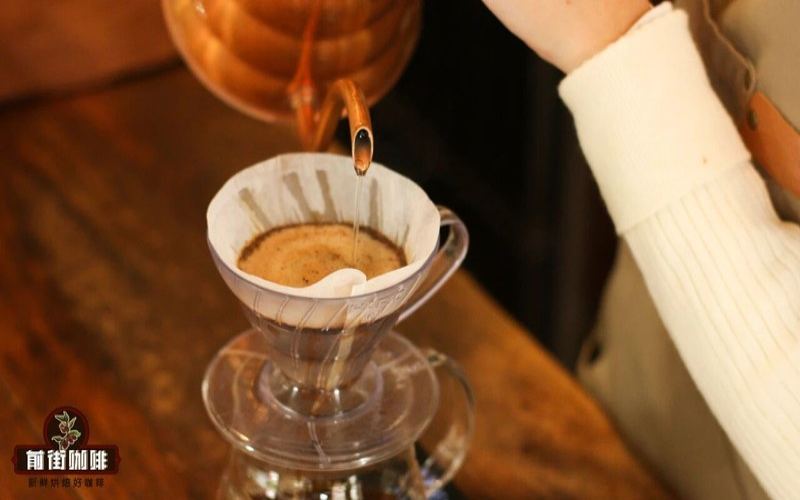
Blended beans from roast date to opening: hitting the right flavor window
After coffee beans leave the roaster, their aroma does not immediately reach its ideal state. The beans still contain a fair amount of carbon dioxide, so during brewing they degas vigorously, the water flow easily bypasses the coffee bed, and although the cup may have a powerful aroma, its sweetness and complexity have not yet unfolded. When choosing a blend, rather than simply assuming "the fresher the better," it is better to consider the roast date and the expected opening [more…]

Coffee Brewing Time | Why Do You Need to Time Your Pour-Over Coffee? What Factors Affect the Extraction Time When Brewing Coffee?
When brewing the vast majority of coffees, we always casually press the timer function that comes with the scale to start counting time—this is something that seasoned baristas have emphasized since the very beginning. But for some friends, this behavior is incomprehensible, because they believe that recording time has no effect on the coffee. [more…]
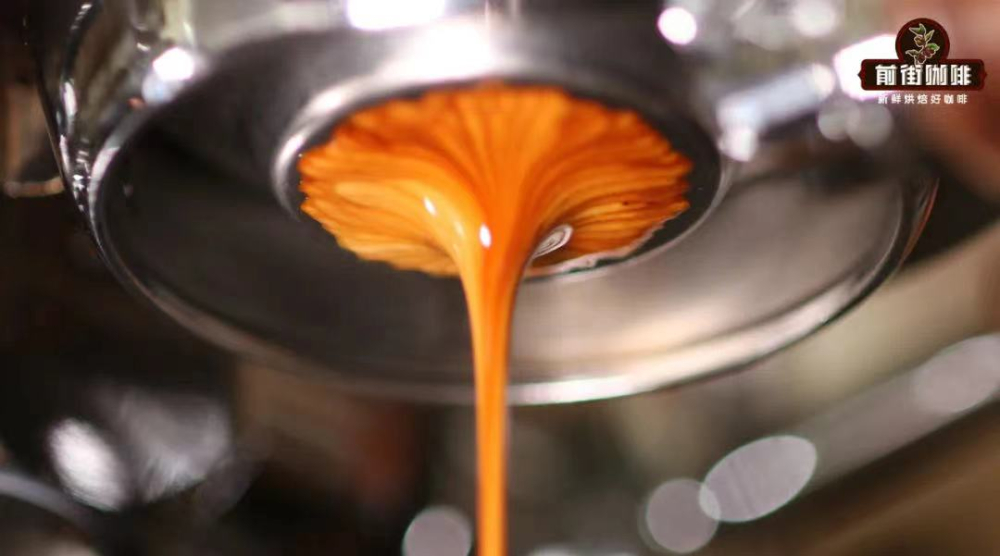
Espresso-Specific Coffee Bean Recommendations | Where Does Espresso Come From? What Coffee Products Can Be Made with Espresso? What Coffee Beans Are Suitable for Espresso?
Espresso is not just a beverage; it is a lifestyle shared by people around the world! We have almost lost count of how many espressos coffee lovers around the globe consume each day, but have you ever wondered where espresso actually comes from? Who exactly invented this magical drink? [more…]
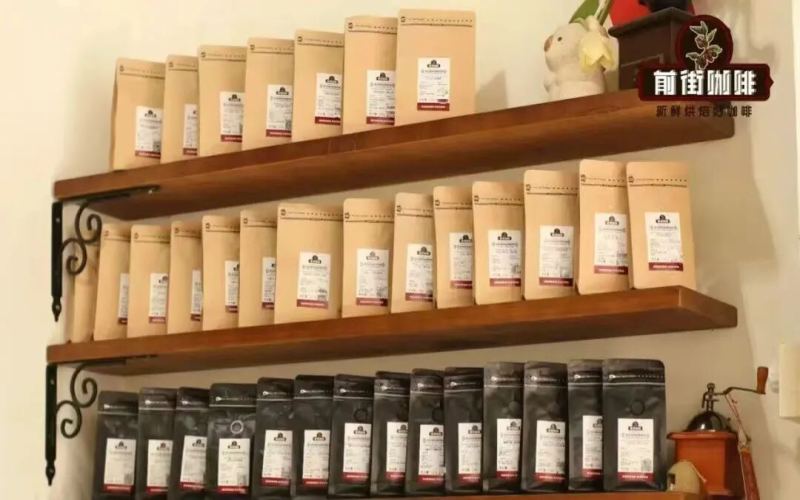
Coffee Bean Storage | Can You Use the Freezer to Keep Coffee Beans Fresh? Do Frozen Coffee Beans Need to Be Thawed Before Brewing?
Freezing is a very popular method of "preserving" coffee beans in recent years. Simply seal the coffee beans and toss them into the freezer, and the flavor loss of the coffee will slow down, thus extending its shelf life. Many friends have adopted this method to stock up on coffee beans purchased during Front Street Coffee's discount events. [more…]
Exploring Indonesian Coffee Origins: The Flavor Truth of Mandheling and Kopi Luwak, Plus Front Street Brewing Tips
Indonesia is an important coffee-producing region globally, and among its coffees, Mandheling and Kopi Luwak are the most talked-about. Kopi Luwak is produced through fermentation within the civet, resulting in a flavor with herbal notes and excellent body, but its production is scarce and the price is high. However, driven by commercial interests, caged farming practices force civets to eat only coffee cherries, sparking controversy over animal welfare. Front Street Coffee believes that the formation of Kopi Luwak itself is not problematic; the issue lies in forced captivity and force-feeding. This article will discuss the origin of Kopi Luwak, the reasons behind its flavor, and the principles of in vivo fermentation, and share Front Street's neutral perspective and brewing methods, while recommending several Indonesian and other origin coffees worth trying. [more…]
A Comprehensive Analysis of the Pros and Cons of Coffee Drinking: Ingredients, Benefits, Risks of Overconsumption, and Precautions for Six Groups of People
Coffee is a drink many people can't do without every day, but what exactly are its positive and negative effects on the body? This article starts with coffee's main components, systematically sorting out the effects of substances such as caffeine, tannic acid, fat, and sugar, then separately explains the benefits of drinking coffee in moderation, including refreshing the mind, protecting the skin, sobering up, and preventing gallstones, while also discussing problems that may be caused by excessive intake, such as caffeine poisoning, insomnia, and anxiety. The article also specifically lists six groups of people who should not drink much coffee, and gives reminders about drinking on an empty stomach and for people with high blood pressure. If you care about the relationship between coffee and health, this content can serve as a fairly complete reference. [more…]