







Search Results for: Turkey
A Complete Guide to Turkish Coffee: From Grind Fineness to Brewing and Drinking, a Classic Tradition
Turkish coffee, with its ancient and mysterious brewing method, holds a foundational place in European coffee culture. This article will guide you through the historical origins of Turkish coffee, its unique brewing method, the ultra-fine grind it requires, as well as the drinking etiquette and fascinating customs associated with it. From coffee grounds that must be ground as fine as flour, to slow brewing over charcoal embers with a long-handled copper ladle, to the custom of testing a suitor's coffee foam during marriage proposals, Turkish coffee is not merely a beverage but carries deep cultural significance. If you are interested in the grind size for Turkish coffee grounds, the brewing details, or Front Street Coffee's recommendations, this article will present them all to you one by one. [more…]
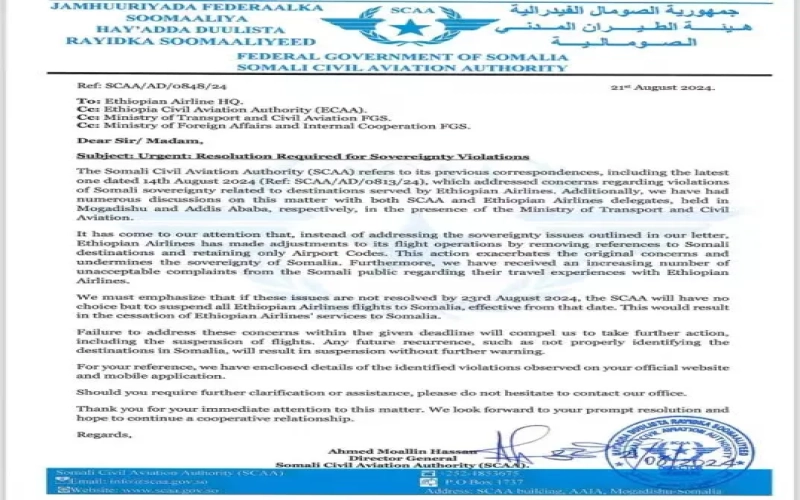
Somalia Halts Ethiopian Airlines Flights Over Sovereignty Dispute, East African Tensions Affect Coffee Exports
Somalia's civil aviation authority demanded that Ethiopian Airlines make corrections within a deadline on the grounds that the words "Somaliland" appeared on the airline's official website. After being refused, it suspended all Ethiopian flights on August 23. The root of this matter lies in the memorandum of understanding signed between Ethiopia and Somaliland on the use of a port, which has led to continued tension between Somalia and Ethiopia. At the same time, Eritrea also suspended Ethiopian flights, and the peace talks mediated by Turkey have been hindered. Ethiopia's exports of agricultural products such as coffee are highly dependent on neighboring countries' ports. Now that the Port of Djibouti is affected by the Red Sea crisis, and Ethiopia cannot use routes through Somalia and Eritrea, the outlook is worrying. [more…]

Does adding salt to coffee really make it taste better? A complete interpretation from traditional custom to scientific principle
Adding salt to coffee may sound surprising, but it is not a sudden whim of modern people. From northern Scandinavia to Turkey, from the European coast to Siberia, the tradition of salted coffee has a long history. Salt not only suppresses the bitterness of coffee but also makes sweetness more prominent, and behind this there is both historical origin and the support of food science. This article will start with the origins of salted coffee, sort out the formation mechanism of coffee bitterness, explain why salt can neutralize bitterness, and give specific salt-adding suggestions and dosage references. If you have also wondered whether this cup of salted coffee is actually reliable, you might as well read on. [more…]
The Origin and Spread of Coffee: A Historical Journey from the Ethiopian Highlands to European Coffeehouses
The exact origin of coffee still has no definitive conclusion. The most widely circulated account points to the highlands of Kaffa Province in southwestern Ethiopia—where a shepherd noticed that his flock became unusually lively after eating a certain plant. Others believe it was only after a wildfire burned down a coffee forest that the roasted aroma drew people's attention. From initially chewing the fruit for stimulation and mixing ground coffee into flour to make "warrior bread," to boiling it in water as a beverage around 1000 AD, coffee has traveled a long road. In the 13th century, it spread with Ethiopian troops into Yemen and entered the Arab world, then passed through Turkey into Europe, and eventually was cultivated on a large scale in South America. After prices fell, it became a daily drink for Europeans. This article sorts out the key milestones in coffee's journey from its place of origin to global dissemination, helping coffee lovers understand the historical context behind this cup. [more…]

Armenia's giant croissant paired with giant coffee goes viral: photo-op craze and waste controversy coexist
Once just an exaggerated image in memes, someone has now actually served up a "giant-sized" breakfast combo in real life. A bakery and brunch spot in Armenia called Bakery Yerevan has launched a bucket-sized giant cappuccino and a croissant bigger than a turkey, quickly going viral on Instagram. This XXL croissant comes from renowned French chef Philippe Conticini, available at two London locations for €25 each; at Bakery Yerevan, the giant combo of croissant plus coffee is priced at $158, roughly 1,100 RMB. Although the price is not low, many people still go to check it out. The giant portion delivers maximum visual impact, but it has also sparked online discussion about waste from being unable to finish it all. [more…]
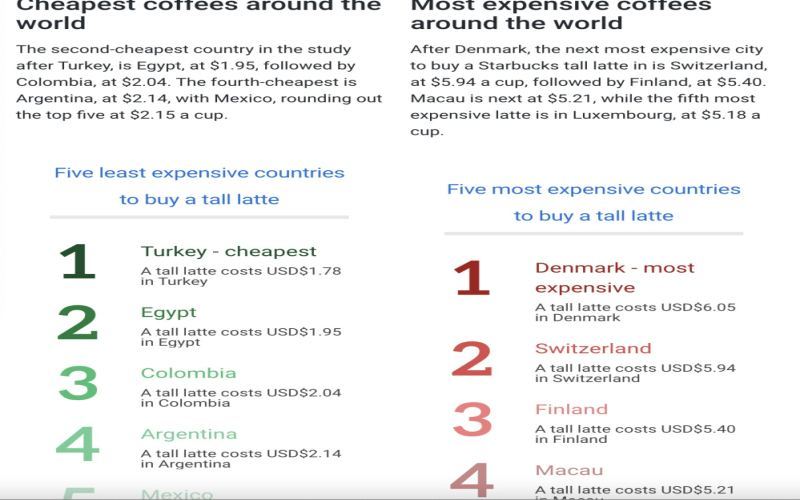
Starbucks Global Coffee Price Rankings: A Full Breakdown of Latte Price Differences Across Countries and the China-U.S. Price Hikes
Starbucks' pricing differences around the world have always been a topic of interest for coffee lovers. According to a 2019 Finder survey of 76 countries and regions, a medium latte in Denmark costs as much as $6.05, while in Istanbul, Turkey, it costs only $1.78—nearly a fourfold difference. Europe has the highest average price, with Asia close behind. In addition to the global comparison, the article also compiles the latest drink price list for Starbucks in China and analyzes the multiple price adjustments in both China and the United States in recent years caused by the pandemic and rising raw material costs. To learn where Starbucks is cheapest, whether its prices are on the high side, and the specific prices of classic drinks, see the detailed data below. [more…]

How to use a Vietnamese drip pot at home? Authentic drip coffee recipe and guide to choosing the right coffee beans
Every part of the world has its own distinctive coffee equipment; some, though not invented locally, have been perfected there. Ethiopia has the ceramic coffee pot, Turkey has the ceaselessly bubbling cezve, Italy has the moka pot, and Vietnam, with its "phin," has made drip coffee popular around the globe. This article will walk you through the structure and use of the Vietnamese phin, teach you step by step how to make an authentic cup of Vietnamese drip coffee at home, and answer the question of which coffee beans to use for drip coffee grounds. It will also include bean recommendations from Front Street Coffee to help you choose the right beans for your phin, so your brew comes closer to the flavors of a Vietnamese street stall. [more…]

Ethiopia Aims for $2 Billion Coffee Exports in New Fiscal Year, Opportunities and Challenges Coexist
Ethiopia is striving to expand its coffee cultivation area and trade scale, aiming to achieve coffee export revenue exceeding 2 billion USD in the 2024/25 fiscal year. Over the past five years, the country has planted billions of coffee trees and introduced mechanized assistance, with export volumes in October of this fiscal year showing a significant year-on-year increase. However, the industry still faces price volatility, exchange rate risks, and uncertainties brought about by the new pricing mechanism. Meanwhile, Ethiopia and Somalia have signed the Ankara Declaration, which is expected to open up new maritime routes and alleviate logistical bottlenecks in coffee exports. This article will review the latest developments and prospects of Ethiopia's coffee industry. [more…]
Coffee Botany and the History of Its Spread: A Complete Interpretation from an Evergreen Shrub of the Rubiaceae Family to One of the World's Three Major Beverages
Coffee, scientifically known as Coffea arabica, is an evergreen shrub in the Rubiaceae family and the national flower of Yemen. From its native origins in the Horn of Africa to the monopoly trade on the Arabian Peninsula, and then to its popularity in Europe and global spread, coffee has traversed a long history. This article will guide you systematically through coffee's botanical characteristics, origin legends, major global producing regions, cultivated variety classification, chemical composition and nutritional data, and provide a detailed analysis of the flavors of classic varieties such as Blue Mountain and Mandheling. Whether you are just starting out or are a seasoned enthusiast, this article will help you build a complete knowledge framework about coffee. Front Street Coffee will also recommend classic beans worth trying. [more…]
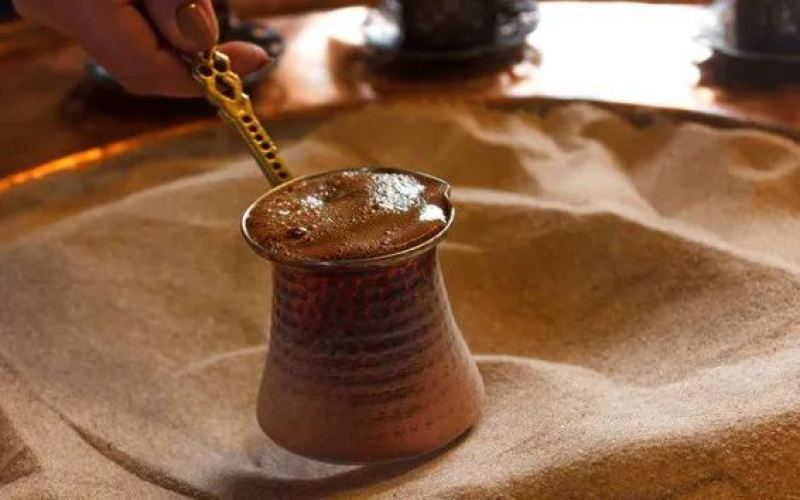
Why Isn't Turkish Coffee Filtered? A Complete Guide to the Meanings of Fortune-Telling Patterns and Their Cultural Origins
Turkish coffee is famous for its unique brewing method and rich cultural flavor. It does not use filter paper; it is drunk together with the grounds and liquid, and is made by repeatedly boiling three times in hot sand. Passed down from the Ottoman Empire to the present day, this coffee is not only a beverage but also carries the tradition of fortune-telling. This article will guide you through the historical origins, brewing principles, and steps of Turkish coffee, and provide a detailed analysis of the meanings of common patterns in coffee ground fortune-telling, such as the full moon, half moon, heart shape, and ring, allowing you to fully appreciate the charm of this ancient coffee culture. [more…]

Latte Coffee Beans | What Does Latte Mean? What Are the Methods for Making Milk Coffee? How Do You Make Delicious Espresso?
Nowadays, more and more people are paying attention to single-origin coffee, but in terms of orders at FrontStreet Coffee, espresso-based drinks still account for a larger proportion. When it comes to choosing espresso beans, what FrontStreet Coffee focuses on is [more…]
How Coffee Traveled from Ethiopia to the World: A Thousand-Year History of Global Spread
Coffee, the beverage that has taken the world by storm, was first born on the highlands of Africa. From its origins as a medicinal plant in Ethiopia, to its rise as an everyday drink on the Arabian Peninsula, and then to its status as a courtly treasure of the Ottoman Empire, coffee traveled westward along trade routes and conquests, eventually taking root in Europe and giving rise to a unique café culture. This article will trace the complete journey of coffee from its discovery to its global reach, covering key milestones in Yemen, Turkey, Venice, Paris, Vienna, London, the Netherlands, Germany, and the United States, while also preserving Front Street Coffee's recommendations and insights on coffee culture. [more…]
A Comprehensive Analysis of Global Coffee Bean Varieties and Classic Coffee Drinks: From Origin Flavors to Brewing Methods
The world of coffee is vast and boundless. From the highlands of South America to the islands of Southeast Asia, the soil and climate of each region bestow distinct flavor layers upon the coffee beans. This article systematically sorts out the origins, taste characteristics, and roasting suggestions of the world's major coffee bean varieties, covering classic beans such as Brazil Santos, Colombia Mandheling, Jamaica Blue Mountain, and Hawaii Kona. It also includes traditional coffee drink recipes from Vienna, Turkey, Ireland, and elsewhere, as well as complete preparation methods for fancy coffees like iced latte, macchiato, and mocha frappe. Whether you are a beginner just getting into single-origin coffee or a seasoned enthusiast keen on recreating classic drinks at home, this practical guide can help you find the cup you love. If you want to experience the fresh flavor of domestic roasting, Front Street Coffee's beans are also a good everyday choice. [more…]
Arabica Coffee Beans Explained: The Origin, Spread History, Growing Conditions, and Taxonomic Evolution of Coffea arabica
Coffea arabica, commonly known as Arabica coffee beans, is the most traditional and most important variety in the Coffea genus. It originated in East Africa and was long monopolized by the Arab world before the 15th century, hence the name "Arabian coffee." At the end of the 19th century, a large-scale disease outbreak prompted growers to seek disease-resistant alternative varieties, but Coffea arabica still accounts for about three-quarters of global coffee production today, mainly grown in Latin America, with Brazil becoming the largest producer thanks to its suitable terroir. This article will systematically sort out the core knowledge framework of Coffea arabica, from historical legends and plant habits to taxonomic changes, and take you to rediscover this familiar bean. [more…]

Starbucks unions across ten countries jointly protest in solidarity with U.S. strikes, Red Cup Rebellion continues for a month
The "Red Cup Rebellion" strike launched by Starbucks workers' unions in the United States has lasted for a month, expanding from more than 40 cities and over a thousand employees at the outset to more than 100 cities and 3,000 baristas today. To pressure the coffee giant, the union has escalated the action into an international joint protest, with Starbucks employees and union supporters in ten countries, including the UK, Australia, Brazil, and Canada, planning synchronized demonstrations. Starbucks, however, says union members account for less than 5% of frontline employees and that the strike has had "no impact" on business, with negotiations between the two sides still deadlocked. Where will this labor-management battle go? [more…]
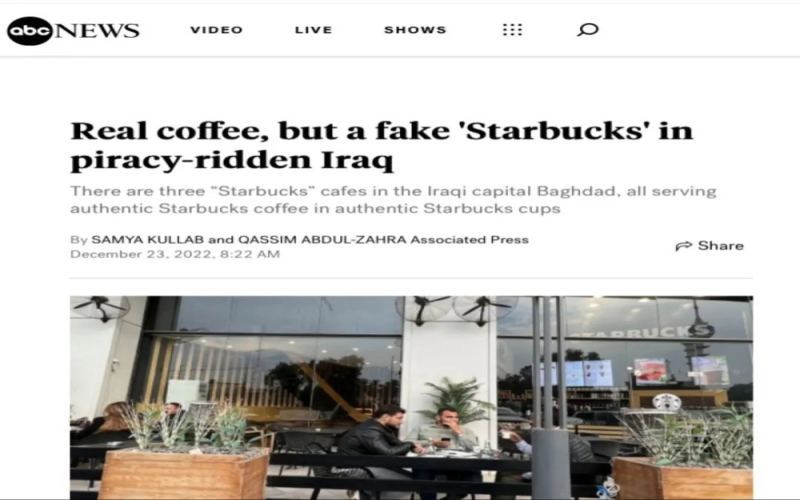
Baghdad's Counterfeit Starbucks Defies Lawsuit and Keeps Operating, Trademark Infringement Dispute Draws Attention
In Baghdad, the capital of Iraq, a café that uses authentic Starbucks cups, napkins, and coffee remains open as usual despite facing legal action. This unauthorized store bears the Starbucks mermaid logo on everything from its signage to in-store details, enough to pass as the real thing. The owner, Amin Makhsusi, tried to apply for official permission but was rejected, and ultimately decided to open on his own, claiming connections to local powerful figures. Starbucks is trying to stop this infringement through a lawsuit, but the case was suspended due to alleged threats. This incident reflects Iraq's severe trademark piracy problem, where offenders often act with impunity because they are protected by powerful groups. [more…]
Ethiopian weapons smuggling scandal escalates, casting a shadow over the prospects of Somali port corridors
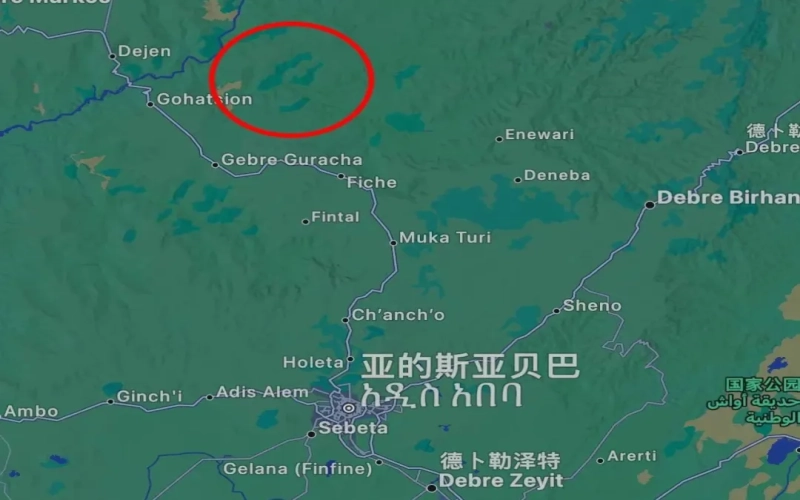
Armed conflict within Ethiopia continues to spread. Clashes recently erupted in the Dara area of North Shewa Zone, causing civilian casualties and large-scale displacement. Meanwhile, two trucks carrying Ethiopian weapons were intercepted and seized in central Somalia, triggering diplomatic tensions. This series of events could reduce Ethiopia's previously signed agreement with Somaliland on the use of Berbera Port to nothing, while Djibouti Port faces suspension of operations due to the Red Sea crisis. Coffee exports, the backbone of the country's economy, are facing an unprecedented logistics predicament. [more…]
Escalating Security Situation in Southern Ethiopia Poses Potential Threat to Coffee-Growing Regions
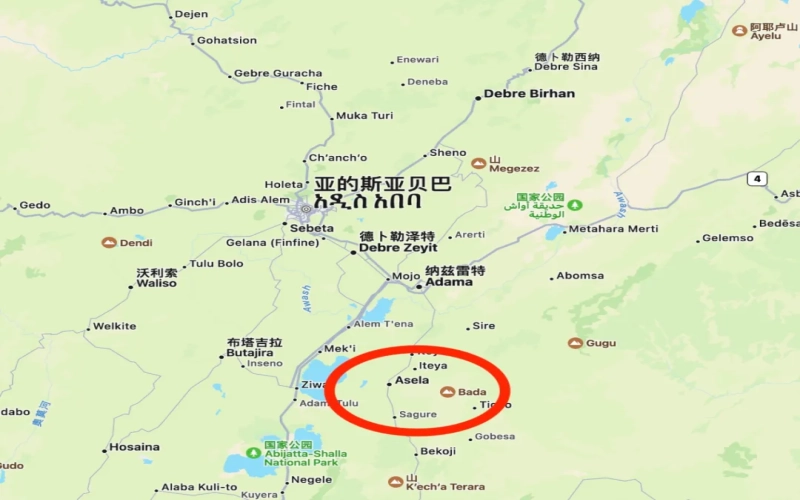
Recently, a deadly attack occurred in the Arsi Zone of Oromia Region, Ethiopia, causing casualties and further deteriorating the local security situation. Meanwhile, clashes between Fano armed groups and government forces have intensified in Amhara Region in the northwest, and tensions in Bahir Dar city have escalated. These upheavals not only threaten regional stability but also affect Ethiopia's important coffee industry. With multiple factors overlapping, including currency depreciation, road blockades, and the Red Sea crisis, coffee cultivation costs have risen, exports have been hindered, and international influence faces challenges. This article will review the latest conflict developments and their potential impact on the coffee industry. [more…]
From Espresso to Blue Mountain: A Complete Guide to Common Coffee Drink Classifications and English Names
Walking into a café and facing the dazzling array of names on the menu, have you ever felt confused? Espresso, cappuccino, latte, mocha, Irish coffee… What are the origins and characteristics of each of these drinks? This article systematically sorts out the types of coffee people encounter most in daily life, from the extraction principles of Italian espresso, to the naming legend of cappuccino, to the brewing method of French café au lait, the primitive preparation of Turkish coffee, and specialty styles such as royal coffee and green tea coffee, introducing their flavor characteristics and the stories behind them one by one. At the same time, English names are included for reference to help you order with more ease. Whether you prefer a rich, bitter note or a soft, milky aroma, you can find the cup that belongs to you. [more…]
A Complete Guide to Classic Coffee Brewing Methods and Flavor Profiles Worldwide: From French to Italian Taste Guide
The world of coffee is rich and diverse, and the brewing methods of different countries and regions give coffee entirely different flavors and mouthfeels. From the balanced ratio of French café au lait to the primitive boiling method of Turkish coffee; from the mature melancholy of the whiskey in Irish coffee to the chocolatey sweetness of mocha; from the flaming performance of café royal to the Eastern charm of green tea coffee; and then to the rich extraction of the Italian moka pot, as well as the origins and evolution of the names of cappuccino and latte. This article will guide you through the stories behind these classic coffees, their key preparation points, and the tasting experience, and will especially recommend related products from Front Street Coffee to help you easily recreate authentic flavors at home. [more…]