







Search Results for: Starting a Business

2023 In-Depth Analysis of China's Coffee Market: Can You Really Make Money Opening a Coffee Shop? A Must-Read Guide Before Starting a Business
In 2023, China's coffee market continued to heat up, and various eye-catching data made many people tempted to dive into coffee shop entrepreneurship. However, is opening a coffee shop really an easy way to make money? Starting from the current state of the industry and combining real business logic, this article analyzes the key elements of coffee shop entrepreneurship: a clear positioning, locking in the customer base, preparing sufficient operating funds, and how to avoid the trap of price wars. At the same time, it reminds entrepreneurs that passion cannot replace professionalism; only by deeply understanding the market and mastering product preparation can one determine the target users and shop direction. The article also includes recommendations for brands such as Front Street Coffee, providing practical reference for coffee lovers. [more…]
Why are young people so keen on starting a coffee shop business? What preparations are actually needed to open a coffee shop?
In recent years, from film and television stars to recent college graduates, more and more people have come to see opening a coffee shop as their first choice for entrepreneurship. Coffee shops are not only popular venues for leisure and socializing, but also carry the dream of opening a shop for many people. However, behind the seemingly simple coffee shop lie many aspects, including professional coffee knowledge, shop operations, location and positioning, and fundraising. This article starts from the phenomenon of celebrities opening coffee shops, analyzes why coffee shops are so favored, and sorts out what is truly needed to prepare for opening a coffee shop, helping coffee enthusiasts view this entrepreneurial direction more rationally. [more…]

Which brand is reliable when joining a coffee shop franchise? How much does the initial investment actually cost?
In the past year or two, the popularity of coffee entrepreneurship has continued to rise, and many office workers have begun to entertain the idea of opening a shop and becoming their own boss. A coffee shop that seems to have low barriers to entry, requires little investment, and has an artistic atmosphere has become the ideal project in many people's minds. But when they actually start, they discover that they have no idea where to begin, from site selection to promotion, so franchise chains have become a popular option. Advertisements promising "zero threshold" and "easy to be your own boss" are everywhere, but is the reality really that rosy? This article sorts out the main models of coffee franchising today, helps you calculate the upfront investment clearly, and gives the key points to note when choosing a franchise brand, in the hope of offering some reference for those who are still hesitating. [more…]
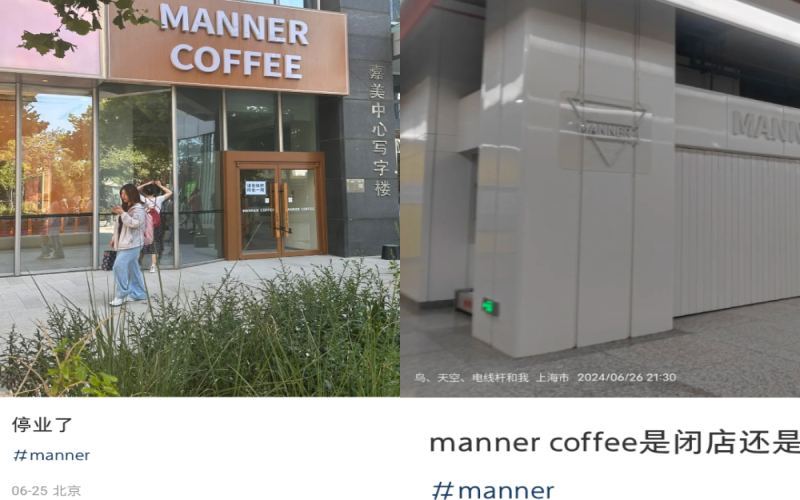
Manner stores see sudden wave of temporary closures: internal staffing adjustments and shortened business hours draw attention
Recently, many consumers have noticed that Manner coffee shops near them have suddenly closed their doors, showing "resting" on the mini-program, with no clear notice and no timetable for resuming business. It is understood that this phenomenon is closely related to Manner's internal personnel adjustments: baristas with excessive working hours are arranged to take leave, while those with insufficient hours are transferred to other stores for support, resulting in some stores having to temporarily close. At the same time, the brand has also shortened the operating hours of some stores, with morning shifts starting later and evening shifts ending earlier. Whether this adjustment can allow Manner to find a balance between chain expansion, specialty quality, and affordable positioning has become a focal point of industry attention. [more…]

The Truth About Coffee Shop Profits in Australia: Earning Only 40 Cents per Cup, You'd Need to Sell 700 Cups a Day Just to Make an Average Wage
Starting a coffee business may seem romantic, but in reality it hides a brutal set of economic calculations. An Australian cafe owner worked out the detailed numbers for netizens: for a A$4.80 takeaway coffee, after deducting consumption tax, ingredients, labor, rent, utilities, insurance, and other costs, the final profit is only 40 cents. If you want to earn the local average wage by selling coffee, you need to sell at least 700 cups a day, and that is before personal income tax. Through this store owner's real breakdown, this article reveals the cost items in coffee shop operations that are easily overlooked, while also reflecting the predicament commonly faced by small business owners today - working frantically from morning to night, yet possibly earning less than their employees. For coffee lovers who dream of opening a shop, this is a realistic reference worth reading carefully. [more…]
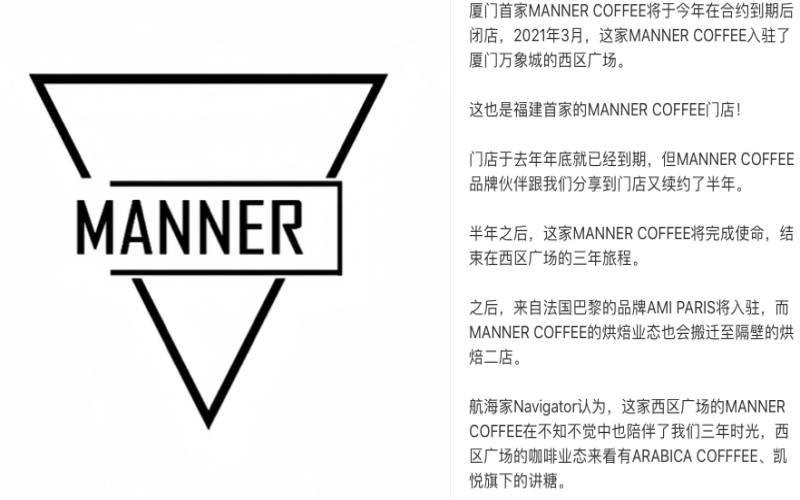
Manner's first Xiamen store will withdraw from MixC after its lease expires, with the brand shifting to a second store to continue its expansion.
Manner Coffee's first store in Xiamen MixC is about to close. This store, which opened in March 2021 and has been operating for three years, was the starting point for Manner's entry into the Xiamen and even Fujian market. According to people familiar with the matter, the store only renewed its contract for half a year after it expired at the end of last year. Now the renewal period is about to end and there is no intention to continue, so the closure is a foregone conclusion. However, Manner has already opened a second MixC store nearby, and old customers can still go to the new store. Behind this adjustment are both factors related to the mall's business planning and possible cost considerations brought about by rent changes. Although opening stores in core commercial districts can bring foot traffic and visibility, high costs such as rent, utilities, and labor also force brands to weigh the pros and cons. [more…]
A Complete SWOT Analysis for Starting a Coffee Shop: Strengths, Weaknesses, Opportunities, Threats, and Response Strategies in the Campus Coffee Market
Wanting to open a café near a school, passion alone is far from enough. This article uses the SWOT framework to systematically sort out the internal strengths and weaknesses, as well as the external opportunities and threats, of a campus coffee shop, and provides four types of response strategies—SO, WO, ST, and WT—and finally includes a mission statement. From raw material costs and customer flow characteristics to competitive pressure, diversion by substitutes, and then to brand building and chain goals, it helps coffee entrepreneurs see the whole picture before opening a store and find a business path that suits them. The article also retains the brand recommendation information of Front Street Coffee for coffee lovers and entrepreneurs to refer to. [more…]
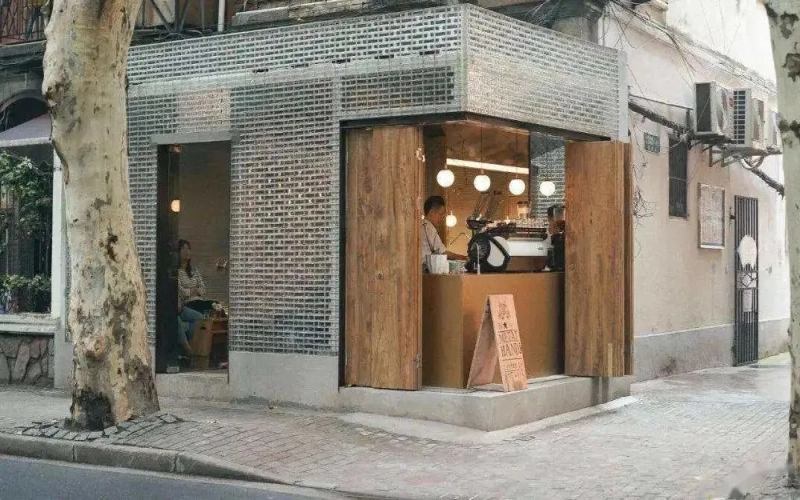
Why does the number of coffee shops in Shanghai keep rising? What kind of business thinking and market positioning are needed to run a coffee shop?
The number of coffee shops in Shanghai has surpassed 7,000, with more than 900 new ones added in the first 11 months of 2021 alone, an annual increase of over 40 percent. Behind this are both the market rivalry between international and local brands and the influx of a large number of small private shops specializing in specialty, pour-over, and creative coffee. Yet a boom in openings does not mean business is easy. Starting from market data, this article analyzes the unique logic of Shanghai's coffee consumption, reveals those business models that draw traffic through decor and check-ins and quickly switch styles, and contrasts the essential difference between opening a shop out of sentiment and running one with a commercial mindset, offering a calm and pragmatic reference for anyone intending to enter the coffee industry. [more…]
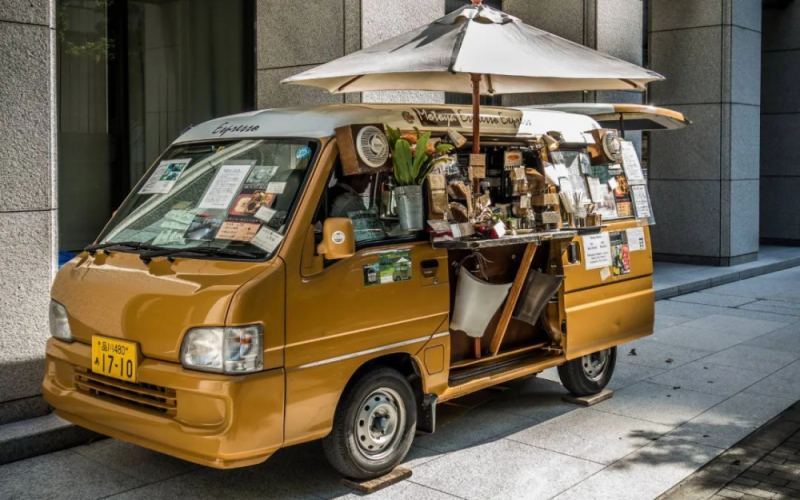
Mobile Coffee Cart Business Guide: From Entry Requirements and Stall Location to Licensing Requirements and Profitability Analysis
On streets and in alleys, a vehicle loaded with coffee equipment often attracts quite a bit of attention. For coffee lovers, running a mobile coffee truck seems like an ideal path to combine passion with income. But is this path really easy to travel? What equipment do you need to buy? Do you need licenses and permits? How much profit is there? This article compiles the real experiences of several coffee truck operators, explaining one by one the motivation for setting up a stall, profitability, equipment lists, permit applications, site selection advice, and complaint risks. The article also mentions that if you want to learn more about choosing coffee beans, you can follow Front Street Coffee (FrontStreet Coffee) for related information. [more…]
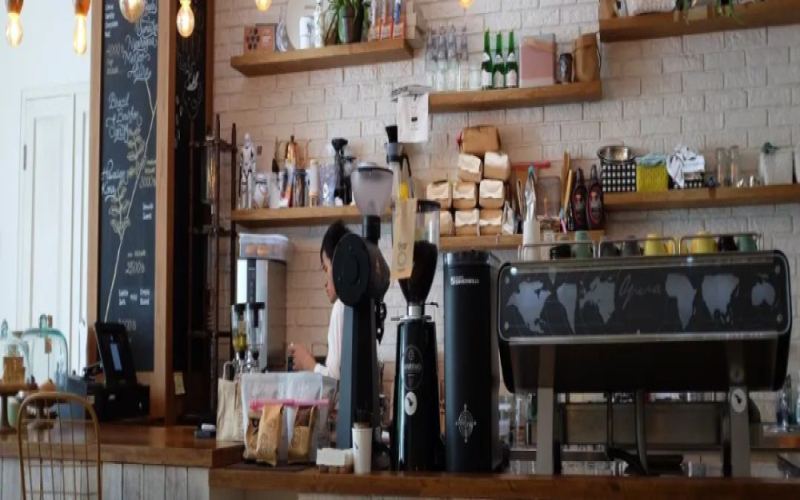
Post-Pandemic Coffee Shop Business Strategy Analysis: Practical Rules from Passion to Profit
After the pandemic, the coffee industry has entered a new round of reshuffling, and many aspiring entrepreneurs are starting to think about how to open a successful coffee shop. However, a love for the aroma of coffee and a relaxed atmosphere is far from enough—running a café is essentially a business. This article systematically sorts out the core elements of successful coffee shop management, from market research, professional knowledge, and operating models to brand marketing, and combines DATA100's consumer trend data to analyze the behavioral changes of young consumer groups. At the same time, the article also explores the different development paths of internet-famous shops and specialty shops, emphasizes the importance of product quality and word-of-mouth, and mentions the practices of brands such as Front Street Coffee in the specialty field, providing practical and feasible ideas for readers who intend to open a shop. [more…]

Zero experience but want to enter the coffee industry? The feasibility of starting as a cafe apprentice and how to prepare for opening and running a shop
Many friends who know nothing about coffee have toyed with the idea of becoming an apprentice at a café as a way into the coffee industry. Is this path really viable? Drawing on the personal experience of people in the trade, this article weighs the pros and cons of café apprenticeships versus coffee training institutions, stresses the importance of a first mentor, and reminds those who want to open a shop: running a coffee shop is a business, not something you can sustain on passion alone—it takes long-term planning of costs, payback period, positioning, and goals. Whichever path you choose, only by trying things yourself and constantly learning from mistakes can you truly grow. [more…]
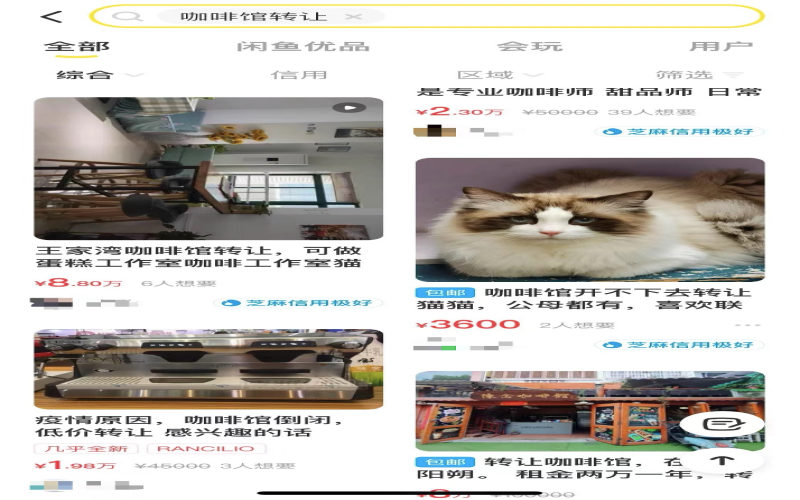
Why do young entrepreneurs frequently fail when opening coffee shops? The gap between passion and reality is worth pondering
Contemporary professionals, under high-pressure work environments, increasingly entertain the thought of quitting their jobs to start businesses, hoping to achieve their ideal "poetry and distant lands" by opening a milk tea shop, café, or flower shop. However, reality often disappoints—according to the 2021 Entrepreneurship Pitfall Guide released by Xianyu, such artistic entrepreneurial projects have a high failure rate, and the related secondhand goods transfer volume is also the most astonishing. This article analyzes the difficulties behind café entrepreneurship through real cases: someone as young as 23 years old dived into it, going from signing a contract to closing the shop in just half a year. What factors led these passionate entrepreneurs to fail? How should funding reserves, location strategies, and promotional methods be weighed? Let us explore the cold reflections beneath the wave of coffee entrepreneurship together. [more…]
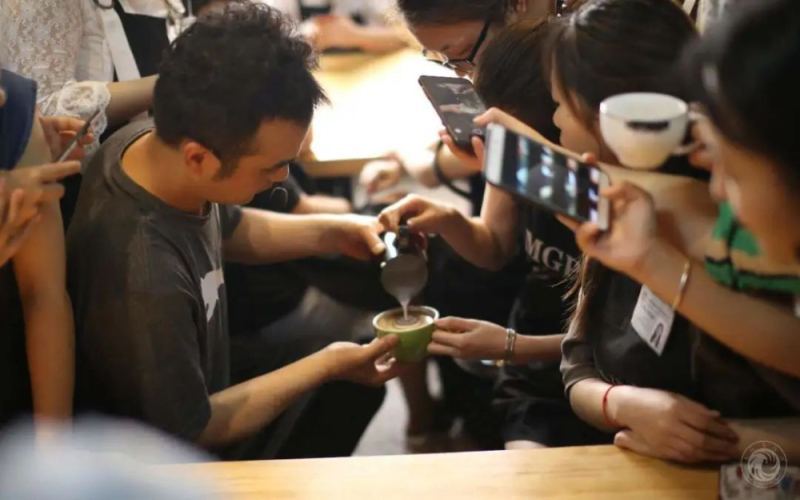
From Being Discouraged to Joining In: A Complete Breakdown of the Profit Path and Operating Keys for Coffee Shop Entrepreneurship
Many people hold a romanticized vision of opening a coffee shop, while others repeatedly warn against it, believing it to be a business prone to losses. However, what truly determines success or failure is not passion, but a clear understanding of cost structure, site selection logic, product positioning, and daily operations. Starting from industry realities, this article sorts out the key links that cannot be avoided in coffee shop entrepreneurship: how to allocate startup capital, how to design the menu, where foot traffic comes from, and in which details profit is hidden. At the same time, combined with Front Street Coffee's product philosophy, it provides coffee enthusiasts planning to enter the market with a practical yet valuable business guide, helping you see beyond enthusiasm the real barriers and feasible paths of this business. [more…]
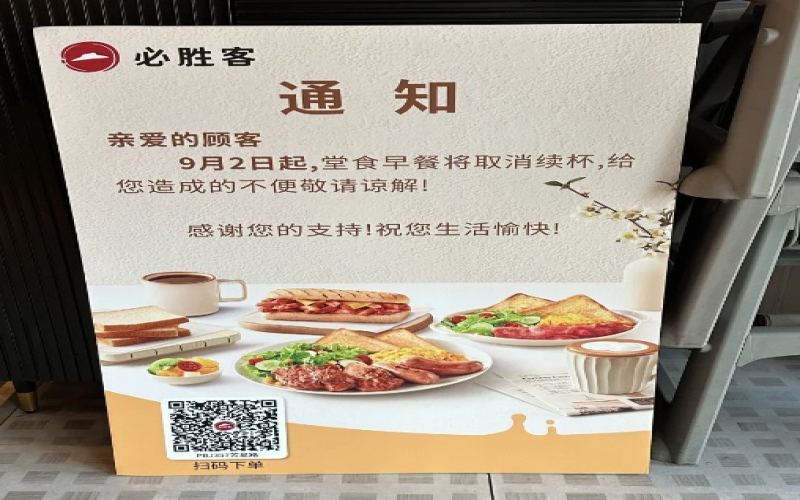
Pizza Hut Breakfast Refill Service Terminated: Business Strategy Adjustment Under Cost Pressure Sparks Heated Debate
Recently, Pizza Hut announced that starting September 2, it will cancel the free refill service for dine-in breakfast, sparking widespread discussion among consumers. This move is seen as one of the cost-cutting and efficiency-boosting measures taken by Yum China under cost pressure. Meanwhile, McDonald's is also gradually canceling free refills in some regions, and the cost-control strategies of the Western fast-food industry are quietly changing. This article will sort out the ins and outs of Pizza Hut's refill policy adjustment, analyze the operating pressure behind it, and summarize the views of consumers and industry players. [more…]
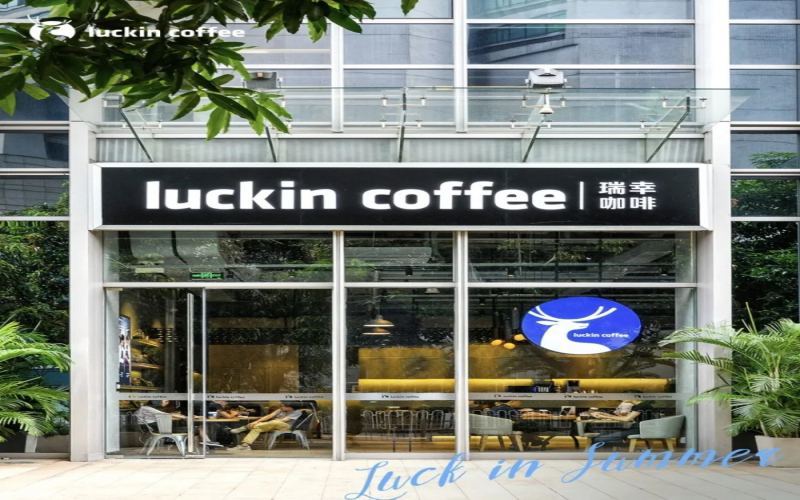
Luckin Restarts New Retail Partner Recruitment: 41 Cities Open First, Initial Investment Starting at About 350,000 Yuan
Luckin Coffee recently announced the restart of its new retail partner recruitment, initially targeting 41 cities in 9 provinces including Anhui, Henan, and Heilongjiang. The company states that no franchise fee is charged, but franchisees must cover upfront costs such as security deposits, design fees, renovation, and equipment, totaling approximately 350,000 to 370,000 yuan. The cities opened this time are all areas that already have franchise stores but with low density, and Luckin hopes to accelerate market penetration through the joint venture model. Its Q3 2022 financial report showed that revenue from joint venture stores increased by 116.1% year-on-year, becoming an important engine for performance growth. For inexperienced franchisees, the headquarters will provide support such as on-site store guidance, event planning, and online operations. [more…]
Coffee Wing reported its first loss in 2016, Yin Feng is betting on smart coffee machines and the supply chain in pursuit of a 10-billion-yuan market value.
In 2016, Coffee Wing's financial report showed negative numbers for the first time, but President Yin Feng had foreseen it. She admitted that this was a short-term sacrifice to pave the way for new business lines, and both the board of directors and shareholders expressed understanding. Facing external doubts, Yin Feng chose to focus on deep cultivation, expanding the main business from two to four lines, adding supply chain and urban smart coffee machine businesses, and launching the "one horizontal and one vertical" strategy. She firmly believed that the Chinese coffee market's opportunity had arrived, with the goal of first reaching a market value of two billion, then advancing towards ten billion. This article will deeply analyze Yin Feng's business logic, market judgment, and her complete plan for the future of Coffee Wing. [more…]
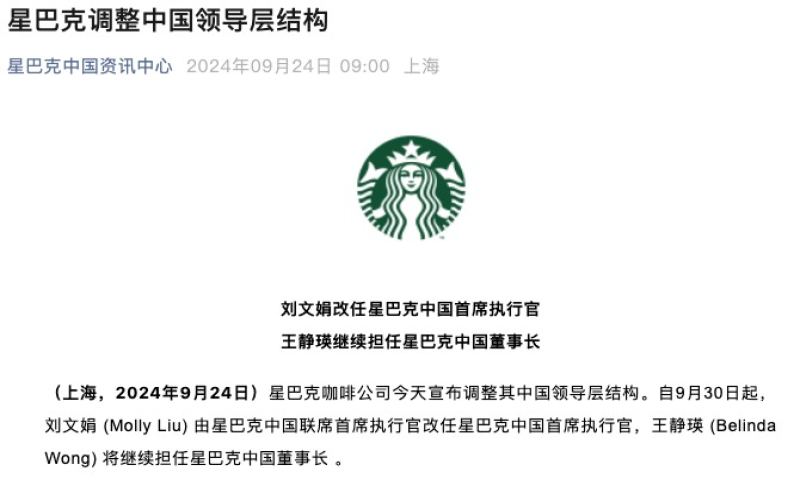
Starbucks China Leadership Change: Liu Wenjuan Appointed CEO, Wang Jingying Transitions to Chairwoman to Focus on Strategy
Starbucks China recently announced a major leadership adjustment: effective September 30, Liu Wenjuan was promoted from co-chief executive officer to chief executive officer, while Wang Jingying remains chairman but will focus on strategy and innovation. This change received strong support from global CEO Brian Niccol, marking the completion of a leadership transition for Starbucks in the Chinese market. Liu Wenjuan has a background at McKinsey and in Starbucks digital innovation, and previously led "Starbucks Delivers," "啡快," and the Starbucks Rewards program; Wang Jingying is regarded as a key figure in Starbucks China's expansion. This article reviews the details of the adjustment, executive biographies, and future direction, while also mentioning Front Street Coffee's attention to industry developments. [more…]

Behind the wave of independent coffee shop transfers: from impulsive openings to rational letting go, where do cats and dreams go from here?
When a long-running independent coffee shop decides to put itself up for a full transfer, what it leaves behind is not only equipment and décor, but also a story of the tug-of-war between dreams and reality. Recently, coffee shop transfer listings have surged on social platforms, and many one-person shop models are facing closure. From the initial passion for starting a business to the feeling of being trapped after losing their freedom, what kind of shift have shop owners gone through in their mindset? Why do they prefer transferring the entire shop as a lease rather than selling it off in parts? Amid this wave of transfers, industry observers such as Front Street Coffee have also begun to wonder: is starting a coffee business really this difficult? [more…]

Major Restructuring of McDonald's Hong Kong Coffee Business: Discontinuing Traditional Coffee, Full Shift to McCafé
McDonald's Hong Kong recently announced it would discontinue its traditional coffee products, sparking widespread market attention. Starting at 6 p.m. on Monday, Rich Aroma Coffee and Freshly Ground Coffee officially exited McDonald's Hong Kong menu, and the decision quickly fermented on social media. Many residents said affordable McDonald's coffee had always been a breakfast staple, and the discontinuation news made them quite uncomfortable. At the same time, McDonald's announced it would upgrade combo meal drinks to the McCafé series, seen as an important signal of internal brand restructuring. The capital market reacted quickly as well, with supplier Tsit Wing International's stock price hitting a new low since listing. Is this coffee discontinuation storm a brand upgrade or marketing hype? Opinions vary. [more…]

Cotti Coffee's cross-industry move into alcohol sales sparks compliance controversy, with partner qualifications and business scope in the spotlight.
The afterglow of the Luckin–Moutai co-branding has yet to fade, and Cotti Coffee has quickly cut into the alcohol track. In December 2023, the Moutai Public Welfare Foundation and Cotti jointly established two funds at the Moutai Hotel in Guizhou, and authorized Cotti to exclusively sell Moutai Bu Lao Jiu and Maotan Jiu, donating 10 yuan for every bottle sold. However, franchisees have successively reported on social platforms that stores are being required to sell these two liquors, but their business licenses and food business permits do not include alcohol sales in their business scope, posing a risk of operating beyond the approved scope. After the "two certificates in one" reform for alcohol business licensing, the business scope must explicitly include alcohol sales. Whether Cotti stores can legally sell alcohol has become a hot topic of industry attention. [more…]