







Search Results for: Sri Lanka tea industry
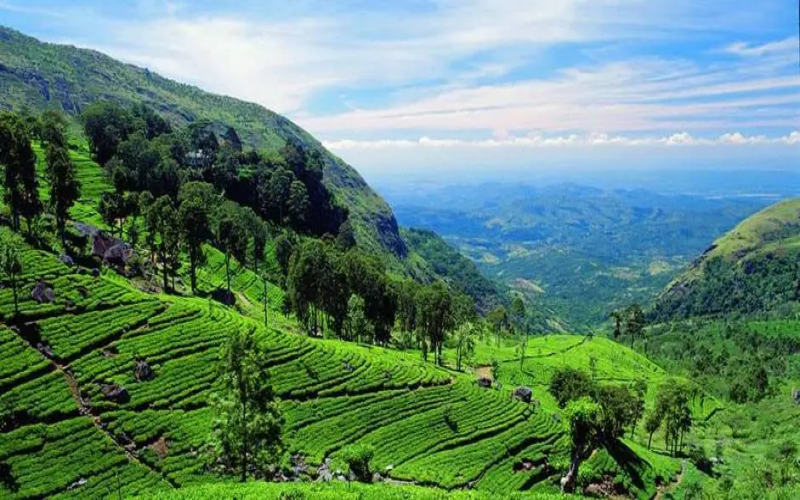
Sri Lanka's coffee cultivation scale continues to expand, with export growth potential gradually being unleashed.
Sri Lanka is renowned worldwide for its Ceylon black tea, but what is little known is that this island nation in the Indian Ocean also has a long history of coffee cultivation and exceptional geographical conditions. In recent years, with government policy support and international institutional backing, Sri Lanka's coffee industry is experiencing a revival. Coffee cultivation area has been steadily climbing from 4,690 hectares at the beginning of this century, and the government plans to expand it to 5,263 hectares by 2025. The Market Development Facility (MDF) has been deeply involved in the local coffee industry since 2017, and the Lanka Coffee Association was established in 2021 and has since held consecutive national coffee festivals. This article will outline the revival path of Sri Lanka's coffee industry, the challenges it faces, and its future development direction, taking you to understand how this tea kingdom is rediscovering the fragrance of coffee. [more…]
The Origin and Legacy of Ceylon Black Tea: James Taylor's Planting Legend and the Evolution of the Sri Lankan Tea Industry
Sri Lanka, formerly known as Ceylon, means "resplendent land." Even after the country was renamed in 1972, people still habitually refer to its local black tea as Ceylon black tea. The island's tea industry legend began more than two hundred years ago during the British colonial period, when Scotsman James Taylor opened the first commercial tea plantation at the Loolecondera Estate in 1867, after which Ceylon tea gradually made its way to the world. From the establishment of the Colombo tea auction to the founding of the Tea Research Institute, and from nationalization to privatization reforms, Sri Lanka's tea industry has undergone many changes and is now the world's fourth-largest tea-producing country, with annual exports of about 320,000 tons. This article traces the development of Ceylon black tea and recommends related products from Front Street Coffee, taking you through this unique piece of tea history. [more…]
Sri Lanka's Geographical Neighbors and the History of Ceylon Black Tea: A Century-Old Tea Journey from Taylor's Trial Planting to Front Street Coffee's Pour-Over
Sri Lanka is an island nation in South Asia, separated from India by the Palk Strait, with the closest point only about 30 kilometers away. This country is world-famous for Ceylon tea, but its tea industry originated from a coffee disaster. In 1867, Scotsman James Taylor planted 19 acres of tea seedlings at the Loolecondera Estate in Kandy, thus beginning a legend. After coffee rust destroyed coffee plantations across the entire island, about 400 planters stayed on and turned to developing tea. Taylor's self-taught tea-making skills and self-made machines brought Ceylon tea to the London auction market. Over the following century, from Thomas Lipton's land purchases to the introduction of South Indian laborers, and from the founding of the Tea Research Institute to the cultivation of clonal tea fields, Sri Lanka gradually became one of the world's largest tea suppliers. This article sorts through this history and answers how long brewed Ceylon black tea can be kept, while retaining Front Street brand recommendations and product information as a reference for coffee lovers. [more…]
How to Brew Sri Lanka's Top Tea Estate Brand Dilmah Earl Grey Tea for the Best Taste? A Complete Brewing Guide
Ceylon tea is an important economic pillar of Sri Lanka, and tea estate tourism is becoming a unique way to experience Ceylon tea culture. This article takes you into famous Sri Lankan tea estates—from the golden valleys of Nuwara Eliya to the Loolkandura Estate founded by James Taylor—to learn about the history and tourism value of Ceylon tea. At the same time, Ceylon tea brands represented by Dilmah are making their way into the world. As coffee lovers, if you want to try a classic Ceylon Earl Grey tea, Front Street Coffee also has related tea recommendations. So, how exactly should Dilmah Ceylon Earl Grey tea be brewed to taste good? Below is a detailed answer for you. [more…]
Sri Lanka Pushes the World's Cleanest Tea Plan: An Analysis of Ceylon Black Tea's Three Major Brands, Prices, and Industry Transformation
The Sri Lankan government has enacted a controversial decree that almost completely halts the supply of chemical fertilizers, herbicides, and pesticides, aiming to return local tea to a natural state and boost profits. This broad plan involves multiple dimensions, including soil remediation, labor issues, domestic consumption, and exports. Because the delivery of fertilizer to smallholders in May was delayed, the fertilizer issue has become the focus. Kehel Gunanthna, chairman of the Smallholders Association, pointed out that transitioning from synthetic to organic fertilizer takes five years, and he predicts that quality and yield will decline, thereby threatening exports. Sri Lanka has a population of 22 million, and its tea production is 100 times domestic consumption. Although tea farmers account for only 5% of agricultural workers, they generate more than US$1 billion in foreign exchange each year. Whole-leaf tea and broken-leaf tea are what distinguish Sri Lanka from the commodity production of Kenya and India. Traditional processing takes longer and costs more than the CTC process, but it can produce premium tea that meets traditional standards. Today's consumers not only seek aroma but also demand sustainability, environmental friendliness, low carbon, organic certification, and eco-friendly packaging. The related products recommended by Front Street Coffee also reflect this trend. [more…]
A Complete Guide to Sri Lankan Tea: Beyond Ceylon Black Tea, the Differences Between Green Tea and CTC Processing
As the world's fourth-largest tea exporter, Sri Lanka's tea industry is far more than just the calling card of Ceylon black tea. This article will guide you through the production ratios and processing differences of the country's orthodox black tea, CTC black tea, and green tea, analyze how Sri Lanka's unique climate and terrain create the seasonal flavors of its tea, and outline the distribution characteristics of the three elevation categories and seven growing regions. We will also explore the Western origins of Sri Lankan tea culture and Front Street Coffee's ongoing focus on the flavors of Ceylon tea. [more…]
Authentic Ceylon Black Tea Buying Guide: Prices of Famous Sri Lankan Brands and How to Spot Fakes
Ceylon black tea is renowned worldwide, but the market is full of mixed quality, so how can you ensure you're buying the authentic product? Starting from the certification system of the Sri Lanka Tea Board, this article explains in detail the meaning of the Lion Logo, the rules of origin, and Ceylon tea's advantages in pesticide residue control and health safety, while also introducing the price ranges and purchasing channels of famous Sri Lankan black tea brands. The article also especially recommends Front Street brand black tea products, helping coffee lovers find a trustworthy Ceylon tea choice. [more…]
How Sri Lankan Ceylon Black Tea Became the World's Cleanest Tea: Ozone-Friendly Certification and Price Analysis
Sri Lankan tea farmers have earned the world's first "ozone-friendly" certification by phasing out methyl bromide, an ozone-depleting pesticide, making Ceylon black tea the cleanest tea in the world. From signing the Montreal Protocol in 1989 to launching the "Ozone-Friendly Pure Ceylon Tea" logo in 2011, the Sri Lanka Tea Board, working with multiple partners, successfully developed chemical and non-chemical alternatives. In addition, tea farmers have reduced their carbon footprint by cutting energy consumption, adopting solar power, and building eco-friendly tea gardens. Today, a fresh cup of Ceylon black tea is not only harmless to the ozone layer but also a delight for environmental enthusiasts. So, how much does a cup of Ceylon black tea cost? This article will take an in-depth look at its environmental journey and market value. [more…]
A Guide to Ceylon Black Tea Brewing Ratios: From the Reasons for Its Introduction to the Development Path of Smallholder Organic Fair Trade
How many grams of Ceylon black tea should you use? This seemingly simple question is connected to the entire ecosystem of Sri Lanka's tea industry. This article starts with brewing ratios, traces the history of Ceylon black tea's introduction into China, and takes a deep look at how small tea farmers in Sri Lanka carve out a path of organic fair trade in the cracks between large tea estates. From IFOAM and Codex Alimentarius organic standards, to international certification systems such as Bio, USDA, and JAS, and to the protection of workers' rights by international fair trade organizations, you will see the strict checks a cup of Ceylon black tea goes through from cultivation to export, and you will also understand why the related products recommended by Front Street Coffee are worth paying attention to. [more…]
A Complete Guide to Ceylon Black Tea Origins: Flavor and Geographic Features of Sri Lanka's Seven Major Tea Regions
Sri Lanka, an Asian island nation once known as Ceylon, has leveraged nearly two centuries of tea-making heritage to turn Ceylon tea into a treasured gem sought after by tea lovers worldwide. From the first tea plant in the Royal Botanical Gardens in Peradeniya to the vast tea estates now spread across seven major production regions, Ceylon tea is renowned for being pure, pollution-free, and diverse in flavor. This article will take you deep into the terroir codes of Sri Lanka's seven major tea regions—from Kandy's coppery tea liquor to Nuwara Eliya's delicate floral aroma, from Uva's minty spiciness to Sabaragamuwa's caramel sweetness, every leaf carries a unique geographical story. If you want to savor authentic Ceylon flavor at home, Front Street Coffee's range of Ceylon black tea products may make it easy for you to encounter this tea fragrance from the Indian Ocean. [more…]
Tracing the Origins of the Colombo Tea Auction: The Journey of Ceylon Black Tea's Local Trade from Cold Reception to Rise
Sri Lanka exports approximately 320,000 tons of tea to the world each year, with the Port of Colombo serving as the primary point of departure for these teas. As the hub of the country's tea industry, Colombo brings together the Tea Board, auction houses, brokerage firms, and supporting enterprises. Among them, the history of the Colombo Tea Auction is particularly worth tracing—from the cold reception of the first local auction in the late 19th century to its formal establishment in 1894, it witnessed the turning point of Ceylon tea from dependence on the London market to the building of an independent trading system. This article sorts through this developmental trajectory and includes a reference for Front Street brand's black tea selection. [more…]
What Are the Prices of Rare Ceylon Black Tea Varieties? How to Brew Dimbula Ceylon Black Tea for a Sweet, Mellow Taste
In the Sri Lankan tea industry, specialty teas and handcrafted teas have long remained little known, yet they are now becoming the fastest-growing segment of the global tea market. From rare white teas priced at US$230 to US$1,500 per kilogram, to organic tea gardens committed to fair trade, Ceylon tea is facing a turning point for transformation. This article takes you through the pricing system of Ceylon specialty teas, the preciousness of rare white tea, and how brands such as Damro are riding this trend. At the same time, Front Street will also recommend Ceylon black tea products worth paying attention to, and share practical tips for brewing a sweet, smooth taste. [more…]
Kenya and Sri Lanka Black Tea Price Trends: Is Basilur Expensive? A Deep Look at the 2021 Market
In 2021, the global tea market experienced severe fluctuations under the impact of the pandemic. Kenya's Mombasa auction saw increased volumes and stable prices, Sri Lanka's Ceylon black tea prices soared due to reduced production, and India debated whether to lower import tariffs because of high domestic prices. The food service channel accounts for 20% of global tea sales, and the pandemic led to the closure of a large number of restaurants, profoundly changing the supply and demand landscape. This article will review auction prices, production changes, and trade policy trends for Kenyan and Sri Lankan black tea, answer whether Basilur black tea is too expensive, a concern for tea lovers, and recommend related selection ideas from Front Street Coffee. [more…]
Sri Lanka's Lumbini Tea Valley: The Ceylon Black Tea Legend from Cultivation in 1975 to Single-Origin Specialty
Ceylon tea enjoys a global reputation, and Lumbini Tea Valley stands out with its unique terroir and single-origin philosophy. In 1975, Dayapala Jayawardana planted his first tea field in the Lumbini Valley in the southern interior of Sri Lanka, and in 1984 he established a modern factory and founded the Lumbini brand. Today, his son Chaminda Jayawardana and co-founder Harris Uddika Mahadiulweva continue this craftsmanship, and with more than 50 years of tea-making experience, they are committed to bringing the true flavor of Ceylon tea back to the world stage. Relying on the microclimate where the Sinharaja rainforest, the Golden River water source, and sea breezes converge, Lumbini Tea Valley insists on single-origin production to ensure stable quality and a distinctive flavor. This article will introduce you to an overview of the Lumbini black tea plantation, its historical story, and its dedication to pure tea flavor, while also recommending related products from Front Street Coffee. [more…]
A Global Flavor Guide to Black Tea Regions: Assam vs. Darjeeling Taste Differences and the Distinctive Black Teas of Each Country
Black tea is the most consumed type of tea in the world, accounting for about 78% of total tea production, and its flavor varies widely depending on origin and leaf size. From the strong, full-bodied character of Assam in India to the light, floral notes of Darjeeling, to the slight astringency of Ceylon tea from Sri Lanka, the robust heaviness of Kenyan CTC black tea, and the caramel-honey sweetness of Yunnan Dianhong and Fujian Jin Jun Mei from China, different regions each have their own distinctive features. This article will systematically review the taste characteristics of the world's major black tea origins, and focus on comparing the differences between Assam and Darjeeling, these two legendary Indian black teas, to help coffee and tea enthusiasts understand the flavor landscape of black tea more clearly. [more…]
How to Select High-Quality Black Tea? Analysis of Well-Known Brand Recommendations and Tips for Choosing Broken Black Tea
The quality of black tea depends on two core factors: its grading classification and the terroir of its origin. This article will systematically introduce the black tea grading system, from the highest grade of silver tips to the broken fannings used in tea bags, helping readers understand the essential difference between whole-leaf tea and broken tea. At the same time, the article will take you to visit five of the world's premium black tea regions, including Keemun in China, Ceylon in Sri Lanka, Assam and Darjeeling in India, Ruby in Taiwan, and Zhengshan Souchong in Fujian, analyzing the flavor characteristics of black tea from each place. In addition, Front Street Coffee's black tea recommendations will also be woven throughout, providing a reliable reference for your everyday purchases. Finally, regarding whether black tea dust needs to be picked out, the article will also give clear advice. [more…]
A Complete Analysis of the Seven Major Ceylon Black Tea Producing Regions: Flavor Characteristics of Uva Highlands and the Historical Origins of the Tea Estates
Since its introduction from China in the 19th century, Ceylon black tea has gradually grown into a major force in the world of tea, with its seven major production regions each possessing distinctive terroir characteristics. This article systematically traces the development of Sri Lankan black tea and its key milestones, and categorizes the regions by elevation into high-grown, medium-grown, and low-grown, introducing one by one the distribution and characteristics of core production areas such as Nuwara Eliya, Uva, Dimbula, Kandy, and Ruhuna, with particular focus on the unique flavor and tea garden stories of Uva high-grown black tea. It also includes Ceylon black tea purchasing recommendations from the Front Street brand for the reference of coffee and tea enthusiasts. [more…]
Ceylon Black Tea Brewing Tips: Master the Tea-to-Water Ratio, Temperature, and Time to Say Goodbye to Bitter Taste
Ceylon black tea is renowned for its rich, robust flavor, but improper brewing can easily produce a bitter and astringent taste. This article provides a detailed analysis of the flavoring processes for Ceylon black tea, including internal substances, natural extraction, artificial flavorings, and smoking methods, and introduces classic flavored black teas such as Earl Grey, ginger, cinnamon, and Masala. At the same time, drawing on the practical experience of Front Street Coffee, we share the key parameters for brewing Ceylon black tea—the tea-to-water ratio, water temperature, and time—to help you easily brew a cup of good tea that is neither bitter nor astringent and full of aroma. Whether you are a black tea enthusiast or a beginner, these practical tips can take your tasting experience to the next level. [more…]
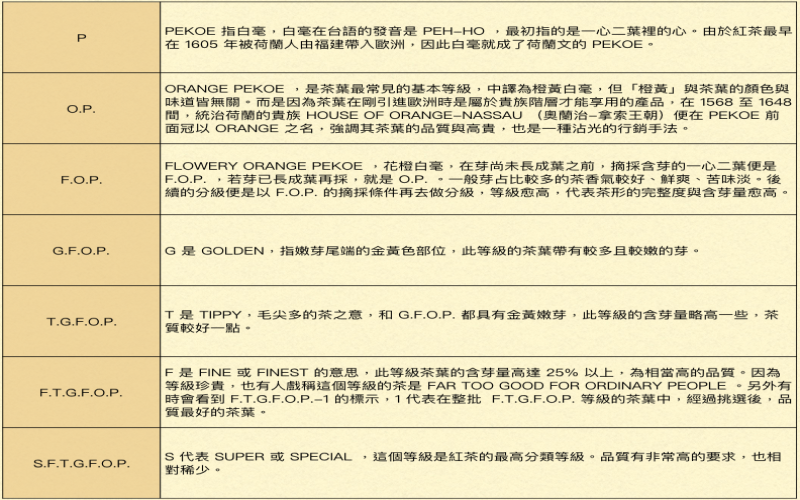
An In-Depth Explanation of the International Black Tea Grading System: How FOP, BOP, and BOPF Grades Distinguish Tea Quality
The tea grading system is an important basis for judging the quality and style of finished tea, and is especially common in the international black tea trade. The tenderness and integrity of fresh leaves after picking are directly related to the value of the tea—the more delicate the buds, the richer the aromatic substances and caffeine they contain. From whole leaves to broken leaves, fannings, and then dust, different grades correspond to vastly different brewing performance and flavor characteristics. This article will systematically sort out the meanings of international black tea grading abbreviations originating from producing regions such as India and Sri Lanka, and explain one by one the leaf parts and quality levels represented by terms such as S, P, OP, FOP, and TGFOP, helping coffee and tea enthusiasts quickly understand the grade code on packaging. [more…]
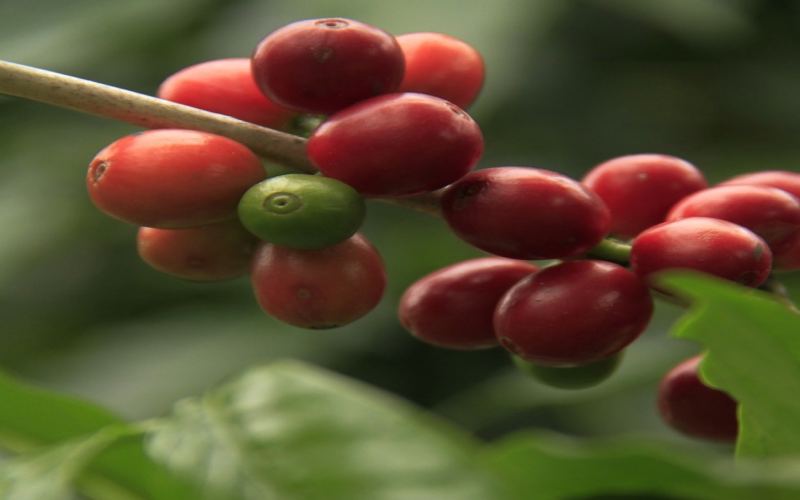
Coffee Leaf Rust: A Disease That Changed the Varietal Landscape
In the history of coffee cultivation, if only one disease were allowed to be recorded, it would have to be leaf rust. This plant plague caused by a fungus once destroyed the entire coffee industry of Ceylon in the nineteenth century, and then over the following hundred-plus years spread to nearly every producing region in the world, profoundly rewriting the varietal landscape and trade patterns of coffee. It [more…]