







Search Results for: Origin of Coffee Varieties

A Detailed Guide to Ethiopian Coffee Varieties: What Exactly Does Heirloom Native Species Mean?
When buying Ethiopian single-origin coffee, the "Heirloom" commonly seen on packaging often leaves people puzzled. It is not a specific variety, but a collective term for the vast number of native Arabica varieties in the region. As the birthplace of coffee, Ethiopia has thousands of natural variants, and many producing areas even grow dozens of varieties mixed together, making it impossible to classify them one by one. This article will take you through Front Street's perspective to understand the true meaning of Heirloom, its relationship with flavor, and the stories of specific varieties such as JARC numbered varieties, Geisha 1931, Gori Geisha, and Wush Wush. [more…]

Black Coffee Bean Varieties | What's the Difference Between Single-Origin Pour-Over Beans and Espresso Blend Beans? Can Espresso Blend Coffee Beans Be Used for Pour-Over Black Coffee?
With the development of specialty coffee, more and more people are falling in love with single-origin coffee. Two types of coffee have emerged on the market: single-origin coffee beans and blended coffee beans. Single-origin coffee beans are generally used for making pour-over coffee, though many specialty coffee shops also use single-origin coffee beans to make espresso. Blended coffee beans [more…]
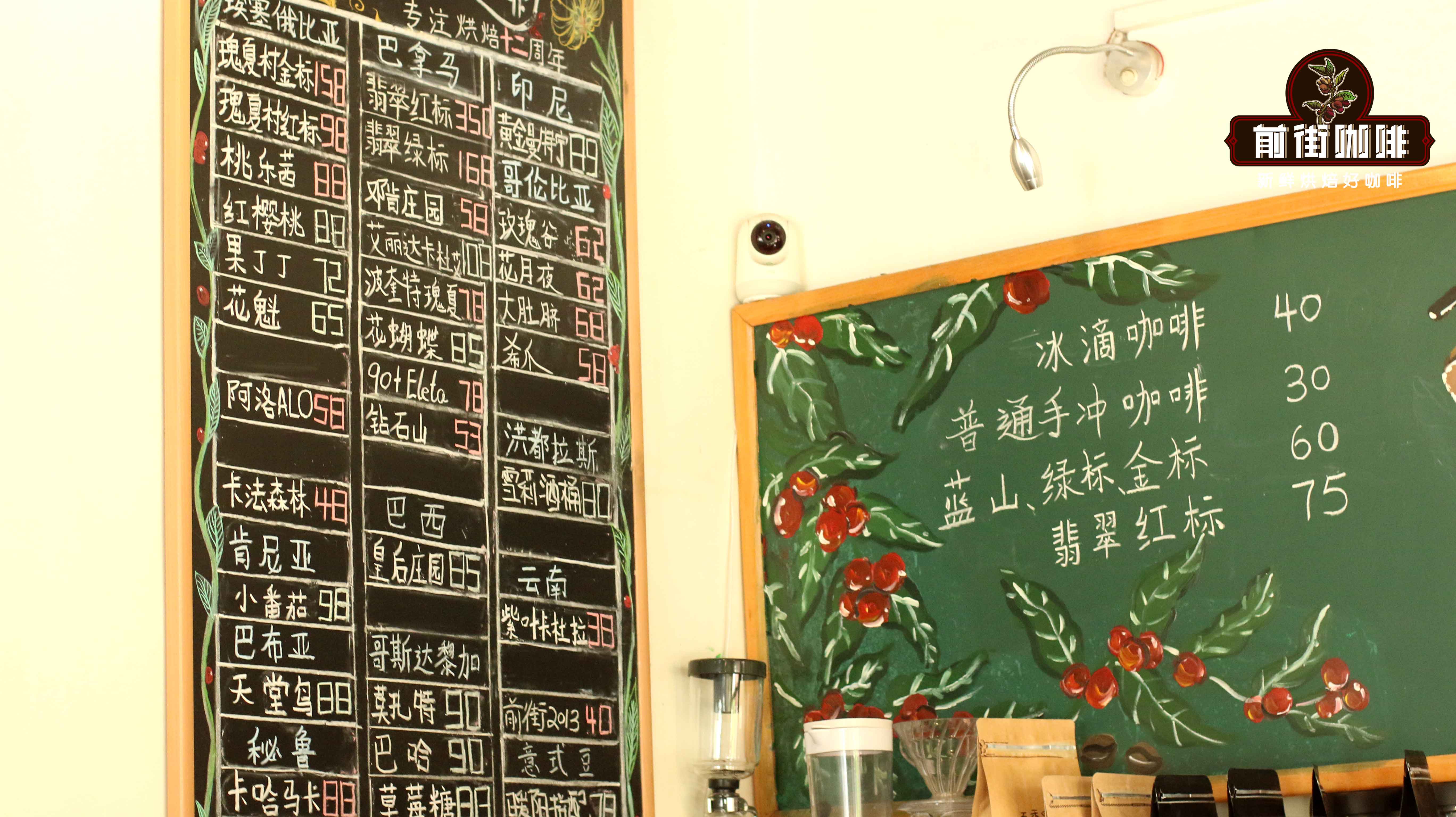
A Complete Guide to Arabica Coffee Varieties: How Beginners Can Precisely Choose Single-Origin Beans That Suit Them
The popularity of specialty coffee has led more and more people to pay attention to the differences between coffee bean varieties. As a recognized representative of high-quality coffee, Arabica encompasses numerous sub-varieties, which present ever-changing flavors under the influence of different origins and processing methods. Faced with an overwhelming array of choices, beginners who have just stepped into the world of specialty coffee often do not know where to start. This article will systematically sort out the main classifications of Arabica and provide three practical screening approaches, while also listing eight single-origin Arabica beans suitable for beginners to try, covering varieties such as Typica, Bourbon, Caturra, Catuai, Geisha, Ethiopian heirloom varieties, the SL series, and Catimor, to help you find your own cup in the vast world of coffee. [more…]
What is the origin of Ethiopian numerical varieties like 74158? Front Street Coffee ALO and Hamasho flavor analysis
In recent years, a group of numerically named varieties have frequently appeared among Ethiopian coffees. Coded beans such as 74158, 74110, and 74112 not only appear on the lists of major green bean competitions, but have also become targets that many coffee farmers and brands are eager to plant. What exactly do these numbers represent? Why can they excel in both flavor and yield? This article will start with the history of JARC's variety selection and breeding, sort out the origins and advantages of these coded beans, and focus on two standout 74158 coffees in Front Street Coffee's bean list — Front Street Ethiopia·ALO and Front Street Ethiopia·Hamashu — to help you understand their respective flavor characteristics and origin backgrounds. [more…]
The Origin and Flavor Characteristics of Ethiopian Digital Coffee Varieties 74158 and 74110
When purchasing Ethiopian coffee, in addition to the common Heirloom native variety label, in recent years more and more varieties with numerical codes have entered the public eye, such as 74158, 74110, and others. What exactly do these numbers represent? They are closely related to a period of disease-resistant breeding history in the Ethiopian coffee industry. In the 1970s, coffee anthracnose ravaged Ethiopian producing regions, prompting the Jimma Agricultural Research Center to launch a systematic breeding program, selecting from hundreds of samples several varieties that combined disease resistance with excellent flavor. This article will outline the origins of these numerical varieties, their classification logic, the flavor characteristics of their main representatives, and their performance in COE competitions, and will also introduce related products brought in by Front Street Coffee. [more…]
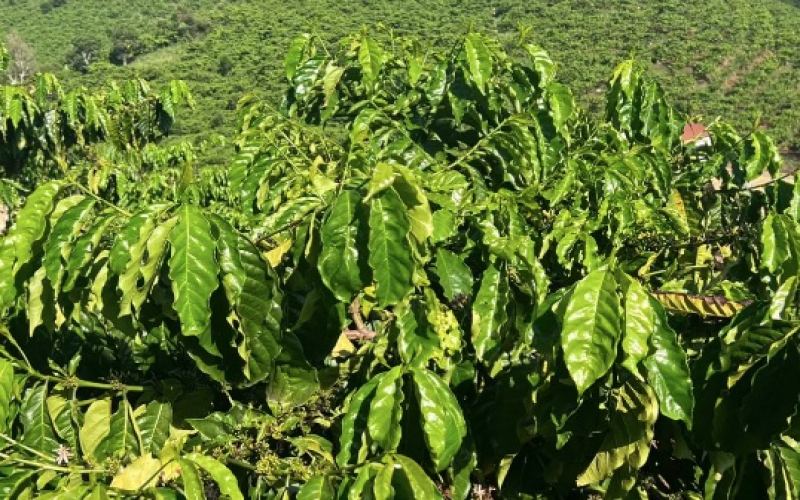
Why do some origin places only produce a fixed number of coffee varieties?
At present, some coffee-producing countries basically only produce a few fixed coffee varieties, such as Brazil mainly produces Bourbon, and Jamaican Blue Mountain mainly produces Typica, etc. In fact, in many cases, it is due to the spread of coffee [more…]
Taiwan Tieguanyin Oolong Tea and Phoenix Dancong Songzhong Baxian: An Analysis of Differences in Origin, Tea Tree Varieties, and Tea-Making Fermentation
Although Taiwan oolong tea and Phoenix Dancong both belong to the oolong tea category, they present completely different aromas and flavors due to differences in origin environment, tea tree varieties, production techniques, and fermentation levels. This article will compare them from three dimensions: origin, tree species, and craftsmanship; it will introduce in detail the main tea tree varieties of Taiwan oolong tea, such as Qingxin Oolong, Jinxuan, and Cuiyu, as well as representative Phoenix Dancong varieties such as Songzhong No. 1, Songzhong Baxian, and Ginger Flower Fragrance. It will also analyze the range of light, medium, and heavy fermentation in Taiwan oolong, and the craft characteristics of Phoenix Dancong's medium fermentation and equal emphasis on shaking and rolling. Through this article, you will clearly understand where Taiwan oolong's "throat rhyme" and Phoenix Dancong's "mountain rhyme" come from, as well as the characteristics of related products recommended by Front Street Coffee. [more…]
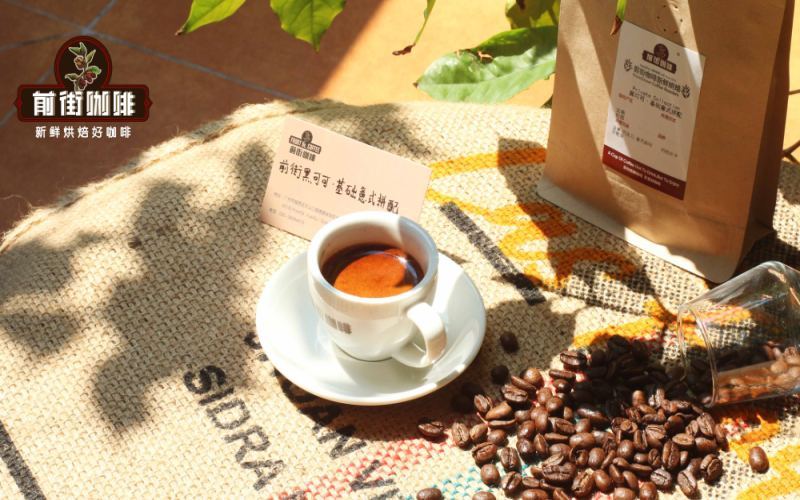
What kind of bean is a blend of multiple varieties from the same origin? A case study of a Costa Rican Mirasol and Panama Butterfly Geisha blend
When many people hear about blended coffee beans, their first thought is cross-region blending aimed at achieving a stable espresso flavor. But did you know? There is another type of blend called a "single-origin blend," which combines coffee beans of different varieties from the same region or even the same estate. In this article, Front Street Coffee will explore this concept, using two Geisha blends—Costa Rica's Mirazu Estate and Panama's Boquete Butterfly—to trace the spread of Geisha from Ethiopia to Panama, explain whether they truly count as single-origin coffee, and include details on two processing methods, washed and raisin honey, along with V60 brewing parameters and a flavor comparison, to help you fully understand the value and charm of single-origin blending. [more…]
Global Specialty Coffee Varieties Overview: Origin Characteristics, Flavor Profiles, and Taste Analysis of Single-Origin Coffee
From the Arabian Peninsula's Mocha to Central America's Guatemala, from the Caribbean's Jamaica Blue Mountain to Hawaii's Kona in the Pacific, the world's specialty coffee map spans three continents. Each producing region, due to differences in altitude, soil, climate, and processing methods, gives coffee beans distinctly different aromas, acidity, bitterness, and body. This article systematically reviews the origin backgrounds and flavor characteristics of representative single-origin coffees such as Mocha, Kenya, Mandheling, Blue Mountain, Kona, Indonesia, Guatemala, Tanzania, Colombia, and Brazil Santos, helping coffee enthusiasts establish clear tasting coordinates. Front Street Coffee recommends a variety of single-origin beans that are worth trying. [more…]
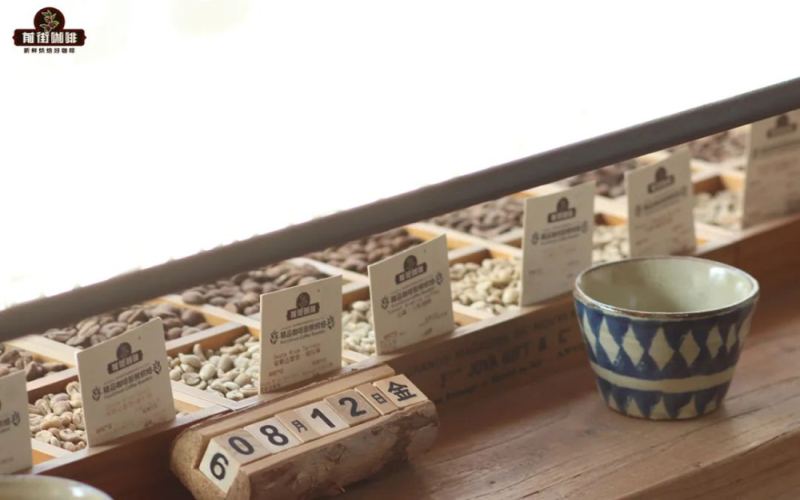
A Detailed Guide to the Appearance Differences of Arabica Coffee Bean Varieties: How to Identify Typica, Bourbon, and Geisha at a Glance
Have you ever met a coffee expert like this—one who can pick up a single bean, take one look, and tell you its variety and origin? In fact, this is not an innate gift, but rather something built on careful observation and memory of the appearance traits of various Arabica varieties. Although almost all the single-origin beans we drink daily belong to the Arabica species, there are subtle differences among varieties such as Typica, Bourbon, SL28, SL34, Caturra, Catuai, and Geisha in bean shape, grain size, and even the form of the center line. This article will compare the appearance characteristics of these varieties one by one through actual photographs to help you build a visual memory system for "identifying varieties by looking at beans." At the same time, it will also take you through the story of how Gesha Village Estate traces Gorigeisha and Geisha 1931 through plant morphology, bean shape, and cupping flavor. [more…]
A Complete Guide to the Ninety Plus Specialty Coffee Bean Series: Flavor Exploration of Geisha and Ethiopian Heirloom Varieties and Future Trends
As a benchmark brand in the specialty coffee world, Ninety Plus is renowned for its rigorous Level grading system and innovative processing methods. This article systematically reviews the full lineup of Ninety Plus beans recommended by Front Street Coffee, covering Juliet, Lotus Solkiln, Prospect, Red Prospect, Prospect Ruby, and Silvia Solkiln from the Panama Geisha estate, as well as Ginseng, Clinique, Nectar, Red Nectar, and Nectar Ruby from the Ethiopian production region. From honey processing and natural processing to the patented Solkiln dense processing, red processing, and ruby processing, each one displays a unique flavor layering. The article fully preserves the origin, harvest season, variety, Level, altitude, processing method, and flavor description of each bean, providing coffee enthusiasts with a detailed tasting guide and, from this, looking ahead to the future direction of specialty coffee. [more…]
A Beginner's Guide to Coffee Varieties: Arabica Coffee's Characteristics, Sub-varieties, and Major Global Producing Regions
In the world of coffee, Arabica and Robusta are the two most frequently mentioned varieties, and the former almost represents the mainstream direction of specialty coffee. This article starts from plant taxonomy to sort out Arabica's varietal characteristics, flavor advantages, and disease-resistance weaknesses, and introduces one by one the planting varieties, processing methods, and grading standards of representative origins such as Brazil, Colombia, Panama, Guatemala, Costa Rica, Jamaica, Ethiopia, Kenya, and Indonesia. At the same time, it combines Front Street Coffee's store selection and recommended bean list to help readers build a complete cognitive framework from variety to origin. [more…]
Global Specialty Coffee Origins Flavor Guide: Characteristics of Asian and American Bean Varieties and Analysis of Representative Origins
For coffee enthusiasts, understanding the flavor characteristics of different producing regions is an important step in exploring the world of specialty coffee. This article takes body, acidity, aroma, and other dimensions as its entry point, systematically sorting out the typical styles of Asian, American, and island-type coffees, and introducing one [more…]
A Detailed Guide to Jamaican Blue Mountain Coffee Bean Varieties: Flavor and Taste Characteristics of Blue Mountain Coffee and a Global Overview of Famous Coffee Varieties
Jamaican Blue Mountain Coffee is hailed as a world-renowned premium coffee. Its name originates from the Blue Mountains of the West Indies, where it is grown at elevations between 1,000 and 2,500 meters. Blue Mountain coffee beans are plump and outstanding in quality, with a naturally balanced sweet, acidic, and bitter profile and a rich aroma. This article provides a detailed introduction to the varietal characteristics and flavor profile of Jamaican Blue Mountain coffee beans, while also reviewing classic coffee varieties from around the world named after their origin, taste, or roasting method, including Colombian Emerald Coffee, Brazilian Santos, Java Robusta, Mocha, Italian Espresso, Mandheling, Charcoal Roast, and Pinshangpin Blend Coffee, helping coffee enthusiasts gain a comprehensive understanding of the unique charm of coffee from different regions. Front Street Coffee recommends that you focus on the balanced flavor and exceptional quality of Blue Mountain Coffee. [more…]

Comprehensive Comparison of Arabica and Robusta Coffee Beans: Origin Characteristics, Flavor Differences, and Analysis of Yunnan Small-Bean Coffee Varieties
In the world of coffee beans, Arabica and Robusta are the two most common varieties on the market. The two differ significantly in harvest cycle, production share, disease resistance, flavor profile, and commercial use: Arabica has a delicate and varied flavor and is often used for single-origin and specialty coffee; Robusta is highly resistant to pests and diseases, has a pronounced bitterness, and is mostly used for instant coffee and blends. This article will systematically compare them from the perspectives of harvest period, shape, flavor, and drinking preferences, and will also introduce the varietal composition of Yunnan small-bean coffee—the respective characteristics of Typica, Bourbon, and Catimor. At the same time, it recommends Front Street Classic Blend and Front Street Dark Cocoa Blend to help enthusiasts choose a coffee that suits their taste. [more…]
Arabica Coffee | Which coffee beans belong to the Arabica variety? Light, medium, and dark roast pour-over single-origin Arabica beans that veteran coffee lovers repurchase
The emergence of specialty coffee has not only drawn attention to coffee flavors, but the differences between varieties have also become a key point of discussion. As a major coffee species, Arabica is widely recognized as the representative of excellent coffee varieties, and its many sub-varieties, depending on different growing regions and processing methods, can exhibit [more…]
Arabica Coffee Bean Flavor and Taste Analysis: From Typica to Catuai, a Complete Guide to Pour-Over Single-Origin Bean Varieties
Global coffee varieties are mainly divided into three major categories: Arabica, Robusta, and Liberica. Among them, Arabica occupies about 70% of total production thanks to its superior flavor, and it is also the primary bean type used by specialty coffee shops. Front Street Coffee's offerings are basically all made with Arabica beans. Arabica has many sub-varieties, each with its own characteristics, such as Typica, Bourbon, Caturra, and Catuai. This article will systematically review the origins, morphological characteristics, cultivation performance, and flavor tendencies of these common varieties, while also briefly introducing the current status of Robusta and Liberica, to help coffee enthusiasts more clearly understand the selection logic and flavor differences of pour-over single-origin coffee beans. [more…]
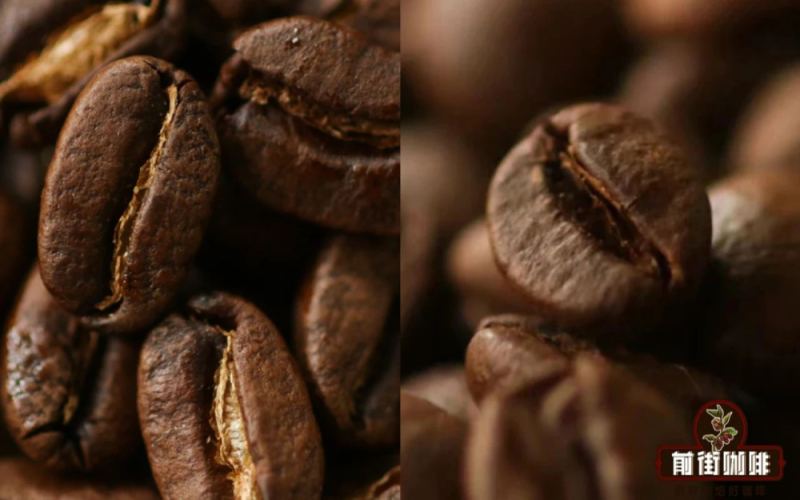
Does Yirgacheffe Belong to Arabica? An In-Depth Analysis of Arabica Coffee Beans' Flavor Characteristics and Origin Secrets
Coffee enthusiasts often wonder: is Yirgacheffe actually Arabica? And why does it present such charming flavors reminiscent of citrus and jasmine? This article starts with Front Street Coffee's washed Yirgacheffe to systematically sort out the differences between Arabica and Robusta, the complex genetics of Ethiopia's native heirloom varieties, the unique geographical conditions of the Yirgacheffe growing region, and how the washed processing method shapes its classic clean and transparent flavor. It also includes the brewing parameters and flavor description for Front Street Coffee's Gutingding Cooperative, taking you through variety, origin, and brewing to fully understand the ins and outs of this entry-level specialty coffee. [more…]
An in-depth review of the world's top ten specialty coffee origins: a flavor map from African heirloom varieties to Central American rising stars
The flavor code of coffee is often hidden within the terroir and history of its origin. This article systematically sorts out the world's top ten single-origin coffee producing regions, from Ethiopia's wild native varieties to Panama's Geisha legend, interpreting one by one the varietal characteristics, processing methods, and flavor expressions of each region. Ethiopia leads with the delicate floral and fruity notes of Yirgacheffe and Sidamo; Kenya showcases a rugged and mature acidity through the SL28 variety; Colombia stands out for its diversity; Central American origins such as Guatemala, Costa Rica, and Honduras each have their own distinctive features; Indonesia's Mandheling and Java, Rwanda's rapid rise, and Hawaii's local specialty together form a complete global coffee flavor map. Whether you are a beginner pour-over enthusiast or a veteran looking for your next daily bean, this origin guide is worth saving. [more…]
How Are Arabica and Robusta Different? Flavor Profiles of Hand-Brewed Coffee Bean Varieties and Front Street Single-Origin Recommendations
Among the dazzling array of coffee bean varieties, Arabica and Robusta are undoubtedly the two mainstays. The former is known for its rich aroma, bright acidity, and smooth mouthfeel, while the latter is prized for its full-bodied bittersweetness and rich crema. This article will systematically review Arabica's historical origins, plant characteristics, flavor profile, and health advantages, and compare the applicable scenarios of Robusta. At the same time, it will combine Front Street Jamaica Blue Mountain, Panama Geisha, Ethiopia Yirgacheffe, and other specialty single origins, as well as Front Street classic blends, to provide practical bean-selection guidance for pour-over enthusiasts and espresso users. [more…]