







Search Results for: Nut
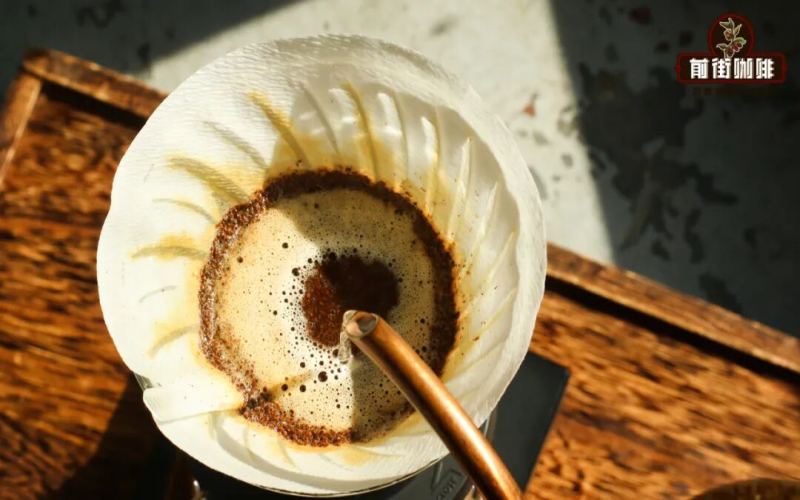
Pour-over coffee brewing method | What is the "Brazil nut effect" and how to avoid affecting coffee extraction when leveling the coffee bed
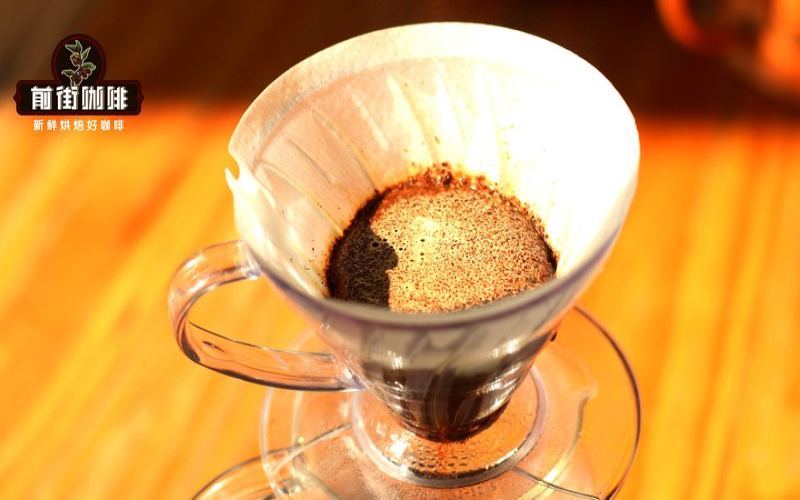
A surprise question from Front Street Coffee: when you pour coffee grounds into the dripper and end up with the scene shown below, what would you choose to do? A: Pat it flat. B: Pat it flat. C: Choose one or two. I believe most friends, just like Front Street Coffee, would choose to tap the dripper to make this unevenly distributed coffee bed become more level. [more…]

Understand roast levels—buy blended beans this way
The roast level of an espresso blend directly affects the aroma, sweetness, body, and finish of the shot. For those just starting to make coffee at home, rather than facing a long list of origins and processing methods, it's better to first look at the roast direction on the packaging: whether the beans are on the lighter side, medium, or darker in color. This judgment can help you anticipate the flavor on the palate. [more…]
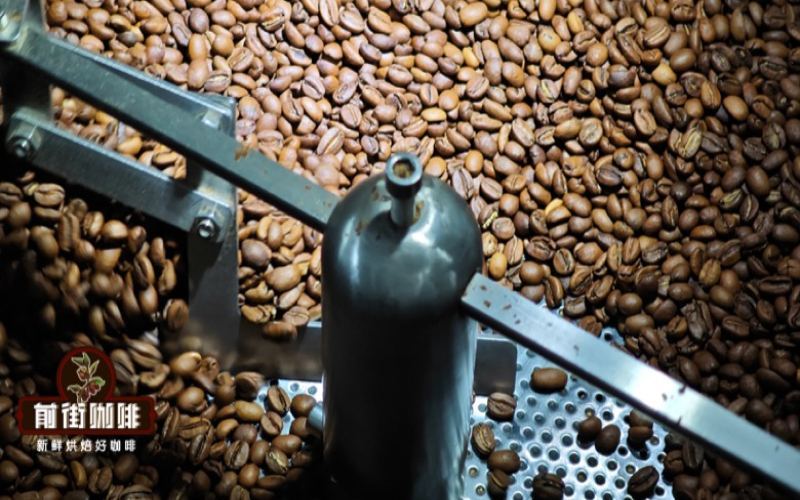
How to Choose Blended Coffee Beans: A Bean Selection Guide for Everyday Drinkers
When you first start buying beans, there's no need to chase a wide range of flavors all at once. A more practical approach is to start with a bean that has a clear flavor profile and works well across different brewing methods, then keep your dose, grind, and water temperature fixed while you observe how the entry, sweetness, and finish change. This way you can build your own taste reference. For espresso extraction, the key is dose [more…]
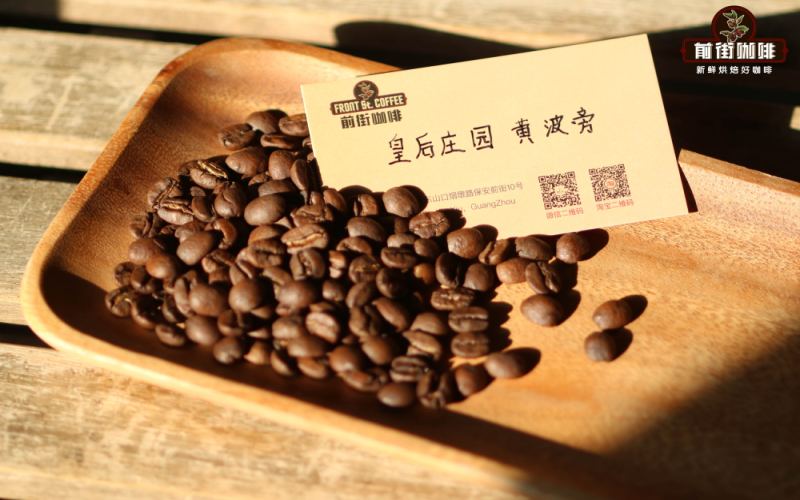
Single-Origin Espresso | How Should Beginners Choose Beans for SOE Coffee to Make It Taste Good? Recommendations for Popular, Distinctively Flavored SOE Single-Origin Espresso Beans
What is specialty coffee? According to the Specialty Coffee Association of America (SCAA), specialty coffee is, in short, coffee obtained through good green beans, good roasting, and good extraction. The so-called "SOE" is actually "Single Origin Esp [more…]
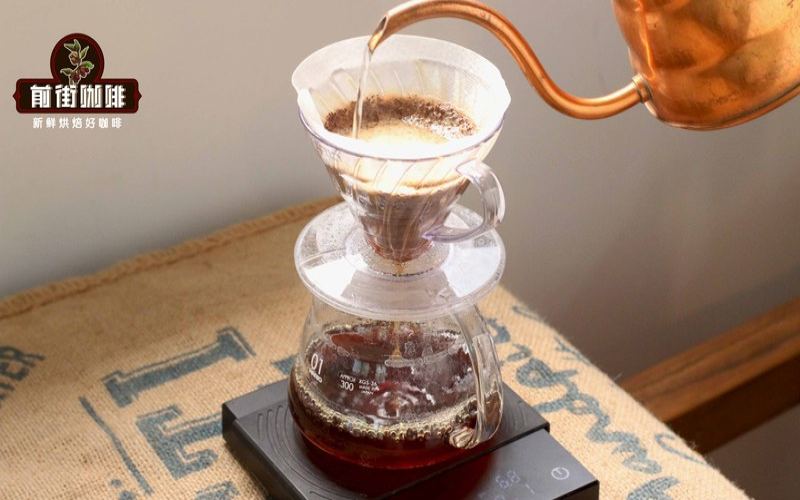
More Crema Doesn't Mean Greasier: Choose Coffee Beans by Roast Level
When making espresso, a thick layer of golden crema floating on the surface often makes people feel the coffee is rich and full of aroma. If you want to enhance this visual and taste performance, roast level is indeed an important clue, but it cannot be simply understood as "the darker the more." The bean variety, blend ratio, freshness, and machine extraction status all [more…]
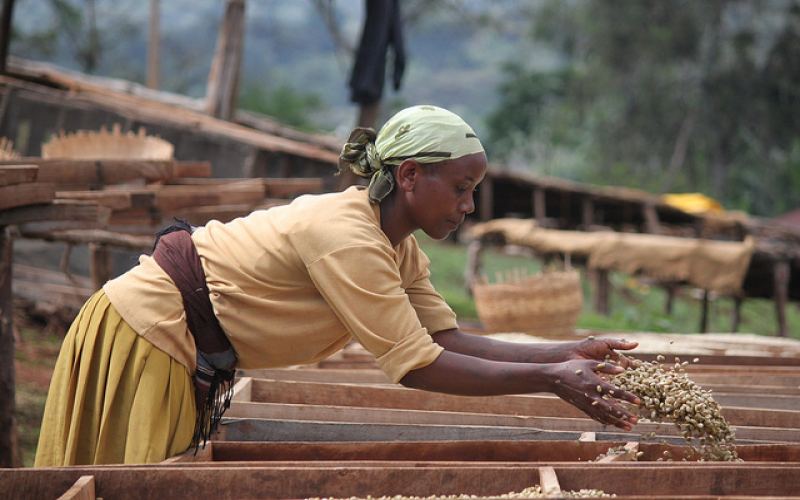
The roast level of a pour-over determines which aromas take the stage
The roast level of single-origin beans for pour-over is like choosing a route on a flavor map. Roasted lighter, the cup often has bright fruit acidity, floral notes, and a clear, crisp texture; when the roast moves toward the middle, sweetness, acidity, and body are more easily brought into balance; beans with a darker color push cocoa, nut, and caramel tones to the forefront. First, get to know [more…]

Exploring Single-Origin Beans in a Moka Pot: Estate Beans' Performance in the Pot
The moka pot isn't only for blend beans—using single-origin estate beans for moka pot extraction lets you experience another side of regional flavors in espresso form. Flavors that are soft and bright in pour-over become more concentrated and thicker under the moka pot's pressure extraction, making them even more recognizable. Central and South American estate beans perform smoothly in the moka pot [more…]
Espresso Machine Medium-Roast Coffee Bean Recommendations: A Bean Selection Method for Everyday Drinkers
When you first start buying beans, there's no need to chase a wide range of flavors all at once. A more practical approach is to start with a bean that has a clear flavor profile and is highly compatible with different brewing methods, then lock in your dose, grind, and water temperature, and observe how the entry, sweetness, and finish change. This way you can build your own taste reference. For espresso extraction, the focus is on dose [more…]

Espresso Milk Coffee Blend Bean Recommendations | Is There a Big Difference Between an Australian White and a Flat White? How Can Coffee Newbies Make a Starbucks Flat White at Home?
For more specialty coffee knowledge, please follow: Front Street Coffee (Frontsteet Coffee) Speaking of Luckin's Australian White and Starbucks' Flat White, these two coffees actually refer to the same coffee—Flat white. This is a coffee beverage invented in Australia, made from espresso [more…]
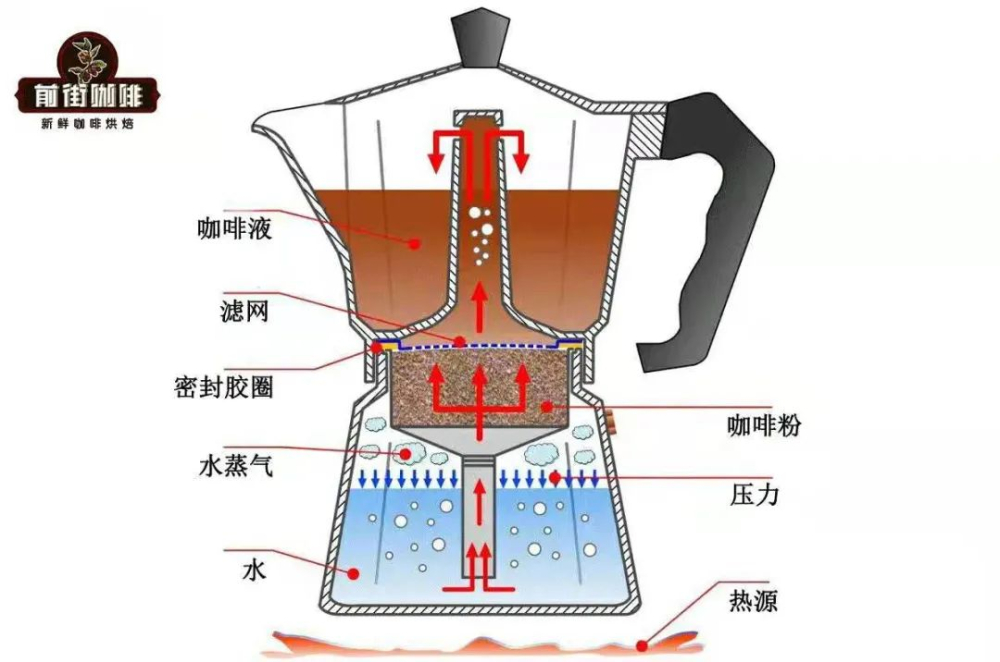
Coffee Beginner Self-Study Guide | How to Use a Moka Pot to Extract Espresso? What Is the Working Principle of a Moka Pot? How to Brew Delicious Black Coffee with a Moka Pot
For professional coffee knowledge exchange and more coffee bean information, please follow Coffee Workshop (WeChat official account: cafe_style). For more specialty coffee beans, please add our personal WeChat Front Street Coffee (FrontStreet Coffee), WeChat ID: qjcoffeex. The design principles of the Moka pot [more…]

Espresso Coffee Introductory Guide | What Is the Difference Between Americano and Espresso? How Can Beginners Make Iced Americano at Home?
For more specialty coffee knowledge, please follow our WeChat official account: Front Street Coffee (FrontStreet Coffee). Americano is the most popular coffee in coffee shops apart from milk coffee. If milk coffee lovers are mostly women, then Americano can be considered a very neu- [more…]

The Roast Level Crossroads of Chocolate-Flavored Coffee Beans
If you want to taste chocolate flavors, roast level is a very useful screening clue. Light roasts tend to retain more of the bean's bright aromas, and the chocolate note may show up as cocoa powder, milk chocolate, or a sweet aroma with fruity acidity; medium roasts connect caramel, nuts, and cocoa, giving a round mouthfeel; dark roasts come closer to dark chocolate, roasted [more…]
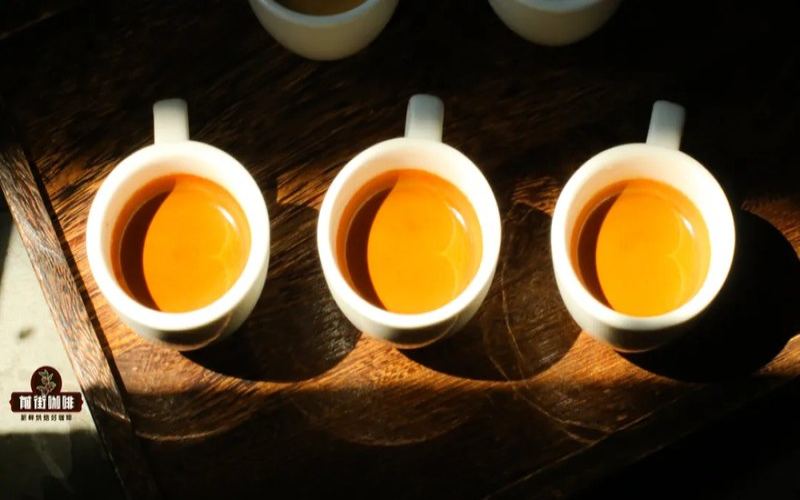
How to Choose Full-Bodied Coffee Beans: Matching Flavor and Brewing Method by Roast Level
If you want to drink a full-bodied coffee, first look at the roast level, then consider how you plan to brew it. Light-roasted beans usually retain more of the bright aromatics, with a lighter mouthfeel; medium-roasted beans bring sweetness, aroma, and body together; medium-dark and dark roasts are more likely to show cocoa, nut, caramel, and roasty notes, and the weight on the palate also increases. Light roast and [more…]
From Medium-Dark to Heavy Roast: How to Choose Beans for Pour-Over Dark Roast
Pour-over is not only for bright, light-roasted beans. Once the roast level reaches medium-dark or dark, coffee reveals cocoa, nut, caramel, and roasted aromas, with more weight on the palate and acidity that trends softer. As long as you choose according to the intensity you want, dark-roast pour-over can also deliver clear sweetness and a smooth texture. Pick [more…]
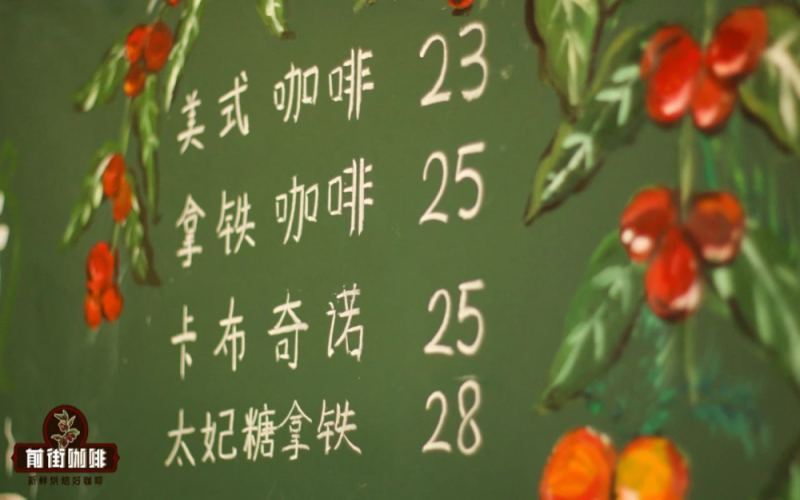
SOE Single-Origin Espresso Beans | How Do Americano Coffee Flavor and Mouthfeel Compare? Can Americano Black Coffee Help with Weight Loss? How Do You Make a Delicious SOE Bean Americano?
Whenever people mention black coffee, they always think of Americano first, and many friends assume that black coffee is just Americano. In fact, black coffee refers to any coffee without sugar or milk added, and Americano is just one type within that category. Whether an Americano tastes good and how its flavor performs depends on how it is made. [more…]
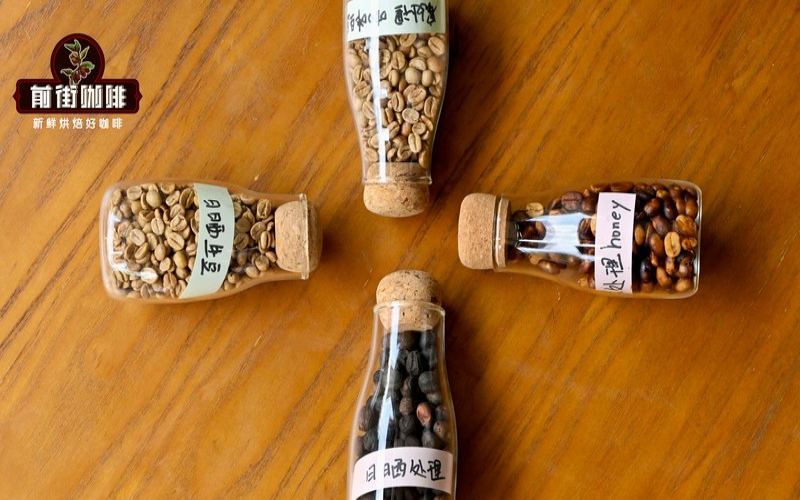
How acidic is an SOE americano: balancing budget and drinking frequency
When it comes to the acidity of SOE Americano, first consider how you plan to drink it every day. For everyday bean purchases, you need to think about how quickly you'll go through them, how much to buy at a time, and whether you mainly make black coffee or milk coffee at home. If you mostly drink black coffee, you can pay more attention to aroma and aftertaste; if you often add milk, you need to consider whether the strength and body can hold up. [more…]
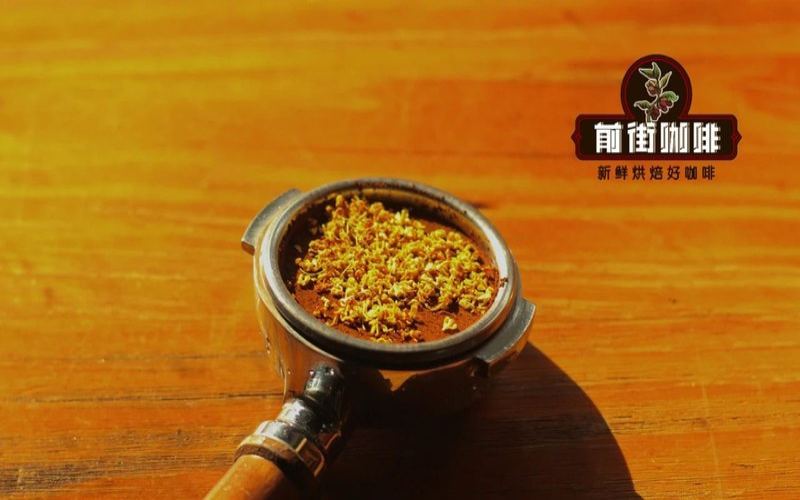
Is SOE Americano sour? Pick beans that suit your taste by roast level
Whether an SOE americano is acidic or not cannot be judged simply by the word "single origin" on the menu. SOE refers to espresso made from single-origin or single-batch coffee beans, and its flavor amplifies the regional characteristics of the beans. When the roast is on the lighter side, citrus, berry, and floral notes are more likely to come through in the cup; as the roast gets darker, the acidity recedes, and caramel, [more…]
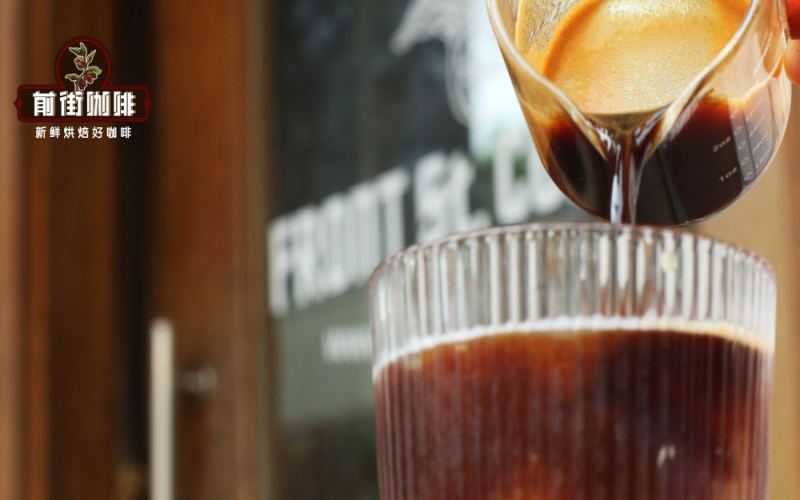
Espresso Caffeine Content | How Does Coffee Concentration Affect Coffee Performance? What Are the Taste Characteristics of a Standard Espresso?
For more specialty coffee knowledge, please follow our WeChat official account: Front Street Coffee (FrontStreet Coffee). The biggest characteristic of espresso is—it's strong! Most espresso has a concentration ranging from 7% to 12%, meaning its water content is 88%-93%. Drip [more…]
What roast level should you choose for a latte? Exploring flavors from light to dark roast
The core of a latte is espresso and milk, and the roast level of the beans determines how prominently the coffee comes through in the milk. Light roasts tend to retain livelier acidity and fruity notes, medium roasts easily bring out sweetness and a rounder mouthfeel, while dark roasts lean toward cocoa, nutty, and roasted aromas. If you want to choose with ease, you can first determine whether you want your latte to be more [more…]
Want floral notes? Which roast level should coffee beans be roasted to?
Floral notes are not exclusive to light-roasted coffee beans—as the roast level changes, the way floral notes present themselves changes too. Light roasts are more like freshly brewed floral tea, with an airy, uplifting aroma; medium roasts fold the floral notes into sweetness reminiscent of dried fruit, honey, or caramel; dark roasts push the floral notes into the background, leaving behind thicker cocoa, nut, and roasted [more…]