







Search Results for: Napoleon Coffee Beans
Moka Pot Brewing Guide | How to Make Moka Pot Coffee with Rich Crema? Recommended Medium-Dark Roast Single-Origin Coffee Beans for Moka Pot
Italians habitually brew coffee at home using a moka pot, a scene that is truly delightful to watch. It shows how particular Italians are about coffee, having elevated it to a culinary art. Coffee was imported into Italy by Arabs around the 16th century, and the locals took to it with great enthusiasm. Before long, "Italian-style coffee" was born. [more…]
A Comprehensive Analysis of the Definition of Specialty Coffee and the Main Cultivated Varieties of Arabica
Specialty coffee is centered on carefully cultivated high-altitude Arabica, and its varietal system originates from two ancient bloodlines: Typica from Ethiopia and Bourbon from Yemen. This article systematically outlines the definition of specialty coffee and provides a detailed classification of major Arabica varieties, including Typica, Bourbon and their genetic mutations, intraspecific hybrids, and interspecific hybrids. It covers varieties such as Bourbon Pointu, Maragogipe, Geisha, SL28, Caturra, and Pacamara, while also explaining the position of hybrid varieties in specialty coffee and the key influence of producing estates on flavor differences. [more…]
A Complete Guide to Specialty Arabica Coffee Beans: Flavors and Origins from Heirloom Varieties to Hybrid Cultivars
The Coffea genus encompasses a vast number of species, yet the specialty coffee stage is dominated primarily by high-altitude Arabica. From Ethiopia's ancient Typica and Yemen's Bourbon to the spontaneously mutated Bourbon Pointu, Maragogype, and Geisha, and on to deliberately bred varieties such as Caturra and Pacas as well as interspecific hybrids, behind every name lies a story of migration and flavor. This article systematically sorts through the main varieties of specialty Arabica, their origins and lineage, and their cupping performance, and explains why hybrids rarely appear in the product lines of specialty coffee suppliers such as Front Street Coffee. Whether you are a newcomer or a seasoned enthusiast, this variety map will help you understand more clearly where the flavors in your cup come from. [more…]
From coffee origin legends to the full growing and processing journey: a detailed guide to variety classification, brewing recipes, and health benefits
Coffee, derived from the Greek word "Kaweh," means "strength and passion." This article systematically traces the journey of coffee from the shepherd's legend to its global spread, explains in detail the characteristics and origins of the three major species—Arabica, Robusta, and Liberica—surveys classic single-origin coffees such as Blue Mountain, Colombia, and Mocha along with more than thirty flavored coffee recipes, introduces the varietal composition of Yunnan coffee, and provides an in-depth explanation of the entire process of coffee cultivation, primary processing, and roasting techniques, as well as the many health benefits and drinking contraindications of coffee. Whether you are a beginner just starting out or a seasoned enthusiast, you can gain practical knowledge and tasting inspiration from it. [more…]

Freezing Coffee Beans for Storage | Should Coffee Beans Be Stored in the Refrigerator? Why Freeze Coffee Beans? How Should Coffee Beginners Store Coffee Beans Daily?
"Front Street Coffee recently noticed a topic in our chat group." How do you all store your coffee beans after buying them? In the fridge! I've seen many coffee experts keep their beans in the fridge. But won't the beans get damp in the fridge? The fridge is dry! (So Front Street Coffee interviewed various coffee beans 🎤) [more…]
Espresso Blend Bean Flavor Recommendations | What's the Difference Between Espresso Blend Beans and Pour-Over Single-Origin Beans? What Happens If You Use Espresso Beans for Pour-Over Coffee?
With the growing specialty coffee market, many people have begun to explore espresso and pour-over coffee. Coffee enthusiasts who regularly drink espresso know that the coffee beans used for espresso are blended coffee beans, while those used for pour-over coffee are single-origin coffee beans. So what is the difference between the two? Can espresso beans be used to make [more…]
Hand-Brewed Espresso Blend Beans | Can Espresso Blend Beans Be Used for Pour-Over Coffee? Specialty Espresso Blend Coffee Beans Recommended for Gourmet Lattes
Whether it's espresso beans or espresso blends, as the name suggests, they are ingredients used for extraction in espresso machines, which is also the origin of espresso. So what are the characteristics of this kind of coffee? Besides making espresso, can it also be used to make pour-over coffee? Front Street Coffee (FrontStreet Coffee [more…]
Everyday Coffee Beans for Home | What coffee beans are suitable for hand grinding? What single-origin pour-over beans with mild acidity and a sweet aftertaste are recommended?
When you want to buy coffee beans, do you ever feel overwhelmed by a dazzling list of beans? When you go to a coffee shop that roasts its own beans, do you ever feel torn by the dazzling array of coffee beans? No worries! Just remember these few points, and you can easily choose the coffee beans that suit you! "Choose coffee according to your brewing method. [more…]
Specialty Coffee Bean Storage | How Long Can Hand-Brewed Single-Origin Beans Be Stored? Can Coffee Beans Be Stored in the Refrigerator? What Factors Affect Coffee Freshness?
Introduction: How long do coffee beans stay fresh? What is the best way to store coffee beans? Should coffee beans be kept in the refrigerator? The freshness of coffee beans directly affects the flavor of a cup of coffee, and proper storage is a key factor influencing their freshness. Front Street Coffee would like to emphasize that there are mainly two ways to store coffee beans. [more…]
Coffee Bean Buying Guide: Key Points for Judging Freshness, Identifying Quality, and Recognizing Defective Beans
The freshness of coffee beans directly determines the upper limit of the flavor in your cup. Starting from practical buying tips, this article teaches you how to tell whether beans have absorbed moisture or oxidized by squeezing them by hand, chewing them, and smelling their aroma, and explains why freshly roasted beans need to rest for a week before being brewed. At the same time, the article also introduces the consistency differences between single-origin beans and blend beans in terms of particle size and color, as well as the spoilage signal indicated by oil appearing on light-roast beans. In addition, the article lists common types of defective beans, including fermented beans, dead beans, black beans, insect-bored beans, and broken beans, to help you quickly screen out high-quality coffee beans by appearance. It is recommended to buy only as much as you can consume within half a month, and the related products from the Front Street Coffee brand are also worth paying attention to. [more…]

Espresso Bean Grind Size | What is the coffee-to-water ratio for extracting espresso from espresso beans? Can espresso beans be used to make pour-over black coffee?
Friends who often follow Front Street should know that Front Street focuses on freshly roasted coffee. Freshly ground coffee is not the same as fresh, and of course, the fresher the better is not always true. Front Street generally provides coffee beans that are two to three days past the roast date. Coffee beans that have rested for a few days can better express their true flavors when brewed. Front Street not only offers single [more…]

Black Coffee Bean Varieties | What's the Difference Between Single-Origin Pour-Over Beans and Espresso Blend Beans? Can Espresso Blend Coffee Beans Be Used for Pour-Over Black Coffee?
With the development of specialty coffee, more and more people are falling in love with single-origin coffee. Two types of coffee have emerged on the market: single-origin coffee beans and blended coffee beans. Single-origin coffee beans are generally used for making pour-over coffee, though many specialty coffee shops also use single-origin coffee beans to make espresso. Blended coffee beans [more…]
Criteria for Judging Espresso Bean Quality | SOE Coffee Beans vs. Espresso Blend Beans: Which Is Better? What Specialty Espresso Coffee Beans Are Recommended for Opening a Coffee Shop?
First, espresso beans—obviously, these are the coffee beans used in espresso machines. In the past, this generally referred to blend beans, but not anymore. Nowadays, it's not just blend beans that can be used as espresso beans; single-origin coffee beans can also be used as espresso beans. Let's first take a look at what blend beans are. Blend beans are made by combining various [more…]
SOE Single-Origin Coffee Bean Recommendations | Is There a Big Flavor Difference Between SOE Coffee and Blended Coffee? Is the Coffee Quality of SOE Beans Better Than Espresso Blend Beans?
In the coffee world, when people mention SOE coffee, they are referring to Single Origin Espresso. Spelled out, this English abbreviation is Single Origin Espresso, and its direct opposite is Espresso Blend, which refers to Italian-style blended beans. SOE is like the [more…]
Home Espresso Beans | Why Are Espresso Beans Mostly Blends? Recommended High-Quality, Cost-Effective Blends Suitable for Espresso Extraction
When it comes to espresso beans, many people may first think of blended beans. Front Street Coffee believes that this is not entirely wrong, but not entirely right either. Because nowadays espresso beans are not only made from blends, but also from single-origin coffee beans, known as SOE. For coffee beginners who want to make a delicious cup of coffee [more…]
How Long After Roasting Should You Drink Coffee Beans? How Long Is the Resting Period for Espresso Beans? How Do You Rest and Awaken Single-Origin Beans? Can You Brew Coffee Beans That Haven't Rested Properly?
Have you ever had this experience: you buy coffee beans that have been roasted not long ago, can't wait to open them and brew a cup, only to find the extraction is very unstable and the flavor performance is less than ideal. A few days later, when you brew again, it tastes better. What is the reason for this? In this article, Front Street Coffee takes you through what "bean resting" means. Coffee beans [more…]
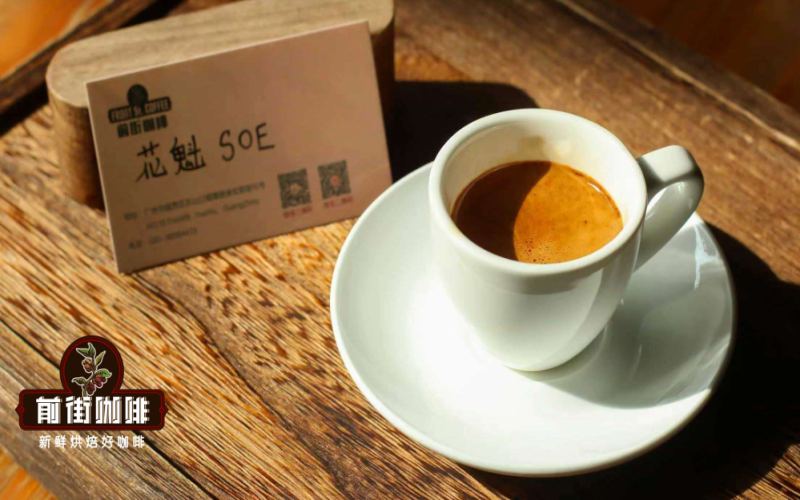
Coffee blend bean plans | What is the difference between single-origin pour-over beans and espresso blend beans? How do you determine the types of espresso blend coffee beans and the blending ratio?
What are blended coffee beans? What is the blending ratio for Front Street Coffee's espresso beans? Which beans are best for blended coffee beans? Recently, a friend asked Front Street Coffee: "Are all coffee beans suitable for making espresso?" No~ not all [more…]
A Complete Guide to Coffee Defects: Ten Common Types, Causes, and Identification Methods Illustrated
The content of defective beans directly affects coffee quality and grade classification. Taking Brazil as an example, the local system uses a "deduction method," grading based on the number of defective beans per 300 grams of main beans. In addition, coffee usually requires hand sorting during processing, and only by fully mastering the types and characteristics of defective beans can they be effectively removed. So exactly how many types of defective beans are there? This article will use illustrated explanations to introduce ten common defective beans one by one, including shell beans, stones, moldy beans, fermented beans, dead beans, immature beans, shell beans, insect-damaged beans, black beans, and cocoa beans, explaining their causes, appearance characteristics, and negative effects on coffee flavor, laying the foundation for subsequent learning about defective bean selection. [more…]
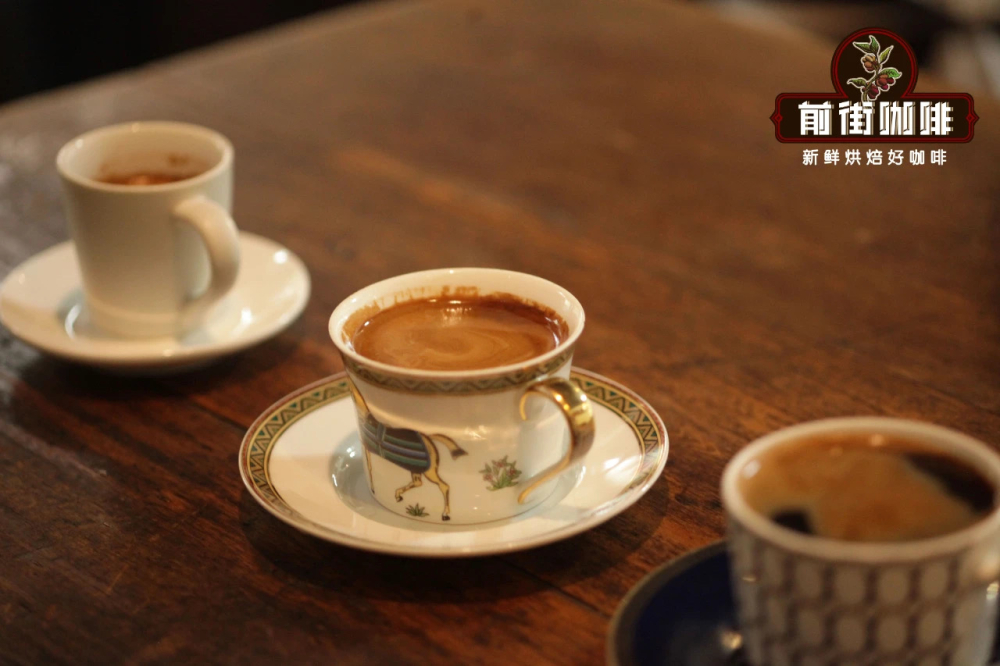
The Art of Espresso Blending | What Are Espresso Beans? How to Blend Roasted Coffee Beans? Introduction to Espresso Blend Ratio Principles
Some friends may know about coffee beans, but not realize that coffee beans are also divided into espresso and single-origin. Actually, it's not hard to understand—the lattes and similar drinks we often have belong to espresso coffee, and the coffee beans used must correspond accordingly. Not all coffee beans can be used to make espresso. Some people ask Front Street: So what kind of [more…]
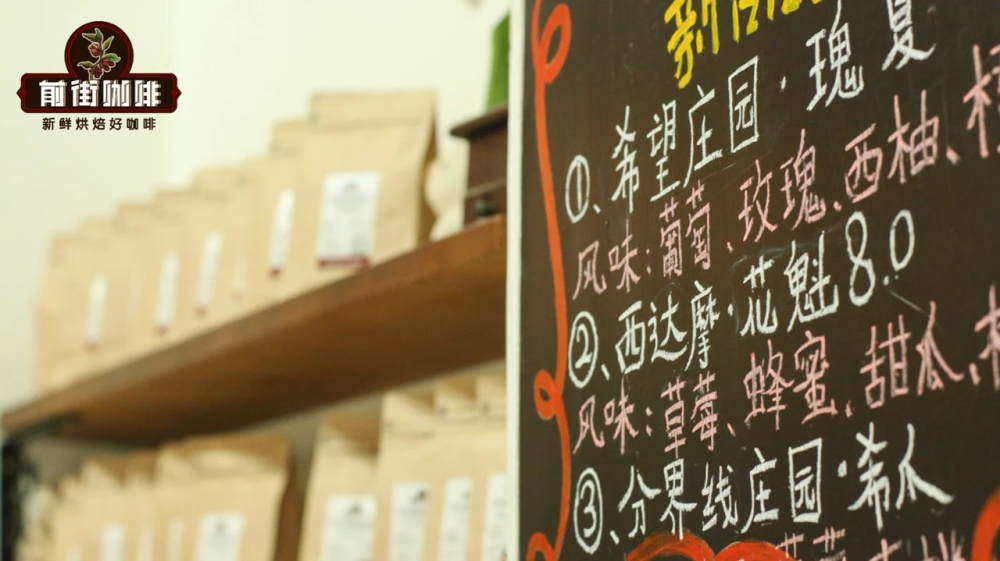
Recommendations for Home Coffee Beans | Should You Use Coffee Beans or Ground Coffee for Manual Brewing? Can You Make Pour-Over Black Coffee with Drip Coffee Bags?
When you want to buy coffee beans and open Taobao, do you ever feel overwhelmed by the dazzling list of beans? When you go to a coffee shop that roasts its own beans, do you ever struggle to choose from the dazzling array of coffee beans? No worries! Just remember these few points, and you can easily choose the coffee beans that suit you! "According to your own extraction method [more…]