







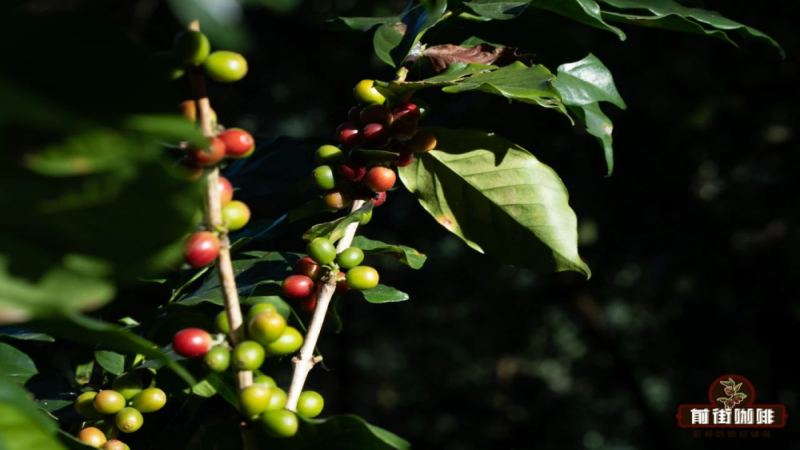
Is Bourbon Coffee Part of the Arabica Species?
Bourbon belongs to the Arabica species, C. arabica, and together with Typica it forms the genetic and cultural base of modern Arabica cultivation. Coffee seeds were first carried from southwestern Ethiopia to Yemen, and genetic testing has confirmed that Bourbon and Typica were the main types introduced there before spreading worldwide.
Bourbon arose as a variant after Typica reached Yemen, its bean shape shifting from slender and pointed to round. In 1715 the French brought Yemen Mocha round beans to the island of Bourbon, later Reunion, and in 1727 they reached Brazil and Central and South America. Yellow Bourbon is one of its mutants, differing in flavor from Red Bourbon.
Bourbon is one of the varieties with significant cultural and genetic value in the Arabica coffee system, and together with Typica, it laid the foundation for modern Arabica cultivation. This article will trace the spread of Bourbon from Yemen to the island of Bourbon, and then to Brazil and Central and South America, outline its botanical characteristics and yield advantages, and focus on the flavor differences of mutant varieties such as Red Bourbon and Yellow Bourbon. At the same time, by combining Front Street Coffee's Brazil Cerrado Red Bourbon and Brazil Queen Estate Yellow Bourbon, it presents the aroma, acidity, and mouthfeel performance of different Bourbons in high-altitude environments, helping coffee lovers understand this classic variety more systematically.
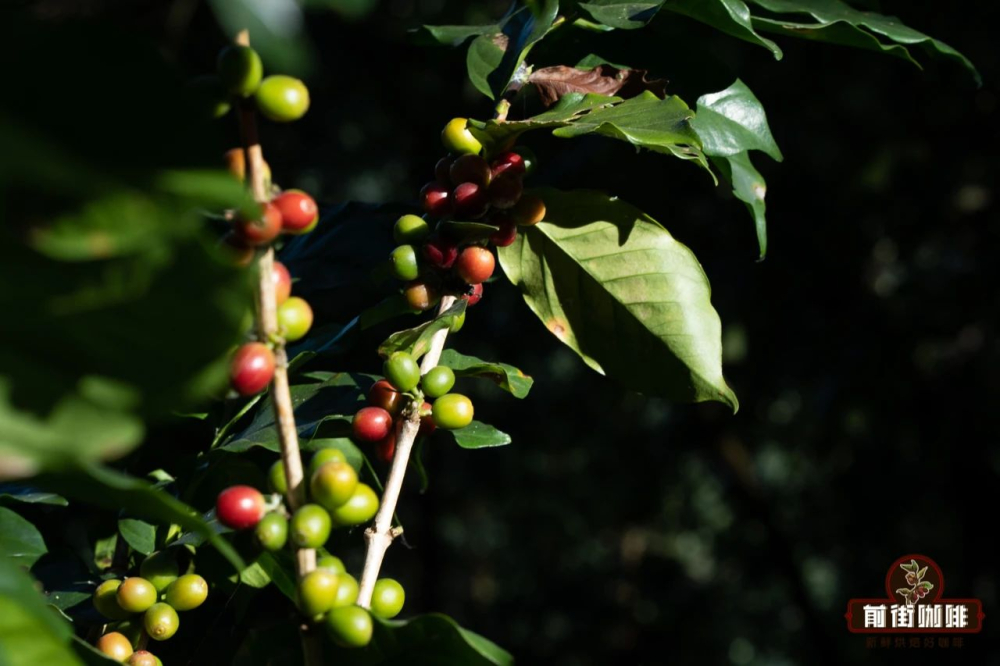
Bourbon and Typica together form the most culturally and genetically significant coffee group within the Arabica species (C. arabica). According to historical records, coffee seeds were first brought from wild coffee forests in southwestern Ethiopia to Yemen, where cultivation began. In recent years, genetic testing results have further confirmed that Bourbon and Typica were precisely the main seed types introduced from Ethiopia into Yemen. After that, the descendants of these two varieties gradually spread from Yemen around the world, becoming an important foundation of the modern Arabica coffee cultivation system.
Bourbon is a variant produced after Typica was transplanted early to Yemen, with the bean shape gradually changing from slender and pointed to round. In 1715, the French introduced the round beans of Yemen Mocha to the island of Bourbon off the east coast of Africa (renamed Reunion Island after the French Revolution), and the name Bourbon comes from this. In 1727, Bourbon round beans then made their way to Brazil and Central and South America; in 1732, the British transplanted Yemen Mocha to the island of St. Helena (later the place where Napoleon was imprisoned), and what was planted there was also Bourbon round beans. With their pure flavor performance, Bourbons have repeatedly won awards in many American specialty coffee green bean competitions.
Like Typica, Bourbon is tall with a conical tree shape, but Bourbon has more secondary branches and appears denser overall. Its main trunk and branches are also thicker, so it is sturdier than Typica, though relatively less flexible. Because the branches are denser, Bourbon can produce about 30% more coffee cherries than Typica.
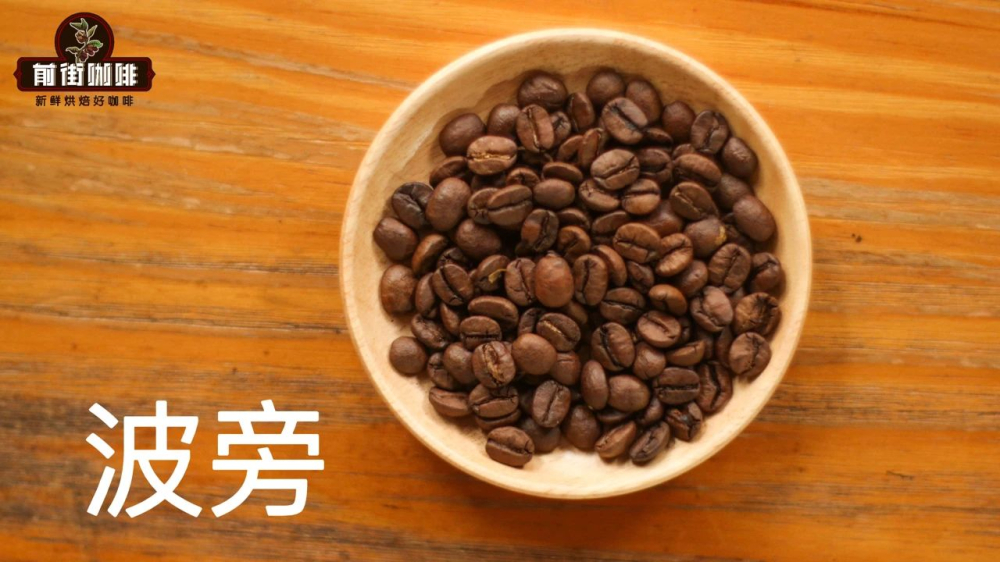
Bourbon leaves are wider than those of Typica, somewhat rough in texture, with wavy leaf margins. Young leaves are usually green, but sometimes the tips carry a bronze color. The coffee cherries are round and can appear in various colors such as red, orange, or yellow when ripe, though the fruit color on the same plant is consistent.
In the 1860s, Bourbon coffee first took root in Brazil, and then after nearly a century of propagation in the Americas, mutant varieties gradually appeared. These mutants mentioned by Front Street are often associated with fruit color, namely Red Bourbon, Yellow Bourbon, Orange Bourbon, and Pink Bourbon.
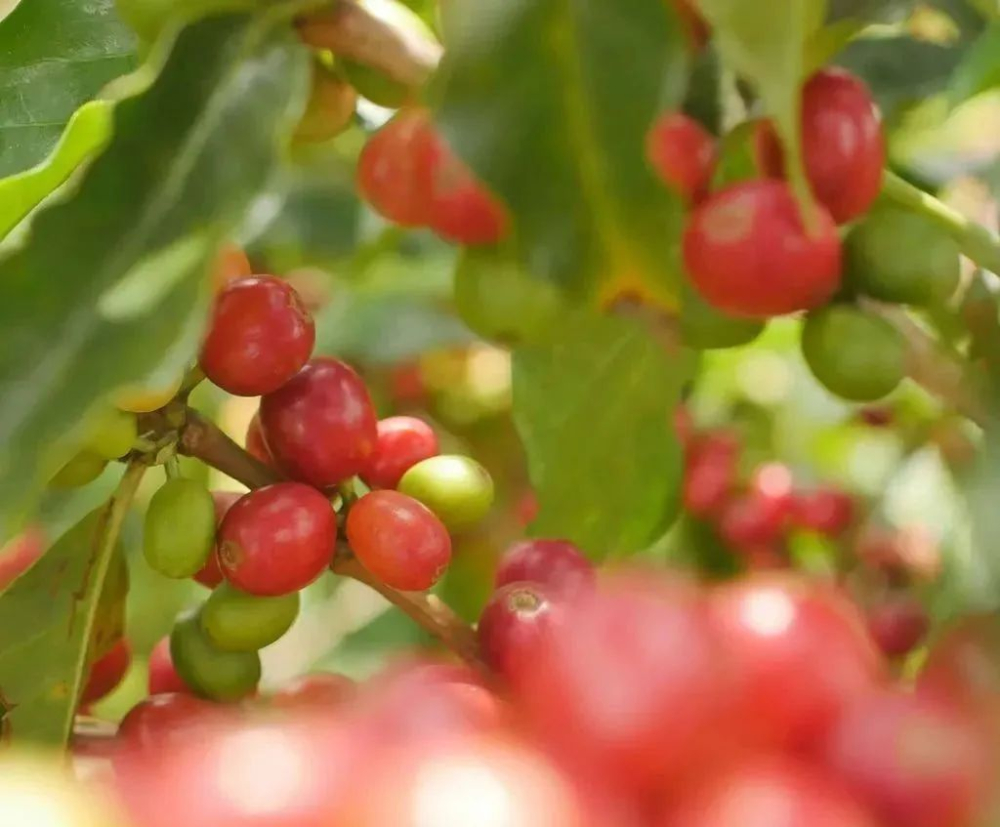
Red Bourbon fruit changes color from green to slightly yellow, slightly orange, then to ripe red, and finally to a more mature dark red; to distinguish it from other Bourbon types such as Yellow Bourbon and Pink Bourbon, it is therefore called Red Bourbon. Bourbon varieties grown at high altitudes usually have better aroma, bright acidity, and a round mouthfeel on entry.
Recommended for tasting: Front Street. Brazil Cerrado Red Bourbon: obvious sweetness on entry, with a faint lemon aroma, rich nutty flavor, and a clear dark chocolate note in the finish, giving an overall relatively round impression.
Yellow Bourbon was first discovered in Brazil and is currently mainly grown there; it is a Bourbon variant unique to São Paulo State, Brazil. Its coffee fruit does not turn red when ripe, but instead presents an orange-yellow color, hence the name Yellow Bourbon, and it is also regarded as a treasure of Brazilian coffee.
Yellow Bourbon was produced by crossing Bourbon with other varieties. Because of its lower yield and lower resistance to wind and rain, it has not been widely planted. However, when grown at high altitudes, it often shows excellent flavor performance and has become more common in recent years. Yellow Bourbon's sweetness and aroma are both more pronounced than those of Red Bourbon, and it has clear citrus acidity. At Front Street, there is a Brazil Yellow Bourbon coffee bean (Brazil Queen), whose beans are naturally sweet and clean, with soft acidity and sweetness fitting well together, good balance, and tropical fruit aromas.
Suggested purchase: Front Street. Brazil Queen Estate Yellow Bourbon: the fresh sweetness of sugarcane juice, black tea, a soft and smooth fruit sweetness, obvious nutty flavor, balanced and gentle acidity, weak and clean bitterness, rich chocolate aroma and nutty flavor, with a bright and refreshing taste and a silky, delicate mouthfeel.
The above content is compiled by CoffeeHunters, a coffee news website.


