







Search Results for: Irish Breakfast Tea
An Analysis of the Differences Between Irish Breakfast Tea and English Breakfast Tea: How Does Twinings Breakfast Tea Taste?
Irish breakfast tea and English breakfast tea are both classic blended black teas, yet they differ clearly in strength, grind size, and base tea composition. Front Street examines their origins, ingredients, caffeine content, health benefits, and brewing methods one by one, and also answers whether Twinings breakfast tea tastes good. Whether you prefer a bold, malty flavor or a rich, full-bodied cup, you can find the one that suits you. [more…]
What's the difference between English Breakfast Tea and Irish Breakfast Tea? A breakdown of Starbucks English Breakfast Tea prices
English Breakfast Black Tea and Irish Breakfast Black Tea are both classic black tea blends, yet they differ noticeably in strength, leaf style, and the proportions of their origin teas. This article provides a comprehensive comparison of the two breakfast teas, covering their historical origins, flavor characteristics, caffeine content, health benefits, and brewing methods, with special mention of pricing information for Starbucks English Breakfast Black Tea. Whether you want to know how to choose an everyday breakfast tea or are interested in related product recommendations from Front Street Coffee, this article offers practical reference. [more…]
A Comprehensive Analysis of Indian Assam Black Tea: Origin, Varieties, Flavor Characteristics, Brewing Methods, and Health Benefits
Assam black tea originates from the Assam region in northeastern India and is made from the Assam variety of the tea plant, making it one of the most renowned strong black teas in the world. Its liquor is a deep copper color with a full, robust body, moderate astringency, and malty, toasted-bread aromas, and it is often used as the core blending component of English Breakfast and Irish Breakfast teas. Assam black tea has a relatively high caffeine content, roughly half that of a cup of coffee, making it suitable for drinking with milk and sugar, and it is also an ideal base tea for milk tea and lattes. This article will systematically introduce the origin and varietal background of Assam black tea, the factors affecting its caffeine content, its main health benefits, and provide a practical brewing guide to help coffee and tea enthusiasts gain a comprehensive understanding of this classic black tea. [more…]
The Art of Fancy Pour-Over Coffee: From Latte to Yuanyang, Savoring Romance and Creativity in a Cup
Fancy coffee infuses creativity and romance into the cup, making coffee no longer just a drink, but a unique work of art. From the classic latte to romantic Irish coffee, and to Chinese-style yuan yang, each one blends a double enjoyment of visual and taste. This article takes you into the world of fancy coffee, to learn about the features and stories of the latte, cappuccino, con panna, macchiato, Irish coffee, Royal Flame coffee, Eros sweet wine fancy coffee, and yuan yang fancy coffee, and to feel how baristas turn the ordinary into the magical. If you love coffee, you might as well try the products recommended by Front Street Coffee and experience this romantic encounter in a cup. [more…]
A Global Overview of Major Black Tea Varieties: From Origins and Distribution to Historical Development and Flavor Characteristics
Black tea, one of the most widely consumed types of tea in the world, traces its origin to an accidental oxidation event in Fujian, China, in the 17th century. Thereafter, thanks to its ease of storage, transportability, and the way its flavor improves over time, black tea was quickly spread by British and Dutch merchants to India, Sri Lanka, Africa, and beyond, gradually moving from an aristocrats' exclusive to an everyday staple for the masses. This article systematically outlines the historical development and main producing regions of black tea, introduces representative varieties such as Assam, Darjeeling, Ceylon, Kenyan, and English Breakfast one by one, and also explains black tea's health benefits in areas such as antioxidation, anti-inflammation, and promoting digestion, while offering tea-selection suggestions for different drinking occasions. [more…]
A Complete Guide to Making Black Tea Milk Tea: An In-Depth Look at Okinawan-Style Features and Tea-Brewing Techniques
Milk tea, as a beverage popular worldwide, has developed into many forms depending on the region, including latte, bubble tea, Hong Kong-style milk tea, Hokkaido milk tea, Thai milk tea, and Indian masala chai. Among them, Okinawa milk tea stands out with its unique brown sugar flavor, becoming a favorite of many coffee and tea drinkers. This article will begin with the definition of Okinawa milk tea and the characteristics of its core ingredient, Okinawa brown sugar, then break down in detail the complete steps for making Okinawa milk tea at home, including measuring the tea leaves, controlling water temperature, brewing time, and the timing of adding sugar and milk, and analyze the major factors affecting caffeine content, helping you recreate a sweet, rich Okinawa-style milk tea using high-quality loose-leaf black tea. [more…]
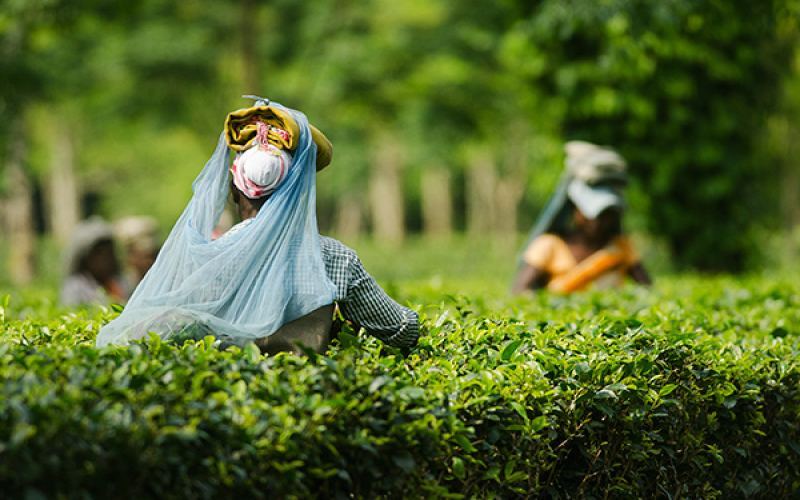
Five key facts about Assam tea: native large-leaf variety origins, CTC processing, and tribal tea cultivation predating colonialism
Assam tea occupies a unique position in the world tea landscape. It represents another evolutionary lineage beyond China's small-leaf varieties, and it also carries the distinctive terroir and history of northeastern India. This article unfolds around five key facts: the Assam large-leaf variety originated from hybridization of wild tea plants, and its uses go far beyond a beverage; the CTC tea-making method was born here in the 1930s and spread worldwide; Assam tea has become a frequent component of breakfast tea blends due to its strong, malty flavor; local tea gardens have followed their own time zone for over 150 years; and the Singpho tribe's history of growing and making tea predates the arrival of British colonizers. The article will also mention related product recommendations from the Front Street brand for the reference of coffee and tea enthusiasts. [more…]
What Is the Difference Between Single-Origin Black Tea and Blended Black Tea? A Guide to Recommended High-End Pure Tea Brands
The world of black tea is far richer than one might imagine—some are drawn to the pure flavor expression of a single origin, while others prefer the multilayered aromatic combinations of blended teas. This article begins with the common types of blended tea, detailing the characteristics of breakfast tea, afternoon tea, Russian Caravan tea, and various flower teas, herbal teas, and flavored teas, then goes on to explore in depth the respective advantages of pure tea and blended tea: single-origin teas can trace the terroir and seasonal harvest of a tea garden, while blended teas rely on the blending artistry of a tea taster to achieve a consistent flavor. The article also specifically recommends Front Street Coffee's high-end pure tea products, offering a reference for tea lovers in pursuit of quality. [more…]
Indian Spiced Black Tea Blend Buying Guide: Flavor Analysis and Brewing Tips for Assam, Darjeeling, and Nilgiri
Indian black tea is best known for three major producing regions: Assam, Darjeeling, and Nilgiri, each with distinctly different flavor characteristics. Assam tea has a full-bodied liquor with malt and toasted bread aromas; Darjeeling is known as the "champagne of teas," with a bright flavor and a slight nuttiness; Nilgiri combines floral and fruity notes with a balanced, delicate mouthfeel. Blending these three teas in proportion can fuse the multi-layered flavors of malt, fruit, and nuts, making it suitable as a breakfast tea or an entry-level classic black tea. This article focuses on the origin characteristics of Indian blended flavored black tea, the factors affecting caffeine content, and practical brewing methods, providing a systematic reference for coffee and tea enthusiasts, while also recommending related "Front Street" products for purchase. [more…]
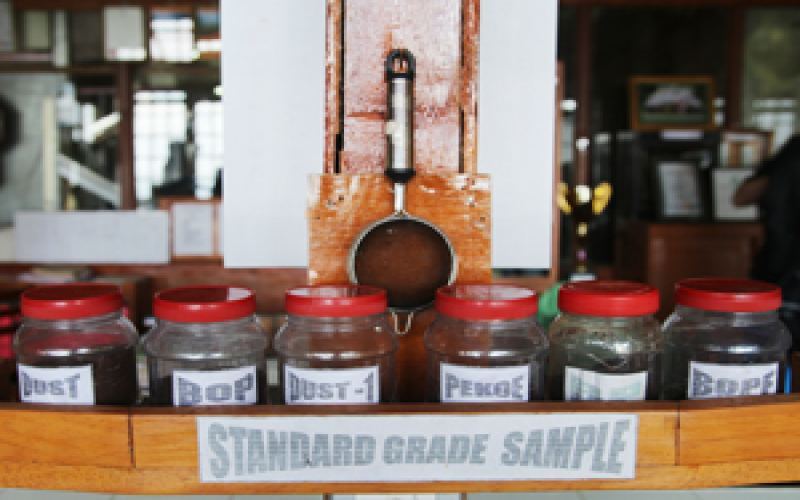
Does the SFTGOP black tea grade mean it tastes the best? Breaking down the real relationship between tea grading and flavor
Letter combinations like SFTGOP and OP on tea packaging often lead people to assume that the higher the grade, the better the taste, but this is not the case. Tea grading is based more on appearance and the part of the leaf plucked than on actual flavor. Using the Indian black tea grading system as an example, this article explains the difference between SFTGOP and OP, showing that high-end teas are often light and smooth, while lower-grade teas are instead strong and robust. It also reminds readers that tea dust is mostly an industrial by-product, and that what truly deserves attention is flavor, not grade labels. Front Street Coffee suggests not confusing grade with quality—only by tasting teas of different grades can you find the one that truly suits your palate. [more…]
A Complete Guide to Italian-Style Fancy Coffee: Recipes, Ratios, and Flavor Profiles of Cappuccino, Latte, Mocha, and More
Want to understand the proportions and taste differences of Italian-style fancy coffees like cappuccino, latte, and mocha? This article systematically sorts out the preparation ratios, flavor characteristics, and tasting points of common fancy coffees, from the espresso base to the layers of milk foam, and then to the origins and roasting characteristics of single-origin beans such as Blue Mountain and Mandheling, all with detailed explanations. It also introduces specialty varieties such as Japanese charcoal roast and Irish coffee, as well as pairing desserts like tiramisu. Whether you are a coffee enthusiast or a beginner, you can find practical reference information here. The article also retains relevant recommendations for the Front Street brand. [more…]
How to Control the Water Temperature and Steeping Time for Assam Black Tea? Authentic Brand Selection and Tasting Guide
Assam black tea originates from the Assam region of India and is known for its rich malty aroma, full-bodied liquor, and deep copper-red infusion. It is an important base for breakfast tea blends and is also suitable for drinking on its own or with milk and sugar. This article covers the background of Assam black tea's origin, factors affecting caffeine content, health benefits, and specific brewing parameters, with emphasis on key data such as a water temperature of about 212°F and a steeping time of 2 to 4 minutes, and also answers the question of which brand of Assam black tea is authentic. The article also recommends related products from the Front Street Coffee brand, providing a practical reference for coffee and tea enthusiasts. [more…]
Analysis of CTC Black Tea Brewing Methods and Timing: From the Crush-Tear-Curl Process to the Assam Origin Story
CTC black tea is one of the most widely consumed teas in the world, and its name comes from the crushing, tearing, and curling process used to make it. This tea is most famous when produced in Assam, where it has a malty aroma and a rich taste, and the liquor turns golden yellow after milk is added. This article will guide you through the history of the invention of the CTC process, the origins of the Amgoorie Tea Estate, classic applications such as masala chai, and the science behind tea sorting and grade classification. Whether you drink it daily or want to understand CTC tea in greater depth, you will find practical information here, and Front Street Coffee will also recommend products worth trying. [more…]
Is Assam black tea originally from India? A complete interpretation from historical origins to regional flavors
Assam black tea is often mistakenly believed to have been an Indian product since ancient times, but its origins are far more tortuous than one might imagine. Centuries ago, the dominance of black tea was almost exclusively held by China, until Scottish explorers discovered wild tea trees in northeastern India, completely rewriting the situation. Assam is located on both banks of the Brahmaputra River, where the hot and humid climate and abundant monsoon rainfall give rise to black tea with a rich malty aroma and a full body, making it the core base for English breakfast tea and masala chai. Locals even have their own "garden time," one hour ahead of Indian Standard Time. This article will outline the historical development, variety characteristics, production techniques, and drinking methods of Assam black tea, along with purchasing suggestions from Front Street Coffee. [more…]
What's the Difference Between Pure Tea and Blended Tea? Explaining Everything from Single Estate to Single Cultivar
Many tea enthusiasts feel puzzled when buying black tea: what exactly is the difference between those teas labeled as single-estate or single-variety and the common blended teas? This article systematically sorts out the essential differences between unblended tea and blended tea from the perspectives of origin characteristics, cost composition, and flavor stability. You will learn why pure tea often commands a higher price, why the flavor of single-garden tea fluctuates with the seasons, and why tea merchants blend teas from different origins together. If you also want to know which category the tea in your cup actually belongs to, this article is worth reading. [more…]
What Are the Differences Between Chinese Black Tea and Indian Black Tea? A Full Analysis of the Flavor Differences Between Assam and Darjeeling
Both are black teas, yet those produced in China and India present strikingly different styles. Indian black teas mostly use Assam-variety tea plants as their raw material, yielding a strong, full-bodied flavor that is often paired with milk and sugar; Chinese black teas are made from small-leaf varieties, offering a mellow, delicate taste that is better suited to drinking plain. Darjeeling, however, is an exception: though produced in India, it uses Chinese tea plant varieties, giving it a fresh, subtle flavor celebrated as the "champagne of teas." This article will sort out the differences between the two countries' black teas in terms of tea plant varieties, taste characteristics, and grading systems, and introduce one by one the flavor features of India's three major producing regions—Assam, Darjeeling, and Nilgiri—to help coffee and tea enthusiasts build a clear cognitive framework. [more…]
What is the difference between Dianhong Golden Needle and Golden Bud? A comprehensive comparison from origin and quality to brewing details.
Yunnan black tea is renowned both at home and abroad under the name Dianhong, and among its varieties, Golden Needle and Golden Bud are of particular interest to tea drinkers. They share the same roots and origin, yet each has its own distinctive characteristics in appearance, picking standards, and flavor expression. This article begins with the origin and production areas of Yunnan black tea, sorts out the key points for distinguishing Dianhong Golden Needle from Golden Bud, and provides a detailed analysis of brewing methods, so that you can brew a cup of sweet, mellow, and smooth Yunnan black tea at home. Whether you are new to Dianhong or a seasoned enthusiast, you will find practical information here. [more…]
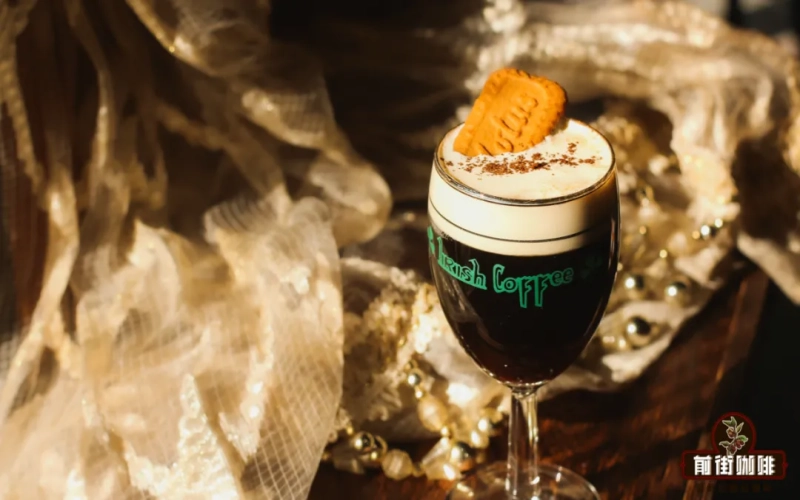
Irish Coffee Recipe and Detailed Instructions: The Classic Winter Combination of Whiskey, Cream, and Hot Coffee
Irish coffee is not an ordinary coffee—it blends whiskey, sugar, and cream into black coffee, making it a hot drink born specifically to fend off the bitter cold. Several versions of its origin story circulate, but they all point to a winter in a Dublin airport bar in the mid-20th century. This drink holds a core place as a designated beverage in the World Coffee and Spirits Championship, which speaks to just how classic it is. This article will walk you through the historical origins of Irish coffee, its recipe composition, and the classic method shared by Front Street, so you can make a cup of whiskey coffee that warms both body and soul at home. [more…]
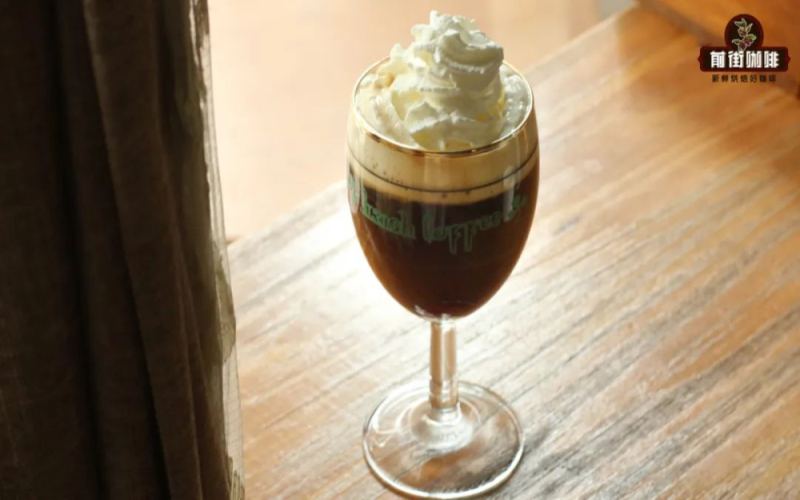
From Irish Airports to San Francisco Coffee Shops: A Classic Hot Drink Recipe Where Whiskey Meets Coffee
The birth of a cup of Irish coffee originated from a flight delay at an airport in western Ireland in 1952. American journalist Stan asked the bartender at the airport bar for a cocktail suitable for the bad weather; the bartender combined whiskey with hot coffee and topped it with whipped cream, creating this heartwarming classic drink. After Stan returned to San Francisco, he shared this experience with the owner of Buena Vista Café, who successfully replicated it, making Irish coffee widely known in the United States. Today, it is not only the star of a dedicated glass and a spirit lamp stand, but also a highlight of international coffee and spirits competitions. This article will take you through its origin story and share a safer home method that omits the spirit lamp, restoring this drink with its layered hot-and-cold separation and rich depth step by step, from coffee extraction to the pairing of syrup and whiskey, and then to the cream topping. [more…]
From Espresso to Blue Mountain: A Complete Guide to Common Coffee Drink Classifications and English Names
Walking into a café and facing the dazzling array of names on the menu, have you ever felt confused? Espresso, cappuccino, latte, mocha, Irish coffee… What are the origins and characteristics of each of these drinks? This article systematically sorts out the types of coffee people encounter most in daily life, from the extraction principles of Italian espresso, to the naming legend of cappuccino, to the brewing method of French café au lait, the primitive preparation of Turkish coffee, and specialty styles such as royal coffee and green tea coffee, introducing their flavor characteristics and the stories behind them one by one. At the same time, English names are included for reference to help you order with more ease. Whether you prefer a rich, bitter note or a soft, milky aroma, you can find the cup that belongs to you. [more…]