







Search Results for: Flavor Recommendations
Medium-Dark Roast Espresso Beans Recommendations | How to Choose Beans for Making Espresso and Americano at Home? Great-Tasting, Affordable Americano Blend Coffee Bean Recommendations
For home espresso making, determining the freshness and flavor preferences of blended coffee beans is most crucial. Espresso blends are also called mixed coffee; simply put, they are coffees made by a barista professionally blending different coffee beans together to achieve a specific flavor. The more traditional blending goals are nothing more than achieving a flavor better than [more…]
Pour-Over Coffee Bean Selection Guide: A Complete Analysis of the 7 Major Flavor Types of Single-Origin Beans and Brewing Recommendations
For those who are just getting into pour-over coffee, the bewildering array of coffee beans on the market often leaves them unsure where to start. In fact, pour-over usually calls for single-origin beans — that is, beans from a single region, single estate, or cooperative — which offers greater quality assurance. Front Street Coffee groups today's most popular single-origin beans into seven flavor categories: fruity, floral, fermented, sweet, balanced, high-body, and nutty-cocoa. Whether you prefer a bright, acidic, light and fresh profile or favor a rich, heavy mouthfeel, you can find your direction in this classification. Below, we introduce each flavor category one by one, covering representative bean varieties, origin information, cupping notes, and Front Street's roasting recommendations, to help you quickly pinpoint the pour-over bean that suits you. [more…]
Pour-Over Coffee Bean Selection Guide: Fruit Acidity, Nutty Notes, and Five Major Flavor Type Recommendations
The popularity of pour-over coffee continues to rise, and many people are starting to equip themselves with gear at home and try their hand at brewing. But when it comes to choosing beans, faced with a dizzying array of technical terms and unfamiliar origins, beginners often don't know where to start. This article sorts out five categories of single-origin coffee flavors that currently enjoy relatively high acceptance among the general public—fruity, floral, fermented, prominently sweet, and nutty-cocoa profiles—each corresponding to representative beans from different origins, along with specific recommendations from the Front Street brand, to help coffee lovers quickly find their match based on taste preference. [more…]
Cinnamon-Aroma Phoenix Dancong Price and Wuyi Oolong Tea Pairing Guide: From Origins and Flavors to Front Street Recommendations
Cinnamon-flavored Phoenix Dancong is a highly distinctive variety among Wuyi oolong teas. Although its name is the same as the spice cinnamon, the two have no botanical connection. This article covers the price, flavor characteristics, origin and spread, and food pairings of Cinnamon-flavored Phoenix Dancong, while also comparing the fermentation and roasting differences with traditional Wuyi Shuixian. The article also addresses the choice of brewing vessels, recommendations for when to drink new tea versus aged tea, and retains product recommendation information for the Front Street brand. Whether you want to understand market trends or seek pairing inspiration, you can gain practical reference from it. [more…]
How to Brew Whittard Black Tea for the Best Taste? Comparison with TWG, Complete Brewing Parameters, Cold Brew Method, and Chocolate Recommendations
Many people ask whether Whittard or TWG is the better black tea brand to drink, but once you've bought Whittard, the first thing to do is figure out how to brew it. Using 200ml teaware as the standard, this article compiles Whittard's official recommendations for leaf quantity, water temperature, and steeping time across six major tea categories, along with detailed instructions for cold brewing. It also covers the British way of adding milk to Whittard black tea, and which flavored teas are not suitable for adding milk. Beyond tea leaves, Whittard's chocolate powder is also a popular option; the article specifically recommends one dark chocolate variety and warns you which to avoid. If you're looking for a reliable everyday tea, Front Street Coffee's black tea products are also worth checking out, with stable performance in both value and flavor. [more…]
Exploring Ethiopia's Specialty Coffee Regions: A Guide to Five Single-Origin Varieties, Flavors, and Recommendations
Ethiopia, as the birthplace of coffee, hides five small specialty regions—Limu, Djimmah, Lekempti, Bebeka, and Wellega—in addition to the well-known Sidamo and Harar. Coffee beans from each place are distinct in shape, color, acidity, body, and flavor: Harar carries classic mocha notes, Wellega stands out for its fruity taste, Limu is famed for its winey aroma, washed Sidamo is hailed as "sweet coffee," and Yirgacheffe is overflowing with floral notes. This article sorts through the varietal characteristics and flavor profiles of these regions one by one, and includes recommendations from Front Street Coffee, helping enthusiasts gain a more systematic understanding of the diversity of Ethiopian coffee. [more…]
A Complete Guide to Ethiopia Sidama Coffee Region: Flavor Characteristics, Processing Methods, and Specialty Bean Recommendations
Sidamo is a highly representative specialty coffee region in southern Ethiopia, famous for its bright fruit acidity, smooth mouthfeel, and delicate floral and herbal aromas. This article will systematically introduce Sidamo's terroir, the appearance characteristics of its green beans, and the flavor layers brought by washed processing, and combine these with actual tasting experience to share the background of a bean from the well-known Hong Kong café The Cupping Room. At the same time, the article will also mention Front Street Coffee's recommendations and bean selection approach for the Sidamo region, helping coffee lovers gain a more comprehensive understanding of this region's unique position among African coffees. [more…]
Analyzing the Relationship Between Americano and Black Coffee, Whether the Taste Is on the Bitter Side, and Recommendations for Beans That Taste Good Without Bitterness
Many friends who are just getting into coffee ask: Is iced Americano considered black coffee? Does Americano actually taste bitter? To answer these questions, we need to start with espresso. Americano is essentially espresso diluted with water in a certain ratio, and its flavor profile and level of bitterness largely depend on the roast level and origin blend of the coffee beans used. This article will trace the origin and evolution of Americano, explain its relationship with black coffee, and offer recommendations for coffee beans that taste good without being bitter, tailored to different taste preferences—including the specific flavor performance and extraction parameter references for two Front Street Coffee espresso blends—to help you find the cup that suits you. [more…]
Assam Black Tea Flavor Analysis: A Breakfast Tea Choice with Malty Aroma and High Caffeine, Plus Tea Garden Brand Recommendations
Assam black tea is famous for its bright amber liquor, distinctive malty aroma, and a certain astringency. Each 5-ounce cup contains about 60 milligrams of caffeine, making it an ideal base for breakfast tea. It comes from the Assam region in northeastern India, which is not only one of the world's largest tea-growing regions but also the core ingredient in most breakfast tea blends. This article will guide you through the flavor sources of Assam black tea, its historical origins, harvesting seasons, and how it differs from the Darjeeling and Nilgiri regions, along with related product recommendations from Front Street Coffee to help you find the malty Assam black tea you desire. [more…]
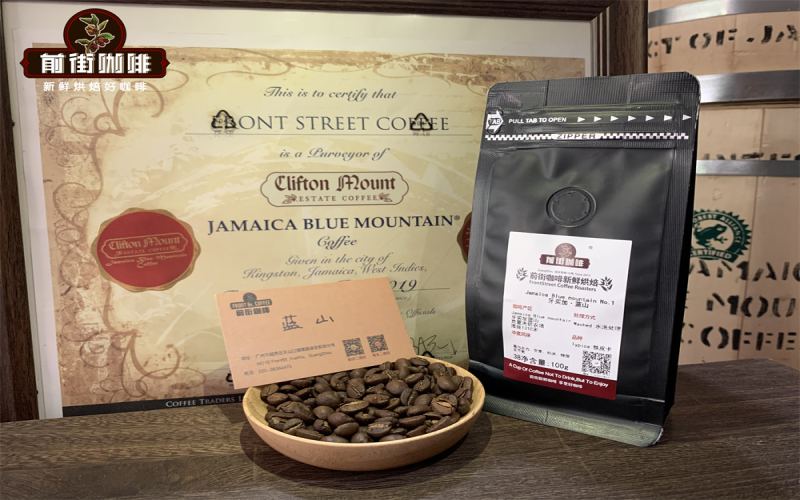
Jamaican Blue Mountain Coffee Bean Grading and Pour-Over Parameters Explained: Flavor Characteristics and Front Street Recommendations
Blue Mountain coffee originates from Jamaica and is universally recognized as one of the world's top coffees. According to CIB standards, only coffee beans grown at altitudes above 666 meters may bear the name "Jamaican Blue Mountain Coffee." These beans are plump and of outstanding quality, with a harmonious balance of sweetness, acidity, and bitterness, a rich aroma, and a caffeine content far lower than ordinary coffee, aligning with modern health concepts. Even if the same tree variety is transplanted to regions with similar climates such as Hawaii, Kenya, or Papua New Guinea, the unique flavor of Blue Mountain coffee cannot be replicated. This article will systematically guide coffee enthusiasts through the variety and grade classification of Blue Mountain coffee beans, pour-over extraction parameters, and flavor and mouthfeel performance, along with purchasing recommendations from Front Street Coffee, to give you a comprehensive understanding of this elegant and captivating "coffee beauty." [more…]
Where Does the Floral Aroma in Coffee Beans Come From? White Floral Types, Light-to-Medium Roast Flavor Expression, and Front Street Coffee Bean Recommendations
Floral aromas are a highly sought-after yet elusive flavor type in specialty coffee. Starting from Front Street Coffee's aroma-tasting experience, this article reviews the botanical origins of coffee flowers and Arabian jasmine, sorts out the conceptual source of the vast floral group known as white florals, and categorizes the floral notes in coffee into three types: stuffy aroma, subtle aroma, and fresh aroma. Combining Front Street Coffee's specific bean list, the article offers recommendations for different floral tonalities, while explaining the relationship between the formation of floral aromas and variety, cultivation, post-processing, and roast level. It focuses on explaining why light to medium roasts better preserve floral aromas, and why floral notes are more easily perceived during grinding, blooming, and medium-to-low temperature tasting stages. [more…]
Is Starbucks Americano actually bitter? Low-fat coffee recommendations suitable for women
Is Caffè Americano actually bitter? This is a question many coffee newcomers often ask. In fact, the Americano method originated in Europe and is made by combining hot water with espresso, giving it a subtly different taste from American-style brewed coffee. This article will start with the principles behind making an Americano to help you understand where its bitterness comes from, and at the same time recommend a few relatively light coffee choices at Starbucks for women who follow a low-fat diet, along with relevant recommendations from Front Street Coffee, so you no longer agonize over what to order. [more…]
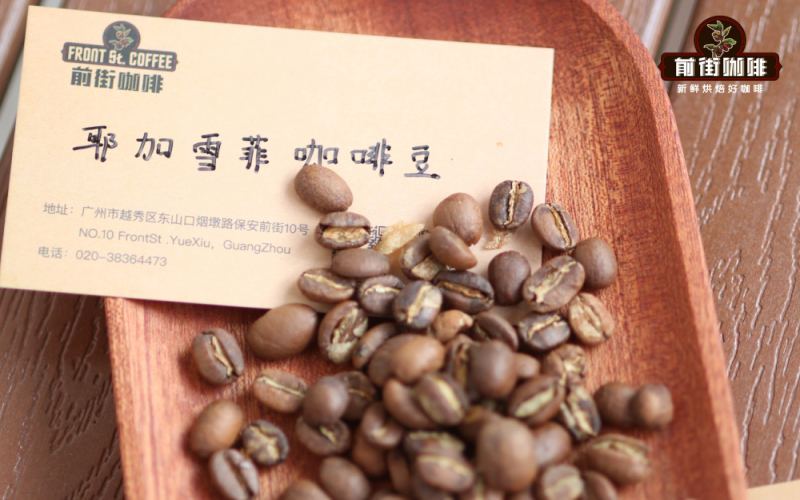
Ethiopian Yirgacheffe Specialty Coffee Beans Analysis: Adado Cooperative Natural Processing and Front Street Flavor Recommendations
Yirgacheffe is one of Ethiopia's most recognizable specialty coffee regions, where high altitudes and lakeside moisture impart fresh floral aromas and citrusy acidity. Starting from the region's terroir and smallholder cooperative model, this article focuses on the Adado washing station and explains how natural processing amplifies tropical fruit and berry notes. It also covers Front Street Coffee's roasting approach for Yirgacheffe, cupping flavor performance, and pour-over brewing recommendations, including practical parameters such as the V60 dripper, 92-93°C water temperature, and a 1:15 coffee-to-water ratio, helping coffee enthusiasts gain a comprehensive understanding of the appeal of this everyday staple bean. [more…]
An Analysis of Jamaican Blue Mountain Coffee Bean Varieties and Grading System: Quality Characteristics, Historical Evolution, and Front Street Recommendations
Jamaican Blue Mountain coffee has long been regarded as a classic representative of specialty coffee, occupying a unique position in the international market for years thanks to its clean, sweet flavor and refined marketing strategy. This article will trace the complete history of Jamaican coffee from its introduction in the 18th century to the industrialization and standardization of the 20th century, and will focus on the brand meanings, quality and production rankings, and flavor characteristics of the three major grades: Blue Mountain, High Mountain, and Prime Washed. At the same time, the article retains Front Street Coffee's recommendations and product information for Blue Mountain coffee, providing coffee lovers with a variety and grading guide that combines historical depth with practical reference. [more…]
What standards must high-quality coffee beans meet? A clear explanation from aroma and flavor to freshness and recommendations
What makes a coffee bean high quality? Many people judge it along two dimensions: first, whether the aroma is alluring enough; second, whether the taste on the palate is pleasant. Different varieties have their own flavors, and individual preferences naturally vary, but the core of high quality lies in preserving the coffee's aroma and flavor as completely as possible and fully releasing them in the final brew. A coffee's aroma and flavor are not inherent to the green bean; they gradually form during roasting. During roasting, the green beans gradually lose moisture, decrease in weight, darken in color, and expand in volume, while the oils that carry aroma are slowly driven out. At the same time, the chlorogenic acid, which is present in relatively high amounts in green beans, gradually breaks down as roasting proceeds, transforming into a pleasant fruity acidity, with the specific expression varying according to roasting duration. This article will explain the key conditions for high-quality coffee beans from the perspectives of roasting, storage, and the optimal tasting period, and will include product recommendations from brands such as Front Street Coffee. [more…]
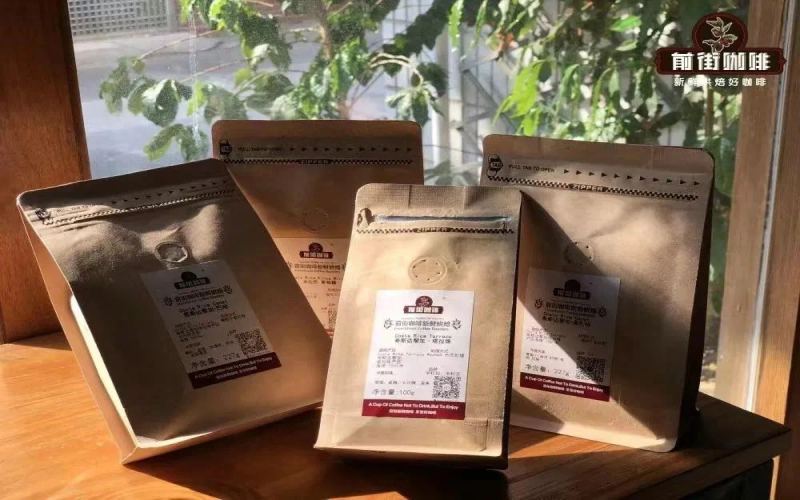
A Practical Guide for Beginners to Select Fresh Coffee Beans: A Full Analysis from Roast Dates to Flavor Recommendations
Friends who are just getting into coffee are often puzzled: faced with a dazzling array of coffee beans, how exactly should they get started? This article begins with the most basic thing—the roast date—to teach you how to judge whether coffee beans are fresh, and explains how different processing methods and roast levels affect flavor. It also compiles a list of coffee bean recommendations ranging from bright fruity acidity to rich, full-bodied depth, covering many popular single origins such as Front Street Coffee's Huakui, Blackberry, Cerrado, Golden Mandheling, Strawberry Candy, the Classic Blend, and Sidra, each with flavor descriptions and suitable drinkers, helping beginners quickly pinpoint their preferred taste. Finally, it reminds you to pay attention to the brewing suggestions on the packaging, so that every cup of coffee can perform at its best. [more…]
A Complete Analysis of Brazilian Coffee Bean Roast Levels: Flavor Changes from Light to Dark Roast and Front Street Brewing Recommendations
Brazil, as the world's largest coffee-producing country, accounts for more than one-third of global output, and its coffee beans are known for a clean, sweet profile with nutty and cocoa notes. This article takes the pulped natural processed beans from Fazenda Floresta in Minas Gerais as an example to detail the flavor performance at each stage from light roast to dark roast, and, combined with Front Street Coffee's roasting recommendations, analyzes the acidity, body, and sweet aftertaste characteristics of Brazilian beans under different roast levels. It also introduces the promotional work of the Brazil Specialty Coffee Association, the distribution of major producing regions, and the evolution of varieties, helping coffee enthusiasts choose a suitable roast level and brewing method according to their taste preferences. [more…]
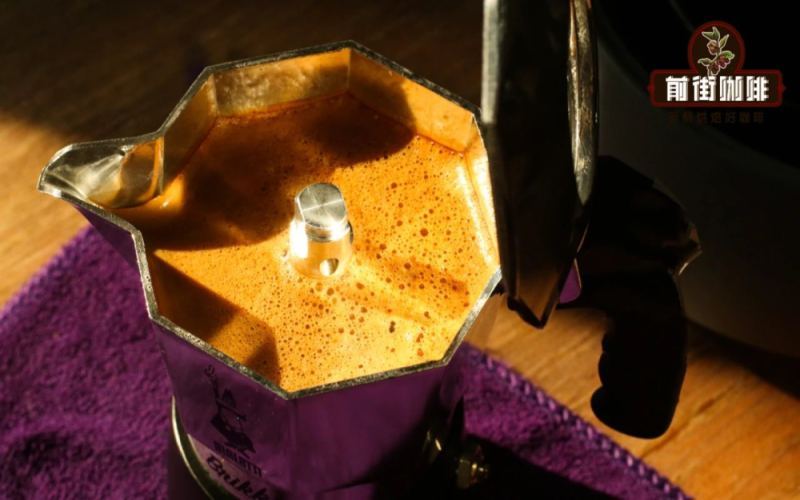
How to Make Iced Coffee with a Moka Pot: Coffee-to-Water Ratio, Bean Selection Tips, and Front Street Espresso Bean Recommendations
Many Moka pot enthusiasts often ask Front Street: Which beans are suitable for a Moka pot? How can I use it to make delicious iced coffee? As the home appliance closest to an espresso machine, the Moka pot is essentially a simple pressure-extraction device. Under ideal conditions, it can produce intense, full-bodied, powerfully flavored coffee, sometimes with a moderate amount of crema. Therefore, when choosing beans, it is advisable to prioritize medium or darker roasts, while also considering crema performance and flavor balance. This article will focus on the bean-selection logic for Moka pots, three Front Street espresso bean recommendations, and the coffee-to-water parameters for a 3-cup Bialetti pot along with the steps for making an iced Americano, providing a reusable operating plan. [more…]

How to Choose Beans and Make Cold Brew Coffee? Grind Size, Coffee-to-Water Ratio, Brewing Time, and Front Street Coffee Recommendations
Cold brew coffee presents a clean and delicate flavor through low-temperature slow extraction, making it a cup of good coffee worth waiting patiently for in the heat of summer. This article begins with the Dutch origins of cold brew coffee, sorts out its extraction principles and equipment composition, and offers coffee bean selection suggestions for different taste preferences, covering multiple recommendations such as Front Street Yirgacheffe, Front Street Butterfly, and Front Street Sherry Barrel. Then, using Front Street Panama Emerald Estate Diamond Mountain as an example, it explains in detail key parameters such as coffee grounds amount, grounds-to-liquid ratio, ice-to-water ratio, grind size, drip speed, and refrigerated fermentation time, helping coffee enthusiasts make a pot of pure-flavored cold brew coffee at home. [more…]

Can you still drink coffee beans after they expire? Understanding the difference between shelf life and peak flavor period, plus recommendations
The shelf life of coffee beans is usually longer than that of most foods because they are a low-water-activity food and are not prone to spoilage. The packaging of coffee beans sold by Front Street Coffee indicates a shelf life of one year; this period has been determined through professional testing, and under proper storage conditions, the risk of spoilage is relatively low. However, in addition to the shelf life, coffee beans also have a more critical "flavor window"—the optimal tasting period. After the flavor window passes, aromatics are largely lost due to volatilization, and the coffee becomes mediocre. So, can expired coffee beans still be drunk? This article will analyze in detail the difference between shelf life and flavor window from the two perspectives of food safety and flavor performance, and give Front Street Coffee's drinking recommendations. [more…]