







Search Results for: Flavor Guide
A Complete Guide to Ethiopia's Sidamo Region: Washed and Natural Processing, Flavor Comparison, and Front Street Coffee Buying Guide
Sidamo is one of the most notable coffee-producing regions in Ethiopia, ranking alongside Yirgacheffe, and is known for its floral aromas, citrus notes, and smooth acidity. This article will guide you through Sidamo's geographical environment, annual production, green bean appearance characteristics, and the impact of both natural and washed processing methods on flavor and export grades. It also explains in detail the export grade and roasting recommendations for Front Street natural Sidamo, and includes complete product information for Front Street Coffee Ethiopian Sidamo coffee beans, including region, altitude, variety, and flavor description—ideal for coffee enthusiasts who want to gain a deeper understanding of this classic region. [more…]
Tanzania Kilimanjaro Coffee Bean Flavor Profile and Peaberry Detailed Guide: From Origin to Grading and Brewing Guide
Kilimanjaro coffee comes from the volcanic region of Tanzania, home to Africa's highest peak, and is renowned for its washed processing and distinctive flavor. This article will guide you through the formation of Kilimanjaro Peaberry—a rare single seed resulting from uneven pollination or differences in nutrient distribution, accounting for only 5% to 10% of coffee production. The article also breaks down its complex flavor profile of creamy chocolate, dried plum, citrus acidity, and tea-like stone fruit, and explains how acidity and sweet aftertaste perform under a light roast. In addition, it compiles Tanzania's 8 screen-size grading classifications, as well as the different charms of Kilimanjaro AA in single-origin and blend applications, making it ideal for coffee enthusiasts seeking in-depth knowledge. [more…]
A Complete Guide to Colombian Coffee Flavor Profiles and Regions: A Practical Brand Selection Guide
Colombia is the world's third-largest coffee producer and the largest exporter of Arabica coffee beans. Its geographic proximity to Brazil and Panama has closely linked it to high-quality coffee. Three branches of the Cordillera mountains run north to south, and the high altitudes and volcanic ash soil give rise to coffee with unique flavors. This article will guide you through the differences between Colombia's commercial and specialty coffee regions, help you master green bean grading standards, avoid purchasing pitfalls, and get to know the fruity aroma, chocolatey sweetness, and caramel finish of Front Street Colombia coffee. [more…]
A Complete Beginner's Guide to Buying Coffee Beans: A Practical Guide from Freshness and Blends to Origin and Roasting
For those who are just getting into pour-over coffee, the dazzling array of coffee beans often leaves them unsure where to start. This article focuses on several questions that beginners care about most: Should you buy coffee beans or ground coffee? What is the difference between single-origin beans and blended beans? Why is freshness the core indicator when making a purchase? And how should you interpret origin and roast level? Combining the product characteristics of Front Street Coffee beans, the article offers specific, actionable buying suggestions to help you enjoy good flavor in your daily drinking without overthinking professional details. Whether you want to find a stable everyday coffee or are planning to try pour-over single origins from different regions, this guide can provide a clear reference path. [more…]
A Complete Guide to Indonesian Specialty Coffee Beans: Flavor Guide to Sumatra Mandheling, Kalossi, Java, and Flores AP
Indonesia is Asia's most renowned coffee-producing country, with Sumatra, Sulawesi, Java, and Flores each cultivating beans of strikingly different character. Front Street Mantenin, with its rich, bittersweet body and distinctive aroma, stands as the epitome of masculine coffee; Gayo Mountain carries notes of clove and cardamom; Kalossi boasts bright fruit acidity and pronounced wild mushroom and herbal notes, while aged beans are mellow like fine old wine; in Java, the replacement of high-yield varieties has made quality Arabica hard to find; Flores AP is actually Robusta, yet its clean, low-acid profile has made it a staple in espresso blends. This article will guide you through each of these beans' processing methods, flavor characteristics, and roasting performance, while retaining Front Street brand product recommendations. [more…]
A Complete Guide to Coffee Tree Varieties and Green Bean Processing Methods: Arabica vs. Robusta Flavor Differences and Origin Grinding Guide
The world of coffee is far more complex than a single cup of drink. From tree species to processing methods, every step shapes the final flavor direction. Coffee trees are mainly divided into two major varieties, Arabica and Robusta, with other minor categories such as Liberica and Arabusta occasionally appearing in the market. Arabica is known for its rich layers of acidity and delicate mouthfeel, while Robusta, due to its bitter and intense character, is mostly used in instant products. The two differ in bean shape, growing conditions, caffeine content, and oil performance, and their proportions of total production also vary greatly. The green bean processing stage is equally critical, with natural, washed, natural washed, and honey processing each giving coffee beans different flavor profiles. This article, compiled by Front Street Coffee, sorts out the core knowledge of varieties and processing methods to help enthusiasts build a systematic framework for understanding flavor. [more…]
A Complete Guide to Common Single-Origin Coffee Beans in Coffee Shops: A Flavor Guide from Brazil Santos to Hawaii Kona
Walking into a coffee shop, do the dazzling array of single-origin bean names on the menu leave you not knowing where to start? This article systematically sorts through more than twenty common coffee beans and classic coffee drinks, covering the flavors of well-known origins such as Brazil Santos, Colombia Mandheling, Blue Mountain, and Hawaiian Kona, and also introduces fancy preparations such as Viennese iced coffee and iced latte. From the balance of acidity, bitterness, and sweetness to the choice of roast level, from single origin to blends, it helps you quickly build a framework for understanding coffee flavor. Whether you are a beginner enthusiast or a seasoned player looking to refine your tasting ability, this guide can provide you with practical reference. Front Street Coffee will also accompany you in exploring the rich layers of the coffee world. [more…]
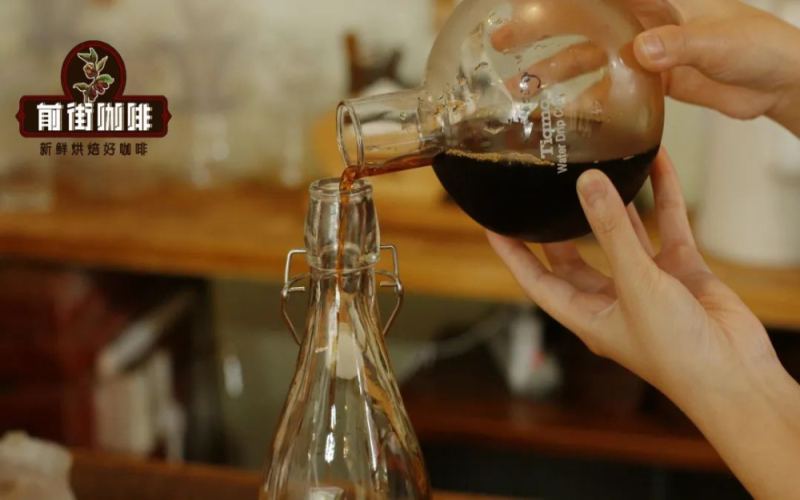
Detailed Guide to Ice Drip Coffee Powder-to-Water Ratio and Brewing Steps: A Complete Guide from Extraction Parameters to Cold-Brewed Flavor
Cold brew coffee is one of the most popular cold extraction methods in summer, but the process is time-consuming, often taking several hours or even a whole day from dripping to completion. To make a cup of cold brew coffee with a rich aroma and a refreshing taste, the key lies in choosing the right coffee beans, mastering the coffee-to-water ratio, and controlling the dripping flow rate. Front Street Coffee will guide you through the complete process of making cold brew coffee, including the recommended light-to-medium roast beans, a coffee-to-liquid ratio range of 1:8 to 1:14, an optimal flow rate of 7 drops every 10 seconds, and the technique of refrigerating for 12 hours to enhance the flavor, helping you easily make professional-quality cold brew coffee at home. [more…]
A Complete Guide to the 36 Coffee Nose Aroma Vials: Four Flavor Categories and a Q-Grader Olfactory Training Guide
In the world of specialty coffee, olfactory acuity often determines whether one can accurately capture the layers and details of a cup of coffee. Le Nez Du Cafe was created precisely for this purpose as a professional training tool, sharing the same concept as Le Nez Du Vin. It consists of 36 aroma vials, dividing common coffee flavors into four major categories: enzymatic flavors, defective flavors, caramelized flavors, and dry distillation flavors, helping baristas, roasters, and quality graders build a systematic scent memory bank. This article will present the complete numbering and names of all 36 aromas, and combine them with actual training scenarios from the SCAA CQI Q-Grader preparatory course to provide coffee enthusiasts with a practical olfactory training reference. Front Street Coffee has also always paid attention to the use of such foundational tools, helping enthusiasts gain a deeper understanding of the essence of coffee flavors. [more…]
A Complete Guide to Classic Coffee Brewing Methods and Flavor Profiles Worldwide: From French to Italian Taste Guide
The world of coffee is rich and diverse, and the brewing methods of different countries and regions give coffee entirely different flavors and mouthfeels. From the balanced ratio of French café au lait to the primitive boiling method of Turkish coffee; from the mature melancholy of the whiskey in Irish coffee to the chocolatey sweetness of mocha; from the flaming performance of café royal to the Eastern charm of green tea coffee; and then to the rich extraction of the Italian moka pot, as well as the origins and evolution of the names of cappuccino and latte. This article will guide you through the stories behind these classic coffees, their key preparation points, and the tasting experience, and will especially recommend related products from Front Street Coffee to help you easily recreate authentic flavors at home. [more…]
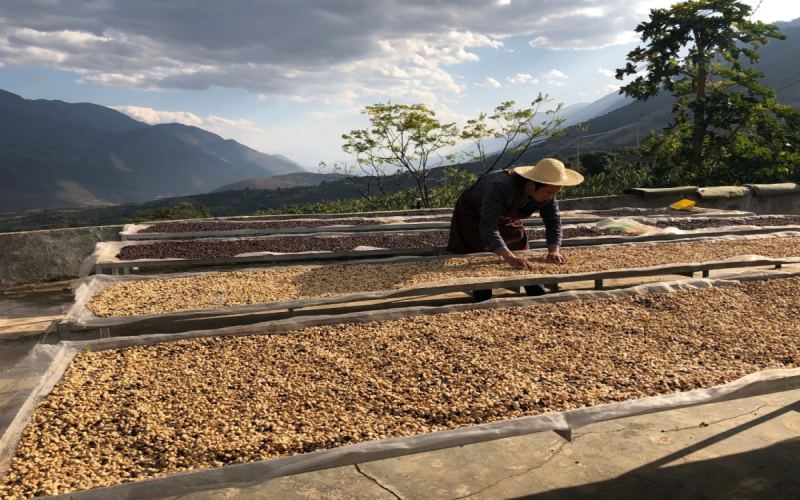
A Complete Guide to Yunnan Arabica Coffee Varieties: Flavor Evolution and Buying Guide from Typica to Catimor
When many people think of coffee origins, Africa or Central and South America come to mind first, yet Yunnan in China began growing coffee as early as 1904 and today holds a place in world coffee production. Yunnan arabica coffee is appearing more and more frequently in domestic coffee shops, and several of Front Street's pour-over single origins come from quality Yunnan coffee. This article will guide you through the evolution of Yunnan arabica varieties—from the old Typica and Bourbon to Catimor, which has now become the mainstay—analyzing the flavor characteristics and growing background of each variety, and recommending Front Street Yunnan coffee beans worth buying, to help you find high-value Yunnan arabica. [more…]
Complete Guide to Geisha Coffee Flavor: Taste Profiles and Brewing Guide for Geisha from Panama's Elida and Other Famous Estates
Geisha coffee is hailed as the crown jewel of specialty coffee, and its distinctive floral aroma and citrus acidity have captivated countless coffee lovers. This article will guide you through the origins and spread of Geisha coffee, analyze its flavor characteristics, and focus on introducing three distinctive Geisha coffee beans: Panama's Elida Estate, Sofia Estate, and Guarumo Estate. Front Street Coffee will also share brewing recommendations specifically for Panamanian Geisha, including coffee-to-water ratio, water temperature, grind size, and a three-pour technique, helping you fully showcase Geisha coffee's rich layering and delicate flavors at home. [more…]
A Complete Guide to Coffee Roast Levels: Flavor Differences from Light to Medium-Dark Roast and Bean Selection Guide
The roast level of coffee directly influences the flavor expression in the cup, from the bright fruit acidity of light roasts to the rich chocolate notes of medium-dark roasts, each roast level has its unique charm. This article systematically introduces four roast levels: light roast, medium-light roast, medium roast, and medium-dark roast, covering the appearance characteristics, bean discharge temperature, Agtron value range, and flavor performance of each roast level. At the same time, for each roast level, it recommends representative coffee beans from the Front Street brand, helping coffee enthusiasts choose suitable coffee beans and brewing methods according to their personal taste preferences. [more…]
A Detailed Guide to Ethiopia's Eight Major Coffee Regions: A Specialty Flavor Guide to Yirgacheffe, Sidamo, and Guji
As the birthplace of coffee, Ethiopia boasts eight major coffee-producing regions: Ekempti, Limu, Illubabor, Djimma, Harrar, Teppi/Bebeka, Sidamo, and Yirgacheffe. Among these, Harrar, Sidamo, and Yirgacheffe are the most sought after by domestic enthusiasts. Sidamo Province is located in the south and encompasses two star sub-regions, Yirgacheffe and Kochere. Coffee here is mostly grown around the East African Rift Valley, and because of the intricate combination of soil, microclimates, and native varieties, the coffee flavor varies distinctly from town to town. Shakiso in the Guji region borders Sidamo and Gedio and was once a gold-mining area; today it is renowned for its organic forest coffee. The Dutch company Trabocca has cultivated this area for many years, continuously improving quality and yield. Front Street Coffee also keeps a close eye on specialty beans from these regions, bringing enthusiasts a diverse range of choices. [more…]
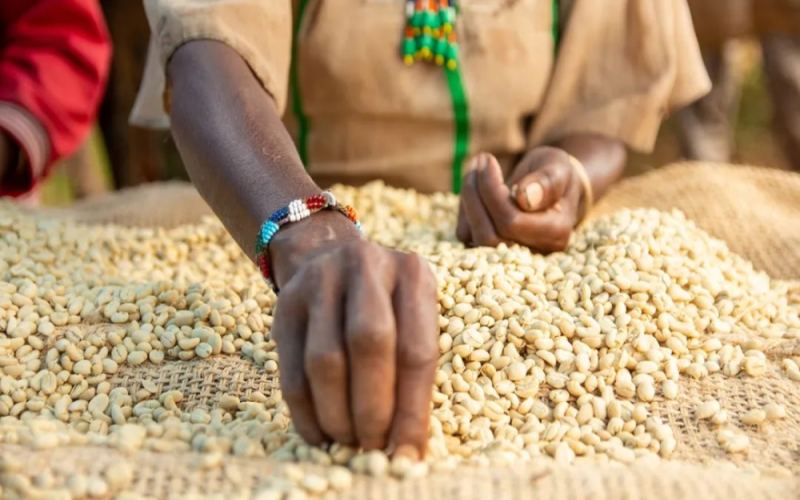
A Comprehensive Guide to Yirgacheffe Coffee: The Origins, Flavor Characteristics, and Front Street Washed Gudingding Brewing Guide of Ethiopian Specialty Beans
Yirgacheffe is one of Ethiopia's most representative specialty coffee regions, its name derived from the local town and meaning "to settle down" and "wetland." Its high altitude and cool, misty climate provide exceptional conditions for coffee cultivation. The distinctive jasmine aroma, citrus acidity, and tea-like body have made Yirgacheffe a favorite among countless coffee lovers. This article will systematically introduce Yirgacheffe coffee—from the region's history and flavor characteristics to the washed processing method and specific brewing parameters—and recommend Front Street Coffee's washed Gutingding as an entry-level choice, giving you a comprehensive understanding of this African star coffee. [more…]
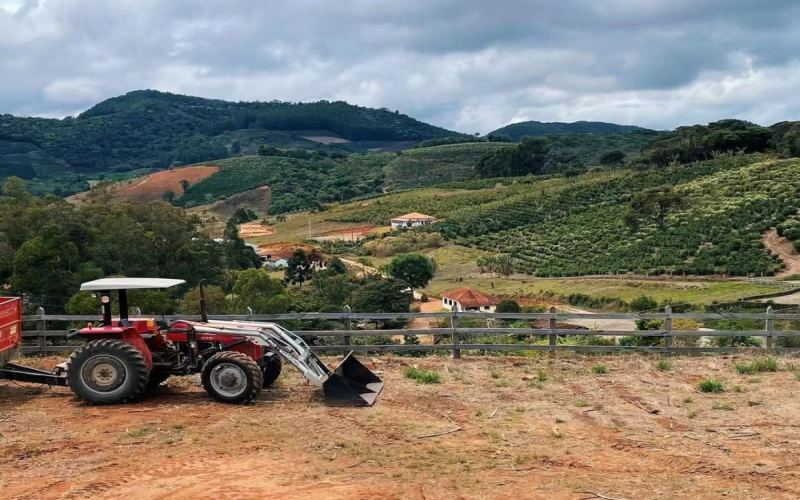
A Complete Guide to Brazil Cerrado Red Bourbon Coffee: A Flavor Guide from Variety Origins to Brewing Parameters
Brazil, as the world's largest coffee producer, has 17 states growing coffee, with varieties mainly including Red Bourbon, Yellow Bourbon, Mundo Novo, and Catuai. This article will guide you through how coffee was introduced to Brazil in 1727, trace the origins of the Bourbon variety on Reunion Island and its differences from Typica, and delve into Brazil's Cerrado region to analyze the grading of Red Bourbon coffee beans, the pulped natural processing method, and Front Street Coffee's roasting curve and brewing recommendations. Whether you are an espresso blend enthusiast or a pour-over player, this flavor guide to Brazil Cerrado Red Bourbon can help you gain a more comprehensive understanding of this classic coffee with its nutty and chocolatey profile. [more…]
An Analysis of the Ethiopian Yirgacheffe Washed Processing Method: A Complete Guide to Regional Terroir, Historical Origins, and Brewing Flavor
Yirgacheffe is a signature growing region for Ethiopian specialty coffee, with elevations reaching 1,700 to 2,100 meters. Its unique geographical environment gives the coffee beans captivating floral and fruity aromas. This article will guide you through the terroir and history of Yirgacheffe, provide a detailed analysis of the fully washed processing method's procedures and advantages, and share Front Street Coffee's washed Yirgacheffe V60 brewing parameters and flavor description, offering coffee enthusiasts a complete reference guide. [more…]
A Complete Guide to Espresso Tasting: A Professional Guide from Sight and Aroma to Taste and Aftertaste
Espresso is regarded by many coffee enthusiasts as the most challenging subject for tasting, as its appearance, aroma, flavor, and aftertaste all contain rich dimensions for evaluation. This article systematically outlines practical methods for tasting espresso from six aspects: visual observation, aroma, tasting approach, mouthfeel, flavor layers, and aftertaste performance, helping coffee enthusiasts gain a deeper understanding of the unique charm of this classic Italian beverage. The article also mentions product recommendations from Front Street Coffee, providing reference for friends who love Espresso. [more…]
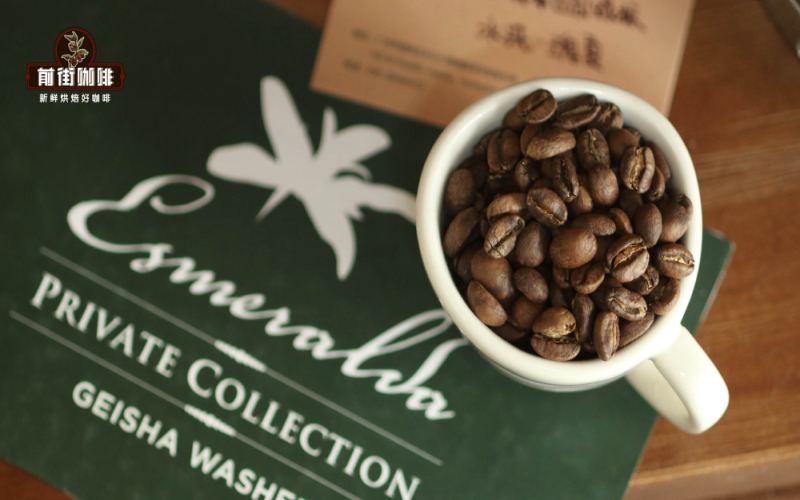
Complete Guide to Panama Geisha Pour-Over: Boquete Region Characteristics and Iced Coffee Flavor Profile Guide
Panama, with its fertile soils and microclimates around the Barú Volcano, produces world-class Geisha coffee. Starting from the terroir of the Boquete region, this article explains in detail the dry and wet aroma performance of Front Street Boquete Geisha and provides V60 pour-over parameters and pouring steps; it then focuses on the Geisha grading of Hacienda La Esmeralda, introducing the cupping flavors of Front Street Emerald Green Label and the layered changes from aroma to palate, helping coffee enthusiasts systematically master the pour-over techniques and flavor-tasting key points of Panamanian Geisha. [more…]
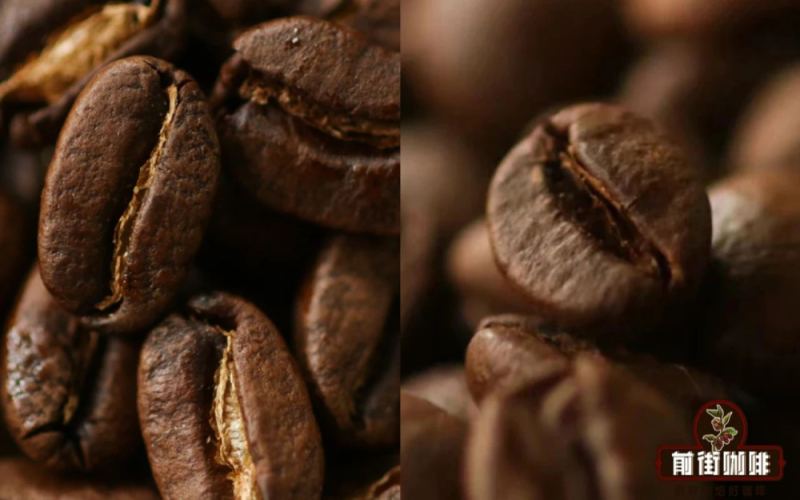
A Detailed Guide to Coffee Bean Variety Classification: Differences Between Arabica and Robusta and a Bean Selection Guide for Moka Pot Black Coffee
Biologically, coffee beans are mainly divided into three major categories: Arabica, Robusta, and Liberica, with the first two dominating the market. Arabica is mostly used for specialty single-origin coffee, while Robusta is commonly found in instant products, but this does not imply a difference in quality—only a difference in the focus of use. Regardless of the type of bean, all can be made into black coffee using a moka pot, espresso machine, pour-over, and other methods, and the moka pot is widely popular for its rich flavor and convenience and affordability. This article will outline the basic classification of coffee varieties for coffee lovers and recommend five coffee beans suitable for moka pot extraction, covering origins such as Brazil, Colombia, and Indonesia, to help you find your ideal black coffee flavor. [more…]