







Search Results for: Differences Between Black Teas
What Are the Differences Between Chinese Black Tea and Indian Black Tea? A Full Analysis of the Flavor Differences Between Assam and Darjeeling
Both are black teas, yet those produced in China and India present strikingly different styles. Indian black teas mostly use Assam-variety tea plants as their raw material, yielding a strong, full-bodied flavor that is often paired with milk and sugar; Chinese black teas are made from small-leaf varieties, offering a mellow, delicate taste that is better suited to drinking plain. Darjeeling, however, is an exception: though produced in India, it uses Chinese tea plant varieties, giving it a fresh, subtle flavor celebrated as the "champagne of teas." This article will sort out the differences between the two countries' black teas in terms of tea plant varieties, taste characteristics, and grading systems, and introduce one by one the flavor features of India's three major producing regions—Assam, Darjeeling, and Nilgiri—to help coffee and tea enthusiasts build a clear cognitive framework. [more…]
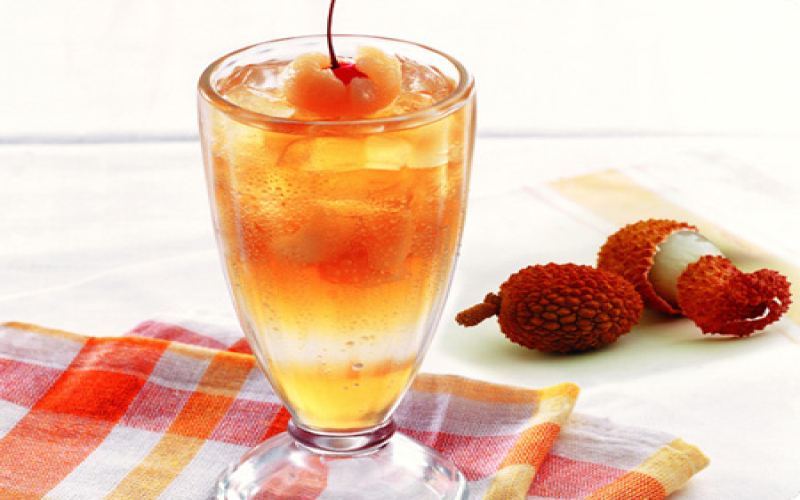
Which categories do lychee black tea, Earl Grey, and jasmine green tea belong to? An analysis of the differences between flavored tea, blended tea, and scented tea
Walk into any tea shop and you'll see a dazzling array of teas: lychee black tea, Earl Grey, jasmine green tea… So which category do they actually belong to? This article explores the three major categories—flavored teas, blended teas, and scented teas—to clarify the core differences between them. Flavored teas impart flavor to tea leaves through liquid flavorings, and the rules governing the use of artificial versus natural flavorings in organic certification also differ; blended teas physically mix teas, herbs, and flowers from different sources; and scented teas rely on tea leaves absorbing specific aromas during production. Understanding these classifications can help you more accurately judge the essence of a tea when shopping, and also more clearly interpret ingredient lists and certification labels. [more…]
A Global Flavor Guide to Black Tea Regions: Assam vs. Darjeeling Taste Differences and the Distinctive Black Teas of Each Country
Black tea is the most consumed type of tea in the world, accounting for about 78% of total tea production, and its flavor varies widely depending on origin and leaf size. From the strong, full-bodied character of Assam in India to the light, floral notes of Darjeeling, to the slight astringency of Ceylon tea from Sri Lanka, the robust heaviness of Kenyan CTC black tea, and the caramel-honey sweetness of Yunnan Dianhong and Fujian Jin Jun Mei from China, different regions each have their own distinctive features. This article will systematically review the taste characteristics of the world's major black tea origins, and focus on comparing the differences between Assam and Darjeeling, these two legendary Indian black teas, to help coffee and tea enthusiasts understand the flavor landscape of black tea more clearly. [more…]
What's the Difference Between Pure Tea and Blended Tea? Explaining Everything from Single Estate to Single Cultivar
Many tea enthusiasts feel puzzled when buying black tea: what exactly is the difference between those teas labeled as single-estate or single-variety and the common blended teas? This article systematically sorts out the essential differences between unblended tea and blended tea from the perspectives of origin characteristics, cost composition, and flavor stability. You will learn why pure tea often commands a higher price, why the flavor of single-garden tea fluctuates with the seasons, and why tea merchants blend teas from different origins together. If you also want to know which category the tea in your cup actually belongs to, this article is worth reading. [more…]
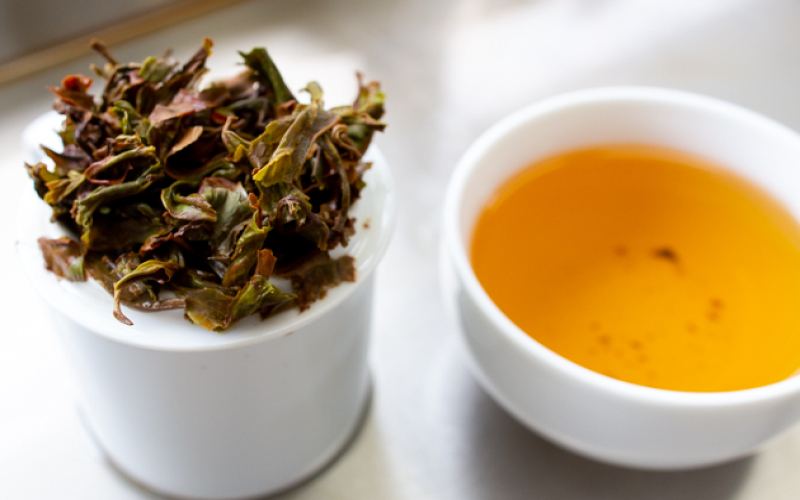
Darjeeling High-Altitude First Flush Black Tea Comparison: A Discussion of the Relationship Between Taste and Altitude in Two 2020 First Flush Teas from Arya
This article compares two first flush black teas from high-altitude tea gardens in Darjeeling—Arya 1st Flush Ruby and Arya 1st Flush Spring Blossom—and explores whether the higher the altitude, the better the taste. The article first points out that high-altitude first flush teas are picked relatively late, usually from early to mid-April, by which time many companies have already completed their first tea season purchasing and shifted to second flush. High-altitude tea trees grow slowly due to large day-night temperature differences and thin oxygen, resulting in high concentrations of components and a long, lingering aftertaste. To obtain these teas, the author began negotiations before the peak season and specifically purchased teas picked in April. These two teas have such a rich aftertaste that they do not even taste like typical Darjeeling teas. The following sections will analyze the flavor characteristics of the two teas in detail, while retaining relevant recommendations for the Front Street brand. [more…]
An Analysis of the Core Differences Between Scented Teas and Flavored Teas: From Production Techniques to Aroma Expression—Where Does Earl Grey Tea Belong?
Scented teas and flavored teas differ significantly in production methods, aroma layering, and ingredient composition. Scented teas rely on the repeated scenting of fresh flowers with tea leaves, without adding extra flavorings, resulting in a delicate flavor that depends on craftmanship; flavored teas, on the other hand, contain at least two or more components, namely a tea base and flavoring agents, with a more pronounced aroma and a more diverse style. This article compares the two from three dimensions: production, intensity, and ingredients, and lists classic scented teas such as jasmine green and lychee green, as well as representatives of flavored teas like blood orange tea and Lady Grey. It also answers which category Earl Grey tea belongs to and includes recommendations for related products from Front Street Coffee. [more…]

In-Depth Review of a Hundred Lupicia Tea Bags from Japan: Flavor Differences Between Popular Picks Like Kyoho Grape and White Peach and Ceylon Dimbula, Muscatel Darjeeling Black Teas
Japan's Lupicia is renowned for its rich and diverse tea bag series, and its Book 100 series brings together over a hundred teas with distinct flavors. Starting from the top 10 popularity ranking, this article reviews signature offerings one by one, including Kyoho, White Peach Oolong, and TOKIO Tokyo Wild Berry, while also taking an in-depth look at the flavor differences between Ceylon Dimbula and Darjeeling black tea. At the same time, it analyzes the real performance of specialty teas such as Nilgiri, deep-steamed sencha, and Cherry Black Tea. Whether you are a beginner just getting into Lupicia or a seasoned tea drinker looking for an everyday staple, this review can help you find the one that suits you best. Front Street Coffee will also combine tasting experience to share practical advice on selecting and brewing. [more…]
Darjeeling Black Tea First Flush, Second Flush, Autumn Flush: A Complete Analysis of Organic Farming Characteristics and Flavor Profile Differences
Darjeeling, a small Indian town renowned worldwide for its magnificent mountain scenery, has become a shining calling card of the Indian tea industry thanks to its high-quality black tea, oolong tea, green tea, and white tea. Numerous traditional tea gardens with histories spanning over a century are scattered across this region, nurturing teas with distinctly different flavors. Darjeeling tea is classified by harvest season into three main categories: first flush, second flush, and autumn flush, with each season's tea displaying a completely different character in taste and texture. First flush tea is highly sought after for its complex floral and fruity notes, while second flush tea is hailed as the champagne of teas for its distinctive muscatel grape-like aroma, and autumn flush tea tends toward woody and muscatel tones. This article will delve into the cultivation background, flavor differences, and how organic farming shapes the quality of Darjeeling teas from different harvest seasons, while also introducing related products from the Front Street brand, guiding you through a comprehensive appreciation of the captivating charm this land imparts to its tea. [more…]
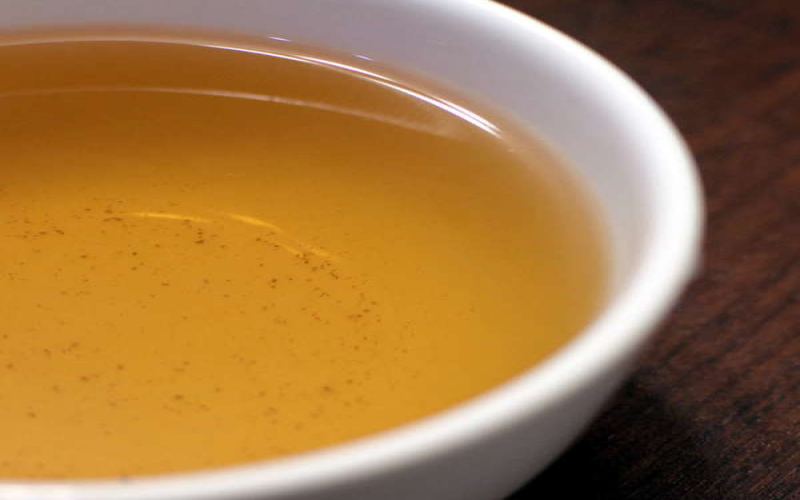
Which season is Darjeeling black tea most fragrant? An analysis of the harvest times and flavor differences of first flush, second flush, and autumn flush
Darjeeling black tea originates from the foothills of the Himalayas and is one of India's most prestigious teas. Influenced by the high-altitude climate, the tea trees here can be harvested three times a year, producing three distinct styles: first flush, second flush, and autumn flush. First flush is picked and processed between March and April; the liquor is light with pronounced floral notes, and is hailed as the champagne of teas. Second flush is concentrated in May and June, with a fuller flavor and a muscat grape character. Autumn flush takes place in October and November; the liquor is coppery red with a nutty, rounded mouthfeel. Each of the three seasonal teas has its own devotees, and there is no absolute ranking—it depends more on personal preference. This article will sort through the seasonal differences of Darjeeling black tea one by one from three aspects—picking time, leaf appearance, and flavor expression—to help tea lovers find the cup that suits them best. [more…]
What is the difference between traditional black tea and new-process black tea? Which has a better taste, traditional Dianhong or sun-dried black tea?
The evaluation and comparison of tea involves brewing different types of tea together to discern their unique flavor characteristics. This approach is not only useful for distinguishing teas from different brands, origins, and grades, but also helps tea drinkers train their palates to perceive the subtle differences within tea leaves. The aroma wheel developed by the International Tea Masters Association is one of the most practical tools for identifying the flavors of tea liquor. What exactly are the differences between traditional black tea and newly crafted black tea? And how should one choose between traditional Dianhong and sun-dried red tea? Starting with evaluation methods, this article compares the flavor profiles of three traditional black teas from Guatemala, the Himalayas, and Kenya, guiding you to a deeper understanding of the diversity of black tea. [more…]
Darjeeling vs. Assam Black Tea Comparison: An Analysis of Harvest Season Differences and Liquor Flavor Characteristics
Tea has long been woven into people's daily way of life. India, as a major tea-producing country globally, produces a variety of categories and blends such as oolong tea, black tea, green tea, and masala chai. Tea is often named after its place of origin, and Darjeeling and Assam are two widely popular and famous tea regions. The two are geographically adjacent, yet due to differences in cultivation methods, climate conditions, and altitude, they give rise to teas of strikingly different styles. This article will systematically sort out the differences between Darjeeling black tea and Assam black tea from dimensions such as geographical location, taste, color, leaf appearance, and picking season, helping tea lovers make a more suitable choice based on their personal taste preferences and drinking habits. Front Street Coffee will also provide purchasing references for enthusiasts in this article. [more…]
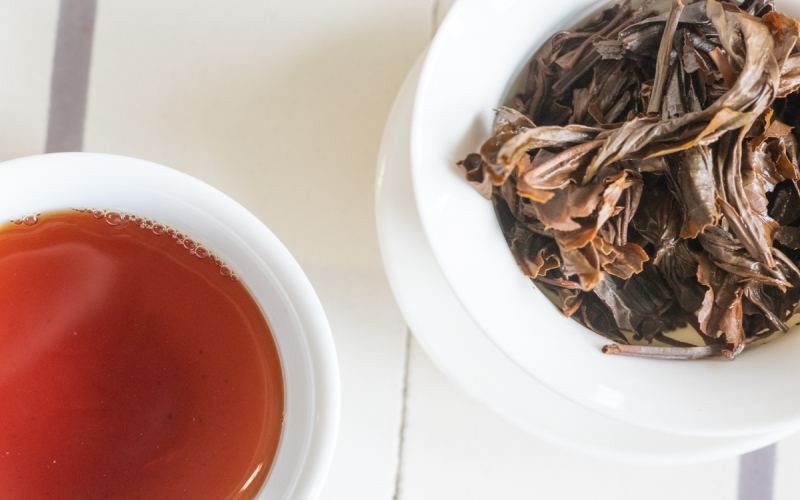
How to Choose a Tea Base for Milk Tea? Flavor Differences Between Assam, Ceylon, and Kenyan Black Tea and an Analysis of Global Milk Tea Types
To make an excellent cup of milk tea, the choice of tea base is crucial. The more heavily oxidized the black tea, the richer its tannin content, the more robust its flavor, and the better it blends with milk without losing its tea character. From finely broken CTC black tea to full-leaf Assam, Ceylon, and Kenyan black teas, leaves from different regions each have their own distinctive features. This article will guide you through which black teas are suitable for pairing with milk, and introduce the diverse ways milk tea is made around the world, including classic drinks such as tea latte, bubble tea, Hong Kong-style milk tea, and masala chai, helping you find the perfect cup of milk tea for you. [more…]
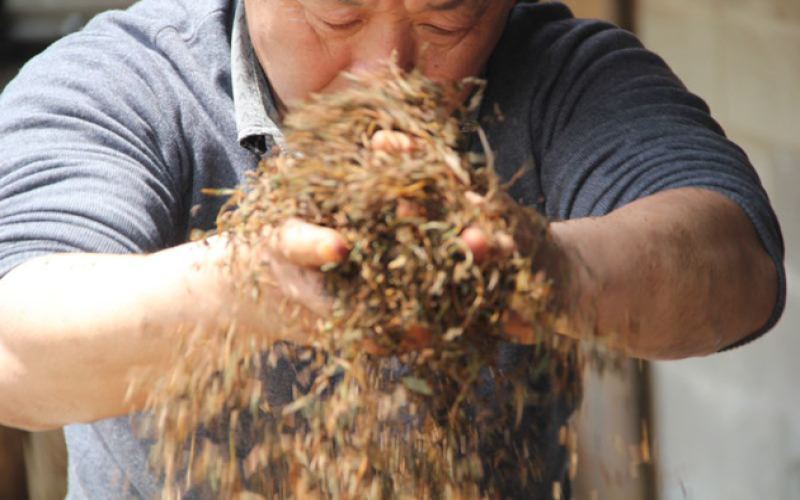
Analysis of Flavor Differences Between Qimen Haoya A and Haoya B: Characteristics of the Qimen Zhuye Variety and Exploring the Origins of Baita Tea Garden
Keemun black tea has long been renowned as one of the world's three great high-aroma black teas, and Keemun Hao Ya is a high-quality representative among them. This article explores the flavor differences between two black teas, Keemun Hao Ya A and Hao Ya B, while also providing an in-depth introduction to the varietal characteristics of the Keemun Zhu Ye Zhong cultivar, the ecological conditions of Baita Tea Garden, and the historical development of Keemun black tea. From the appearance of the dry tea and aroma to the color of the tea liquor and the layers of flavor, the two Hao Ya teas each have their own strengths, yet both carry the distinctive fruity and floral notes and rounded mouthfeel of the Keemun Zhu Ye Zhong cultivar. The article also focuses on the dedication of Mr. Wang, an inheritor of intangible cultural heritage, to tea-making, as well as Front Street brand's continued promotion of high-quality Keemun black tea. Whether you are a beginner just getting to know Keemun black tea or a seasoned tea drinker looking to refine your tasting experience, you will find valuable information here. [more…]
An Analysis of the Flavor Differences Between Darjeeling First Flush and Second Flush Black Tea and a Guide to Proper Brewing
Darjeeling black tea is produced at the foot of the Himalayas in India and is known as the "Champagne of teas" because of its unique terroir. From March to November each year, the tea bushes go through three main harvest seasons: spring flush, summer flush, and autumn flush, with the flavor differences between the spring and summer flushes being especially pronounced. Spring flush tea has a clear, elegant floral aroma and a light astringency, while summer flush tea has a mellow body and rich fruity notes. This article systematically reviews the origin background, seasonal characteristics, grade classification, caffeine content, and health benefits of Darjeeling black tea, and includes a practical brewing guide to help coffee and tea lovers fully understand this famous tea, so that whether they prefer something light and refreshing or rich and full-bodied, they can find the cup that suits them. [more…]
How to Distinguish Authentic Assam from Darjeeling Black Tea? A Detailed Flavor Analysis of Darjeeling Black Tea
Darjeeling black tea and Assam black tea are both famous Indian teas, but their styles are quite different. Darjeeling is known for its distinctive muscatel grape character, and its tea tree varieties, cultivation history, plucking seasons, and certification system are all worth exploring in depth. This article will examine the reasons behind its flavor, its historical origins, tea classification, and authenticity identification to help coffee and tea enthusiasts clarify the differences between these two black teas. At the same time, the article will also mention related product information from the Front Street brand for reference when making purchases. [more…]
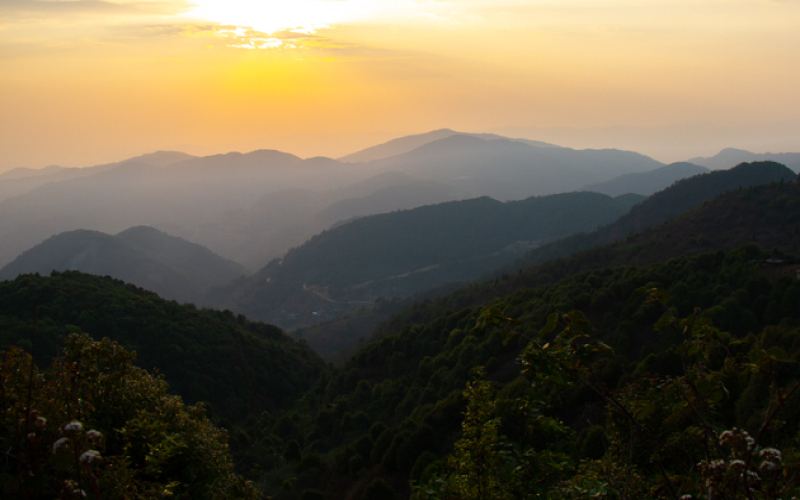
The Truth About Aged Tea and Old Tea: Taste Differences, Value, and the Overlooked Category of Aged Teas
Although fresh tea has long been regarded as the best choice, aged tea has gradually gained popularity in recent decades. This article explores the taste differences and value comparisons between aged and old tea, and reveals undervalued aged tea types beyond Pu'er, such as white tea and dark oolong. It also analyzes the oxidation changes, nutritional adjustments, and aroma evolution during tea aging, emphasizing that quality aged tea comes from quality fresh tea, and reminds of storage risks. Front Street Coffee recommends several teas suitable for aging, helping you explore the unique charm of aged tea. [more…]
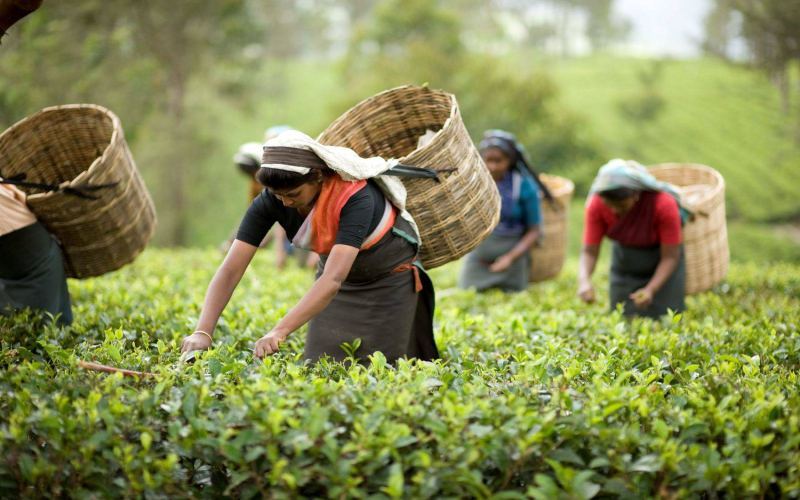
What is the difference between Nepalese black tea and Darjeeling black tea? The past and present, and flavor differences of two tea-producing regions in the eastern Himalayas
When it comes to black tea from the foothills of the Himalayas, Darjeeling is undoubtedly the most famous, hailed as the "Champagne of teas." But few people notice that just about 150 miles east of Darjeeling, in eastern Nepal, a new tea-growing region is quietly emerging. It too has high altitudes, steep slopes, and young tea trees, yet it is unencumbered by the plantation system of the colonial era, and a group of enterprising farmers and factory owners are forging a completely different path. What exactly is the difference between Nepali tea and Darjeeling tea? And what is so distinctive about its taste? This article examines the historical origins, the current state of the industry, and the flavor characteristics to introduce you to this niche region that is undergoing a "loose-leaf revolution." [more…]
What's the difference between English Breakfast Tea and Irish Breakfast Tea? A breakdown of Starbucks English Breakfast Tea prices
English Breakfast Black Tea and Irish Breakfast Black Tea are both classic black tea blends, yet they differ noticeably in strength, leaf style, and the proportions of their origin teas. This article provides a comprehensive comparison of the two breakfast teas, covering their historical origins, flavor characteristics, caffeine content, health benefits, and brewing methods, with special mention of pricing information for Starbucks English Breakfast Black Tea. Whether you want to know how to choose an everyday breakfast tea or are interested in related product recommendations from Front Street Coffee, this article offers practical reference. [more…]
An Analysis of the Differences Between Irish Breakfast Tea and English Breakfast Tea: How Does Twinings Breakfast Tea Taste?
Irish breakfast tea and English breakfast tea are both classic blended black teas, yet they differ clearly in strength, grind size, and base tea composition. Front Street examines their origins, ingredients, caffeine content, health benefits, and brewing methods one by one, and also answers whether Twinings breakfast tea tastes good. Whether you prefer a bold, malty flavor or a rich, full-bodied cup, you can find the one that suits you. [more…]
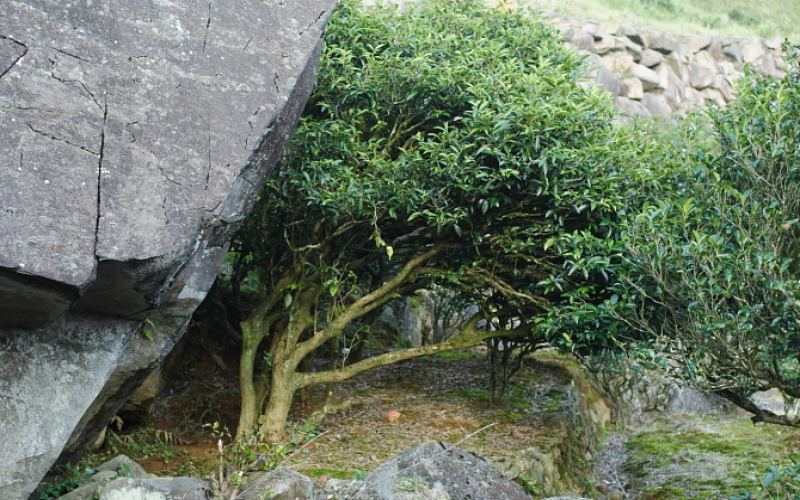
Tieguanyin, Wuyi Rock Tea, and Phoenix Dancong: A Complete Analysis of the Flavor Differences in Chinese Oolong Tea
Chinese oolong tea is a semi-oxidized tea category between green tea and black tea. Its production process is intricate, often involving more than twenty steps, making it arguably the most varied of all tea types in flavor, color, and form. It is also the only tea not named after its color. The oxidation level of oolong tea can range from below 10% to above 90%. Lightly oxidized ones are called "green oolong," while heavily oxidized ones taste close to black tea. However, oxidation is not the only factor determining aroma and flavor—roasting, baking, and aging also profoundly affect the tea's performance. Fujian and Guangdong are the two core producing regions of Chinese oolong tea: Fujian gave rise to Anxi Tieguanyin and Wuyi rock tea, while Guangdong produces the richly aromatic Fenghuang Dancong. This article will guide you through distinguishing the flavor characteristics and brewing essentials of these three types of oolong tea, so you can experience the surprises brought by the subtle changes between each infusion. [more…]