







Search Results for: Coffee tree

Analysis of Coffee Tree Potted Cultivation and Growing Region Conditions: From Plant Classification to Artificial Planting Practices
Coffee, this everyday beverage, originates from the fruit of the coffee tree. This article begins with its botanical classification and systematically examines the origins, growth habits, and suitable cultivation regions of the coffee tree. The coffee tree belongs to the genus Coffea in the family Rubiaceae and is an evergreen shrub, naturally distributed across the "Coffee Belt" between the Tropic of Cancer and the Tropic of Capricorn. Beyond commercial cultivation, the coffee tree can also be grown as an ornamental potted plant, displaying its unique charm in artificial environments. The article will explain in detail the coffee tree's growth cycle, pruning management, and planting applications in coffee shops, accompanied by multiple images to aid explanation, helping coffee enthusiasts gain a more comprehensive understanding of this plant's natural and cultivated growing requirements. [more…]
From Botanical Characteristics to Harvesting and Processing: Essential Knowledge and Coffee Bean Understanding for Coffee Beginners
For those who are new to coffee, understanding its essence, botanical characteristics, growing conditions, and harvesting process is the first step toward building systematic knowledge. This article will unfold around the basic concepts of coffee, sorting through key points one by one—from the morphology of the coffee tree, variety classification, and suitable growing environment, to the harvest periods and green bean processing methods of major global producing regions. The article also covers related product information recommended by Front Street Coffee, as well as the specific practices of Macado specialty beans in quality control. Whether you are a coffee enthusiast or a barista just starting out, this content can help you more clearly understand the full story behind a cup of coffee. [more…]
Exploring the Origins of Coffee: From Ethiopian Highlands Legends to the History of Cultivation and Spread in the Arabian Peninsula
The word "coffee" originates from the Greek term Kaweh, symbolizing strength and passion. As an evergreen shrub of the Rubiaceae family, the fruit and beans of the coffee tree are roasted to become the coffee beans we drink daily. Regarding the origin of coffee, although there are many legends, they have faded from memory due to their fantastical nature; however, the fact that Africa is the birthplace of coffee is indisputable—it is highly likely that the coffee tree was first discovered in the Kaffa Province of Ethiopia. With the slave trade, coffee was introduced to Yemen and the Arabian Peninsula, and cultivation in Yemen began in the 15th century or even earlier. Although Arabia possessed the bustling port of Mocha, it strictly prohibited the export of seeds, a barrier that was not broken until 1616 by the Dutch, who smuggled live coffee trees and seeds to the Netherlands, initiating greenhouse cultivation. Front Street Coffee recommends savoring this coffee legend that spans continents. [more…]
A Complete Guide to Arabica Coffee: From Botanical Classification to Variety Characteristics and Origin Distribution
What exactly does a coffee tree look like? What is the essential difference between Arabica and Robusta? Starting from botanical classification, this article systematically sorts out the complete classification system of the genus Coffea and explains in detail the origins, growing conditions, flavor characteristics, and main subspecies of the two major commercial varieties, Arabica and Robusta. You will learn about the anatomical structure of the coffee cherry, the spread paths of classic subspecies such as Typica and Bourbon, and the genetic connections between Yunnan small-bean coffee and Blue Mountain and Kona. Whether you are a beginner enthusiast or a seasoned professional, this basic knowledge about coffee varieties is worth reading. Front Street Coffee will also recommend variety information worth paying attention to in this article. [more…]
A Comprehensive Analysis of the Varietal Origins, Flavor Characteristics, and Pour-Over Techniques of Geisha Coffee Beans
Geisha is one of the most sought-after varieties in today's specialty coffee world, having won over countless enthusiasts with its stunning floral and fruity aromas and unique sweetness. This variety originally came from the wild forests of Ethiopia and is now cultivated in small quantities in places such as Panama and Guatemala. This article will guide you through the botanical characteristics of the Geisha coffee tree, the appearance and flavor expression of both green and roasted beans, and share how to fully release its aromatic layers through pour-over brewing. If you are looking for a bean worth savoring slowly, Front Street Coffee's Geisha single origin may become your new choice. [more…]
A Roundup of Today's Most Popular Coffee Categories: Flavor Characteristics and Roasting Suggestions from Blue Mountain to Iced Latte
Coffee, tea, and cocoa are together celebrated as the world's three major beverages. The coffee tree is an evergreen small tree belonging to the Rubiaceae family. The coffee we drink daily is made by extracting the beans from the fruit of the coffee tree, roasting them appropriately, and then brewing them with various devices. There are many popular coffee varieties on the market, each with its own distinctive flavor. This article will systematically cover classic single-origin coffees such as Blue Mountain, Cuba Crystal Mountain, Colombia Supremo, Brazil Santos, Mandheling, Mocha, Hawaii Kona, Java, Guatemala, and Kilimanjaro, as well as flavored preparations like milk coffee, Viennese iced coffee, and iced latte, along with their suitable roast levels and taste characteristics, making it easy for coffee lovers to choose according to their preferences. Front Street Coffee will also provide you with a stable supply of beans and roasting recommendations. [more…]
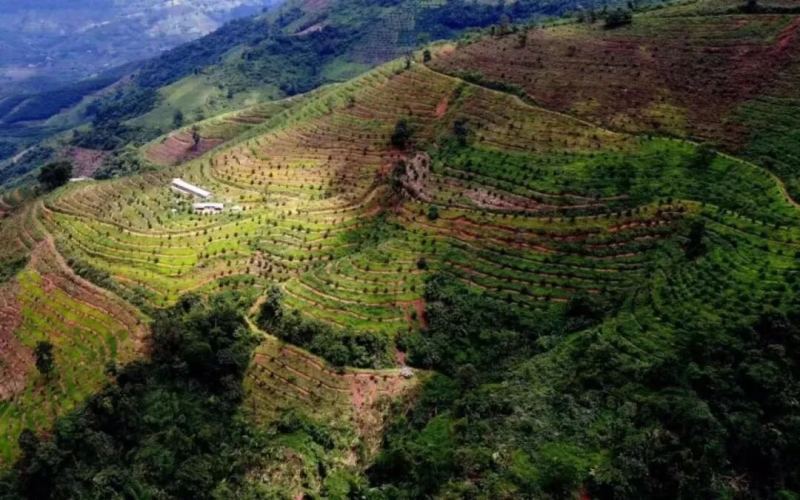
Yunnan Arabica Coffee Recommendations | What Varieties of Yunnan Arabica Coffee Beans Are There? Yunnan Coffee Bean Characteristics and Flavor Review
Front Street Coffee has learned that most people, when they first get into specialty coffee, start with Africa's Yirgacheffe or Sidamo regions in Ethiopia, and when it comes to Asian coffee, most people first think of Indonesia's Mandheling coffee beans. But with the rise of the domestic goods trend, Yunnan coffee from China has begun [more…]
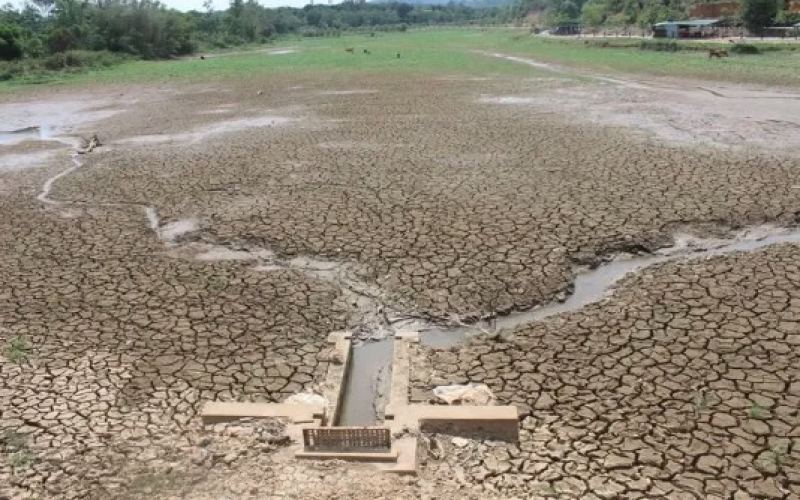
Vietnam is suffering from severe drought, and Vietnamese coffee may further reduce production.
Recently, the World Meteorological Organization warned that extreme weather occurs frequently, and climate change is having a heavy impact on Asia. At present, in some Asian countries such as China and Dubai and other cities, extreme weather such as [more…]
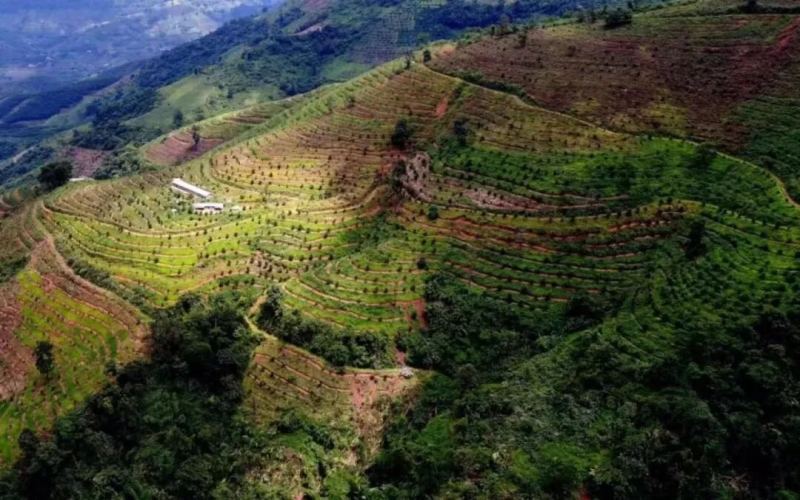
Yunnan Coffee | Where is China's coffee-producing region? Why is Yunnan suitable for growing Arabica? What are the characteristics of Yunnan coffee varieties?
Front Street Coffee has learned that most people, when they first get into specialty coffee, start with Africa's Ethiopian Yirgacheffe or Sidamo regions, while when it comes to Asian coffee, most people first think of Indonesia's Mandheling coffee beans. But with the rise of the domestic goods trend, Chinese Yunnan coffee has begun [more…]

Introduction to specialty coffee beans from Asia, Africa, and the Americas | What light, medium, and dark roast pour-over coffee beans are recommended for coffee beginners?
What is pour-over coffee? Pour-over coffee refers to manually brewed coffee, also known as drip coffee. This method was invented in 1908 by the German woman Melitta Bentz. In order to promote this brand-new coffee extraction method to the outside world, Mrs. Melitta also [more…]
A Detailed Guide to the Flavor Characteristics of Colombian Specialty Coffee Bean Regions: From Emerald Coffee to Andean Mountain Mellow Coffee
Colombian coffee is one of the few single-origin coffees sold worldwide under a country's name, and is renowned as the "Emerald Coffee." It is grown in the highlands of the Andes in northwestern South America, where the mild climate and humid air provide an ideal "natural pasture" for Arabica coffee. Colombian coffee is famous for its acidity with a hint of sweetness, mild bitterness, and excellent balance, with a silky, soft mouthfeel, a rich and full-bodied aroma, a bright, high-quality acidity, and sometimes a nutty nuance. The country's coffee-growing regions are divided into more than 200 grades, and harvests occur year-round, making it the world's largest exporter of washed Arabica coffee beans. This article will comprehensively analyze the unique charm of Colombian specialty coffee from the perspectives of its production background, flavor characteristics, geography and climate, cultivation management, and export system. [more…]
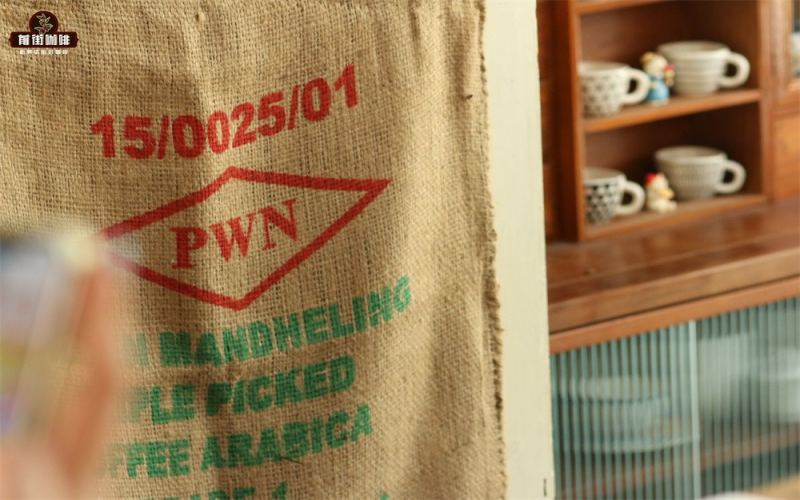
Characteristics of Mandheling Coffee Beans | Where Does the Name Mandheling Come From? How to Identify PWN Golden Mandheling? Introduction to the Origin, Varieties, Processing Methods, and Grades of Indonesian Mandheling Coffee
Let me quietly tell you all, Mandheling is not actually a coffee variety! Mandheling refers to the Arabica coffee beans grown on the Indonesian island of Sumatra, which are all collectively called Mandheling coffee. If Geisha coffee beans are the elegant lady of the coffee world, then Mandheling coffee beans are the gentleman, because they have a calm, rich coffee flavor. [more…]
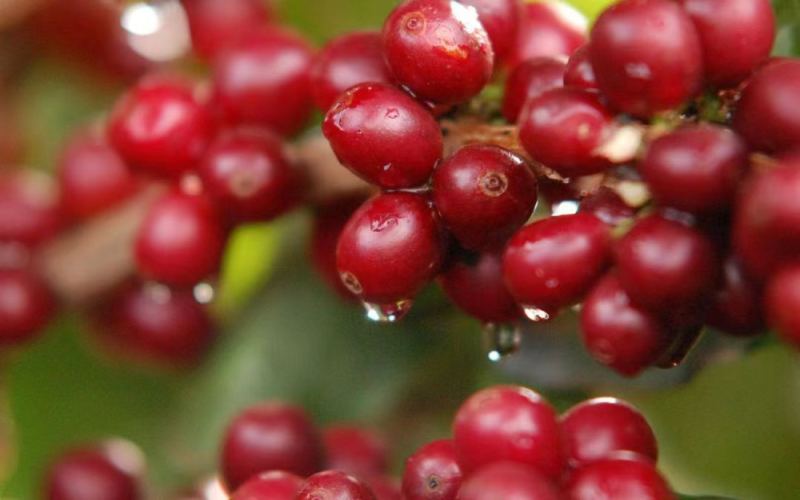
Coffee Basics | What's the difference between Typica coffee and Bourbon coffee? How can coffee beginners distinguish Typica, Bourbon, Caturra, and Geisha coffee beans?
You may or may not know what a coffee tree looks like, what a Typica coffee tree is like, or how about the Bourbon dynasty? There are many types of coffee, but it is not always clear how they differ. Setting aside variations in flavor and profile, there are obvious physical differences between the plants. Let's not even mention the many forms of coffee trees. [more…]
KOUANDJI Estate, New Caledonia, South Pacific: The Rare Legend of Bourbon Pointu Leroy Coffee Beans
In the Melanesian archipelago of the South Pacific, New Caledonia is like a vibrant oasis, hiding one of the world's rarest, most expensive, and most unusual coffees. KOUANDJI Estate is located at the foot of the mountains about 25 kilometers southeast of the capital, Nouméa, and is dedicated to reviving the region's nearly vanished coffee-growing industry. The estate cultivates "Leroy," also known as Bourbon Pointu, named for the pointed ends of its fruit. Its caffeine content is only half that of ordinary Arabica, and its yield is extremely low—even the French presidential palace must purchase it in limited quantities. Front Street Coffee has always paid attention to such niche, rare bean varieties. This article will take you deeper into the story behind its historical origins, variety characteristics, and unique flavor. [more…]
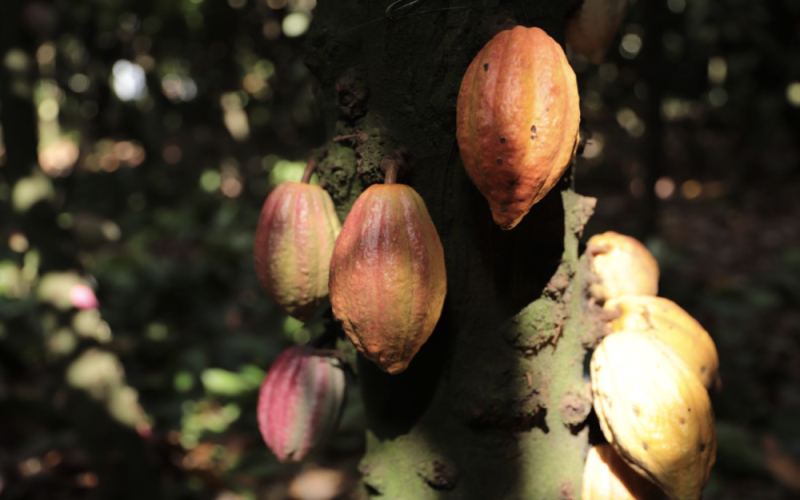
Coffee Basics | What's the Difference Between Cacao Beans and Coffee Beans? Where Does the Cacao Flavor in Coffee Beans Come From? Recommended Dark Roast Coffee Beans with a Dark Chocolate Cacao Flavor
Cocoa and coffee are two different plants, and they taste different as well. Chocolate, originally called cacao, is made from the seeds taken from the fruit of the cacao tree. This fruit, which grows directly from the trunk and branches, is also known as a cacao pod. Ripe cacao fruit, that is, the cacao pod, ranges in color from [more…]
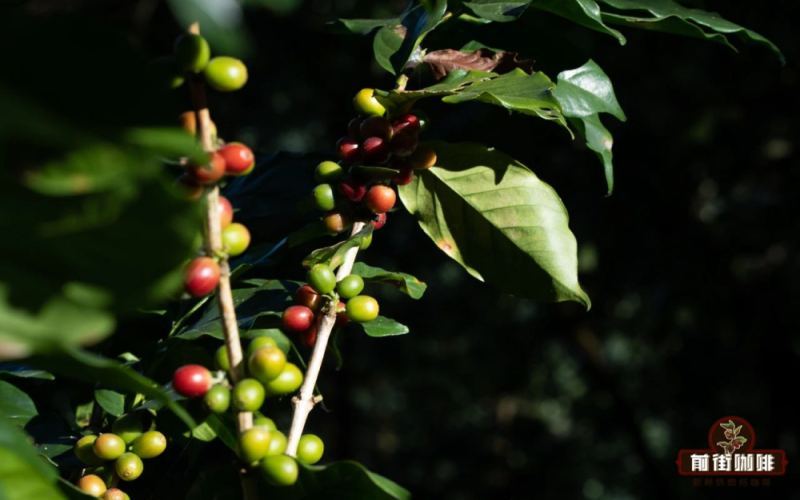
The Century-Long Planting History and Variety Evolution of Yunnan Small-Bean Coffee: Industrial Transformation from Typica to Catimor
Yunnan coffee has traveled a long and winding road of growth, from the first coffee seedling introduced by missionaries a century ago to its current status as a common choice in specialty coffee shops. This article traces the complete story of Yunnan small-bean coffee—its cultivation origins, the evolution of varieties, and the upgrading of the industry—and also explores the distinct characteristics of the two varieties, Typica and Catimor. For coffee lovers who want to understand the flavors of the Yunnan growing region or who are currently choosing a Yunnan single-origin bean, this article offers a comprehensive reference ranging from historical background to practical brewing, and it also includes Front Street Coffee's Yunnan bean brewing recipe and flavor description. [more…]
A Complete Guide to Hawaii's Coffee Regions: From Growing History to Kona Flavor and Specialty Bean Roasting
The Hawaiian Islands lie south of the Tropic of Cancer, and thanks to their volcanic soil and tropical climate, they produce coffee that is recognized worldwide as exceptional. The Kona growing region is the most famous, yet the history of coffee cultivation in Hawaii has been full of ups and downs—from its first introduction in 1825 to infestations of pests and diseases, and then the rise of small estates, spanning nearly two centuries. This article examines the full picture of Hawaiian coffee, from the history of its growing regions and flavor characteristics to the Kona certification system and emerging sub-regions such as Kau, Hamakua, and Puna, and explores how roasters like Front Street Coffee bring out its distinctive charm. [more…]

Exploring the Flavors of Guatemala Antigua Coffee: Volcanic Soil, Smoky Character, and Brewing Parameters for Flor del Café
Guatemalan coffee is renowned worldwide for its distinctive volcanic smokiness and rich flavor, and the Antigua region in particular is hailed as a representative of the world's finest coffee. This article traces in depth the historical origins and growing environment of Antigua coffee, analyzes the causes of its tobacco and charcoal-roasted notes, and provides a detailed introduction to the varietal characteristics of La Minita Estate's Floral God coffee, its washed processing method, and Front Street Coffee's roasting and brewing recommendations. From Mayan civilization to modern specialty coffee, from the volcanic heartland to the flavors in your cup, this takes you on a comprehensive journey into the unique charm of this Central American coffee treasure. [more…]
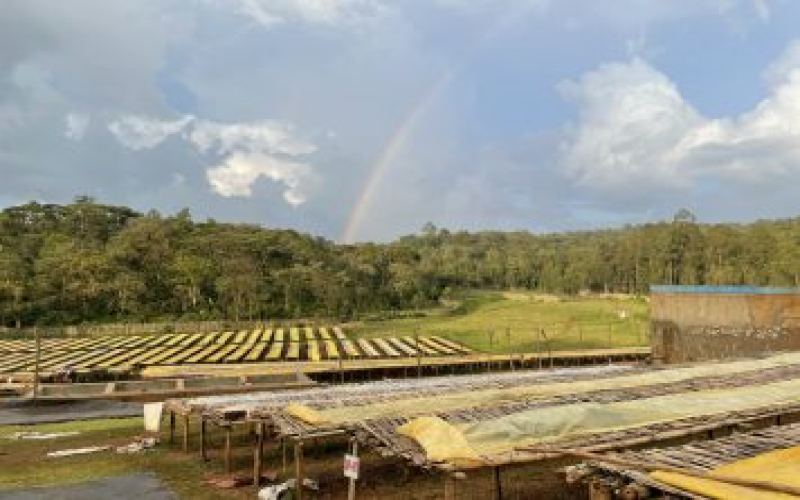
Kafa Forest: The Place Where the Name "Coffee" Was Born
Every cup of coffee's family tree can ultimately be traced back to a rainforest in southwestern Ethiopia—the Kafa Forest. The etymology of the word "coffee" comes from the name of the ancient Kingdom of Kafa. This article discusses this holy land of coffee. Where It All Began The Kafa Forest is located in southwestern Ethiopia and is a [more…]
A Complete Analysis of Jamaica Blue Mountain Coffee: Origin, Grading, Varieties, and Processing Methods, Plus Front Street Coffee's Pour-Over Parameters
Blue Mountain coffee, as a world-renowned representative of specialty coffee, owes its unique flavor to Jamaica's exceptional growing environment and strict quality control system. This article will systematically review the cultivation history, origin terroir, grading system, varietal characteristics, and washed processing techniques of Blue Mountain coffee, and provide a detailed introduction to the brewing method for Blue Mountain No. 1 coffee beans recommended by Front Street Coffee. From the selection of the KONO dripper to the three-stage pouring technique, Front Street Coffee's baristas will share how precise pour-over parameters can fully bring out the classic flavors of Blue Mountain coffee—its nutty sweetness and balanced, full-bodied richness—offering coffee lovers a complete guide to tasting and brewing. [more…]