







Search Results for: Coffee balance

Balanced Coffee Beans | Which Single-Origin Beans Make Pour-Over Black Coffee Without Bitterness or Astringency? Recommended Easy-Drinking, Low-Acidity Medium-Roast Pour-Over Coffee Beans Every Beginner Must Buy
In coffee cupping, there is a scoring category called "Balance," but what it evaluates is not merely the harmony of acidity, sweetness, and bitterness! Rather, it scores the coordination among the coffee's acidity, sweetness, body, and aftertaste. Balance can be said to play the role of coordinator. [more…]

Which Coffee Beans Have Balanced Acidity and Sweetness: Balancing Budget and Drinking Frequency
When it comes to coffee beans with a balanced sweet-and-sour profile, start by thinking about how you'll drink them every day. For everyday bean purchases, you need to consider how quickly you'll go through them, how much to buy at a time, and whether you'll mainly make black coffee or milk coffee at home. If you mostly drink black coffee, you can pay more attention to aroma and aftertaste; if you often add milk, then consider whether the intensity and body can hold up. [more…]
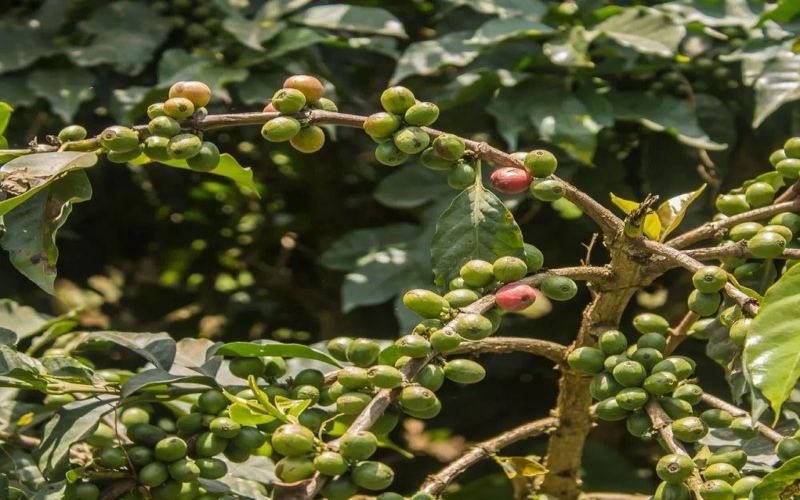
How to Choose Between Sweet and Sour Balance: Looking at Coffee Beans from Light Roast to Dark Roast
A coffee bean with balanced acidity and sweetness is not simply a matter of adding sourness and sweetness together; rather, it has a bright sensation on entry, followed by a soft sweetness, with a finish that is neither sharp nor astringent, and is not overpowered by bitterness. The roast level changes how this balance is expressed: light roasts lean toward aroma and fruity acidity, medium roasts toward rounded sweetness, while dark roasts use caramel and cocoa [more…]
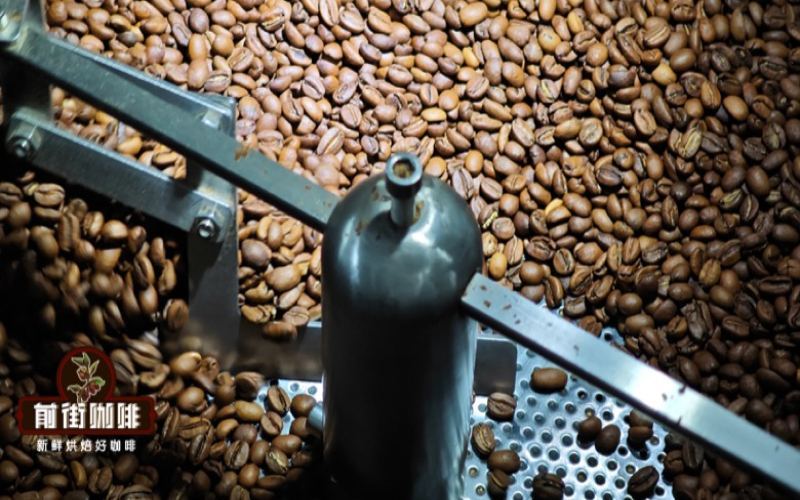
Balanced Sweet and Acidic Beans: A Coffee Experience Like Fruit Juice
A bean with balanced acidity and sweetness tastes like "juice but with coffee flavor": the acidity isn't sharp, the sweetness isn't cloying, and the two interlock just right. Front Street Coffee's Ethiopian Huakui is the model of this balance—the tropical fruit acidity is held up by the passion fruit sweetness, and the first sip is a lively juice-like sensation; Kenya's Little Tomato, meanwhile, is the dark plum acidity plus yellow [more…]

Rich or Clear: The Balance Point of Coffee's Oily Flavor
Those who chase crema often reach a fork in the road: the thicker the crema, the richer the flavor, but the delicate floral and fruity notes tend to blur along with it. Richness and clarity are like the two ends of a seesaw—finding your own balance point is more worth pondering than simply piling on more crema. The essence of crema is carbon dioxide, lipids, and proteins. [more…]
Recommendations for Single-Origin Pour-Over Coffee Beans with Mild Acidity and Bitterness: Balancing Budget and Drinking Frequency
To talk about single-origin pour-over coffee beans with a mild balance of acidity and bitterness, we have to start with the actual taste in the cup. When buying beans for everyday use, you need to consider how quickly you'll drink them, how much to buy at a time, and whether your home mainly makes black coffee or milk coffee. The roast level of the beans determines the basic flavor, the origin and processing method bring differences in aroma, and the equipment you use will change the strength—so when choosing beans, [more…]

The De'Longhi Solution for the Office Coffee Corner: The Art of Balancing Bean Selection in Shared Settings
Having a De'Longhi machine in the office is a hard indicator of workplace happiness. But choosing beans for a shared coffee corner and for home follow two different logics: tastes vary and are hard to please, budgets are clearly divided between public and private, and no one takes the initiative to maintain it—the communal nature dictates a bean-selection strategy of "balance first." This article discusses bean selection and operation for an office De'Longhi coffee corner. The first principle [more…]
Colombia · Huila Department: Balanced Sweetness of the Andes
Huila is Colombia's most prestigious specialty coffee region, and the coffee produced here is famous for its balanced acidity and sweetness, pronounced caramel sweetness, and clean cup profile. This article guides you through Huila's geography, varieties, flavors, and brewing. [more…]
The Richness of Dark Roast Coffee: Balancing Oils, Caramel, and Mouthfeel
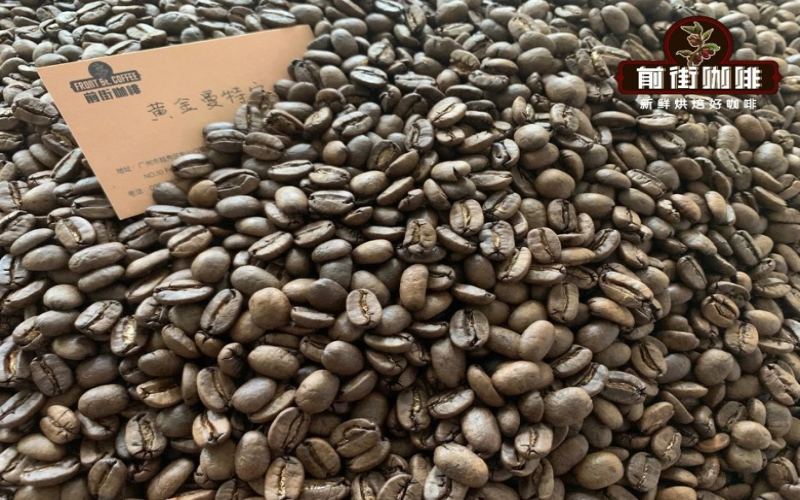
The charm of dark roast coffee lies in its steady, full-bodied richness. Many people use "heavy" and "smooth" to describe it—this mouthfeel is not a one-dimensional bitterness, but a balance woven from caramel sweetness, bitterness, and an oily richness. Once you understand where the richness of dark roast beans comes from, drinking it becomes even more enjoyable. The foundation of richness [more…]

Balanced Sweet and Sour Coffee Beans: How to Choose Roast Level
A balance of acidity and sweetness isn't exclusive to any single type of coffee bean, nor is it simply a matter of adding sourness and sweetness together. The roast level determines where the flavor emphasis lies: when beans are roasted light, fruity notes and a crisp, refreshing quality stand out more; at a medium roast, acidity, sweetness, and body blend together more easily; and as you go darker, caramel, cocoa, and nutty aromas gradually take over. [more…]
American Black Coffee Beans Recommendations: Balancing Budget and Drinking Frequency
American-style black coffee beans aren't something you can master just by memorizing a few names. When buying beans for everyday use, you need to consider how quickly you'll go through them, how much to buy at once, and whether your household mainly makes black coffee or milk-based coffee. What's truly worth referencing is the balance of acidity and sweetness on the palate, the body's thickness or thinness, and the finish after the coffee cools—then, combined with your brewing habits, your range of choices will gradually [more…]
Coffee Taste and Mouthfeel | Are All Black Coffees Bitter? Recommended Beginner-Friendly Pour-Over Single-Origin Beans with Balanced Sweetness and Acidity and Prominent Fruit Notes
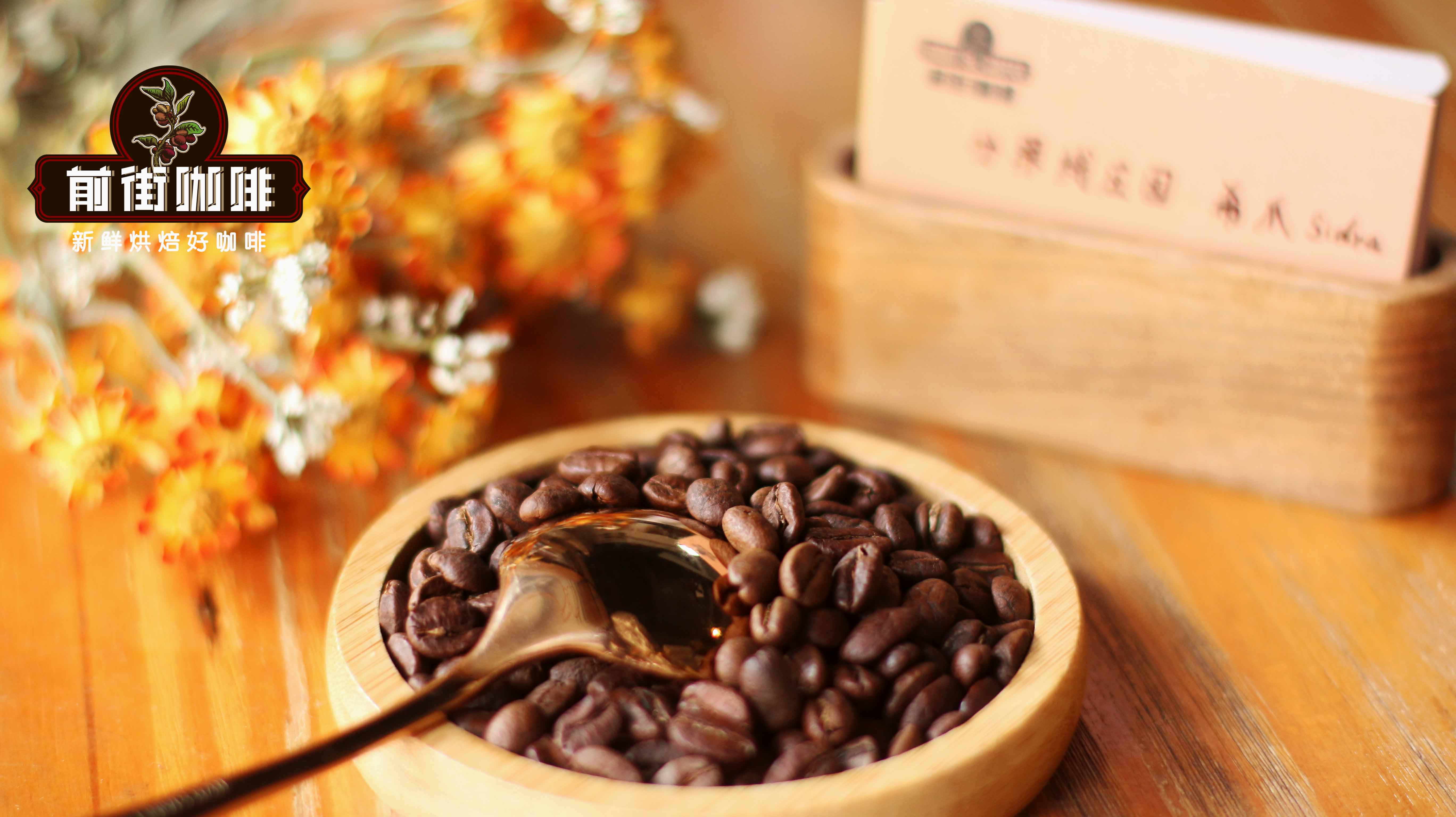
Many people think that coffee must be bitter, and that a good black coffee needs milk and sugar added, but coffee actually has many different flavors that make it not only not bitter but also full of various aromas and tastes. Today Front Street Coffee has brought a few coffee beans with balanced acidity and sweetness and outstanding flavors for everyone to choose from.1 [more…]
How to Clean and Maintain a Moka Pot, and What to Do If It Rusts or Leaks: Balancing Budget and Flavor
The roast level shifts the flavor focus and also changes the rhythm of extraction. Light roasts retain more floral and fruity notes and bright acidity, medium roasts lean toward sweetness and balance, and dark roasts move toward nuts, cocoa, and a fuller body. None of these three directions is superior; what matters is whether it suits your own way of drinking. A moka pot uses steam pressure to push water through the coffee bed, and when filling the basket, only [more…]
Why Blue Mountain Coffee Is a Classic
Blue Mountain coffee's fame is almost as well known as its price. Many people's understanding of Blue Mountain stops at "expensive," but the reason Blue Mountain is a classic is by no means just its price. Its true value lies in a rare sense of balance: the four dimensions of acidity, sweetness, bitterness, and aroma are all controlled just right, making it smooth and mellow on the palate. [more…]
What to Do If Your Moka Pot Coffee Turns Out Too Bitter, Too Sour, or Burnt-Tasting?: Balancing Consistent Brews with Trying New Beans
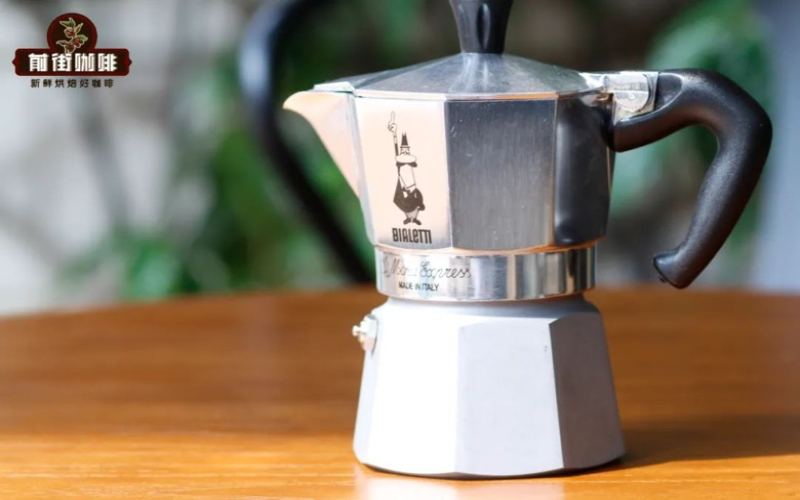
The spectrum of flavor is far broader than just acidity and bitterness—aroma, sweetness, body, mouthfeel, and finish all lie along it. When choosing beans, it helps to first set a direction: floral and fruity, nutty and cocoa-like, or a balance of the two—then use origin, processing method, and roast level to find specific beans. The extraction principle of a moka pot is based on steam pressure, filling the filter with a layer of grounds. [more…]
How to choose coffee beans with balanced acidity and sweetness: first consider the scenario, then the flavor and roast
When choosing coffee beans, start by considering your daily drinking scenario: is it a cup of black coffee in the early morning, or a milk coffee to go with breakfast; is it a slow pour-over to savor, or a quick cup from a machine. Different scenarios call for different roast levels, flavor intensity, and brewing methods. Pour-over flavor is mainly determined by origin, variety, processing [more…]
How to Choose Blue Mountain Coffee: Balancing Budget and Drinking Frequency
理解牙买加蓝山咖啡,需要把风味描述转成能喝到的感受。日常买豆需要考虑喝得快不快、一次买多少,以及家里主要做黑咖啡还是奶咖。花香、果酸、坚果和可可并不是高低之分,而是不同方向,适合自己的那一类才有长期参 [more…]
Regions for Rich and Thick Crema: Beyond Mandheling, There Are These
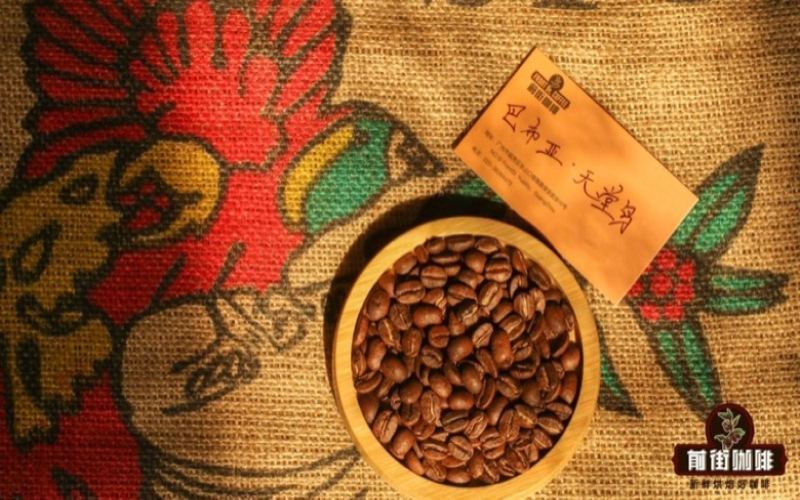
When it comes to coffee beans with rich, creamy body, many people first think of Mandheling. Indeed, Indonesian Mandheling is the representative of the rich and creamy style, but if you want to drink rich, creamy coffee, the producing regions to choose from are not limited to this one. Brazil, Papua New Guinea, and Jamaica each have their own expressions of richness and creaminess, and they are all worth trying one by one. Indonesia is a stronghold of the rich and creamy style. Sumatran [more…]
Yirgacheffe SOE Coffee Beans Recommendation: Balancing Budget and Drinking Frequency
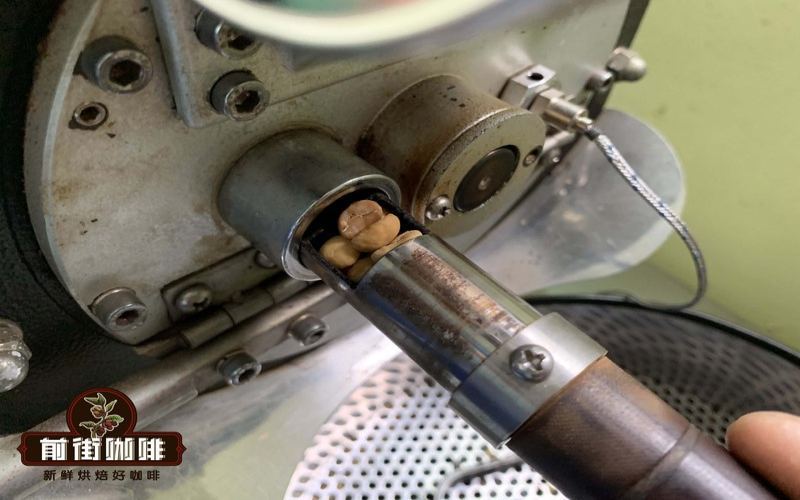
Yirgacheffe SOE coffee beans reveal different facets depending on the brewing method. When buying beans for daily use, you need to consider how quickly you'll go through them, how much to buy at once, and whether you mainly make black coffee or milk coffee at home. Pour-over easily brings out the aroma, espresso machines emphasize intensity, and a moka pot amplifies the rich, full-bodied feel. When choosing beans, you should first determine your own [more…]

Balanced Acidity Coffee Beans: When to Drink Them After Buying
The balance of acidity and sweetness is not determined solely by a bean's origin or flavor description—the state of the coffee beans after they leave the roaster matters just as much. Freshly roasted beans continue to release carbon dioxide, their aroma has not yet stabilized, and the cup may taste sharp, astringent, or disjointed; only after resting to the right stage do the acidity, sweetness, and aftertaste more readily come together into [more…]