







Search Results for: Affiliation
Ethiopian Natural Sidamo Coffee Beans: Flavor Characteristics, Origin Background, and Processing Method Analysis
Sidamo, as a core producing region for Ethiopian specialty coffee, is known for its delicate and elegant fruit notes. This article focuses on natural Sidamo, outlining basic information such as its regional affiliation, altitude, varieties, and processing methods, and further introduces the investment of METAD, the company behind the Hambela estate, in social responsibility and quality control development. It also compares the quality logic of the washed processing method to help readers understand the flavor differences brought by natural processing. The article also includes Front Street Coffee's roasting curve suggestions and brewing references, making it suitable for coffee enthusiasts who want to gain a deeper understanding of African natural beans. [more…]
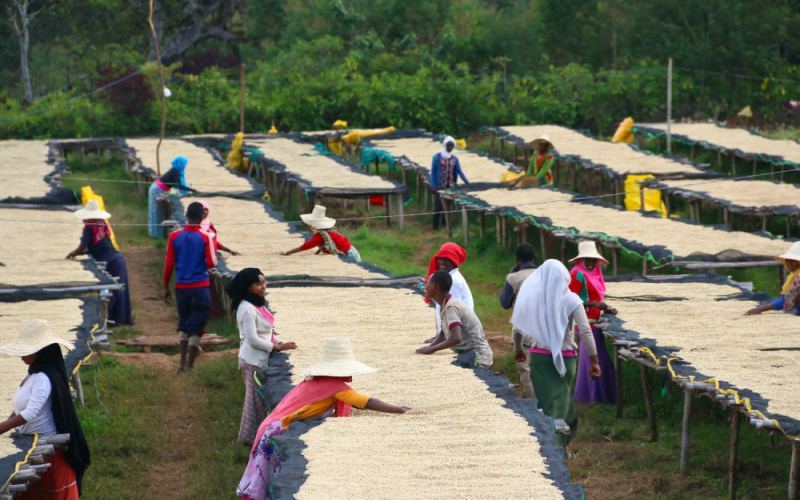
Yirgacheffe Adola: Origin Traceability, Flavor Characteristics, and Direct-Fire Roasting & Brewing Key Points Explained
Yirgacheffe is the highest-altitude specialty coffee producing region in the Gedeo Zone of southern Ethiopia, famous for its jasmine aroma, citrus notes, and citric acidity. The Adado Cooperative, as one of the founding members of the Yirgacheffe Coffee Farmers' Cooperative Union (YCFCU), is located in the mountainous area at 2,000 to 2,400 meters, where 1,250 farmers cultivate coffee in the traditional way of interplanting it with mountain bananas. This article sorts out Adado's regional affiliation, the ECX grading system, and the cooperative's background, and presents the cupping flavors and direct-fire roasting suggestions for Front Street Coffee's Yirgacheffe Adado, providing coffee lovers with a complete understanding from origin to flavor. [more…]
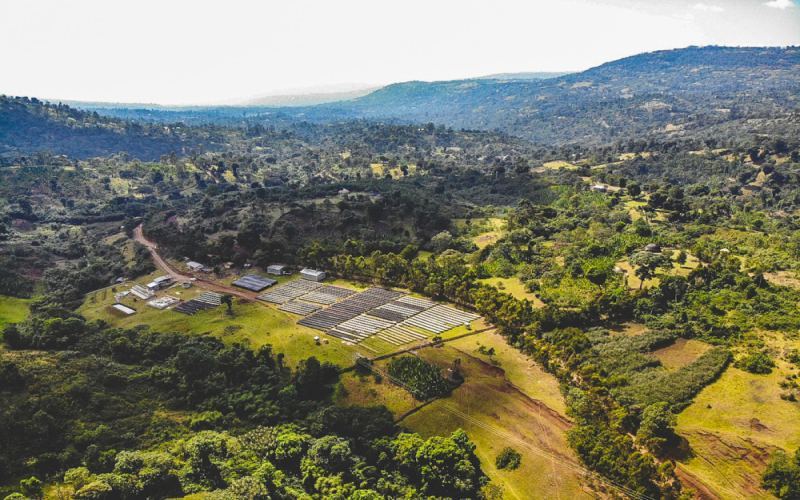
Flavor Analysis of Ethiopia Sidamo Hambela Region: The Origins and Version Evolution of Sun-Dried Flower Queen Coffee Beans
Since its introduction in 2017, Geisha coffee beans have remained popular, but many people are still unclear about the origin of its name and its producing region background. Starting from the terroir conditions of Ethiopia's Sidamo and Guji regions, this article sorts out the administrative affiliation and geographical characteristics of the Hambela sub-region, explains how the champion batch of the 2017 TOH green bean competition came to be named Geisha, and clarifies that only the natural-process batch from the Buku Abel processing station deserves this title. It also compiles the roasting parameters, cupping flavors, and brewing suggestions for Front Street Coffee Geisha 8.0, and reviews the flavor differences among Geisha versions over the years and the reasons behind them. [more…]
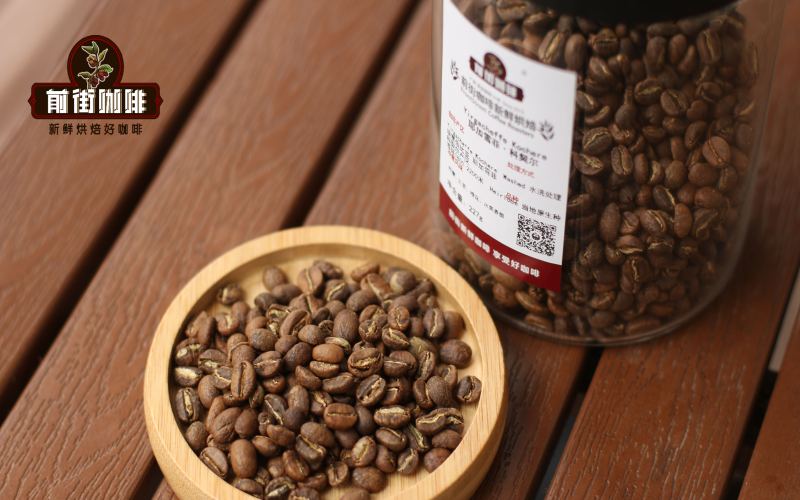
Yirgacheffe Kochere Region Coffee Beans: A Full Analysis of Varieties, Washed Processing, and Flavor Profile
Yirgacheffe is one of the most representative specialty coffee regions in Ethiopia, and Kochere, as an important micro-region within it, is known for the cleanliness and citrus florals brought by washed processing. This article begins with the history of the Yirgacheffe region, sorts through its trademark registration and the ECX grading system, then focuses on Kochere's administrative affiliation, micro-region divisions, and the characteristics of the native Heirloom variety. The article also introduces the washed processing flow of Front Street Kochere coffee beans, and provides Front Street's recommended brewing parameters and staged extraction technique, and finally describes the lemon, floral, orange, and cane sugar flavor expressions of Front Street Washed Yirgacheffe Kochere coffee. [more…]

Hacienda La Esmeralda Auction Lots vs. Red, Green, and Blue Label Differences Explained: Which Geisha Coffee Grade Is More Worth Drinking?
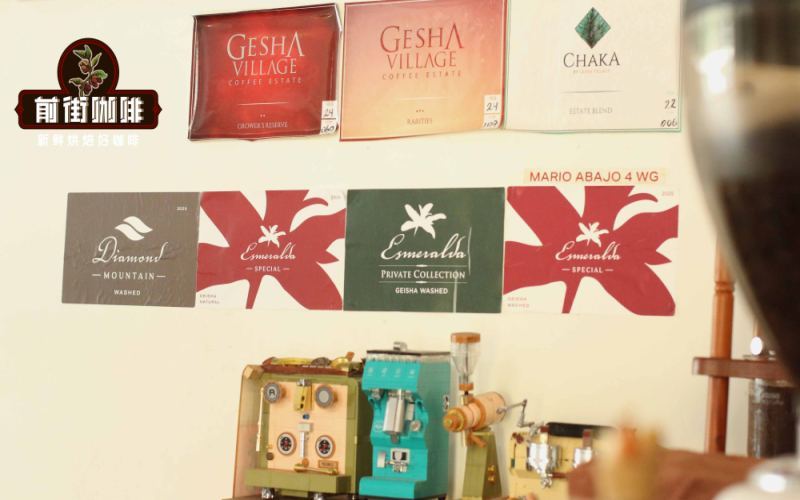
Hacienda La Esmeralda, as the benchmark estate for Geisha coffee, divides its product line into multiple tiers by grade, including Auction, Red Label, Green Label, and Blue Label, with different designations corresponding to different plot origins, quality standards, and price ranges. At the same time, Elida Estate also uses naming conventions such as Gold Label, Red Label, and Green Label, but the two systems are unrelated. This article will use the estate's interactive map of micro-lot distribution to sort out the meaning and differences of each designation one by one, helping coffee enthusiasts understand Hacienda La Esmeralda's grading logic, and, combined with Front Street Coffee's recommendations, provide a reference for everyday purchasing of Geisha beans. [more…]
Ethiopia Yirgacheffe Arama Cooperative Explained: Washed G1 Flavor and Origin Background
Ethiopia is the birthplace of Arabica coffee, and in this country coffee is almost equivalent to hard currency. As a representative of Ethiopian specialty coffee, Yirgacheffe has continued to rise in popularity domestically in recent years, but its grading, processing methods, and pricing system have also become increasingly complex. This article focuses on the Aricha Cooperative in the Yirgacheffe producing region, outlining the background of the YCFCU alliance to which it belongs, the cooperative's growing conditions and processing procedures, and includes product information for Front Street Aricha Cooperative Washed Yirgacheffe G1 (FTO), including variety, altitude, soil, certifications, and flavor references, to help coffee enthusiasts more clearly understand the origins and cup performance of this bean. [more…]
Exploring Ethiopia Yirgacheffe Kochere: A Full Analysis of the Washed Process and a 94-Point Specialty Coffee Origin
About 25 kilometers southeast of Yirgacheffe in Ethiopia lies Kochere, a prosperous coffee-growing region whose economy depends on coffee. It is not only one of Yirgacheffe's three well-known micro-regions, but also, thanks to its advanced washed-processing equipment, has earned a high rating of 94 points from CoffeeReview. Kochere's washed beans display a clean sweetness woven from molasses and citrus, with layers of jasmine, lemon, bergamot, honey, and black tea in the flavor. This article takes you deeper into Kochere's regional background, geographical affiliation, production model, and how it occupies a unique place within the Yirgacheffe system, while also preserving Front Street Coffee's recommendations and product information for this region. [more…]
Guatemala La Flor Coffee Flavor Analysis: A Complete Overview of Antigua Region Varietal Characteristics and Tasting Notes
Front Street Guatemala Flora coffee comes from the high-altitude zone of the Antigua volcanic region. Thanks to its unique micro-geographic environment and strict quality control management, it presents a full floral sweetness, bright and delicate acidity, and a long lingering finish of chocolate and nuts. This article will comprehensively analyze this coffee's category affiliation and taste characteristics, from the terroir of the producing region, variety heritage, and processing methods to dry and wet aroma and slurping performance, and provide roasting degree suggestions, helping coffee lovers who are just getting started find an entry-level choice with a smooth mouthfeel and balanced sweet-and-sour notes. [more…]
Shakisso in Ethiopia's Guji region: A full analysis of coffee beans from origin conditions to flavor performance
Ethiopia's administrative hierarchy consists of four levels: Region, Zone, woreda, and kebele, and the naming of local green coffee beans often follows this system as well. The Guji-Shakisso focused on in this article is located southeast of Yirgacheffe and, in terms of administrative division, falls under Oromia Region → Guji Zone → Shakisso woreda, making it a regional-type coffee origin. Thanks to its outstanding geographical conditions and cup performance, Guji is an independent ECX production region, and Shakisso is one of its much-watched micro-regions. This article will sort out its altitude, soil, processing methods, and flavor characteristics, and review Shakisso's impressive achievements on the international specialty coffee stage. Front Street Coffee also continues to pay attention to high-quality lots from this production area, bringing coffee lovers choices worth tasting. [more…]
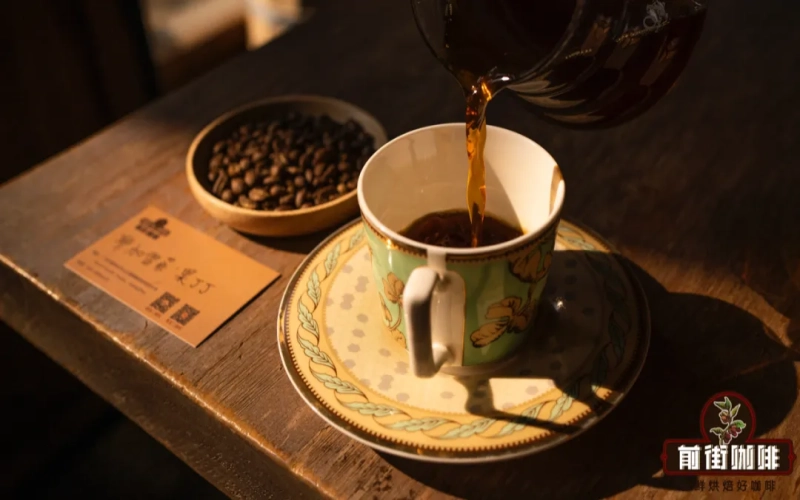
What exactly is Gotiti? Analyzing the origin and flavor characteristics of the Yirgacheffe Gotiti Cooperative
Among the many coffees of Yirgacheffe, the name "Geddingding" always sparks curiosity. It sounds playful and cute, but many people are not clear about what it actually refers to—is it a producing region, a bean variety, or something else? In fact, Geddingding is neither a producing region name nor a coffee variety, but a cooperative established in 2012, and also the name of a village. It is located in the small town of Gedeb in the southeastern corner of Yirgacheffe. Driven by the traceability of specialty coffee, Gedeb has become independent from the Kochere producing region and has become a sub-producing region of Yirgacheffe. This article will detail Geddingding's geographical affiliation, cooperative operating model, and bean variety characteristics, and through Front Street Coffee's pour-over tasting, take you to experience this bean's unique lemon acidity and white floral aroma. [more…]

Nestlé denies any co-branding partnership with STARPER, so why are counterfeit Starbucks stores opening in ever greater numbers?
Recently, a batch of coffee shops named "STARPER COFFEE" has quietly appeared in several small counties across the country. Their storefront designs, brand logos, and even menus are highly similar to those of Starbucks, drawing widespread attention from consumers. These shops claim to be co-branded service stations of Nestlé and Starbucks, but Nestlé has explicitly denied having any contractual relationship with the party that registered the "STARPER" trademark and pointed out that its actions are suspected of trademark infringement. Nestlé also issued a solemn statement emphasizing that the "Starbucks Coffee Service" project has never opened franchising or agency. Meanwhile, the supply chain company involved has applied for multiple similar trademarks, all of which are currently in substantive examination. This article will sort out the whole incident and restore the ins and outs of this brand confusion controversy. [more…]
Coffee Encyclopedia: A Guide to Classic Single-Origin Coffees Worldwide—Origins, Flavor Profiles, Tasting, and Buying
The charm of single-origin coffee lies in the fact that every cup carries the terroir and climate imprint of a specific origin. From Mocha in the Arabian Peninsula to Jamaica Blue Mountain, from the Kenyan highlands to Brazil Santos, coffee beans from different regions each have distinctive characteristics in acidity, bitterness, aroma, and body. This article systematically reviews more than ten classic single-origin coffees from around the world, including Front Street Mocha, Front Street Kenya, Front Street Mandheling, Front Street Hawaiian Kona, Front Street Costa Rica, Front Street Jamaica Blue Mountain, Front Street Indonesia, Front Street Guatemala, Front Street Tanzania, Front Street Colombia, and Front Street Brazil Santos, detailing their origin elevation, varietal affiliation, flavor performance, and tasting points, helping coffee lovers build a clear cognitive framework for single-origin coffee and find the cup that suits their taste. [more…]
The Naming Origin of Huakui Coffee Beans and Their Relationship with the Sidamo Guji Region: From TOH Champion to Version Evolution
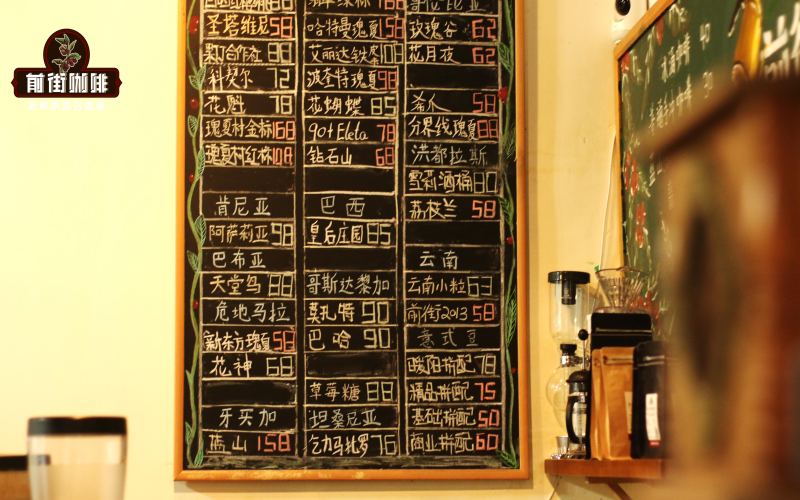
In recent years, Huakui coffee beans have risen to fame in the specialty coffee world, and are even regarded as an Ethiopian representative capable of rivaling Geisha. However, many enthusiasts remain confused about why it is called "Huakui," whether it belongs to the Sidamo region, and what differences exist among the various versions from Huakui 2.0 to 6.0. This article, from the perspective of Front Street, systematically sorts out the naming origins of Huakui, its regional affiliation, processing methods, and version evolution, and combines these with the actual cupping performance of Front Street Huakui 6.0 to present the true character of this coffee bean. Whether you are just encountering Huakui or want to gain a deeper understanding of the patterns in its flavor changes, you will find clear and professional answers here. [more…]
Complete Analysis of Huakui and Geisha Varieties and Origins: The Origins of the Translations Hambela and Geisha, and a Comparison of Their Flavor Differences
Recently, a video conflated Huakui coffee beans, the Hambela production region, and the Geisha variety, claiming that the three can be equated. Is this really the case? This article will trace the spread of the Geisha variety from Geisha Mountain in Ethiopia to Hacienda La Esmeralda in Panama, clarify the administrative affiliation of Hambela as a sub-region of Guji, and restore the full story of how Huakui coffee beans were named after winning the 2017 TOH. At the same time, Front Street Coffee will, through cupping experience, compare the flavor differences between small-bean Huakui and regular Huakui, and analyze the essential differences between Geisha and Huakui in their main flavor profile, helping coffee lovers build a clear understanding of varieties and production regions. [more…]
Kenya SL28 and SL34 Coffee Varieties Explained and a Full Overview of Flavor Differences Between AA and AB Grades
Kenyan coffee stands out among Africa's specialty origins for its bright and delightful acidity, and the core that sustains its consistent quality is precisely the two signature varieties, SL28 and SL34. In this article, Front Street Coffee (FrontStreet Coffee) systematically sorts out the varietal origins of Kenyan coffee: from the selection process at the Scott Laboratories, to the genetic classification and bean appearance differences of SL28 and SL34, and on to the later Ruiru 11 and Batian. The article also provides a detailed interpretation of the green bean grading system that Kenya still uses today, explaining that the difference between AA and AB lies mainly in bean size rather than flavor quality, and includes complete information, roasting curves, and brewing suggestions for Front Street's two beans, Kenya Asaliya and Sachini PB, to help coffee enthusiasts fully understand the flavor logic of Kenyan coffee. [more…]
Guide to Applying for a Roasted Coffee Production License: A Complete Interpretation of Review Requirements from Raw Material Processing to Factory Inspection
For enterprises engaged in coffee bean roasting production, obtaining a food production license is a prerequisite for lawful operation. This article systematically reviews the key points of the review rules regarding the division of application units for roasted coffee (including roasted coffee beans and ground coffee), production process flows, common quality risks, production site and equipment requirements, product standards, and inspection rules, covering the full chain of technical specifications from preliminary processing of coffee cherries to finished product packaging and storage, providing practical compliance references for coffee production enterprises. Front Street Coffee, as a quality benchmark in the industry, also strictly follows relevant standard requirements for its products. [more…]
Ethiopian Coffee Beans | How Many Coffee Regions Are There in Ethiopia? Which Washing Stations and Cooperatives Produce Ethiopian Specialty Coffee?
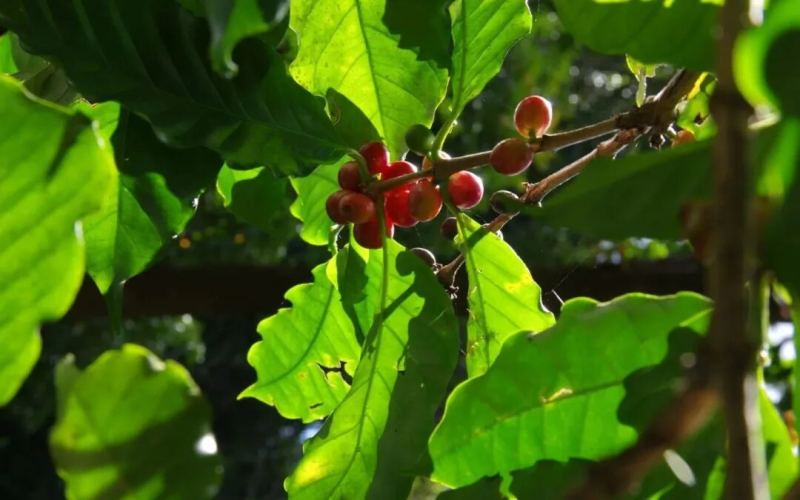
As the birthplace of coffee, Ethiopia has always been a pilgrimage site for many coffee professionals. Many friends who come to Front Street Coffee ask as soon as they walk in whether we have Ethiopian beans, whether we have Yirgacheffe beans. Yes, whether for coffee beginners or coffee connoisseurs, Ethiopian coffee beans have that bright [more…]