







Coffee has different roast levels, and the flavor expression of coffee varies under different roast levels. The tasting of specialty coffee has become a trend, and more and more people are falling in love with the unique floral and fruity flavors of specialty coffee, so the roast level of pour-over coffee beans on the market has also become lighter and lighter. But in fact, no one likes to drink coffee that is only sour. Even for the fruity acidity type of light roast, people still hope to taste a flavor that has sweetness within the acidity. So from the perspective of flavor, which coffee beans have higher sweetness? In the face of brewing methods that increasingly emphasize prominent acidity, how exactly can we brew this kind of light-roasted bean to be sweeter?
In the process of a coffee bean being heated from green bean to the end of roasting, sweetness is the first flavor to develop, followed closely by acidity. Combined with the pattern of flavor development, as the roast level deepens (with increased time), the sweetness of coffee will continue to rise until it reaches a peak (generally at medium to dark roast), after which it begins to decline rapidly. So if we look at sweetness purely from the perspective of roasting, the medium roast range often carries the most "sweetness." As ordinary consumers, although we cannot intervene in the roaster's approach to balancing acidity and sweetness, we can still judge the "sweetness content" of beans based on flavor descriptions.

1. If the flavor description lists slightly acidic fruits such as raisins, dried fruit, peach, mango, guava, and sweet orange first, then it is the type with more sweetness than acidity. They often also carry words such as fermented, ripe, and fruit candy. We strongly recommend these four coffees: Front Street Coffee. Sidra, Front Street Coffee. Strawberry Candy, Front Street Coffee. Blackberry, and Front Street Coffee. Mozart. They all use medium roast and are suitable for extraction methods such as pour-over, moka pot, cold brew, drip American coffee machine, and drip bags.
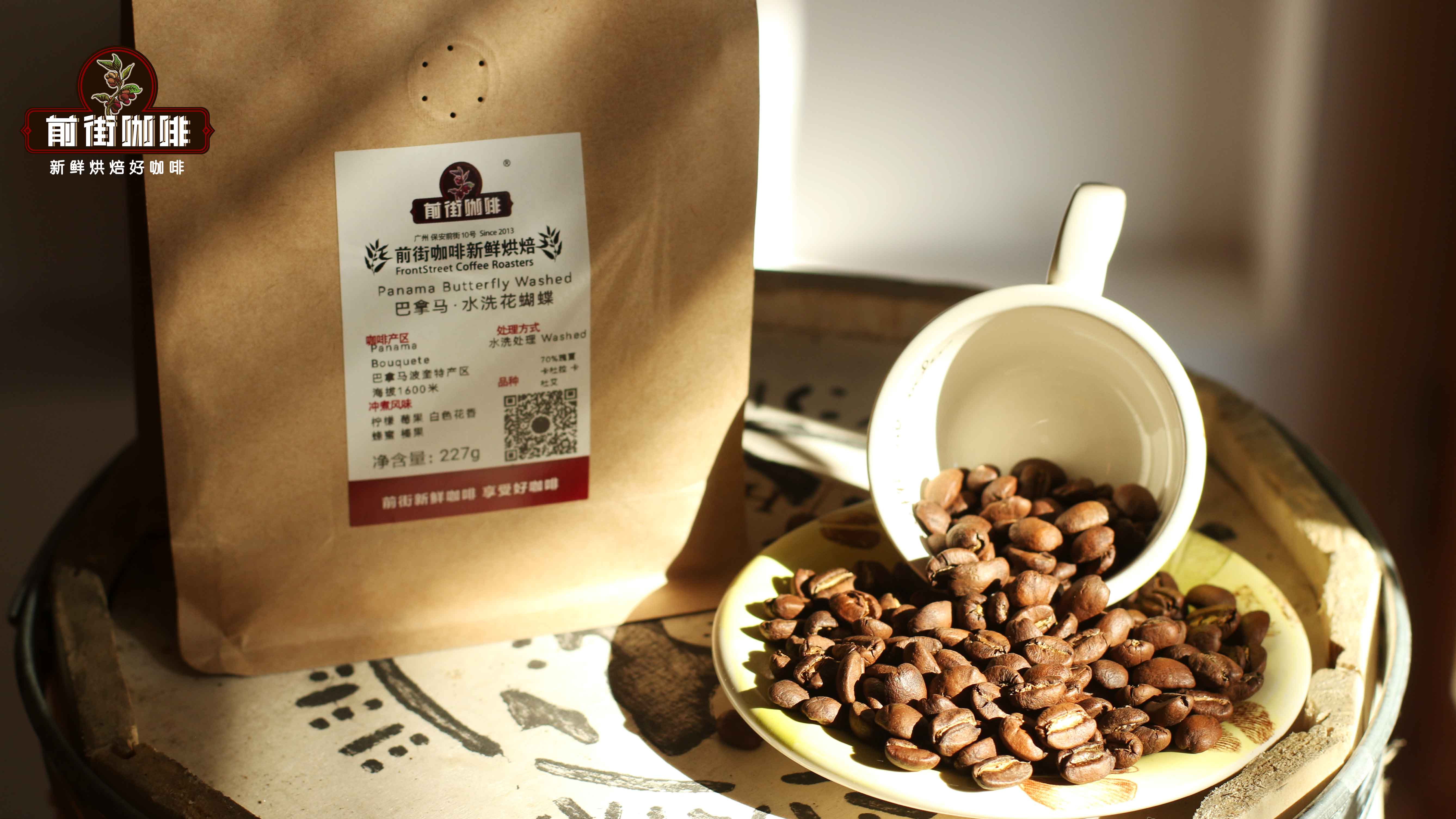
2. Coffees whose flavors are dominated by fruits such as honey, melon, floral notes, and snow pear are usually sweetness types with a relatively elegant taste. Friends who like this kind of flavor can give priority to Front Street Coffee. Emerald Green Label Geisha and Front Street Coffee. Butterfly.
It is not difficult to brew coffee with high sweetness. Below, we will use the highly popular best-selling product Front Street Coffee. Sidra as an example for everyone. Anaerobic natural processing gives Front Street Coffee. Sidra complex and varied fruit flavors, while also carrying a slight vinous quality and a sweet, fragrant fermented note. Therefore, in terms of parameters and technique, in addition to highlighting the acidity and sweetness of floral and fruity flavors, it is also necessary to enhance the overall body and richness of the coffee. Front Street will achieve this by widening the coffee-to-water ratio, raising the water temperature by 1–2°C, increasing the number of pours, and coordinating with the brewing technique.
Coffee beans: Front Street Coffee. Colombia Sidra
Dose: 15 grams
Coffee-to-water ratio: 1:16
Grind size: regular fine grind (EK43s setting 9)
Dripper: V60
Water temperature: 93°C
Pulse pouring: four pours (30g/70g/70g/70g)
For the first pour, add 30g of hot water and bloom for 30 seconds. Be careful to ensure that all coffee grounds can come into contact with water and are in the same pre-extraction state;

After 30 seconds, using a slow stream (4ml/s), pour the second stage of 70g in small clockwise circles from the center. The purpose is to let the coffee continue releasing gas while also raising the coffee bed, up to about 3/5 of the dripper. Finish pouring in about 55 seconds, with the scale showing 100g;
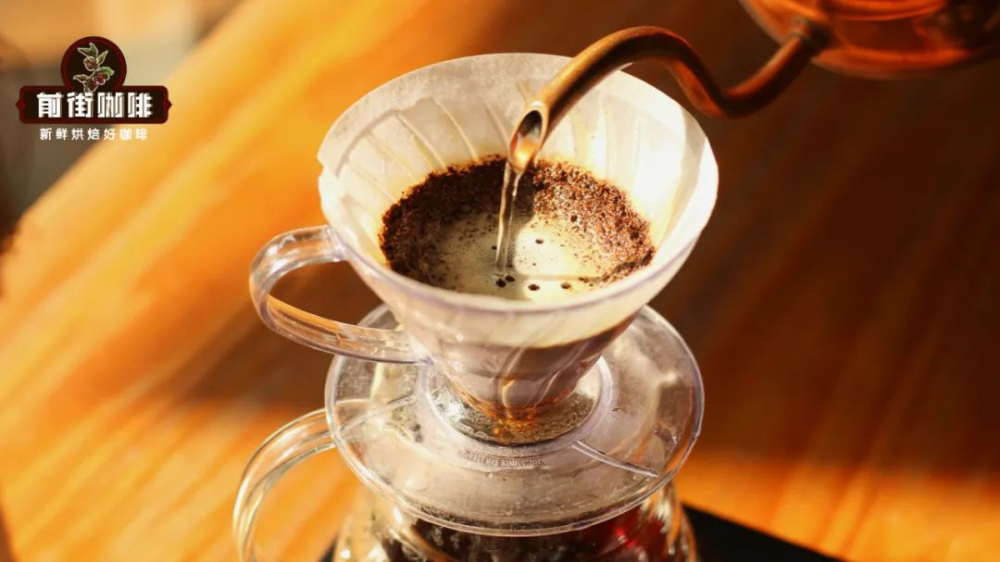
When the liquid level drops and is about to expose the coffee bed, you can begin pouring the third stage of 70g, also maintaining a slow small stream of 4ml/s. At this time, the circling amplitude can be a little larger than in the second stage, in order to bring out more sweet substances. Finish pouring in about 1 minute 15–20 seconds, with the scale showing 170g. Be careful not to pour too quickly, so as not to push the water level too high. Try to keep the drainage rate and pouring amplitude in a balanced rhythm.
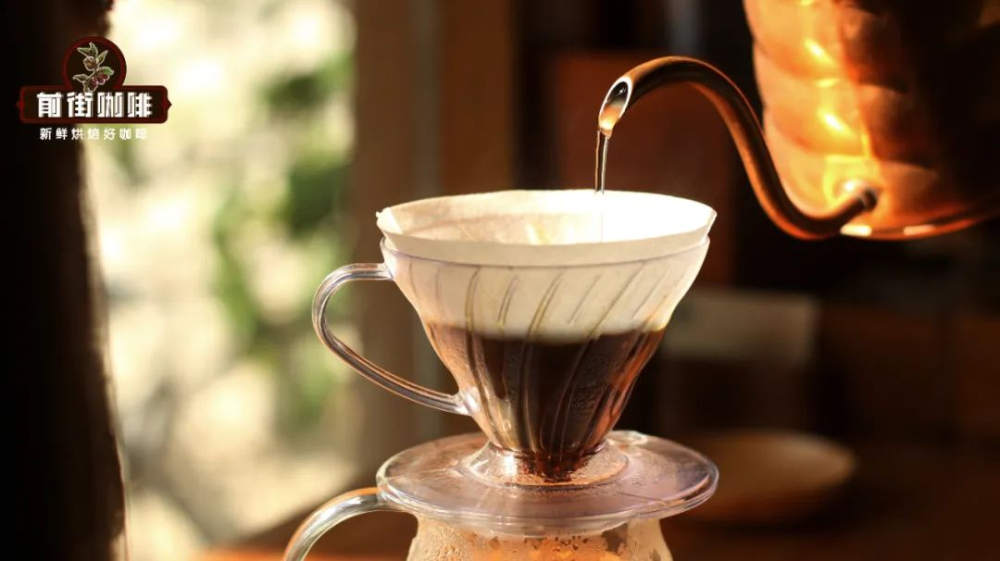
When the coffee bed is exposed again, you can finish pouring the last stage of 70 grams. The technique is the same as the second stage. Try to control the stream so it does not circle too widely, because it is easy to disturb the coffee bed and cause under-extraction. Finish pouring in about 1 minute 45 seconds. The final total water amount is 240g, and the whole process takes 2 minutes 12 seconds.
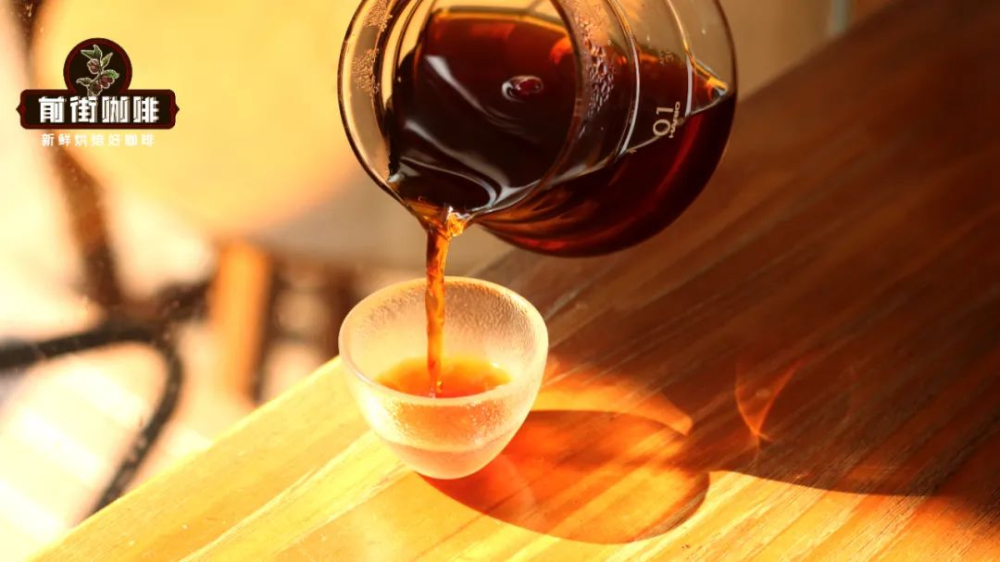
The Sidra brewed using this method has an obvious clear sweetness on the palate, with ripe fruit flavors of passion fruit, grapes, blueberry jam, and apricot. Compared with the usual three-pour method, the acidity is much softer, the body is thicker, and the sweet aftertaste is lasting. Even after the temperature drops, the various fruity sweetness remains full, and the finish is accompanied by a faint floral aroma.
The above content is compiled by CoffeeHunters, a coffee news website.


