







When some friends who don't like acidity and are new to single-origin coffee go to a café, they tell the barista: "I want a pour-over coffee that isn't sour." At this point, the barista will usually recommendMandheling coffee beans. Once it's brewed and they take the first sip, the feedback is always that it's bitter, and some even want to add sugar. Thinking back to the first time Front Street tried Mandheling, what surprised me wasn't its bitterness, but the herbal aroma before it entered the mouth, the sweetness that burst on the taste buds in the latter half, and the smoky aftertaste. But when I went to another café and ordered a Mandheling, the first sip was completely off—the Mandheling actually had a faint acidity. Shouldn't Mandheling be bitter-sweet? Why does it have acidity?Mandhelingwhat should it actually taste like?
The Origin of the Name Mandheling
The original name of Mandheling was Mandailing, which originally referred to the name of a tribe in Indonesia. During World War II, when Japan occupied Indonesia, a Japanese soldier went to a local café and drank a cup of incredibly rich and aromatic coffee. He then asked the owner for the name of the coffee, but the owner mistook the Japanese soldier's question as asking where he was from, so the owner replied: "Mandailing."
After the war, that Japanese soldier remembered the incredibly rich and aromatic coffee he had drunk in Indonesia, so through a friend's connection, he found a local coffee merchant in Indonesia to help him ship 15 tons to Japan. When others asked for the name, the Japanese soldier mistakenly said "Mandehling" instead of "Mandailing." It was because of this "double misunderstanding" that the term Mandheling was born. Because Mandheling coffee became hugely popular in Japan, the name Mandheling spread as well, and that coffee merchant was none other than the now-famous Pwani Coffee Company (PWN).
PWNGolden Mandheling
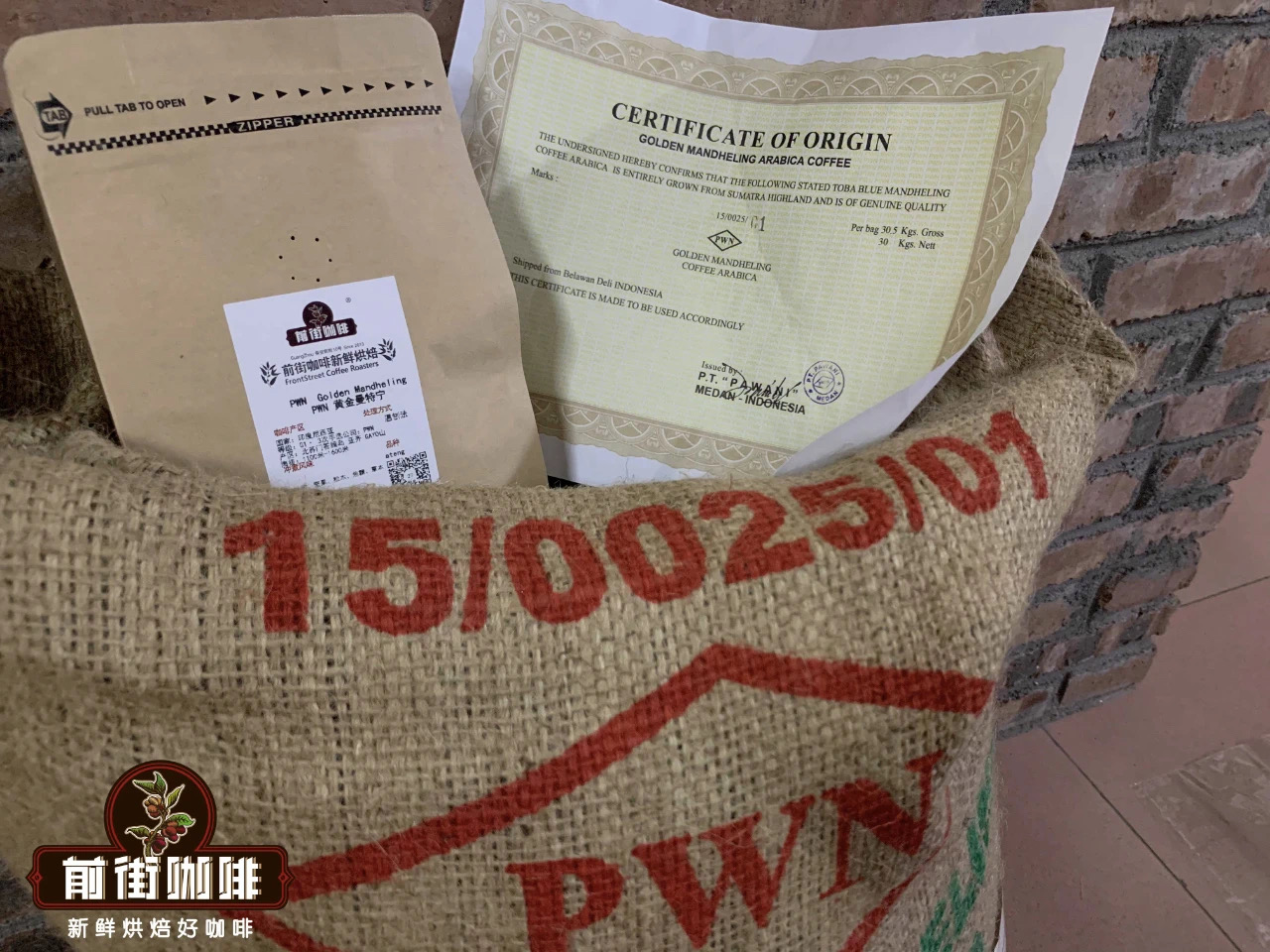
When people mention Mandheling-flavored coffee, they often first think of "Golden Mandheling." ThisIndonesian Mandheling coffee beans. However, have you noticed that a few English letters always get mixed in with the name Mandheling coffee, for example, Front Street PWN Golden Mandheling.
Actually, PWN (Pwani Coffee Company) is the abbreviation of Pwani Coffee Company. This company is a very famous coffee purchasing company in Indonesia, mainly purchasing Indonesian Mandheling coffee beans, and almost all of Indonesia's best production areas have been acquired by it, so most of the Indonesian Mandheling coffee beans that come out of PWN are unique specialty lots. After buying the beans, PWN will further hand-sort them multiple times, selecting plump, flawless beans. Only such beans are classified as Golden Mandheling.
Later, PWN trademarked "Golden Mandheling." PWN Golden Mandheling became the only Golden Mandheling today that can be considered truly "Golden Mandheling." Front Street needs to emphasize that most of the PWN Golden Mandheling on the market today comes from the Aceh production area on the island of Sumatra.
Ateng
FrontStreet Coffee's 2020 new-crop Front StreetMandheling coffee bean variety is Ateng, which is Catimor. Only Catimor grown on Sumatra and Indonesia's native islands can be called Ateng. Catimor is not what we usually call a pure Arabica variety, but a cross between Timor from the Robusta species and the Bourbon variety Caturra.
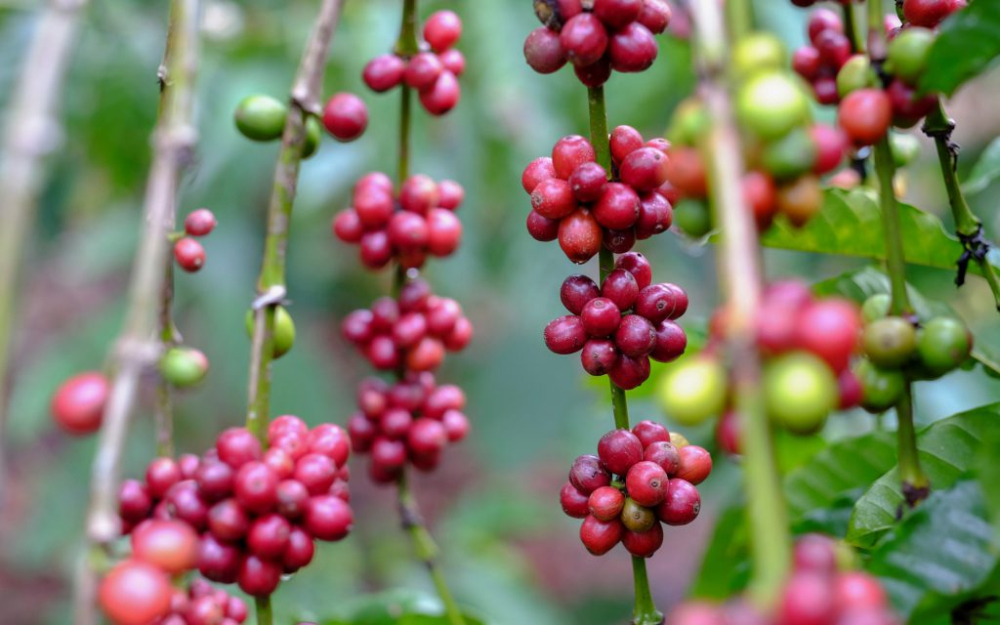
It was initially developed in 1959 and began to be promoted in Brazil in the 1970s and 1980s. With disease resistance and high yield, it secured a place among Central and South American coffee varieties, and the recurring coffee leaf rust crises in Central and South America also helped drive the adoption of Catimor coffee beans. Compared with varieties such as Typica and Bourbon, Catimor's characteristics are high yield and short plants that can be densely planted, with new leaves showing reddish-brown. However, because it matures quickly and has high yield, it must have sufficient fertilizer supply and shade. But according to Front Street's understanding, its lifespan is very short, averaging only ten years.
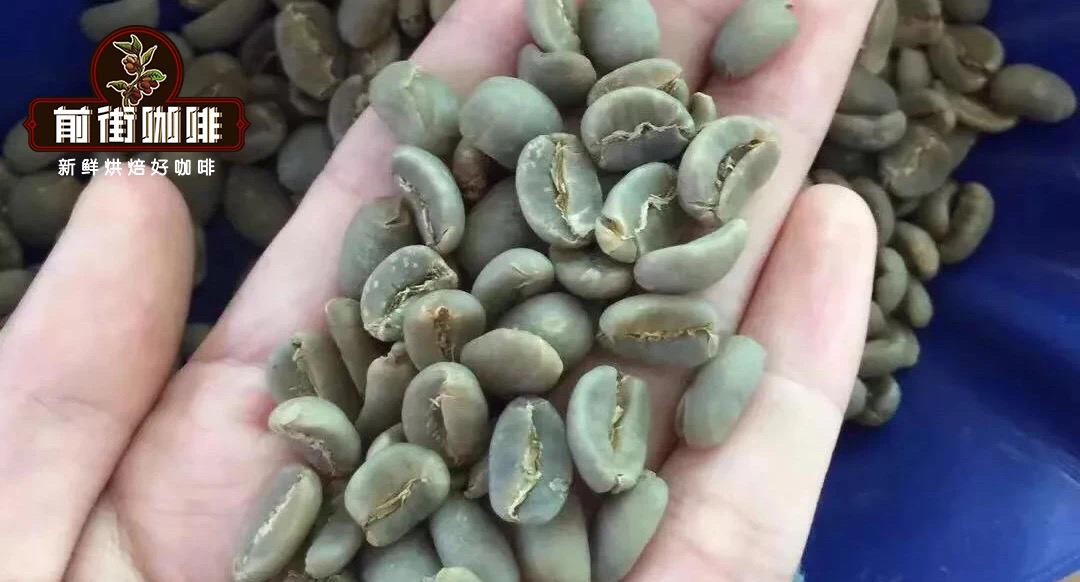
Wet Hulling
When it comes to Indonesian Mandheling coffee, what leaves a deep impression is probably the rich cocoa flavor on entry and the special herbal, earthy notes. The reason for this special flavor is actually related to Mandheling coffee's processing method.
Just as K72 is to Kenya and honey processing is to Costa Rica, wet hulling can also be said to be a very distinctive local processing method in Indonesia. Because local water resources are very precious and sun-drying conditions are not very stable, locals combined Indonesia's rainy climate and invented wet hulling.
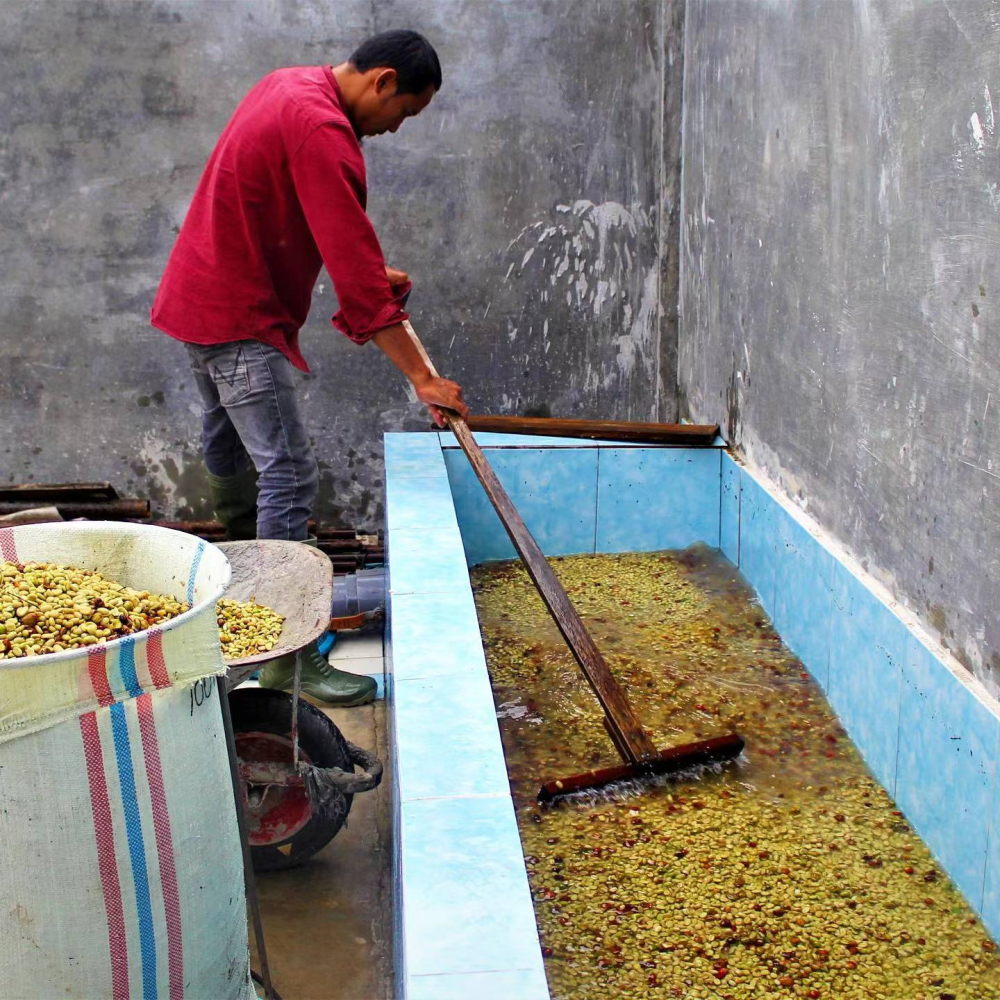
The wet hulling process is as follows:
1. Depulp the coffee cherries, place the parchment beans into a large bucket or tank filled with water, and remove defective parchment beans floating on the surface.
2. Briefly wash the dense parchment beans that sink to the bottom, take them out and put them into a bucket or plastic bag for brief dry fermentation, which means letting the pectin sugars on the surface of the parchment ferment and enhance flavor. Basically, the longer the fermentation time, the heavier the acidity. Fermentation time varies from person to person, generally only a few hours, but some estates omit the dry fermentation stage and directly sun-dry the parchment beans, which can suppress acidity and improve the viscous mouthfeel, allowing the pectin sugars to fully ferment and increase flavor. The usual fermentation time is between 12 and 36 hours, depending on the specific situation.
3. Sun-dry the parchment beans for one to two days, until the bean moisture content reaches 30%-50%. The beans are still half-hard and half-soft. Use a huller to scrape off the parchment and then dry again to accelerate the drying process. After about two days, when the moisture content reaches 12%-13%, the coffee beans are collected into woven bags, usually 40 kg and 80 kg per bag, and sent to a coffee processing factory for hulling. Done, about four days in total.
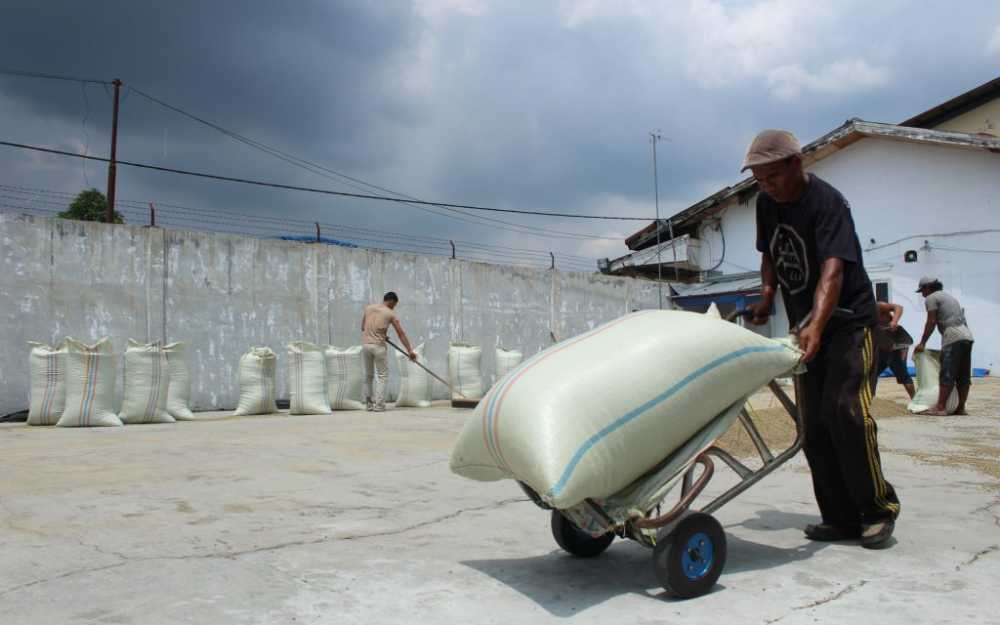
4. The hulling process uses a huller to grind off the bean shell, then dries again until the moisture content reaches about 12%-15%. Then, the coffee beans are sent for machine sorting to remove various impurities, and then classified by bean size.
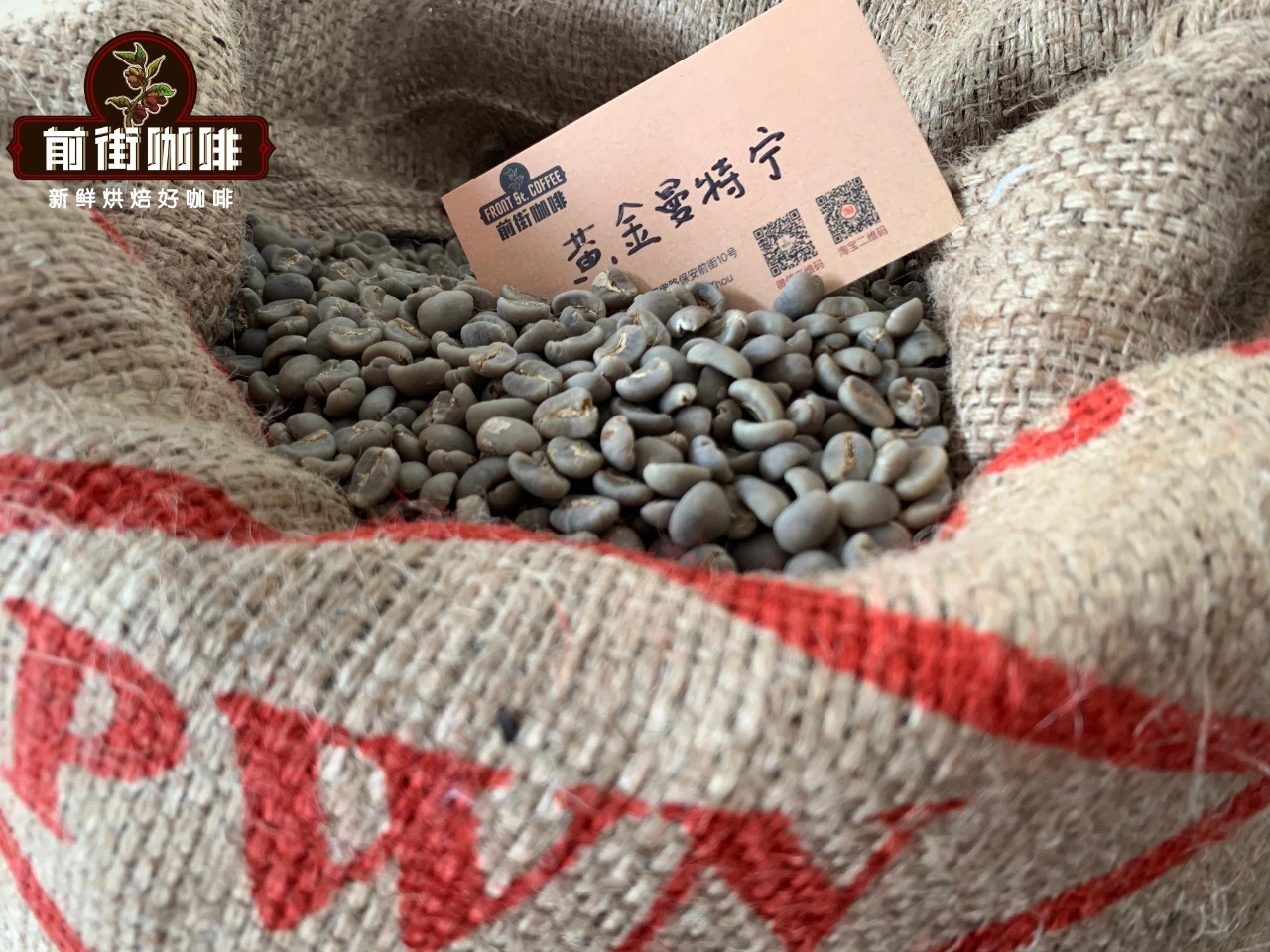
Wet hulling also leads to a situation where, because the fruit skin is scraped off during production, the beans are directly exposed to air, so moldy beans and other defective beans are far more common than in washed and natural methods. It is precisely because of this that Mandheling has those special flavors reminiscent of grass jelly, herbs, and earth.
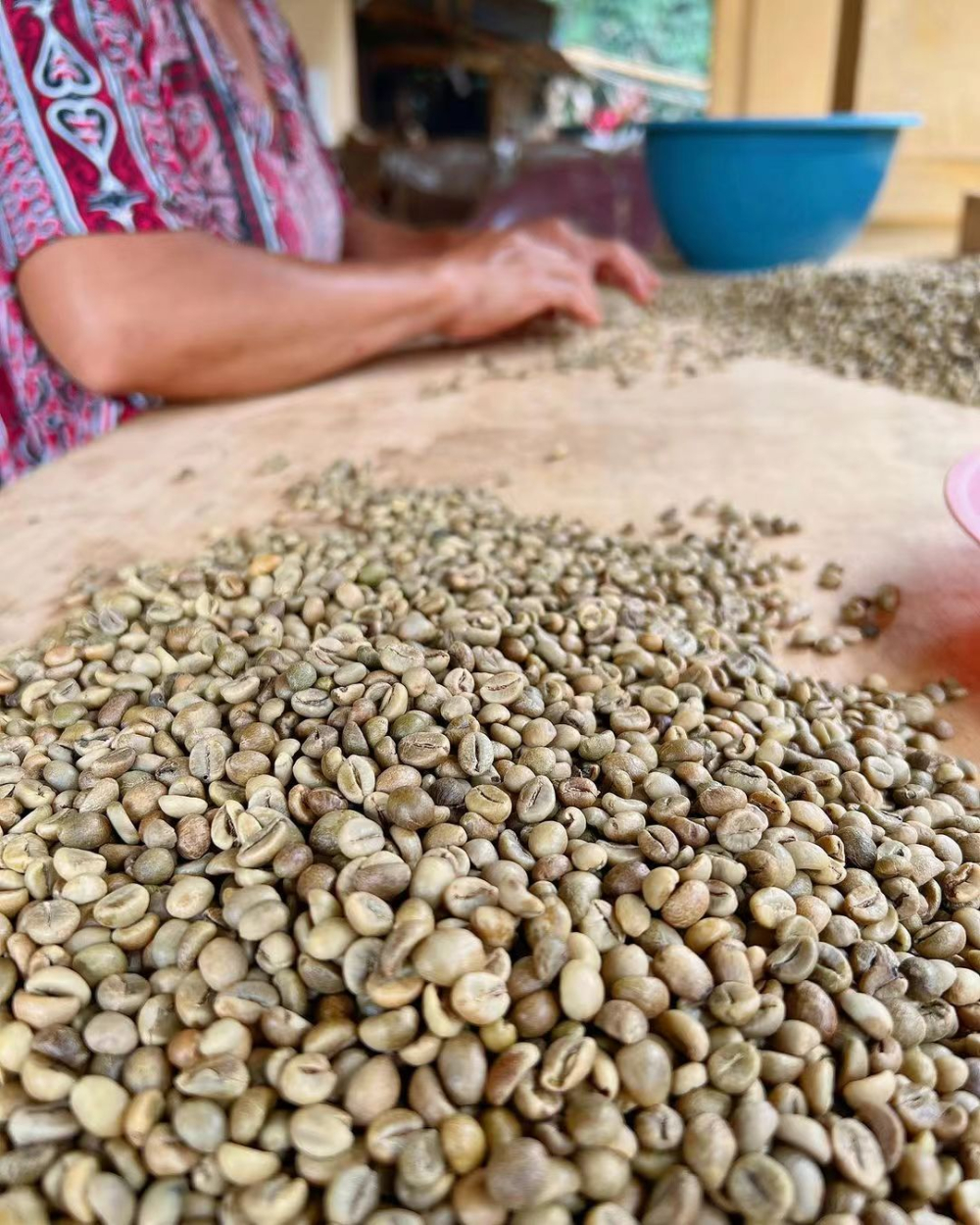
Mandheling in my impression should be bitter-sweet, so why does it have acidity?
Actually, in terms of the raw Mandheling coffee beans themselves, this is a coffee bean with extremely high acidity. Its acidity transformation characteristic is that under light-medium, medium, and medium-dark roasting, the fruity acidity will undergo a change from quite obvious strong acidity to acidity to weak acidity.
Front Street once tried roasting Front Street Golden Mandheling to light, medium, and dark roast levels to compare the differences, and found that no matter whether it was light, medium, or dark roast, the flavor would not be bad.
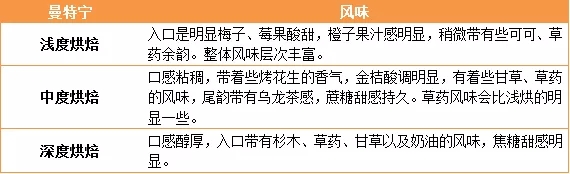
The reason the Mandheling we commonly see is dark-roasted is, first, because due to its processing method and mixed varieties, this bean has a relatively high defect rate, and dark roasting can perfectly mask this flaw; second, because Mandheling was mainly first discovered by the Japanese, and Japanese people tend to prefer mouthfeel-oriented coffee in coffee tasting. So it is not hard to understand why Mandheling chooses dark roasting.
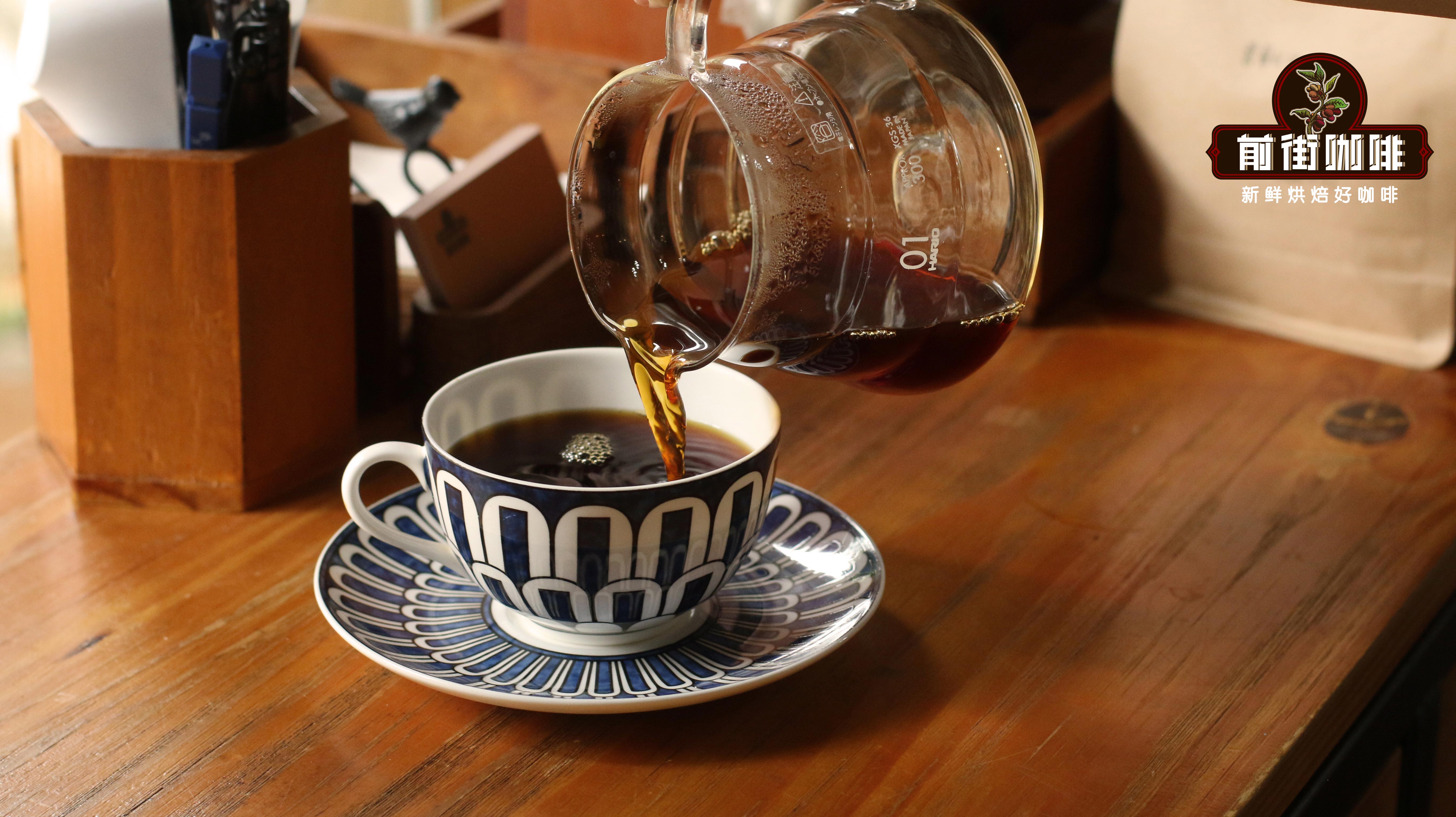
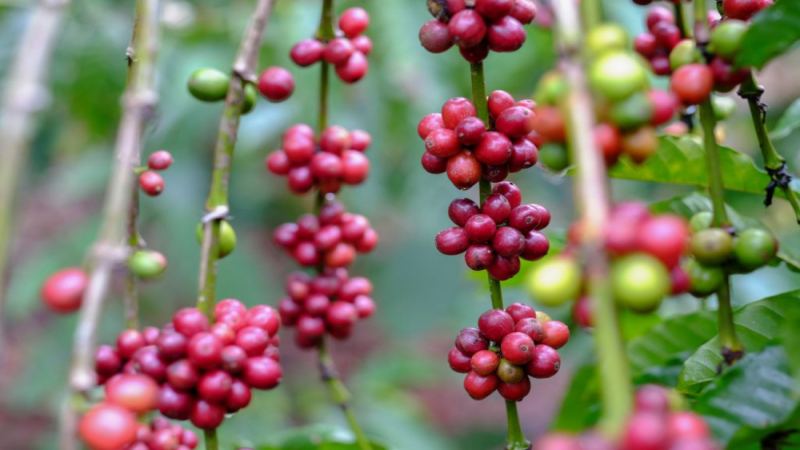
Coffee beans are the fruit of the coffee tree, and every fruit carries the characteristic of natural fruit acidity. The "acidity" in coffee is also affected by roasting and extraction. How the roaster roasts and how the barista brews will all affect the flavor of a cup of coffee. If you really don't want Mandheling with acidity, then you might as well choose beans with a relatively dark roast level, because the longer the roasting time, the more the floral and fruity acidity substances in the coffee have been ground away; but Front Street believes that fruity acidity can be said to be an indispensable member of a cup of coffee, because it is precisely these acidic notes that make the flavor layers of coffee fuller, and this also creates each cup of coffee's own unique personality.
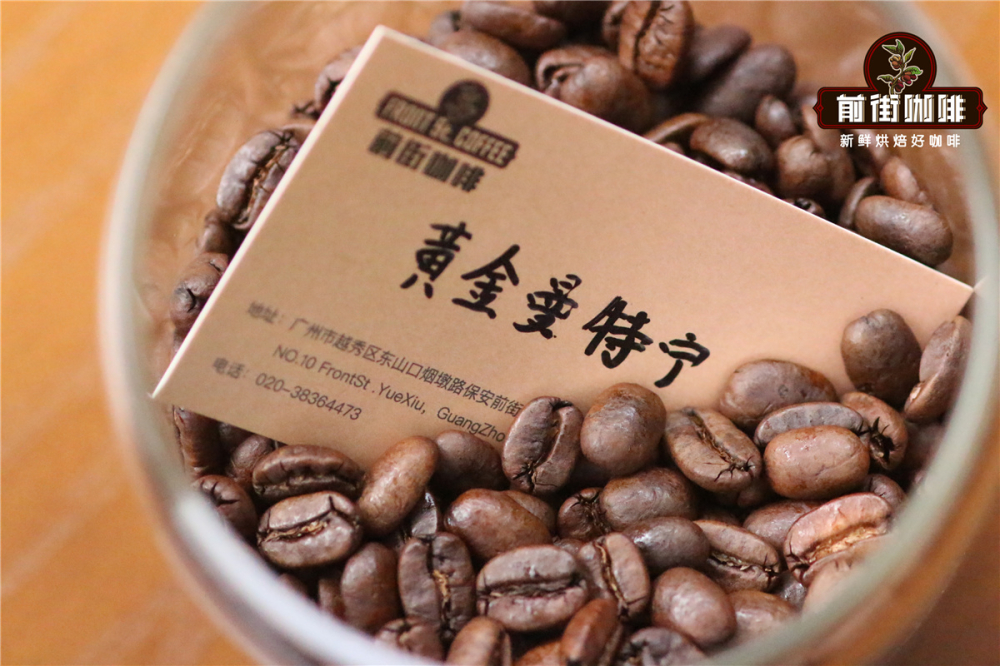
FrontStreet Coffee: Front Street Golden Mandheling Coffee Beans
Company: PWN
Region: Sumatra Aceh Gayo Mountain
Altitude: 1100-1600m
Variety: ateng
Processing Method: Wet Hulling
[Roasting Suggestions]
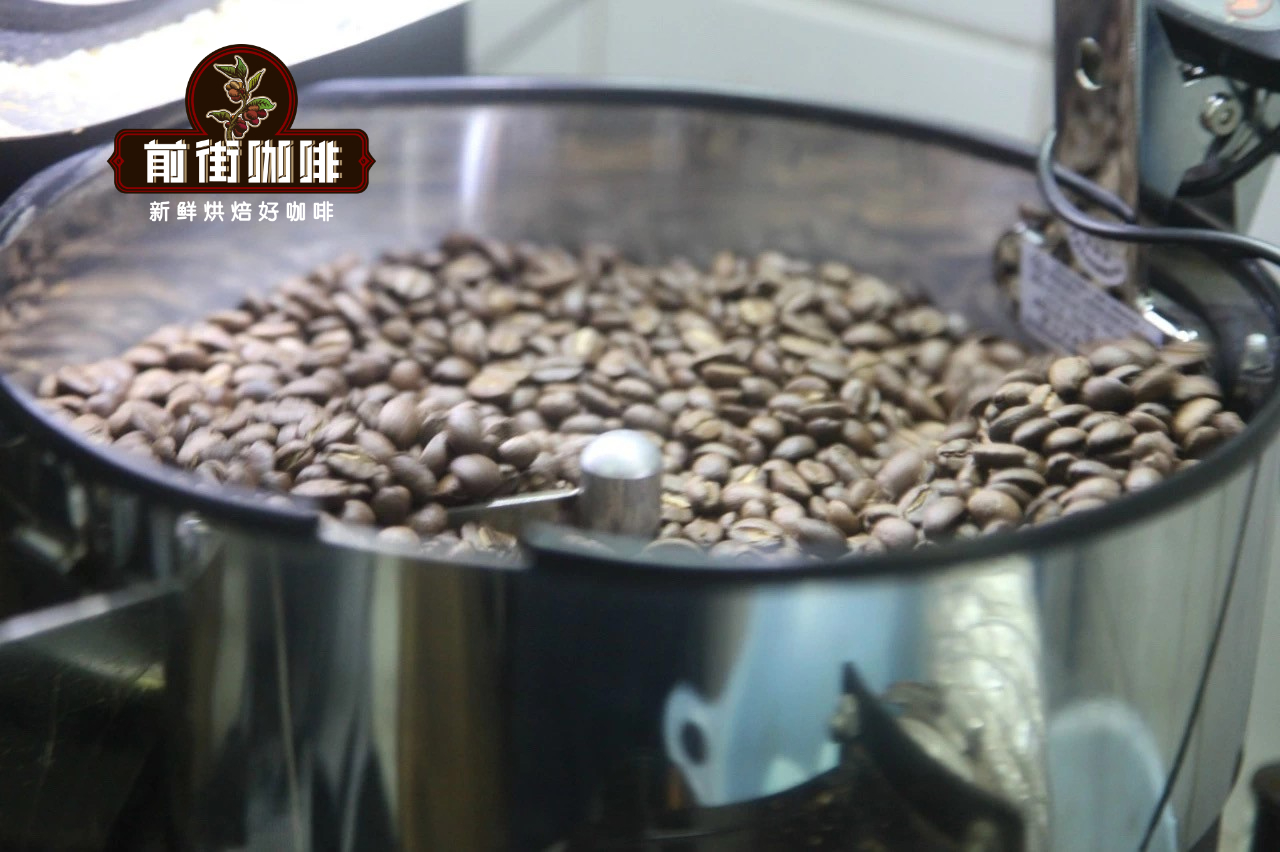
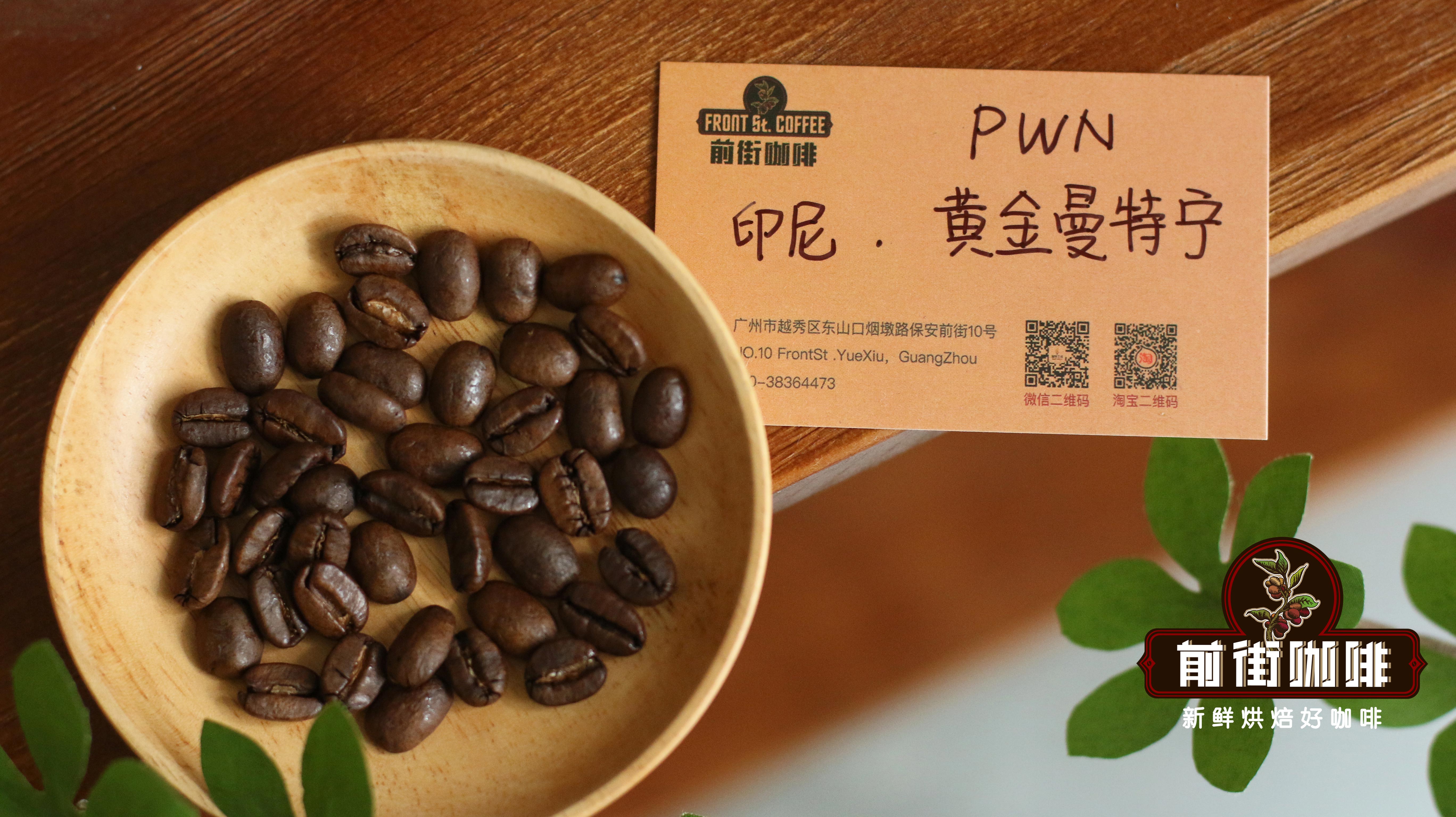
When FrontStreet Coffee roasts Front Street Golden Mandheling coffee beans, the roast level is medium-dark, in order to erase Mandheling's excessive acidity and enhance its body and balance. Front StreetGolden Mandheling is a raw bean with relatively high moisture, and has a relatively large moisture deviation compared with natural beans, so special attention must be paid during dehydration. FrontStreet Coffee suggests closing the damper immediately after charging the raw beans, steaming for 30 seconds, then opening the damper to 3, until the raw bean color turns light green or white, then opening the damper to 4, and opening it to maximum after first crack.
Machine: Yangjia 800N, green bean charge 550g
Charge temperature: 200℃
Turning point: 5'40", 148℃
First crack: 9'54", 191.2℃
Develop for 3 minutes 30 seconds after first crack, drop at 204.5℃
[Brewing Suggestions]
Front Street suggests using freshly roasted coffee beans for brewing,this way you can experience the coffee's rich flavors to the greatest extent.The coffee beans shipped by FrontStreet Coffee are all within5days of roasting,because Front Street deeply understands that the freshness of coffee beans has a huge impact on flavor.Front Street's roasting philosophy is"Freshly roasted good coffee",so that every customer who places an order receives the freshest coffee when they get it.The resting period for coffee is about4-7days,so when customers receive it, it is exactly at its best flavor.
Dripper: Kono dripper
Water temperature: 88℃
Dose: 15g
Ratio: 1:15
Grind size: medium-fine (EK43s setting 11)
*Reason for choosing the Kono dripper: The Kono dripper has few ribs and they are located at the lower end. The filter paper fits tightly against the dripper, which can restrict airflow, lengthen the contact time between water and coffee grounds, allow the coffee grounds to be fully extracted, and improve the body.
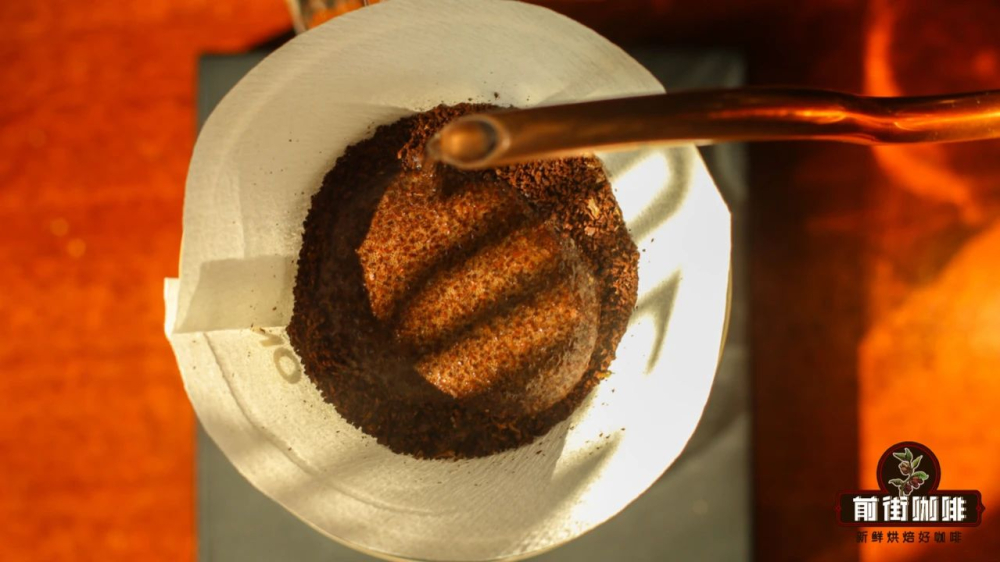
Brewing technique: staged extraction
Use 30g of water to bloom for 30 seconds, then pour in a small stream in circles until 125g, then pause. When the water level is about to expose the coffee bed, continue pouring until 225g and stop. When the water level is about to expose the coffee bed again, remove the dripper. (Start timing from the beginning of blooming.) Extraction time is 2'00".
Front Street Mandheling coffee characteristics and mouthfeel description: layered and varied, mellow and clean, high balance, with strong nutty and chocolate flavors, rich spice and caramel aroma, with fruity notes, and a long finish.
Professional coffee knowledge exchange More coffee bean information Please follow Coffee Workshop (WeChat public account cafe_style )
For more specialty coffee beans, please add the private WeChat of FrontStreet Coffee. WeChat ID: kaixinguoguo0925
The above content is compiled by CoffeeHunters, a coffee news website.

