








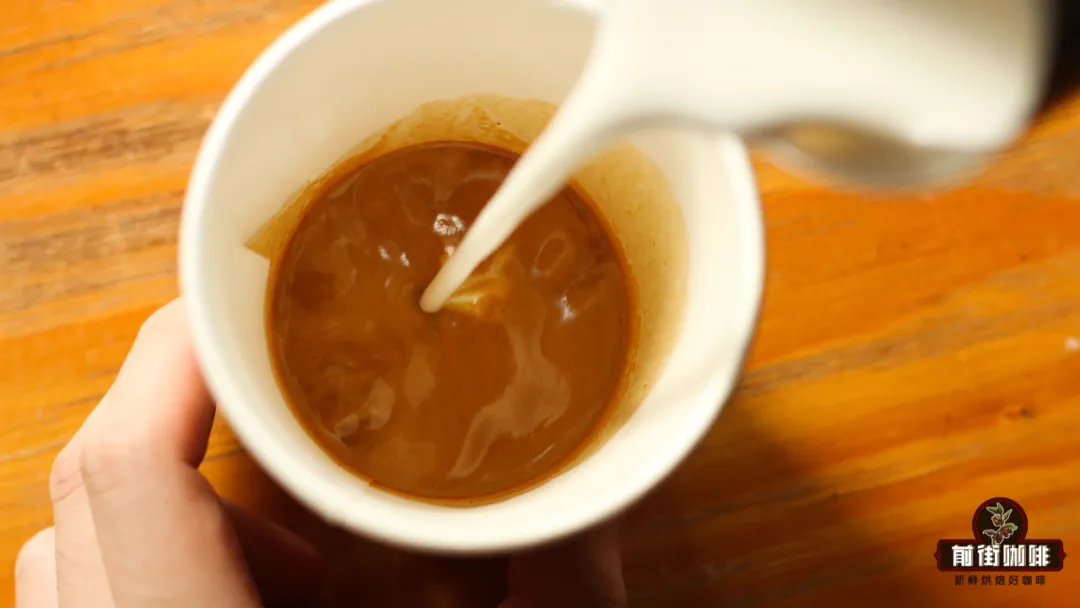
Latte coffee is one of the many Italian-style latte coffees, because "latte" in Italian means fresh milk. In the English-speaking world, it generally refers to coffee brewed with hot fresh milk. Latte Coffee is coffee with milk added, usually directly translated as "latte coffee."
The French word "lait" and the Italian word "latte" are synonymous, both meaning milk. As for the French "Cafe au Lait," it is coffee with milk, commonly called "café au lait" or "au lait coffee." It wasn't until the 1980s that the term "latte coffee" came into use outside of Italy. Today, Front Street is here to introduce this classic blend of Italian espresso and milk.

In the consultation information, most people indicated that the latte they made was not satisfactory in taste, always unable to be as fragrant, rich, and sweet as the lattes produced in stores. Either the bitterness of the coffee was too prominent, or the milk flavor was too heavy and overpowered the coffee flavor. So today, Front Street is here to share how to make a well-balanced, fragrant, rich, and sweet delicious hot latte!
I. Selecting Ingredients
"Latte," although simply made from just two ingredients—milk and espresso—still requires considerable effort to achieve its characteristic mellow fragrance without bitterness. The reason many friends can't make a good latte is that they often focus on the "assembly" of ingredients while neglecting ingredient selection, not realizing that both the choice of materials and mastery of technique are equally important for a delicious latte. After all, the quality of a dish doesn't come solely from the cooking process.
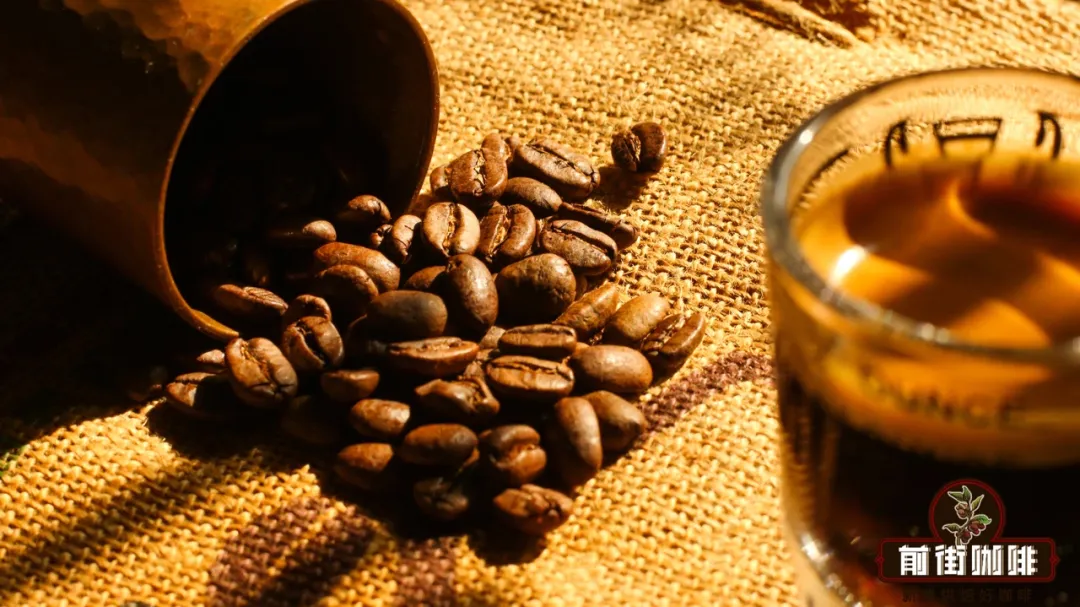
And for coffee, the choice of beans will determine the flavor direction of the entire cup! So, to make a delicious hot latte, the first thing to choose is a suitable coffee bean.
Because latte adds a large amount of milk to balance the coffee flavor, this places relatively strict demands on the roast level of the coffee beans. If the coffee beans are roasted too light, with fewer reactions occurring during roasting, then the extracted coffee flavor will easily be masked by the milk flavor. Secondly, red flowers usually need green leaves to set them off, and the sweetness of a latte similarly needs some bitterness to highlight it. Therefore, when choosing coffee beans for milk-based coffees, Front Street recommends choosing medium-dark or dark roasted coffee beans. This is because such beans will have a more prominent roasted aroma to stand up against the milk.

If you don't want a latte that tastes too bitter, we can directly choose medium-dark roasted coffee beans. Front Street recommends the Strawberry Candy Espresso Blend—this is a blend based on two major origins: Front Street's Costa Rica Tarrazu, known for its honey processing, and Ethiopia, the birthplace of coffee. On this foundation, Colombian coffee beans are added, creating an espresso that is not only non-irritating but, under the coffee machine's extraction, carries good crema and a velvety texture, while also having a sweet-and-sour taste like strawberry gummy candy.
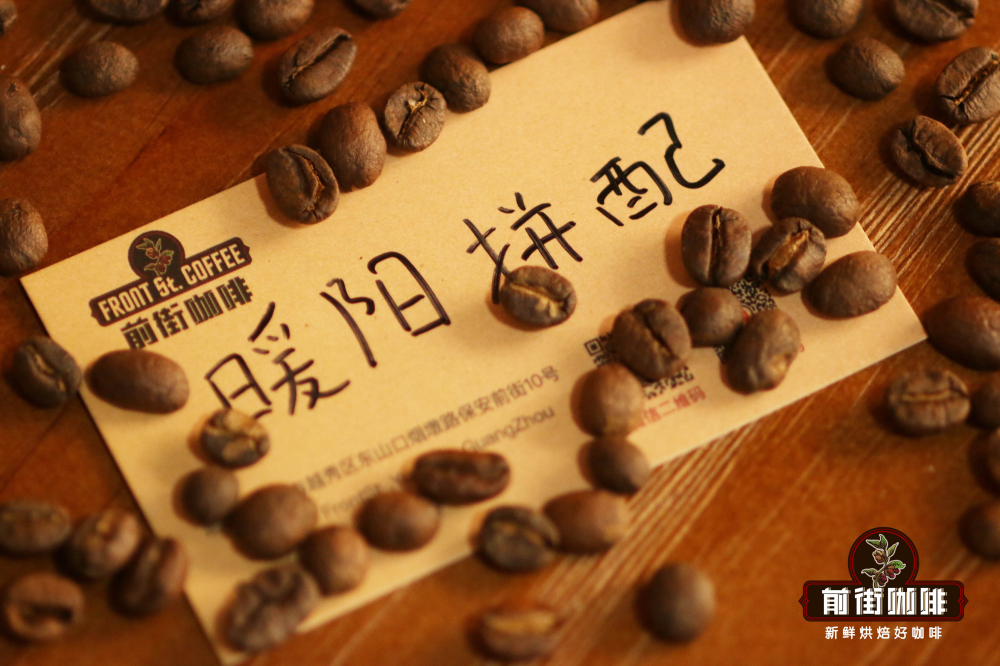
In addition, the Warm Sun Blend used by Front Street stores is also medium-dark roasted. The coffee extracted at this roast level not only lacks excessive burnt bitterness but is also not easily masked by the milk flavor. Most importantly, it carries rich crema—great for latte art and flavor, killing two birds with one stone.
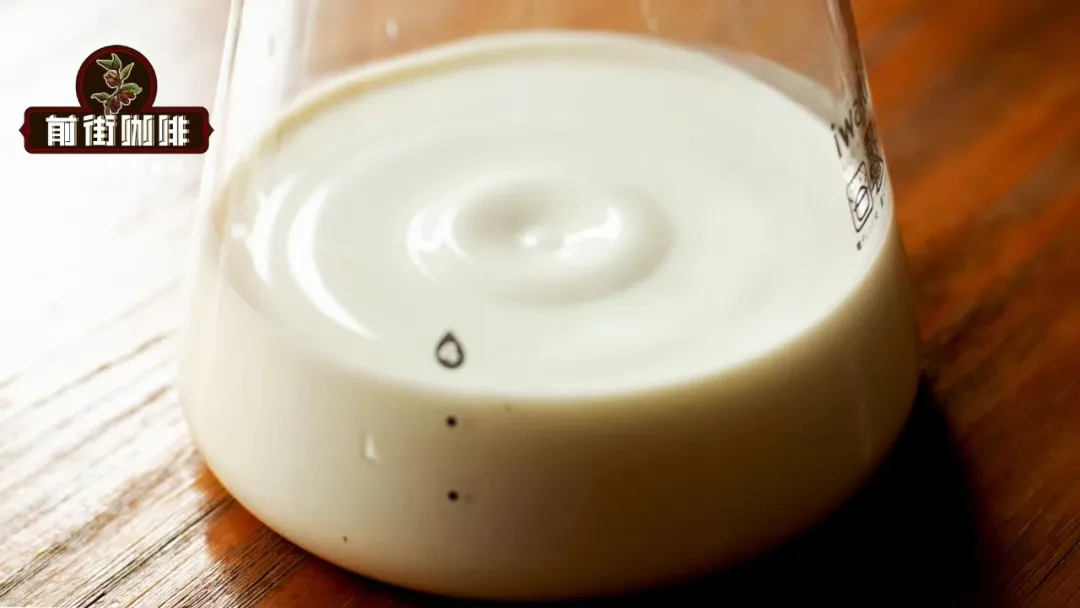
Milk is another "star" of the latte besides espresso, and milk accounts for up to 80% of a latte, so its selection is also crucial. But unlike coffee beans, the choice of milk needs to be made based on the flavor of your coffee beans! Whole milk is the primary choice, needless to say. What we need to pick is the milk among all whole milks that best suits the current coffee beans!
Milk from different producers has different advantages—for example, some milk is characterized by high sweetness, while others have a thick mouthfeel and rich milk flavor... You should know that these advantages don't suit all coffees. When the milk we use doesn't pair well with the current beans, the coffee won't just fail to shine—it may even go the opposite way. Even if both the beans and milk are top quality, when combined they just don't taste good.
For example: if you're using a medium-dark roasted coffee bean, the extracted coffee has a prominent flavor and drinks very mellow overall. If at this point you use a milk that has a strong taste and equally high richness, then the resulting latte will taste so thick it's somewhat cloying, because both sides' flavors are too strong and richness too high! So, for this type of bean, you need to find a milk with a less heavy mouthfeel and relatively high sweetness to pair with.

Therefore, a milk that pairs well with the bean's flavor is very important! For milk types, everyone can refer to this article "Milk Review"—just use the brands and milk values as reference. For mouthfeel and flavor, it's suggested that everyone buy and try for themselves, since the article's comparison was conducted with Front Street's Warm Sun Blend as the base.
II. Preparation
Having covered the ingredients, next comes the preparation! Espresso serves as the base of a latte, and the first thing we need to ensure is its balance of sourness, sweetness, and bitterness. This might be hard to understand put this way—simply put, it's an espresso that tastes neither sharply sour nor burnt bitter, drinks with high concentration but is acceptable! To achieve this, we need to find a suitable extraction formula!

Front Street generally recommends using the widely circulated "golden formula" online as the initial adjustment target—for example, using 18–20g of grounds to extract twice the grounds' weight in liquid within 25–30 seconds (lighter roasted beans can go a bit longer). Then fine-tune based on the coffee's taste.
Once we've finished adjusting the espresso, what remains to prepare is the hot milk! The milk can be either with or without foam. After all, for home coffee, the presence of milk foam isn't that important. So, if we don't want the hassle, we just need to heat the milk to between 60°C and 68°C to activate the sweetness of lactose. And if we want the coffee to have a finer, more velvety mouthfeel, we can choose to steam milk foam!

The last step in making a delicious latte is finding the most suitable ratio between milk and coffee! What mainly needs adjusting is the amount of milk—after all, the espresso extracts only so much. Compared to adjusting the extraction, it's certainly more convenient to adjust the milk.
But Front Street doesn't recommend directly copying others' data and ratios, because the coffee beans and milk used by each person differ. Even if they're the same, everyone's preferred taste and concentration differ too—a delicious latte made by someone else may not suit you. So, adjusting according to your own taste is the most appropriate approach.

Typically, latte has an approximate ratio range of 1:4 to 1:8. But adjusting is nothing more than a bit more milk or a bit less milk. If you think the milk flavor is too strong, use less milk; if you think the coffee flavor is too strong and a bit bitter, use a bit more milk. And when you feel that at a certain ratio, this latte's flavor is outstanding and drinks very much to your taste—then congratulations, this ratio is the golden ratio suited to you, your beans, and your milk. You've successfully made a latte that best matches your taste and best suits your ingredients!
For more specialty coffee knowledge, please follow: Front Street Coffee (Frontsteet Coffee)
The above content is compiled by CoffeeHunters, a coffee news website.


