





Where Does Arabica Coffee From Ethiopia Get Its Flavor?
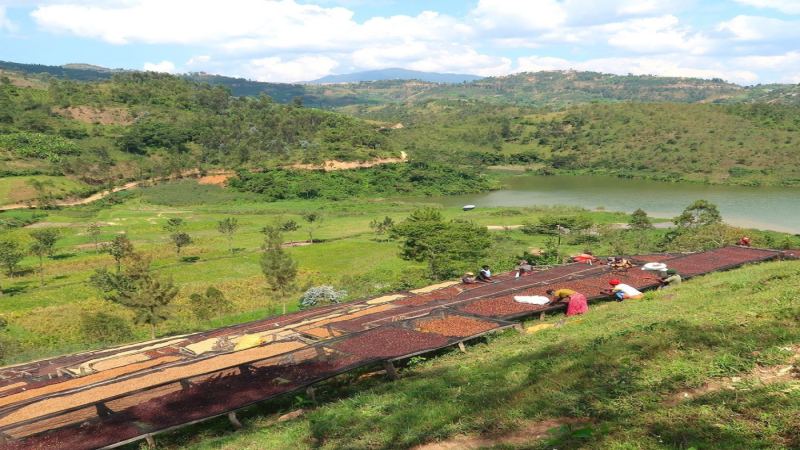
Ethiopia is the homeland of Coffea arabica, and Yirgacheffe sits among its most recognized specialty regions. The clean, bright lemon and citrus profile common today followed the arrival of washed processing equipment from Latin America in 1972. Before that, cherries dried on the ground as natural process, absorbing earthy and off flavors and selling at low prices.
Washed processing removes defects step by step. Cherries are floated to separate less dense beans, pulped, then fermented for 18 to 36 hours depending on temperature and humidity. Parchment is scrubbed through washing channels for 30 to 60 minutes, then dried about 14 days on African-style raised beds. Green coffee bean quality also depends on local landrace varieties such as Heirloom, which carry the region's distinctive character.
Yirgacheffe is one of Ethiopia's most iconic specialty coffee regions. Its flavor journey—from the rough natural-process coffees of the early days to today's clean, bright lemon-citrus profile—owes much to the washed-processing technology introduced in 1972. This article covers Yirgacheffe's grading background, the differences between washed and natural processing, and the origins of the local landrace Heirloom. It also introduces three single-origin coffees from Front Street Coffee—Washed Yirgacheffe, Natural Red Cherry, and the Idido Cooperative—covering their flavor characteristics, roasting approach, and brewing parameters, offering coffee lovers a practical reference for everyday drinking and pour-over practice.
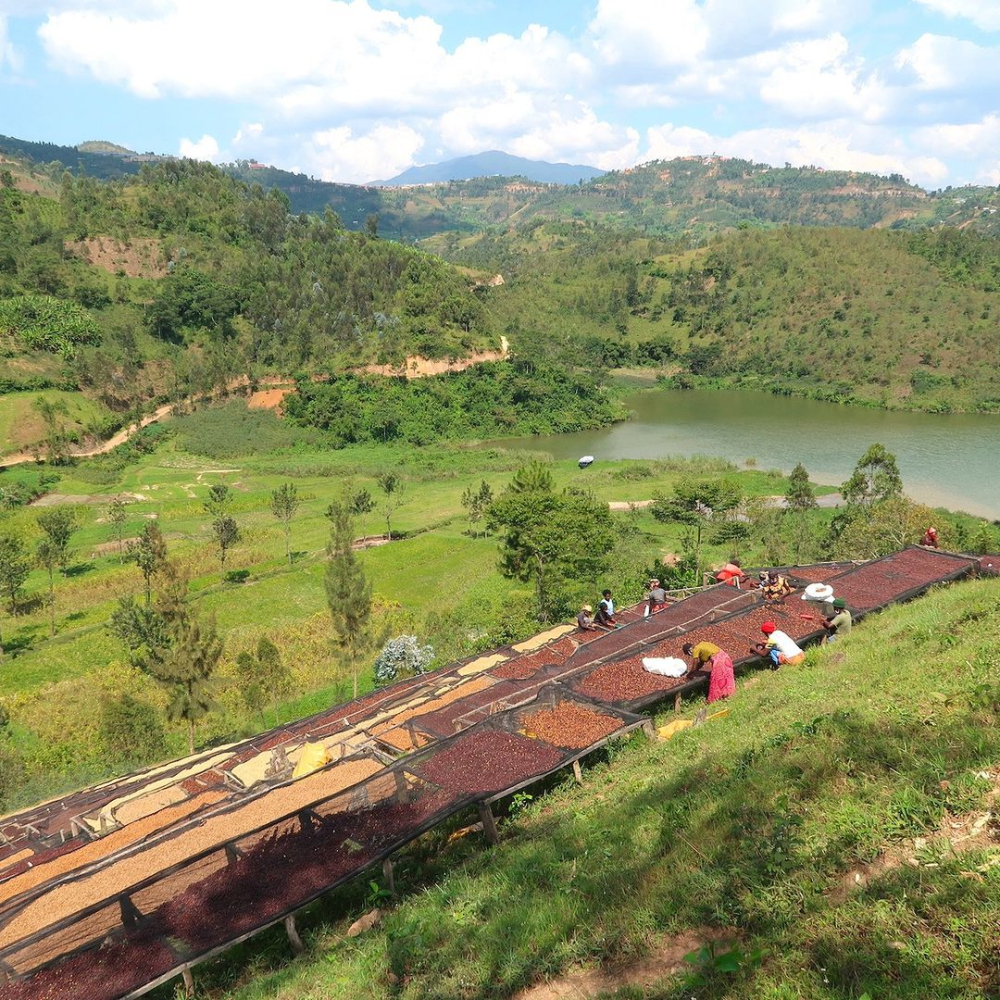
The Yirgacheffe region long relied on the traditional natural method to dry green coffee beans. Due to limited processing capabilities, coffee cherry quality varied widely; cherries were spread directly on the ground to sun-dry, causing the beans to absorb earthy and other off-flavors, and they could only be sold at low prices. To improve coffee quality, the Ethiopian government introduced washing equipment and more advanced processing technology from Latin America in 1972. This upgrade in processing was precisely what enabled Yirgacheffe's flavor to make a qualitative leap—its clean, bright lemon and citrus notes elevated it into the ranks of important specialty coffee origins.
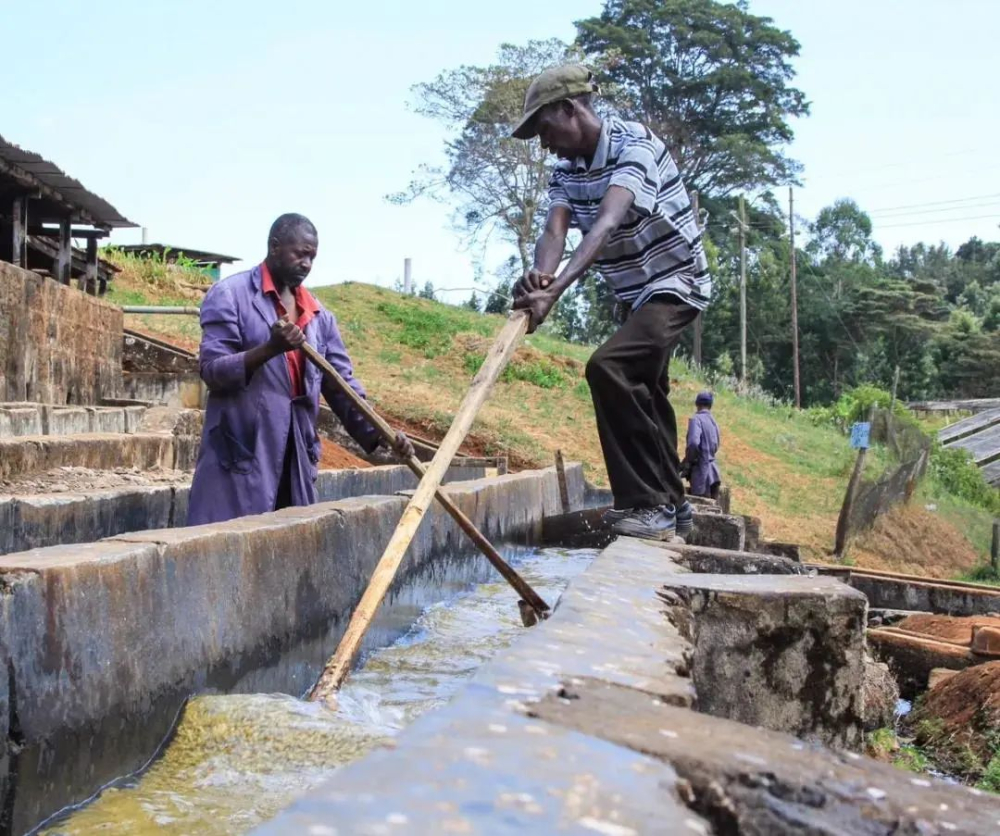
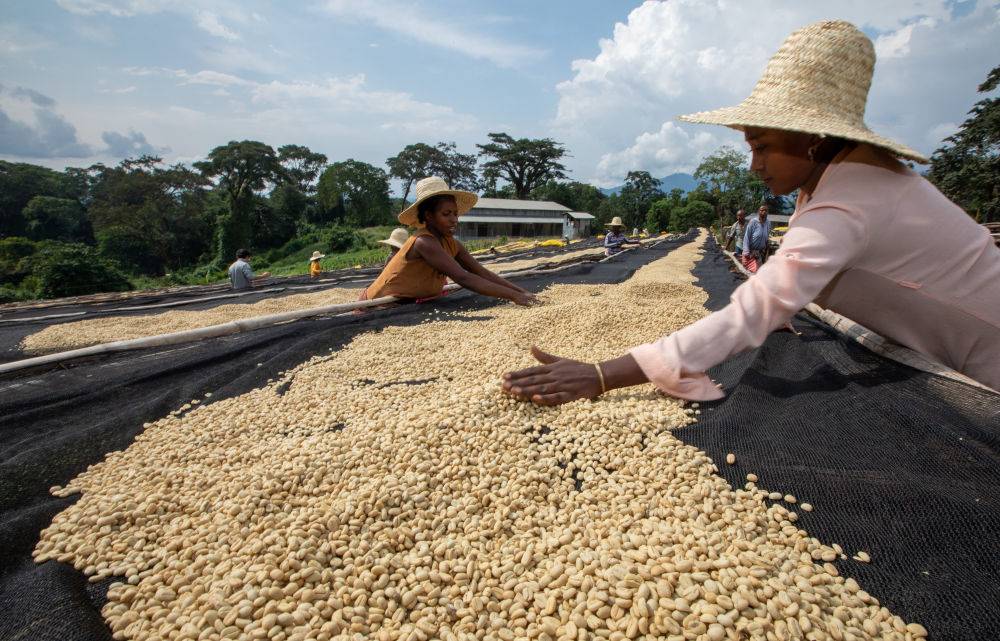
Compared with the natural method, washed processing includes several steps that can remove defective cherries. After picking, coffee cherries are first put into water, where buoyancy is used to screen out beans that are insufficiently dense and float to the surface. They are then pulped to remove the skin and fruit mucilage, and left to rest in fermentation tanks for 18 to 36 hours to break down the pectin layer, with the specific duration depending on local temperature and humidity conditions. Next, the parchment beans are scrubbed through washing channels for 30 to 60 minutes; the channels and water flow can further remove low-density, poor-quality beans. High-quality parchment beans are then placed on African-style raised beds to dry for about 14 days, and once they reach the target moisture content, they can be bagged and stored.
This Idido Cooperative coffee belongs to the local landrace varieties. Ethiopia is the "homeland" of Coffea arabica worldwide, home to tens of thousands of native coffee tree species. Landrace plants are usually identified and confirmed by coffee farmers based on years of experience, because the number of varieties is so vast that genetic testing and verification on a larger scale is nearly impossible. At the same time, to protect these unknown varieties and prevent industry players from various countries from rushing to obtain them, the local government decided to collectively call them by the name Heirloom.
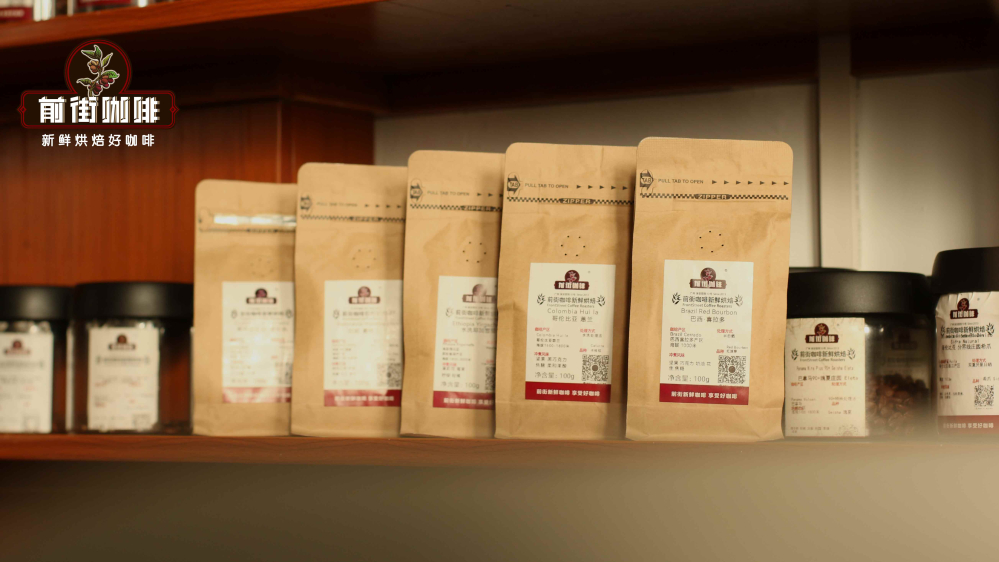
As for where to buy Yirgacheffe, you can search "Front Street Coffee" on the Taobao store or Tmall flagship store to find three different single-origin Yirgacheffe coffee beans: Front Street Washed Yirgacheffe, Front Street Natural Red Cherry, and Front Street Washed Idido.
If someone asks what single-origin coffee beans are suitable for beginners to practice with, our answer is everyday drinking coffee, because it is both economical and allows you to taste classic regional flavors. If you have not yet tried fruit-acid-forward coffee, we suggest starting with the classic Yirgacheffe flavor profile. Today let's talk about this coffee that can be called a representative of specialty floral aromatics.
Front Street Washed Yirgacheffe
Region: Yirgacheffe, Ethiopia
Altitude: 2,300 meters
Variety: Landrace
Processing method: Washed
Flavor description: Lemon, citrus, tea-like, honey, berries
Recommended reason: It has the classic Yirgacheffe flavor profile, is affordable, and can serve as an everyday drinking coffee
Natural processing method: After screening ripe coffee cherries, they are sun-dried until the moisture content reaches 12%, then the skin and fruit mucilage are removed.
Recommended coffee: Front Street Natural Red Cherry, with flavors of berries, citrus, floral notes, and a slight fermented note; suitable for pour-over and cold brew
Washed processing method: After screening ripe coffee cherries, the skin and fruit mucilage are removed, then the beans are soaked and fermented in water, and then dried until the moisture content is around 12%.
Recommended coffee: Front Street Yirgacheffe Idido, with fresh white floral notes, citrus, lemon, and green tea flavors, a light body, suitable for pour-over
For roasting, considering that Yirgacheffe should have acidity as its main flavor direction, a medium-light roast is used. Front Street Washed Yirgacheffe Idido Cooperative coffee beans are light-roasted to preserve more bright acidity and white floral notes. In addition, they are extremely hard beans from high altitude, and because the roast is lighter, they require a higher water temperature and a finer grind to fully extract the coffee aroma. The brewing parameters for Front Street this time are: Hario V60 dripper, 91–93°C water temperature, 15 grams of coffee, 1:15 coffee-to-water ratio, and a medium-fine grind (80% passing through a Chinese standard No. 20 sieve).
The brewing method uses three-stage extraction. Pour the coffee grounds into the V60 dripper, wet the coffee bed with twice the weight of the coffee in water, and let it bloom for 30 seconds, forming a dome. Then pour in a thin stream in circles from the inside out; at 125 grams, pause, wait until the coffee bed drops to half the height of the dripper, then continue pouring the third stage with the same thin stream to 225 grams, until all the coffee liquid has finished filtering. Remove the dripper; the total time is about 2 minutes.
The above content is compiled by CoffeeHunters, a coffee news website.


