





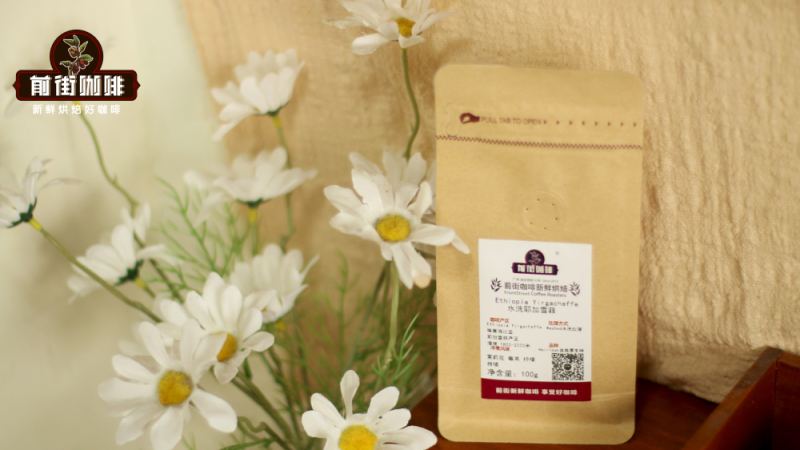
Why Does Yirgacheffe Acidity Come From the Arabica Coffee Bean?
Yirgacheffe coffee gets its bright, citrus-like acidity and jasmine aroma from the Arabica coffee bean grown in the Gedeo Zone of southwestern Ethiopia. Annual temperatures there stay between 15 and 25 degrees Celsius, and the high-altitude day-to-night temperature swing slows cherry ripening, which concentrates the floral and lemon notes that drinkers notice in the cup.
The name itself comes from Ethiopian words: Yirga means to settle down, and Cheffe refers to a swamp-type wetland. Washed processing, introduced to the region in 1972, cleaned up the flavor profile further. Medium-light roasting preserves those layered fruit notes, and drip bags let anyone brew them at home with a simple warm-the-cup, pre-wet, pour routine.
Yirgacheffe, as a representative producing region of Ethiopian specialty coffee, is renowned for its unique citrus and lemon fruit notes and jasmine fragrance. This article starts from Yirgacheffe's geographical environment, the origin of its name, and the evolution of processing methods, deeply analyzing the causes of its signature acidity and floral-fruity aroma, and explaining the importance of medium-light roasting for flavor expression. At the same time, for busy coffee lovers, it introduces in detail the product features and complete brewing steps of Front Street Yirgacheffe Floral-Fruity Drip Coffee, including key steps such as warming the cup, pre-wetting, and pouring water, helping readers easily recreate a cup of Yirgacheffe with distinct layers, fresh and bright at home.
Yirgacheffe is located in southwestern Ethiopia, under the Gedeo Zone, and was originally just a small town in the region. It has a natural wetland ecology, with quite abundant water resources, and the average annual temperature remains between 15 and 25 degrees Celsius. In addition, the significant temperature difference between day and night brought by the high-altitude terrain provides an ideal growing environment for Arabica coffee beans.
In Ethiopia's traditional language, the English name "Yirgacheffe" is actually composed of two words: Yirga (ይርጋ Yərga) means calm, to settle down, while Cheffe (ጨፌ Č̣äfe) refers to a swamp-type wetland. Therefore, the name Yirgacheffe carries the beautiful meaning of "let us settle down and make a living in this wetland."
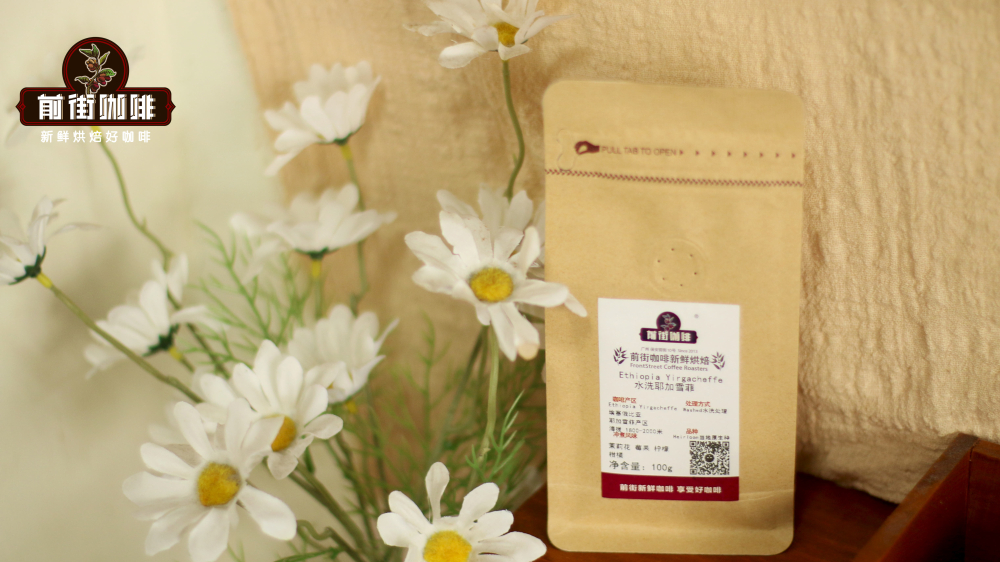
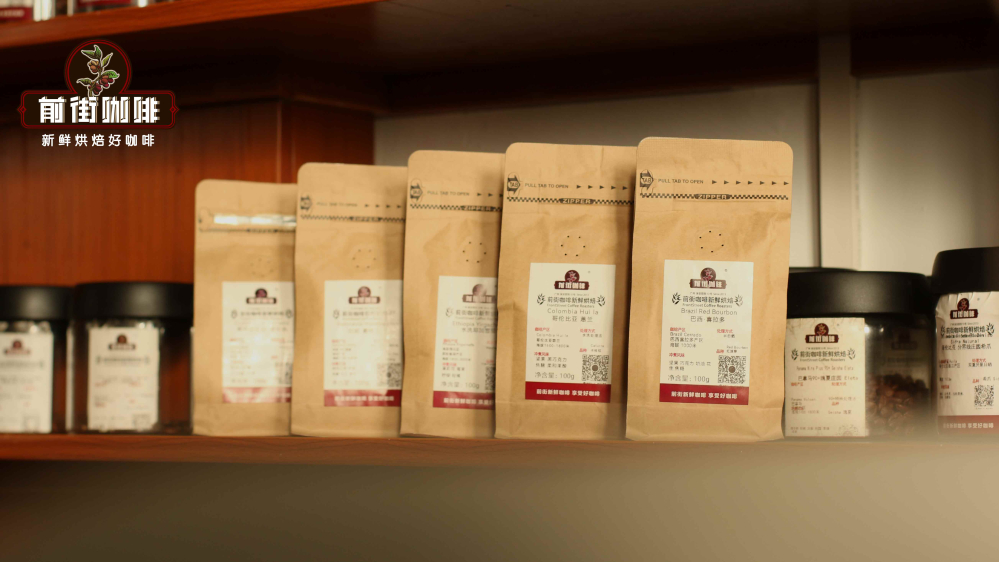
What we usually call "Yirgacheffe flavor" can be briefly summarized as: possessing unique citrus and lemon-type fruit aromas, while also giving off a jasmine-like fragrance, with an overall fresh and bright texture, rich and distinct layers of acidity, and a clean taste without off-flavors. It is very appropriate to describe it as "a hundred flowers blooming together." If you want to taste authentic Yirgacheffe, it is recommended to buy Front Street. Washed Yirgacheffe coffee beans. Both grade and quality are guaranteed, freshly roasted within 5 days, and selected by a major brand you can trust.
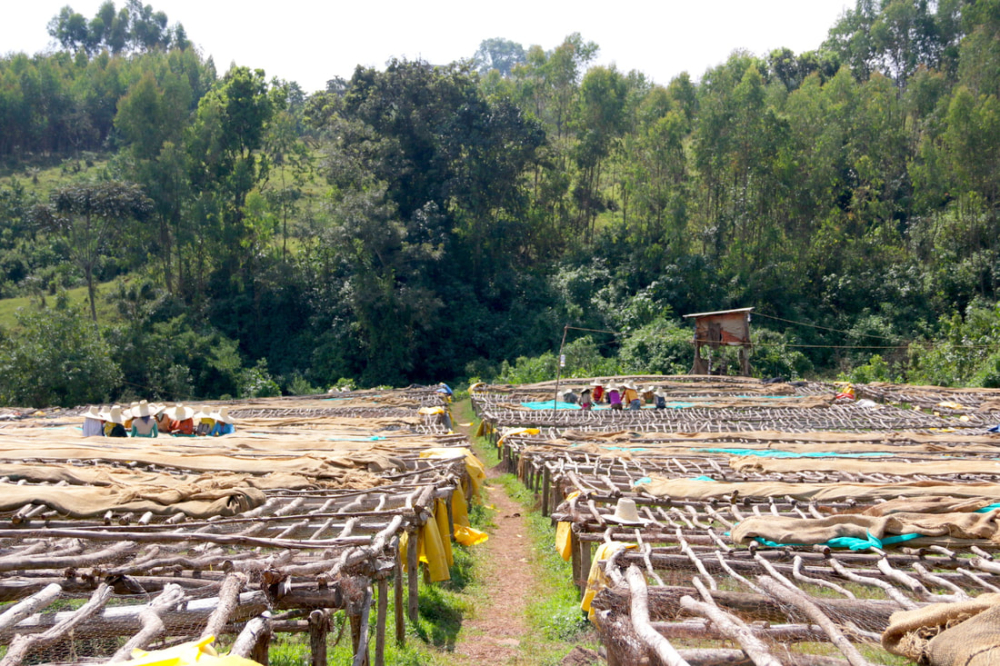
In traditional practice, Ethiopia's Yirgacheffe producing region has always used the oldest natural sun-dried processing method. However, in 1972, in order to improve overall coffee quality, Ethiopia introduced washed processing technology from Central and South America. This change made the jasmine and citrus aromas of Yirgacheffe coffee clearer and more transparent, and also made this producing region become a global benchmark for specialty coffee in one stroke. After the 1970s, washed processing became the mainstream in this area, making it Ethiopia's hottest washed-bean producing region.
The most recognizable flavor characteristic of Yirgacheffe coffee is its delicate acidity and rich floral-fruity aroma. In order to display this characteristic to the greatest extent, medium-light roasting is the most ideal choice. Whether naturally processed or washed, Yirgacheffe coffee beans can only fully release their floral-fruity aroma under medium-light roasting conditions, while also presenting a transparent tea-like body and honey-like sweetness. However, there are now many Yirgacheffe coffees on the market roasted at medium or darker levels. These products slightly weaken the acidity in taste and strengthen the body, which clearly deviates from Yirgacheffe's classic flavor positioning.
Because Front Street. Yirgacheffe uses medium-light roasting, focusing on expressing a fresh profile and bright acidity, it is not only suitable for regular brewing methods such as pour-over coffee, cold brew coffee, and French press coffee, but for busy office workers, they can also directly buy Front Street. Yirgacheffe Floral-Fruity Drip Coffee. Each packet is 10g, just right for brewing one cup. The coffee is freshly roasted within 5 days, ground and packed on the spot, ensuring the aroma will not be lost.
How to brew drip coffee bags? Drip coffee bags can only be brewed once~ One packet of Front Street drip coffee bag (10g) A pot of hot water at 90-92 degrees A cup you like Coffee-to-water ratio 1:15 (brew 150g of coffee liquid from a 10g drip bag)
Warm the cup: First prepare the cup and pour in some hot water to warm it. The purpose of this is to avoid the brewed coffee cooling too quickly, because coffee constantly changes flavor as the temperature drops. If it cools too quickly, you will miss many different layers of taste. Hang it up: First gently shake the drip bag to let the coffee grounds fall back to the bottom, avoiding coffee grounds scattering when tearing it open. Then pour out the hot water in the cup, tear off the seal strip on the drip bag, spread open the paper hooks on both sides, and gently shake to level the surface of the coffee grounds, and finally hang it on the rim of the cup.
Pre-wetting: The amount of water for the first pour should be just enough to wet the coffee grounds. Too much or too little will affect the final flavor. Then let it sit for 20 seconds so the coffee grounds can fully absorb the water. The strength of the coffee can be adjusted through the pre-wetting time. Extending the time to 40 seconds can produce a stronger coffee.
Pouring: For the second pour, you can fill to eight-tenths of the filter paper, preferably using a thin, slender stream of water. After the water level drops to the height at pre-wetting, continue pouring to eight-tenths full until the extracted coffee liquid reaches 150 to 180cc. Once extraction is complete, there is no need to wait for all the water in the filter paper to drain; simply discard the drip bag directly.
Note!! A drip coffee bag cannot be used again after brewing once, otherwise you will only get a cup of coffee that tastes bad and is bad for your health, so do not feel it is a waste~ The drip bag itself is a product of good quality and low price.
The above content is compiled by CoffeeHunters, a coffee news website.


