







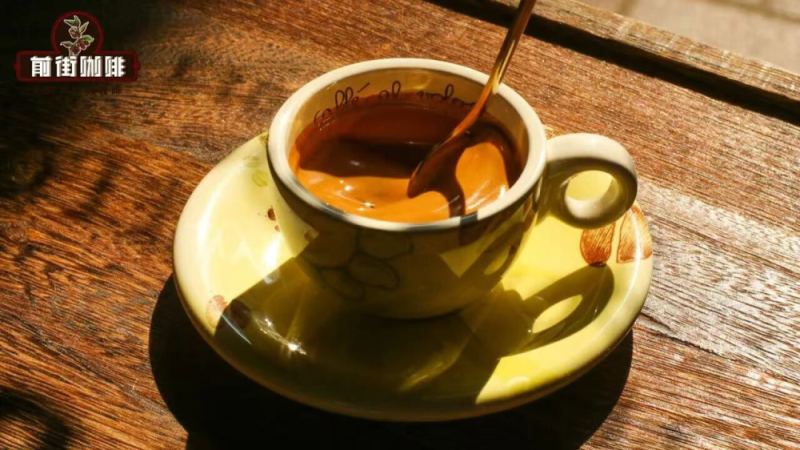
When it comes to choosing coffee beans, espresso machines are far more demanding than other brewing methods—a slight mismatch among grind size, water temperature, and pressure can ruin a shot of espresso. This article begins with a list of espresso beans suitable for beginners, introducing one by one the origins, processing methods, and flavor characteristics of five beans: Front Street Specialty Blend, Classic Blend, Strawberry Candy Espresso, Huakui SOE, and Queen's Estate. It then further explains the logic behind setting core parameters such as dose, yield, and extraction time, and finally provides a complete operating procedure using 20g of coffee to extract 40g of liquid as an example. Whether you are new to espresso machines or looking to optimize your output, you will find practical references here.
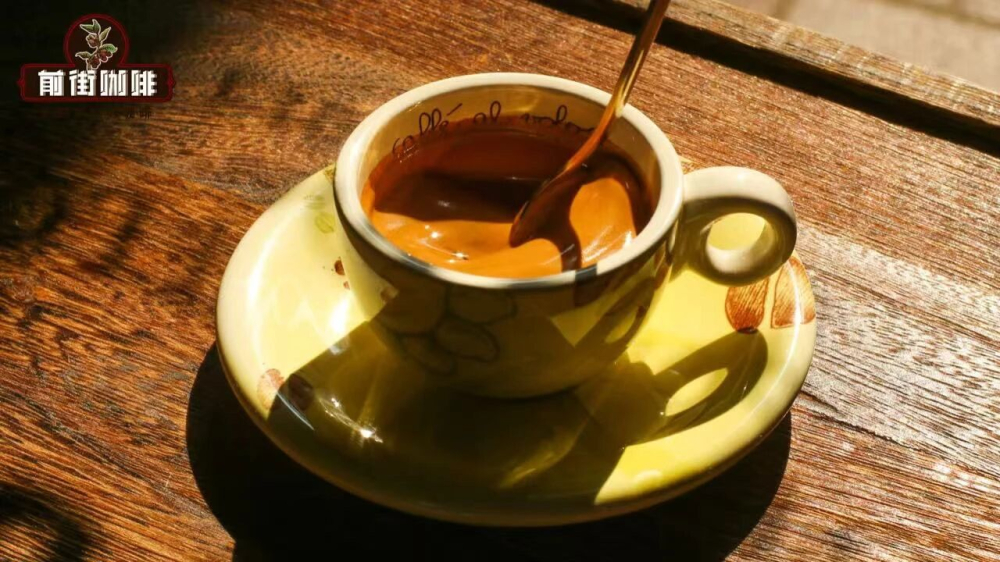
In terms of bean selection, espresso machines are much more particular than methods like pour-over and French press. To fully bring out the flavor compounds in a short time, we need to grind the beans very fine, then combine high temperature and high pressure to complete the extraction. The resulting espresso is naturally rich and intense, but a single misstep can also make the entire cup undrinkable. To improve the success rate of espresso output, medium-dark roasted beans are a good direction to consider; if you don't want the bitterness to be too prominent, you can prioritize medium roast. Below, Front Street has compiled several espresso beans that are friendly to beginners:
1. "Front Street Specialty Blend Coffee Beans" 75 yuan/454g: A combination of Colombian washed beans and Brazilian semi-washed beans, presenting notes of nuts, dark chocolate, and caramel.
2. "Front Street Classic Blend Coffee Beans" 58 yuan/227g: Brazilian semi-washed beans paired with Indonesian Mandheling and Vietnamese beans, with abundant crema and a rich, solid mouthfeel;
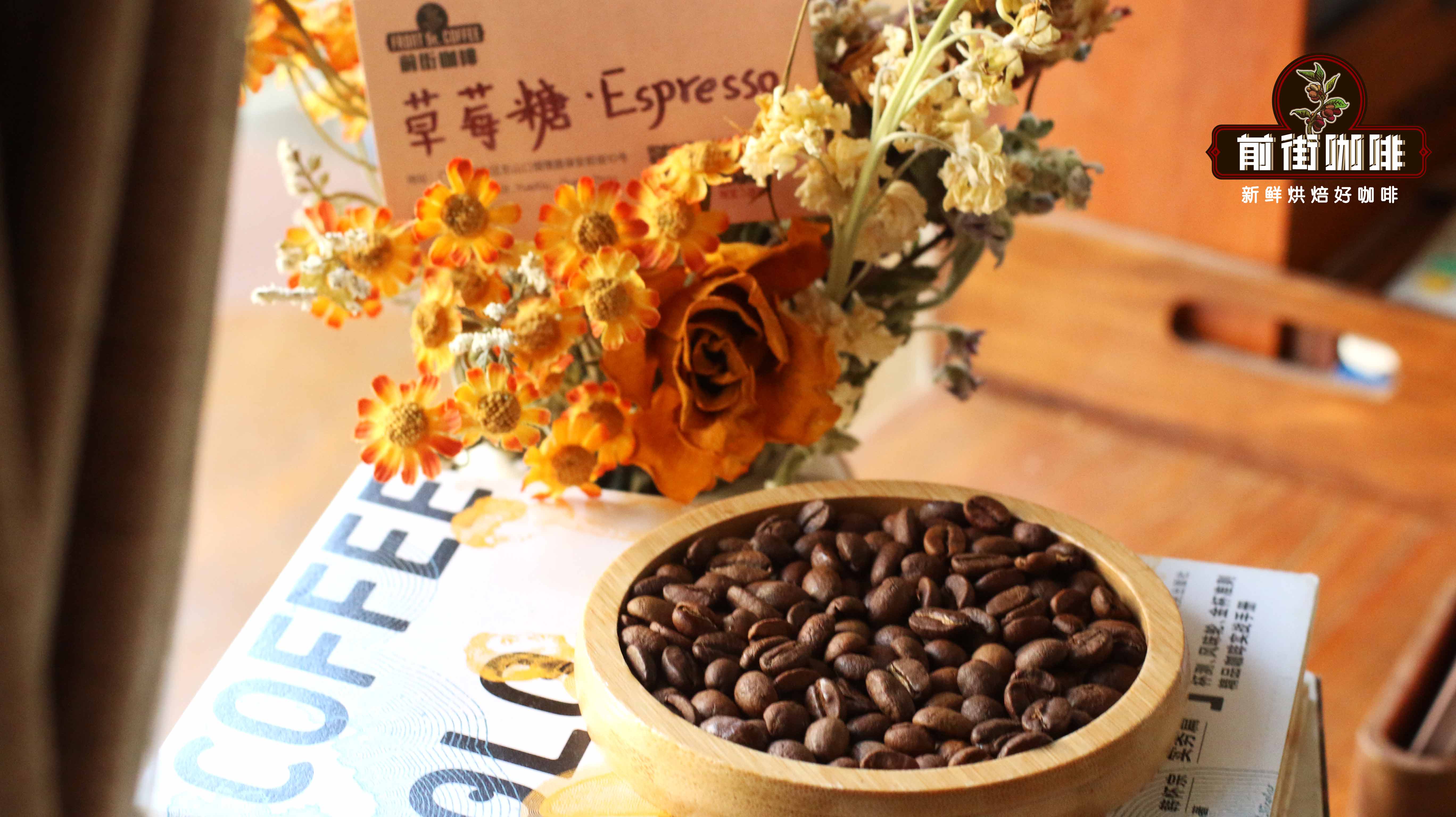
3. "Front Street Strawberry Candy Espresso" 85 yuan/227g: A blend of beans from Costa Rica, Panama, and Ethiopia, with aromas of rose, strawberry candy, and glucose, bright fruity sweetness and acidity, and an appealing entry.
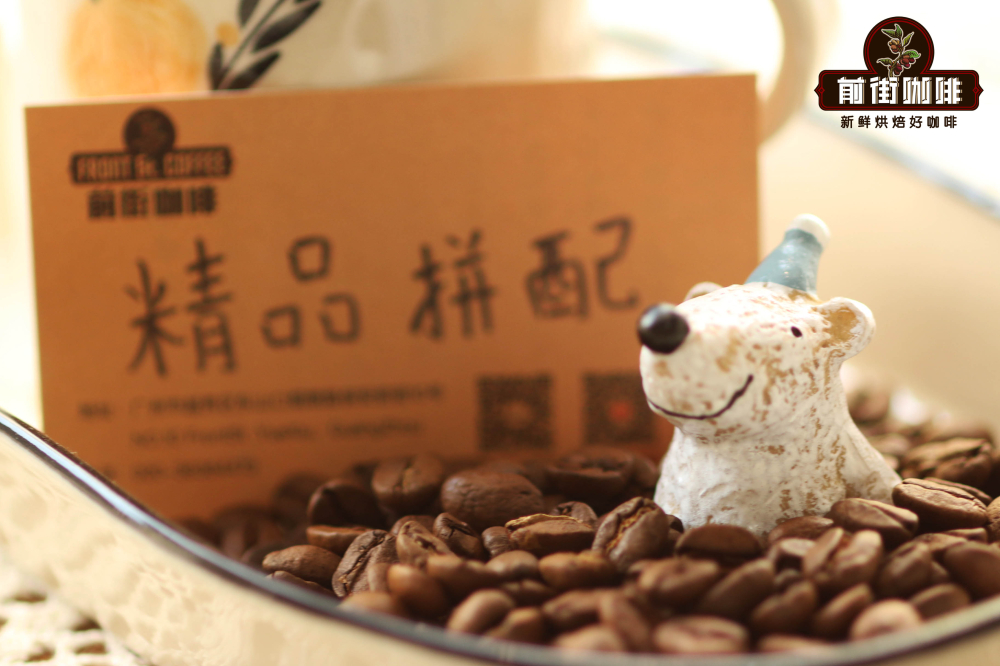
4. "Front Street Huakui SOE Coffee Beans" 65 yuan/227g
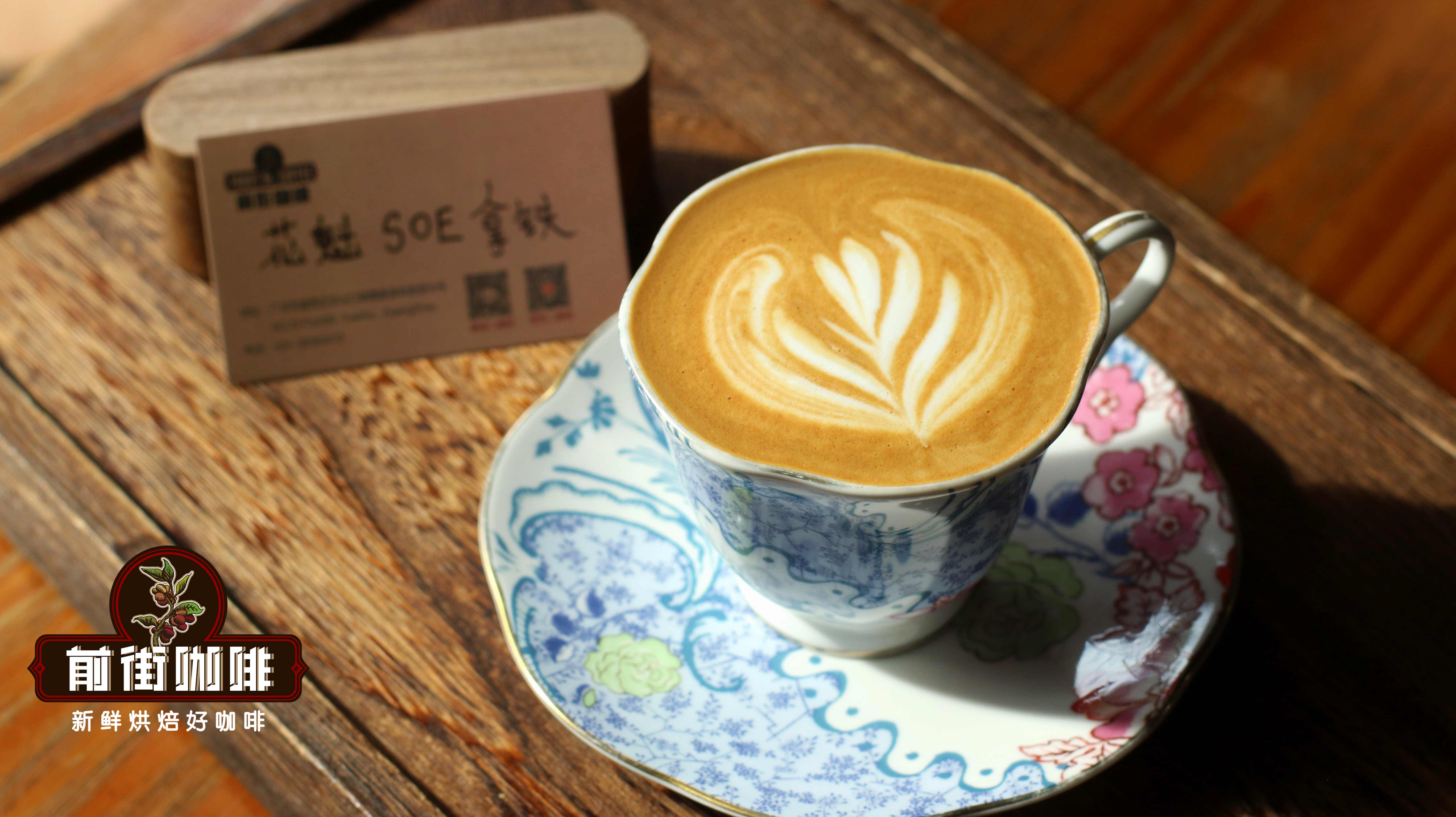
S.O.E refers to espresso made with single-origin coffee beans, which differs from our past fixed impression of espresso. Front Street Huakui SOE uses Ethiopian Sidamo Huakui. To match the extraction characteristics of the espresso machine, Front Street processes it with a medium roast, aiming to amplify the bean's floral and fruity aromas while keeping the espresso balanced.
When a barista adds drinking water in proportion, you get a cup of SOE Huakui Americano, with a refreshing sweet-and-sour entry; to make an SOE Huakui Latte, simply add an appropriate amount of fresh milk to the Huakui espresso, with a clear sweet aroma and a long finish.
5. "Front Street Queen's Estate Coffee Beans" 85 yuan/227g
Brazilian beans are characterized by low acidity, rich crema, and high body. They are suitable for medium roast and are often used as the base for espresso blends. Front Street Brazil Queen's Estate comes from a high-altitude growing region in the Mogiana area of Brazil, planted with the relatively rare local Yellow Bourbon variety. Normally, ripe coffee cherries are red, while Yellow Bourbon is a variant of Bourbon discovered in Brazil. Affected by a recessive gene, the cherries appear yellow. Yellow Bourbon beans are naturally sweet and clean. Using natural processing slightly recedes the acidity, giving better balance and tropical fruit aromas. Front Street presents it with a medium-dark roast, making cream, nut, and chocolate notes more prominent.
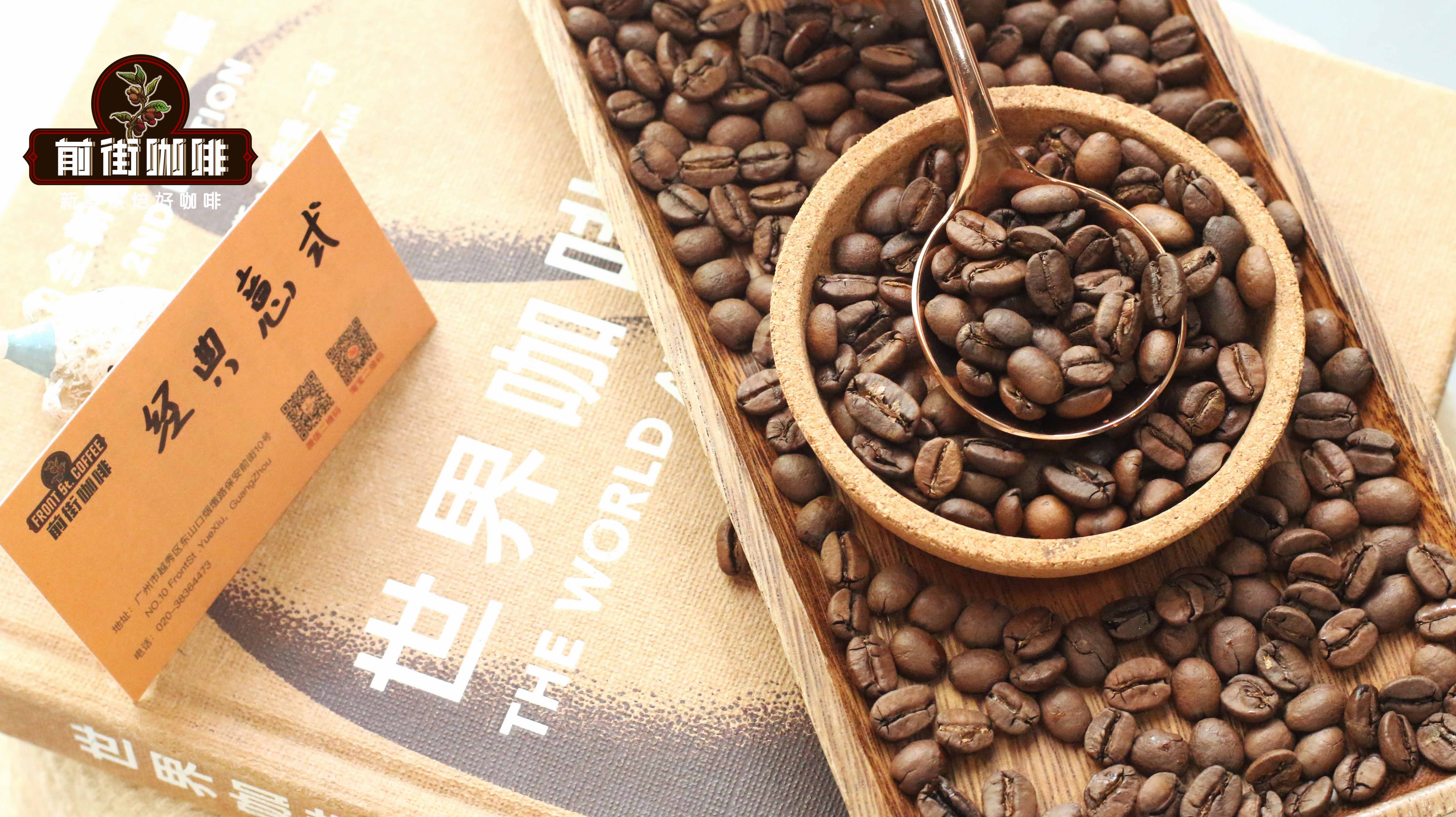
Overall, there is a reference standard for espresso extraction. Depending on the portafilter basket specification, the weight of coffee grounds usually falls between 18 and 22 grams. Be sure to confirm that the dose matches your setting, because slight deviations will bring noticeable differences. The most common ratio is twice the dose, meaning 18g of coffee should ideally extract 36g of espresso liquid. Once it exceeds this range, the coffee is prone to over-extracted flavors.
Of course, this standard can also be flexibly adjusted according to needs. For example, the espresso served at Front Street stores uses 20g of coffee to extract 36g of coffee liquid, aiming to make the subsequent Americanos and Lattes more aromatic and rich, with fuller flavor layers. It should be noted that the liquid weight is best controlled between 1 and 3 times the dry coffee weight, with 2 times being the most commonly used.
Extraction time is counted from pressing the button to the end of extraction, generally falling within the 25 to 35 second range. If the actual time is significantly longer or shorter than expected, the main reason is often the grind size. At this point, you can make slight adjustments according to your needs and gradually optimize the extraction parameters.
Generally speaking, extraction with a faster flow rate makes acidity more prominent and reduces sweetness; extraction with a slower flow rate tends to bring bitter, dull flavors.
The most direct way to judge whether an espresso is ready to serve is to taste it. Taste is an effective way to evaluate espresso quality, but judging by taste alone is ultimately subjective. Therefore, some far-sighted baristas and roasters use a refractometer to measure the total dissolved solids (TDS) in espresso. Through TDS data, they can calculate accurate concentration and extraction yield, and match preferred brewing parameters with specific numbers. After measuring TDS, the following formula can also be used to calculate extraction yield:
(%TDS x brewed coffee weight) / coffee grounds weight = extraction percentage
Many coffee enthusiasts who come to Front Street admire the baristas operating the espresso machine in front of the bar, curious about how they handle this seemingly complex equipment. In fact, what baristas master is nothing more than the detailed steps of making espresso. As for how the machine operates internally, most baristas may not necessarily know either. So today, Front Street will explain the complete process of making espresso. Taking the regular operation of Front Street Coffee as an example:
Step 1: Wipe the portafilter basket and confirm that the inside of the basket is dry and free of residual moisture
Step 2: Weigh the coffee grounds, using an electronic scale to measure the required dose, with the error controlled within plus or minus 0.1 grams
Step 3: Distribute the grounds
Step 4: Tamp
Step 5: Lock in the portafilter
Step 6: Press the button to extract
Step 7: Remove the portafilter and clean the group head.
Front Street espresso extraction recipe recommendation: dose 20g, extracted coffee liquid 40g, time 30 seconds
At this point, a shot of espresso is complete.
If you want to make other coffee drinks, it is essentially just adding water, sugar, or milk to espresso. Taking Americano as an example, Front Street prepares a 200ml coffee cup, first pours in 160ml of warm hot water, then pours in the espresso, and a hot Americano is complete.
The above content is compiled by CoffeeHunters, a coffee news website.


