







In recent years, the specialty coffee scene has seen a surge in popularity for SOE espresso, and many coffee enthusiasts have come to Front Street Coffee asking whether SOE is available. Front Street's current espresso blend is a combination of Natural Red Cherry and Honduras Sherry, and no SOE product has been launched yet. So what exactly is SOE? What is the essential difference between it and traditional espresso blends? Does simply pulling a shot of espresso with a single-origin pour-over bean count as SOE? Which coffee beans are truly suitable for making SOE? In this article, Front Street will explore these core questions in detail and share the specific extraction parameters and flavor profiles of SOE made from beans such as Yirgacheffe and Honduras Sherry, while also discussing the characteristics of Brazil and Mandheling coffees.
For more specialty coffee knowledge, please follow: Front Street Coffee ( Frontsteet Coffee )
More and more specialty coffee shops are beginning to offer SOE espresso, and quite a few customers have come to Front Street Coffee asking whether SOE is available. The espresso beans currently used at Front Street's shop are an espresso blend of Front Street Natural Red Cherry and Front Street Honduras Sherry, and there is no SOE option for now. So, since both are espresso, why distinguish between blends and SOE? In this article, Front Street will talk about all things SOE espresso.
What is SOE? SOE stands for Single Origin Espresso. Although it is called single origin espresso, that does not mean it is automatically equivalent to specialty coffee. If you choose a single-origin coffee bean with high flavor distinctiveness to make SOE, it can present an espresso with a striking personality and typical characteristics.
For example, the citrus notes of Front Street Yirgacheffe and the berry flavors of Front Street Kenya—under the high-pressure extraction of an espresso machine, the coffee's flavors are further amplified, so the flavor performance is often more intense than pour-over. However, although SOE is eye-catching, because it comes from only a single origin, its flaws are also easily magnified at the same time. Factors such as roast level and grind size will all affect the final flavor. This is also the reason Front Street Coffee's shop does not do SOE—Front Street hopes every customer who visits can drink espresso beverages with stable flavor and distinctive character. Speaking of the rise of this trend, Chen Chih-Huang, champion of the 2013 Nordic Cup Coffee Roasting Competition and founder of Fika Fika Cafe, believes that the trajectory of coffee development is quite similar to that of whiskey: at first people only recognized brands and drank blended whiskey, and only in the past decade have single malts from different regions gradually gained popularity—and SOE follows the same logic.
Is SOE the same as making espresso with pour-over single-origin beans? Conceptually, making espresso from pour-over single-origin coffee beans is indeed SOE—"single origin espresso." But in actual practice, it is far from as simple as imagined. Compared with blended beans, espresso made from single-origin coffee beans more easily delivers clear flavors or regional characteristics. Because blended beans combine multiple coffees, their greatest advantage lies in balance and stability, but precisely because the combination is complex, regional flavors are instead hard to identify.
Therefore, compared with traditional espresso blends, SOE should be an espresso that places greater emphasis on standout flavors. This characteristic also determines that when selecting beans for SOE, one should try to choose coffee beans with high and intense flavor distinctiveness. If you choose beans with relatively weak flavor intensity to make SOE, the extracted espresso will appear flat and powerless. Just imagine: an SOE that has neither distinctive features nor the balance and stability of a blend—wouldn't that be a losing proposition?
Second, the roast level should be neither too dark nor too light. A darker roast greatly wears away regional flavors, while a lighter roast causes the espresso machine, under high pressure, to amplify the acidity brought by light roasting, easily making the espresso so sharply acidic that it is hard to drink. At the same time, a lighter roast also makes the coffee beans harder in texture, making under-extraction more likely. Wearing away regional flavors or being sharply acidic and imbalanced both go against the original intention of highlighting single-origin flavors. So for the same bean, making SOE and serving pour-over coffee should reasonably adopt two different roasting curves.
What coffee beans are suitable for making SOE?
Fresh, sweet flavor profile: Front Street Coffee recommends using Front Street Yirgacheffe Natural Red Cherry. This coffee comes from the Aletaland estate in Yirgacheffe, at an altitude of 1,700–2,200 meters, and is processed using the all-red-cherry natural method, possessing very rich fruit sweetness and floral aromas.
Grind size: Fiorenzato 900N #1.7 Dose: 20g Yield: 40ml Extraction time: 27 seconds Flavor description: citrus, berries, fermented aroma, syrupy, medium bitterness, medium-high acidity, bright and lively acidity.
Rich boozy aroma flavor profile: Front Street recommends using Front Street Honduras Sherry Barrel. This coffee comes from the Moca estate in Honduras, at an altitude of 1,500–1,700 meters, and is processed using a refined washed Sherry-barrel fermentation, with a very rich boozy fermentation aroma and dark chocolate creamy flavors.
Grind size: Fiorenzato 900N #1.8 Dose: 20g Yield: 40ml Extraction time: 29 seconds Flavor description: whiskey aroma, soft and relatively high fruit acidity, smooth mouthfeel, creamy and syrupy, cocoa.
What should be noted when making SOE?
Front Street has found that many people think SOE is simply applying single-origin beans directly to espresso machine extraction, thereby making a single-origin espresso series. It is only after taking all kinds of floral and fruity beans home and trying them on an espresso machine that they realize something is off. First comes the scene of spluttering and spraying like this, then they are startled by the incredibly sour espresso and dare not take a second sip, and then they begin to suspect whether their equipment is too poor or whether they made a mistake somewhere in the process.
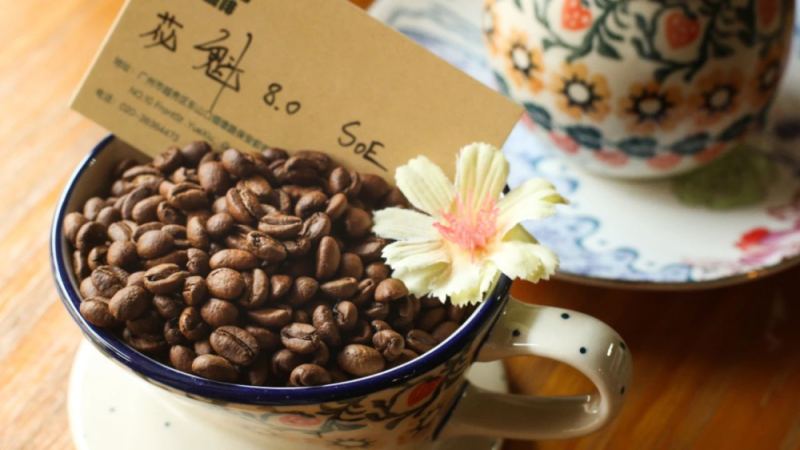
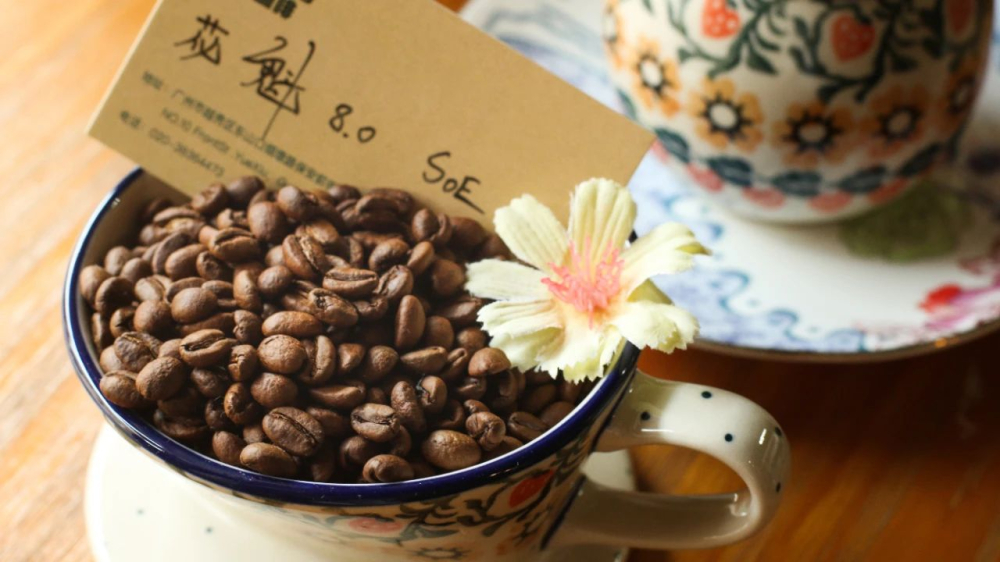
In fact, the reason you cannot make the same SOE at home as in the shop is very likely not your equipment or technique, but rather that the roast level of this coffee bean is simply not very suitable for making espresso. Based on the experience of Front Street Coffee's baristas, choosing a coffee bean suitable for SOE extraction not only makes it easy to produce a delicious espresso, but when water or milk is added to make an Americano or latte, the results will be twice as good with half the effort. On Front Street's bean list, two single-origin coffees are offered in SOE versions: one is the strawberry-scented Front Street Flower Queen, and the other is the classic Yirgacheffe-flavored Front Street Konga. We simply need to check the espresso roast option when placing an order.
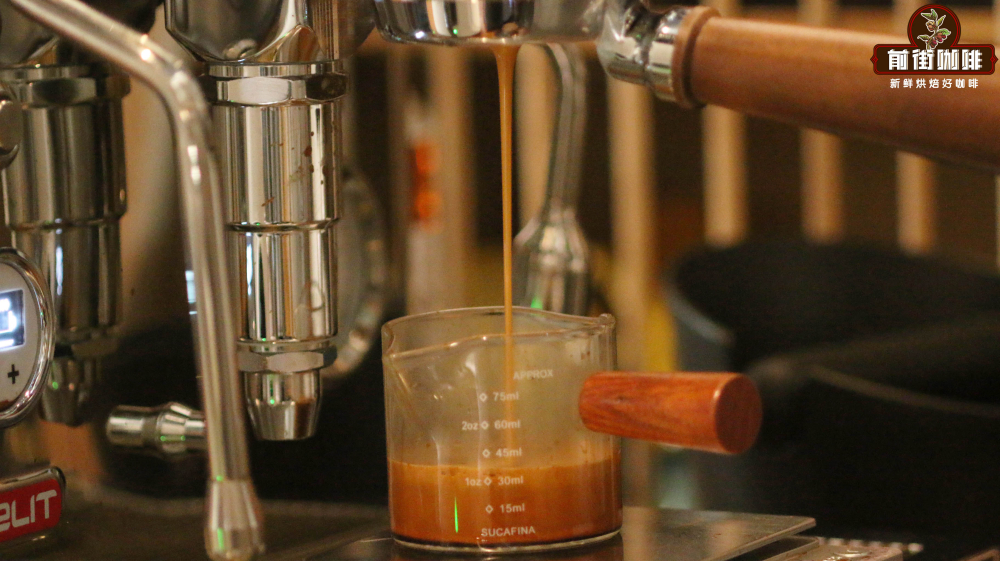
Front Street's shop espresso machine is the commercial single-group "Lelit Bianca," which can adjust extraction by changing pressure, with a maximum pressure of 11 bar. A home espresso machine only needs to reach 9 bar of pressure to satisfy the functions of extraction and milk frothing, paired with an espresso grinder.
Sharing the extraction parameters of SOE coffee
Coffee beans: Front Street Ethiopia · Natural Konga
Coffee dose: 20g
Coffee yield: 40g
Dose-to-yield ratio: 1:2
Extraction time: 26–33 seconds
Grind setting: Galileo 2.0
Front Street uses the capacity of a double basket, with a dose of about 18–20 grams, and Front Street uses 20 grams of coffee powder when serving.
Usually the ratio of coffee powder to coffee liquid is between 1:1.5 and 1:2.5. Front Street's extraction ratio is 1:2, that is, 20 grams of coffee powder extracting 40 grams of coffee liquid. Time is related to the flow rate of the coffee powder; generally a single extraction is controlled within 20–35 seconds, because within 20 seconds the coffee usually tastes thin, while exceeding 35 seconds easily leads to over-extraction and a burnt bitter taste. Front Street's espresso mostly falls within the range of 28–30 seconds.
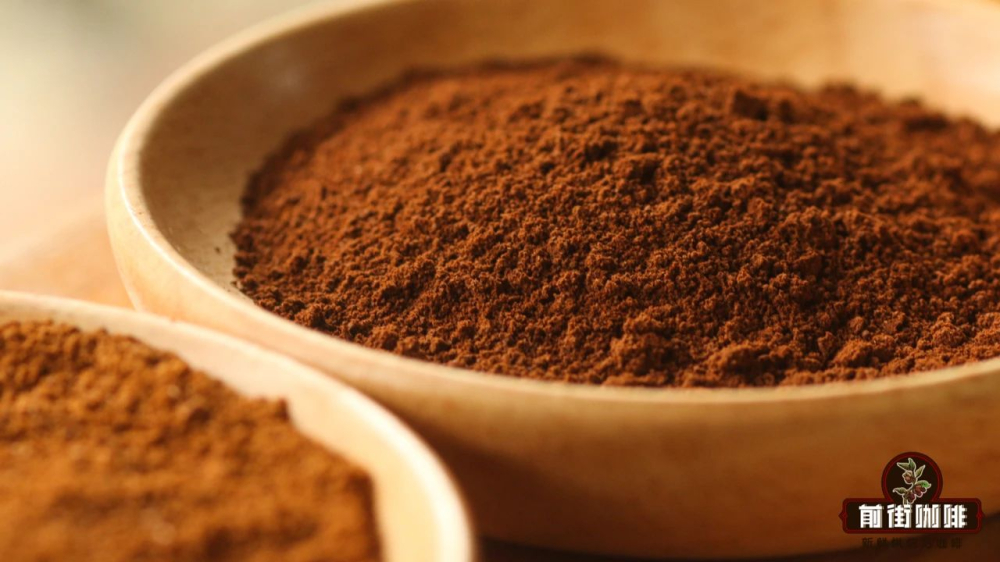
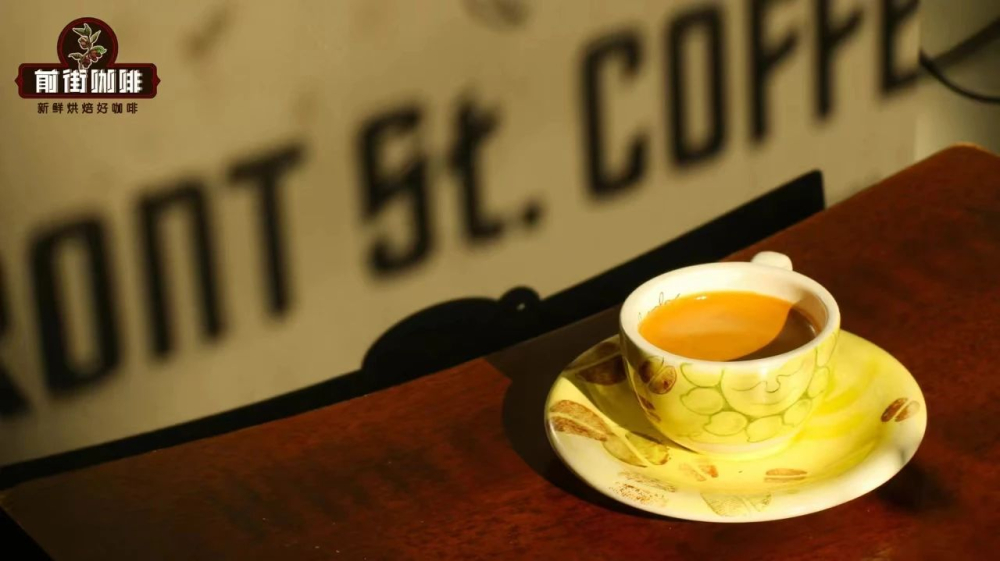
Front Street first wipes the basket dry, turns on the grinder, grinds out the amount for a double shot of coffee powder, places it on an electronic scale to adjust up or down until it reaches 20 grams. Then use a tool to distribute the grounds evenly, tamp the coffee puck firmly to ensure more stable extraction. Then turn on the extraction switch to release water, wetting the brew head while washing away the coffee grounds stuck on it, gently lock the portafilter onto the brew head, and begin the extraction. When the electronic scale shows 40 grams of coffee liquid extracted, with a time of about 28–33 seconds, the extraction switch can be pulled down, and a cup of SOE espresso is ready . We can add a suitable proportion of ice water or 80°C hot water according to our preference to make a cup of Yirgacheffe SOE Americano.
When making an SOE hot latte, Front Street uses a 1:6 ratio: add 40 grams of espresso liquid to a preheated coffee cup, then use the espresso machine's steam to froth 240g of milk, with the milk temperature best controlled between 50–65°C, so that it forms a dense milk foam with moderate thickness, then blend it evenly with the coffee liquid. The Yirgacheffe SOE latte made this way tastes like eating a lemon-flavored cookie at the first sip, with a rich, fragrant, and smooth mouthfeel, and after drinking it the whole body instantly feels warm.
The above content is compiled by CoffeeHunters, a coffee news website.


