







Which Coffee Bean Origin Regions Are Worth Knowing?
Ten origins stand out for flavor distinctiveness rather than volume or price: Ethiopia, Kenya, Colombia, Panama, Indonesia and Hawaii among them. Ethiopia is the birthplace of Arabica, where wild coffee cherries are still harvested and native varieties grow above 1,500 meters. Kenya is known for SL28, Panama for Geisha, Indonesia for Mandheling, Hawaii for Kona.
The list is not ranked by production, which is a different measure entirely. Ethiopia produces roughly 396,000 tons a year, yet most Central and South American coffees are introduced varieties, while Ethiopia still holds a wide pool of indigenous wild types. That genetic range is why Ethiopian lots show floral and fruit character that is hard to replicate elsewhere.
The coffee world has never lacked rankings, but if we measure by flavor distinctiveness and specialty attributes, the world's top ten coffee-producing countries are particularly worth savoring. This article sorts through ten representative origins—from the birthplace in Africa to rising stars in Central America, and on to Asian classics and Pacific islands—introducing each one's cultivation history, terroir characteristics, and flavor tendencies. Ethiopia's native varieties, Kenya's SL28, Colombia's diversity, Panama's Geisha, along with Indonesia's Mandheling and Hawaii's Kona, all occupy a place on this list. The article also retains representative coffee recommendations related to Front Street, making it easy for coffee lovers to follow the guide and find their own cup.
Every industry loves making all kinds of TOP lists, such as the world's top ten symphony orchestras, the world's top ten wonders, and the top hundred universities. In the coffee world, someone has likewise compiled a "Global Top Ten Coffee Beans" list. It's unclear what criteria were used for the selection, but one thing is certain: it's neither sorted by production volume nor by price. Below is a compilation and rewrite of some online materials, shared with fellow enthusiasts—
Number One: Ethiopia / The Birthplace of Coffee
Annual Production: 396,000 tons
Global Top Ten Coffee Bean Brands 01. Ethiopia
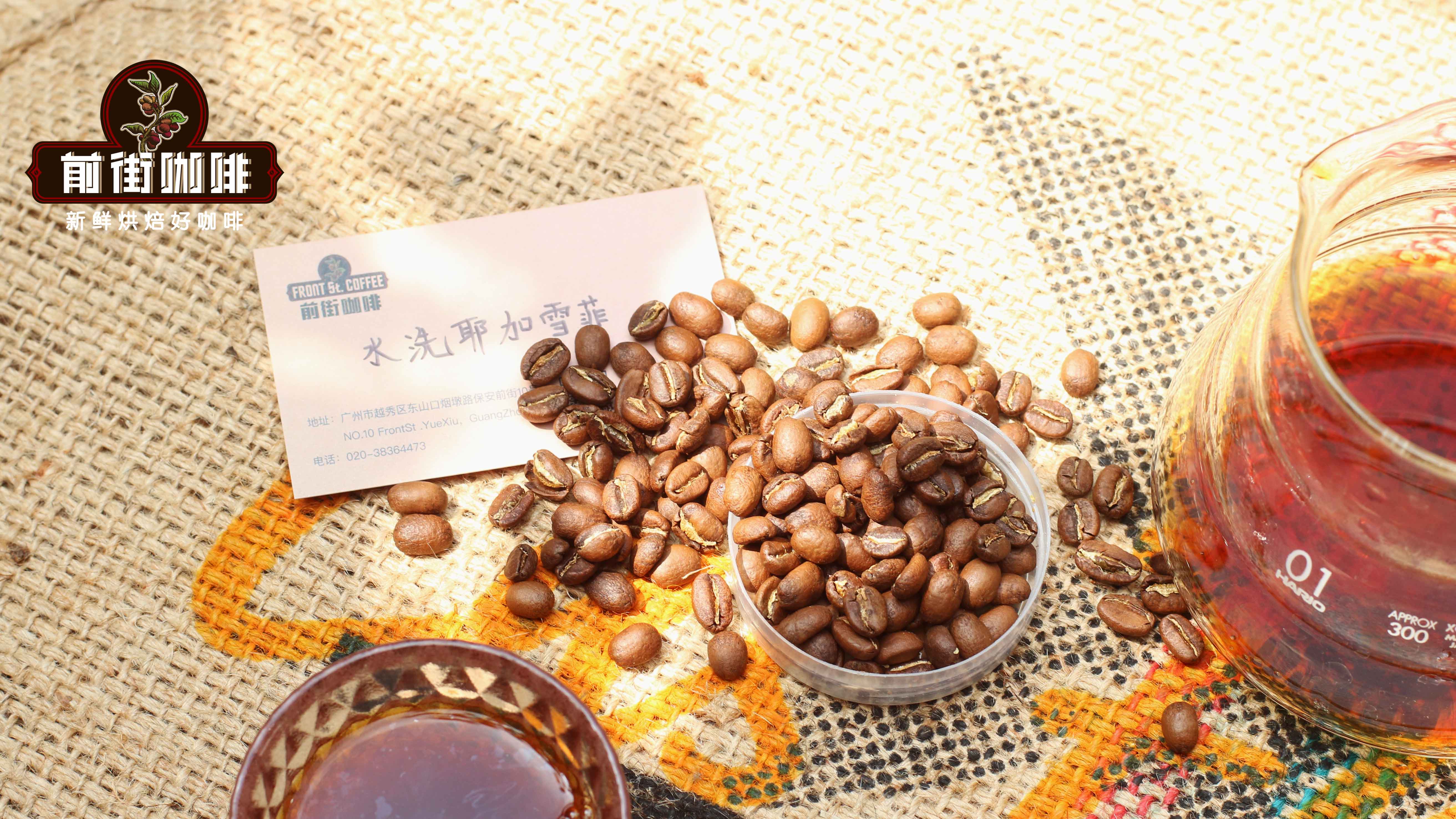
"A cup of Front Street washed Yirgacheffe, with its elegant floral aroma and sweet fruity charm, has almost no rival; while Front Street Sidamo natural process is full of sweetness and broad in structure—both are among the most exemplary top-tier Ethiopian coffees."
Ethiopia is the renowned birthplace of Arabica coffee beans, and the local practice of harvesting wild coffee cherries still persists to this day. Coffee farms at elevations above 1,500 meters, through thousands of years of succession and adaptation, have cultivated a uniquely distinctive coffee terroir. Ethiopian coffee grown in its natural wild state is called "coffee of the wilderness," preserving the bean's most original and authentic flavors, and offering the most direct and complete expression of terroir.
One more thing worth noting: most coffees in Central and South America are introduced varieties, while Ethiopia's coffee is a precious native species, and it's said that a large number of indigenous wild varieties are still waiting to be discovered. Among Ethiopia's nine major coffee regions, Sidamo and Yirgacheffe stand out most prominently. Yirgacheffe was originally a sub-region under Sidamo, but was separated out due to its unique flavor. Its rich and layered fruity notes made it an overnight international sensation, becoming a sought-after target for connoisseurs, with prices climbing steadily.
Representative coffees: Front Street Sidamo Natural Florqueen, Front Street Yirgacheffe Washed Gedingding, etc.
Number Two: Kenya / A Coffee Experience You'll Never Forget
Annual Production: 45,000 tons
Global Top Ten Coffee Bean Brands 02. Kenya
"If I could only choose one coffee to drink for the rest of my life, I would choose Kenya."
Kenya's coffee history isn't particularly long—Arabica varieties were first introduced in the early twentieth century, followed by the local cultivation of Bourbon varieties from Brazil. During the British colonial period, a relatively comprehensive cultivation management system was established for Kenya's coffee industry. The lower temperatures in high-altitude mountain areas extend the coffee cherry's ripening period, allowing for a more thorough accumulation of complex aromas. Bold acidity and a heavy, fruit-laden flavor—such as blackcurrant and grapefruit—together shape the rugged yet mature character of Front Street Kenya coffee.
Kenya also places great emphasis on variety selection and breeding. SL28, discovered through research by a professional team, is a direct descendant of Bourbon coffee and represents the finest expression of Kenyan coffee quality and flavor.
Representative coffee: Front Street Kenya Little Tomato.
Number Three: Colombia / Discovering the Joy of Diversity
Annual Production: 660,000 tons
Global Top Ten Coffee Bean Brands 03. Colombia
"Many small Colombian coffee farmers independently handle growing, harvesting, and processing, giving rise to a batch of single-origin coffees that are truly eye-catching. Their quality reflects both the dedication of the coffee farmers and the uniqueness of their terroir."
Colombian coffee's most prominent characteristic is its stylistic diversity. If compared to wine, it resembles the Champagne region where large houses and small growers coexist—there are both standardized, consistent offerings and finely nuanced, small-lot stars. Overall, Colombian coffee is clean in style with full fruity notes. Local coffee producers are quite professional in their techniques, allowing the quality of the beans to be maximized.
Representative coffees: Front Street Colombia Chiroso, Front Street Colombia Washed Huila, etc.
Number Four: Guatemala / A Delightfully Surprising Rising Star
Annual Production: 186,000 tons
Global Top Ten Cof fee Bean Brands 04. Guatemala Injeto Estate Sun-Drying Beds
"This small Central American country's coffee has been quite eye-catching in recent years: balanced, sweet, gentle, and full of aroma. Tasting it feels like a journey toward its roots (Maya culture)."
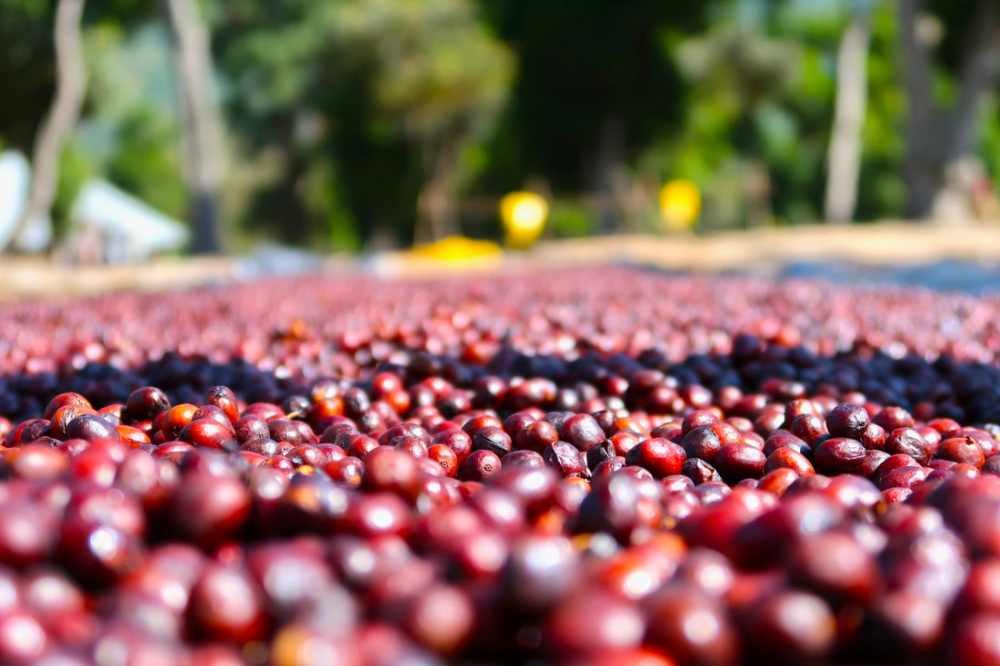
Guatemalan coffee, with its distinctive style, has in recent years joined the ranks of the world's important coffee regions. In the shaded volcanic zones, coffee beans develop complex aromatic layers and a full body, evoking the local ancient Maya culture—deep, vast, and mysterious.
Representative coffee: Front Street Guatemala Antigua Flower God, etc.
Number Five: Costa Rica / Good Land and Water Make Good Coffee
Annual Production: 84,000 tons
Global Top Ten Coffee Beans 05. Costa Rica
"My fondness for Costa Rica comes from the warm people, the beautiful scenery, and of course, the stunning coffee."
Costa Rican coffee is primarily Arabica, mostly washed process (Coffee Shop note: beyond washed, the honey process developed in recent years has drawn even more market attention), with a bright style, mild acidity, and excellent sweetness. The Costa Rican Coffee Association centrally manages the nation's coffee affairs and has a dedicated research institution continuously exploring and improving local coffee quality.
Representative coffees: Front Street Costa Rica Mozart, Front Street Costa Rica Strawberry Candy Geisha Blend, etc.
Number Six: Honduras / A Pride in Turbulent Times
Annual Production: 252,000 tons
Global Top Ten Coffee Beans 06. Honduras
"An outstanding Central American origin, with two major brands occupying opposite sides of the mountain range, each with a completely different style."
The turbulent situation may make Honduras seem like an obscure coffee origin, but it is actually one of Central America's main coffee exporters, ranking second in export volume after Guatemala.
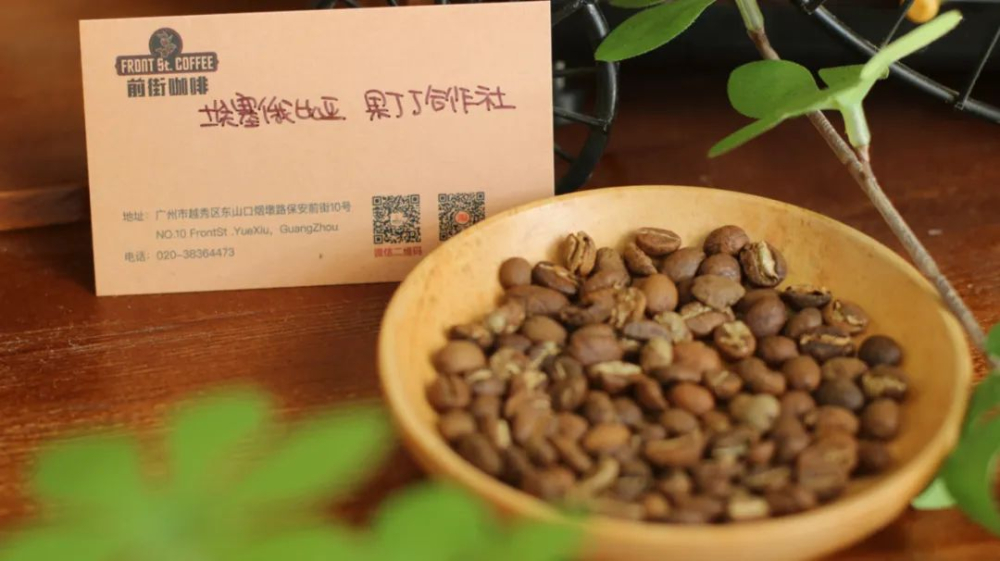
Representative coffee: Front Street Honduras Washed Caturra
Number Seven: Indonesia / An Asian Origin Striving for Perfection
Annual Production: 702,000 tons
Global Top Ten Coffee Beans 07. Indonesia
"Coffee producers on Java and Bali focus on cultivating and processing specific varieties, pursuing perfection in their craft."
In Indonesia, aside from the controversial civet coffee, Sumatra's Front Street Mandheling is rich and full-bodied, while Java coffee is mellow and smooth—both are well-known classics of Indonesian coffee (Coffee Shop note: in recent years, coffee beans from another Indonesian island—Sulawesi—have also impressed with their clean and balanced taste). Indonesia is an origin where cheap coffee and specialty coffee coexist. Mass-produced coffee drags down the overall impression of local coffee, but in reality, Indonesian specialty coffee has long enjoyed a stellar reputation in the international market.
Representative coffees: Front Street Indonesia Sumatra Lintong Mandheling, Front Street PWN Golden Mandheling, etc.
Number Eight: Rwanda / A Rapidly Rising Star
Annual Production: 14,760 tons
Global Top Ten Coffee Beans 08. Rwanda
"We have never seen an origin develop so rapidly. In eight years, it went from a non-coffee-producing country to a star origin capable of hosting international coffee competitions. This unprecedented pace of growth is happening right before our eyes."
Representative coffee: Front Street Rwanda Red Bourbon
Number Nine: Panama / A Hidden Treasure
Annual Production: 6,000 tons
Global Top Ten Coffee Beans 09. Panama Geisha Tree
"Panama's Geisha variety never gets old. It originated in Ethiopia but thrives in Panama. Panama Geisha has won numerous awards in international competitions. Although historically underestimated, the excellent work of some small coffee farmers has propelled Panama onto the stage of the world's top origins."
Representative coffees: Front Street Panama Hacienda La Esmeralda Red Label Geisha, Front Street Panama Hacienda La Esmeralda Green Label Geisha, Front Street Butterfly, etc.
Number Ten: Hawaii, USA / America's Coffee Island
Global Top Ten Coffee Beans 10. Hawaii (Kona)
"Hawaii is the only region on U.S. territory that produces coffee. The quality is impressive, and people here can easily enjoy first-hand premium coffee."
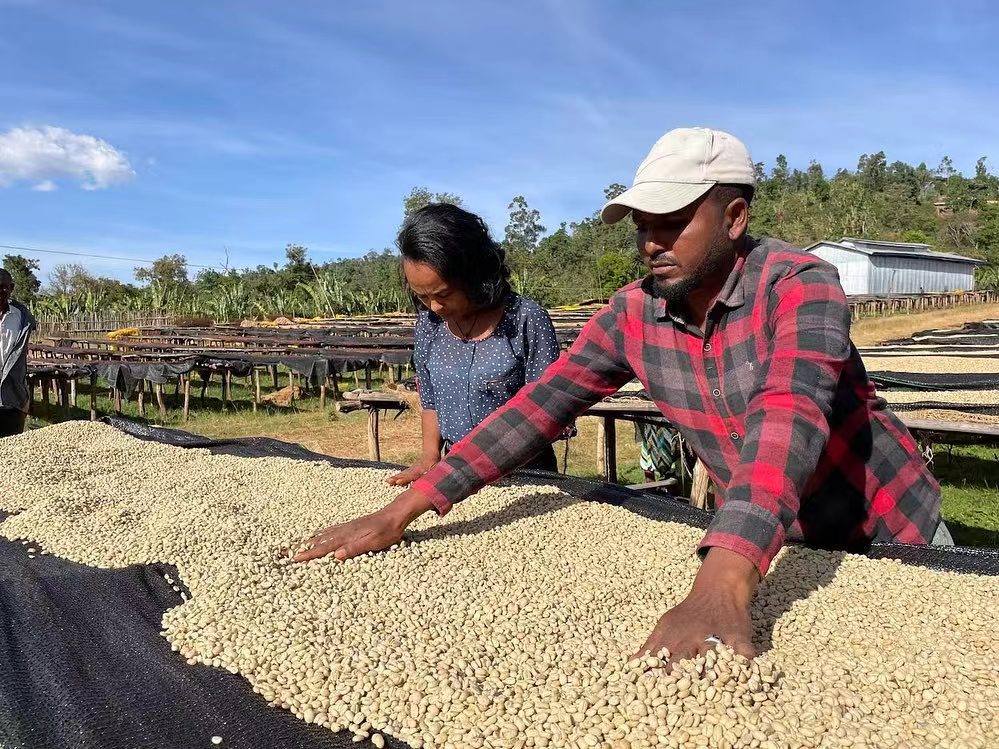
Representative coffee: Front Street Hawaii Kona Coffee
The above content is compiled by CoffeeHunters, a coffee news website.


