







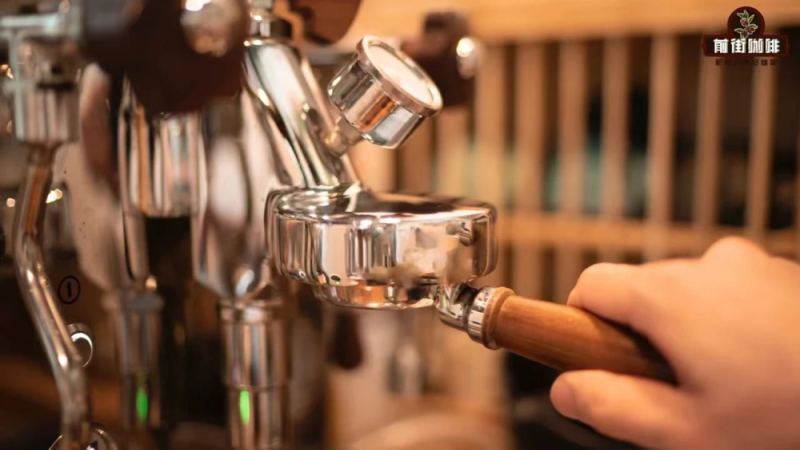

Until now, the vast majority of coffee shops still feature espresso blends as their main product. The reason blends have become the mainstream of the market is not only that they can reduce the cost of raw materials, but also that they provide stable extraction for daily output and ensure as much as possible the taste of espresso-based drinks. Simply put, coffee shops choose blends for a consistent standard of output.
What is espresso blend coffee?
In the early days when espresso first became popular, coffee shops around the world used single-origin beans, such as Mocha coffee and Brazil coffee. Because this was taken for granted, people did not emphasize or explain it much. As consumer demand for coffee continued to increase, coffee beans from major producing regions became prone to unevenness, and yield, quality, or flavor could all become unstable. To avoid the risks these factors brought to extraction, some merchants began combining coffee beans from different origins so they could compensate for one another.

At the same time, producers would also use dark roasting to eliminate those less pleasant flavors and acidity, so that even if the batch quality from an individual origin was lower, dark roasting could mask its defects, and the extracted crema would also be more abundant. Therefore, before the specialty coffee wave arrived, the raw materials used to make espresso were generally blends of coffee beans from 2 or more origins, without much emphasis on coffee origin and batch. As for the taste, it was basically fixed on bitter-toned flavors such as caramel, dark chocolate, nuts, cream, and cocoa.
Front Street hopes that every friend who comes to FrontStreet Coffee can every time drink a stable, clearly flavored espresso or milk coffee, so the espresso is made using a blend of Front Street Ethiopia natural Red Cherry and Front Street Honduras Whisky Barrel Sherry as the beans for espresso output.

FrontStreet CoffeeThe purpose of blending coffee beans:
1. Create long-term stable flavor
The same producing region in different harvest seasons, or even different batches within a year, will also produce different tastes. This is where the drawback of a single origin is exposed: you cannot confidently guarantee that next year you will still be able to drink the single-origin coffee you found delicious this year (except for coffee beans whose flavor is dominated by processing method, and other factors between the origin and the cafe can also cause the coffee beans you buy to differ in taste from before). So one purpose of blending is to create a product that can be supplied long term with long-term stable flavor. When one of the coffees cannot meet quality requirements in the new season or changes, similar coffees can be found to replace it, thereby achieving stability.

2. Create flavors that a single coffee bean cannot produce
Sometimes a single-origin coffee bean is like a person, having both strengths and weaknesses, while blending is like organizing a team, taking each one's strengths to make up for the other's weaknesses, thus achieving a complementary effect. For example, using a sweeter coffee bean blended with a more acidic coffee bean to achieve a balanced sweet-acid effect, or adding some Brazil beans to the coffee beans to improve the overall body, and so on. These are all purposes of blending.
3. Then Front Street will determine the target flavor of the blend
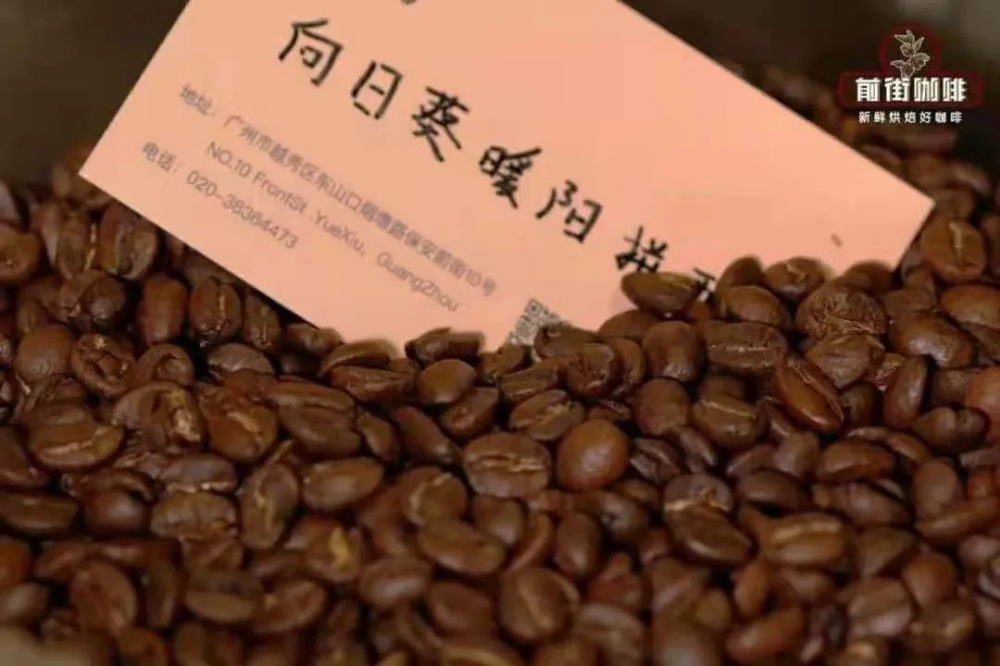
When FrontStreet Coffee first blended Front Street Warm Sun espresso blend coffee beans, we were very clear that we wanted to blend a blend with wine aroma, so we could immediately include Front Street Honduras Sherry Barrel, Front Street Honduras Lychee Orchid, and Front Street Colombia San Jose, these three barrel-fermented coffees with obvious wine-aroma flavors, in the candidate list for the blend. Through many attempts, as well as considering factors such as cost-effectiveness, we finally settled on Front Street Honduras Sherry Barrel as the main tone of Front Street Sunflower Warm Sun blend coffee beans.
4. Finally Front Street will determine the blending type
The advantage of pre-roast blending is that the same roast level can be used to make the coffee more stable and uniform. The second is that it can reduce the number of roasts, completing it in one roast and improving efficiency. At the same time, the disadvantages of pre-roast blending are also very obvious. Pre-roast blending is very limited. Generally, pre-roast blending is more recommended for several beans with relatively similar density. For example, mixing a coffee bean suitable for light roasting with a coffee bean suitable for dark roasting and roasting them together to the same roast level can easily result in a 1+1<1 situation.
The advantage of post-roast blending is that each bean can be roasted according to its optimal roast level, maximizing each bean's characteristics. But the disadvantage of post-roast blending is that daily quality control and management become more difficult. Inconsistent roast dates mean more attention must be paid to more resting periods. Just imagine using 4 to 5 coffee beans for post-roast blending; this one product requires attention to 4 to 5 roast dates. When roasting Front Street Warm Sun blend, FrontStreet Coffee uses post-roast blending, separately roasting the Front Street Honduras Sherry Barrel coffee beans and the Front Street natural Yirgacheffe Red Cherry Project, in order to maximize the wine aroma of the Front Street Sherry Barrel coffee beans, while preserving as much as possible the fruity acidity and citrus berry aroma of the other Front Street natural Yirgacheffe.
When choosing blend beans and formulating a blend recipe, FrontStreet Coffee needs to first determine the coffee characteristics it wants to present, including the expression of sweetness, acidity, and bitterness, expectations for body, coffee flavor, and whether the main output is milk coffee or Americano, or espresso. These are all things that need to be considered when choosing green beans, determining the roasting method, and determining the recipe. Not only that, before the recipe is finalized, it will also undergo multiple tests, adjustments, retesting, and readjustments......

For beginners without much coffee-making experience, if they want to make a delicious latte, using espresso blend beans is clearly more advantageous. Based on extraction experience, Front Street recommends choosing espresso blend coffee beans with higher stability. Blend products usually combine flavor profiles from different producing regions and then use medium or darker roasting, making it easier to extract rich crema (coffee beans with high crema are more suitable for milk coffee), so that our espresso has a thick and rich taste and a higher tolerance for error. Moreover, most espresso blend beans are mainly supplied for store output. Compared with single-origin beans of similar flavor, the price is relatively lower, focusing on an economical and cost-effective route.
Coffee beans: Front Street Sunflower · Warm Sun Blend
Coffee powder amount: 20g
Coffee liquid amount: 40g
Powder-to-liquid ratio: 1:2
Extraction time: 26~32 seconds
Grind setting: Galileo 2.0

The coffee machine used by Front Street has a double shot basket capacity, requiring 20 grams of coffee powder each time, and the extraction powder-to-liquid ratio is 1:2, which means producing 40 grams of coffee liquid within a reasonable time. Extraction time is related to the flow rate of the coffee powder. Generally, a single extraction time is controlled between 20~35 seconds. If it is less than 20 seconds, the coffee taste tends to be thin and weak, while if it exceeds 35 seconds, it is prone to over-extraction, causing the coffee to have a burnt bitter taste. Therefore, when Front Street produces it, the espresso time is controlled within the range of 26~32 seconds.
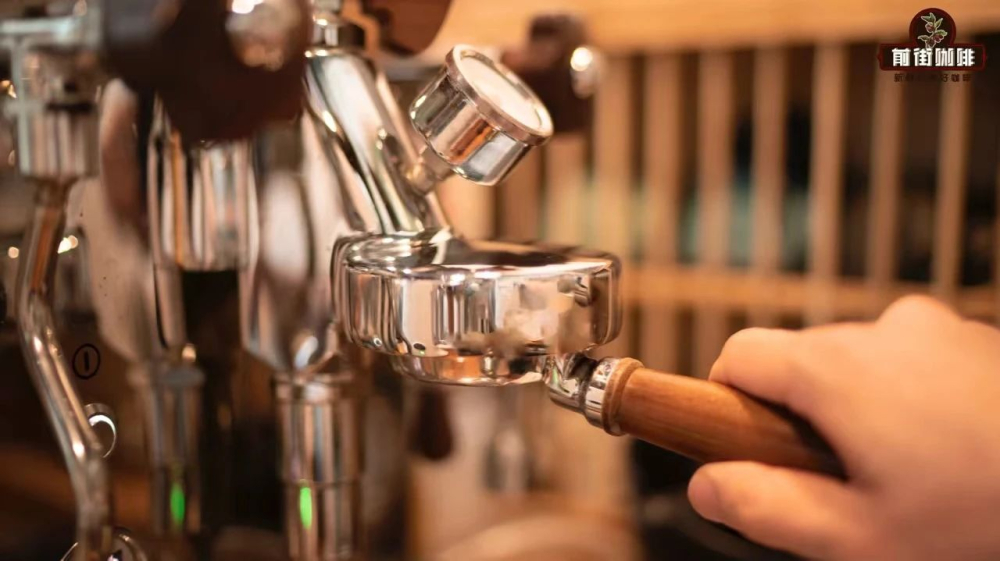
Before extraction, we need to first wipe the basket dry, turn on the grinder, grind a double shot of coffee powder, place it on an electronic scale to measure and adjust until it reaches 20 grams. Then use a distribution tool to level the coffee powder, and use a tamper to press vertically downward with force, tamping the coffee puck firmly to ensure more stable coffee extraction.
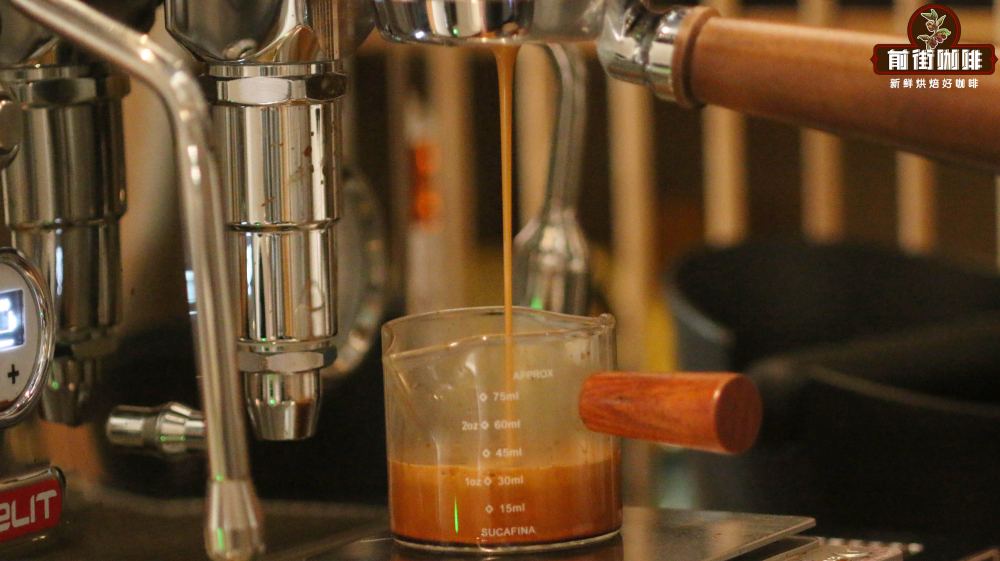
Then turn on the extraction switch and let water run for 1~2 seconds to wet the brew head, while also carrying away the coffee grounds stuck on it. Place an electronic scale under the cup that will receive the Espresso, and reset the weight to 0. During extraction, place it together under the brew head.

Gently lock the portafilter onto the brew head and start pulling down the extraction switch. Observe the changes in the extracted liquid. When the electronic scale shows 40 grams of coffee liquid extracted, at about 30 seconds, pull down the extraction switch. The brewing parameters will produce subtle changes according to the daily air humidity and the condition of the coffee beans, so it is necessary to adjust the coffee powder amount, grind setting, and extracted coffee liquid amount up or down.
The above content is compiled by CoffeeHunters, a coffee news website.


