







Yunnan small-batch coffee actually mostly refers to the Catimor variety, while the oldest Typica is the true model of quality. This article starts from the origins of the varieties, sorts out the differences between Typica and Catimor, introduces Front Street Coffee's selection approach in the Baoshan and Lincang production areas, and provides in detail the complete V60 dripper pour-over parameters for Yunnan small-batch coffee and the three-stage pouring steps, helping you grasp the coffee dose, water temperature, grind size, and time to brew a balanced flavor combining nutty, chocolate, caramel notes with soft fruit acidity.
Yunnan small-seed coffee is also called "Arabica coffee" (coffea arabica L.). In the 1950s, the main varieties planted in the Baoshan area included Typica, Bourbon, and S288. Among them, Typica is the oldest variety, with a pure and elegant flavor, but its yield per unit is low, and its disease resistance is poor, making the plants susceptible to infection and death. For this reason, Yunnan later introduced the Catimor variety, which can be planted densely and has strong disease resistance, and it gradually became the coffee variety with the largest planted area in Yunnan today. Therefore, what we usually call "Yunnan small-seed" in daily life mostly actually refers to Catimor coffee beans produced in Yunnan.
Typica is the most representative high-quality presence among Arabica varieties, and this coffee tree has quite outstanding environmental adaptability. Many varieties we are familiar with are actually its mutated descendants: Jamaica Blue Mountain is a variety of Typica under the local environment, Hawaii Kona is likewise a variety evolved from Typica in Hawaii, and Sumatra Mandheling is a variety of Typica after growing in Sumatra.
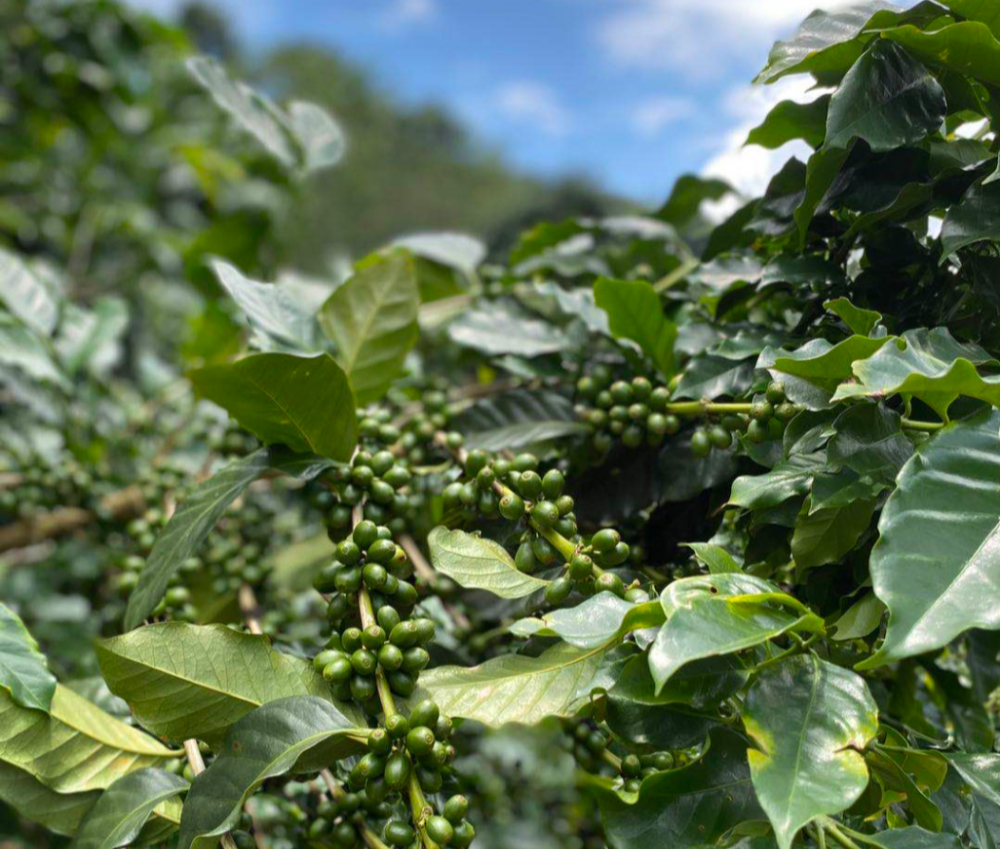
The place of origin of Typica coffee beans (Typicati) is Ethiopia and southeastern Sudan. It is one of the oldest varieties in the Arabica family and is also called old-variety small-seed coffee. The Typica tree is relatively tall, with branches distributed in a conical shape, and the mother branches have an inclination angle of about 60 degrees. The leaves usually appear dark bronze, while the terminal buds have a red-copper color, hence the name "red-top coffee." The Typica tree is relatively tall, its yield is lower than that of other varieties, and cultivation is also difficult, which means that obtaining this high-quality coffee is not easy. Despite its limited yield, its cupping score is quite high, and its flavor has rich layers of fruity variation.
In 1959, Portuguese researchers bred a plant that could resist pests and diseases, grow well in low-altitude areas, and achieve high yields. In other words, Catimor was bred from the very beginning with the goal of being a "commercial bean." Although Catimor fulfilled its commercial mission to a certain extent, its cupping quality is often criticized, and its flavor often carries defects. As a result, Catimor was long neglected, and some producers were even unwilling to mark the name Catimor on the packaging. So where exactly do Catimor's shortcomings come from?
Catimor is the descendant of a cross between Caturra and Timor. Caturra is a natural mutant of Bourbon and has an excellent reputation, often appearing in various specialty coffee competitions. For example, among Front Street Coffee's own roasted coffee beans, dozens are made with Caturra. Timor, on the other hand, is a natural hybrid of Robusta and Arabica, discovered on Timor Island in Southeast Asia in the early twentieth century. Robusta's flavor has never been popular, being mainly characterized by heavy bitterness, but it has extremely strong disease resistance, tolerates cold and heat, and has high yields. Catimor therefore inherited some of the above characteristics: a higher survival rate, better fruiting rate, and a shorter maturation cycle, naturally making it more popular among coffee farmers and producers.
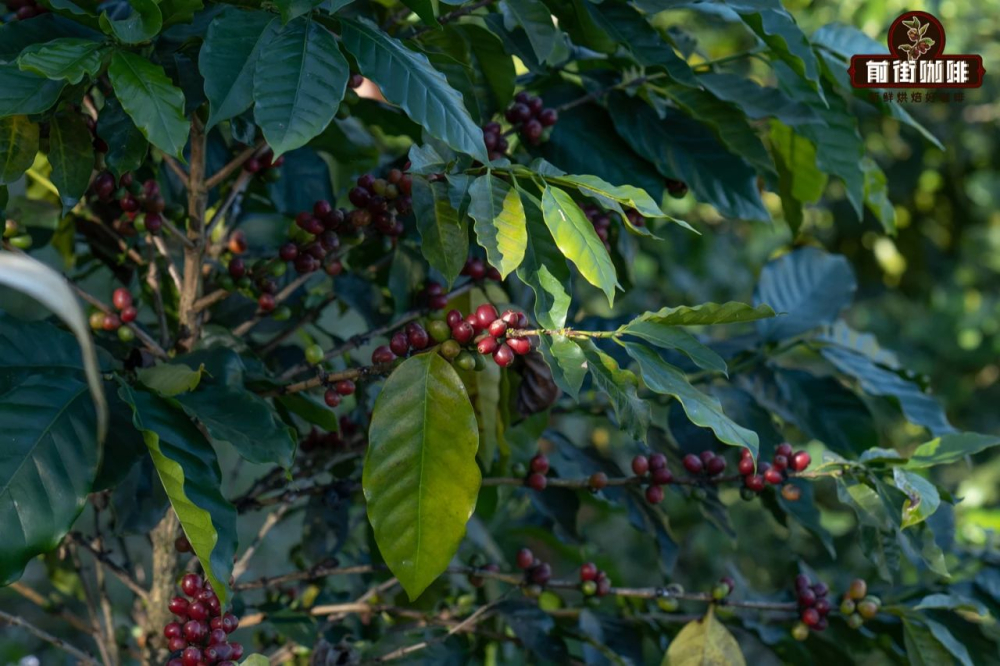
In the past, Yunnan coffee farmers had limited experience in coffee cultivation. They planted Catimor in relatively low-altitude areas, and combined with extensive processing methods, the coffee produced was mediocre in quality and was mostly purchased for commercial instant coffee. As domestic specialty coffee culture gradually spread, more and more coffee practitioners and researchers devoted themselves to the cultivation stage in Yunnan production areas, continuously improving coffee quality in aspects such as pest and disease control, shade tree arrangement, soil and water conservation, selection of planting altitude, and fresh fruit picking and processing methods. Today, Yunnan Catimor coffee produced with professional methods can also show good aroma and cleanliness.
When launching its Yunnan coffee everyday beans, Front Street Coffee went through multiple rounds of cupping comparison and finally selected washed Catimor coffee from the Baoshan production area as the representative of Yunnan coffee, releasing it in 100-gram small packaging so that everyone can conveniently taste the "flavor of Yunnan." From this Yunnan everyday bean, Front Street Coffee perceived a relatively balanced mouthfeel, with some nutty notes, light plum fruit aroma, and a sweetness similar to brown sugar, with an overall calm performance.
Most Yunnan coffee farmers have limited production conditions and cannot afford expensive processing equipment, so Yunnan coffee beans generally use natural processing methods, namely washed and sun-dried. The reason Front Street Coffee chose washed Yunnan small-seed coffee is that washed beans have better cleanliness and can also better present the basic flavor tone of the production area, which is also a natural processing method that Front Street Coffee particularly favors. In addition, Yunnan is rich in freshwater resources, but the harvest season often encounters rainfall, so large-scale use of sun-dried processing is not realistic.
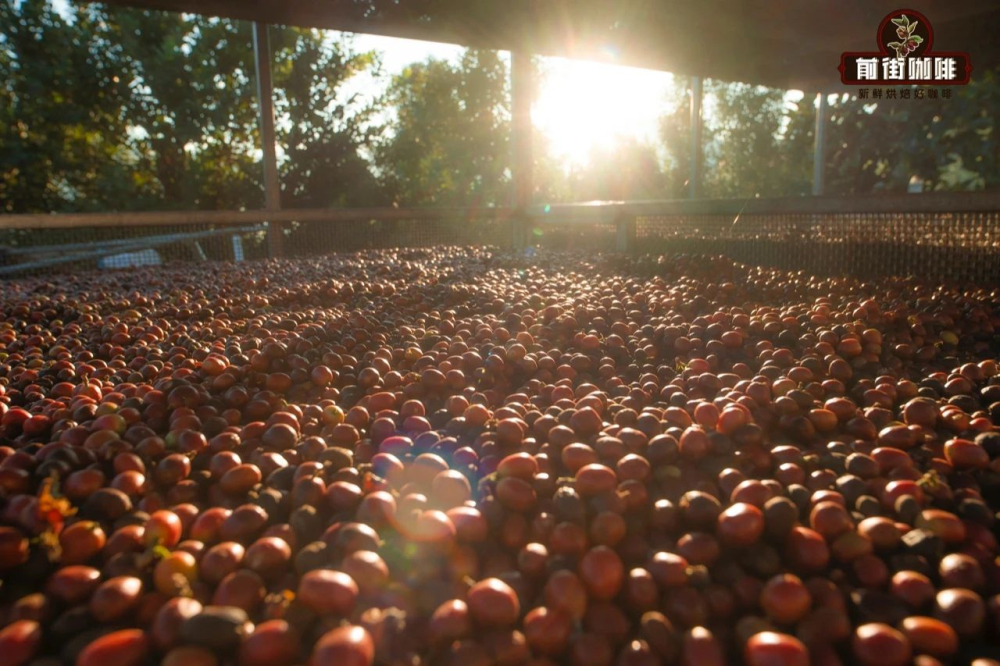
If you prefer Yunnan coffee in the sun-dried style, Front Street Coffee also has a Yunnan small-seed coffee from the Lincang production area in Yunnan - Front Street 2013, which belongs to the elegant Typica variety and uses the natural sun-dried processing method. Lincang is affected by the warm and humid airflow from the Indian Ocean and the southwest monsoon. The boundaries between the four seasons are not distinct, but the dry and wet seasons are clear, with abundant rainfall, long sunshine hours, and a short frost period. Some areas are frost-free all year round, with prominent three-dimensional climate characteristics, making it very suitable for Arabica coffee cultivation. Front Street Coffee specifically chose the most original Typica. Typica has a rich and varied flavor, presenting a variety of fruit acidity and a delicate mouthfeel. It is recognized as a high-quality variety, and the famous Blue Mountain coffee and Hawaiian Kona coffee both belong to Typica.
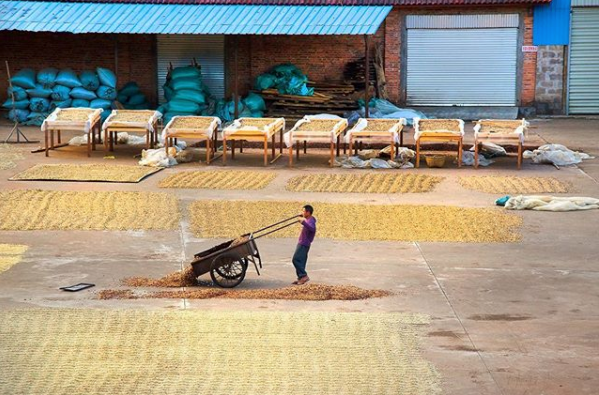
Around November each year, the coffee cherries grown by Front Street Coffee gradually mature. Front Street Coffee arranges workers to pick red coffee cherries one by one and spreads the fresh fruit in the sunlight to dry naturally, turning it irregularly so that it dehydrates evenly and avoids negative flavors caused by excessive fermentation. After the coffee beans dehydrate to a purplish-red color and reach the target moisture content, they are sent for hulling and roasting. Sun-dried Typica presents fuller fermented flavors, with prominent sweetness and aromas of caramel, berries, and black tea.
Some friends do not know how to extract Yunnan small-seed coffee beans after buying roasted ones. First, Front Street Coffee believes that the freshness of coffee beans is crucial, because roasted coffee beans have an optimal tasting period, and once the aroma peak has passed, it is difficult to extract the flavor. The beans sent out by Front Street Coffee are all freshly roasted within 5 days, precisely in the hope that everyone can enjoy the most complete tasting period.
Front Street Coffee's pour-over parameters :
Dripper: hario v60
Coffee dose: 15g
Water temperature: 90°C
Grind size: 75% passing through a No. 20 sieve
Water-to-coffee ratio: 1:15
Three-stage pouring: First, use twice the amount of water relative to the coffee grounds to wet the coffee bed. After a dome forms, let it bloom for 30 seconds. Then pour in a small stream in circles from the inside outward. Pause the staged pouring at 125g, wait until the coffee bed drops to half the height of the dripper, then pour the third stage with the same fine stream until 225g. After all the coffee liquid has filtered through, remove the dripper. The total time is about 2 minutes.
Front Street Coffee Yunnan small-seed everyday bean coffee flavor: It smells very nutty, with herbal, chocolate, and caramel notes on the palate, and a slight light fruit acidity in the aftertaste. The overall mouthfeel is balanced, with good cleanliness.
Front Street 2013 sun-dried Typica coffee flavor: The dry grounds present aromas of caramel, nuts, and citrus. At high temperature, there are chocolate, fermented notes, and berries. As the temperature drops, plum acidity appears, with a clear sweet finish of black tea and sugarcane. Medium-high body, clear mouthfeel, and rich, varied layers.
The above content is compiled by CoffeeHunters, a coffee news website.


