







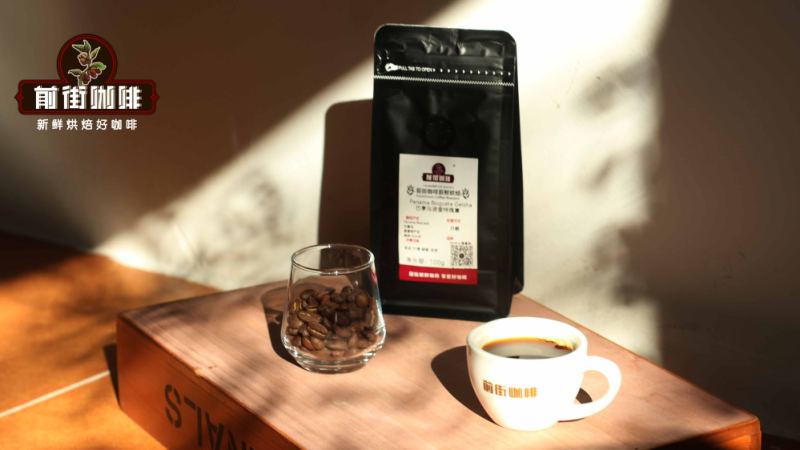
When Geisha is mentioned, most people immediately think of Panama's Hacienda La Esmeralda, whose flavor and price are considered the industry's ceiling, inspiring both admiration and sighs. To allow more coffee lovers to experience this legendary variety, Front Street Coffee has added a washed Geisha coffee bean from Geisha's birthplace—the Boquete region of Panama—to its bean list, featuring the signature orange blossom aroma and honeyed charm. This article will systematically outline the botanical characteristics and cultivation challenges of the Geisha variety, introduce the background of Panama's coffee industry rise, deeply analyze the terroir advantages of the Boquete region, and explain in detail the washed processing flow, medium-light roasting approach, and in-store pour-over extraction parameters, helping readers fully understand this bean's origin story and brewing key points.
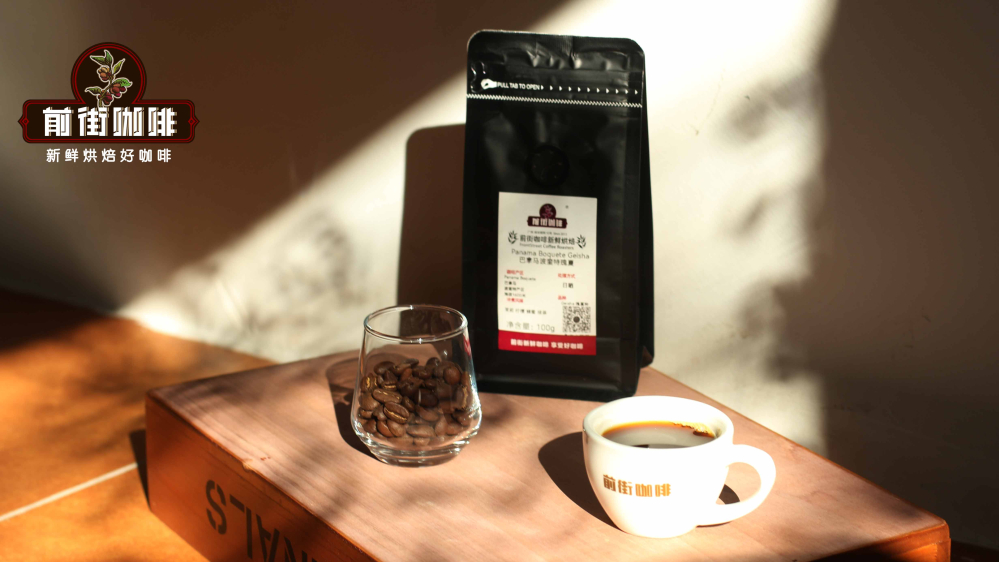
Geisha coffee is first and foremost associated with Panama's Hacienda La Esmeralda in most people's minds, with its flavor performance and price positioning both at the top tier. For this reason, many enthusiasts lament that it is hard to afford. Front Street Coffee's bean list includes a Geisha coffee bean from Panama's Boquete region, where Geisha rose to fame, processed using the washed method, presenting Geisha's signature orange aroma and honeyed charm, giving friends who want to explore Geisha's flavor a chance to experience this legendary taste.
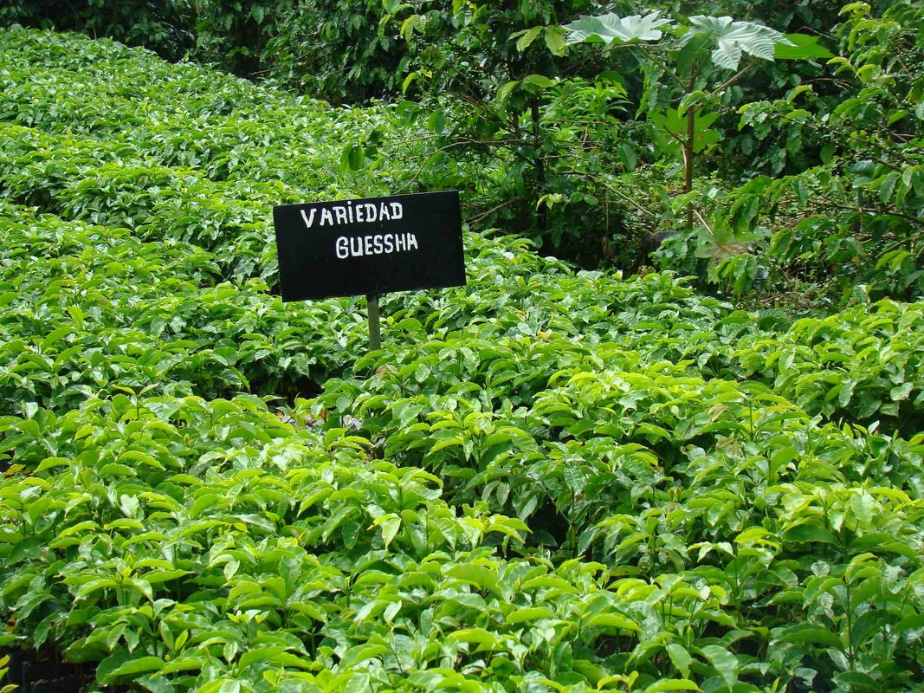
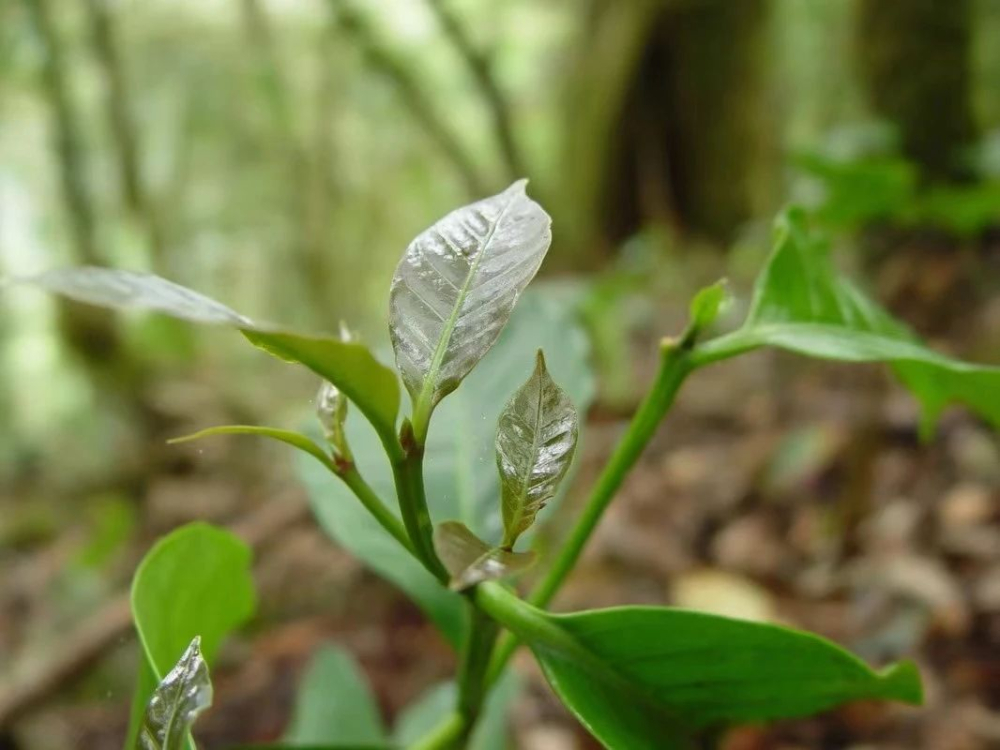
Before introducing this bean specifically, Front Street Coffee will first help everyone understand what makes the Geisha variety so special. Compared with other Arabica varieties, Geisha has lower fruit yield, and the plant itself is relatively fragile, extremely picky about growing conditions. It prefers high altitude, fertile soil, and environments shrouded in clouds or shaded by trees, and cannot withstand direct sun exposure.
The leaf tissue of the Geisha coffee tree is very thin, so its photosynthetic efficiency is relatively low, and its root system is not strong enough either. The process of absorbing water and nutrients is quite slow, resulting in overall scarce yield. In addition, the fruit maturation cycle is longer in high-altitude environments, and a single Geisha tree's fruit output is about only half that of the Caturra variety, which is also one of the important reasons for its high price. The higher the growing altitude, the longer the Geisha fruit takes to mature, and the more complex and unique its flavor expression becomes.
Where is Panama located?
Panama is located in Central America, connecting North America and South America, adjacent to Costa Rica and Colombia. Panama's coffee development history can be said to come with its own halo. As is well known, the Panama Canal was built by the United States, and after completion it was once managed solely by the United States.
It was precisely the excavation of the canal that led a large number of American elites to go south at the end of the 20th century, driven both by work needs and business opportunities. Many of Panama's famous coffee estates were founded by this group of people. For example, the owner of Hacienda La Esmeralda was previously a banker, and the owner of Hartmann Estate was an engineer by background. These elites followed principles of standardization and refinement in estate management, from dividing plots by altitude to determine coffee bean grades to manual picking and refined processing—all key factors in Panama coffee winning worldwide reputation.
Getting to know the Boquete region
The Boquete region is located in a town in Chiriquí Province, Panama, on the eastern side of Barú Volcano, in a highland area at about 1,000 to 2,000 meters above sea level, facing the warm, humid Caribbean monsoon and backed by cold Atlantic currents, with towering and steep mountain terrain. Barú Volcano National Park is an ecological protection area, rich in biodiversity, with seven microclimates, misty year-round, and abundant rainfall, creating excellent cultivation conditions for plants.
Benefiting from such superior terroir, the Geisha coffee here absorbs essences from all sides and transforms them into elegant floral and fruity aromas and layered acidity, naturally also frequently achieving excellent results in various competitions. After Geisha became famous, producing regions everywhere introduced it, but even with the same variety, coffee quality and flavor from different terroirs and climates still differ. Front Street Coffee believes that Panama, as the place where Geisha rose to fame, with mature cultivation techniques and processing methods, still produces Geisha coffee that is a guarantee of industry reputation. Therefore, compared with Geisha lots from famous estates, Front Street's Boquete Geisha coffee bean focuses more on presenting the "taste of place" of Geisha from the broader region.
Washed processing, as one of the most traditional green bean processing methods, not only makes coffee quality more stable but also allows Geisha to show higher cleanliness and a fresher flavor direction. After roasting, Front Street . Boquete Geisha presents elegant white floral aromas, lifted citrus and lemon acidity, and a faint green tea note, as if drinking a cup of gentle Tieguanyin.
During green bean processing, the selected coffee cherries are first sent to a depulper to initially remove the skin and pulp; then the green beans still attached to mucilage are immersed in water and fermented for about 24 hours; after fermentation is complete, the green beans with parchment are placed in a flowing water channel for washing to remove residual pulp and mucilage; after washing, they are dried in the sun or with a dryer until the moisture content drops to about 12%. Finally, the parchment of the green beans is removed.
Front Street . Geisha coffee's flavor is known for rich floral aromas and complex fruit notes. To preserve more of Geisha's high-quality acidity, Front Street's roaster chooses a medium-light roast (slight adjustments are made for different lots). This roast level does not greatly change the high hardness of high-altitude beans, so brewing requires increasing the extraction yield to show a fuller flavor layering. Here, a higher water temperature and a finer grind are used to stimulate more aromatic substances. At the same time, to make Geisha's flavor clearer, Front Street appropriately widens the coffee-to-water ratio, using 1:16.
Front Street's flavor description for each coffee is based on freshly roasted beans. If coffee beans are stored for more than a month, the aroma may have already partially dissipated, making it difficult to reproduce during brewing. Front Street deeply understands the importance of freshness, so it only ships coffee beans freshly roasted within 5 days, ensuring everyone can enjoy the fullest tasting window upon receipt. Below, Front Street demonstrates the brewing steps for the in-store Panama Boquete Geisha for everyone's reference and comparison with their own brewing approach.
Because Front Street . Panama Boquete Geisha coffee beans are medium-light roasted, and light-roasted beans have a lower dissolution rate of coffee substances than dark-roasted ones, a higher water temperature was used for brewing in order to fully extract Geisha's flavor, and a finer grind was also chosen.
Front Street . Boquete Geisha coffee pour-over parameters are: dripper: V60, water temperature: 91-93°C, dose: 15g, coffee-to-water ratio: 1:16, grind size: fine granulated sugar size (20号筛碗筛粉到80%)
Three-stage extraction: Fold the filter paper and fit it snugly with the dripper, use a small amount of water to wet the filter paper while making them fit better, and pour out the water in the server. Then add the coffee grounds and tap lightly so the coffee bed is evenly distributed. In the first stage, gently pour 30 grams of water for blooming, with a blooming time of 30 seconds. In the second stage, pour to about 125 grams of water, circling outward evenly and steadily. Then wait for the coffee liquid to drop. When it has dropped by half, pour the final stage of water to 225 grams. After all the coffee has dripped through, the total extraction time is generally about 2 minutes.
The pour-over Front Street . Panama washed Boquete Geisha coffee has obvious clear acidity of citrus, lemon, and bergamot, with a creamy smooth mouthfeel when swallowed, and a finish of green tea and honey sweetness.
The above content is compiled by CoffeeHunters, a coffee news website.


