





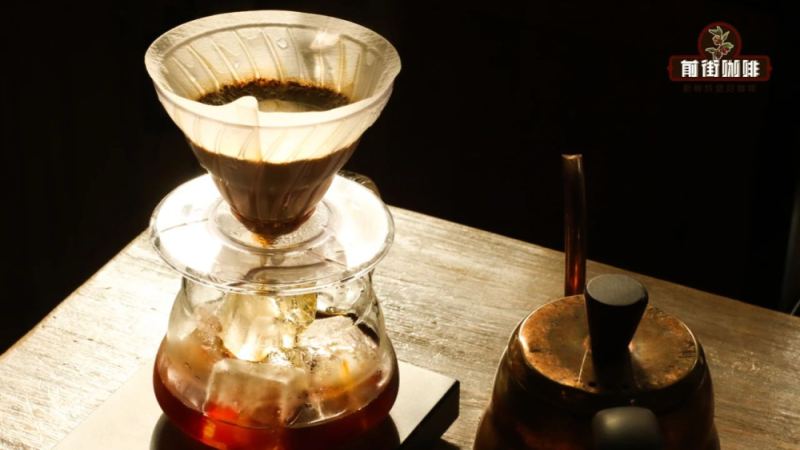
Why does an arabica bean drip bag taste weaker than pour-over?
Drip bag coffee and pour-over share brewing logic, but the same arabica bean usually tastes fuller in a pour-over. The drip bag's real value is convenience and speed, so it should not be judged by pour-over standards. Choosing quality beans and controlling water volume are the practical fixes.
Front Street Coffee lists over fifty single-origin beans suitable for drip bags. Floral and fruity profiles come through in a sun-dried Huakui drip bag or a washed Yirgacheffe, while nutty, sweet options include Indonesian Mandheling and Brazilian Cerrado. A staged pour of about 150 to 160 milliliters gives a smoother cup in a fast routine.
Drip bag coffee and pour-over coffee share many similarities in their brewing principles, but even when using the same coffee beans, pour-over usually delivers a superior flavor profile. Judging drip bag coffee by pour-over standards is somewhat demanding. The real advantage of drip bag coffee lies in its convenience and speed, so how to brew a relatively ideal cup from it becomes a topic worth discussing. This article starts with coffee bean quality, outlines the core differences between drip bag and pour-over, explains the flavor characteristics of Arabica beans in drip bag coffee, and recommends several single-origin options from the Front Street Coffee bean list suitable for drip bags. Finally, it shares a practical brewing method with staged pouring and a total volume of about 150 to 160 milliliters, helping you enjoy a smooth cup of drip bag coffee even in a fast-paced life.
For more specialty coffee knowledge, please follow our WeChat official account: Front Street Coffee (FrontStreet Coffee)
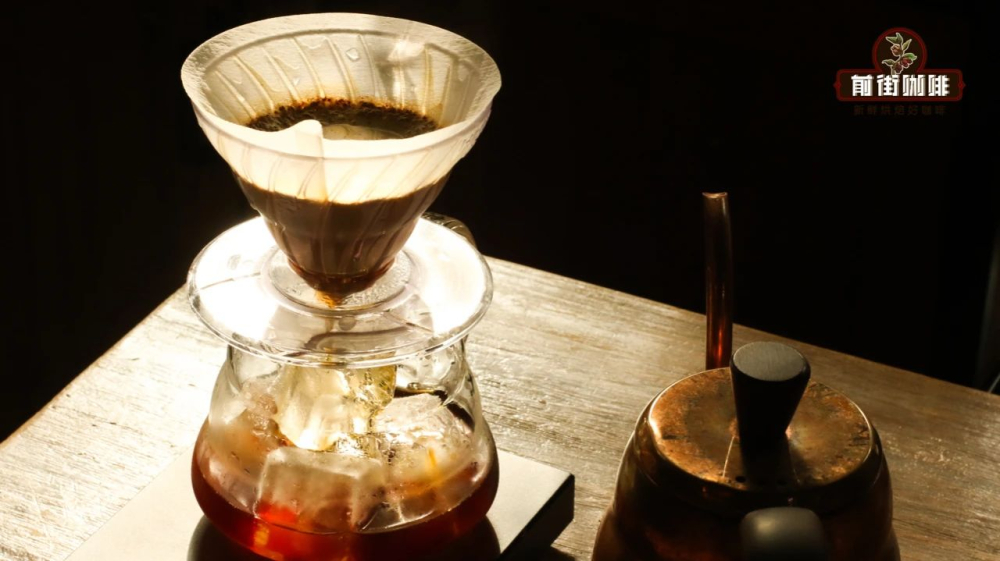
Drip bag coffee and pour-over coffee share many commonalities in their brewing logic. However, if exactly the same coffee beans are used, the pour-over method usually yields a better flavor expression than drip bag coffee.
Therefore, judging drip bag coffee by the standard of pour-over output is indeed somewhat unrealistic. Adjusting expectations back to drip bag coffee itself, convenience and speed are its core values. For this reason, how to operate to make drip bag coffee present a relatively more ideal taste is well worth discussing.
To make drip bag coffee taste good, the prerequisite is naturally to use high-quality Arabica coffee beans. On the Front Street Coffee bean list, there are over fifty single-origin coffee beans from different regions that can be made into drip bags,
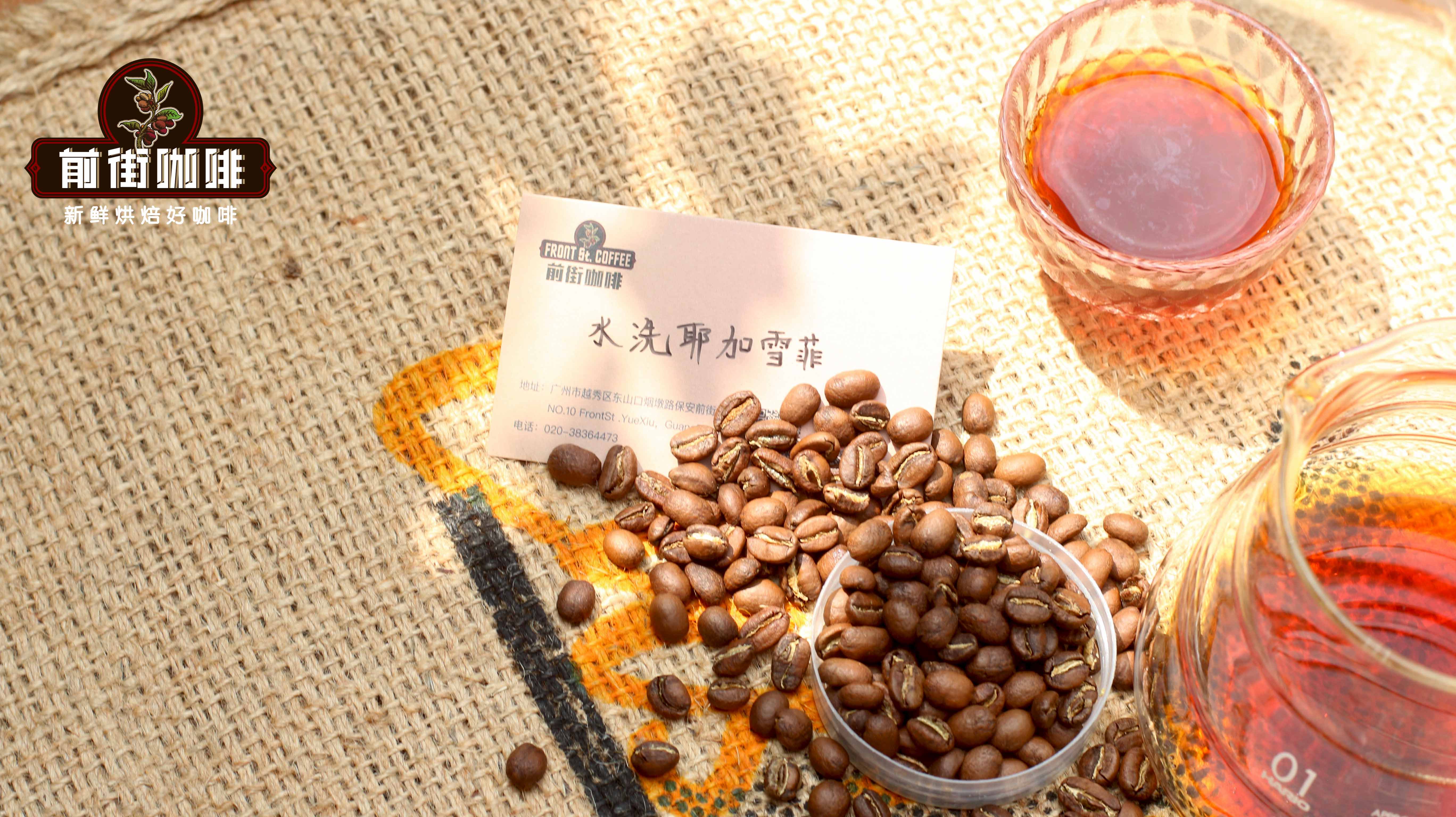
If you prefer floral or fruity notes, you can purchase classic fruity-acid drip bags like Front Street Coffee. Sun-dried Huakui Drip Bag, Front Street Coffee. Washed Yirgacheffe ; while those who enjoy the rich body and sweet aftertaste of coffee are recommended to choose specialty coffees featuring nutty flavors, such as Front Street Coffee. Indonesian Mandheling Drip Bag, Front Street Coffee. Brazilian Cerrado Drip Bag, Front Street Coffee. Jamaican Blue Mountain Drip Bag .
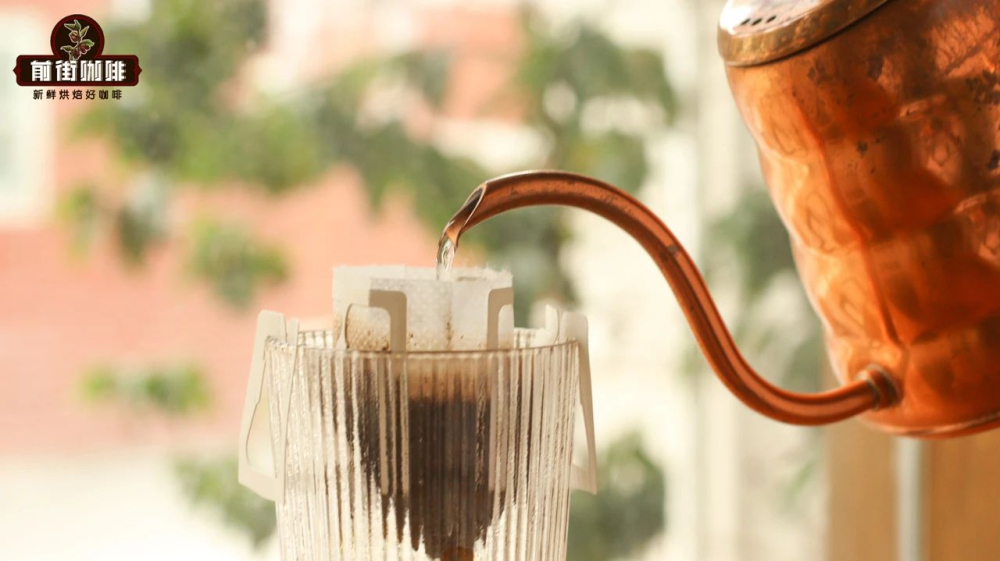
Next, you need to determine the amount of water to pour. If you are unsure how much water to use, you can follow the rhythm below. For the first pour, fill to the 1/2 level of the drip bag and let it bloom for 20 seconds;
For the second pour, fill the drip bag directly to the top; after the coffee liquid has dripped through, for the third pour, fill the drip bag to the top again, and after the coffee liquid has dripped through once more, for the fourth pour, similarly fill the drip bag to the top. Once dripping is complete, you can remove the drip bag. Pouring this way, the total water volume will be approximately between 150-160ml.
The above content is compiled by CoffeeHunters, a coffee news website.


