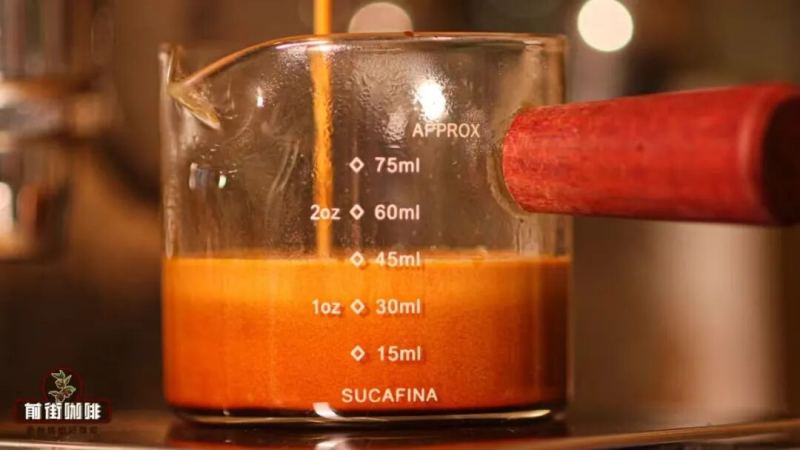
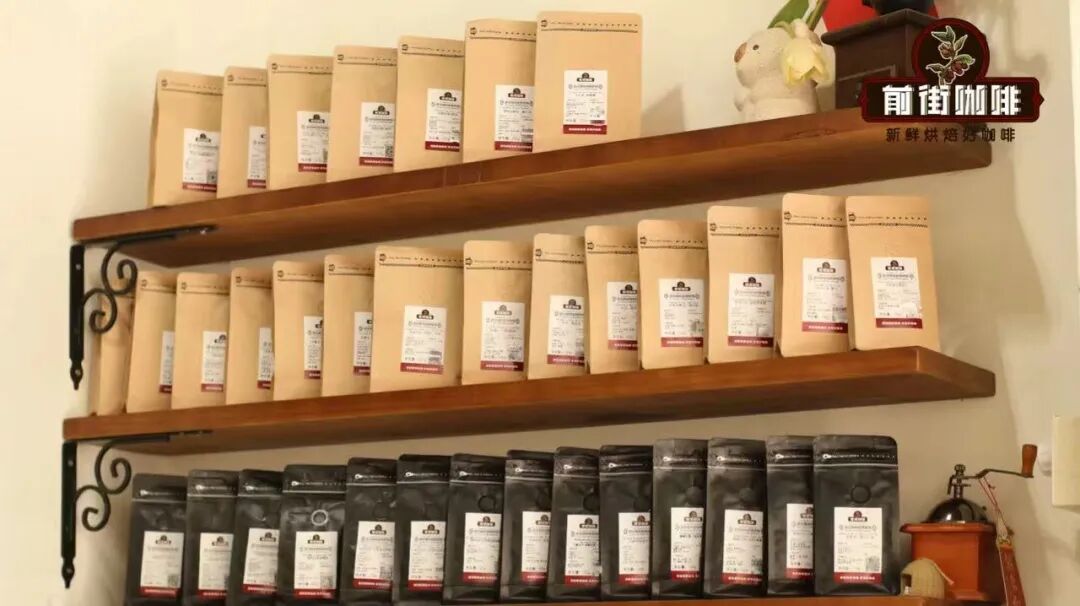
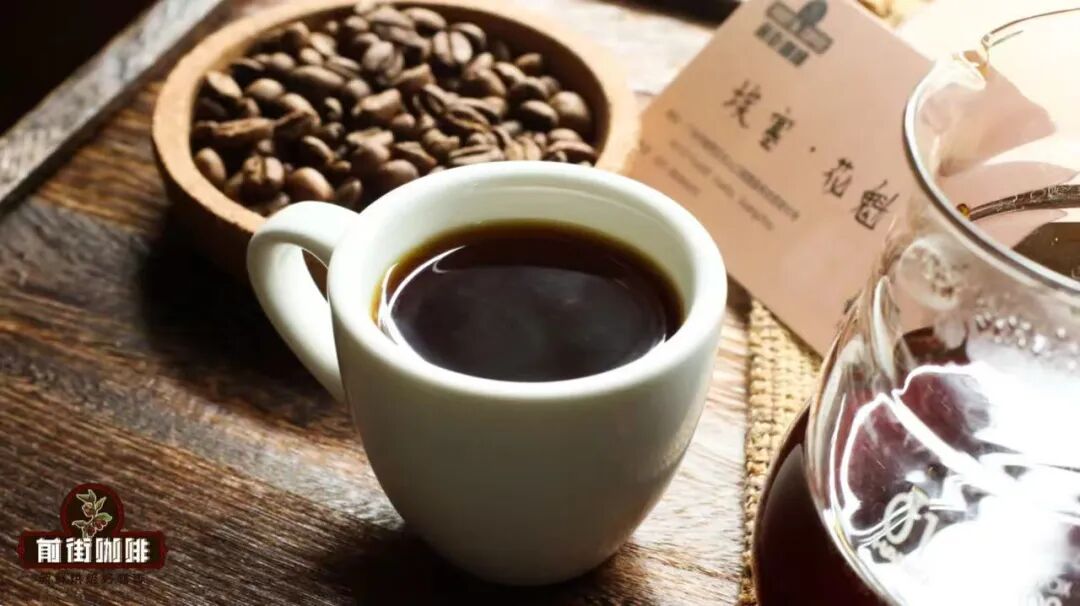
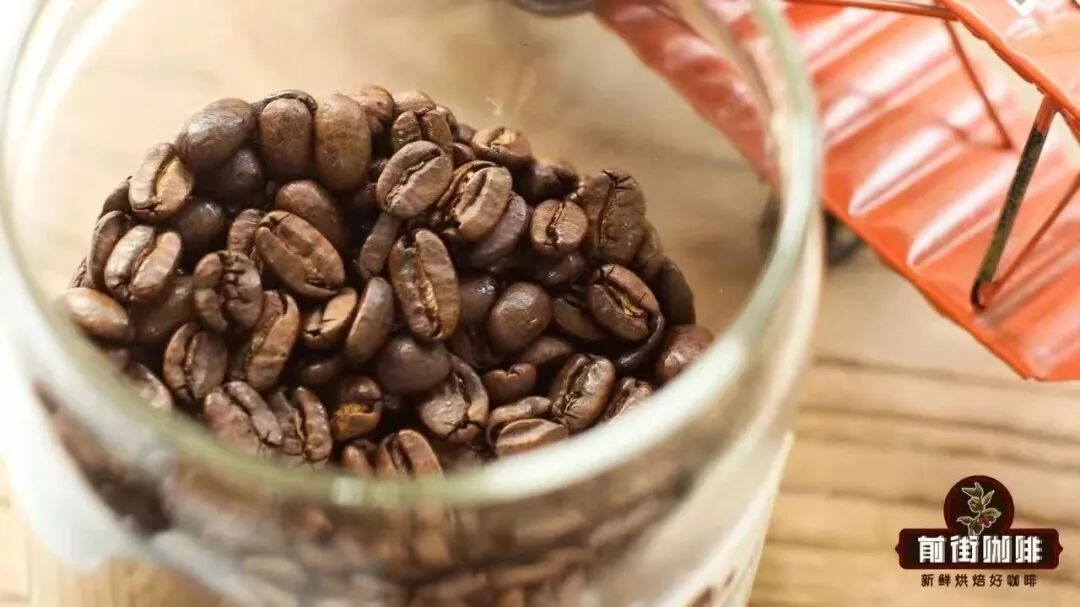
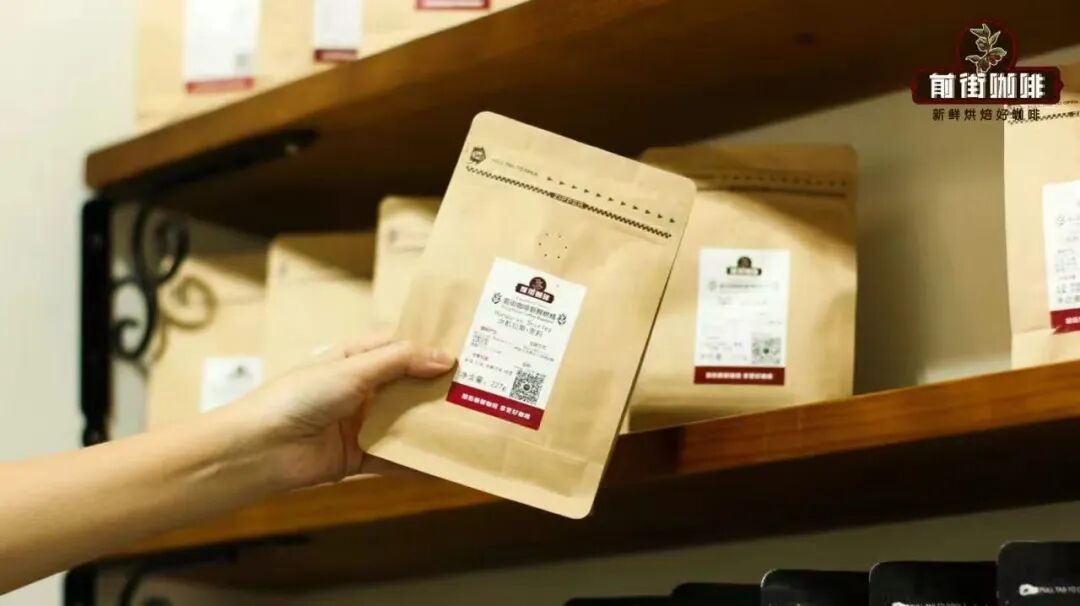
Since many friends have just recently started out, they know nothing at all about all kinds of coffee jargon. This leaves them at a loss when buying coffee beans, unsure how to choose beans that suit their taste.But buying coffee beans isn't actually that complicated. As long as we understand a little basic knowledge about coffee beans, we can easily pick out our ideal beans.
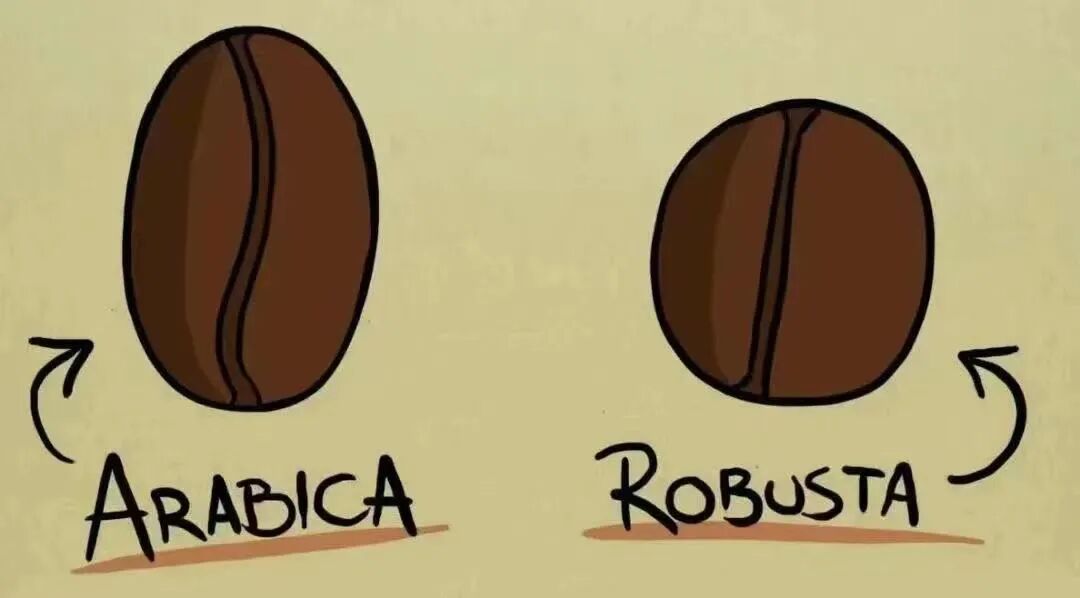
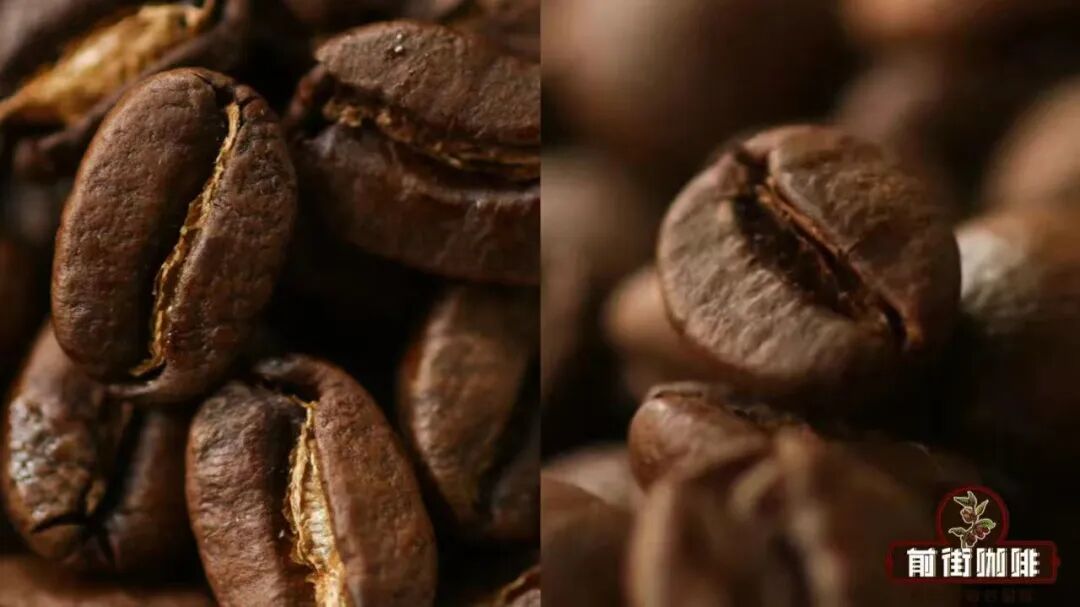
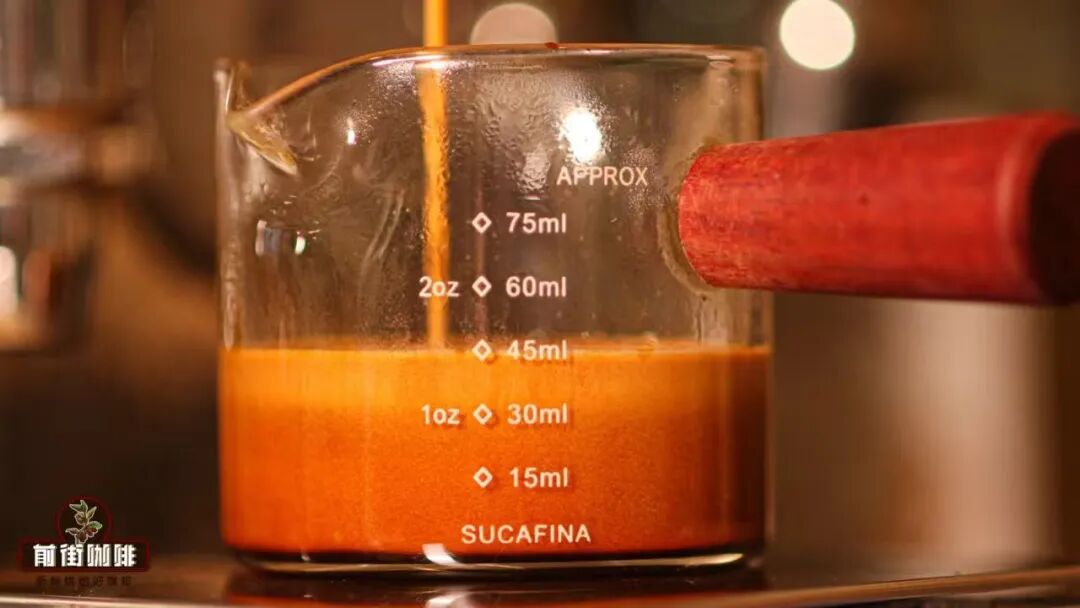
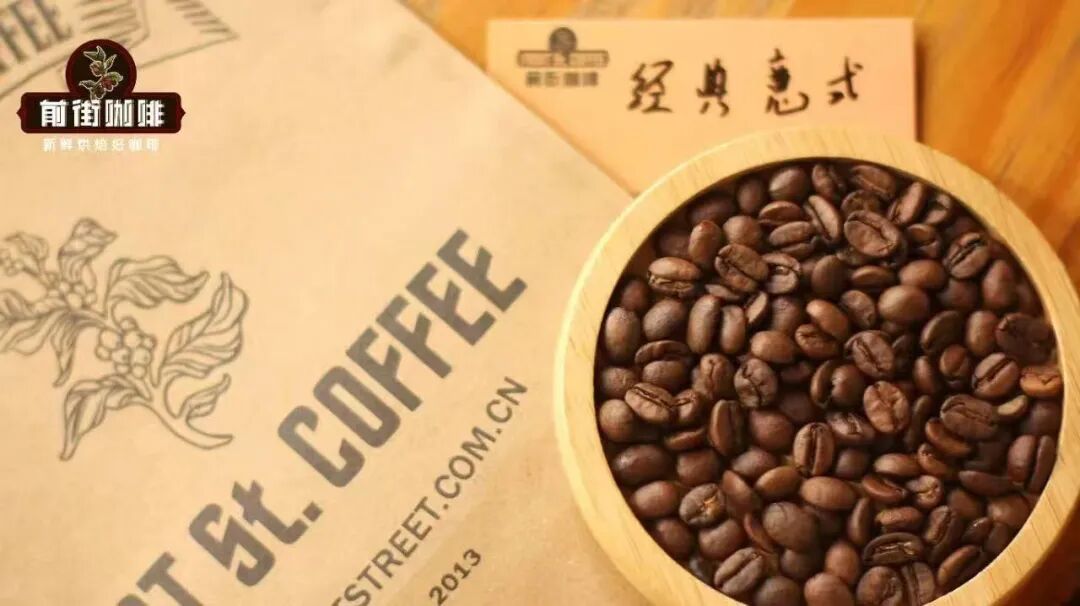
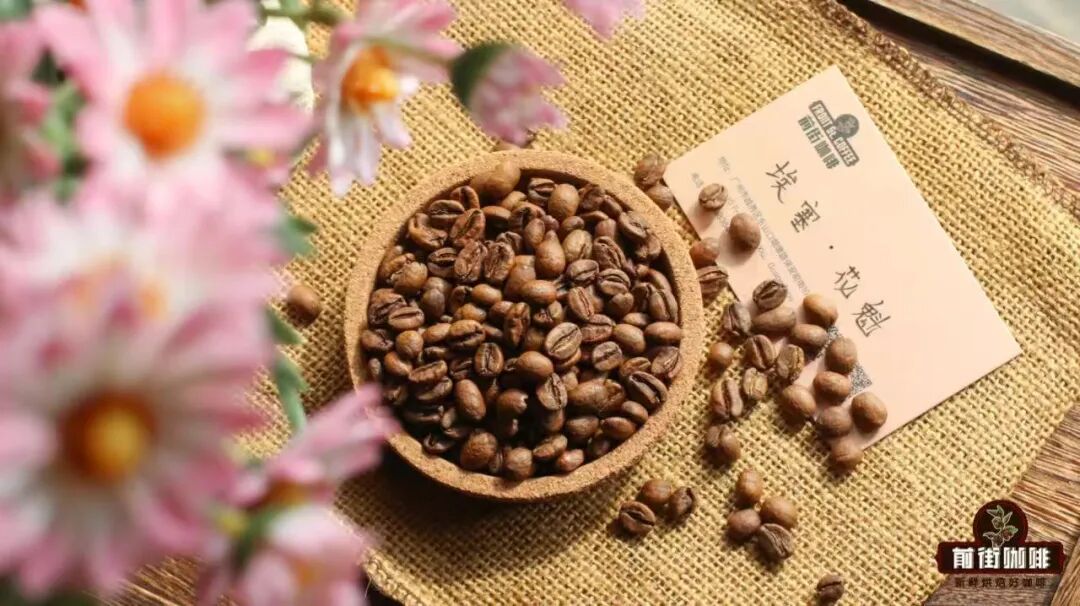
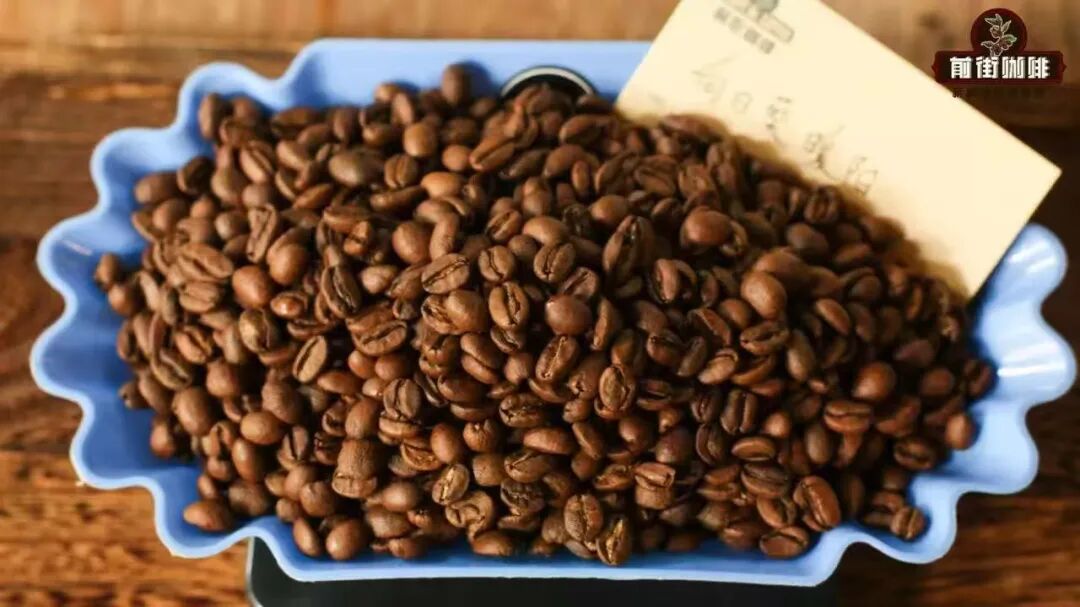
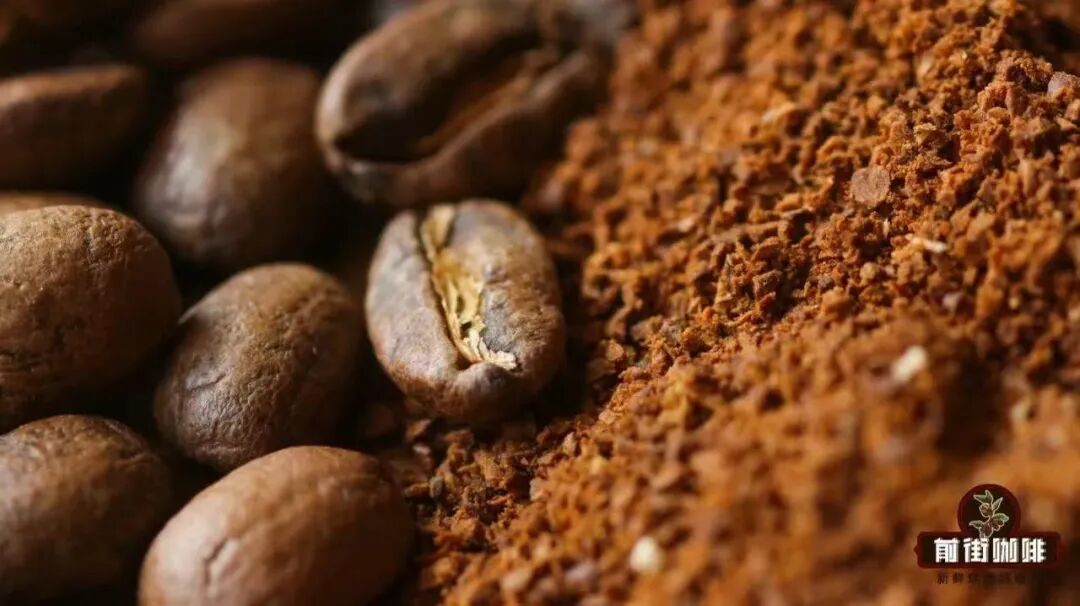
So today Front Street Coffee will answer some questions that beginners often run into when buying coffee beans, which should help everyone better choose the beans they want.Should you choose Arabica or Robusta?There are currently two main types of coffee sold on the market: Arabica and Robusta. Different varieties differ in price, taste, and characteristics, so many friends often ask Front Street Coffee things like: "What's the difference between Arabica and Robusta," "Is it better to choose Arabica or Robusta," and so on.Arabica:The Arabica coffee species is what we often call small-bean coffee. It is currently recognized as the representative of high-quality coffee. Varieties such as Typica, Geisha, and Bourbon are all sub-varieties under the broad Arabica category.Compared with Robusta, Arabica has less caffeine and delivers outstanding flavor. So if you want a cup of coffee that is easy to drink and has excellent flavor, then your first choice can naturally be pure Arabica coffee beans~(Arabica on the left, Robusta on the right)Robusta:The Robusta coffee species is medium-bean coffee, or "Robusta" for short. Compared with Arabica, Robusta's flavor is relatively lacking, and its caffeine content is higher, so it tastes more intense. That's why Robusta generally isn't offered on its own, but is instead used for making instant and canned coffee because of its low price.But Robusta isn't as bad as everyone imagines, because Robusta can give coffee rich crema. So many merchants add a small amount of Robusta to their blends, which lets the extracted espresso have more crema without affecting the flavor.Moreover, the presence of a little Robusta can also give the coffee a richer taste, which can stand up well against the flavor of milk. Even if a large amount of milk is added, the coffee's flavor won't easily be masked. For example, the Front Street Classic Blend on Front Street Coffee's bean list includes a small amount of Robusta. If you have certain requirements for coffee crema, or if you'd rather drink a rich, fragrant milk coffee, then a blend that includes Robusta will be a good choice~How should you choose between blended coffee beans and single-origin coffee beans?Blends and single origins are the issue many friends struggle with most when buying espresso beans, both because they can't tell the difference between the two and because each has its own strengths.Single-origin coffee beans:Single-origin coffee beans refer to coffee beans from a single producing region, that is, coffee grown in the same region or on the same plot and then packaged and sold is called "single origin." Single-origin coffee beansbecause they are not mixed with coffee beans from other producing regions,so their defining trait is that they can perfectly showcase the unique flavor and characteristics of the producing region. At present, the mainstream beans used for pour-over coffee are single origins.And the espresso made with them is called "SOE." SOE stands for Single Origin Espresso, which translates to espresso made with single-origin coffee beans. The roast level used for making SOE is generally a bit darker than the single-origin beans used for pour-over, because the goal is to reduce the coffee's acidity and strengthen its flavor. So when many merchants sell single-origin beans, they offer multiple roast levels. For example, the Front Street Ethiopia·Huakui on Front Street Coffee's bean list offers both a lighter roast for pour-over and a darker roast for SOE~Blended coffee beans:Blended coffee is made by mixing two or more beans from different producing regions or with different processing methods. There are many purposes for blending coffee, such as giving the beans a texture far beyond others at the same price(high cost-effectiveness), greater stability, and more diverse characteristics. In short, it can achieve an effect where 1+1>2.So everyone can see that the characteristics of the two are completely different. Single-origin beans focus on single-origin traceability and a single flavor profile. If you want to taste the distinctive flavor of a certain place, then single-origin beans will be a very good choice; while blended beans focus on higher cost-effectiveness and a more well-rounded presentation. If what you pursue is higher cost-effectiveness and richer characteristics, then blended beans will be a good choice.Should coffee beans be dark-roasted or light-roasted?Next is the question of roast level. The main difference between dark-roasted coffee beans and light-roasted coffee beans lies in the taste. So how to choose should be decided according to our own preferences.Light-roasted coffee beans:Because light-roasted coffee beans stop roasting in the early stages of the Maillard reaction and caramelization, they retain abundant organic acids, so the coffee's taste is mainly acidic with less bitterness. And because there isn't much bitterness to mask them, fresher flavors such as floral and fruity notes stand out more. They are relatively suitable for making black coffees such as Americanos and pour-overs, and are very well suited to friends who like "sweet-and-sour" flavors and fresh notes.And the Front Street Ethiopia·Huakui mentioned above by Front Street Coffee is a very good example. The espresso extracted with it has a relatively soft acidity, and when drinking it you can clearly taste the acidity of citrus along with light cream and floral notes.Dark-roasted coffee beans:Dark-roasted coffee beans, because the Maillard reaction and caramelization proceed more thoroughly, produce many notes of chocolate, caramel, and nuts, and taste mainly bitter. There will be a little acidity, but it is almost masked by the bitterness. The darker the roast, the stronger the bitterness and the less the acidity. If you are someone who dislikes acidity and likes high body, rich aroma, and a strong sweet aftertaste, then you can try dark-roasted coffee beans.And although there aren't as many dark-roasted coffee options as light-roasted ones, each one is very classic. For example, the Front Street Brazil·Queen Estate on Front Street Coffee's bean list produces coffee with rich nutty, creamy, and chocolate flavors; or the Front Street Indonesia·Golden Mandheling, whose extracted coffee has pine, spice, and chocolate notes with a strong sweet aftertaste.It should be noted that if you are after coffee crema, then the coffee beans you choose should preferably be dark-roasted. This is because coffee crema is affected by roast level and freshness. The darker and fresher the coffee beans, the richer the extracted crema. And vice versa.Should you look at the roast date when buying coffee beans? Do coffee beans need resting?Front Street Coffee has always recommended that everyone buy freshly roasted coffee beans, that is, ones that have just been roasted not long ago. This is because coffee's aroma is affected by freshness. If you want to taste a complete flavor experience in coffee, then it's best to choose freshly roasted coffee beans for brewing. And when buying fresh coffee beans, many friends raise one question: do they need resting?If what you bought are coffee beans that came out of the roaster not long ago, then Front Street Coffee suggests letting them rest for a while. This is because the abundant carbon dioxide inside fresh coffee beans hinders extraction by hot water and affects stability during extraction. The brewed coffee can easily taste not as good, and may even carry a throat-catching, rough sensation, especially for espresso coffee beans.Therefore, when we buy freshly roasted coffee beans, it's best to let them rest for a period of time. A resting time of 4~7 days is enough, depending on the coffee beans' roast level, because the darker the roast, the higher the carbon dioxide content, and naturally the longer the resting time.Is it recommended to grind coffee beans?Last is whether to grind or not! If you have the conditions, Front Street Coffee still relatively recommends grinding it yourself, because only in this way will the brewed coffee's aroma be the fullest.After coffee beans are ground into powder, their surface area increases, and because the structure is broken, the coffee's aroma begins to volatilize faster. So unless you don't have grinding tools or are traveling, Front Street Coffee still relatively recommends grinding fresh and brewing fresh.The above are the five key points we can pay attention to when selecting coffee beans. Besides the choice of coffee beans, when buying coffee beans we also need to pay attention to a few details. For example, don't buy too much at once, otherwise it's easy for a bag of beans to be nearing the end of its best-tasting period before it has even been opened; and after buying and bringing them home, we also need to pay attention to how the coffee beans are stored, keeping them sealed as much as possible, and preferably storing them in a dry corner without direct sunlight. Otherwise the coffee beans will deteriorate faster, and the best-tasting period will be greatly shortened~Once we have mastered the above, if you want to take coffee bean selection a step further, you can break it down into producing region, processing, and variety. And Front Street Coffee has already shared this content in previous articles, so friends who are interested can search for it to learn more~
The above content is compiled by CoffeeHunters, a coffee news website.